Build a business out of loneliness, freedom and the attitude of never settling for less.
In the past, when people talked about fashion, the first reaction of most people was big brand logos: the double C of Chanel, the H of Hermès, and the monogram of LV, which dominated the industry's aesthetic for many years. Academic style, quiet luxury style, and barn core style also took turns to lead the trend for a period of time.
But the trend is changing. Relaxation, naturalness and comfort have become the new proposition of dressing. Fashion has penetrated into every aspect of daily life: the calmness on the way to commuting, the casualness at the weekend café, and the personal style that can be recognized even without logos.
A number of new brands that meet the new demands and new aesthetics are emerging on Tmall. LEDIM WANG, Not-Boring Boreboi, Tagi., The artm and other brands have captured the hearts of some groups of people and broken out of their respective circles.
In various vertical categories such as human-pet clothing and accessories, workplace women's wear, daily small goods, and fashionable women's wear, these hidden gem new brands that break stereotypes are being noticed on Tmall.
1. From competing for others' attention to "pleasing yourself"
What kind of life do modern women really want to live? They hate restraints, long for freedom, and do not want to follow the secular aesthetics blindly. They no longer dress simply for decency or to look slimmer, nor do they blindly worship big brands. They care more about "who I am after putting on the clothes", have more choices, pursue personalized expression, and please themselves first.
LEDIM WANG has noticed this sentiment. Its founder Wang Le once told 36Kr that the original intention of establishing LEDIM WANG from the very beginning was to hope that women can be brave to be themselves, embrace all kinds of body shapes, and not be defined by society. Its style is distinctive, diverse and dashing, different from the traditional "no-logoism" or "quiet luxury".
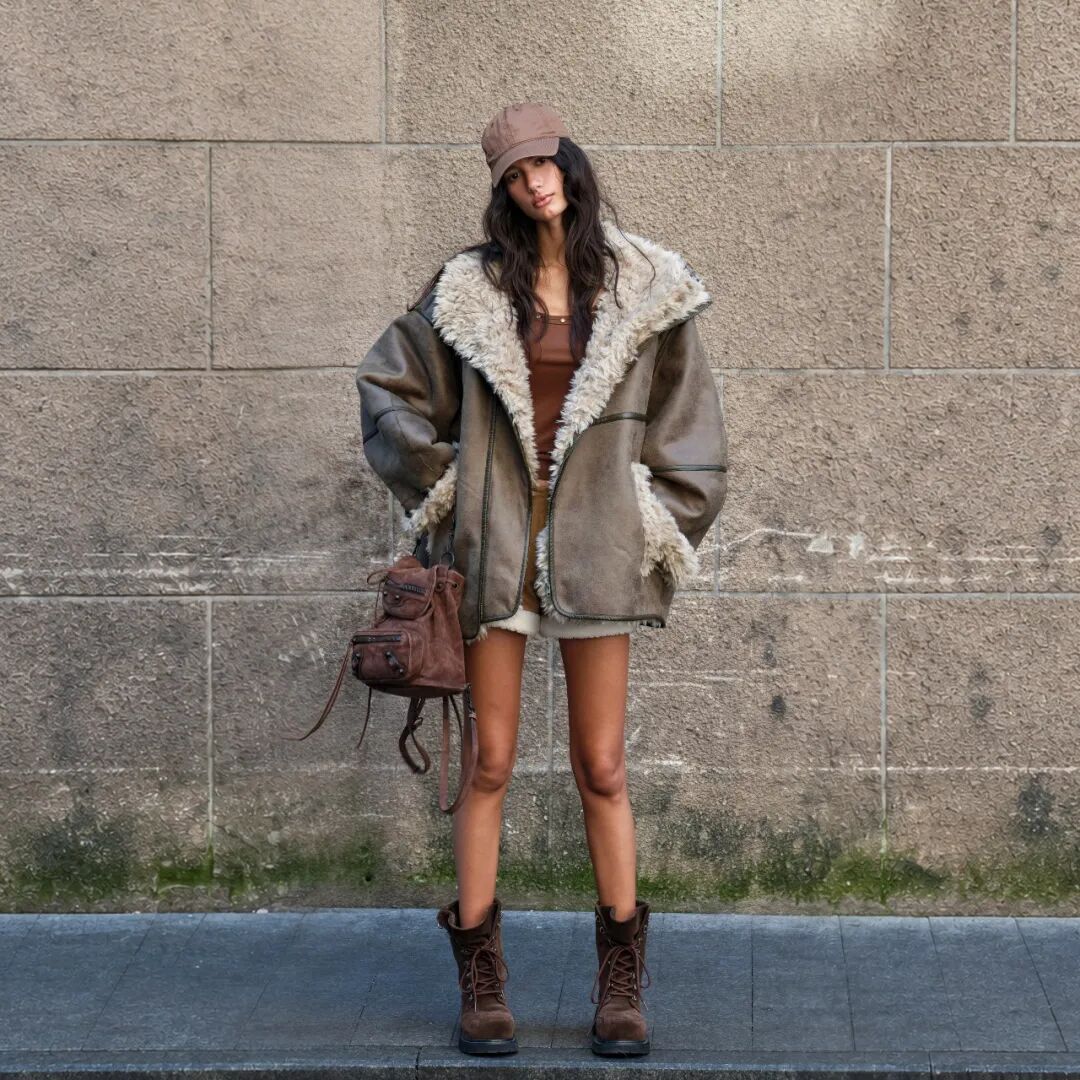
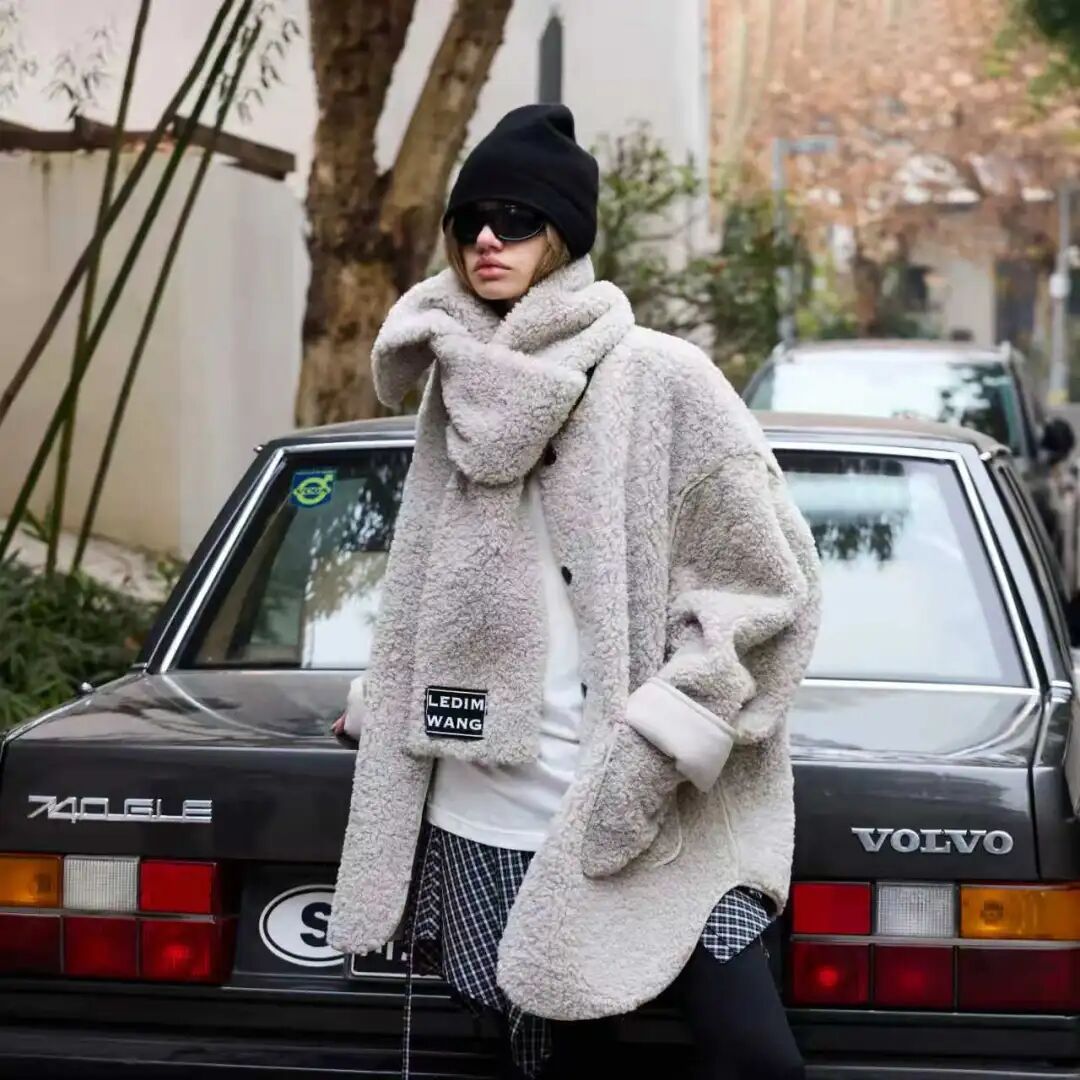
She did not first think about how many pieces of clothes she could sell, but hoped to truly solve the dressing problems. Based on her real shopping experience, she found that there was a huge market space for "clothes that she wanted to wear but could not buy", and there was not only one way to "sell well", because the clothes that sell well in the market may not be suitable for everyone.
Celebrities including Jolin Tsai, Chen Duling, Zhang Bichen, Wang Feifei, Liu Lian and others have worn the double-waistband jeans. The reason behind the popularity of LEDIM WANG's double-waistband jeans is that many women are tired of outdated designs full of stereotypes that women should have slim figures and docile personalities.
This pair of jeans has an original structure and a bold and bright style. The two layers of waistband form a natural "layered wear" effect, making the waistline three-dimensional and layered, visually like wearing two pairs of trousers. In order to make breakthroughs in structure and style, this pair of jeans has been iterated to version 5.0, not just upgraded in fabric. This is a valuable surprise in the women's wear industry where design has formed inertia for many years. Many well-known artists who pursue independence and self, such as Jolin Tsai, have worn it many times. Video programs such as *Lady, I Do* have also specially analyzed her airport outfits, calling the double-waistband design "a very recognizable tailoring technique among designer brands in recent years".
In the over-supplied women's wear market, making all-in-one commuter styles means competing for prices with thousands of stores in the same pool; making small and unique style products, on the contrary, avoids the fiercest battlefield — because almost no one makes exactly the same products as you, so you have the pricing power.
The same "pleasing yourself" idea also appears in Tagi.
The development logic of traditional daily necessities is to have functions first, and then put a good-looking shell on it. Tagi. does the opposite. Its design origin is the observation and imagination of tiny daily things — an ordinary apple, seashells by the sea, the furry kid at home, and then reimagine these images to turn them into bags, water cups, and phone cases.
Tagi.'s product design also pays great attention to experience, turning pleasing yourself into a daily ritual, and making the product a ritual action of "today's mood outfit".
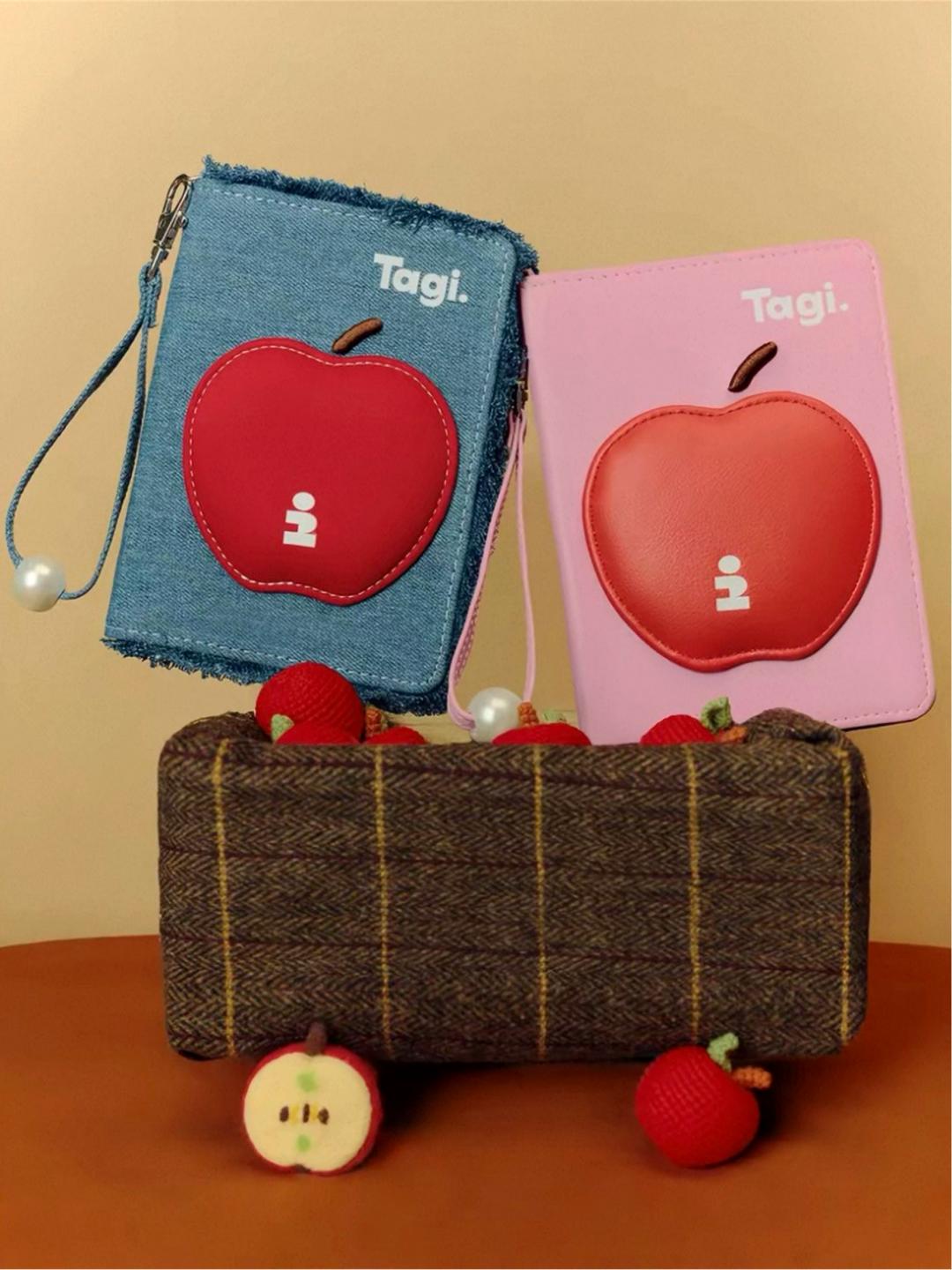
In order to enhance the sense of ritual and experience, Tagi. also sets off the emotional atmosphere through more scenario-based designs. For example, each season it launches collections around a complete theme (such as "Inspiration Picnic", "Harvest Whimsy"), and the same set of visual language covers all categories. What users buy is not an object, but the process of "piecing together the life picture of their own style" — this is a typical self-expressive consumption that pleases oneself.
2. Find resonance and dispel loneliness
Apart from pleasing yourself, loneliness is also an emotion that modern people cannot avoid.
Especially for young people who leave their hometown and come to a foreign land to pursue their dreams alone, fluffy and cute little pets are an important source of companionship for them in their busy work. Beyond fashion, the huge popularity of dolls such as Jellycat and Pop Mart is largely due to the fact that they solve the loneliness of young people.
Cross-category concepts like "human-pet cohabitation" have also ushered in a good development opportunity. Its core logic is to meet the interweaving of the owner's aesthetic and the pet's needs, similar to the concept of "parent-child outfit", so that the emotional connection between people and pets can be expanded through clothing and bags. "After all, dressing up pets is dressing up yourself".
The way Not-Boring Boreboi dispels loneliness is not to make pet products "more pet-oriented", but to upgrade the "pet relationship" from a raising behavior to a shared life through product design.
Pet clothing belongs to a cross-category market without clear market boundaries. The core logic of doing business is to take the overflow traffic of the brand's original consumer group, so many brands used to launch sub-brands when doing this category before.
However, there are actually very few products that are really suitable for pets. In the past, brands that made pet categories always used human needs to think about pets' needs, which led to long-standing pain points in some segmented markets of the pet industry, such as clothing and bags. As pet owners, many people want to buy clothes and accessories for their furry kids, spend a lot of money, only to find that their pets don't appreciate it; many pet backpacks look like typical "pet bags", which are neither beautiful enough nor practical.
From the very beginning, Xia Dongyou, the founder of Not-Boring Boreboi, hoped that he would not make monotonous and boring products. He wanted to perfectly integrate fashion and practicality, so that pets can accompany their owners more comfortably. Therefore, the brand's design style emphasizes fun and contradictory conflict, while meeting the basic needs of daily wear.
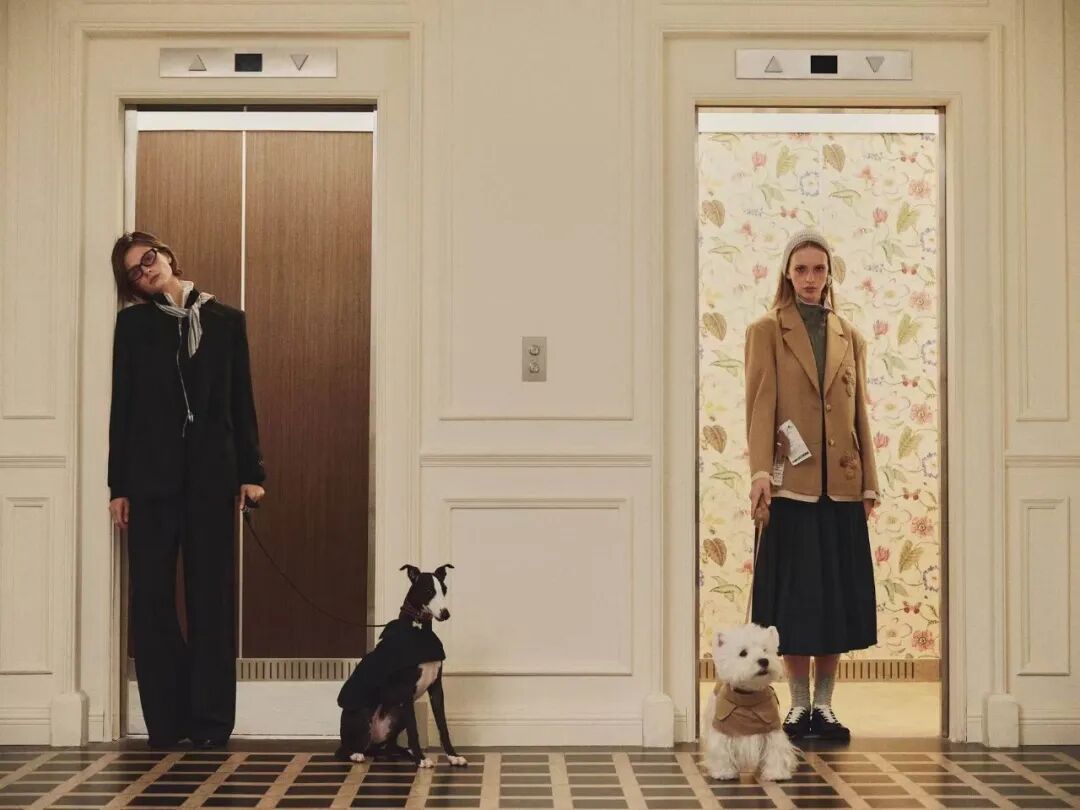
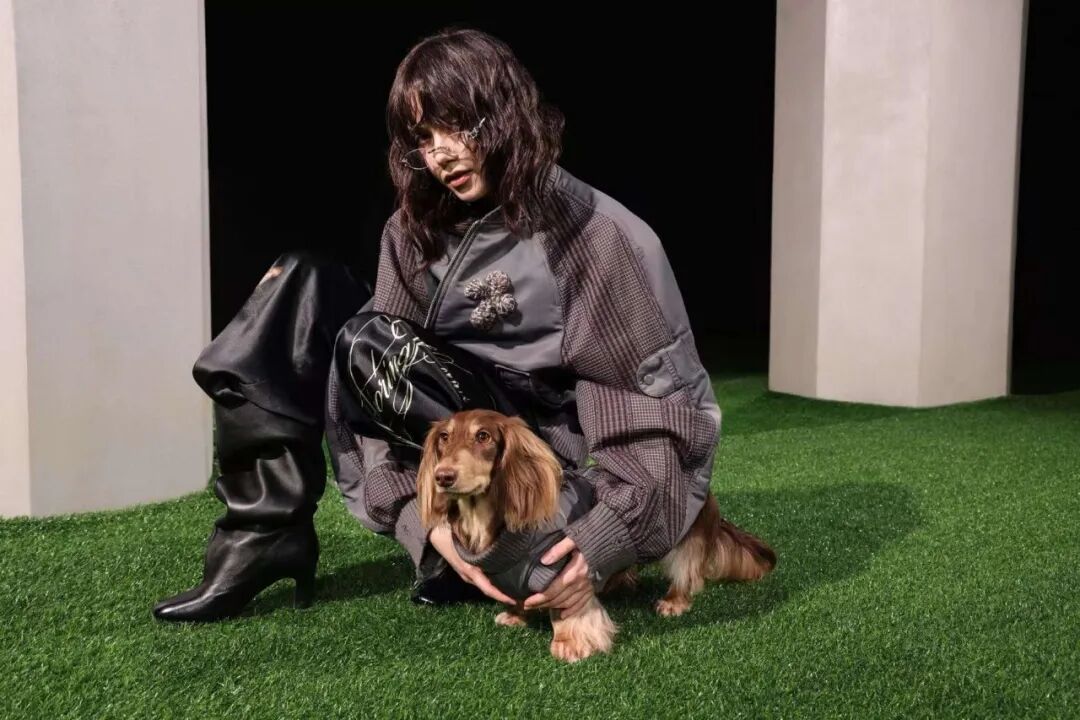
The brand shifted from the early pursuit of fashion degree to prioritizing practicality, comfort and easy cleaning. At present, its key categories are pet bags, outdoor harnesses, water cups, and poop bag dispensers, not just clothing. The meaning of "companionship" keeps expanding, and lonely modern people find their belonging and spiritual satisfaction in pets. Many pet brands are emerging, such as pidan, zeze and so on. Premium supermarkets like Sam's Club and Costco also set up special areas for pet categories.
In order to solve the pain points of using pet bags, the brand designs products as multi-purpose bags, which can be used not only as pet bags, but also as the owner's daily outdoor bags, breaking the stereotype of traditional pet bags and taking into account both beauty and practicality.
Pet clothing and human clothing share the same color system, fabric and design language, but the version needs to be readjusted according to the pet's body shape, rather than simply scaling down the proportion.
There is a lack of factories specializing in making pet clothes in China, most of which are transformed from adult clothing factories, with low cooperation willingness and small order volume leading to difficult negotiation. The founder mentioned that factories were not willing to make pet clothing at the beginning. For a harness product, they communicated repeatedly for 3-4 months before reaching a cooperation, because factories that make harnesses do not understand some special processes, while factories that make rare materials do not understand the structure of harnesses.
Tagi. also believes that even small daily items should focus on talking with consumers and carrying out emotional communication. The founder once said frankly: "Consumers are no longer just satisfied with buying a good-looking product, but increasingly hope to find brands that can express themselves, carry emotions, and even bring a long-term sense of companionship through consumption".
Loneliness is a long-term state of modern people, an emotion that cannot be eliminated in a short time. Deep feelings also need to be cultivated slowly. Therefore, Tagi. is more willing to reach long-term cooperation with many IPs that have accumulated for many years.
The founder believes that co-branded products often bring a wave of lively surprises. The creative collision between different brands allows new friends who may not have known Tagi. before to step into the brand's world, and will also bring more attention in the short term. Regular models and classic IP models often have longer vitality. Old friends like Hammy Bros and Ball Bear, who have accompanied everyone for a long time, will continue to appear in users' daily lives and be repeatedly selected and loved.
Regarding IP, Tagi. does not want to simply define them with "visual symbols" or "story characters". Tagi.'s IP products may be first known by everyone because of an interesting shape or an attractive product, but as they continue to appear in different corners of stores, content, activities and products, they gradually have their own personalities, relationships and life traces.
3. "No-compromise" high-quality goods for highly educated women
The workplace is a very special scene, which often requires matching specific clothing and accessories to maximize professionalism. But this often leads to very fixed and stereotyped product versions, without more detailed designs for different groups of people.
Since its establishment, The artm has always emphasized the concept of "invisible boundaries, tangible self". The brand believes that women can find their true self after unlimited exploration of the outside world, and it does not blindly follow the trend and standardization in design.
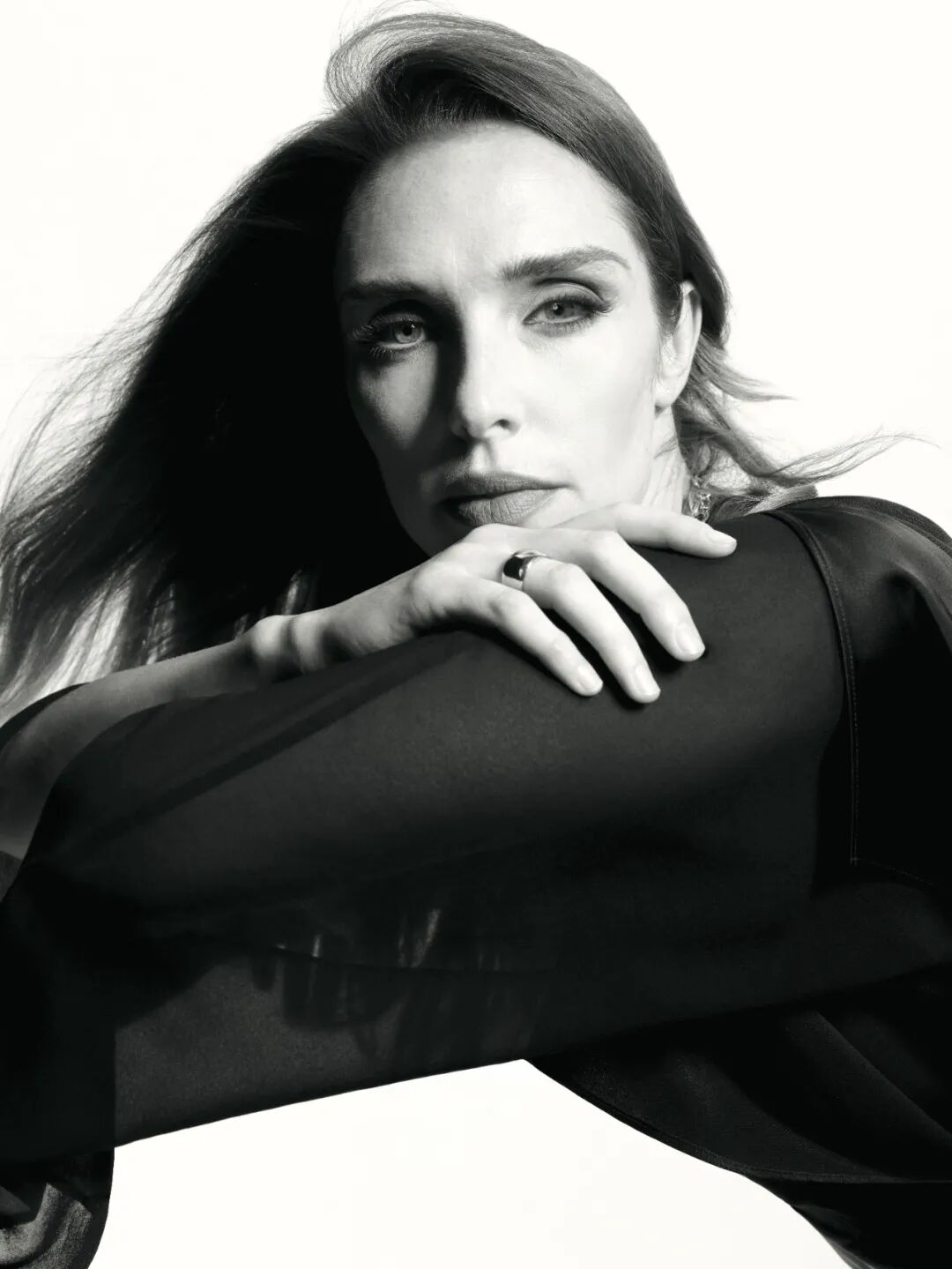
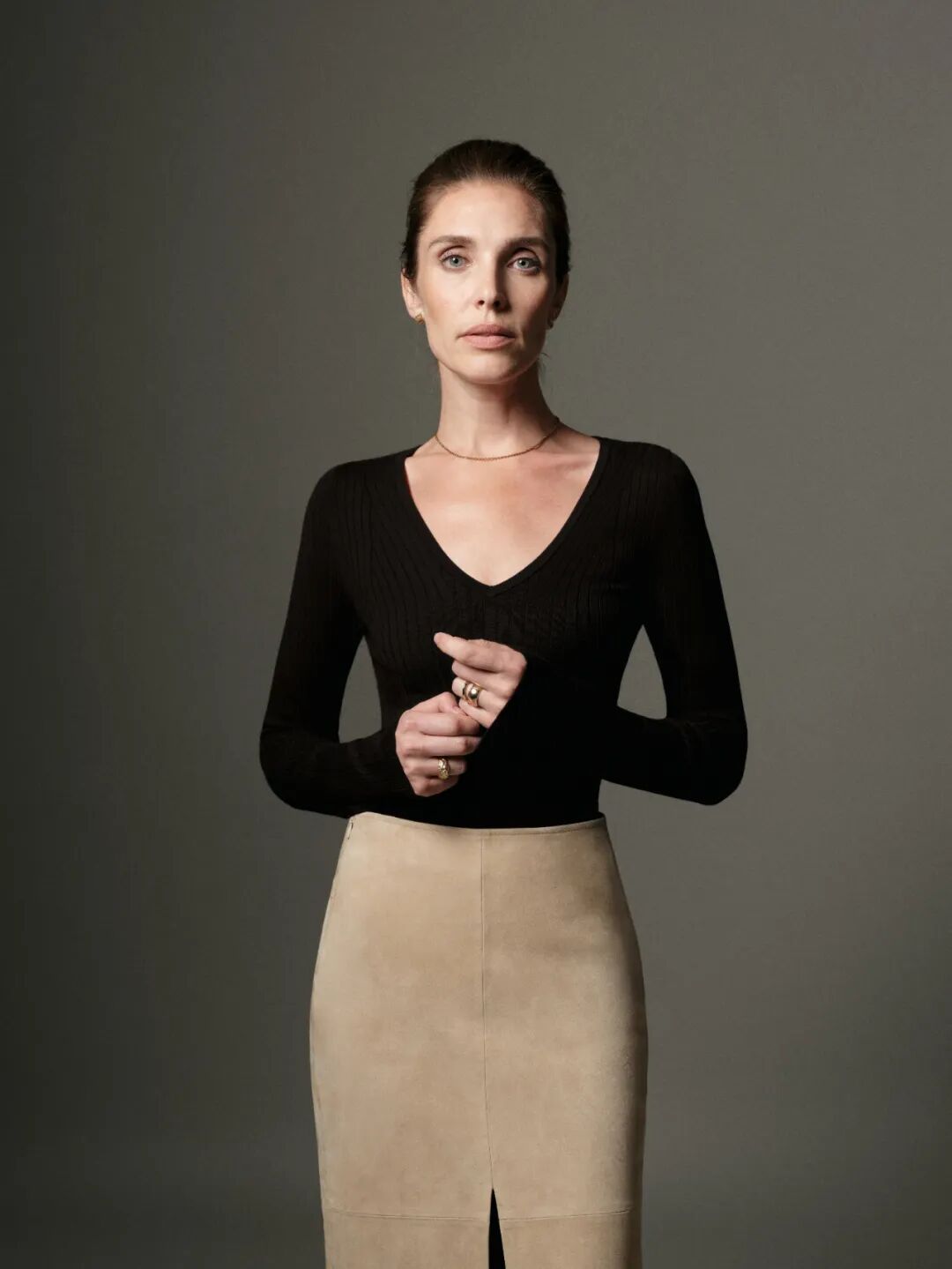
This positioning naturally attracts highly educated people. According to the brand, female lawyers are a very core consumer group of the brand.
In fact, these highly educated women with clear judgment, confidence and preference for essence need more long-term companion products, generally durable items that can be used for 5 to 10 years. They pay more attention to fabric comfort and whether the item can accompany them for a long time, rather than just the style. The brand uses worsted wool and carries out matting treatment, which presents a high-level luster and delicacy while keeping low-key, meeting the picky demands of highly educated women for details.
This group of female lawyers will praise the brand's human body tailoring combined with neat silhouette on social media, saying that its silhouette has a "architectural sense". Behind this is actually the design concept of putting human body first: showing women's wisdom and confidence through neat silhouette, rather than simply genderizing or objectifying them.
The shoulder width of an average woman is about 38-39cm. The artm extended the shoulder width of the coat to 42cm to enhance the aura, but it would make the body look wider; during the design process, the design team fine-tuned it to 41cm, presenting a neat small square visual effect, which is neat and in line with the human body proportion, avoiding the oppressive feeling brought by the inverted trapezoid.
In order to make women wear more comfortably in the workplace, The artm also focuses on developing products such as waist-tailored suits. Through the side dart structure, after five or six versions of adjustment, the waist point is accurately positioned to enhance the aura and fit the body well.
4. Tmall Hidden Gem New Brands take an unconventional path
The biggest difference from the past is that many of these newly rising brands are designer brands, which pay more attention to products and details, and are good at expressing current social emotions through products, reflecting some new lifestyles.
Most foreign designer brands rely on third-party channels such as offline boutiques and multi-brand stores to develop, which "separates them one layer away" from consumers, making it difficult for them to insight into consumer demands in a timely manner. Chinese designer brands benefit from the development of e-commerce, and can directly face consumers through online channels at a lower cost.
After the blue shirt became a hit, LEDIM WANG found the opportunity to "break out of the circle", which prompted it to decide to officially open an online store. "At least we need to let everyone see us". It chose Tmall as its shelf e-commerce position and grew rapidly in the past 3 years. In addition, Tmall has also made certain efforts in original protection.
There is also the guarantee of social mechanism behind this. In recent years, platforms such as Tmall respect and explore cutting-edge brands, and provide IP resources such as "Hidden Gem New Brands" to help brands get exposure and reach new customers. The "Hidden Gem New Brands" IP cooperation has realized the communication transformation from "single product dimension" to "brand dimension", which helps to convey the overall brand image.
This year marks the third year of Tagi.'s cooperation with "Hidden Gem New Brands". In 2024, it participated in the Thousand Stars Program and obtained systematic support in field expansion, community operation and operation efficiency improvement; in May 2025, it was awarded the "Leading Star" at the Thousand Stars Conference; this year's Double 11, Tagi. cooperated with Hidden Gem New Brands, relying on the marketing resource delivery of the multi-media matrix inside and outside the platform to accelerate the break-out of crowds, and entered a deeper stage of accompanying growth from 1