Young people who love drinking "extra-large bottled water" have made a niche beverage a smash hit, and some relevant merchants have achieved annual sales of 400 million yuan.
Protein water, which costs dozens of yuan per bottle, is on track to become the next potential breakout hit.
From the appearance, "protein water" is just a bottle of transparent fruit-flavored drinking water. The reason why it can be sold at a price 5 to 10 times higher than regular purified water is very simple: protein is added to the water.
The China Nutrition and Health Food Association classifies protein water as a type of liquid protein. The precise definition of the latter is: drinkable liquid products made from protein or its hydrolysate as raw materials, with water and other ingredients added through processing.
This category first originated overseas. As early as 20 years ago, the American cereal brand Kellogg's launched its first generation of protein water products, mainly targeting weight-loss groups.
Since then, many brands such as Protein2o, Premier Protein and Gatorade have followed up in this category. The protein water trend has also surged into the Chinese market in recent years, forming a diverse competitive pattern of "local giants, rising dark horses and overseas brands" in China's consumer market.
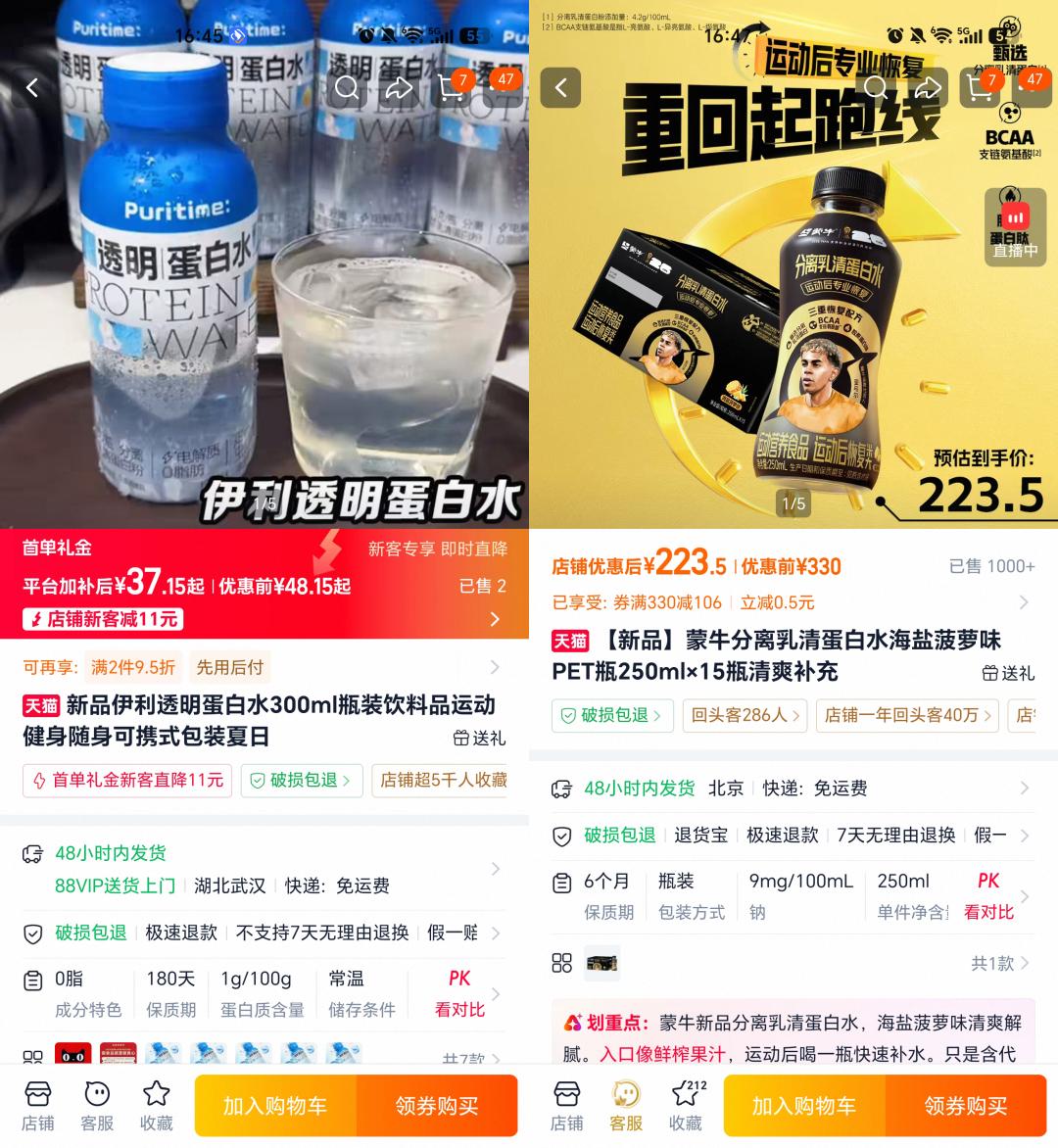
At present, mainstream domestic protein water brands include dairy giants such as Yili and Mengniu, private label brands from retail channels such as Freshippo and FamilyMart, and even cross-border brands such as Baixiang. On Taobao and Tmall, the price of a bottle of protein water usually ranges from 5 to 20 yuan, with the highest price close to 40 yuan.
Against the backdrop of the prevalence of the "large water theory" and "lean muscle theory", young consumers' pursuit of protein intake is gradually heating up; the high price of protein powder prompts consumers to look for channels to supplement protein in their daily lives. More importantly, the success of the pioneering category, electrolyte water, also seems to point out the direction for the future of protein water.
According to data from Grand View Research, the global protein water market size reached about 911 million US dollars (equivalent to about 6.087 billion yuan) in 2025, accounting for only 0.07% of the entire soft drink market. Whether this niche and emerging category can "break out of the circle" in China depends not only on products and technologies, but also on the maturity of the market stage and the in-depth cultivation of consumer groups.
Category Origin: From "Weight Loss Magic Tool" to Fitness Necessity
Most traditional protein drinks have a strong milky aroma and thick texture.
Protein water takes the opposite approach, pursuing a fresh taste close to ordinary fruit-flavored drinks. Bob Kral, founder of Protein2o, the pioneer brand of this category, once said that fitness enthusiasts usually prefer to drink a refreshing "water" after exercise, rather than a protein milkshake with high calories and heavy powdery texture.
However, Protein2o cannot be regarded as the "originator of the category" in the strict sense. As early as 2006, the American cereal brand Kellogg's launched a protein water called Special K2O, which was mainly positioned as a "satiating meal replacement" for people with body management needs.
But in the North American market at that time, protein water was still a strange term for consumers. Faced with the high cost of market education, Kellogg's gradually withdrew from this category.
It was not until 2013 that the emerging brand Protein2o debuted. Its founder Bob Kral combined fruit flavor, whey protein and electrolytes, and first sold the products in gyms and regional convenience stores, achieving good responses. As of 2025, Protein2o has entered more than 10,000 retail stores including Walmart and Target, with annual retail sales exceeding 60 million US dollars (equivalent to about 400 million yuan).
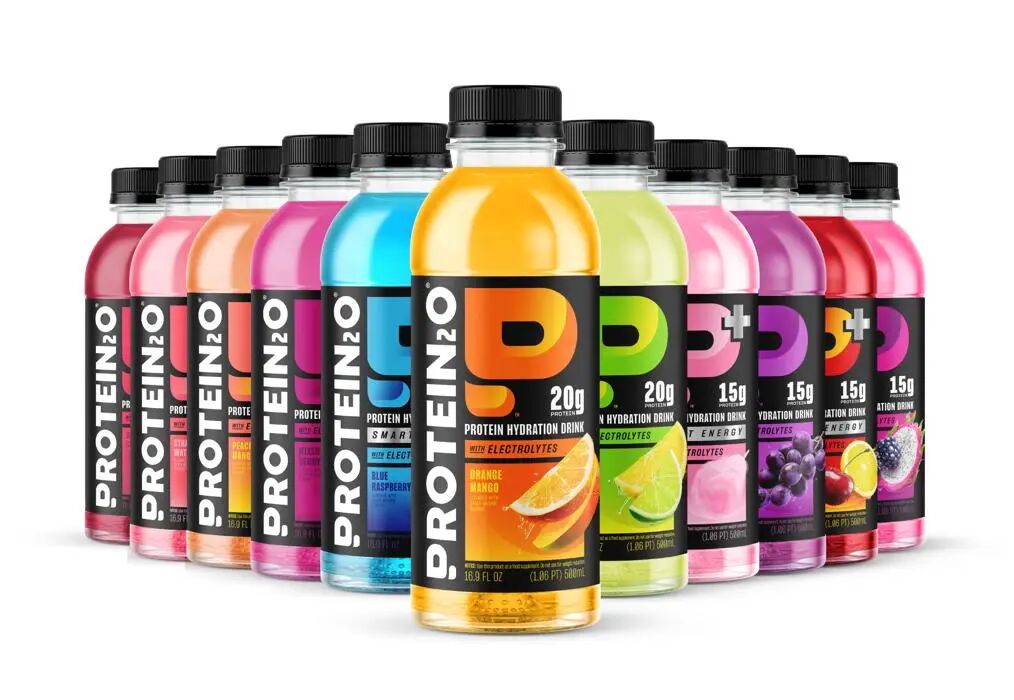
According to the official website, Protein2o currently has 4 main product lines. In addition to classic protein water, it also adds ingredients such as caffeine and electrolytes to drinks, or makes them into powder sachets that can be mixed with water for drinking.
With product iteration and category expansion, the drinking scenarios of protein water have extended from post-exercise replenishment to commuting, office work and daily thirst quenching, covering more diverse consumer needs. After Protein2o, many brands such as BiPro, Premier Protein and Vieve have launched similar products; in 2021, Gatorade under PepsiCo also began to enter this track.
Data from Grand View Research shows that the global protein water market size reached about 911 million US dollars in 2025, nearly 30% of which was contributed by the US market. On the other side of the ocean in China, this category has never gained a firm foothold, and has only gradually opened up the consumer market in the past two years.
China Market: Small Scale, Tripartite "Scramble"
In China, local protein water brands can be roughly divided into three camps.
The first category is well-known dairy enterprises such as Yili and Mengniu.
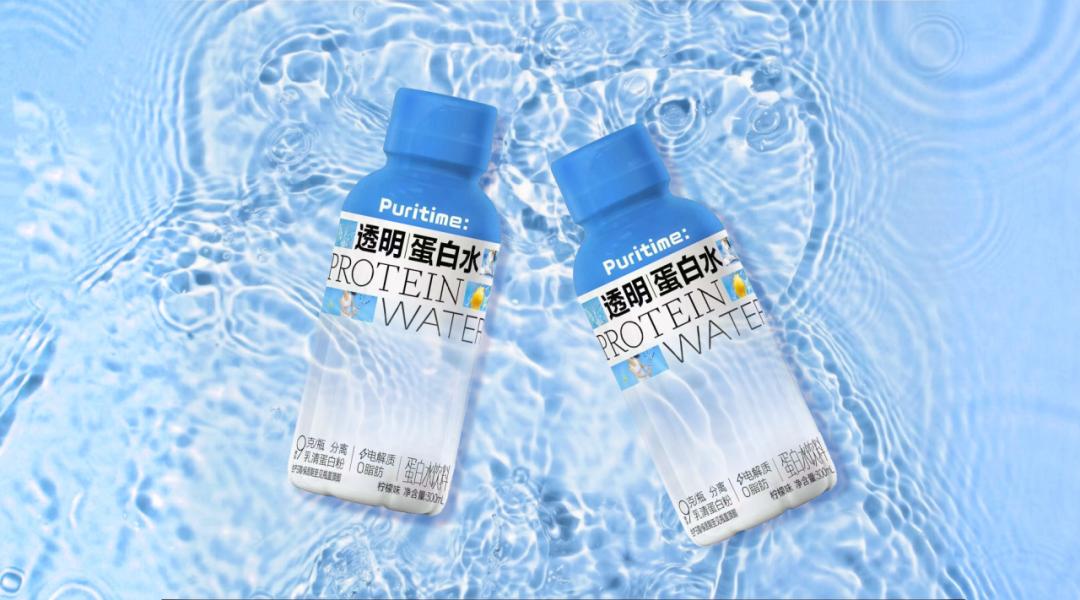
In April 2026, Mengniu's brand "Myprotein" launched isolated whey protein water, focusing on the professional recovery scenario after exercise; in May of the same year, Yili Puritime transparent protein water was launched, focusing more on the positioning of "water substitute" for daily thirst quenching; "Pinku", a brand under Shengyuan Dairy, also launched a number of liquid protein drink products.
In the supply chain of these brands, liquid whey is a by-product of the production of products such as cheese. The "advantage of proximity" at the raw material end and production end gives dairy enterprises unique advantages in the protein water track.
The second category is retailers closest to the shelves.
As early as the end of 2025, a type of "isolated whey protein flash drink" was put on shelves at Freshippo; in 2026, FamilyMart convenience stores and JD Fresh also successively launched collagen peptide water of their own (or cooperative) brands.
Relying on the sensitivity of channels, such brands can quickly test new products and adjust flavors according to the feedback of store customers, and it is easier to place new products in instant consumption scenarios in offices, communities and commuting routes.
The third category is emerging brands and some "cross-border" enterprises looking for incremental growth.
In addition to brands such as Likeke that deeply cultivate the sports and fitness scenarios, the most impressive player is Baixiang: in 2026, Baixiang, which originally focused on instant noodles, "unexpectedly" launched a number of fruit-flavored protein waters. How to replicate its operating experience to a brand new category and find a second growth curve outside its main business is the test Baixiang has set for itself.
However, overall, China's protein water category is still in the early stage of development, with a small market capacity and many gaps in industry standards. Qingpu, the person in charge of the beverage category on Tmall, frankly told Tianxia Wangshang: At present, protein water "is a differentiated category suitable for specific groups of people, and it will not form a very large market scale."
Market Prospects: Opportunities and Challenges
Hidden behind the protein water category is the "muscle anxiety" of contemporary young people.
On various social platforms, "lean muscle theory" and "large water theory" have become popular buzzwords. Young consumers are trying to reshape a stable physical state and healthy outlook with some low-cost and easy-to-adhere living habits. The pursuit of protein intake has also "broken out of the circle" and spread from fitness enthusiasts to the general public.
Since the beginning of this year, the price of whey protein powder has soared all the way, and the price of protein powder of many mainstream brands has increased by more than 20% compared with before. Many consumers turn to various "affordable alternatives": boiled eggs, isolated soy protein powder, skimmed milk powder, and even "cockroach powder" that claims to have a protein content of 70% to 80%.
It is in this context that protein water has found its new opportunities.
Moreover, the reason why major brands are competing to enter the market is not only driven by the "protein gap" on the consumer side, but also because there is a good reference in front of them - electrolyte water.
In the Chinese market, electrolyte water was originally a little-known small category. In 2020, as "electrolyte supplementation" suddenly became an important mindset of Chinese consumers, its market size jumped from 1 billion yuan to 10 billion yuan in just a few years, and brands such as Genki Forest, Dongpeng Drink and Nongfu Spring have achieved impressive growth in this sector.
Qingpu said that electrolyte water is priced higher than drinking water but lower than functional drinks, which just fills the gap between the two and becomes a "necessary and affordable product" for sports people; in contrast, protein water is priced on the high side and difficult to scale up, "but with the increase of sports people, it may become some usage options for specific groups of people in specific scenarios."
According to estimates by Grand View Research, the size of China's protein water market reached about 81.2 million US dollars (equivalent to about 540 million yuan) in 2025, and is expected to reach 178.2 million US dollars (equivalent to about 1.19 billion yuan) by 2033. Although there is room for growth, the base is limited.
Overseas brands have already started to explore the next step. British brand Feisty launched plant-based protein water to achieve "gastro-friendliness", Japanese brand Cycle.me added minerals from "deep ocean water" to protein water, American brands Premier Protein and Whey Water combined sparkling water with protein water to make "protein sparkling drinks" with rich bubbly taste...
In this fresh category, product forms and market opportunities are still full of variables. In the final analysis, how much premium consumers are willing to pay for ready-to-drink, refreshing taste and "muscle anxiety" is a question that the protein water category must answer.
This article is from the WeChat official account "Tianxia Wangshang" (ID: txws_txws), written by Tianxia Wangshang, and authorized for release by 36Kr.