Brand-Driven Global Expansion: How Can Overseas-Expanding Enterprises Safeguard Their "Digital Assets"? | Super Ke Hall Event Recap

In 2026, the globalization of Chinese brands is shifting from "scale-driven overseas expansion" to "asset-driven overseas expansion". While the overall volume of overseas business continues to grow, brand premium capability, channel discourse power, and ownership of trademarks and domain names still lag behind the overall scale. Tariff adjustments, tightened platform rules, and refined local compliance requirements in various regions have also made the order and cost-centered overseas expansion model unsustainable.
Against this backdrop, enterprises expanding overseas are reallocating resources in three directions: first, geographic re-layout of production capacity, with production bases shifting to regions closer to customers and with more stable trade rules; second, data-driven market decision-making, shifting budgets from empirical judgment to verifiable basis; third, capitalization of brand identifiers, with domain names, trademarks and other first entry points for overseas customers incorporated into unified asset ledger management.
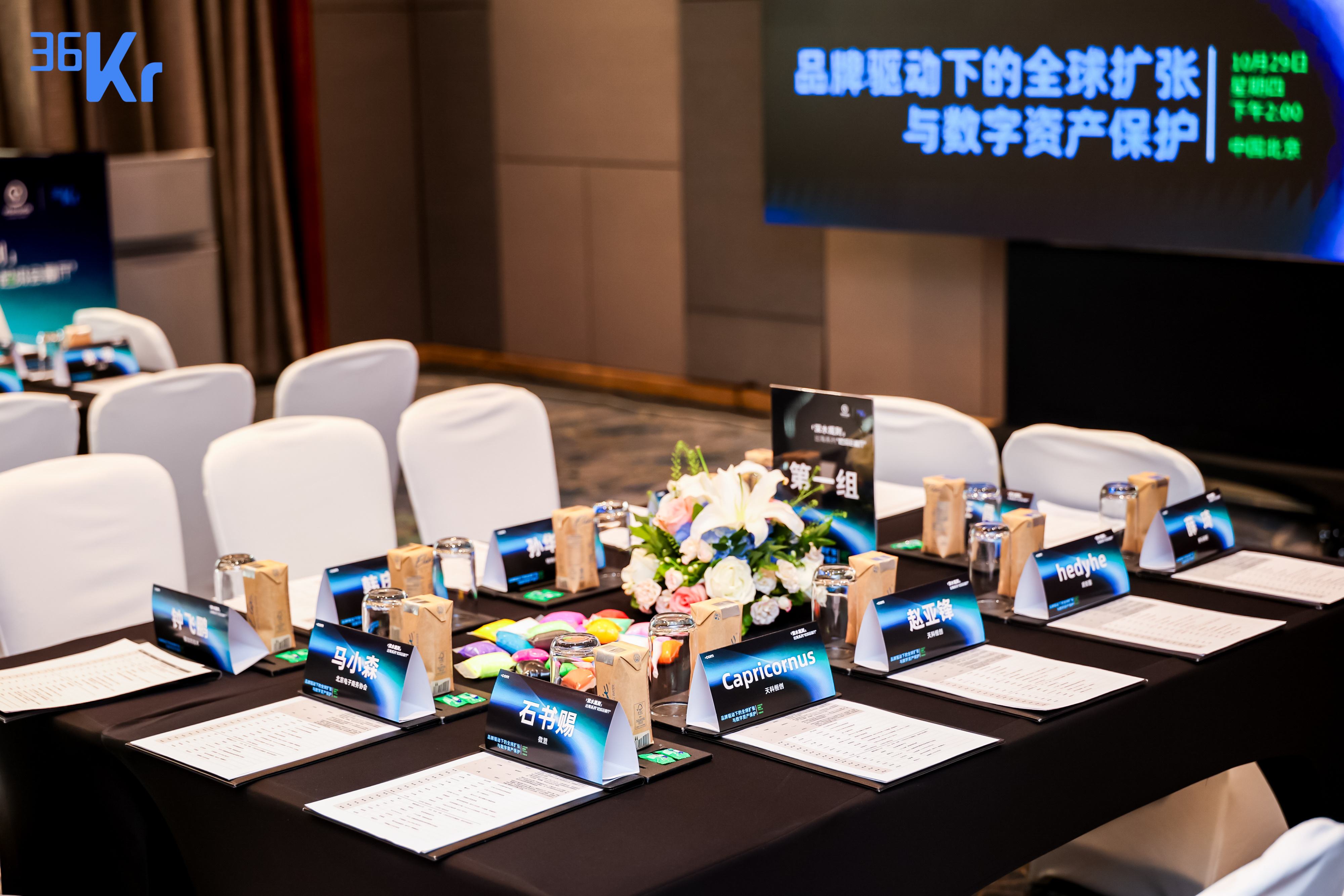
On October 29, 2026, 36Kr held the third event of the "Deep Water Rules" Overseas Expansion Super Kr Hall series in Beijing. With the theme of "Brand-driven Global Expansion and Digital Asset Protection", the event invited guests including Ge Jianfeng, Director of Industrial Cooperation of Petty Co., Ltd., Wu Ze, Business Director of Great Data, Wang Xiao, Senior Product Expert for SME Applications of Alibaba Cloud, to conduct in-depth discussions with participating representatives of overseas-oriented enterprises around topics such as overseas production capacity layout, AI overseas advertising delivery, and full-stack capabilities of global brands.
From Vietnam to Cambodia: The "Site Selection Experience" of Overseas Production Capacity Layout
In the Super View session, Ge Jianfeng, Director of Industrial Cooperation of Petty Co., Ltd., shared the theme of "Decision Logic and Experience Sharing of Petty's Overseas Production Base Layout". He introduced that Petty Co., Ltd., founded in 1992 and listed on the Shenzhen Stock Exchange in 2017, is the first listed company in China's pet industry, mainly engaged in pet snacks, with products mainly exported to the United States. At present, the company has production bases in Wenzhou, Zhejiang, Taizhou, Jiangsu, as well as Uzbekistan, Vietnam, Cambodia and New Zealand.
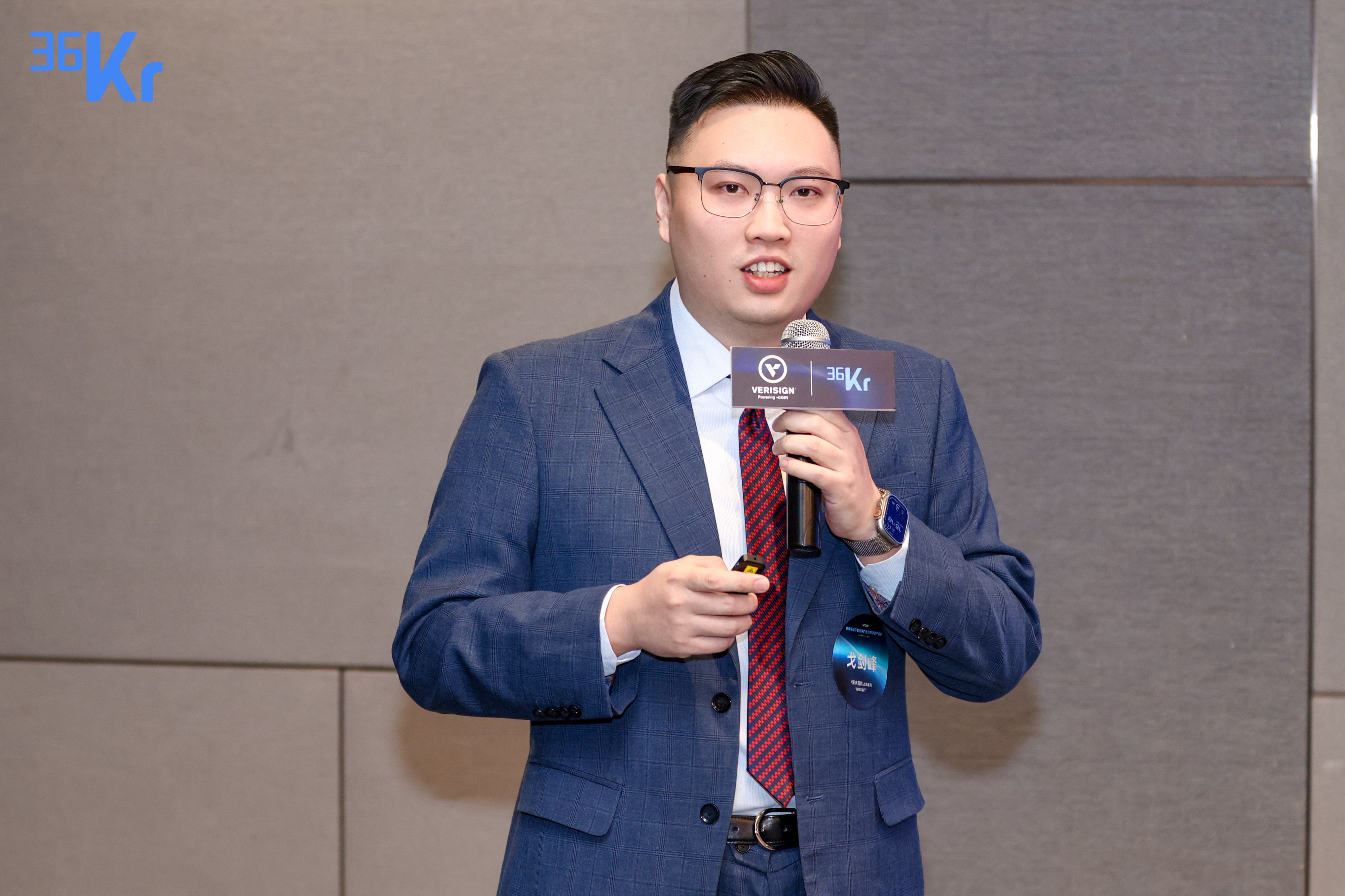
In 2011, Petty first laid out its business in Uzbekistan, attracted by the price advantage of local upstream raw materials; it entered Vietnam in 2013, with core considerations including low labor and land costs, zero tariffs on exports to the United States, stable national political situation, and bordering China.
Ge Jianfeng admitted that the company encountered many difficulties when entering Vietnam, including the absence of a pet industry category locally, and standards were only established after multiple communications with the Ministry of Commerce and customs. When switching from hourly wage system to piece-rate wage system, the company encountered trade union strikes and nearly half of the employees resigned. Finally, the concept was gradually reversed through on-site demonstration of efficiency by senior Chinese employees, production capacity competitions and incentive mechanisms. At present, the efficiency of Vietnamese factories has reached 80% of that in China.
From 2018 to 2019, as wage costs in Vietnam rose too fast and the local land price rose to 150 US dollars per square meter, the company turned to Cambodia, and built a plant of about 80,000 square meters in the Borg Economic Special Zone, which is the company's largest production base in the world. The reasons for choosing Cambodia include: stable local political situation, very friendly to Chinese people, low tariffs on the United States and zero tariffs on Europe, the US dollar is used nationwide with no foreign exchange control, income tax incentives can reach up to 9 years of tax exemption plus 6 years of tax reduction, young labor force with a minimum wage of less than 185 US dollars per month (2020), low land cost, global procurement of raw materials (such as importing chicken from China), and few natural disasters.
At present, exports from Petty's overseas factories account for 85% of the total. Ge Jianfeng finally emphasized to the participating guests that for overseas site selection, we must focus on doing a good job in pre-compliance operations, find a stable labor supply place, maintain good government relations, and support the construction of infrastructure such as water, electricity and sewage treatment.
Data Perspective on AI Overseas Expansion: Who is Investing, What to Invest in, and How Much to Invest
Wu Ze, Business Director of Great Data, shared the theme of "Data Perspective on AI Overseas Expansion: Who is Investing, What to Invest in, and How Much to Invest", discussed the decision-making basis for overseas advertising delivery, and shared competitive product delivery analysis with overseas-oriented enterprises.
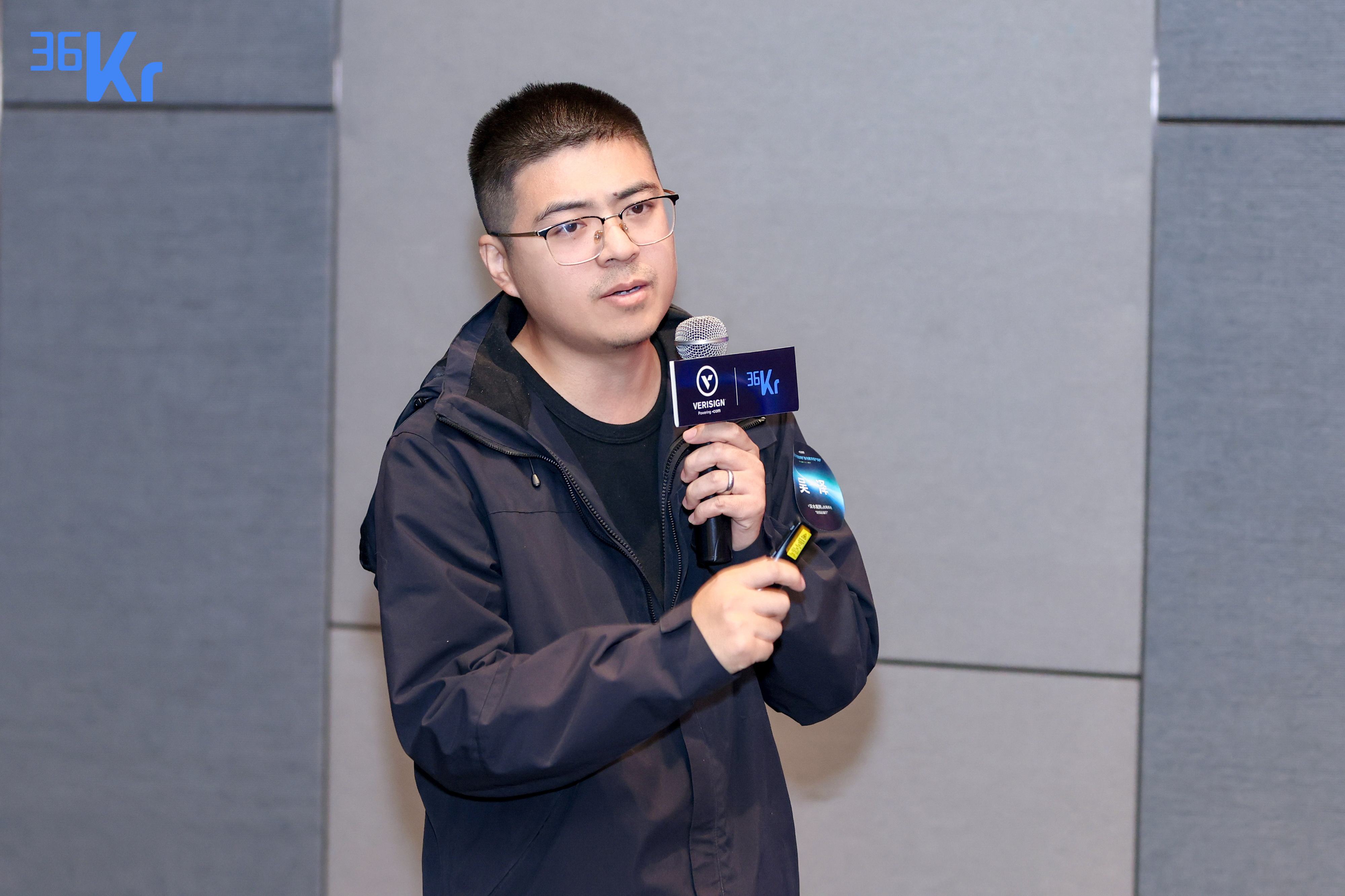
Wu Ze introduced that Great Data's business covers advertising data from more than 80 channels in more than 70 countries around the world, with more than 1 million materials updated daily. In Q3 2026, there were about 23,000 overseas AI application advertisers, the number of advertisers did not increase much, but the volume of materials increased by 4.5 times. From January 2025 to September 2026, the volume of materials increased nearly 10 times, and overseas advertising delivery has entered a development stage of "winning by material volume". From a regional perspective, North American and European advertisers of Great Data account for half of the total, but the material volume of a single advertiser in Southeast Asia and South America is relatively low, and the competition is relatively mild, which is suitable for new advertisers to test the water.
He specially mentioned that AI short drama is a track with explosive growth recently, and the number of new dramas increased by 25 times from July to September 2026. The "gameplay" of the three major overseas regions is also different: North America prefers to integrate AI into the workflow, and users have strong willingness to pay (monthly subscription of 10 to 30 US dollars); Southeast Asia is dominated by e-commerce applications, and local minor languages are the core barrier; the Middle East is driven by government vision, single user has strong payment capacity, and Arabic and right-to-left reading habits constitute barriers, with AI companion products performing prominently.
Wu Ze also dismantled the material strategies of several popular cases in the industry on site, and summarized the path to build competitiveness: find the popular materials of industry competitors, use AI to improve the efficiency of material production, continuously test, optimize and iterate, and carry out scientific delivery to reduce costs and increase efficiency.
How to Build Full-Stack Capabilities for Global Brands
From production capacity layout to delivery decision-making, if enterprises want to truly enter overseas local markets for operation, they also need to face more specific compliance and delivery requirements, such as where data is stored, whether service response can reach local standards, and whether the payment and after-sales link is connected. In other words, a truly operable technology and service system is needed behind the facade.
Wang Xiao, Senior Product Expert for SME Applications of Alibaba Cloud, said in the theme sharing of "More Than a Facade: Building Full-Stack Capabilities Required for Global Brands" that localized domain names are a low-cost way to gain localized trust. In the AI era, domain names not only allow people to find brands, but also undertake the important task of allowing AI Agents to find brands.
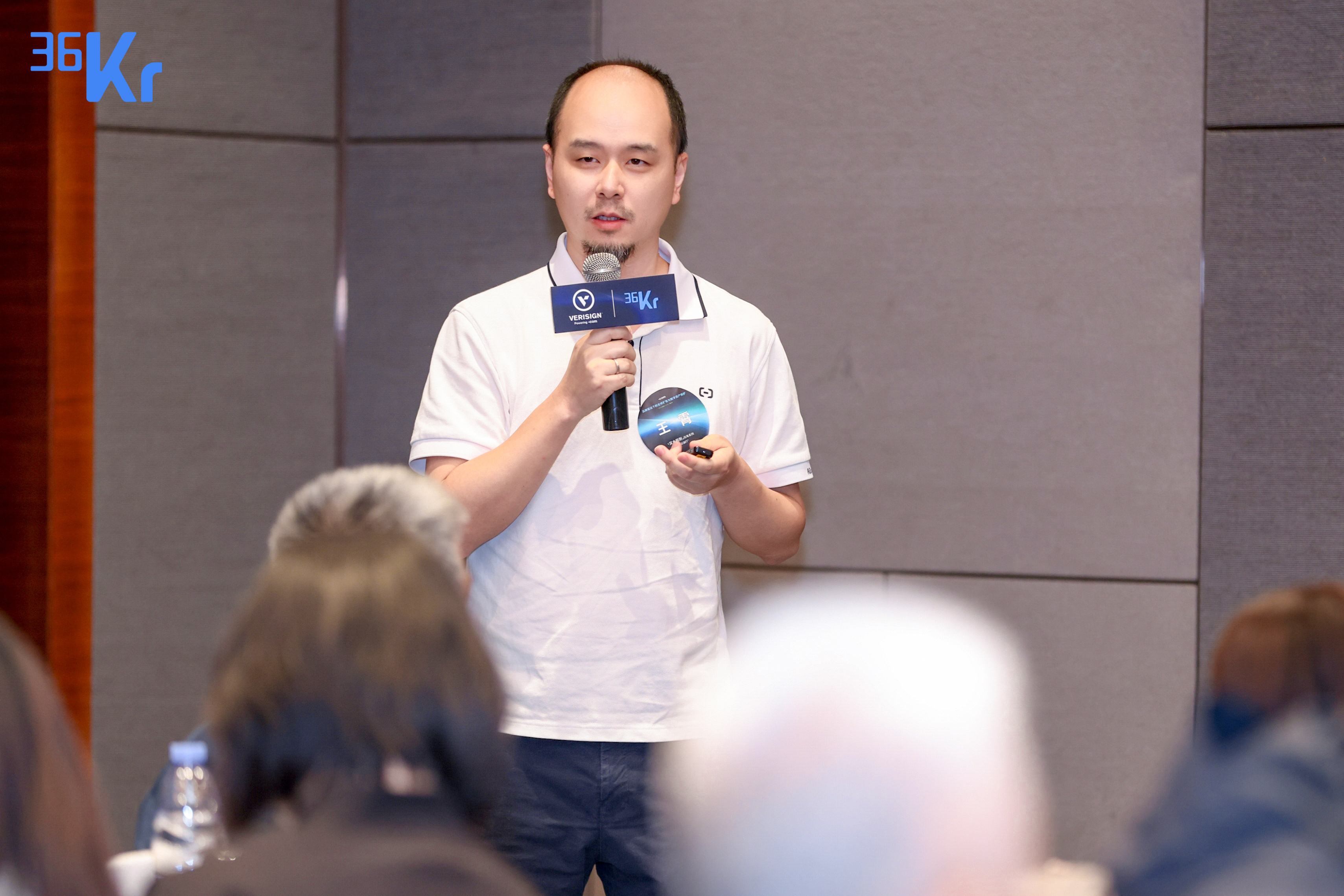
Alibaba Cloud has more than 3,000 acceleration nodes around the world, has obtained more than 150 compliance certifications, and can provide a complete set of solutions from cloud resources, full-stack AI to brand official websites. Wang Xiao introduced that Alibaba Cloud Wanwang's domestic and international stations provide domain name registration services with nearly 400 suffixes, the domestic and international stations have consistent experience and unified service teams, and will launch a one-stop domain name management tool. In the website building stage, the Wanxiao Zhi AI website building product adopts the business model of "charging only after going online", adapts to localized styles such as the blank and relaxed style in Europe and America, high information density in Japan, bright colors and RTL typesetting in the Middle East, and solves the real-time translation problem of minor languages through plug-ins. Wanxiao Zhi 3.0 further provides growth services such as SEO/GEO detection, content generation and distribution, and customer information reception.
Where Do Brands Spend Their Money in the First Year of Overseas Expansion?
In the Super Discussion session, focusing on the topic of "Where do brands spend their money in the first year of overseas expansion", many participating enterprise representatives shared their personal feelings based on their own corporate practices.
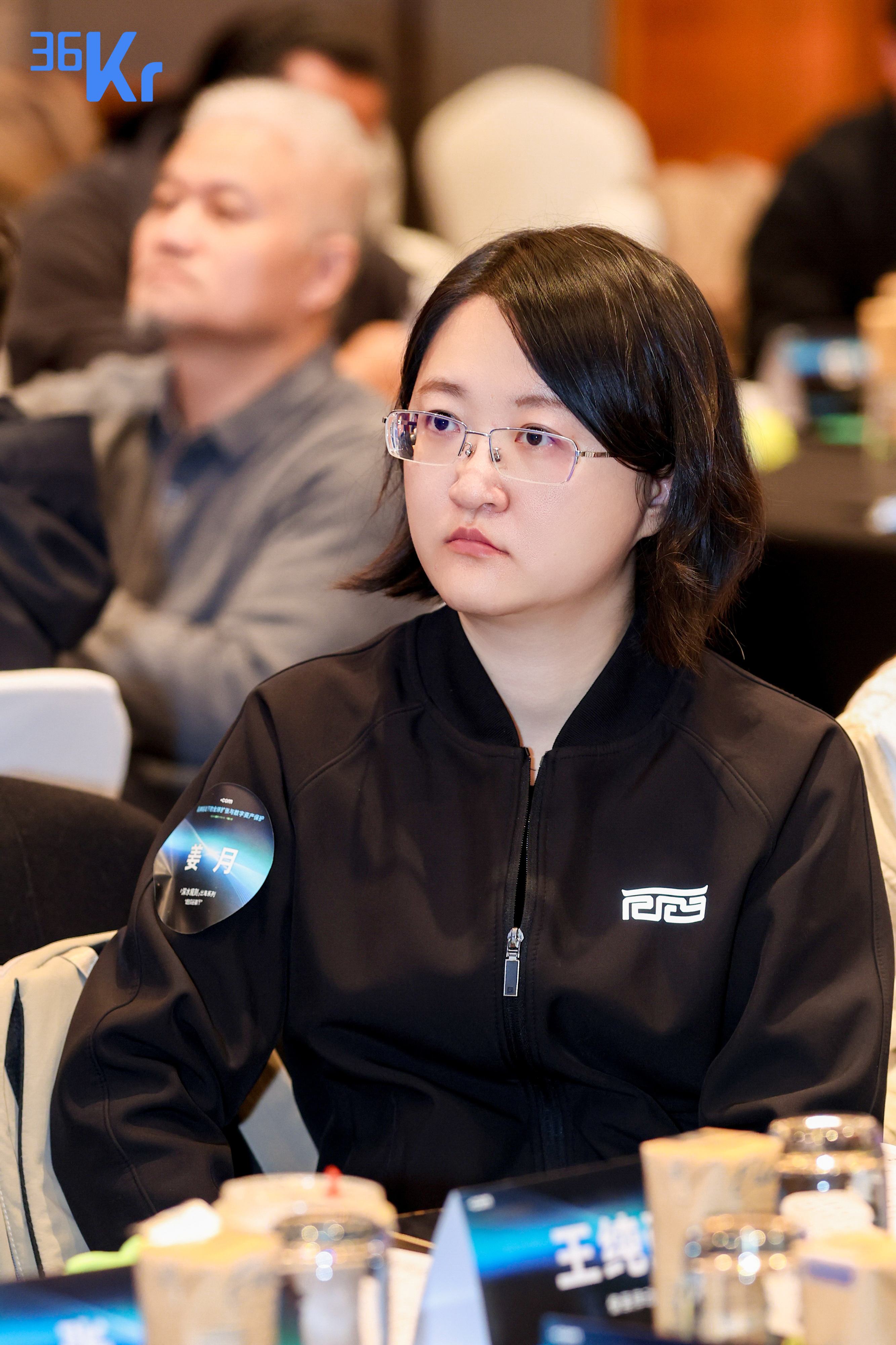
Jiang Yue from Beijing Panjiayuan Digital Culture Company introduced that as a state-owned enterprise, the company has invested a lot of time and cost in regulatory compliance in the first year of overseas expansion, "This is also a practical test faced by state-owned enterprises going global."
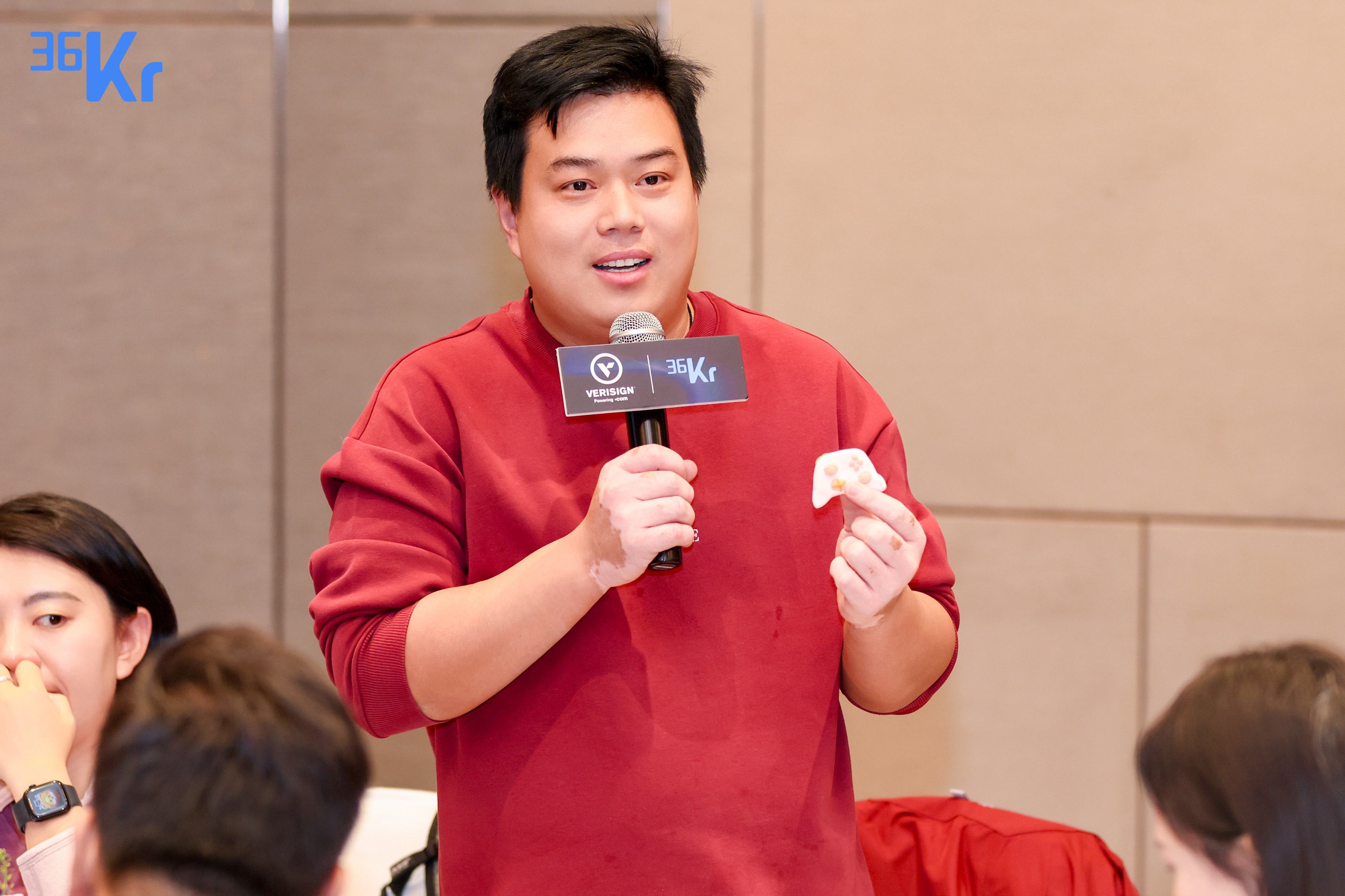
Zhao Yafeng from Tiankehengchuang said that he is a seller of 3C electronic game consoles, and has reconstructed the Subor game console product. He specially emphasized the importance of the official website: "If you want to deeply cultivate your own products and keep moving up, you must have your own website, that's for sure, 100%."
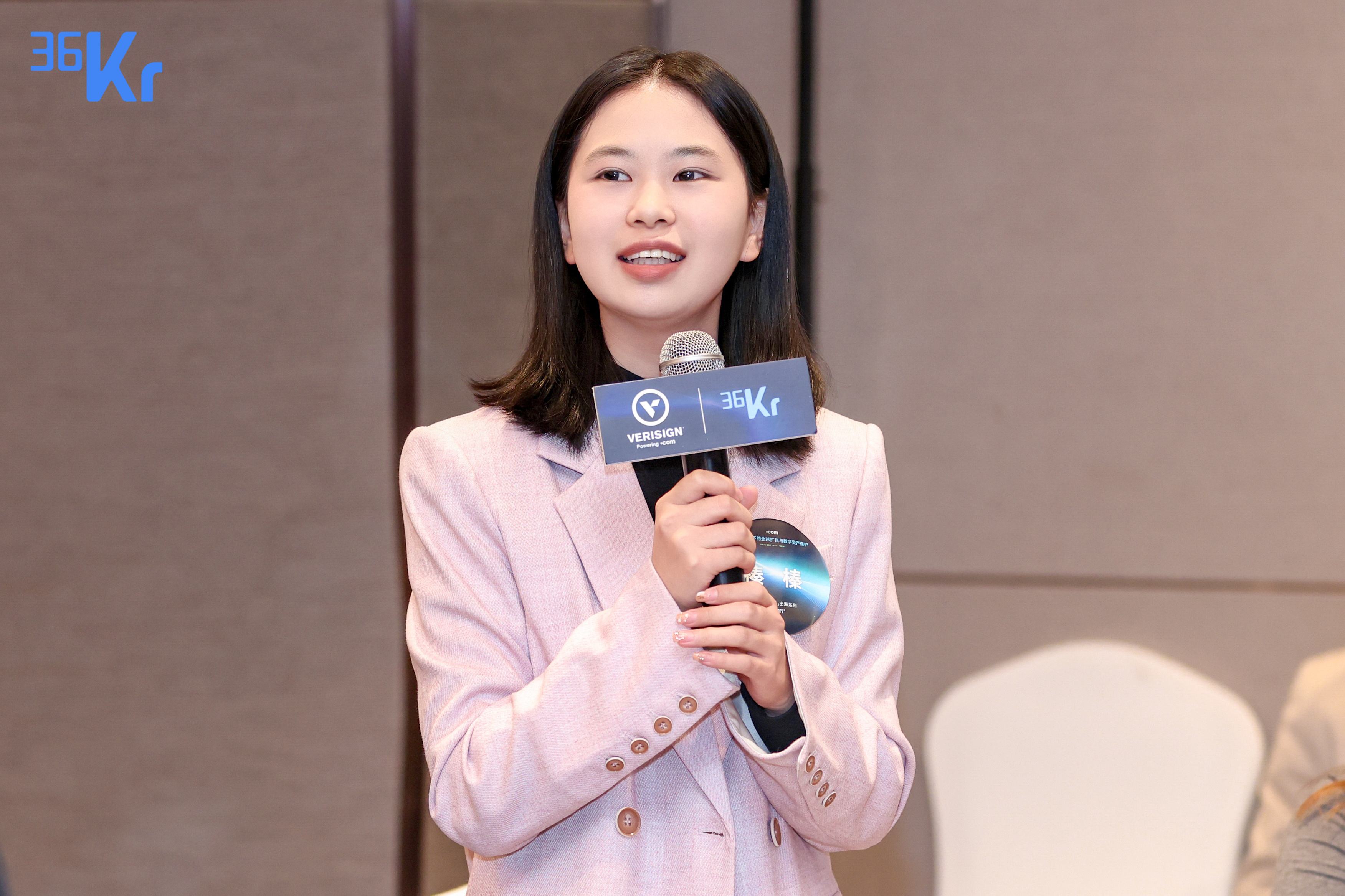
Zhenzhen from Guotai Technology said that the company produces civilian titanium metal products, covering wine sets, water sets, tableware and kitchenware, and the domestic market is dominated by cultural and creative development. The company has not yet gone overseas, and is planning to expand overseas channels such as e-commerce platforms, and also plans to market its own brand. The purpose of participating in this event is to learn experience and prepare for the next step of overseas expansion.
AI Rewrites Customer Acquisition Rules, How Can Brand Strategies Keep Up With Market Rules?
In response to another topic - AI is rewriting the rules of brand customer acquisition, how brand strategies can keep up with market rules and be seen by both "in-platform AI" and "out-of-platform AI", Fang Wenjing, representative of China Enterprise Power, introduced that her company was founded in 1999, with its headquarters in Yizhuang, Beijing, and has cooperated with more than 230 leading and top 100 enterprises in the industry, and often communicates with overseas customers through online interpretation for business.
She said that China Enterprise Power is committed to helping corporate official websites achieve "rebirth". Specifically, "More and more users are getting used to searching for information through AI, so the official website is not only an online facade, but also a source of information for AI. The goal is to enable AI to see, understand, and directly cite the authoritative information on the corporate official website, helping enterprises establish an online digital trusted identity."
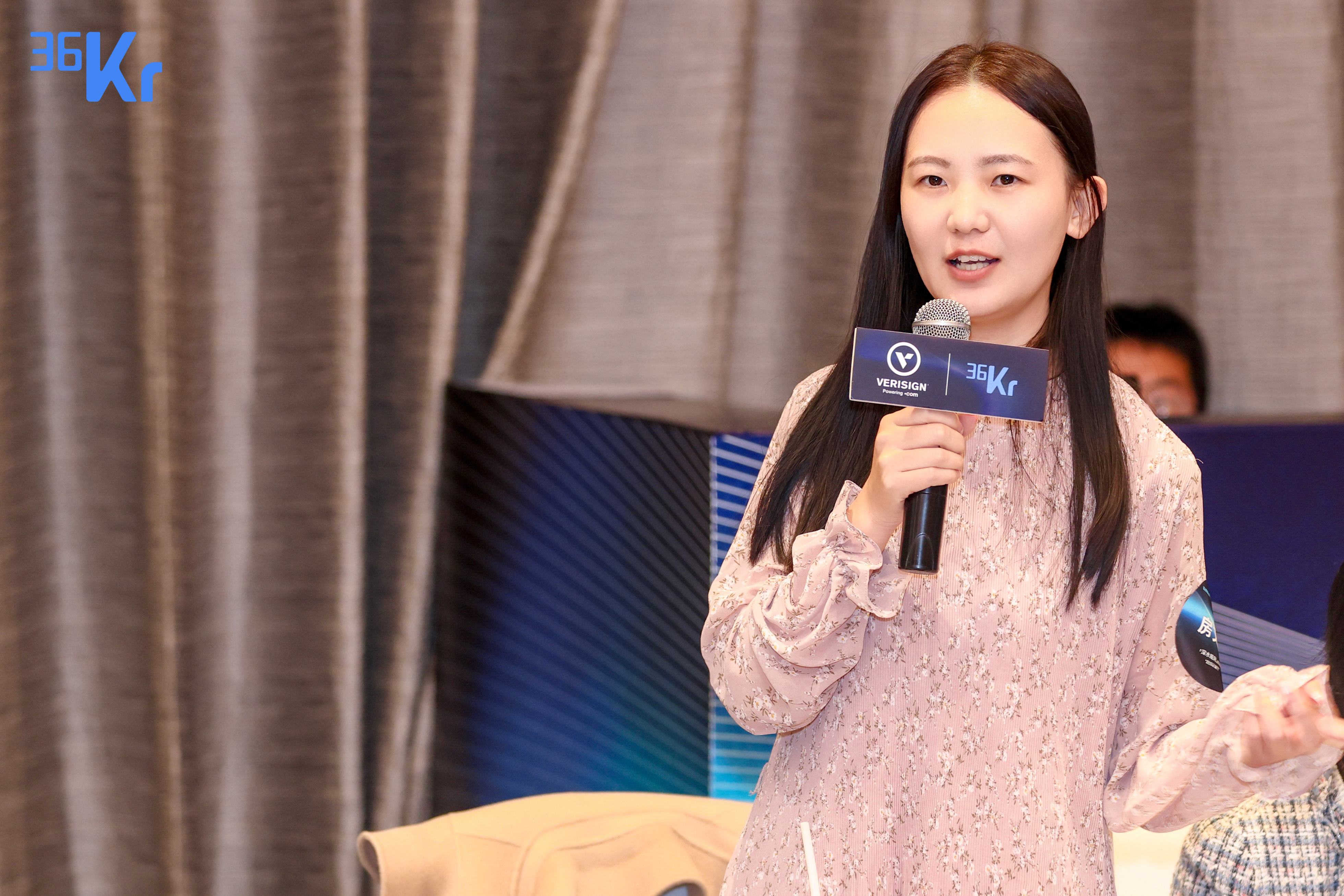
She introduced that China Enterprise Power's in-platform tools mainly include AI intelligent customer service at the front desk of the official website, AI operation assistant at the back end, and AI-friendly adaptation technology supporting SEO and GEO generation; outside the platform, it focuses on Google SEO and SEM promotion, and has self-developed the AI-driven low-cost social media customer acquisition system "AIMI" to provide accompanying operation and agency operation services for overseas social media, to meet the needs of more overseas customers. Aiming at the characteristics of different industries such as law firms and manufacturing, China Enterprise Power has also launched a series of industry solutions, including intelligent model selection, foreign trade digital business card, and code scanning applications, to help enterprises solve specific scenario problems in the process of going global.
Looking back at the whole session of guest sharing and interactive discussions, from production capacity layout to delivery decision-making, from digital identity to localized delivery, which seem to belong to different functions, actually point to the same question: when the order and cost-driven overseas expansion model is unsustainable, what can enterprises rely on to "stand firm" overseas for a long time.
The answer does not lie in single-point breakthrough, but in whether a closed loop can be formed - production capacity layout solves delivery, data decision-making solves efficiency, digital identity solves trust, and technology base solves fulfillment. For overseas-oriented enterprises at different stages, the priorities may be different, but they will eventually return to the same thing: precipitate every investment into a holdable, reusable and defensible asset, helping brands move from "standing firm" to "going far" in overseas markets.
