Luckin pure milk sells for 15 yuan, and Baozhugong's cola is priced at 9.9 yuan. Are consumers complaining about the prices while still paying for the products?
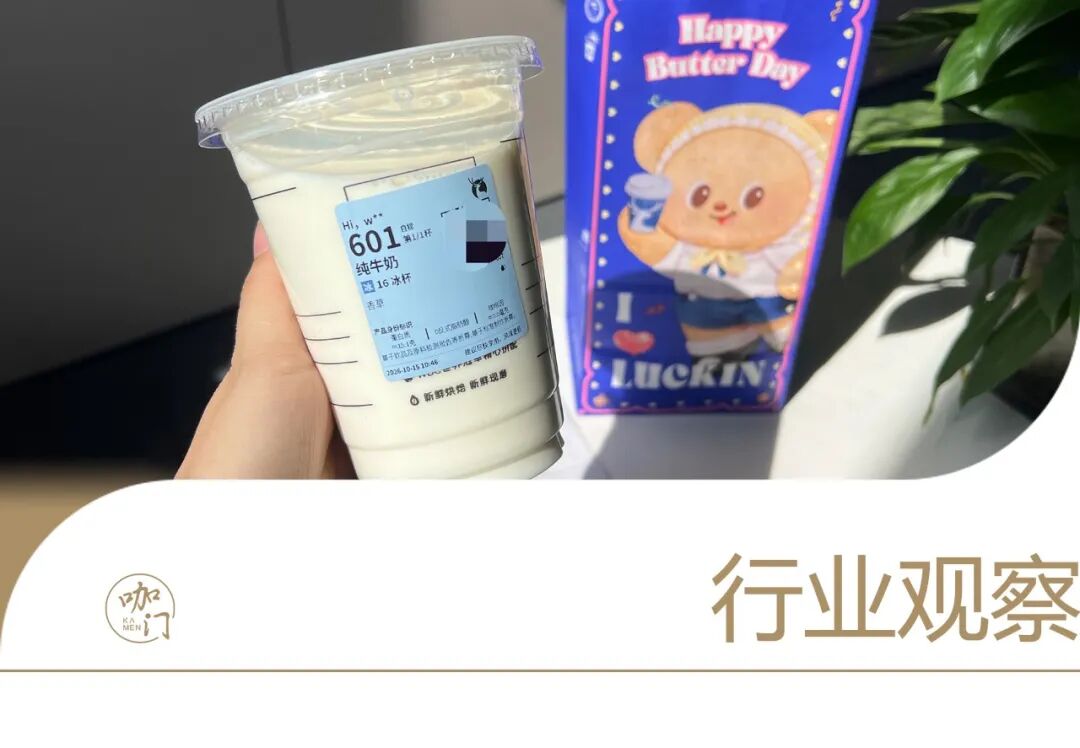
A cup of coffee costs only 9.9 yuan, but how can a cup of milk be priced at 15 yuan?
Recently, a content creator posted a screenshot of the ordering interface of Luckin Coffee, showing that a 450ml pure milk is marked at 15 yuan, and it is even sold for 19 yuan on delivery platforms. On the other hand, the 9.9-yuan cola product of Baozhugong has regained huge popularity.
Netizens joked: "What's the difference between this and robbing money from my pocket?"
A cup of milk for 15 yuan, a bottle of cola for 9.9 yuan: are beverage stores selling raw materials directly?
Opening the Luckin Coffee mini-program, I found that this cup of pure milk is more "complicated" than imagined — you can choose different cup sizes, hot or iced, there are 5 sugar level options including standard sweet, less sweet, much less sweet, slightly sweet, and no extra sugar, and you can also add vanilla flavor for an extra 3 yuan.
A large 450ml cup is priced at 15 yuan, and some netizens can buy it for 9.9 yuan with a coupon, while an extra-large 553ml cup costs 18 yuan.
I placed an order according to the most popular ordering method on social platforms: "add vanilla, add ice". It tastes really good, smoother and sweeter than ordinary pure milk, a bit like the flavor of Wangzai Milk.
If the price is not mentioned, as a "specially blended milk", its taste is up to standard.
The staff told me that the customers who order milk every day include office workers and parents with children, and the overall sales are at a moderate level.
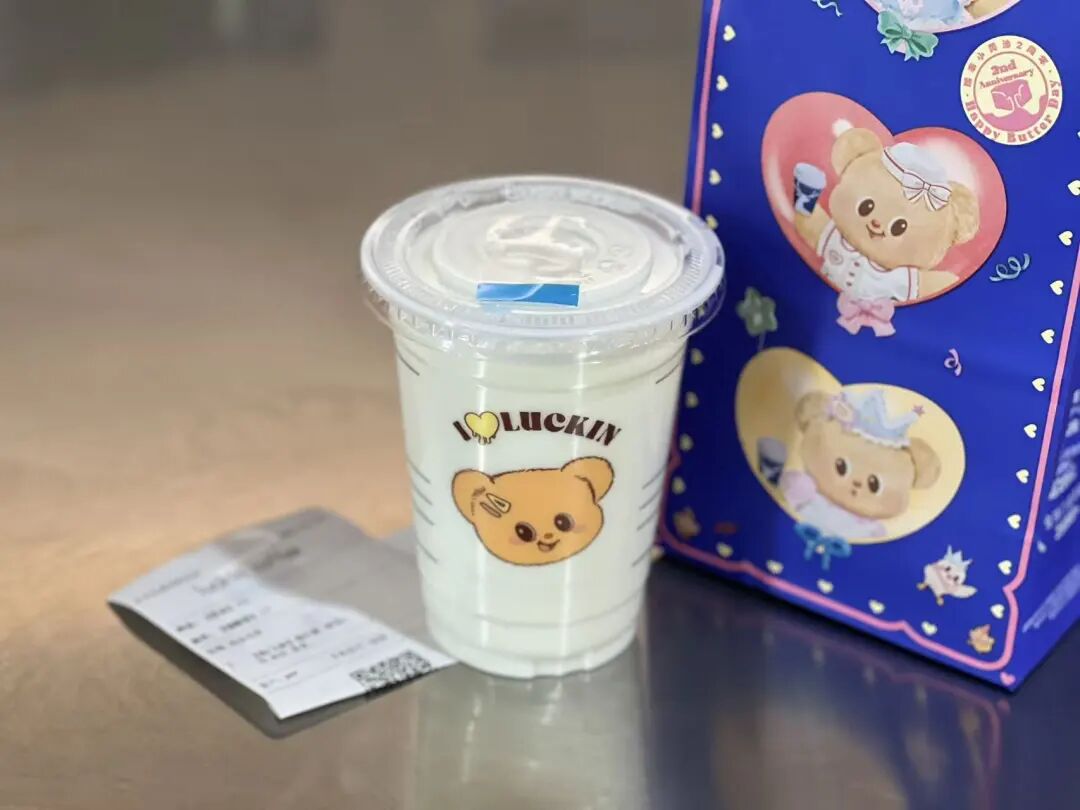
But spending 15 yuan on a cup of pure milk, which is not even fresh milk, makes consumers feel very conflicted. Some people commented directly in the comment section: "It tastes the same as ordinary pure milk, it's not as good as 2.5-yuan Yili milk. I suggest buying Xianhuo milk at convenience stores."
Some other netizens think it is very necessary: "Sometimes when I am outside and don't want to drink coffee or milk tea, and don't want to drink cold drinks, I will order a cup of milk, which is very comfortable to drink while hot." "It is high-quality protein, clean and healthy, suitable for ordering for children."
There are also veteran milk lovers sharing: "The milk sold at Guming is 100% cold chain fresh milk. The same goes for Cha Baidao, which only charges 4.9 yuan if you bring your own cup."
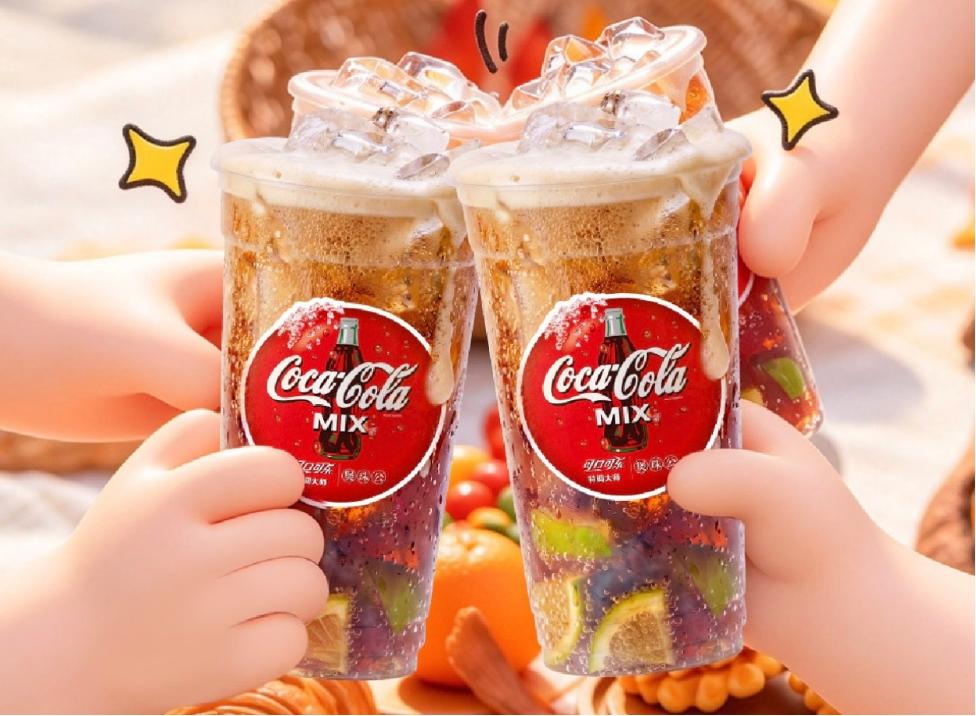
Coincidentally, the "Bao Ning Le" launched by Baozhugong in collaboration with Coca-Cola during the National Day holiday became a hit again. It is sold in the form of "specially blended ice cup + glass bottled cola + bottle opener", priced at 9.9 yuan.
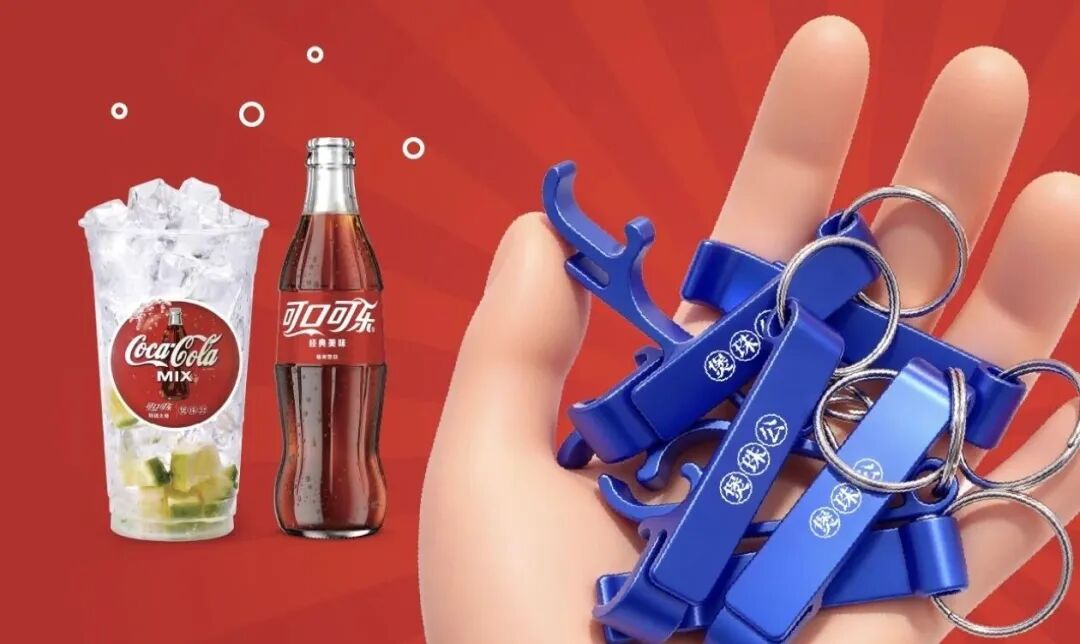
What customers get is a bottle of iced glass-bottled cola, paired with a special ice cup with lemon, lemongrass and ice cubes. They need to open the bottle by themselves, pour the cola into the cup, and stir it.
On social platforms, some people commented that "it is very bubbly" and "the lemongrass flavor makes the taste more layered", while others are not convinced: "Buy a bottle of cola and add a slice of lemon at home, the cost is less than 3 yuan."
While complaining, consumers still pay for these products. Why?
Interestingly, despite all the complaints, there are a large number of consumers for such products.
Baozhugong's Bao Ning Le is currently limited to Guangdong and Guangxi regions, and it is often sold out, known as the "out-of-stock king". Users in many regions are urging to launch it nationwide on social platforms, and some consumers from other regions even travel specially to try it.
On social platforms, the topic "Bao Ning Le" has reached 687,000 views. Netizens keep sharing: "You have to open the glass bottle by yourself when ordering delivery, which is very ritualistic." "As a die-hard Coca-Cola fan, I give it 8.5 points. The unique flavor of the combination of sour and sweet has a little exotic vibe."
What exactly are consumers paying for? The answer may not be the "product itself".
Take Bao Ning Le as an example. The glass-bottled cola is iced to nearly 3℃ before serving. Cheng Yao from the R&D team of Kamen introduced that at this temperature, the bottle has the best gas-locking effect, and the bubble sensation is more stable than that of fountain cola. The perfume lemon in the ice cup is freshly pounded, and the lemongrass syrup is also freshly prepared.
More importantly, it is the several steps of "DIY" — the sound of unscrewing the bottle cap, the gushing of bubbles when cola pours into the ice, the clinking sound of ice cubes hitting the cup wall when stirring. Some netizens described it as "very ritualistic": "When I rush back to the office under the scorching sun, pouring cola into a cup full of ice cubes brings simple and direct pleasure."
Then look at Luckin Coffee's pure milk. Although it is called "pure milk", the options on the ordering interface are exactly the same as those for a cup of coffee — you can choose the temperature, sugar level, and add extra flavor.
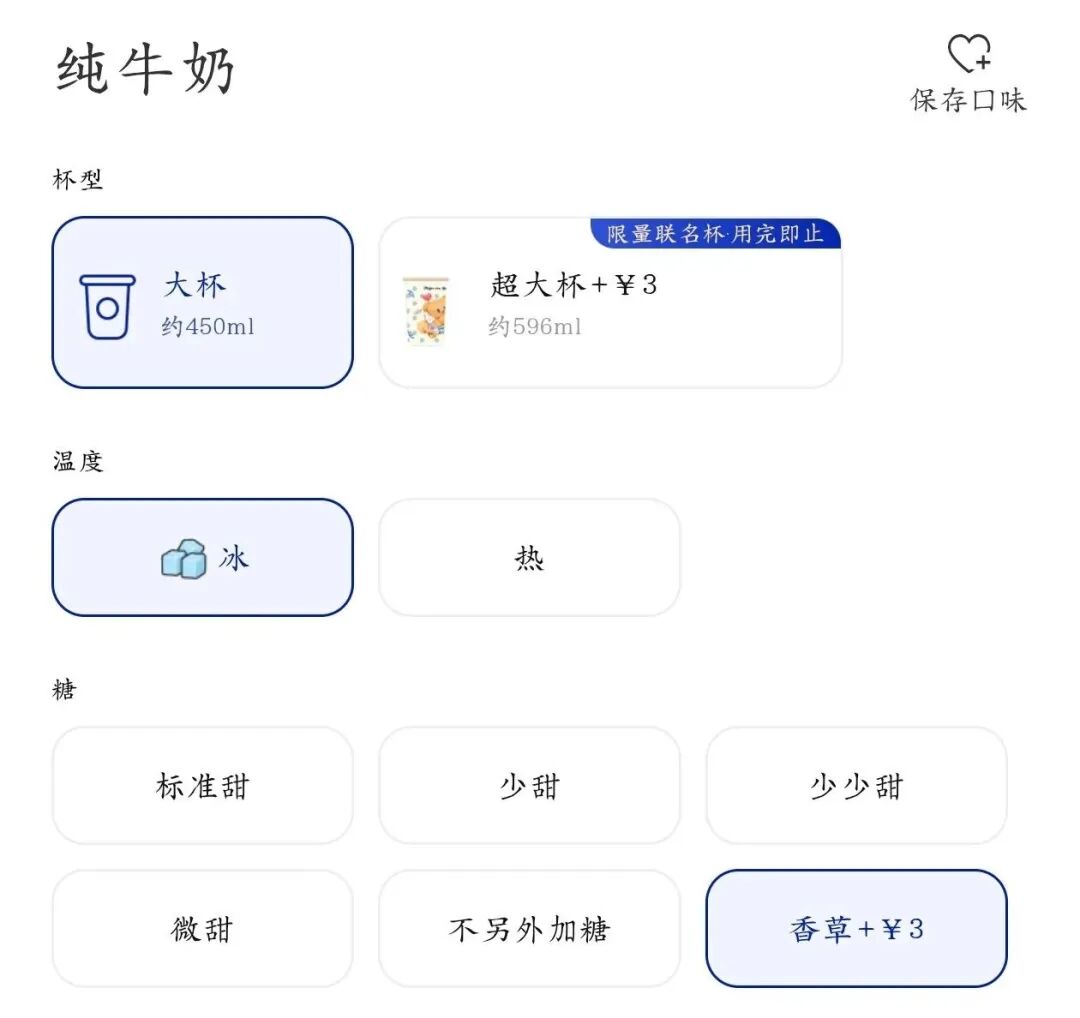
After netizens noticed this, they began to share various "hidden drinking methods" on Xiaohongshu: "Less ice + one pump of vanilla syrup + standard sweet, it tastes like melted vanilla ice cream."
This feeling of "playing around" turns an ordinary cup of milk into a small DIY "toy".
There is also Cowcan. This summer, Cowcan launched "freshly cut watermelon buckets" in some of its stores, with each box weighing about 400 grams and priced at 10 yuan. This is not its first time selling fruit: last winter, it launched separate pears and provided cutting services.
A local consumer in Hefei posted that he wanted to buy half a watermelon, only to find that it had already been sold out, and sighed that "it is harder to achieve watermelon freedom at Cowcan than I thought". There is even a personal shopper phenomenon on social platforms where people buy the product for others at a markup.
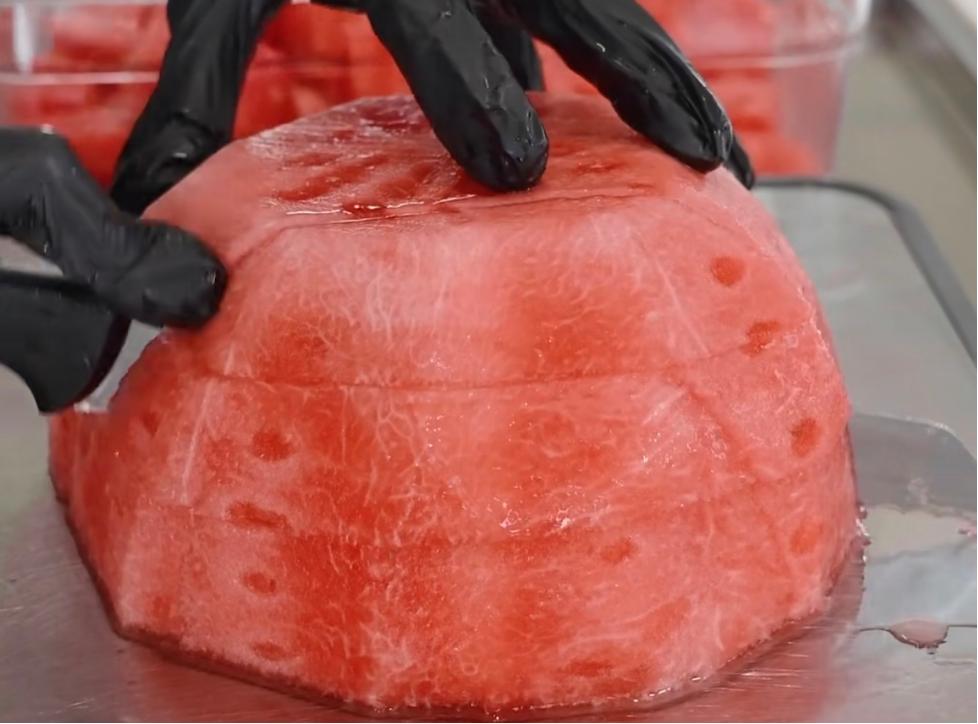
Some people did the math: the retail price of seedless Kirin watermelon in supermarkets is 4 to 6 yuan per jin, and you have to carry it home, wash it and cut it yourself. Cowcan provides freshly cut service, which solves the "last mile" transportation trouble.
To put it bluntly, consumers never care about the purchase price of raw materials, but "what extra things you do for me". What they want is comfort and convenience.
Even selling raw materials can become popular. How many possibilities does a beverage store have?
Putting Luckin Coffee, Baozhugong and Cowcan together, we can find a common trend: beverage brands are breaking away from the fixed mindset that "they can only sell beverages", and putting the raw materials in their storage rooms on the menu for sale.
Luckin Coffee sells pure milk, Baozhugong sells cola, Cowcan sells fruit, Bawang Chaji sells tea eggs, Mixue Bingcheng sells snacks, and Guming even puts its HPP cold-pressed juice in retail channels. The boundary between finished products and raw materials, "leading role" and "supporting role" in beverage stores is becoming increasingly blurred.
Behind this is a natural advantage in the supply chain. Cowcan dares to sell fruit because it has strict quality control standards for the sweetness, maturity and specification of watermelons, ensuring consistent quality of each batch, and it is confident enough in its raw materials.
Baozhugong can use glass-bottled cola to make special blends relying on its in-depth cooperation with Coca-Cola. Luckin Coffee's brand endorsement provides a trust foundation for this cup of milk. When it is inconvenient to go out, and parents want to buy a cup of hot milk for their children, safety and customization are more valued than cost-effectiveness.
As it becomes increasingly difficult to differentiate the beverage products themselves, brands begin to extend the competition from "inside the cup" to "outside the counter". What a beverage store can sell depends on what it can let consumers "take away by the way".
This kind of "by the way" behavior is becoming an important way for brands to expand store value and consumption scenarios.
This article is from the WeChat official account "Kamen" (ID: KamenClub), written by Xiya, authorized for release by 36Kr.