7-Eleven has closed its last 31 stores in India. Who exactly do convenience stores in India sell to?
On September 30, all the last 31 stores of 7-Eleven in India were fully closed.
Seven & i Holdings confirmed the news of the store closures, but stated at the same time that it still hopes to find other ways to enter the Indian market in the long term.
Five years ago, the story did not start off on a bad note.
In October 2021, Reliance Retail, the largest retailer in India, introduced 7-Eleven to India and opened its first store in Mumbai.
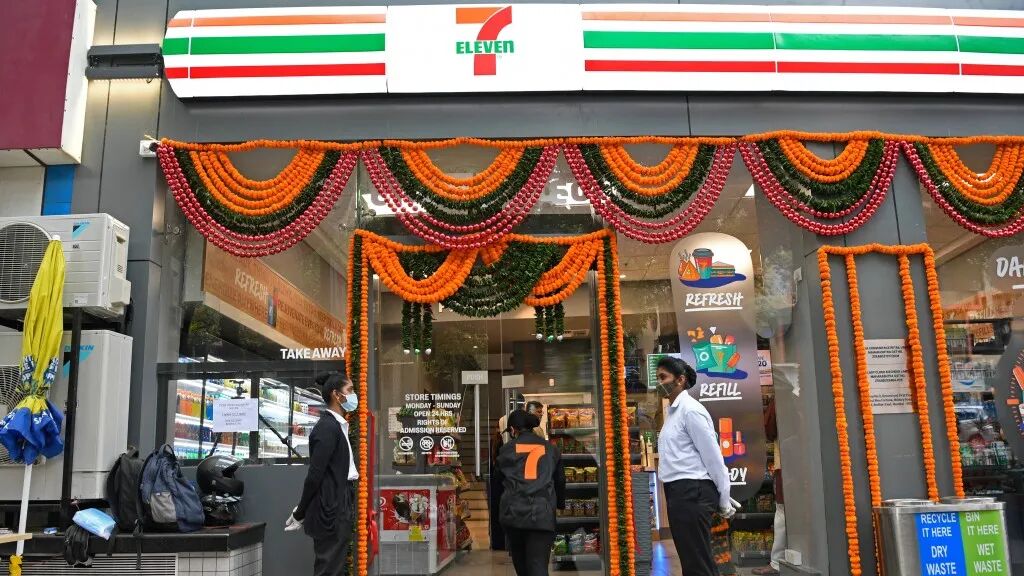
Figure 1 In October 2021, the first 7-Eleven store in India opened in Mumbai, with festive garlands hung all over the entrance (Source: AFP)
This was a partnership that both parties attached extreme importance to: Seven & i brought the world's largest convenience store brand and standardized operation system, while Reliance was responsible for providing local Indian supply chain, property site selection and retail distribution network.
7-Eleven did not copy the inherent model of Japanese convenience stores. To integrate into the local market, it gave the first store in India a very localized name — "India ki Nayi Tapri", which translates to "new roadside shop" or "new street tea stall".
The store not only serves freshly brewed coffee, tea drinks and vada pav, the Indian national snack, but also displays regular bottled beverages, packaged snacks and daily general merchandise.
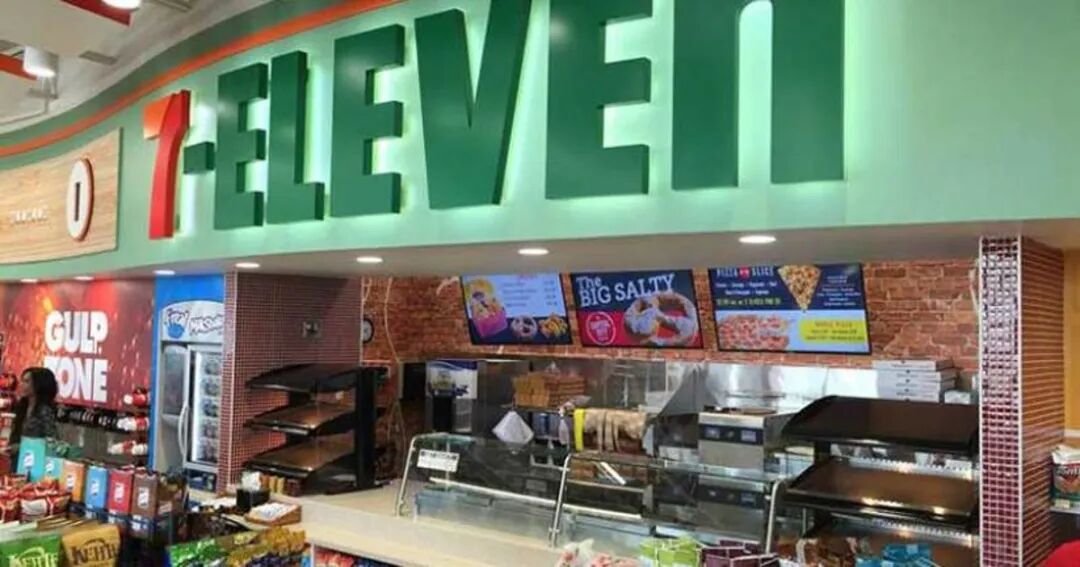
Figure 2 Interior view of 7-Eleven India store, with counters for hot food and freshly made drinks (Source: Curly Tales)
In 2023, the number of 7-Eleven stores in India rose to 40. The management publicly stated that it hoped to first form a sufficiently dense store network (dense model of stores) in Mumbai, and then expand to other regions across the country.
This plan got stuck halfway later and was never completed.
By the end of 2025, the number of 7-Eleven stores in India peaked at roughly 60. By the end of September 2026, only the last 31 stores remained, before all of them were shut down completely.
From a financial perspective, these years never produced a performance report card for Reliance that was worth continuing to invest in.
Data for the fiscal year ending March 2026 of the operating entity 7-India Convenience Retail shows that the company recorded revenue of about 9.15 billion rupees, but its net loss reached as high as 8.99 billion rupees. Among them, staff costs exceeded 3.1 billion rupees, warehousing and distribution expenses were about 1.6 billion rupees, and the operating expenditure of the stores themselves was about 1 billion rupees. The number of front-end stores never really expanded, but the back-end personnel, warehousing logistics and operation system necessary for a modern convenience store had already been built in advance.
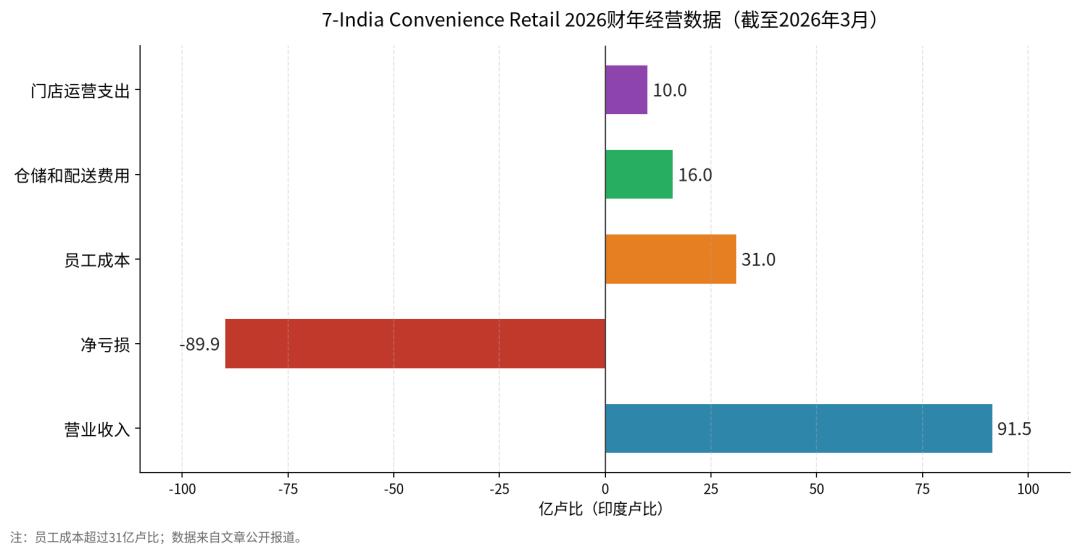
Figure 3 Operating data of 7-India Convenience Retail for fiscal year 2026 (ending March)
How many goods does a store have to sell every day to offset the sunk cost brought by the complete system?
There is no official public answer to this account. But after 7-Eleven struggled in India for five years, the number of stores that finally closed down to zero has presented another harsh fact: it never expanded its outlet scale to the critical point enough to turn the financial situation around.
This forms a sharp contrast with its brilliant performance in other markets in East Asia and Southeast Asia.
In Thailand, 7-Eleven has nearly 16,000 stores; in South Korea, more than 11,000; in Taiwan, China, there are also more than 7,600 stores. Even in the best years of the Indian market, it only maintained a mere dozens of stores.
Therefore, 7-Eleven's retreat in India is not like a mature chain giant encountering cyclical operational setbacks in a mature market. It is more like a premature project that never managed to get out of the initial incubation stage.
The core question becomes: Why?
1
On the streets and lanes of Mumbai, it is easy to find a rival with a far longer history than 7-Eleven. For example, kirana.
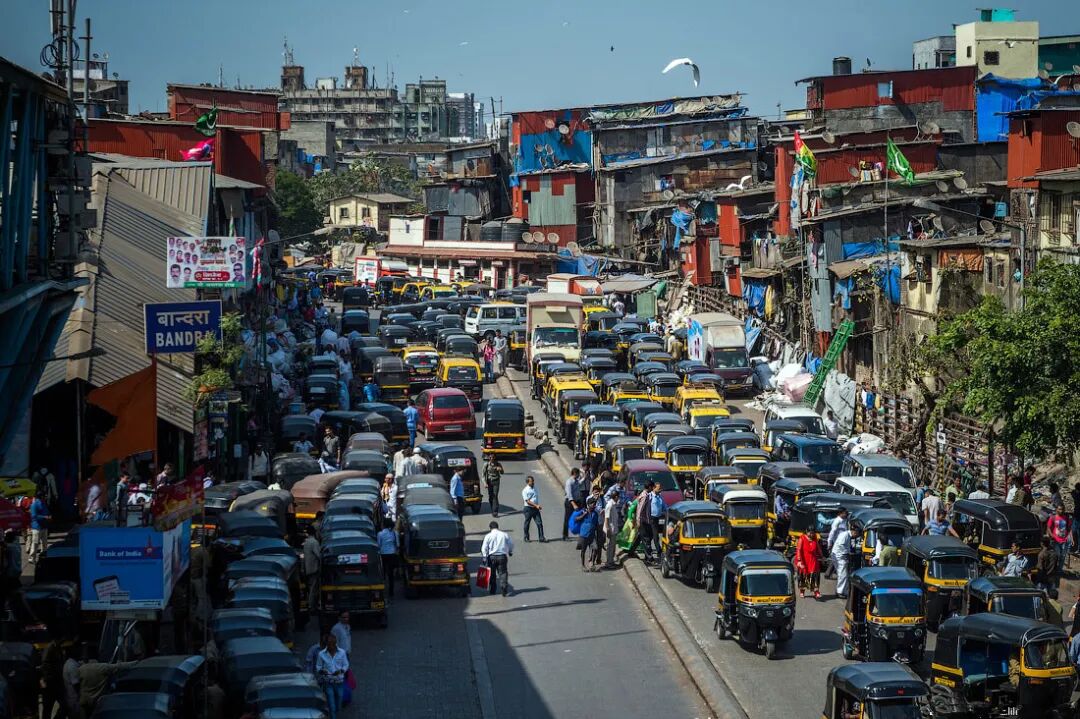
Figure 4 On the streets of Mumbai, kirana small shops and bustling street life
This is the most common and deeply rooted neighborhood grocery store in India. The storefront is often only dozens of square meters, with goods piled from the worn cement floor all the way to the ceiling. It sells a little of everything: milk, biscuits, drinks, bulk spices, laundry detergent, and bulk cigarettes.
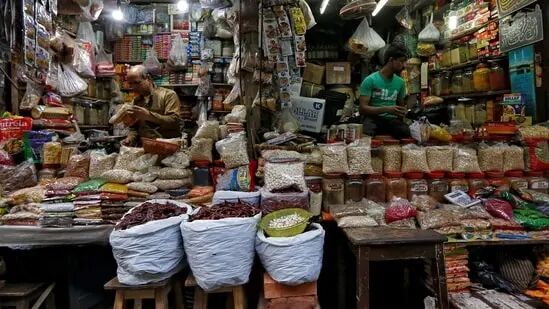
Figure 5 Kirana grocery stall on an Indian street, goods piled from the floor to the ceiling (Source: Reuters)
Many customers do not buy too many things in one visit: they are short of a carton of milk, buy a few packs of biscuits on the way, or suddenly want to drink iced soda at night, and can go downstairs in slippers to buy it.
The shop owner usually knows exactly who lives in the whole building.
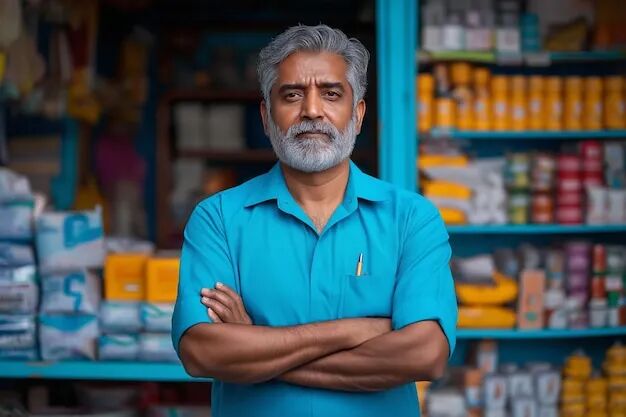
Figure 6 Indian kirana shopkeeper, familiar with every customer in the whole building (Source: Freepik)
For nearby residents, visiting such a store does not require learning any modern retail shopping routes, nor do they need to make a special consumption plan for trivial purchases of only a few dozen rupees.
A survey conducted this year by commercial research institution Redseer broke down India's overall grocery market and came to a very straightforward conclusion: in 2025, kirana still firmly occupied about 91% of India's grocery retail market share; even by 2030, this proportion is expected to remain at a high level of 85%.
Indian society has an extremely huge demand for small, high-frequency daily grocery purchases, and this living habit naturally fits the survival soil of neighborhood family-run small shops.
How much supplies an ordinary Indian family buys every day is not what many Chinese urban middle-class families imagine, that they can fill a whole refrigerator in one trip.
In most cases, their consumption rhythm is "buy today's supplies for today".
This is also why after the rise of the quick commerce wave, kirana was not quickly eliminated by dimensionality reduction as many industry analysts predicted.

Figure 7 Minute-level delivery of Blinkit, an Indian instant retail platform (Source: CIOL)
But Redseer also gave a clear reminder in its report: instant retail and traditional kirana do not fully collide to compete for the same group of consumers.
What 7-Eleven provides is actually another experience: walk into a clean, bright, 24-hour standard space, and you can quickly buy a batch of products and hot food with highly unified quality expectations at any time, on any day, in any city.
This logic worked perfectly in Japan, Thailand, and Taiwan, China.
But it does not work in India.
2
The 7-Eleven management probably did not expect at first that the most difficult problem to solve when opening convenience stores in India is not "whether Indians like modern convenience stores or not", but that "convenience stores must be large enough first to qualify as a convenience store in the true sense".
In Thailand, behind every seemingly ordinary 7-Eleven store, there is a logistics network system with extremely astonishing density.
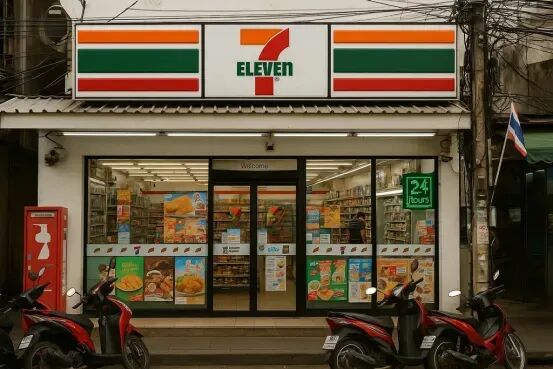
Figure 8 Densely distributed 7-Eleven stores on Thai streets (Source: Sina Finance)
Only when stores are dense enough can the average cost of a single cold chain distribution route be cost-effective enough; only when the distribution frequency is high enough, with two or even three deliveries a day, can freshly made short-shelf-life fresh food, sandwiches and warm bento meals be continuously delivered to the shelves; and high-margin, high-turnover fresh food and hot food are the core reasons that attract customers to enter the store frequently two or three times a day; the higher the frequency of consumers visiting every day, the better the per-square-meter efficiency of a single store can withstand the rent of core locations in business districts and high labor costs.
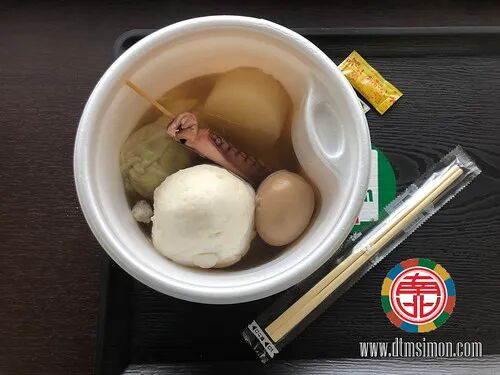
Figure 9 Oden at Japanese 7-Eleven, high-margin fresh food is the core that drives high-frequency store visits to convenience stores
Eventually, what a mature convenience store sells has long gone far beyond "going in to buy something to make up for a temporary shortage".
Breakfast, bento, freshly brewed coffee, steaming oden, ice products and snacks, daily general merchandise, utility bill payment, and express parcel collection, more and more fragments of urban life are conveniently integrated into the same store network.
The evolution path in Taiwan, China is exactly the same. 7-Eleven has long packaged hot and cold fresh food, freshly ground coffee, membership loyalty system, online reservation, end-point logistics and various government convenience services all into the same physical network.
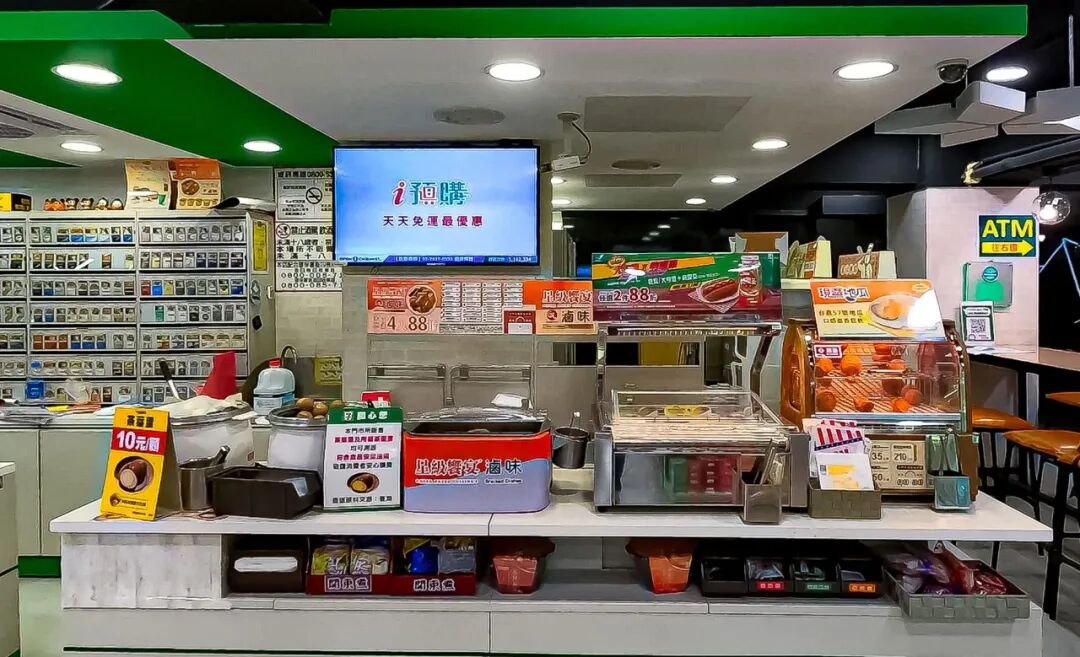
Figure 10 Hot food counter at 7-Eleven in Taiwan, China, fresh food and various services are packaged into the same network
Therefore, a profitable 7-Eleven never exists as an isolated single shop. It is essentially an infrastructure network that operates in coordination.
This is exactly the dead end that 7-Eleven was most stuck in with no way out in India.
As early as 2023, the Indian management was repeatedly emphasizing the "dense store opening model", trying to first achieve network saturation in the core areas of Mumbai. The 40 stores opened at that time sounded like a pretty good starting point for a long run.
But this baton was never passed to the next stage of the race.
The scale of its stores was never dense enough to reach the threshold that can effectively dilute the costs of cold chain logistics and warehousing; and the back-end supply chain did not gain any scale bargaining advantage due to the slight increase in front-end procurement volume. Due to the lack of support from basic scale, the R&D of high-margin fresh food and high-frequency hot drinks that convenience stores rely most on is simply impossible to operate; and once there is no differentiated hot food and high-frequency services, the reasons for ordinary consumers to enter a 7-Eleven every day are almost completely stripped away.
The flywheel was completely stuck at the very first step of starting, because there was not enough kinetic energy.
Just as 7-Eleven was packing up to leave India completely, Lawson, another Japanese convenience store giant, took the opposite path and made a completely different radical decision.
In February 2026, Lawson officially announced its entry into the Indian market, planning to launch 5 directly-operated test stores in Mumbai in 2027 first, and expand its outlets to about 100 by 2030, with its long-term vision even ambitiously targeting 10,000 stores by 2050.
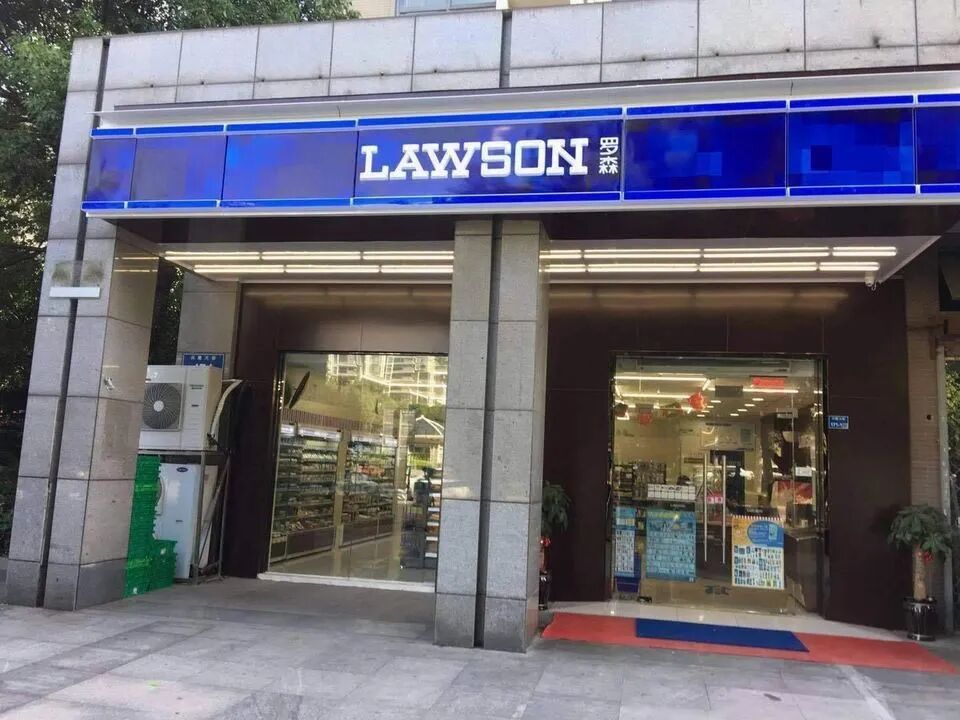
Figure 11 Lawson convenience store storefront
On one side is the pioneer that struggled for a full five years and finally shut down its last 31 stores to cut losses, on the other side is the ambitious latecomer trying to re-explore the untapped market starting from only 5 directly-operated stores.
The collision of these two events at the same point in time makes commercial speculation extremely dramatic.
If the Indian market really has no room for modern convenience stores to survive,