80% of auto dealers are selling vehicles at a loss, and 4S dealerships are being dragged to demise by the outdated operating model.
On September 19, at the 22nd TEDA Automotive Forum, Wang Du, Vice President of China Automobile Dealers Association, released a set of alarming figures: the average gross margin of new vehicles is -21.4%, over 70% of dealers expect a decline in annual business, nearly 80% of dealers face price inversion, and dealers' satisfaction with automakers is only 56.3%, hitting a new low in recent years. The annual sales volume of domestic passenger vehicles is expected to see double-digit negative growth.
This set of data is like a mirror, reflecting the deep-seated pain that China's automobile distribution industry is going through.
Automobile Distribution Is Right in the Eye of the Storm
As Wang Du pointed out, "the automobile industry is genuinely at a historic turning point". The total number of motor vehicles in China has reached 371 million, and the number of new energy vehicles (NEVs) is rising rapidly, with more than half of new car sales being NEV models. The industrial focus is shifting from front-end manufacturing to back-end services and the stock market. As a key link connecting production and consumption, the distribution sector is right at the center of this industry transformation.
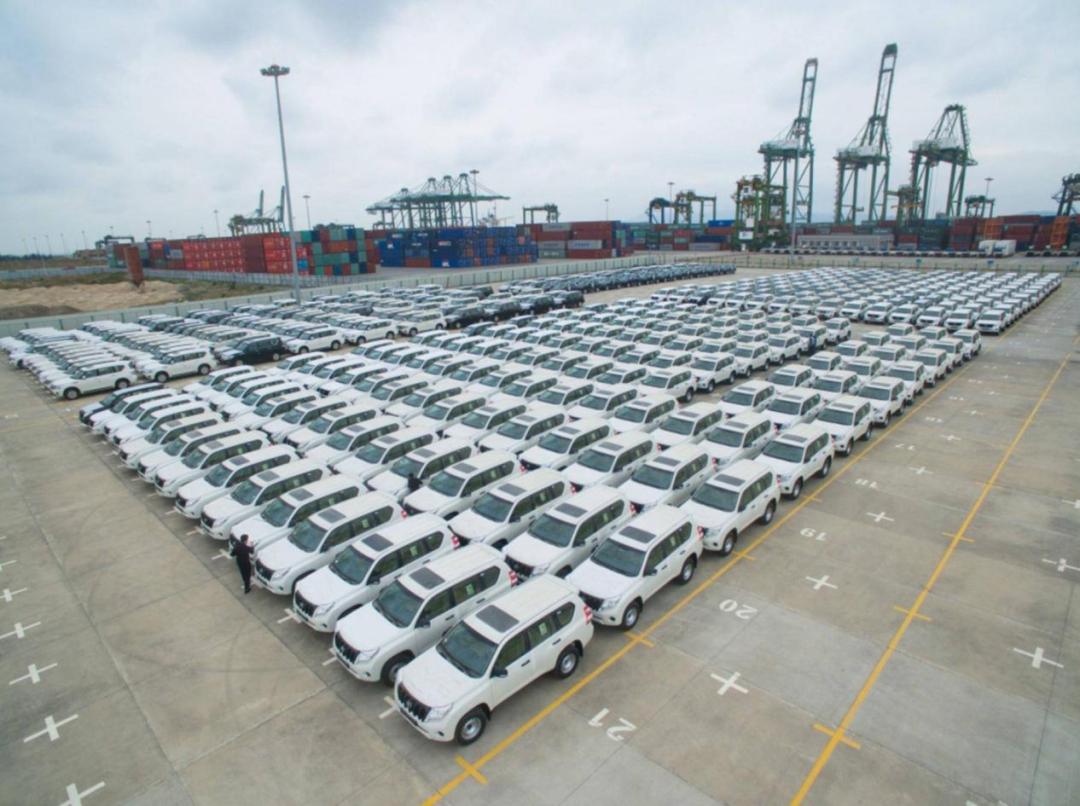
For automobile dealers, inventory is the most heavy burden. In August 2026, the automobile dealer inventory coefficient reached 1.58, up 6.8% month-on-month and 20.6% year-on-year, far exceeding the warning line; the inventory warning index stood at 62.3%, up 5.3 percentage points year-on-year. Wang Du clearly pointed out that the inventory depth of mainstream brands exceeds 2 months, and it takes dealers 1.58 months to sell all the cars in stock. Behind these figures are dealers' warehouses that are getting fuller and fuller, and profit statements that are getting thinner and thinner.
What is more worrying is that price inversion has become the norm in the industry. The latest data shows that 78.1% of dealers are facing price inversion, forming a reverse cycle of "the higher the sales volume, the heavier the loss". The head of a 4S store in Nanchang admitted that as of March 2026, the store's cumulative loss had exceeded 8 million yuan. However, if it officially closes down, it will immediately trigger a series of rigid expenditures such as debt liquidation, tax supplementary payment, and contract breach compensation, and the actual loss may far exceed the current book loss, so it can only "hold on" under continuous pressure.
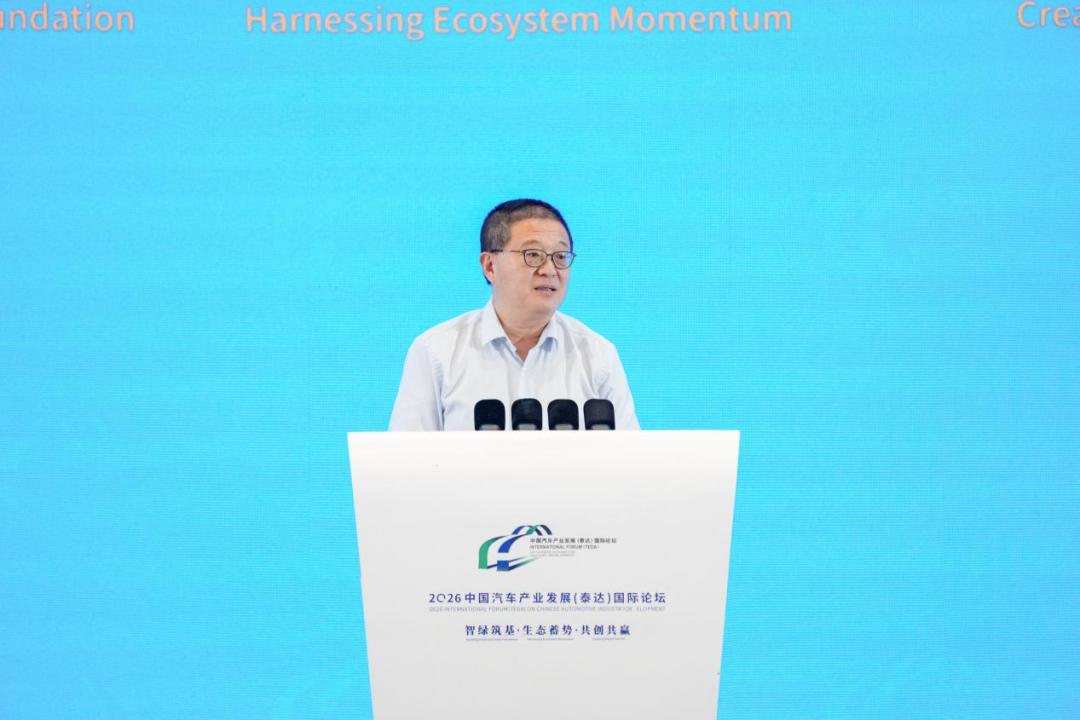
Wang Du, Vice President of China Automobile Dealers Association
Under enormous pressure, industry reshuffling is accelerating. In the first half of 2026, the wave of automobile dealers exiting the network is still accelerating. According to the monitoring data from the All-China Federation of Industry and Commerce Auto Dealers Chamber of Commerce, more than 1,800 authorized dealer stores have closed or exited the network in the first half of the year, with an average of about 10 stores closed every day. In the first quarter alone, about 500 4S stores withdrew from the market, and this exit speed has hit the peak in the past five years. In the past five years, nearly 15,000 4S stores have been shut down, merged or transferred across the country, and the clearance pace has not slowed down even after years of industry adjustment.
Why Does the Traditional 4S System Fail?
The core logic of the traditional 4S store model is "using after-sales revenue to subsidize pre-sales expenditure", earning the profit margin between purchase and sales through new car sales, and relying on after-sales services to provide stable profit sources. But in the current market environment, this logic has completely collapsed.
Traditional 4S stores usually cover four main businesses: complete vehicle sales, spare parts sales, after-sales services, and information feedback. Among them, complete vehicle sales have entered a state of regular loss. Wang Du pointed out, "The average gross margin of new cars is now -21.4%. Selling cars is only an entrance for traffic, and is no longer a profit-making tool for dealers." The after-sales business is also shrinking significantly, the prices of maintenance services continue to decline and the service cycle is getting longer, and the supporting capacity of the profit base is disappearing. As for information feedback, it is not a profit-making business in the first place, with no direct revenue.
To make matters worse, even so, the huge fixed costs brought by the heavy asset operation model, including land, buildings, equipment, personnel and other expenses, are difficult to reduce in a short period of time.
At the same time, the distribution logic of new energy vehicles also conflicts with the traditional 4S store model. On the one hand, NEVs have simpler structures and fewer maintenance items, so their after-sales output value is naturally lower than that of fuel vehicles; on the other hand, the channel layout of NEVs is essentially different from that of fuel vehicles. The unified pricing under the direct sales model deprives dealers of pricing power, and under the agency system, dealers only get fixed commissions, so the traditional profit model of "buy low and sell high" no longer exists.
It is worth noting that the direct sales model, which was once regarded as an industry benchmark, is ebbing. The annual operating cost of NEV direct sales exhibition halls in core business districts of first-tier cities generally exceeds 4 million yuan. With the decline of passenger flow and conversion rate, some NEV brands have begun to close inefficient direct stores and turn to agency, franchise, and authorized distribution models. For example, XPeng Motors launched the "Jupiter Plan" to convert some direct stores to the dealer model, and Li Auto launched the "Store Partner" program.
Wang Du is still uncertain about where the automobile distribution industry will go: "What kind of distribution model will new energy vehicles finally adopt, agency, direct sales, mixed model, or dealer-dominated model? That is the question we need to answer next." These uncertainties for the future add more fog to the prospect of traditional 4S stores.
Dealers Should Launch Three-Directional Self-Rescue
The reality is pessimistic, but Wang Du emphasized that in the midst of industry transformation, the essence of distribution has not changed: "Services that consumers are willing to pay for are the essence of distribution. Although the model is changing, the core of service-oriented operation remains unchanged." How should automobile dealers save themselves? Wang Du put forward three transformation suggestions.
First, shift from "selling cars" to "operating users" to maximize the full life cycle value.
In the stock market, consumers have a clearer understanding of products when they replace their cars, and they value services more. Automobiles have evolved from a means of transportation to a way of life, which requires offline maintenance and continuous services, and such services are the core value of the distribution link. Therefore, dealers need to transform from "automobile sellers" to "automobile full life cycle service providers", expand their vision from a single sales link to the full life cycle of users' car use, develop used car businesses, actively explore new car ownership models such as car leasing and subscription services, and transform into multi-brand comprehensive service providers.
Second, build a new symbiotic relationship between automakers and dealers.
In the past, the relationship between automakers and dealers was active versus passive, but now, with the rapid rise of new energy vehicle brands, the symbiotic relationship between dealers, service providers and automakers has become more important. In the past, distribution was the end of the industry, but in the stock market, "the greater the value of the distribution end, the greater the voice it has". It is necessary to build an industrial community with automakers, and promote the manufacturer-dealer relationship to shift from "one-way empowerment" to "two-way symbiosis".
Third, embrace the trillion-level opportunities in the aftermarket.
Data from the China Automobile Dealers Association shows that in the first half of 2026, the cumulative transaction volume of used cars across the country reached 9.7132 million units, with a cumulative transaction value of 638.53 billion yuan. In 2025, the output value of China's automobile maintenance market reached 1.15 trillion yuan, and the overall full-format automobile aftermarket has entered the stock consumption era of trillion-yuan scale. At the same time, according to estimates, the overall size of the automobile modification market exceeded 160 billion yuan in 2025. Therefore, dealers should actively lay out in aftermarket fields such as used car retail, NEV three-electric system maintenance, compliant modification, finance and insurance, to establish new business growth curves.
China's automobile distribution industry is undergoing a profound structural transformation. The heavy asset operation model of traditional 4S stores is no longer compatible with the future market environment. However, as a bridge connecting production and consumption, the value of the distribution link will not disappear. On the contrary, it will become more important in the stock market. The way out for dealer groups does not lie in sticking to the old model, but in redefining their own value. The enterprises that can survive in the knockout round in the future must be those that truly understand user needs, can provide high-quality full-life-cycle services, and have established an equal symbiotic relationship with automakers.
This article is from the WeChat official account "Auto Observer Autoobserver", author: Since 2005, published with authorization from 36Kr.