Guming's "Guladuo" has gone viral across social platforms, the tea drink industry is collectively revamping its ice cream offerings, and Mr. Wild Man now has new competitors?
This autumn, Gelato has gained unprecedented exposure.
The controversy over Mr. Wild Man has not yet subsided, and Guming's "Guladuo" has gone viral across social platforms. The "Chinese-style Gelato infused with Jinling rice wine ferment, super-strong matcha and Wuyi high mountain tea made Guming's fresh store in Nanjing a hit with long queues as soon as it opened.
Gelato, which originated in Italy, is undergoing profound localized adaptation in China. What new opportunities will emerge in this process?
1
The Controversy Over Mr. Wild Man Has Not Subsided
Tea Brands Collectively Launch "Gelato Adaptation"
It appeared on the hot search lists 9 times in 5 days, and Chinese consumers have deeply remembered "Gelato" this time.
From Luo Yonghao's negative review on September 12 to Mr. Wild Man's first response on September 16, this controversy over the flavor and price of Gelato has not only made more people know Mr. Wild Man, but also let more people learn about Gelato for the first time, as well as the difference between Italian and American ice cream.
Public opinion will eventually cool down. But for Mr. Wild Man and the ice cream category, what deserves more attention than a single negative review is that since the summer of 2026, leading brands such as Heytea, Ba Wang Cha Ji and Guming are collectively entering the Gelato track.
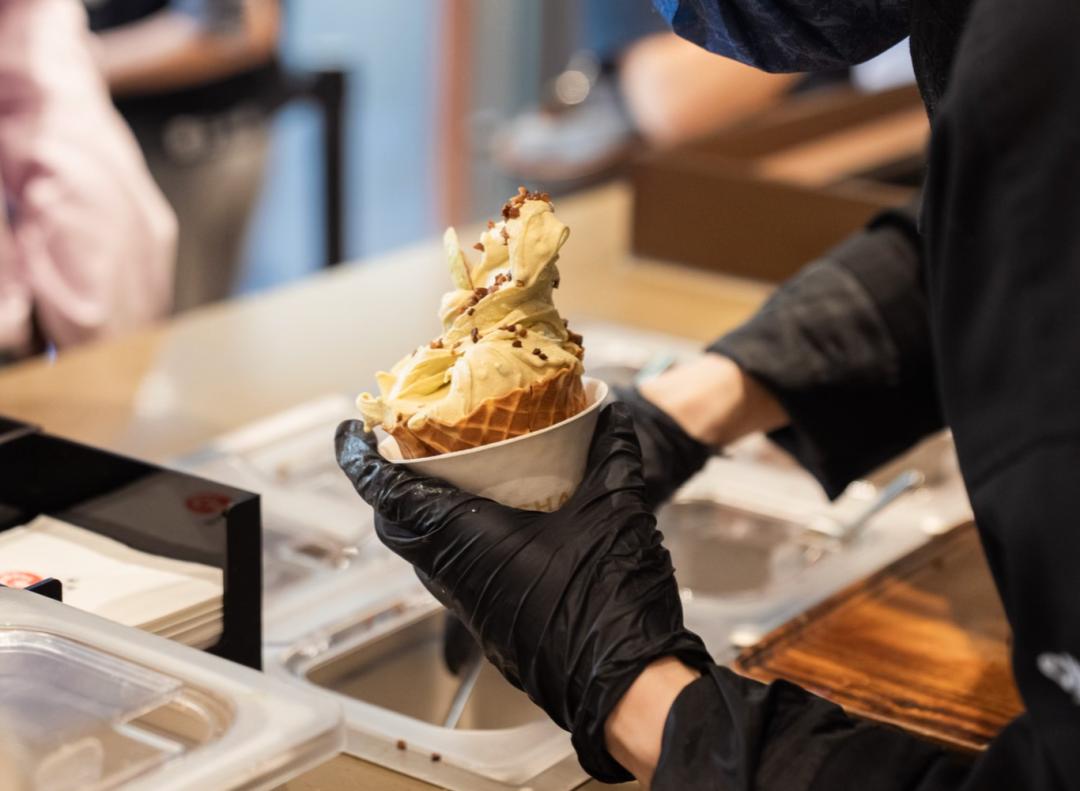
Just the day before yesterday, Guming's first fresh experience store in Nanjing opened. It is a combined store of ice cream and tea drinks. The most eye-catching products are 4 ice cream flavors named "Guladuo", including Jinling rice wine ferment, super strong tea, Guanyun tea charm and pistachio, priced from 15 to 19 yuan.
On the opening day, Guladuo went viral on social platforms with its innovative flavors and flying saucer cup design, and long queues formed in front of the store.
A handcrafted ice cream category originating in Italy is undergoing profound localized transformation in China — and this path is surprisingly similar to the previous counterattack of coffee localization in China.
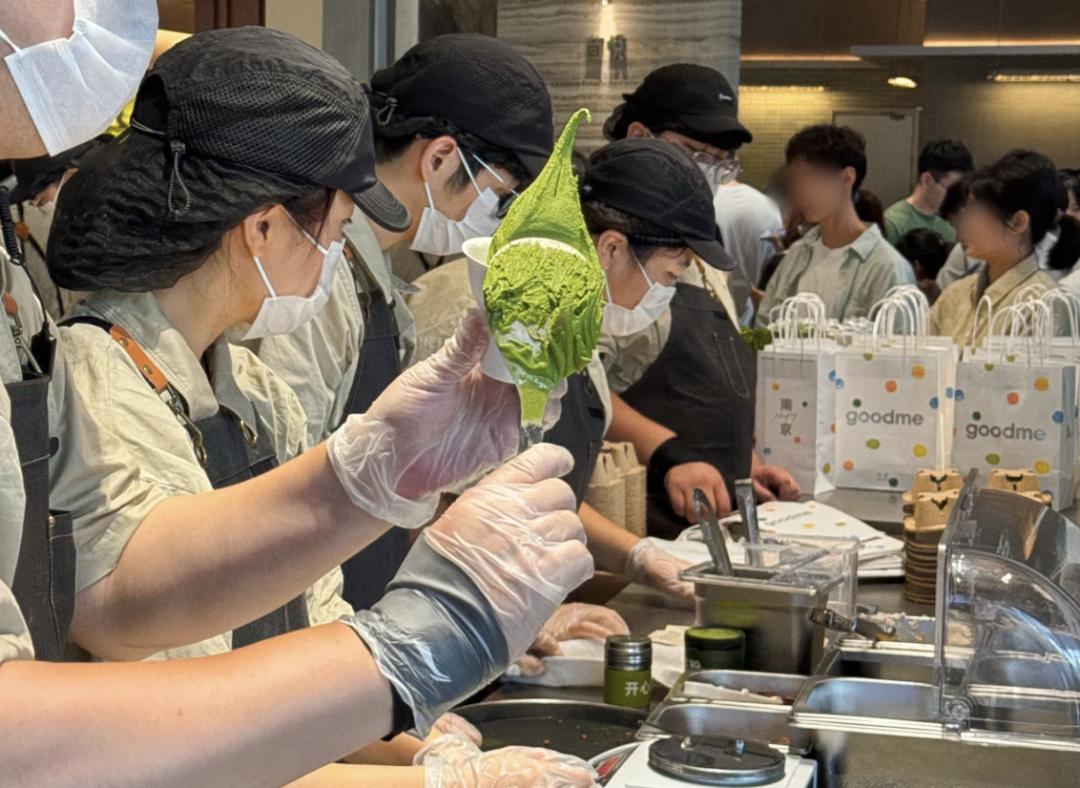
Image from Xiaohongshu @You Ruhe, authorized for use
2
From Xiladuo to Guladuo
Gelato Is Being "Radically Remade" by Chinese Brands
The first wave of promoters comes from tea brands.
Since June this year, Heytea has stepped up its layout in the ice cream track, and Gelato lab+ has been launched in cities including Xiamen, Shenzhen and Hangzhou one after another.
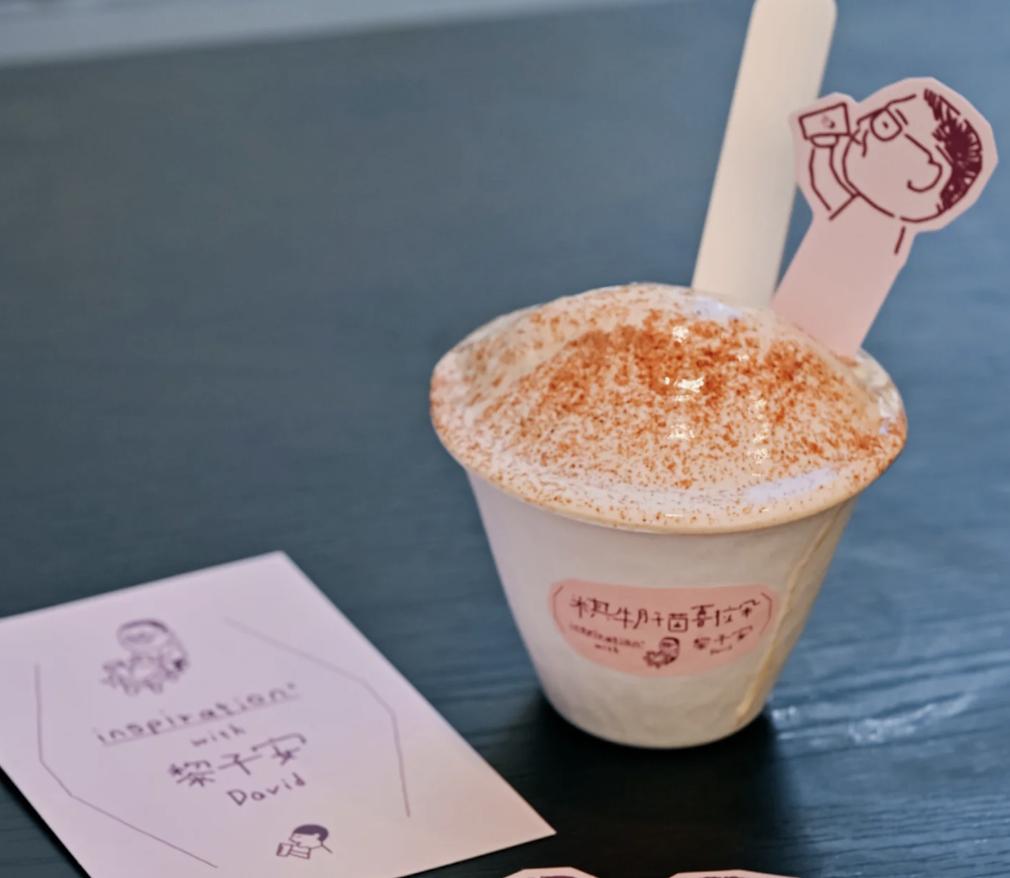
With the increasing number of stores, product innovation has become bolder: it jointly launched "Salty Egg Yolk Xiladuo" with Shanghai time-honored brand Lifen, and invited Michelin chef Li Zian to develop "Boletus Xiladuo". The addition of Chinese ingredients goes beyond the imagination boundary of traditional Gelato.
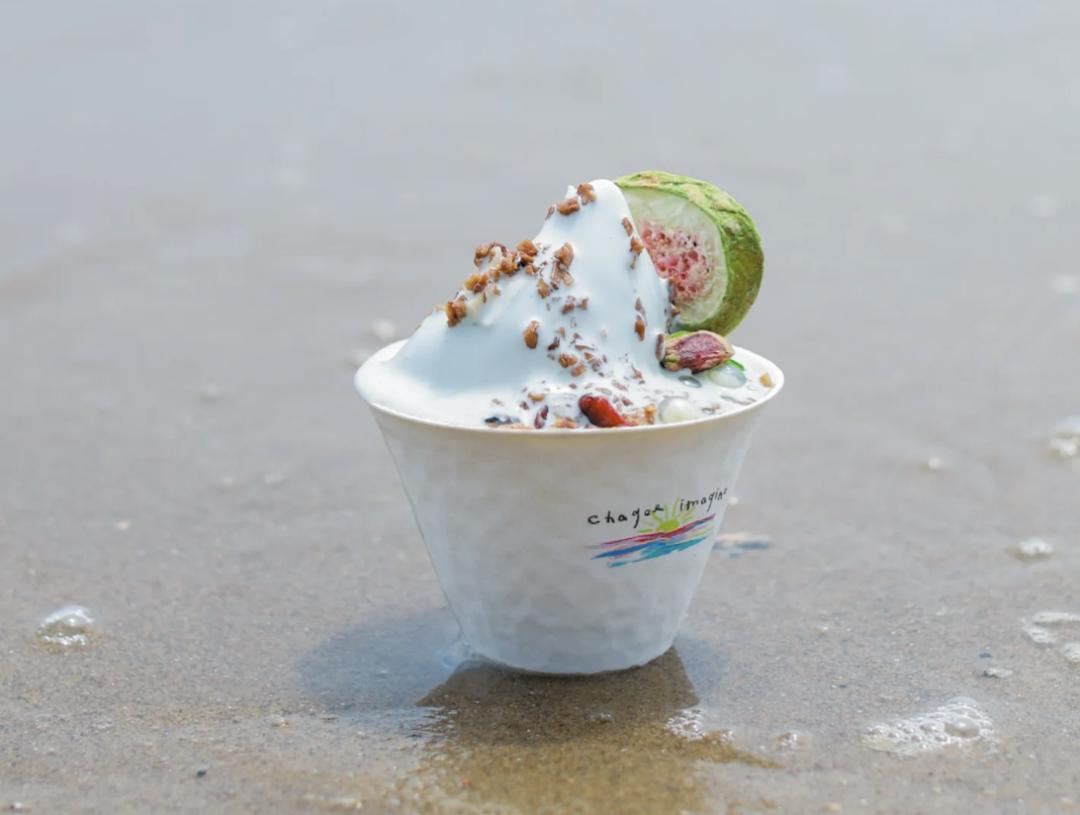
Ba Wang Cha Ji is also making efforts on Gelato. It created its own brand "Chalado" (Geelato), pouring its signature tea base into the Italian Gelato freezer. It first launched 10 Italian ice creams and 3 snow-top special drinks, some of which are directly derived from classic products such as Boya Jue Xian and Yi Mo Shan Yue. As of press time, Chalado has been launched in 70 stores in 29 cities across the country.
Recently, Guming launched "Guladuo" for the first time in Nanjing. Jinling rice wine ferment and Guanyun tea charm are clear localized expressions. Since 2025, Jasmine White has tested Gelato in its Fujian flagship store, with sales exceeding 10,000 cups in three days in a single store.
According to incomplete statistics, in 2026, more than a dozen domestic tea and coffee brands focused on the ice cream category, launching nearly 100 Gelato products and ice cream-containing derivatives. All mainstream brands such as Heytea, Ba Wang Cha Ji, Guming, Mixue Bingcheng and Jasmine White have entered the market.
Tea brands are promoting Chinese-style ice cream innovation in their own way.
The second driving force comes from the accelerated expansion of local brands.
Local Gelato brands represented by Mr. Wild Man are rewriting the fragmented pattern of the industry.
In April this year, Mr. Wild Man put forward the "Oriental Gelato" proposition, incorporating local ingredients such as Wuchang rice from Northeast China, kiwifruit from Mei County of Shaanxi, bayberry from Xianju of Zhejiang, and jasmine from Hengxian of Guangxi into its product system. Its founder Cui Jianwei once said: "In the ice cream industry led by the West for 400 years, we will break out a height that belongs to China."
Jilatu is the representative of the "affordable popularization school", which has reduced the average price of Gelato from 20-30 yuan to less than 10 yuan, and completed localized expression with Chinese flavors such as salted egg yolk, jasmine and schizonepeta, with nearly 100 stores at present.
Honglou is a sample of the "local definition school". Starting from Shiquan Street in Suzhou in 2022, it put forward the concept of "C-elato", reinterpreting Gelato with seasonal local ingredients from China. There are almost no internationally popular flavors such as vanilla and chocolate on the menu, which are replaced by toona sinensis tofu, Dongkui bayberry, huojing persimmon, osmanthus rice wine ferment, and Jiuqu Hongmei pecan.
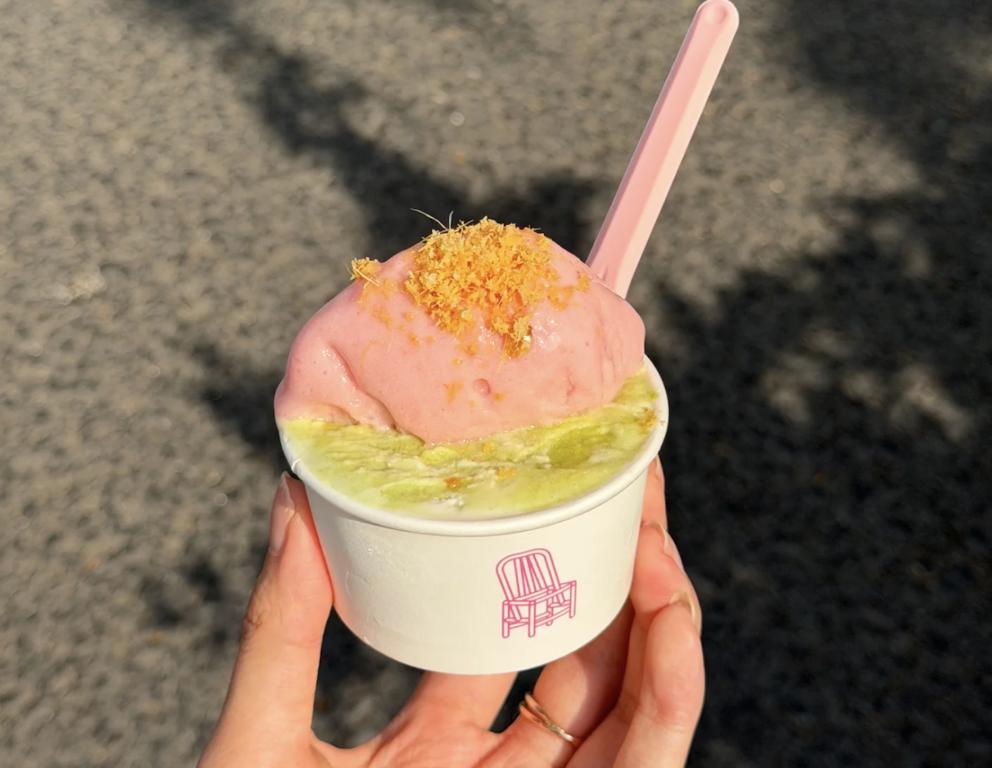
What it sells is no longer just ice cream, but the local specialties and seasonal customs of the Jiangnan region.
Brands adopt different strategies, but their underlying logic is highly consistent: recreate the flavor expression of Gelato with Chinese local specialties. Tea base, rice wine ferment, Wuchang rice, boletus, fresh fruits, tea toppings... These are flavor combinations that are rarely seen in Italian Gelato shops.
The once very niche Italian handcrafted ice cream with high-end labels has been brought to ordinary consumers, and its price has dropped from 50-60 yuan per serving to 10-20 yuan.
This reminds people of the sinicization path of coffee. From Italian and American coffee to Chinese-style coffee, Gelato is following the same path that coffee took.

3
Chinese-style Ice Cream
Is It Expected to Give Birth to a World-Class Brand?
Just like Gelato, coffee which also originated in Italy was dominated by Italian style in China in the early stage.
From 2018 to now, in less than 10 years, the localization of coffee in China has experienced a complete transformation from "imported product" to "national drink", and has given birth to three 10,000-store brands: Luckin Coffee, Lucky Cup and Nowwa Coffee.
Is Gelato expected to give birth to a world-class brand? At present, there are at least three thresholds to cross.
First, whether it can find a Chinese flavor symbol that can be understood by the world.
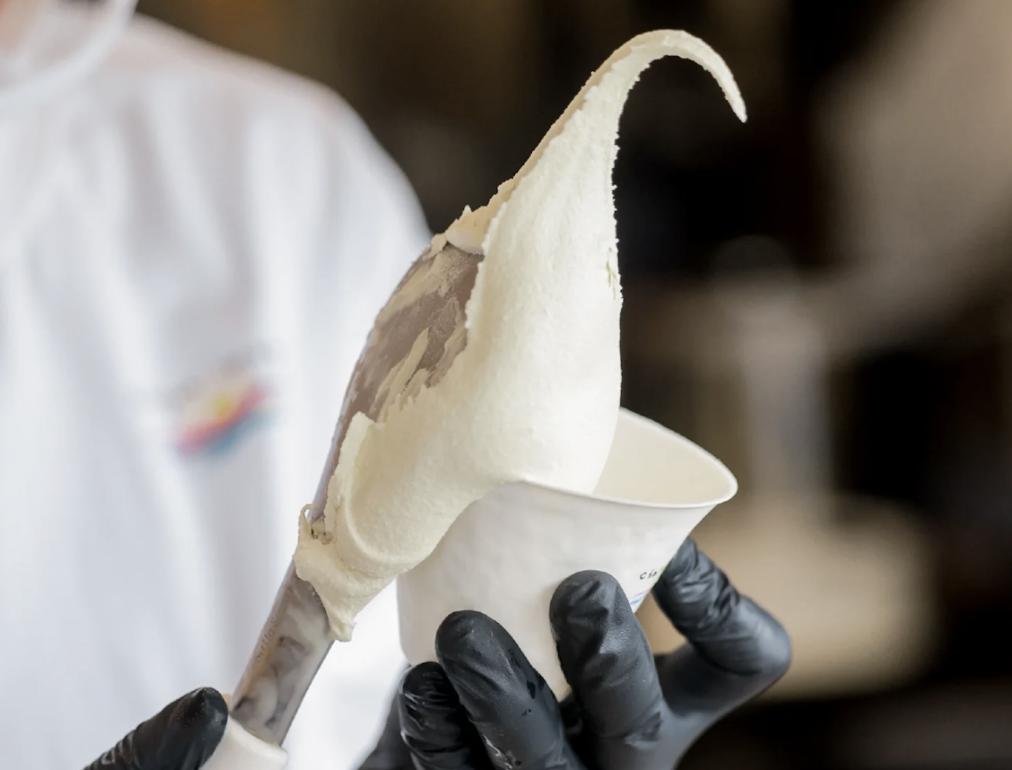
Coffee has created "Coconut Latte" — a Chinese innovation that global consumers can understand and repeat. Can Gelato's "Wuchang Rice" and "Jinling Rice Wine Ferment" become such symbols? Rice aroma, tea aroma, fruit aroma, which one can become China's "Gelato language"? There is no answer yet.
Second, establish a credible quality standard system.
Most customers have a vague concept of Gelato. It is necessary to formulate standards from dimensions such as milk fat content, air content and fresh making timeliness. Just as Gelato has government regulations in Italy (it can be called Italian ice cream only when the milk fat content is below 8%), China needs to establish its own quality discourse system, rather than relying on the four words "freshly made on the same day" to create stories.
Third, build a product structure that can survive the off-season.
Coffee relies on "non-coffee drinks" to boost sales volume, and Gelato needs its own "winter solution" — hot drinks, baked goods, or ice cream cakes? Mr. Wild Man has opened a 500-square-meter "Oriental Gelato Global Flagship Store" in Shanghai, providing limited flavors, ice cream cakes, coffee and milkshakes, which is exactly the practice of looking for the answer.
Conclusion
Coffee has proved one thing in 30 years: The ultimate form of a category is not to return to its place of origin, but to take root in the local soil.
Gelato is going through the same moment. When Chalado, Xiladuo and Guladuo become the common suffixes of Chinese-style ice cream, and when Wuchang rice, West Lake Longjing and Xianju bayberry become mainstream flavors, this category has already begun to take root and sprout in China.
Every brand has an opportunity in the positioning of the Gelato category. And the ticket to a world-class brand is never given to the fastest imitators, but only to those who redefine the category.
This article is from the WeChat official account "Kamen" (ID: KamenClub), written by Guojun, and authorized for release by 36Kr.