The good days when new tea beverage suppliers could make easy money effortlessly are over.
Whether it is non-dairy creamer, concentrated fruit juice, seasoning sauce, paper cups or straws, the capital dividend brought by the rapid growth of chain tea and coffee brands has little remaining room to benefit the upstream supply chain.
An obvious change is that the overall growth rate of the chain tea industry in the Chinese market has slowed down significantly in the past year.
According to data from the *Regional Tea Drink Research Report 2026* released by Hongcan Industrial Research Institute, the market size of China's freshly made tea drinks reached 195.7 billion yuan in 2025, a year-on-year increase of 11.4%; it is expected to reach 210 billion yuan in 2026, with the year-on-year growth rate further falling to 7.3%. Compared with historical data, the industry growth rate has gradually dropped from the peak of 24.9% in 2021 and the high recovery growth of 19.3% in 2023 to the single-digit range.
The slowdown in store expansion is more intuitive. According to the monitoring of the *Blue Book on the Development of Chain Catering Stores in the First Half of 2026* by GeoQ, a total of about 18,000 stores were opened and 11,200 stores were closed by 112 chain tea brands in the first half of 2026, with a store opening-closing ratio of 1.61, among which 62% of the brands saw their store scale shrink or stagnate.
The supply chain of chain tea and coffee is very long. Due to the large demand, products ranging from non-dairy creamer, concentrated fruit juice, seasoning sauce to paper cups and straws can support a medium-sized company, and even many listed companies have grown up from these tracks.
However, as downstream customers reach market saturation in scale, and competition in price and products intensifies, the involution among supply chain companies is becoming increasingly fierce. The previous general dividend of the industry is gone, and the sector has entered a stage of structural differentiation.
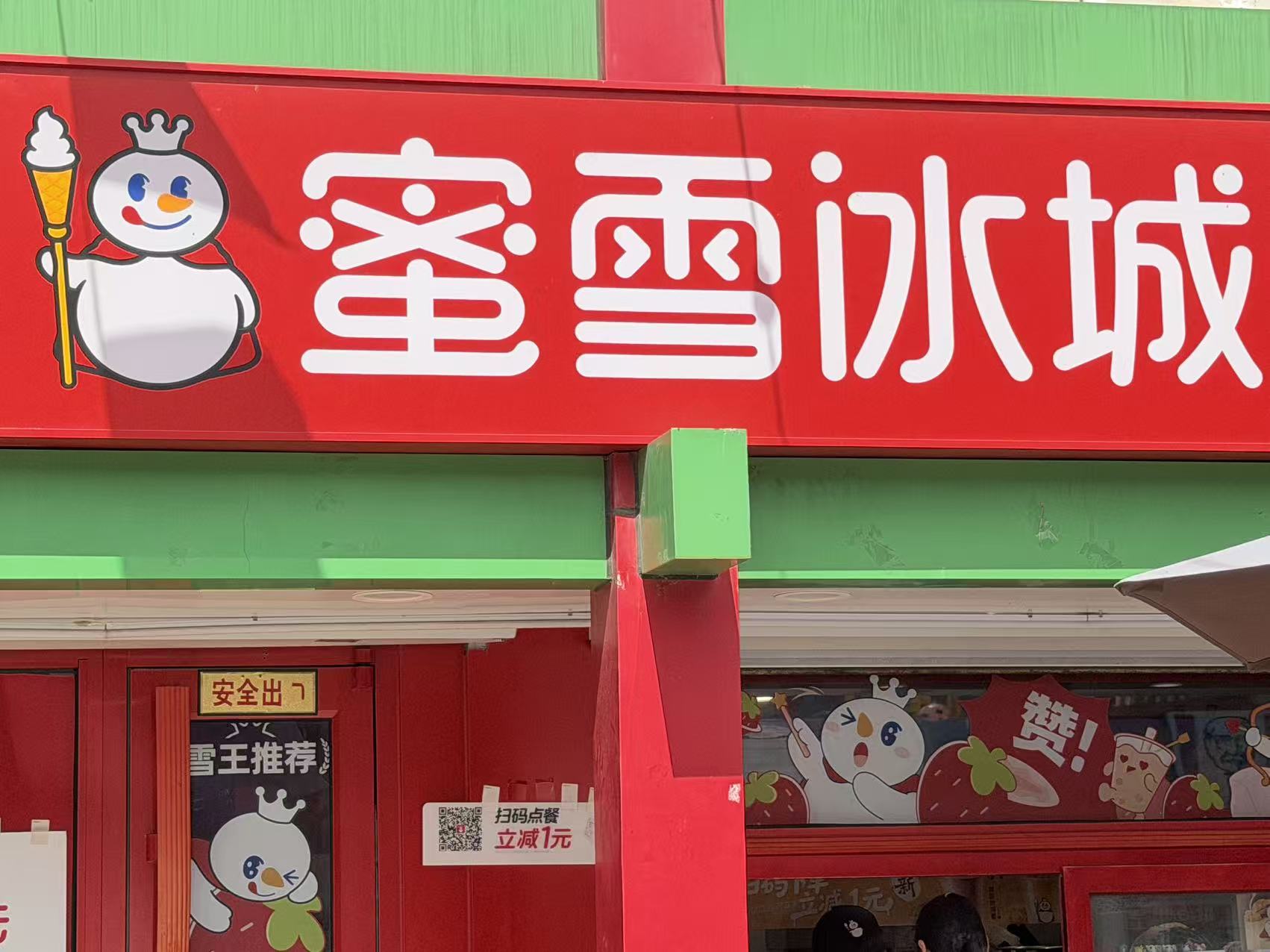
Photo by Jiemian News, Ma Yue
If we sort out the operating status of a number of tea and coffee supply chain companies in the first half of 2026, we can find some common characteristics of upstream supply chain players.
A notable manifestation is the separation between revenue growth and profitability: the scale can still expand, but profits are continuously squeezed.
Shandong Weixian Food Group Co., Ltd. (hereinafter referred to as "Weixian"), which recently filed for an IPO on the Beijing Stock Exchange, is a typical example.
Founded in October 2018 and headquartered in Ningyang County, Tai'an City, Shandong Province, the company's core business covers HPP fruit and vegetable juice ultra-high pressure cold sterilization technology and beverage concentrate processing technology, and it can standardize and scale up the HPP cold sterilization technology.
Relying on this technology, Weixian has entered the raw material business of freshly made drinks. Its main products include concentrated fruit juice, jam and beverages, and its customers include new tea drink and catering chain brands such as Mixue Bingcheng, Luckin Coffee, Hushang Ayi and Haidilao.
Jiemian News found in its public financial data that Weixian's revenue continued to grow by 25.23% year-on-year to 504 million yuan in the first half of this year, but its net profit fell by 22.77% year-on-year, and its gross profit margin also dropped to 20.33%, which is a typical case of revenue growth without profit growth. The company explained that the decline in the selling price of some products to compete for large customer orders, coupled with the rise in fixed costs brought by fresh fruit raw materials and production line expansion, compressed the profit margin.
Tianye Co., Ltd., which is also listed on the Beijing Stock Exchange, also had a hard time in the first half of this year.
Tianye's main business includes raw fruit juice and quick-frozen fruits and vegetables. Its business model is similar to that of Weixian, and it is also a raw material supplier for the new tea drink and fruit juice beverage industries. In the first half of this year, it suffered a 6.75% year-on-year decline in revenue, a 94.16% plunge in net profit, and its overall gross profit margin fell by 4.75 percentage points to 15.93% compared with 20.68% in the same period of the previous year.
In response, Tianye explained that the total volume of the downstream fruit juice beverage industry is under pressure, the stock game in the new tea drink industry has intensified, and competitive pressure has been transmitted to the upstream industry, resulting in pressure on the company's operation. The company adopted a price competition strategy to maintain customer relationships. In addition, the company's disposal of expiring durian products during the reporting period led to a cost inversion in the quick-frozen fruits and vegetables segment.
Prior to this, there have also been cases where juice and sauce supply chain companies failed in their IPO attempts. For example, Deshin Food mainly produces flavored syrups, beverage concentrates and toppings, and is a supplier to Luckin Coffee, Starbucks and Mixue Bingcheng; Xianhuo Beverage mainly produces jam, fruit granules and frozen juice bases, and also mainly supplies Mixue Bingcheng. However, both companies voluntarily withdrew their IPO applications in 2023.
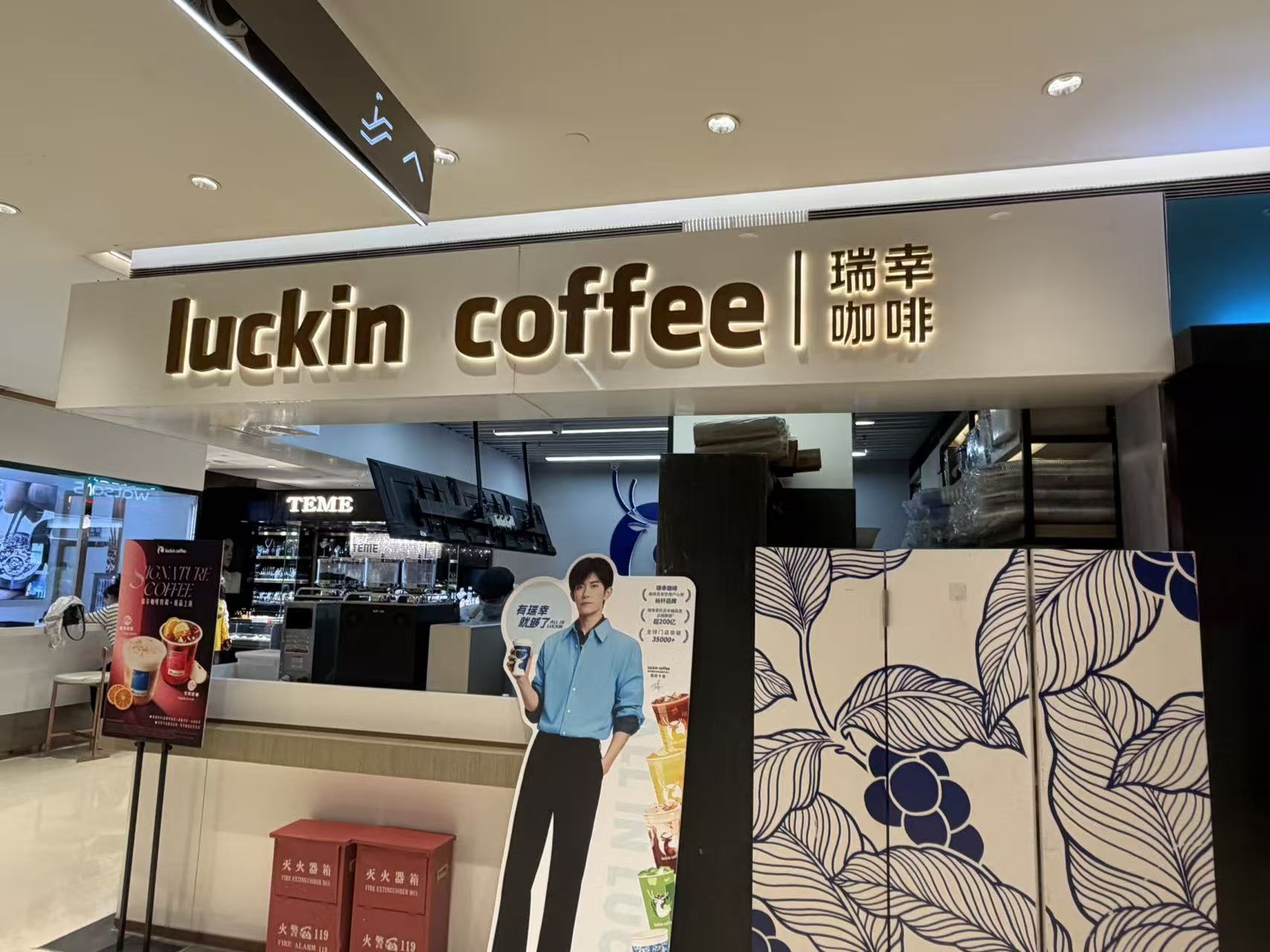
Photo by Jiemian News, Ma Yue
Another hidden concern is that almost all leading raw material manufacturers in the industry generally have a high proportion of revenue contributed by major customers.
"From the current industry situation, concentrated fruit juice is a sub-track that is significantly impacted by the price war," Lin Yue, an analyst at Lingyan Management Consulting, said in an interview with Jiemian News. This type of supplier has almost no bargaining power in front of leading customers such as Luckin Coffee and Mixue Bingcheng, which is rooted in the homogenization of products and high customer concentration.
Although all companies are striving to expand new brand customers and develop C-end retail business to diversify risks, major customer orders are huge. Once downstream brands adjust product formulas, switch suppliers, or build their own upstream factories, the revenue of suppliers will be directly impacted.
This is also the core risk point that the regulators focused on questioning and the outside world questioned during the review stage for Deshin Food and Xianhuo Beverage, which failed in their IPO attempts earlier, and it is also an important reason why the capital market remains prudent in valuing such raw material enterprises.
One change is that the competitive landscape of the downstream tea and coffee industry is reshaping the survival rules of the upstream supply chain.
Brands such as Mixue Bingcheng, Luckin Coffee and Guming have been building their own raw material factories in recent years, locking in orchards and coffee bean bases in producing areas, and bringing part of the raw materials that were originally purchased from outside into self-production. This directly squeezes the basic business space of third-party supply chain manufacturers.
At the same time, the downstream price war continues to spread upstream. Tea and coffee brands are continuously compressing raw material procurement costs to maintain cost-effectiveness, but upstream suppliers can hardly fully pass on the pressure of rising raw material prices to brand customers.
This means that the industry growth logic of the supply chain must also shift from expanding production capacity following the downstream volume growth to upgrading product structure.
Lin Yue told Jiemian News, "In addition to the price war, suppliers must undergo transformation and upgrading. For example, non-hydrogenated base milk is fully replacing non-dairy creamer. In terms of functions, demands for intestinal health, body slimming, heat-clearing and other effects are becoming mainstream, ingredients with medicinal and edible homology such as turmeric and kale are being rapidly integrated into products, and monk fruit sweetener is on the rise. These are all directions that suppliers need to focus on. In other words, in the future, tea drink suppliers need to transform from the role of raw material providers to providers of 'flavor solution'."
Jiahe Food, a non-dairy creamer supplier, saw its revenue shrink but net profit surge in the first half of 2026, which to a certain extent reflects the results of the company's self-rescue efforts.
Jiemian News saw in its financial report that the company's revenue in the first half of this year was 1.131 billion yuan, a year-on-year decrease of 4.62%; its net profit was 28.6468 million yuan, a substantial year-on-year increase of 130.41%.
This is due to the decline in raw material costs and internal management optimization. The gross profit margin of Jiahe Food's B-end business has steadily increased, and its operating costs have decreased by 6.90% year-on-year, a larger decline than that of revenue, effectively widening the profit margin. In addition, the sales revenue of its C-end business increased by 79.33% year-on-year to 103 million yuan, becoming an engine driving profit growth.
Due to the obvious trend of "de-non-dairy creamer" in downstream tea drinks in recent years, Jiahe Food is transforming to plant-based and other directions. In the first half of this year, the revenue of its plant-based business reached 92.3288 million yuan, a year-on-year increase of 51.89%, and the company continued to launch functional new products such as low-GI oat milk, DHA walnut milk, and Barista oat milk.
In addition to product structure upgrading, developing C-end products and expanding channels and customers is also a self-rescue transformation strategy for such supply chain companies.
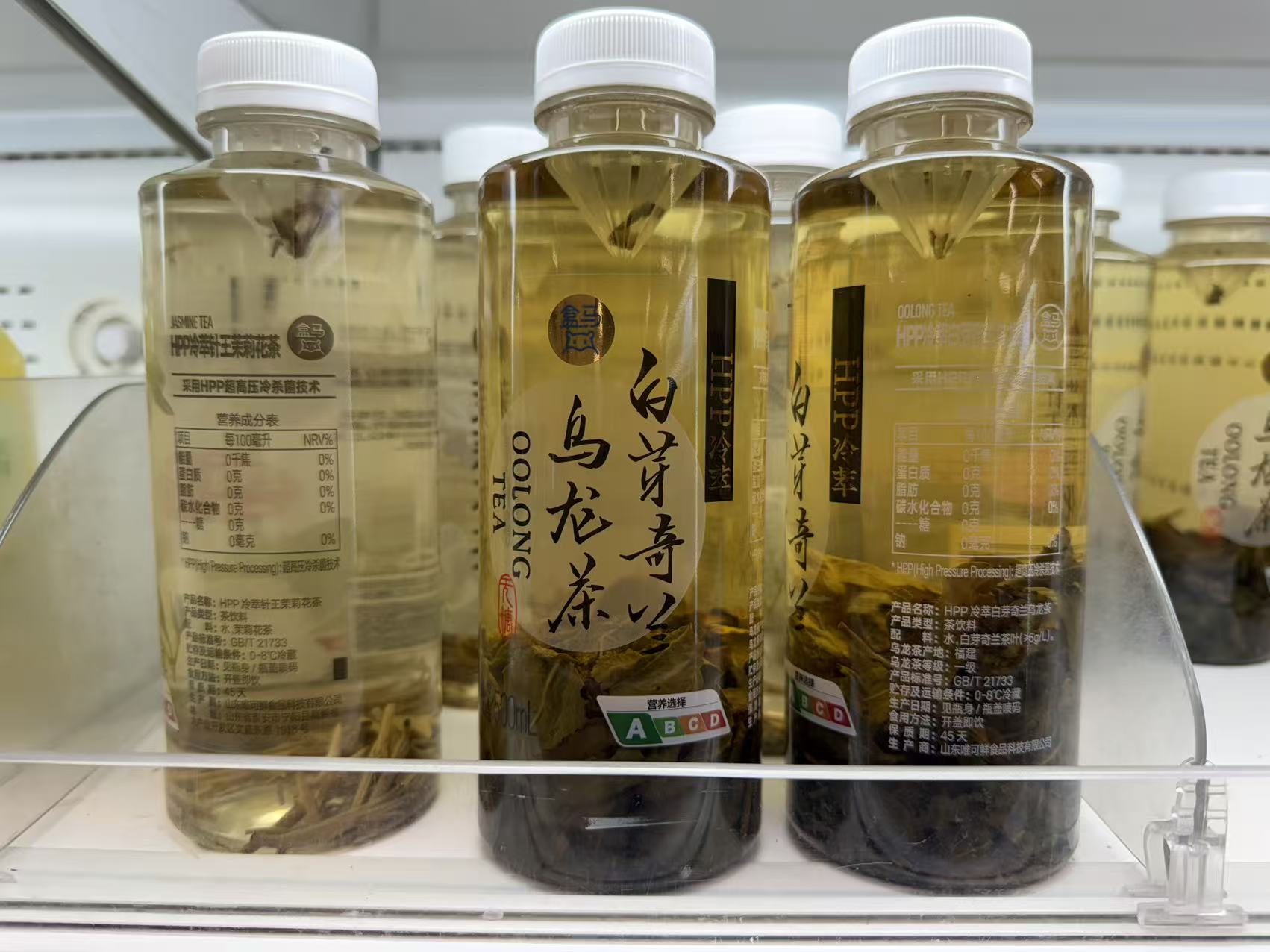
Hema beverages OEM-produced by Weixian, Photo by Jiemian News, Ma Yue
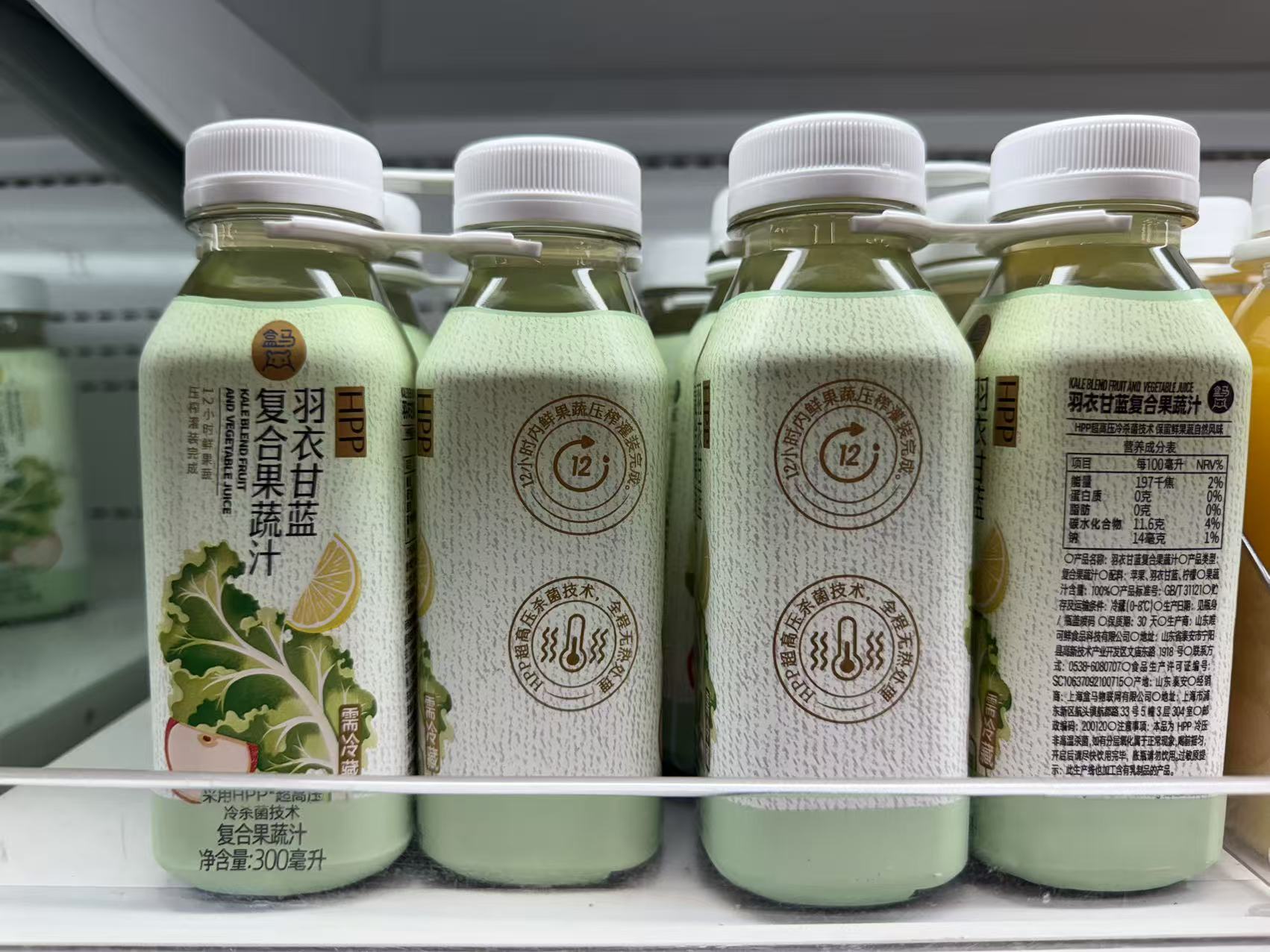
Hema beverages OEM-produced by Weixian, Photo by Jiemian News, Ma Yue
For example, Weixian has also launched HPP ready-to-drink beverages for the C-end, such as cold brew tea, HPP fruit juice, etc., which are sold on channels including Hema, Eastbuy, Pangdonglai, as well as Douyin, JD.com and Tmall.
Jiemian News' field visit found that Hema's "HPP Cold Brew Baiya Qilan Oolong Tea" and "HPP Kale Compound Fruit and Vegetable Juice" are both OEM-produced by Weixian, with a retail price of about 5.19 yuan and 7.2 yuan per bottle respectively. HPP ready-to-drink beverages only accounted for 15.07% of Weixian's revenue in 2025, but the gross profit margin of this business is 25.29%, slightly higher than the 23.4% of freshly made beverage raw materials.
This also means that upstream supply chain opportunities may be more inclined to the segmented high-end raw material tracks, such as HPP cold-pressed fruit pulp, concentrated tea extract, specialty coffee liquid, functional plant-based base and other products with high gross profit and higher technical thresholds, to seize the market space that large brands' self-built supply chains have not yet covered. However, the logic and competition direction of doing C-end brands are different from those of B-end suppliers, and they will still face the competition challenges from the consumer market and channels.
This article is from "Jiemian News", Reporter: Ma Yue, Editor: Ya Hanxiang, 36Kr is published with authorization.