With dairy brands fiercely competing to raise the protein content of their products, has Mengniu completely outclassed all rivals and secured a dominant, unbeatable lead in the market?
More and more protein products are emerging, making the industry track increasingly crowded.
What drinks do young people need after working out? People who belong to the "Immediate Indulgence Group", "On-site Energy Replenishment Group" and "Protein Target Achiever Group" may have different answers.
Among them, Mengniu M-PLUS Daily Protein, with as much as 15 grams of protein per can, has become the favorite of many members of the "Protein Target Achiever Group".
Against the backdrop of the general trend of the dairy industry and the search for new tracks, the launch of Mengniu M-PLUS Daily Protein seems logical, and it even has the potential to become the next Telunsu.
However, the protein drink industry is highly competitive. In addition to Mengniu, traditional dairy rival Yili, cross-border players Starbucks, Freshippo and other brands have all laid out in this track.
Mengniu M-PLUS Daily Protein, which has gained the first-mover advantage, still needs to maintain and expand this advantage in the future.
What to drink after working out?
Contemporary young people love to prepare for the Olympic Games by exercising on their own.
But when it comes to what drinks to have after exercising, different people often have different ideas, which can be roughly divided into three groups according to their level of self-discipline:
The first group is the "Immediate Indulgence Group", who will finish sweet drinks such as cola, Sprite and milk tea as soon as possible.
Young people in this group often exercise just to indulge their appetites with a clear conscience. Excessive sugar intake and refreshing carbonated drinks can all be justified after a workout.
The second group is the "On-site Energy Replenishment Group", for whom electrolyte drinks such as Dongpeng Hydrate, Genki Forest Alien, and Pocari Sweat have become their perfect workout companions.
As people sweat more during exercise, they need to replenish electrolytes quickly. Therefore, various brands of electrolyte drinks, as well as coconut water and other electrolyte-containing drinks, are favored by people who are eager to replenish energy.
However, some electrolyte drinks have high sugar content, which will draw the attention of sugar-conscious fitness enthusiasts. Some people may take a sip and put the drink aside immediately after noticing the problem with the ingredient list.
The third group is the "Protein Target Achiever Group", for whom various protein powder mixes are often the top choice.
Aerobic enthusiasts need to replenish electrolytes immediately after working out; while strength training lovers who focus on anaerobic exercise pay great attention to protein supplementation. They not only need to take in enough protein from meals, but also use drinks as a supplement.
However, for some strength training lovers, protein powder mixes have two drawbacks:
First, protein powder mixes need to be brewed by themselves, so it is difficult to accurately control parameters such as water temperature and the ratio of water to powder. For fitness enthusiasts who are all precise calculators, a slight deviation in these parameters may make them feel that all their previous workouts are wasted.
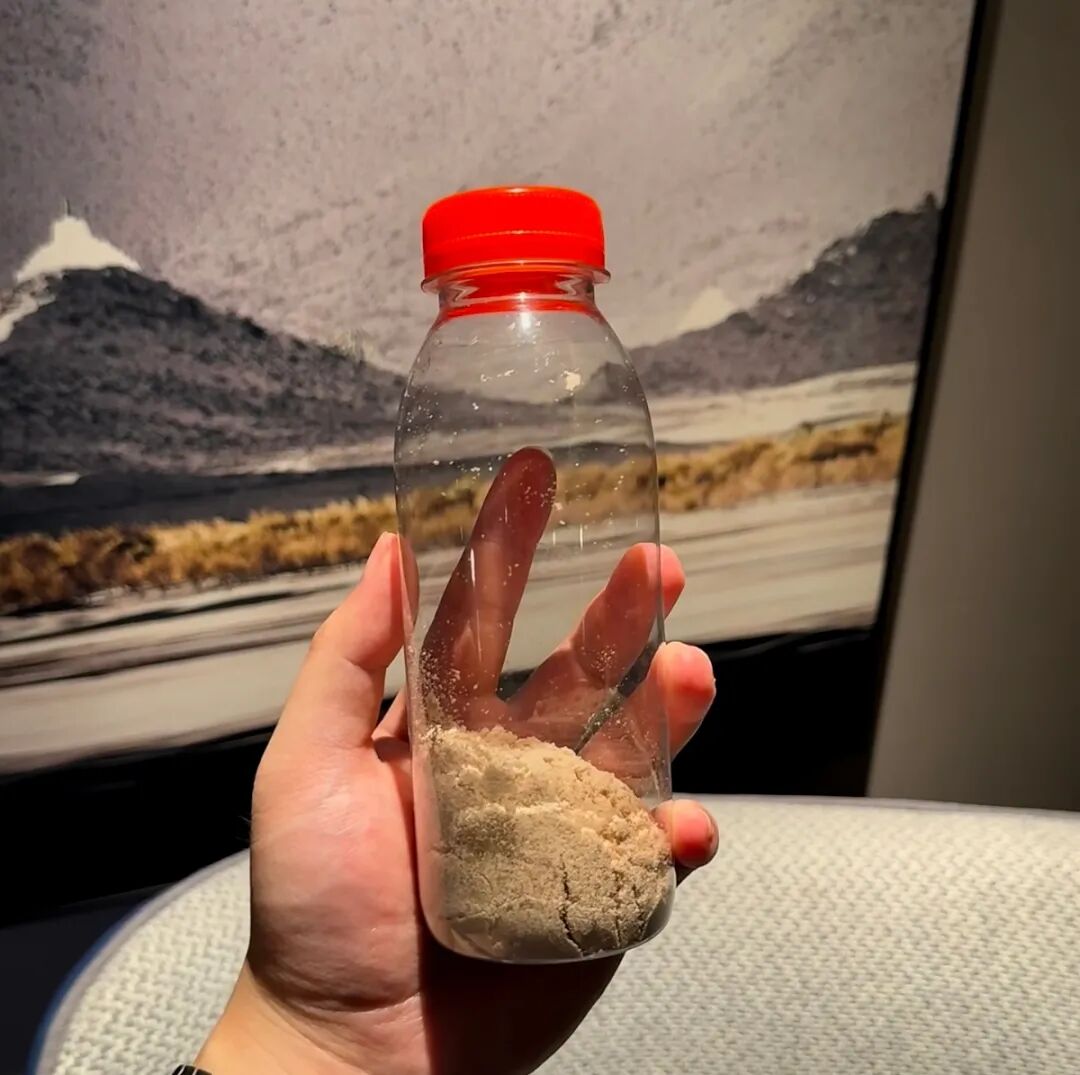
Second, many Chinese people are lactose intolerant, and drinking protein powder easily leads to gastrointestinal discomfort. They may even become a "human exhaust vent", and in severe cases, suffer from diarrhea, leaving an awkward yet interesting experience in the gym or sports field.
It can be seen that for absolute self-discipline fitness enthusiasts, getting enough protein properly is never an easy task.
However, where there is demand, there will be new products from businesses.
Not long ago, Mengniu launched a black-packaged milk product exclusively for members of the "Protein Target Achiever Group": M-PLUS Daily Protein.
Pan Ge found that this M-PLUS Daily Protein contains 15 grams of protein and 775 kJ of energy per 250 ml.
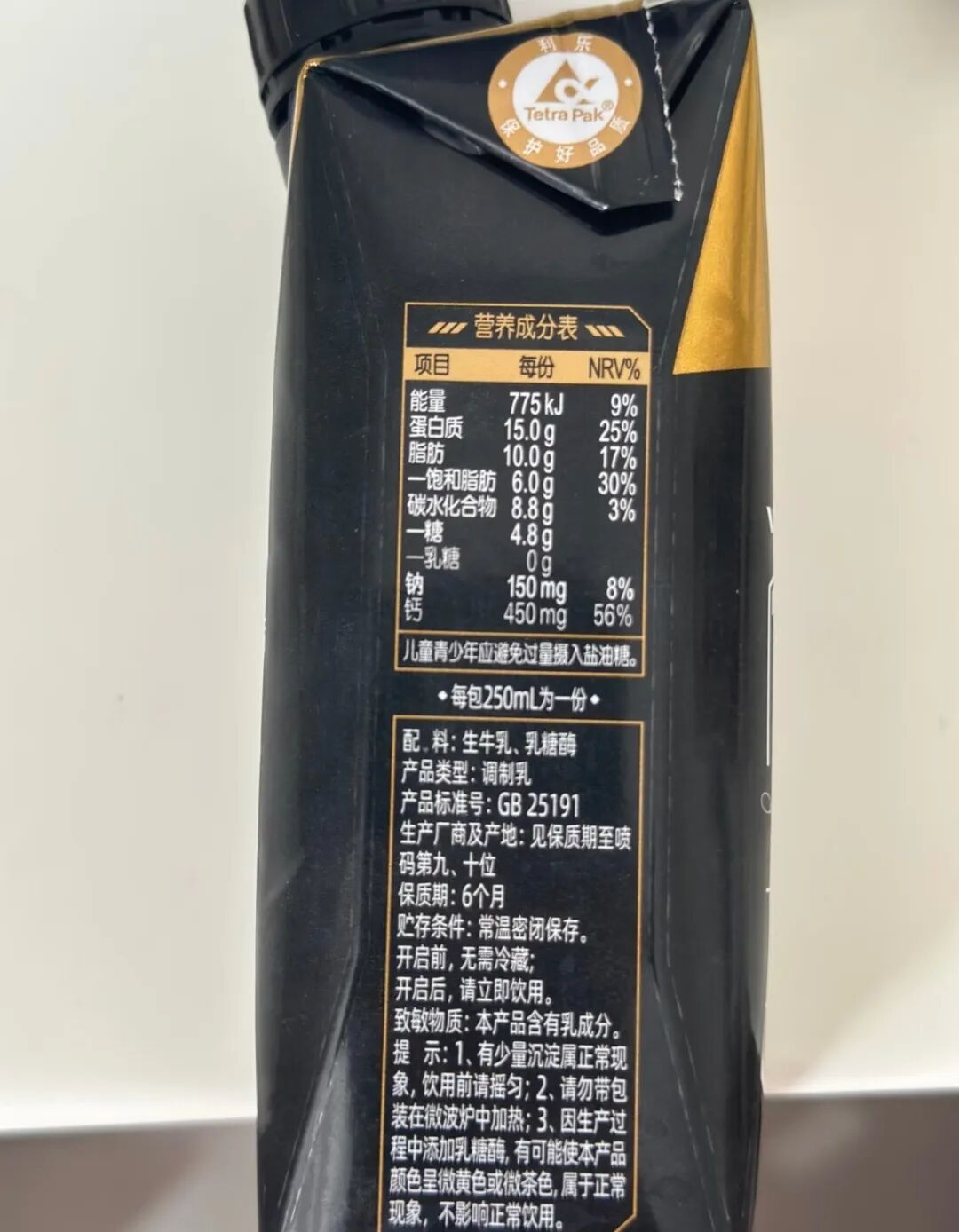
At the same time, this milk has zero lactose content, which helps lactose intolerant fitness enthusiasts avoid the embarrassment of possible diarrhea.
Why do we need to supplement protein?
After its launch, Mengniu M-PLUS Daily Protein quickly became the favorite of fitness enthusiasts.
Amateur athletes who are preparing for the Olympic Games by cycling, rock climbing, playing tennis, working out... will drink a can of M-PLUS Daily Protein after finishing their activities, which can not only quickly restore their energy, but also meet their daily protein needs.
However, as a canned pure milk product, why is the protein content of Mengniu M-PLUS Daily Protein so high?
Pan Ge learned that Mengniu uses multi-stage membrane separation technology to filter out water, part of lactose and part of minerals from raw milk, while retaining elements such as milk protein and calcium, so as to obtain milk with higher protein density.
At the same time, it uses EHT enzymatic hydrolysis technology to decompose the lactose in raw milk; and adopts 7℃ low-temperature cold filtration technology to maintain the rich milk flavor.
As an enterprise with long-term advantageous position in the dairy industry, why does Mengniu launch M-PLUS Daily Protein? There seem to be two reasons:
First, it is the general trend of the entire industry.
Nowadays, consumers in the dairy industry have shown two changes: one is the pursuit of "freshness". For example, not long ago, Junlebao's Fresh Milk product was out of stock due to high demand.
The other is the pursuit of "high protein". For example, 4.0 milk products from Metro Fresh, Freshippo and Yonghui Superstores are often sold out immediately after being put on shelves.
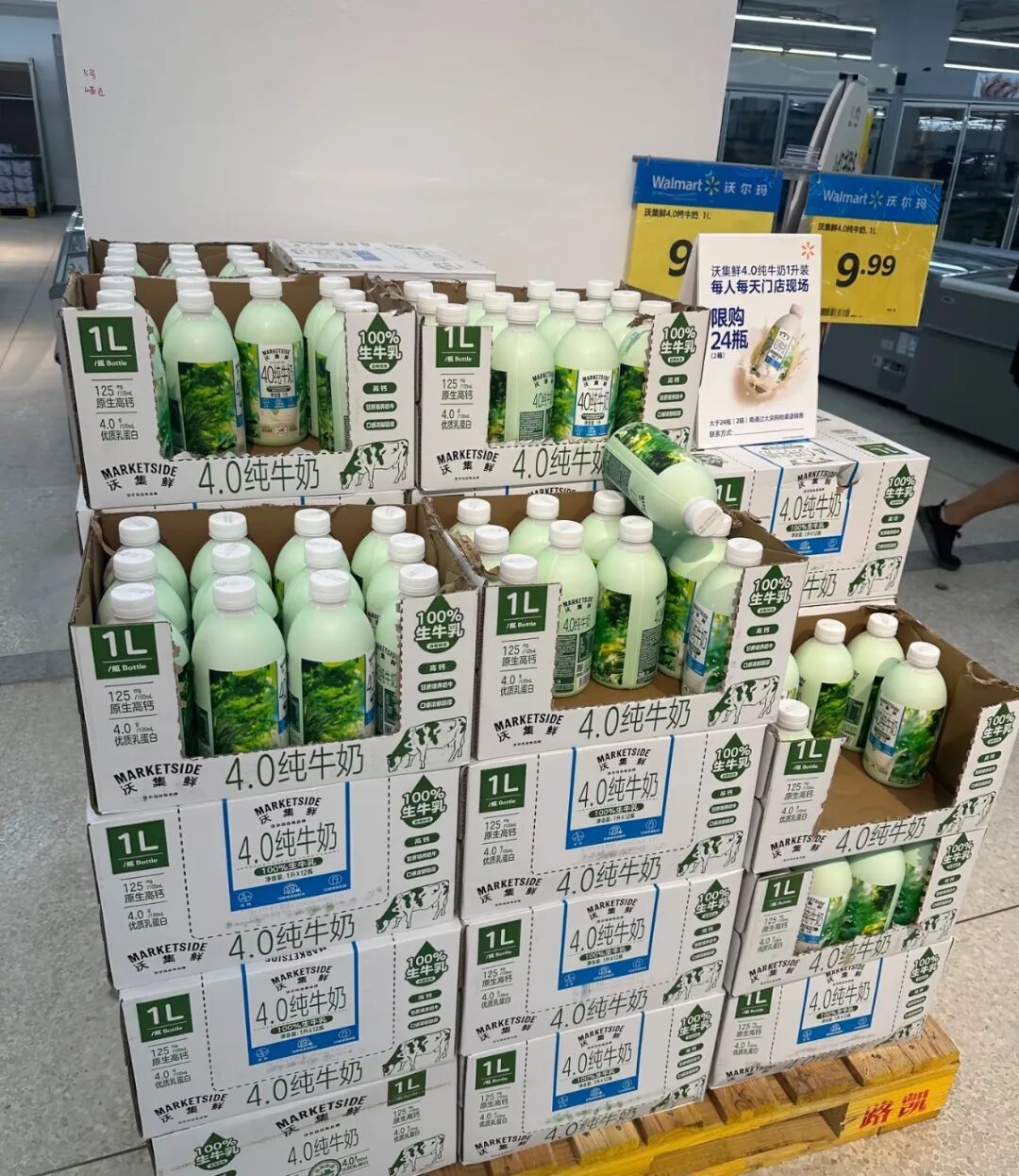
Therefore, Mengniu M-PLUS Daily Protein, with 6 grams of protein per 100 milliliters, has become a "6.0 version" milk product, which has taken the lead in the protein content competition.
Second, Mengniu needs to make efforts in new tracks.
In the dairy industry, the subdivided tracks of pure milk, yogurt, ice cream and other products have already formed a relatively stable pattern, leaving limited room for Mengniu to develop.
However, as a "newcomer" in the market, high-protein drinks are not only in the stage of industry expansion, but also have very promising development prospects in the future.
According to data from Innova Market Insights: from 2021 to 2025, the compound annual growth rate of new high-protein drink launches worldwide reaches 12.6%; among new global beverage products in 2025, the proportion of products claiming to contain "high protein" has reached 4.4%.
At the same time, the year-on-year growth rate of liquid protein products in the Chinese market has reached 478.4%. Various protein drinks are gradually entering the public's field of vision.
Drinks with higher protein content have boosted Mengniu's industry status, and some consumers also use them as raw materials to try to make creative new products.
Among them, the "Mixed Drink Group" mixes M-PLUS Daily Protein with coffee, egg white, fruits and other ingredients to make products such as milk coffee and double-skin milk.
On the other hand, the "Solid Food Group" adds M-PLUS Daily Protein during the process of making bread, cakes and other foods, so as to produce solid high-protein food.
The next Telunsu?
Apart from creative consumers, Mengniu also attaches great importance to M-PLUS Daily Protein.
Gao Fei, President of Mengniu, said at the performance meeting at the end of August: "We believe that M-PLUS Daily Protein will become another blockbuster product of Mengniu after Telunsu."
Becoming another blockbuster product after Telunsu seems to indicate that Mengniu has high expectations for M-PLUS Daily Protein.
Judging from the current sales performance, 10 boxes of M-PLUS Daily Protein in Mengniu's self-operated flagship store on JD.com are priced at 129 yuan, with more than 10 million units sold, ranking 11th on JD's hot-selling ambient milk list.
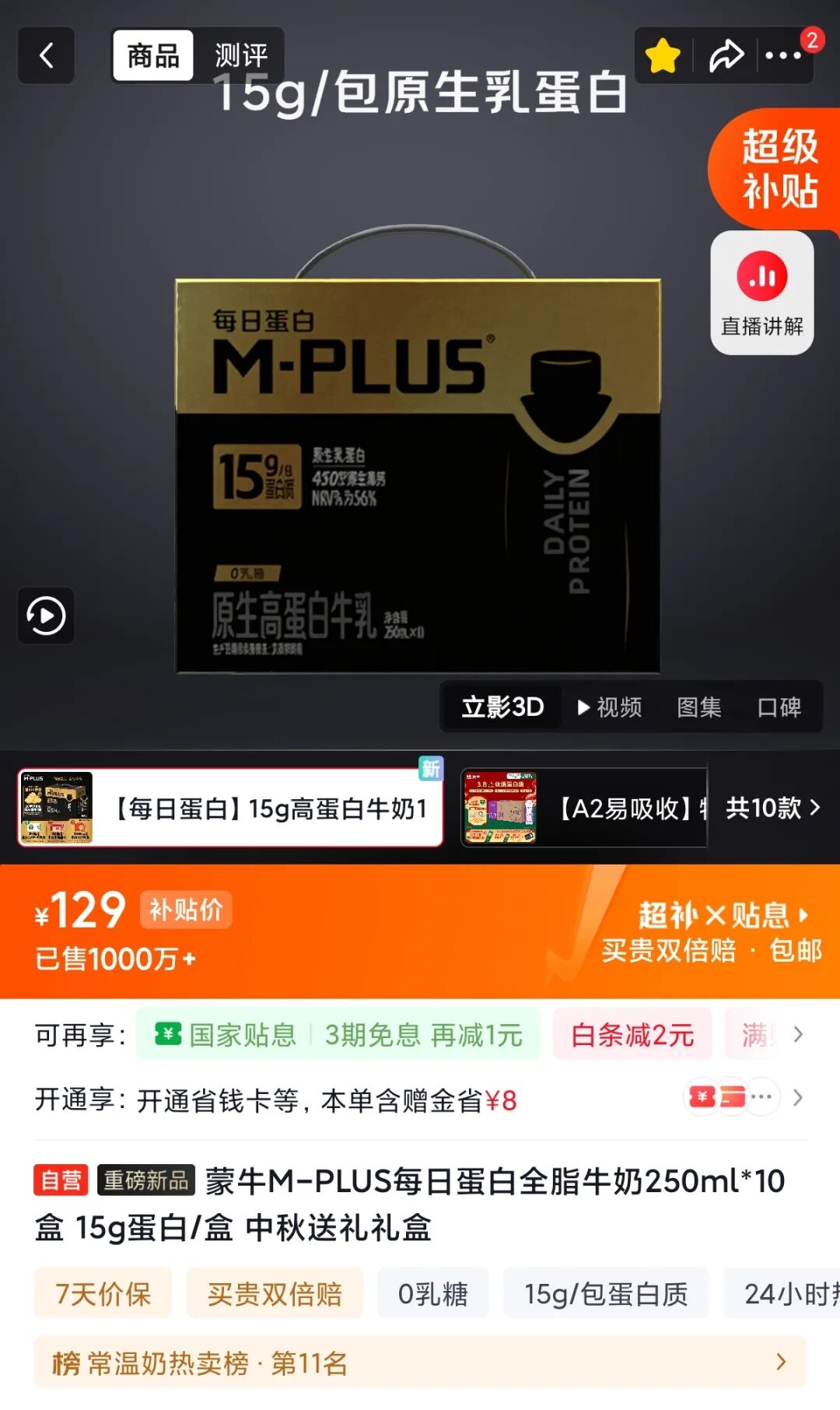
Although the current sales data is moderate, judging from the future development trend, Mengniu M-PLUS Daily Protein seems to have very broad prospects.
Data from the Dietary Guidelines for Chinese Residents shows that the daily protein intake for adult men and women is 65 grams and 55 grams respectively; but 45% of people fail to meet the protein intake standard.
Data from the U.S. National Health and Nutrition Examination Survey shows that the average daily protein intake of Americans is about 93.9 grams, far exceeding that of Chinese residents.
Therefore, protein drinks have great room for development. Innova data shows that from 2024 to 2025, the growth rate of new products with protein and health claims in China reaches 134%; half of the consumers in the Chinese market will actively increase their protein intake in their diet.
In fact, in addition to M-PLUS Daily Protein, Mengniu has other layouts in related tracks.
For example, the Maisheng M-ACTION series not only includes drinkable protein drinks, but also products such as protein bars and protein shakes, making protein supplementation almost perfect.
Although Mengniu has made frequent efforts in the protein track, Mengniu is certainly not the only enterprise that has its eyes on this market.
Among them, its old rival Yili has launched Puritime transparent protein water, which not only dissolves protein in water, but also removes the milk flavor that some people dislike.
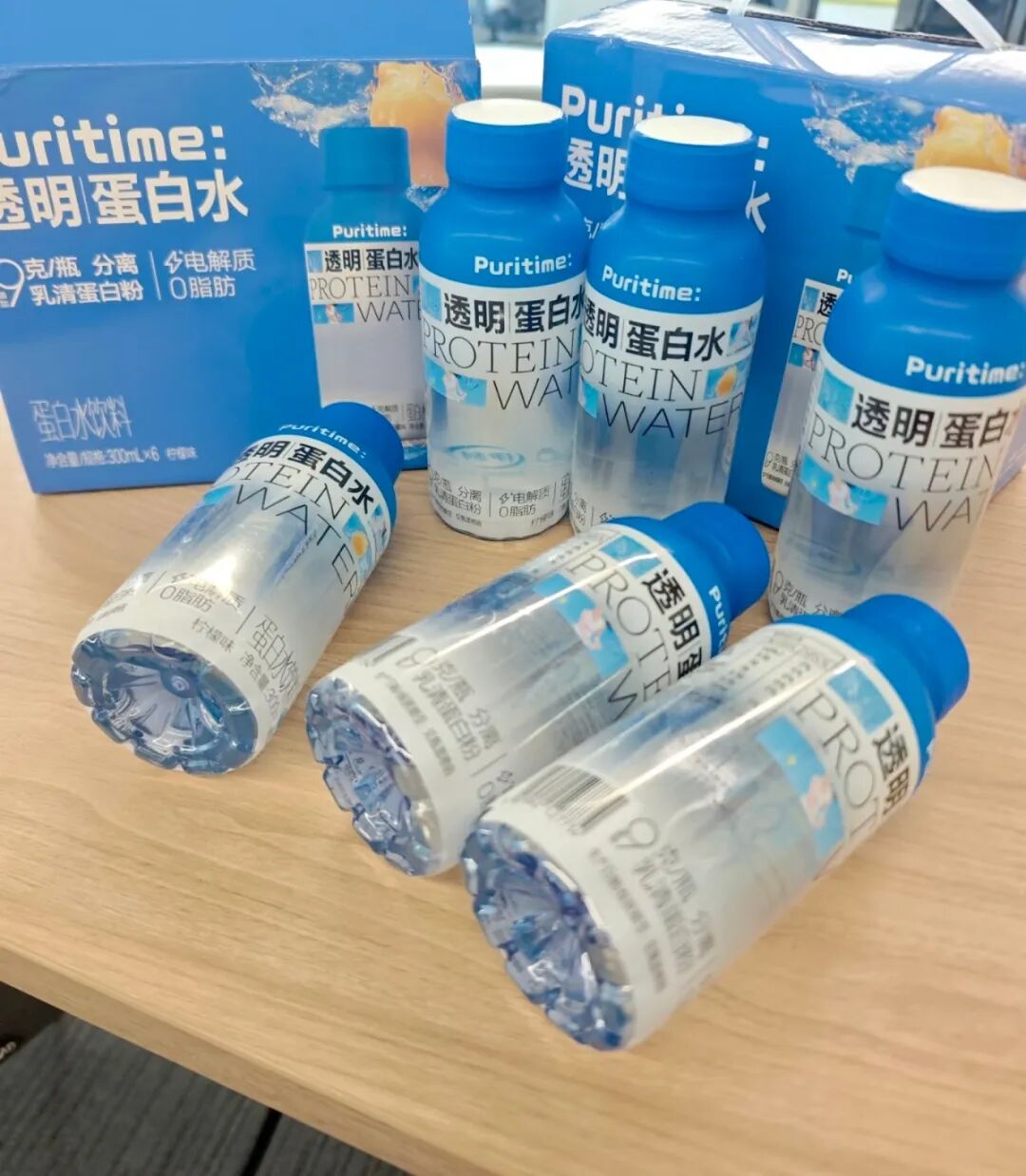
Cross-border player Starbucks has launched High Protein Latte Pro, using freshly made coffee to attract white-collar consumers; Freshippo also relies on its own channels to promote products such as protein shakes and isolated whey protein flash drinks.
Perhaps in the protein drink market, Mengniu has gained a first-mover advantage by relying on products such as M-PLUS Daily Protein; but industry competition is a long-distance race.
In the follow-up, whether M-PLUS Daily Protein can become the next Telunsu still needs continuous verification by time.
This article is from the WeChat Official Account "Zinc Consumption Research Center", author: Pan Ge, published with authorization from 36Kr.