Can a single blogger rival an entire variety show team? Makeshift crews are now preemptively "snatching audiences".
A few days ago, *Six People Killer* wrapped up its run, yet its popularity remains unabated.
One content creator, five friends, several absurd games, under topics like #A Zhe's Variety Show Luck Game Is Too Tough On Buddies#, comments piled up layer after layer.
From over 2 million likes and shares in the first episode, to over 1.5 million views for each subsequent episode, *Six People Killer* can be described as a hit every single episode.
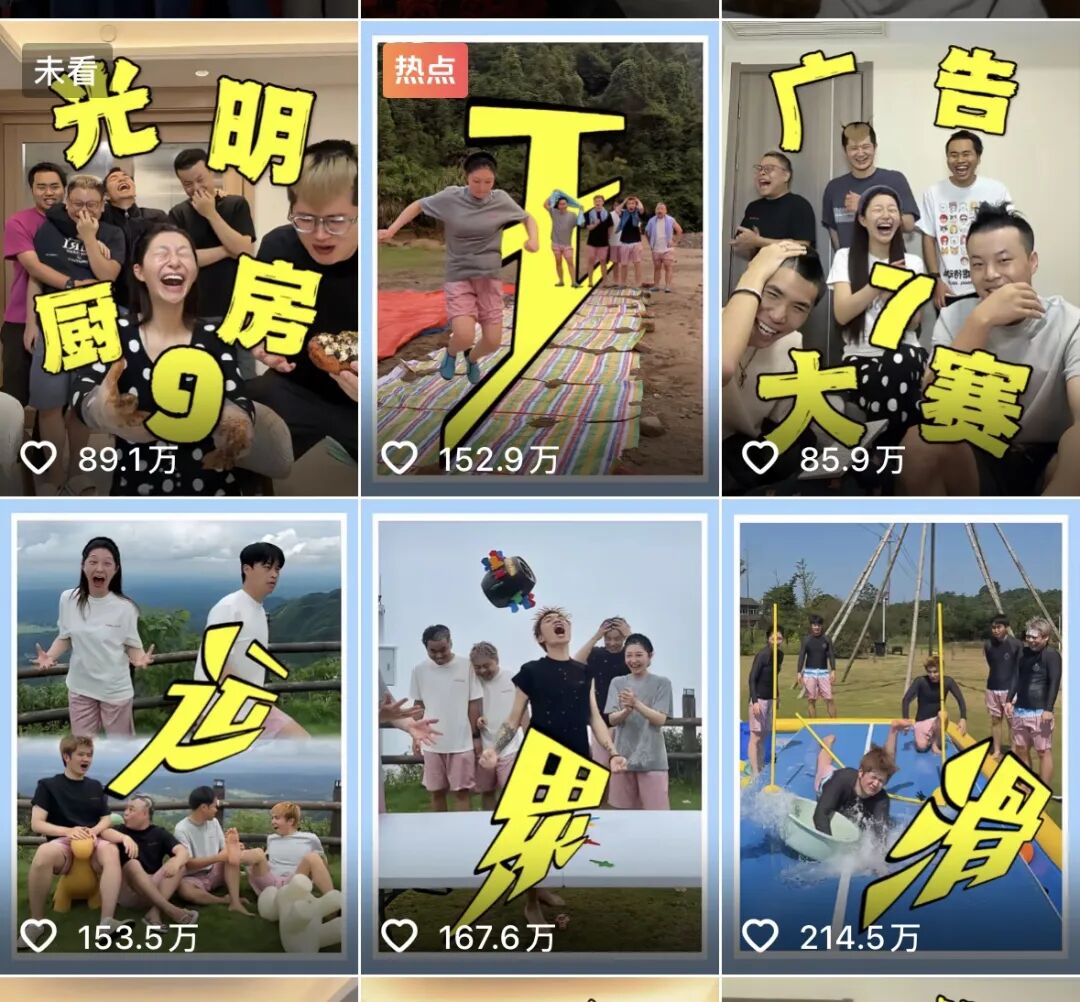
"The Killer show is over, and my summer vacation is over..." Not long ago, what accompanied us through summer vacations was waiting in front of the TV for variety shows to start broadcasting.
This summer, the story has new protagonists, and there is more than one such protagonist:
The *Hide and Seek* program of Media Storm booked the Oriental Pearl Tower, and invited Tom Holland, the actor who plays Spider-Man, to play hide and seek together;
Game streamer Chen Ze spent 2 million yuan out of his own pocket, brought four fellow live streamers back to his hometown Suiling, Heilongjiang, and filmed a no-funding, no-celebrity, no-promotion micro-variety show *Okay Guys*;
The sixth season of the self-produced variety show by UP creators *Who Is The Next* aired six episodes consecutively, with an average duration of 90 minutes, and each episode gained millions of views...
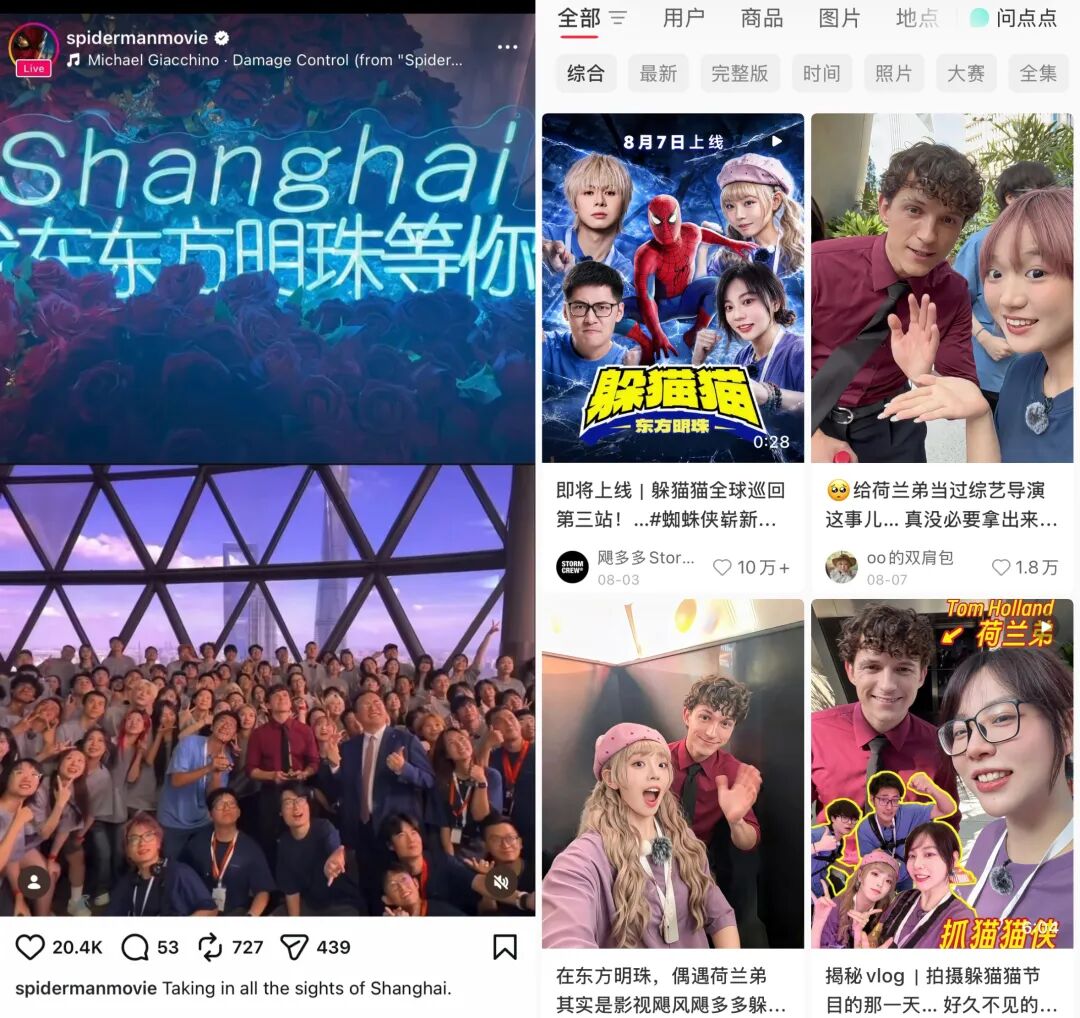
More and more "makeshift variety shows" produced by content creators are going viral. When more creators participate in variety content, will self-produced content successfully seize the market share of traditional variety shows? Why can they retain the audience that traditional variety shows have lost?
01
When the "makeshift team" delivers outstanding data
This summer, fewer people may stay in front of the TV to watch variety shows. But the number of people who follow "folk variety shows" on their mobile phones is counted in tens of millions.
From the perspective of TopKlout, if we have to find a common feature of these shows, it is probably that they are games among acquaintances, low-cost, and full of unreserved fun. No 100-million-yuan budget, no 100-person team, no A-list celebrities, they give the audience the feeling that a group of people who already know each other get together and "mess around" wholeheartedly.
Take the setup of *Six People Killer* as an example, it is so simple that it seems a bit shabby: one content creator, five friends as regular cast members, the small team of the account @A Zhe Can Do Everything takes care of all planning, shooting and editing.
The game settings are not particularly sophisticated, but they play them extremely hilariously. Standing on buckets with both feet to pretend to be dogs, while waiting for hula hoops to fall:
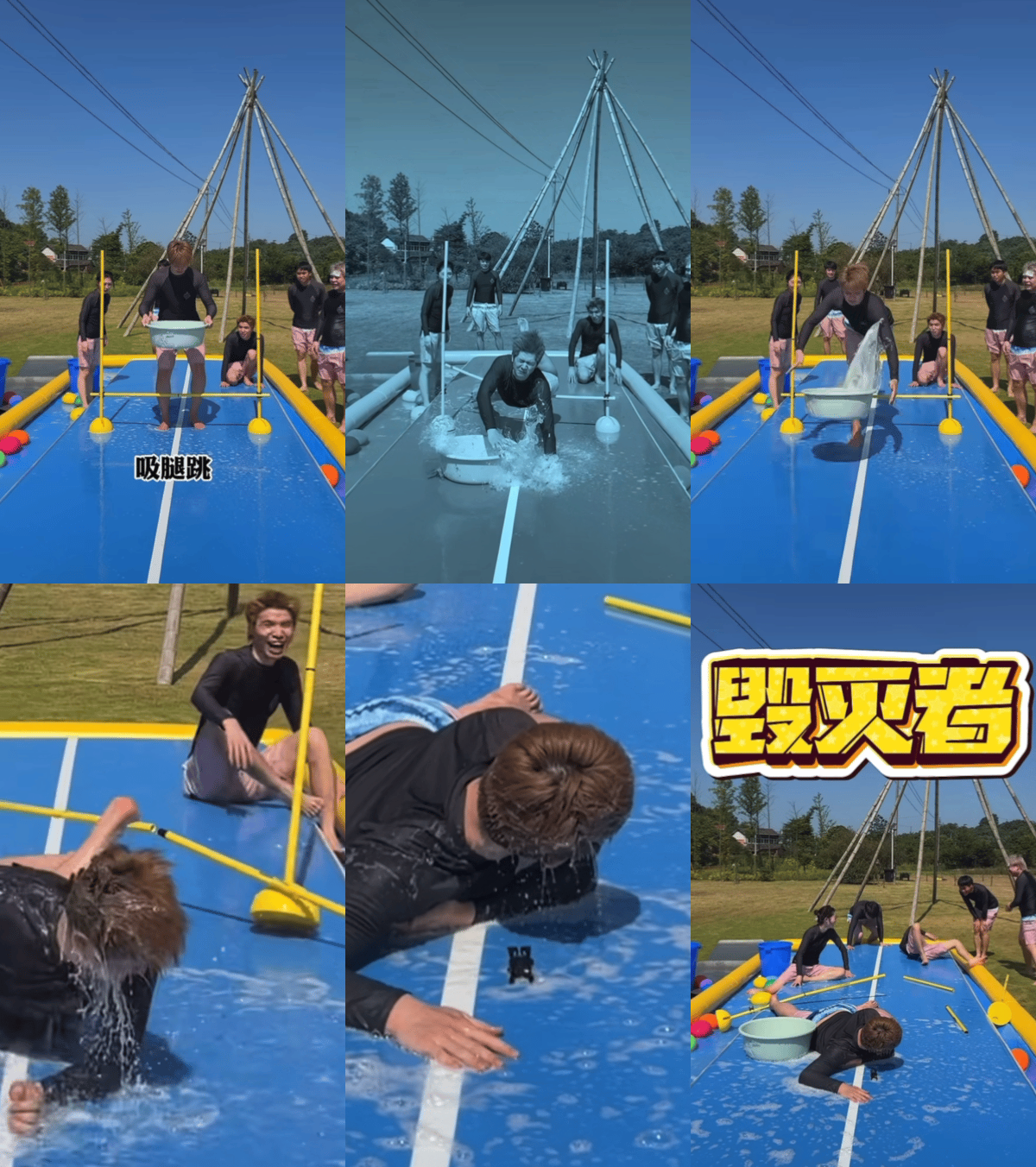
Crawling on a slippery mat covered with laundry detergent, all kinds of weird games made the bullet comments laugh and say "What a genius who came up with this game".
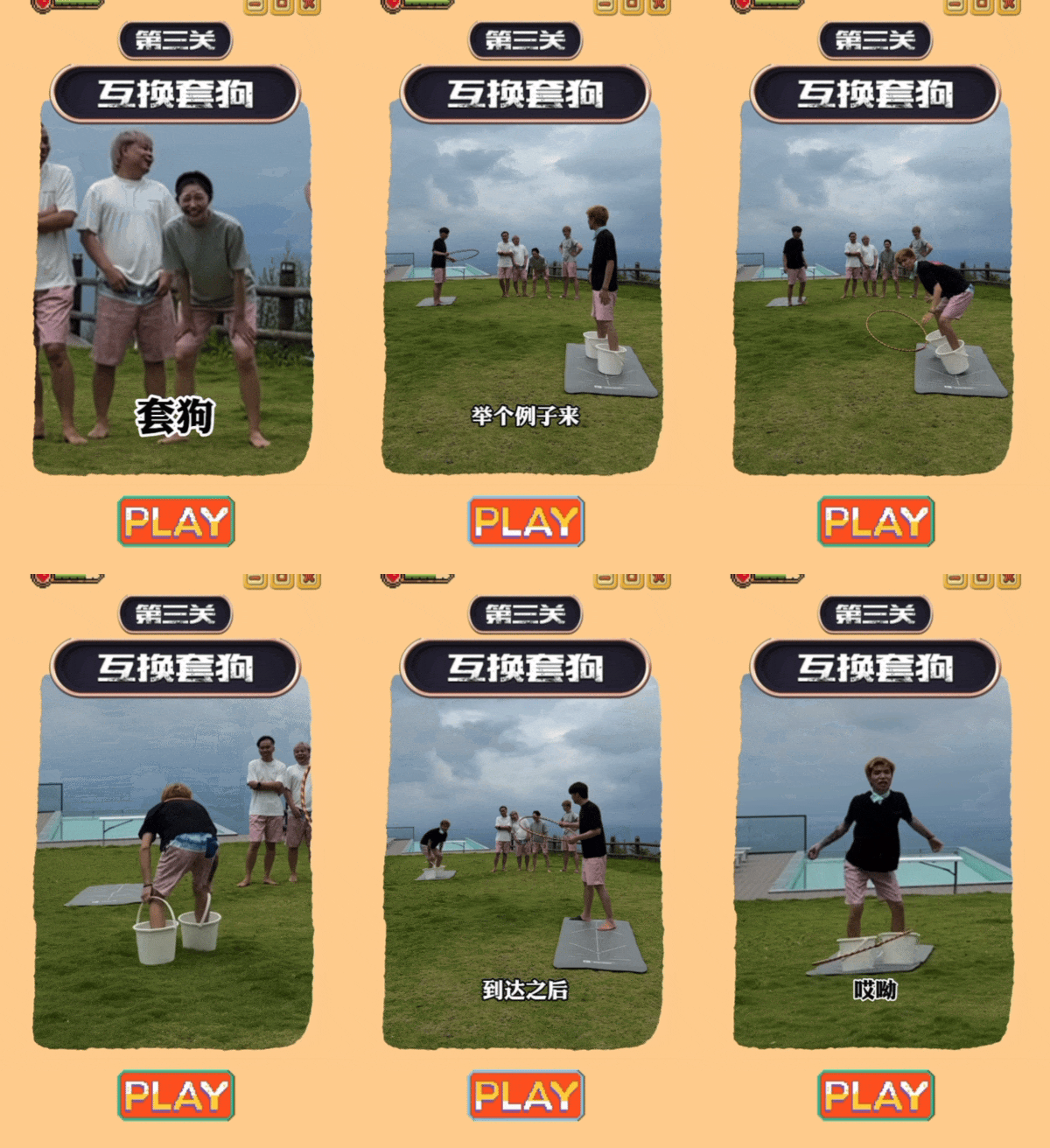
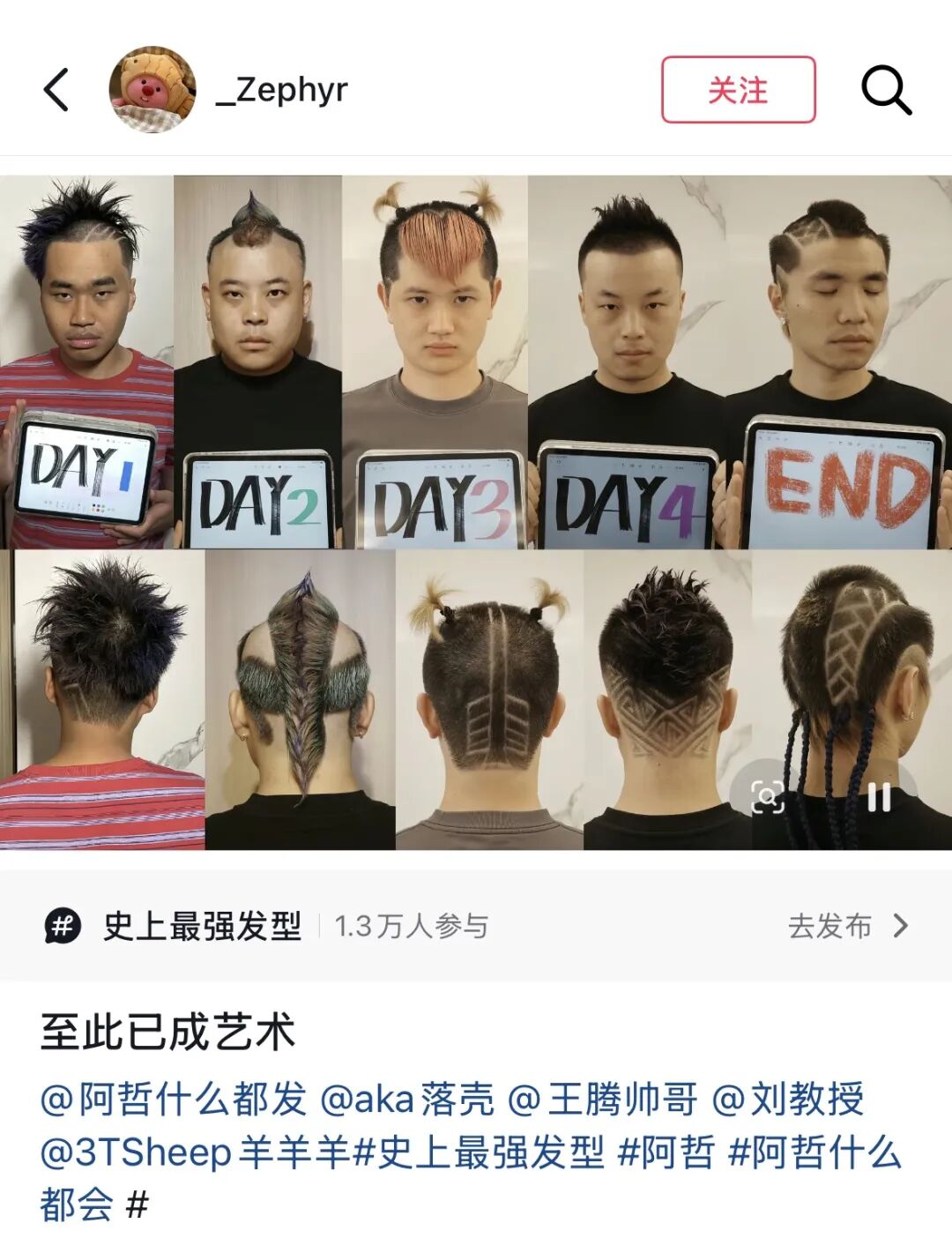
But the real "genius" part is the punishment: the loser has to have a "lizard head" haircut, leaving a tuft of hair at the back of the head, shaving the sides completely, and carving scale-like patterns on the top. Before the show was even released, the losers who got "punished" showed off their unimaginable hairstyles, and the clips had been circulating on the Internet for several rounds.
Similarly, in *Okay Guys*, Chen Ze gathered several good friends who are also content creators, Hua Xiaolong, Coke, Liu Hui, and Zhan Hu as guests. But the production team behind the show is much more professional: the director is Wang Zhengyu, who used to be the chief producer of *Back to Field* and the chief supervisor of *HaHaHaHaHa*, a well-recognized "hit maker" in the industry, and the behind-the-scenes team is the original production team of *Let's Go for Happiness*.
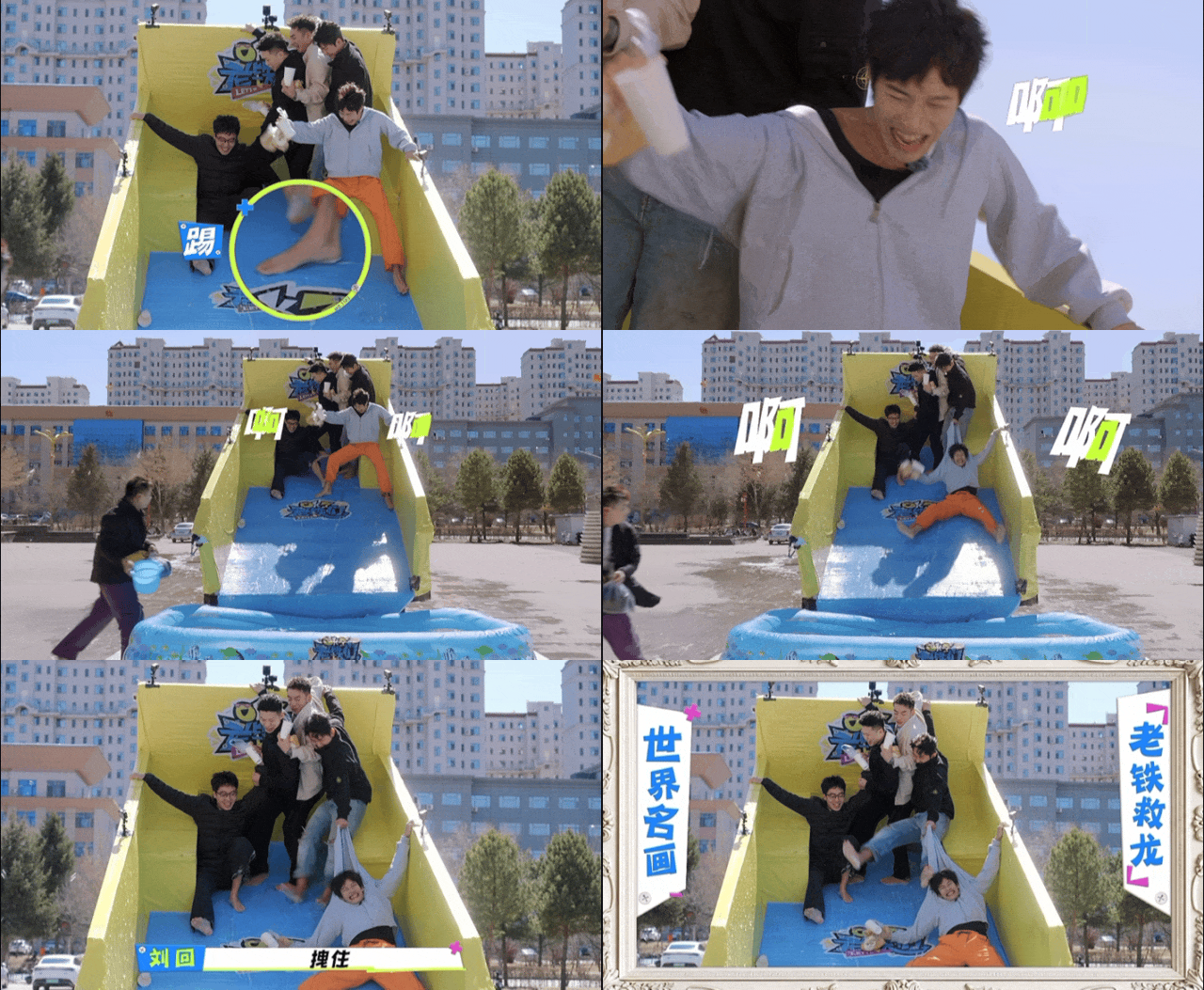
This combination made Chen Ze's *Okay Guys* get more than 18 million cumulative likes on short video platforms and over 100 million views when its pilot episode was released. More than one hour after the second episode was launched, the number of likes exceeded 1 million. After the broadcast, the popularity on all platforms rose rapidly, and related topics repeatedly ranked on the hot search lists of entertainment and game sections.
When self-produced variety shows by creators gain countless views and are recognized as hilarious, they are no longer just "players' self-entertainment", but have become a content phenomenon worthy of attention.
02
Traditional variety shows are missed
yet abandoned
Interestingly, in the comment sections and bullet comments of these creator-led variety shows, the audience actively recalled their old memories.
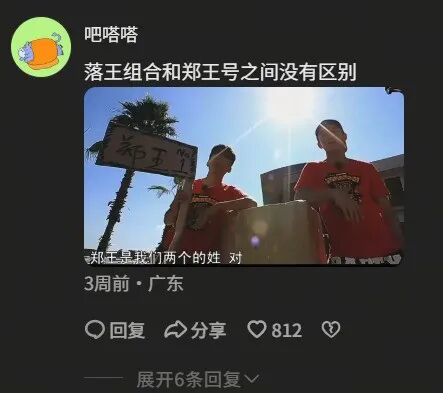
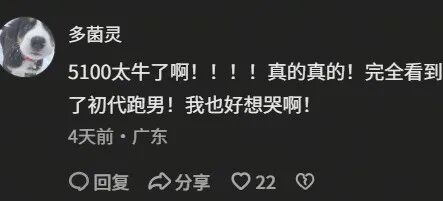
"This is exactly like the first season of *Running Man*! I almost cried!" "I really want 5100 to win, just like I wanted baby to win when I watched *Running Man* back then" "There is no difference between the Luowang duo and the Zhengwang team"...
In the comment section of *Hide and Seek*, many people also recalled the classic hiding scene of Bai Jingting in variety shows in the past.
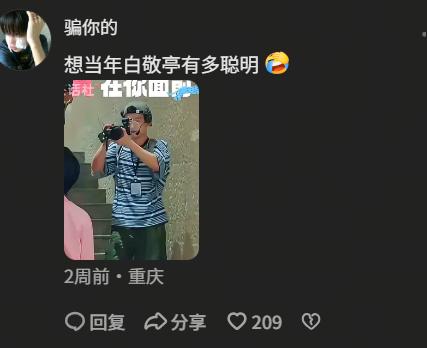
The people who watch variety shows are still the same group. A few years ago, a large number of variety shows were launched, and one viral classic scene after another came out: the name-tag tearing game in *Running Man*, the "This is fate" line in *Go Fighting*, the escape room reasoning in *Who's the Murderer*... Those shows are still the unreachable white moonlight in everyone's hearts.
What is unreachable is not only the time, but also the state of traditional variety shows themselves.
According to media reports, in the first half of 2026, there were 239 variety shows airing on national satellite TV channels, 35 less than the same period last year, a decrease of 13%. In the first quarter, the effective broadcast volume of the top 20 variety shows across the network decreased by 12% year on year, and the ratings of the latest season of the veteran variety show *Running Man* fell to 0.27%.
What is more honest than the ratings is the wallets of sponsors. At its peak, an S-level variety show could attract 15 to 16 sponsors per season, but now most of them only have 3 to 6. The exclusive title sponsorship fee for top shows has dropped from 50 to 60 million yuan to 20 million yuan, and even "1 million yuan is enough to get in", which in the past could not even squeeze into the end of the sponsor list.
Ambrosial Yogurt even ended its 11-year sponsorship partnership with *Running Man* this year, and Classic also quit its 16-year cooperation with *Sisters Who Make Waves*. It's not that they don't have enough budget, but that the return is not worth the investment.
In addition, the attractiveness of the content itself is shrinking.
The "villain-making" model that creates topics through guest conflicts and confrontational editing has not produced one national hit after another as expected. On the contrary, the audience's willingness to finish watching a whole episode is getting lower and lower, and a large number of shows are abandoned halfway.
It's not that the audience doesn't like variety shows anymore, but the path of piling up gold to make high-quality content has come to an end. What the audience wants is exactly what the industrial assembly line can't provide. But those real people, real relationships, and real reactions are exactly what this group of "makeshift teams" can easily serve up.
03
Who is redefining the "gold content" of variety shows
This leads to a question: why can creators take over the market that traditional variety shows have lost?
The answer is not that they are better at filming. In terms of camera movement and sound recording, A Zhe, Chen Ze and their peers are not as sophisticated as professional teams.
The answer is that, the most valuable part of variety shows has never been stage design and celebrities, but "people" themselves, real relationships, real reactions, and real trust.
Traditional variety shows have to spend money to buy all these: invite celebrities to form the cast, invite screenwriters to write scripts, and ask editors to cut out chemical reactions from hundreds of hours of footage.
But everyone knows that the fit of the cast, whether the game settings can arouse real reactions, and whether the people gathered together can generate sparks, are things that you can't necessarily buy even with money. So many S-level variety shows with top-tier casts got no response after being aired, simply because the people in the show don't fit.
These creators are different. Whether it is their personalities or their relationship stories, they have already been widely exposed, and they have accumulated a certain number of fans. The audience has a cognitive basis for their relationships and expectations for their reactions. Therefore, when they get together to make a self-produced variety show, they start with inherent traffic base and emotional foundation, and do not need to build awareness from scratch like traditional variety shows.
Behind this is a deep change: the audience is increasingly willing to follow a specific person, rather than an abstract show. The trust anchor has shifted from "platform + IP" to people.
But having the right "people" is only the premise. What really allows creators to act freely is the cost structure.
A Zhe takes care of the whole process of a variety show by himself, and the cost is only a fraction of the 120 million yuan per season of *Running Man*; all the props of *Okay Guys* are free-shipping products from second-hand platforms.
Low cost brings a chain reaction that many people ignore: Creators don't have to look at anyone's face.
They can be willful, they can try and make mistakes, they don't have to design links to please sponsors, they don't have to insert mid-roll ads to interrupt the rhythm, they don't have to force lines for sponsors' demands. That smooth viewing experience is precisely because creators put the integrity of the rhythm ahead of commercial returns.
This sounds very basic, but it is almost a luxury in today's variety show industry.
When an S-level variety show has to serve more than a dozen sponsors at the same time, there is no sense of relaxation at all,
Every game link has to consider the exposure duration, every conversation has to reserve space for sponsored lines, every scene has to leave space for brand close-ups. The audience can feel the suffocation of "being arranged thoroughly", but they can't tell why they feel uncomfortable. The self-produced variety shows by creators give people the free sense of breathing that "there is no arrangement".
Platforms have long seen the value of creators. Youku's *I Praise Influencers* gathered 69 groups of cross-platform influencers to appear together, with Gong Jun, Huang Zitao and Zhang Shaogang as guests; Kuaishou's *Sing to the Mountains* directly made 8 original live streamers the protagonists, with a total of over 100 million fans.
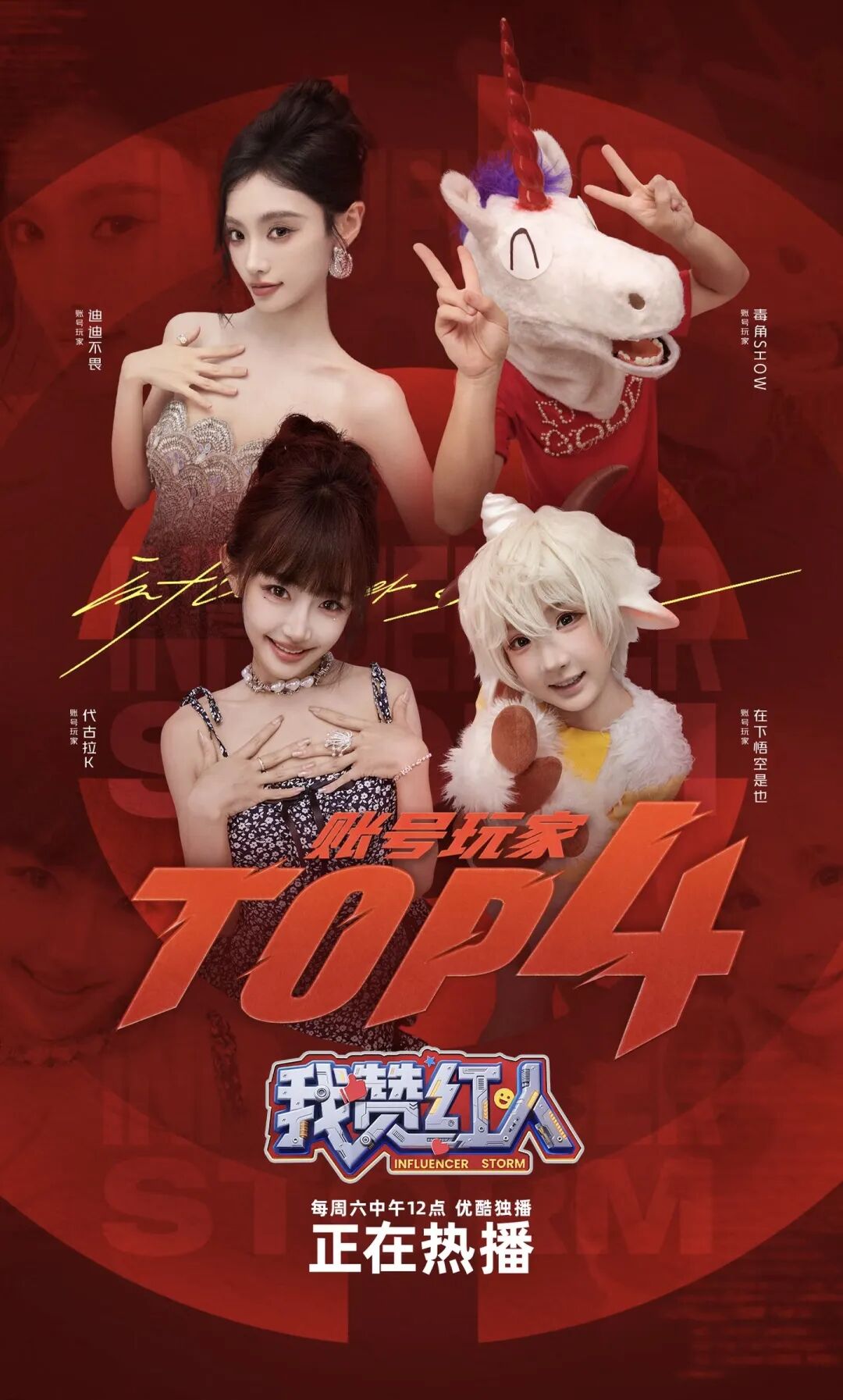
Platforms have taken the initiative to push creators to the center stage, which shows their attitude, but the effect does not seem to be as amazing as expected. The problem may lie in the differences mentioned above.
04
Epilogue
The final outcome of this "game of power" is not that creator-led content replaces traditional variety shows, but that the right to define content in China's entertainment industry is gradually shifting from institutions to the content itself.
When a UP creator can use a camera and a group of friends to produce content with tens of millions of views, "variety show" is no longer a track that requires hundreds of millions of yuan in budget, a 100-person team and top celebrities to participate.
The threshold has been flattened, the competition has been reshuffled, and the audience, with every vote they cast through clicks, likes and comments, is rewriting the rules.