Can Geely still overtake BYD?
On August 17, Li Shufu announced that he would step down as chairman of the board of Geely Automobile Holdings, and the position would be taken over by An Conghui.
On the same day, Geely Automobile released its strongest half-year report in history: sales volume increased by 1%, revenue increased by 15%, core net profit attributable to shareholders increased by 46%, and overseas sales surged by 158% year-on-year.
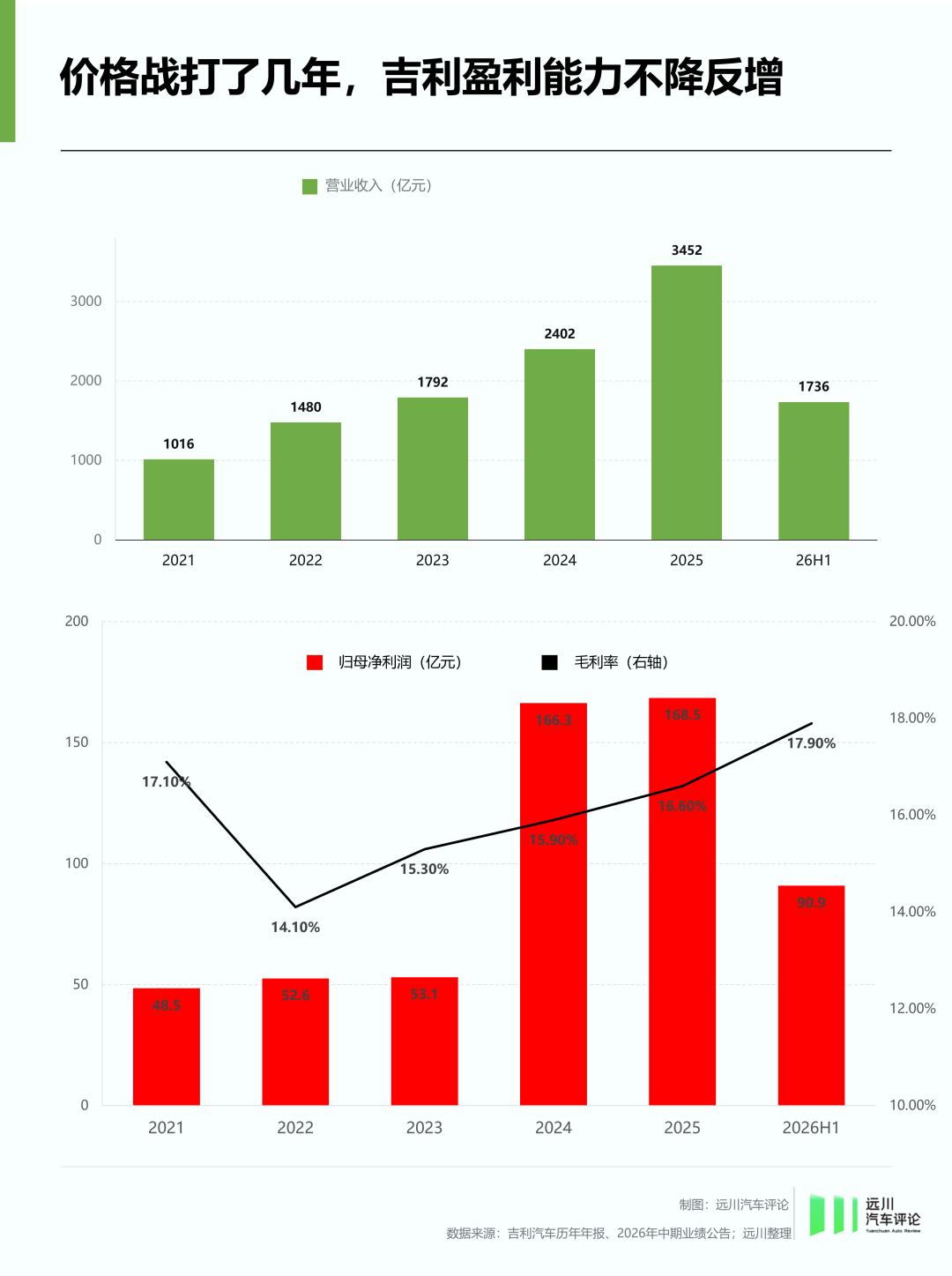
Since losing the top spot in self-owned brand sales in 2022, Geely has been dreaming of returning to its peak. Over the past few years, through in-depth adjustments in technology, brands and organizational structure, Geely has finally returned to the fast track, and its domestic retail volume in the first half of the year overtook BYD.
However, BYD today is no longer what it used to be. With the title of "the world's best-selling new energy vehicle brand", it is already the world's sixth-largest automaker by sales volume and the third-largest by market value. To fully overtake BYD, Geely still has several hurdles to cross.
01
Neither external recognition nor internal strength can be ignored
Geely currently has four brands/series: China Star is responsible for fuel vehicles, Galaxy is positioned to fully compete with BYD, Lynk & Co focuses on the mid-to-high-end market of 150,000 to 250,000 RMB, and Zeekr targets the luxury car market above 300,000 RMB.
Affected by rising oil prices and the rapid shrinking of the overall fuel vehicle market, China Star sold 581,000 units in the first half of the year, 35,000 units less than the same period last year.
Although Galaxy has accelerated the pace of launching new models and successively launched a series of new vehicles including V900, M7, and Xingyao 7, no other model except Xingyuan can maintain a stable monthly sales volume of more than 6,000 units, so its overall sales also dropped by 5%.
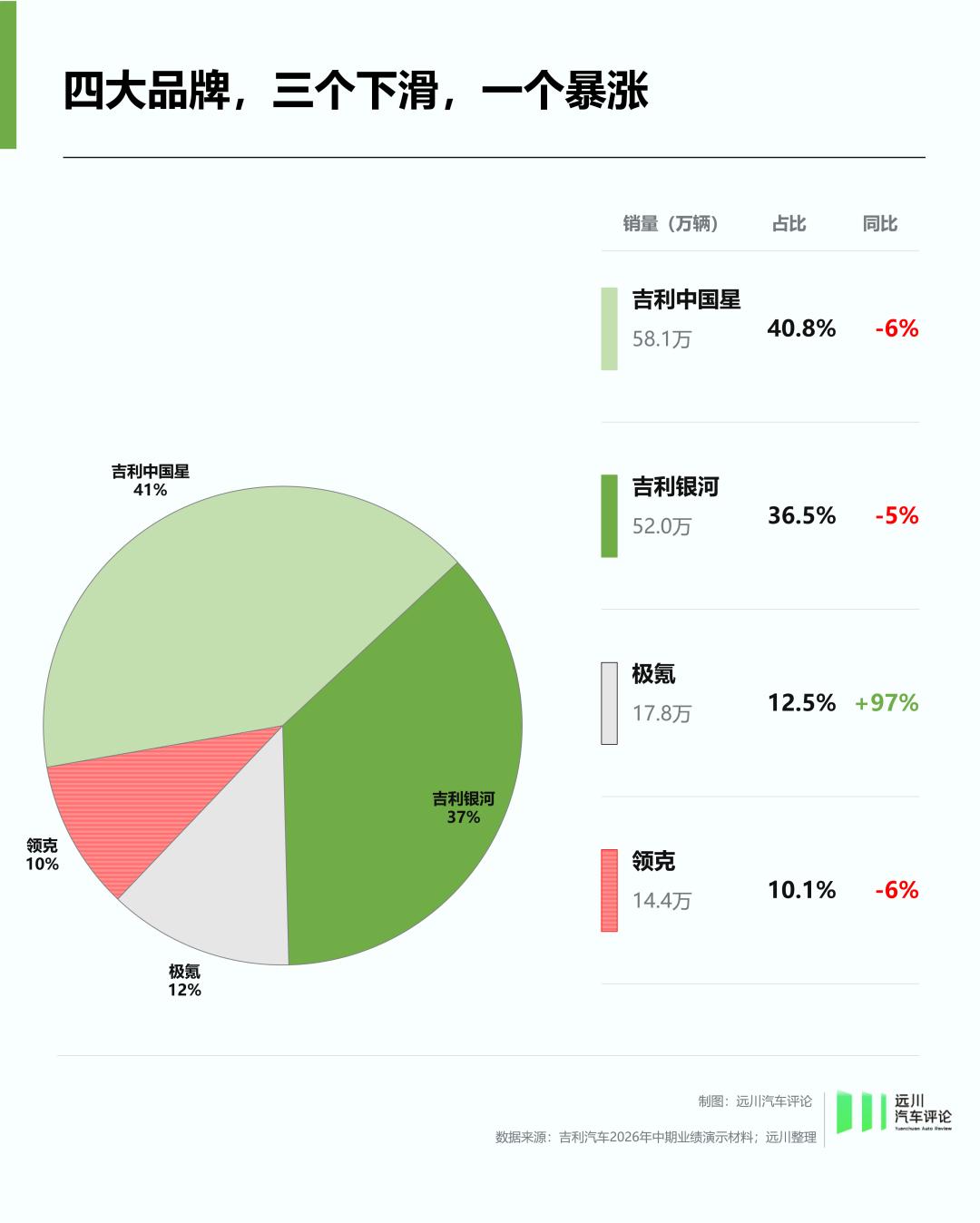
Although Lynk & Co is accelerating its transition to new energy, its best-selling model in the first half of the year was still the fuel-powered hot hatch, the Lynk & Co 03, with an average monthly sales of 4,000 units.
The Lynk & Co 900, which once had monthly sales exceeding 7,000 units for consecutive months, saw its average monthly sales drop to 1,500 units due to the increasingly saturated market for the "9" series. To stop the decline in the second half of the year, it will rely on the 07GT launched in July and the facelifted all-electric hot hatch 20.
Zeekr 9X is Geely's flagship model, with a total delivery of 45,700 units in the first half of the year. Roughly calculated based on the average transaction price of 530,000 RMB, it is equivalent to a revenue of 24.23 billion RMB, which means this single model contributes more than 1/8 of the listed company's total revenue.
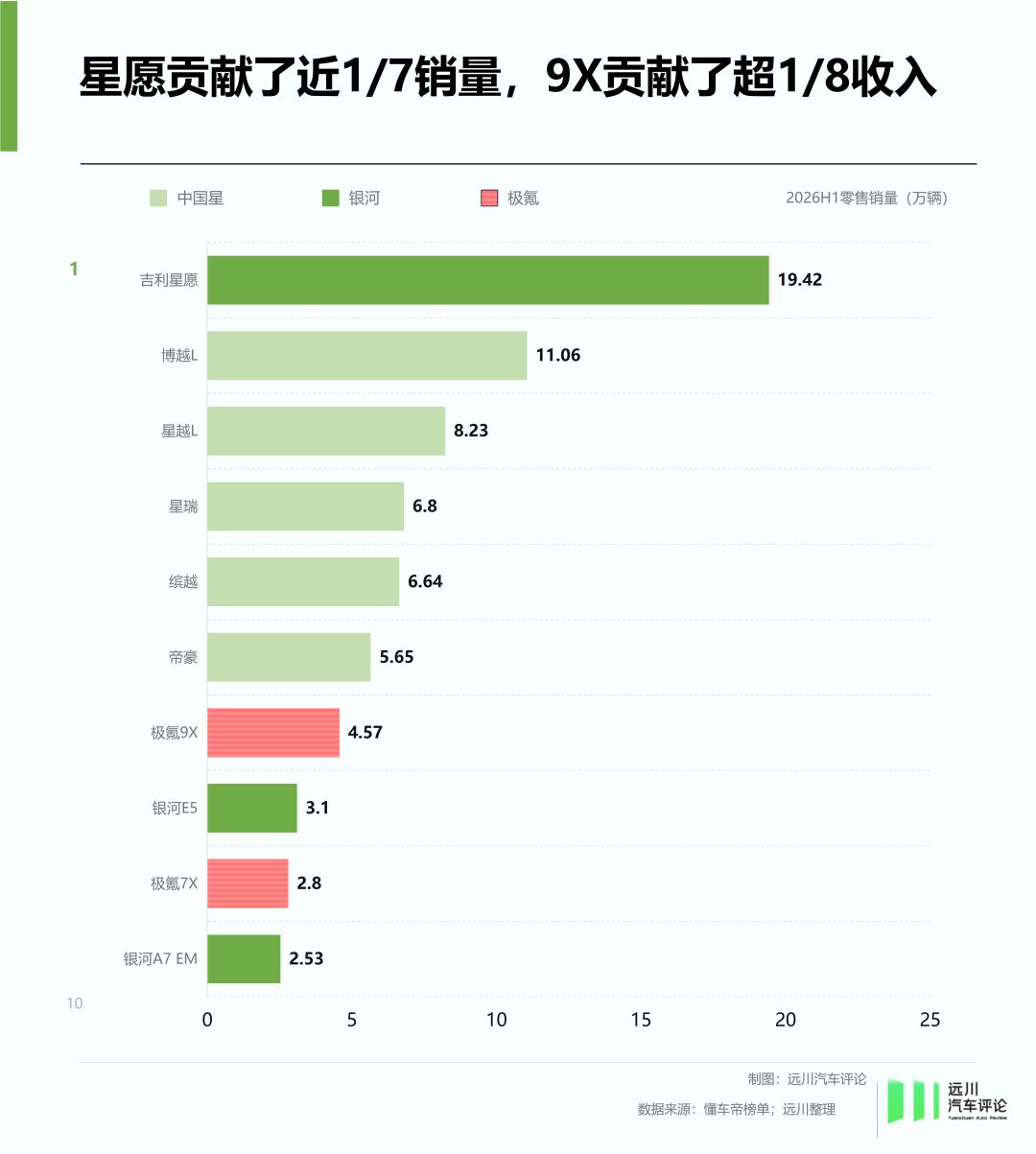
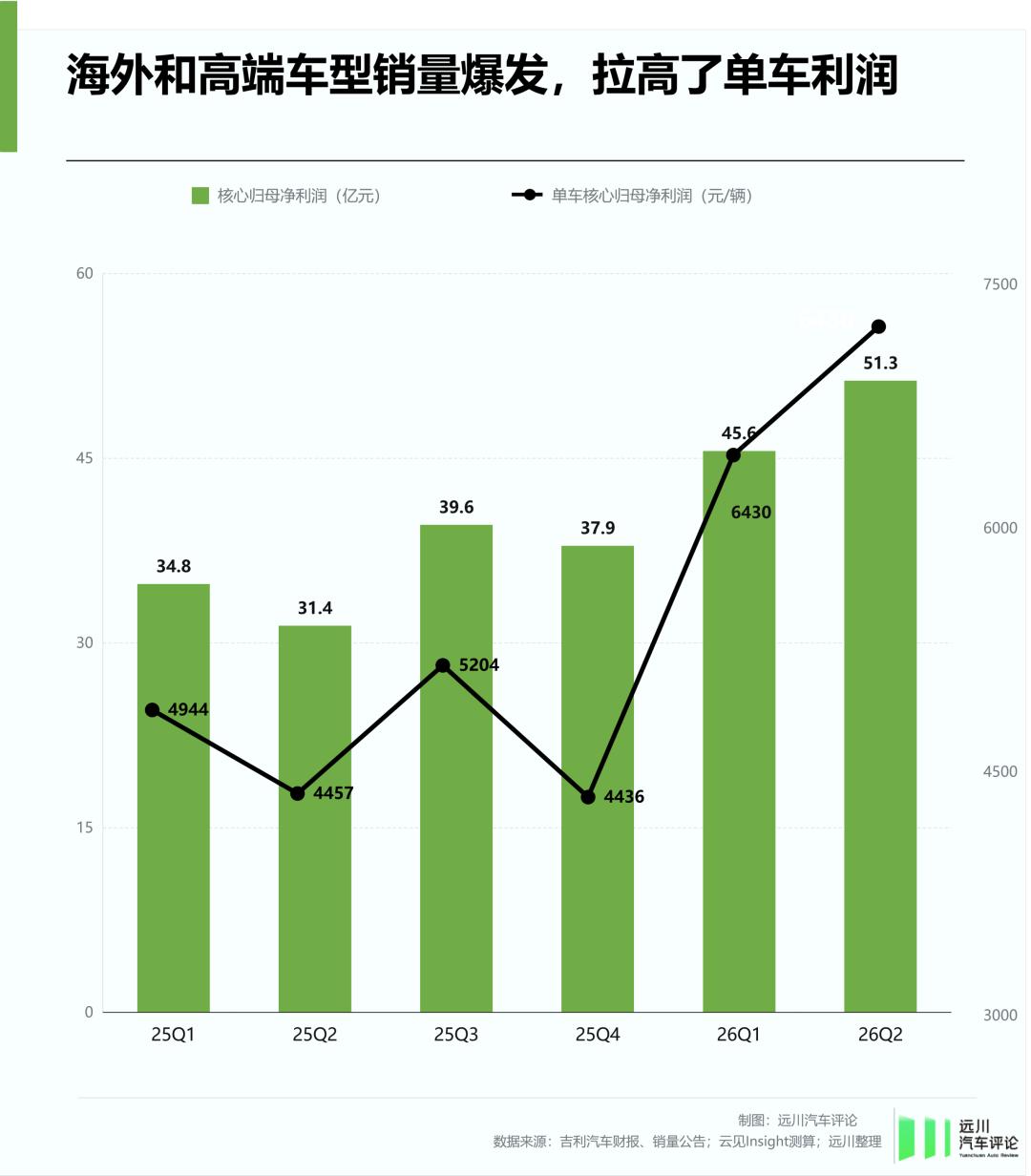
The sales structure of Geely in the first half of the year can be summarized in one sentence: Xingyuan underpinned the new energy sales base, China Star stabilized the fuel vehicle market, and 9X supported the luxury vehicle segment, which also explains why Geely's gross profit margin rose against the trend to 17.9%, and the net profit per vehicle in the second quarter also exceeded 7,000 RMB.
However, Geely's new energy sales structure also has an obvious weakness: there is no real high-volume hit model in the mid-tier market of 100,000 to 250,000 RMB.
In the first half of the year, among Geely's new energy models, the only models with average monthly sales exceeding 5,000 units were Xingyuan and Galaxy E5. In contrast, BYD has more than ten such models in this segment, especially the Sea Lion 06EV launched in March, which is equipped with flash charging technology and has sold 60,000 units in the past 5 months.
With the rapid implementation of the "flash charging strategy", BYD's pure electric passenger vehicle sales have been rising all the way, from 125,000 units at the beginning of the year to 233,000 units in July. The cumulative sales volume has exceeded 1.1 million units, surpassing plug-in hybrid models and becoming BYD's best-selling powertrain form.
In comparison, Geely's layout in the pure electric field is obviously a step slower. Except for the facelifted Xingyuan, Geely only launched pure electric versions based on the plug-in hybrid versions of Galaxy A7 and Xingyao 7 in the first half of the year, and the market performance was mediocre.
In 2024, Geely launched the Thor EM-i, which focuses on extreme energy saving and ultra-long battery life, directly competing with BYD's DM-i. To catch up with BYD in the pure electric field, in addition to enriching its product matrix, building a nationwide energy replenishment network is also expected to be put on the agenda.
02
Control of three major expenses
In September 2024, Li Shufu released the "Taizhou Manifesto", officially sounding the clarion call for the strategic integration of "One Geely".
Before that, Geely Holding Group owned ten passenger vehicle brands and series including Volvo, Lynk & Co, Zeekr, Galaxy, Geometry, Radar, LEVC, Smart, Polestar, and Lotus.
This strategy of "having more children to make it easier to win fights" was highly aggressive during the industry's growth period, but in the involution era of stock competition, it will inevitably lead to internal friction, such as brand cannibalization, product competition within the group, and repeated R&D investment.
A typical example is Zeekr 007, Galaxy E8 and Lynk & Co Z10, which were successively launched after 2023. They all belong to mid-size pure electric sedans, with little difference in size and highly overlapping pricing, but their launch time span is less than 10 months, which is a typical case of "1+1+1<3".
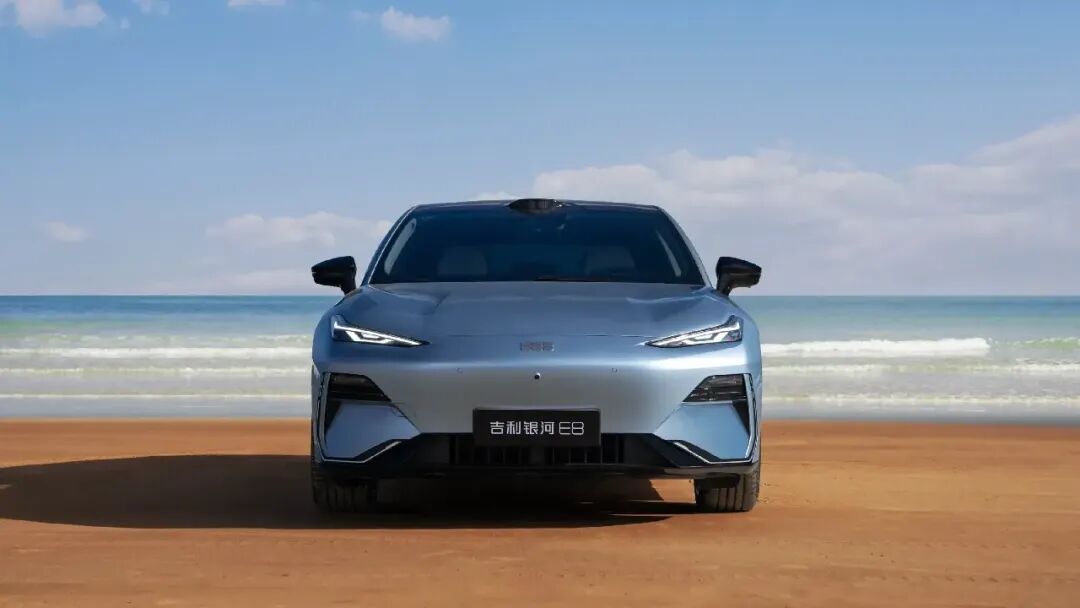
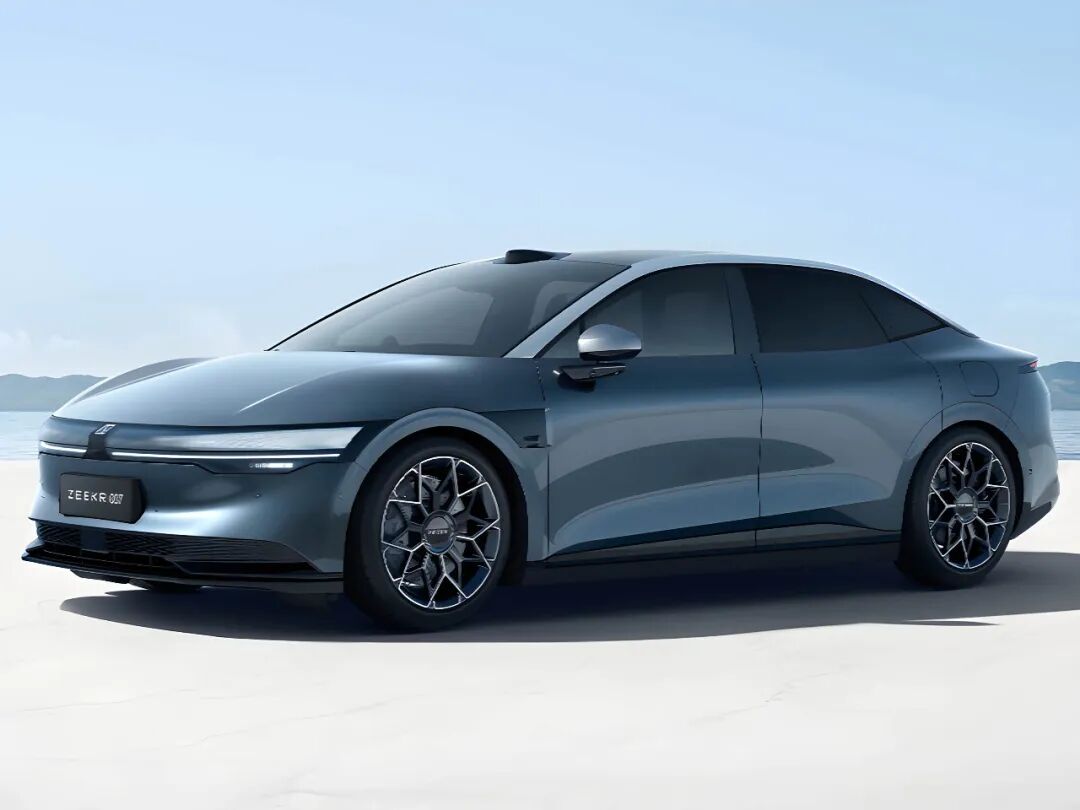
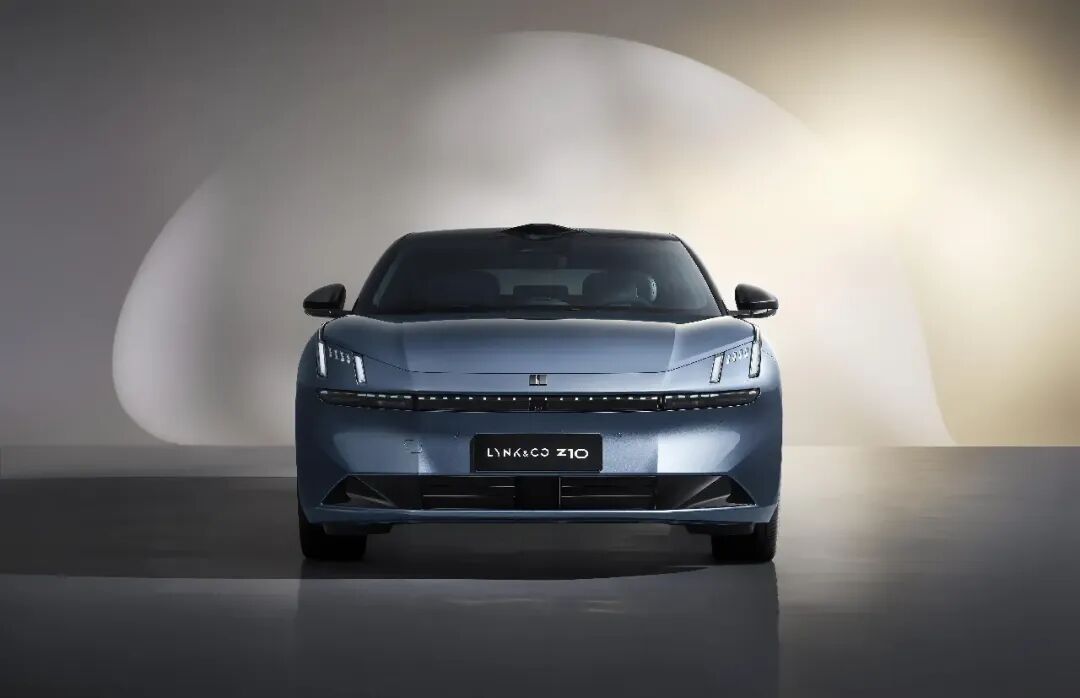
From top to bottom are Galaxy E8, Zeekr 007 and Lynk & Co Z10
After the release of the "Taizhou Manifesto", such infighting among sibling brands has been systematically avoided.
On the brand side, Geometry was first incorporated into Geely Galaxy, and then LEVC and Radar, which were originally planned for independent development, also became the MPV and pickup series under Galaxy.
In addition, Zeekr, which was listed on the US stock market for less than two years, successfully completed its privatization and delisting from the US stock market last year, returned to Geely Automobile's listed system, drew a clear boundary with Lynk & Co, and cut 20% of products that might cause internal competition in one go.
On the R&D side, in response to the previous situation where intelligent driving teams such as Geely Research Institute, Zeekr, Lotus, and ECARX fought on their own, Geely integrated thousands of intelligent driving R&D personnel, established Qianli Intelligent Driving Company, and launched a unified technical base - the "Qianli Haohan" intelligent driving system, covering solutions of different levels from basic L2 to L3 autonomous driving.
On the sales side, Lynk & Co and Zeekr launched the "Lynk & Zeekr Joint Service" for third- and fourth-tier markets in 2024 to share after-sales resources and delivery capabilities. This year, a group-level General Sales Company was established, with first-level organizations including China Star, Galaxy, Lynk & Co, and Zeekr under its jurisdiction, which is coordinated by Geely's senior vice president Lin Jie personally.
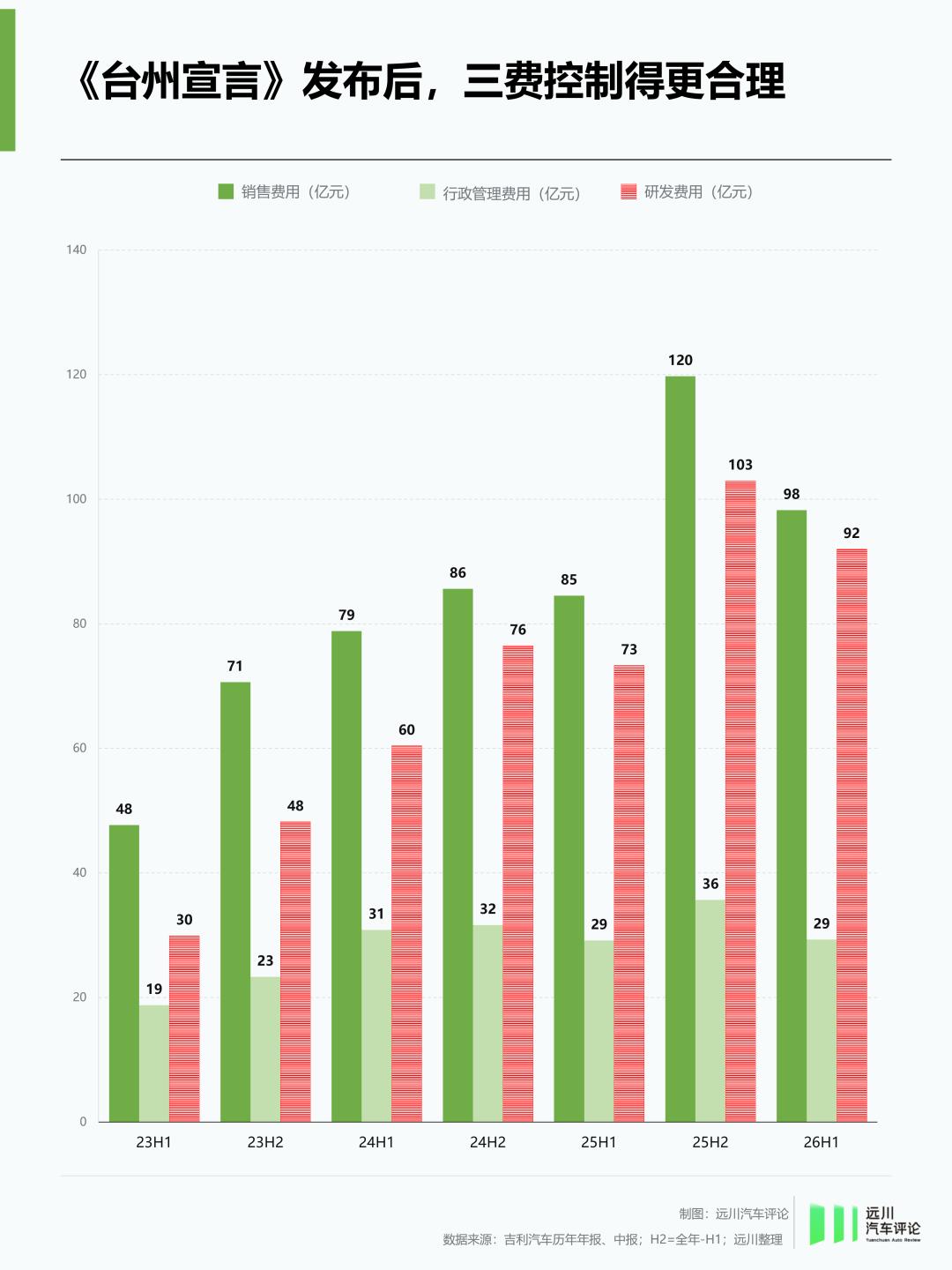
This top-down organizational restructuring has an immediate effect on the control of the three major expenses.
In the first half of this year, Geely's administrative expense ratio was 1.7%, down 12% year-on-year, and the sales expense ratio was 5.7%, which only increased by 1% year-on-year against the background of significantly accelerated overseas expansion. Although the absolute value of R&D expenses rose to 9.2 billion RMB, the R&D expense ratio dropped from 5.5% to 5.2%.
According to Geely's management, the next step is that the core three-electric system assets previously scattered outside the listed system, including Jiyao Mobility and Star Drive Technology, are expected to be gradually injected into the listed company in the future.
In the past few years, Geely has gradually built a huge self-developed ecosystem covering from the three-electric system to the intelligent base. In the future, it needs to make the listed company bigger and stronger through the "One Geely" strategy. Only in this way can it narrow the huge gap with BYD in market value.
03
The overseas market decides the final outcome
In the first half of the year, Geely exported 458,000 vehicles, exceeding the total export volume of last year, surging 158% year-on-year, which basically filled the gap of 270,000 units reduction in domestic sales year-on-year.
Like Chery and BYD, export has become the key for Chinese automakers to increase sales, stabilize profits and hedge against domestic price wars in the short term. According to Geely's CFO Dai Yong, the comprehensive gross profit margin of Geely's export models is about 10 percentage points higher than that of domestic models.
Driven by the better-than-expected export performance, Geely decided to raise its annual export target from the original 640,000 units to 920,000 units. For comparison, BYD also raised its export target to 1.5 million units earlier.
Different from BYD, Geely's overseas expansion does not follow the heavy asset route of "taking full responsibility for everything", but chooses to move forward with as little burden as possible.
This strategy is largely derived from Li Shufu's judgment on the global automotive market. In his view, there is serious overcapacity in the global automotive industry, and there is no need to carry out redundant construction.
Based on this underlying logic, Geely has gradually clarified its overseas expansion approach: while exporting products and technologies to overseas markets, maximize the use of partners' channels and production capacity.
In July this year, Geely and Ford announced the establishment of a joint venture, based on Ford's factory in Valencia, Spain. Before that, the annual output of this factory with an annual production capacity of 500,000 units had fallen below 100,000 units, and the capacity utilization rate was less than 20%.
Through this cooperation, Ford revitalized its idle production capacity, bypassed the US blockade on China's intelligent electric vehicle technology, and could use Geely's new energy architecture to build a new model, which is mainly supplied to the European market;
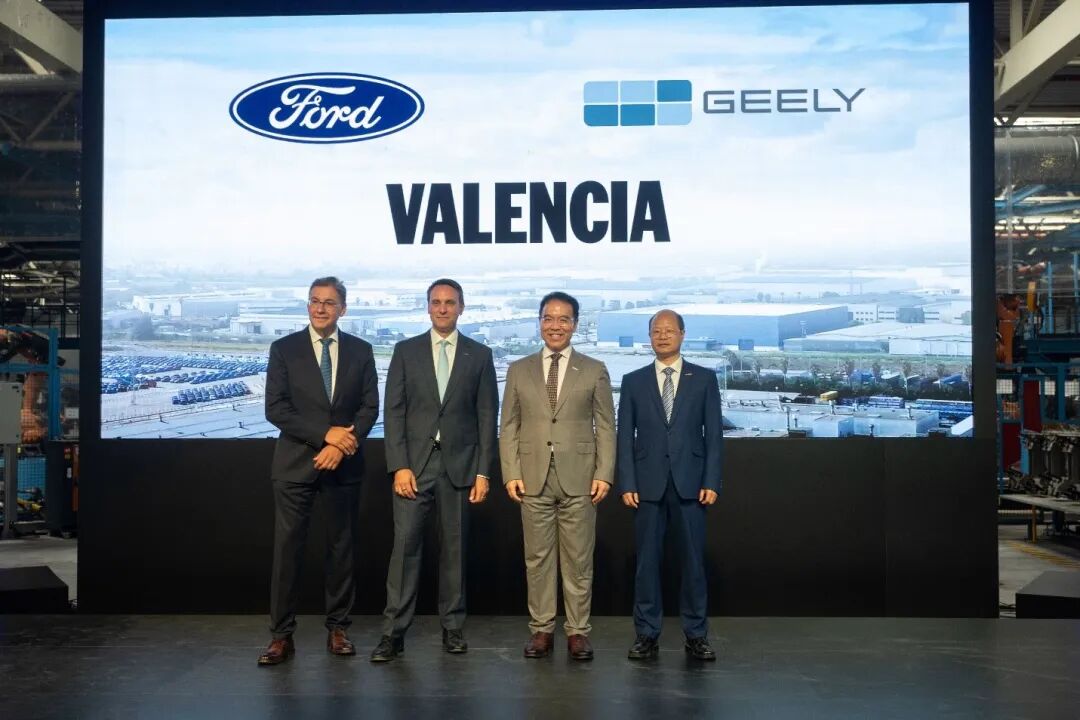
16 years after the acquisition of Volvo, Geely and Ford have renewed their partnership
For Geely, it also bypassed the high tariffs imposed by Europe on Chinese pure electric vehicles, realized localized production in Europe at a lower cost, and the first model is expected to be put into production in 2028.
In Latin America, Southeast Asia and Europe, Geely's approach is almost the same: Geely is responsible for providing capital, products and technologies, while partners are mainly responsible for channels, production capacity and brands.
At the performance meeting in August, An Conghui made it clear that Geely will use Volvo's European factories in the future to pave the way for localized production of luxury models within Geely's listed system.
If BYD's overseas expansion relies on fully replicating the manufacturing system it has built over the past decades to overseas markets, Geely is more willing to deeply embed its own technology, products and capital into the original local automotive industry system.
Although the two paths