The most unpopular topping in the milk tea sector has been targeted by Mixue, Guming and Bawangchaji.
It once ranked top 1 in the most hated toppings for milk tea, together with red beans and raisins.
Now it has staged a reputation comeback in the new products of BA CHA JI. The "Earl Grey Tea with Peanut" drink has made netizens instantly change their stance, exclaiming "I love it more than any other drink by a huge margin".
Mixue Ice City, Guming and ChaBaidao are also testing the market by launching new peanut-containing drinks.
From being rejected to being bet on by leading brands, can peanuts replicate the viral popularity path of black sesame and rice?
No.1 most "unwelcome" topping, Guming and BA CHA JI are fully revamping it
Recently, BA CHA JI launched a rather "challenging" new product — Earl Grey Tea with Peanut.
It is one of the products in the "Special Earl Grey Tea Series" jointly launched with Hello Kitty in the Hong Kong and Macau markets. Peanut butter and Earl Grey tea soup are blended into a smoothie, topped with salty and fragrant peanut cream foam and crushed peanuts, creating a perfect mix of salty and sweet flavors.
Netizens who tried it commented: "It's like drinking a refreshing peanut tea smoothie", "I love this drink more than anything else". Some netizens even called out: "Can you launch it nationwide? It looks really good."
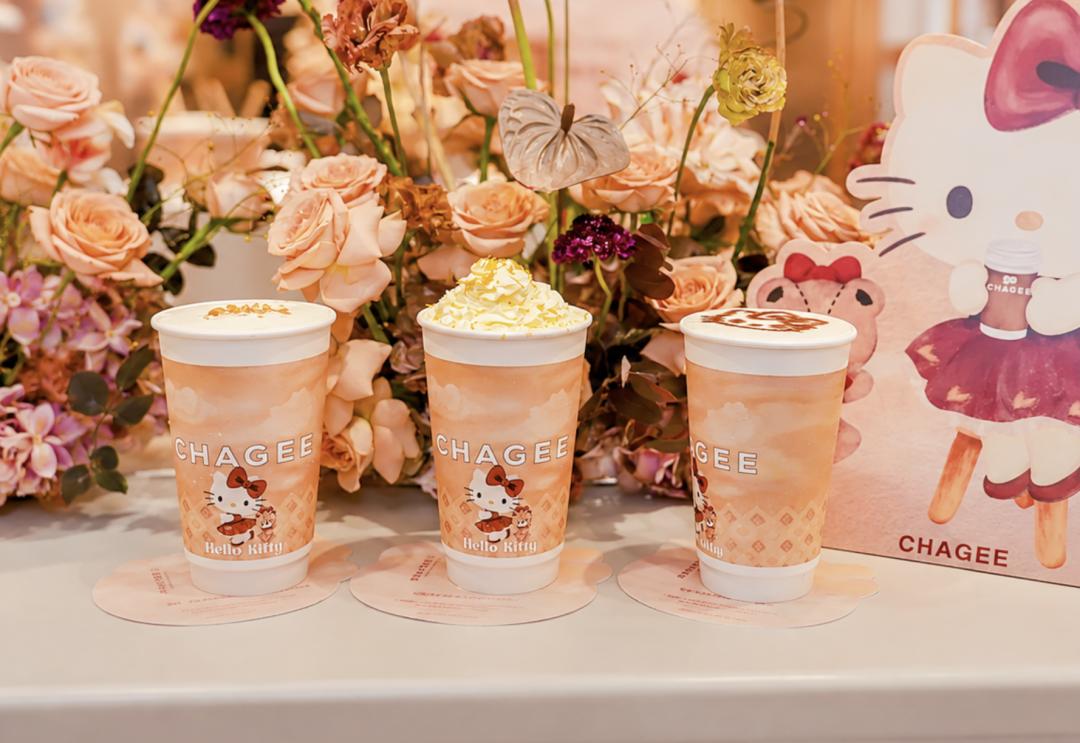
Interestingly, peanut is not a popular topping in the beverage industry.
In many informal "topping preference" surveys, peanuts usually rank among the top 3 least favorite toppings, together with red beans and raisins.
But looking back at the new tea drink launches in the past year, many leading brands have taken the initiative to launch peanut-flavored drinks:
Omoomo launched "Winter Melon Peanut Bobo Milk Ice", which combines peanut butter, tapioca pearls and winter melon tea; ChaBaidao launched "Peanut Baked Nougat" in February this year, using black sesame milk, mochi and crushed peanuts to recreate the childhood peanut candy flavor.
Guming combined peanut butter with coffee to launch "Good Luck Peanut Latte"; the headquarter flagship store of Mixue Ice City also launched a limited-edition 8-yuan "Peanut Green Milk Tea" at the beginning of this year.
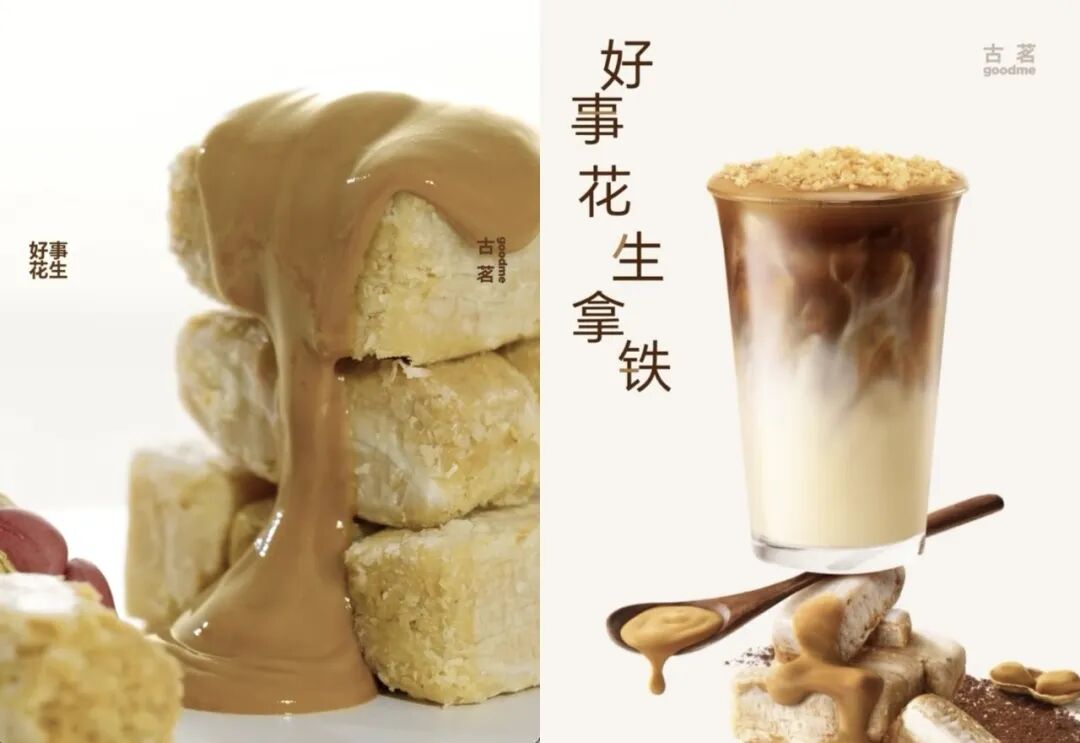
This summer, Taiwanese tea brand Ba Yao He Cha cooperated with Ai Zhi Wei Milk Peanut to launch the "Extreme Rhythm Peanut White Milk Tea" series. The series is matched with three tea bases respectively: roasted buckwheat, Maiji fragrant black tea and mellow jasmine, bringing the soft and fluffy peanut flavor from canned milk drinks to freshly made tea drinks.
At the same time, peanut milk tea has also appeared in overseas markets. Taiwanese tea brand Shang Yulin has launched a number of peanut products such as Super Peanut Milk Tea, Peanut Butter & Taro, Peanut Butter Bliss in its US stores, combining peanut milk tea, peanut smoothies with mochi, tapioca pearls and taro.
On the one hand, consumers try to avoid it, on the other hand, leading brands take the initiative to try new launches, can the seemingly niche peanut usher in a new market prospect?
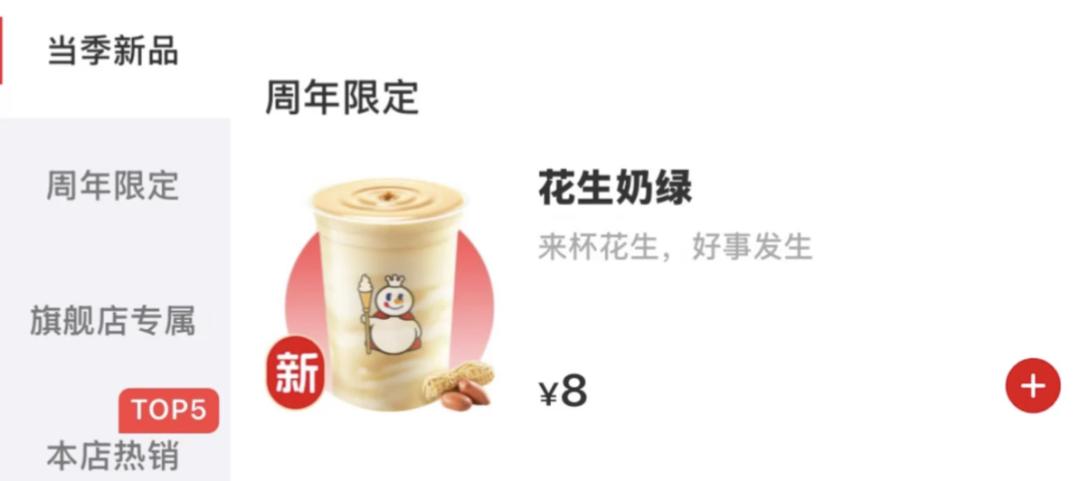
It can be made into milk tea, coffee and smoothies, can this traditional ingredient make a comeback?
Although peanuts did not get much attention for a long time in the past, as leading brands start to explore, we found that this traditional ingredient seems to have huge potential to become popular.
1. From dessert shops to milk tea stores, it already has solid consumer awareness
Before entering milk tea stores, peanuts have long been part of the daily diet of people in southern China.
Yang Shizhong, co-founder and head of R&D center of Baifen Cha, said that in Taiwan, peanut is a typical "nostalgic old flavor". After being fried, its rich oil aroma is fully released. In the early stage, it was often made into peanut candy and nougat, and later extended to peanut soup, smoothies and shaved ice.
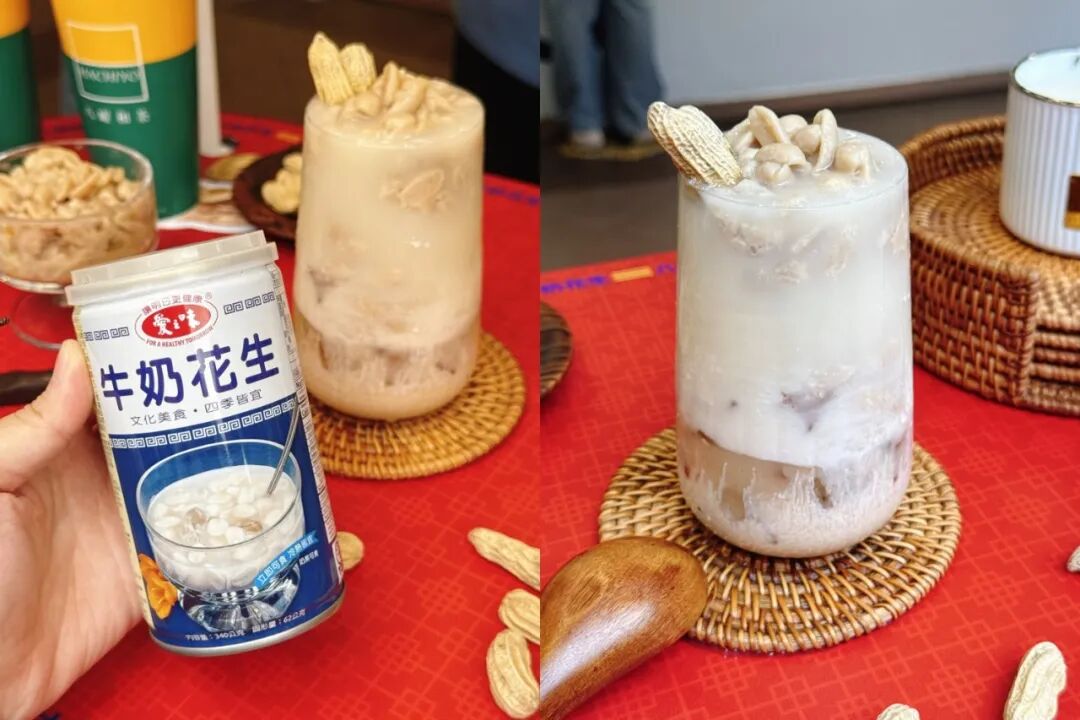
In Fujian and southern Fujian areas, peanuts are peeled and slowly stewed to make soft, fluffy and tender peanut soup; in Guangdong and Guangxi, people are used to grinding peanuts into peanut paste; local iced desserts such as Hainan Qing Bu Liang and Changle Ice Rice also often use peanuts to enrich the aroma and taste.
These traditional products have formed a mature flavor structure: peanuts provide rich nutty aroma, sugar amplifies the roasted aroma, and milk, grains or glutinous rice bring a dense and smooth taste.
Therefore, when peanuts enter the new tea drink industry, it does not create a brand new flavor out of thin air, but evokes the existing taste memory of consumers.
2. No longer just hard granular pieces, peanuts are made into a full "flavor"
The reason why peanuts were not popular in milk tea in the past may not be entirely related to its taste.
The peanuts in traditional peanut soup are pursued to be soft, glutinous and fully stewed; peanut paste removes the granular feeling through grinding. But when it appears as a milk tea topping, peanuts often remind people of dry, hard pieces that get stuck in teeth.
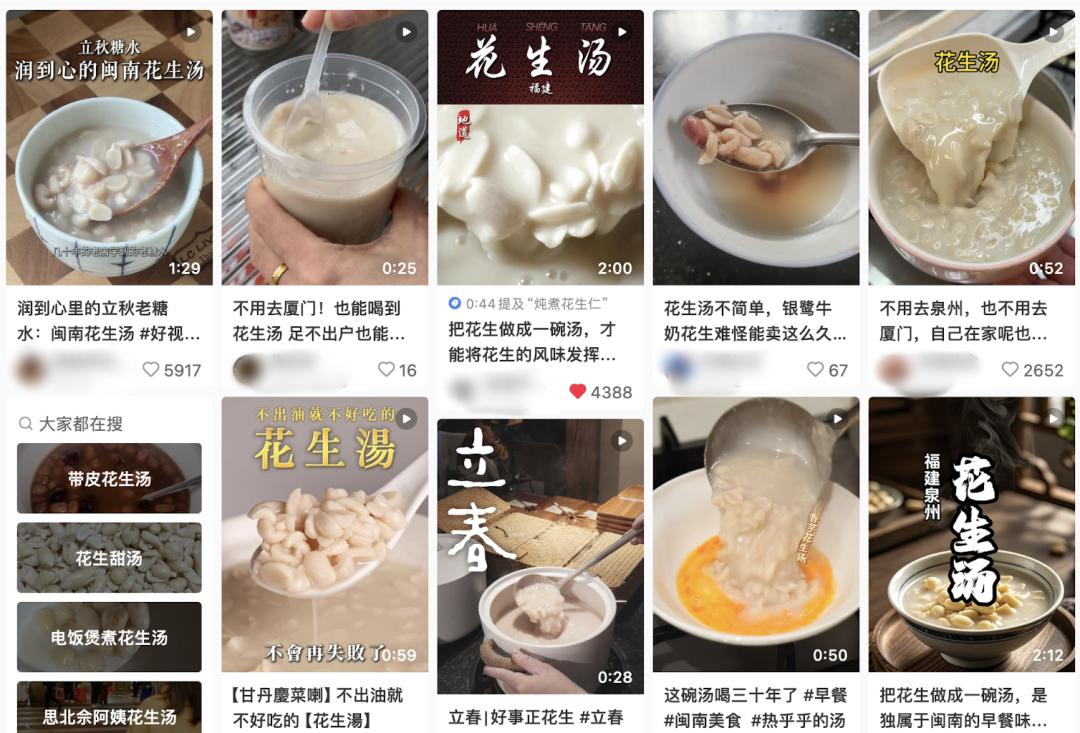
Consumers admitted: "I hate sucking a mouthful of hard peanuts when drinking milk tea, the taste is very disjointed."
Nowadays, many brands are trying to bypass this taste obstacle: Omoomo uses peanut butter to create a dense and smooth texture; Ba Yao He Cha integrates soft peanuts into white milk tea; Guming uses both peanut butter and crushed peanut crisp candy; Li Hou Tea Shop grinds peanut crisp candy and combines it with salty cheese.
It can not only retain the popular roasted aroma and mellow texture of peanuts, but also reduce the burden of dry, hard and sticky taste. The peanut flavor is retained in various forms such as peanut butter, peanut milk, cream foam, mochi and crushed crisp candy.
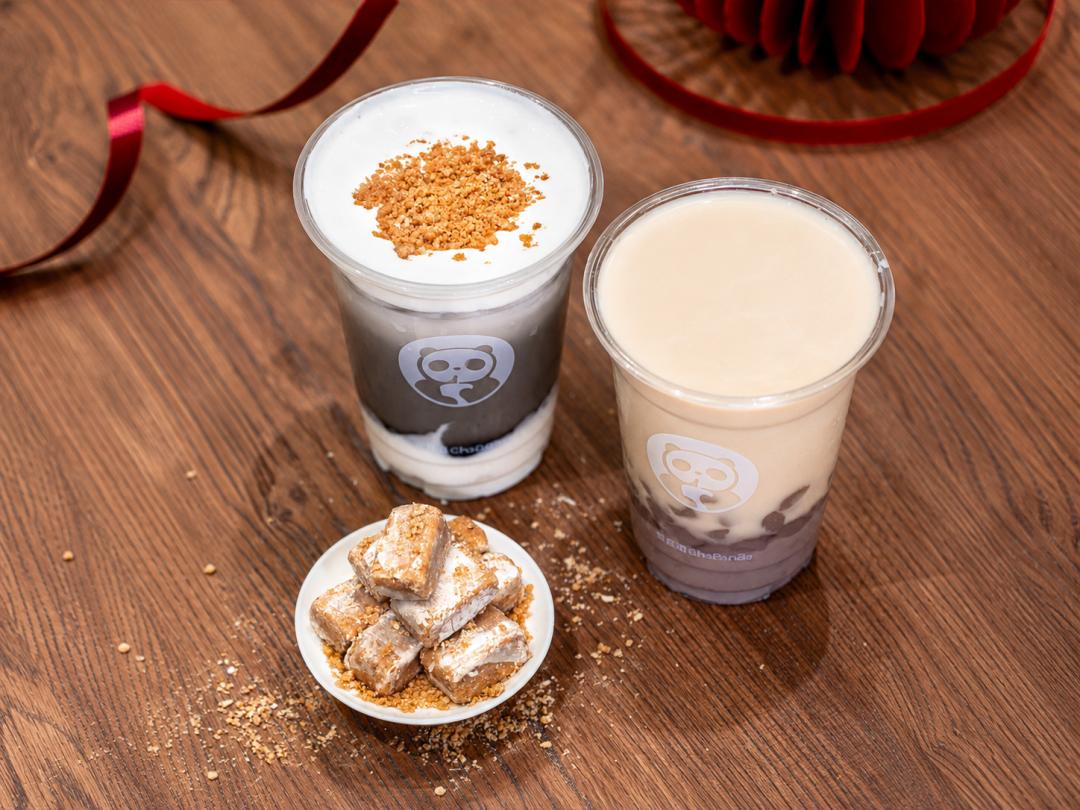
3. From hot drinks in autumn and winter to iced drinks in summer, peanuts have more creative solutions
Another advantage of peanuts is its high flavor recognition and extremely wide matching space.
Combined with dairy products, it can enhance the milky aroma and smooth taste; matched with coffee, the rich bitterness of coffee can neutralize the sweet greasiness of peanut butter;
Combined with roasted tea and black tea, the roasted aroma of both sides can be superimposed on each other; matched with black sesame, glutinous rice and mochi, it is easy to form a complete Chinese dessert experience.
In terms of complex matching, Yang Shizhong suggested combining peanuts with taro paste, chestnut paste and pumpkin, to increase the memory point and layering with nutty aroma.
Cheng Yao, chief R&D officer of Kamen Beverage Power Lab, fused peanut butter with fresh milk, and tested it with jasmine green tea, black tea, oolong tea and roasted tea respectively.
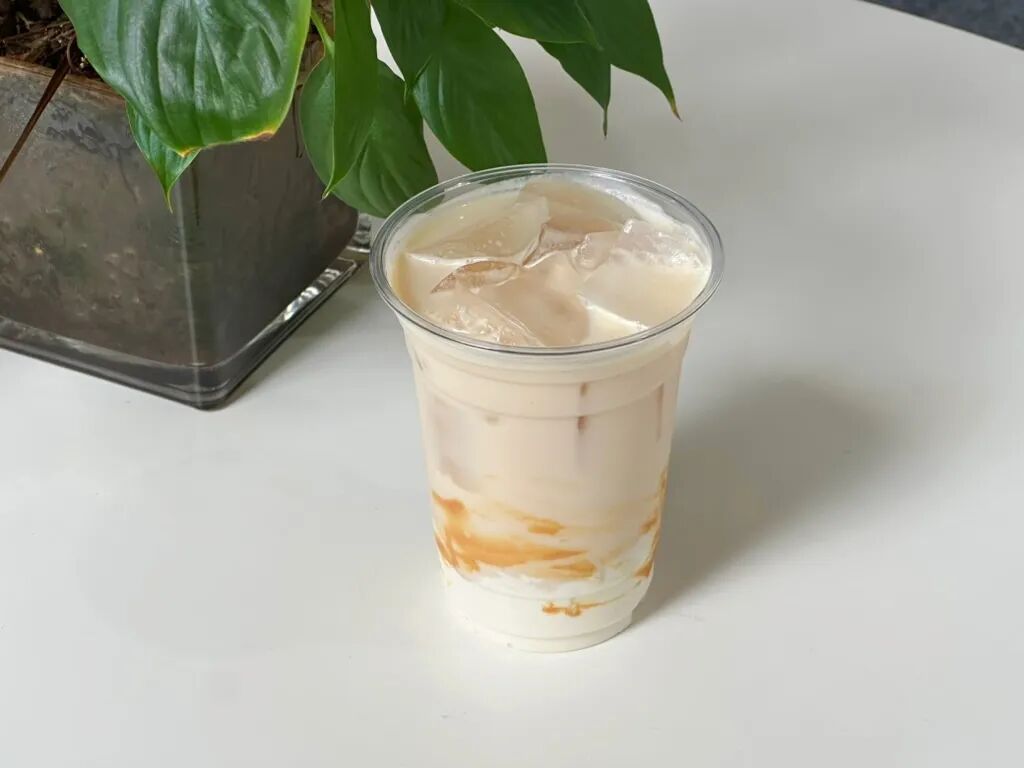
The results show that roasted tea can superimpose the roasted aroma of peanuts, which is suitable for making mellow autumn and winter products; the light aroma of jasmine green tea can weaken the heavy feeling, form a clearer layering, and is also very suitable for making iced drinks.
This means that peanuts are not limited to hot drinks in autumn and winter, and it may extend from milk tea to more product lines such as coffee and smoothies.
In addition, peanuts also have distinct emotional value. Concepts like "drinkable nougat" and "childhood milk peanut" are both familiar and full of freshness. Brands can easily transform local desserts and childhood snacks into a cup of drink with a little modification.
To become the next black sesame, peanuts still lack a viral trigger point
This round of peanut comeback easily reminds people of the black sesame that became a hit in 2025.
Also as a slightly old-fashioned traditional ingredient, black sesame, with the help of new forms such as cream foam, mochi and coffee, became a phenomenal ingredient with unique flavor after brands like ChaBaidao, Luckin Coffee, M Stand and Ka Wang Ka launched concentrated new products.
However, if peanuts want to replicate the viral popularity of classic ingredients such as black sesame and rice, it still lacks a clear trigger point for widespread popularity.
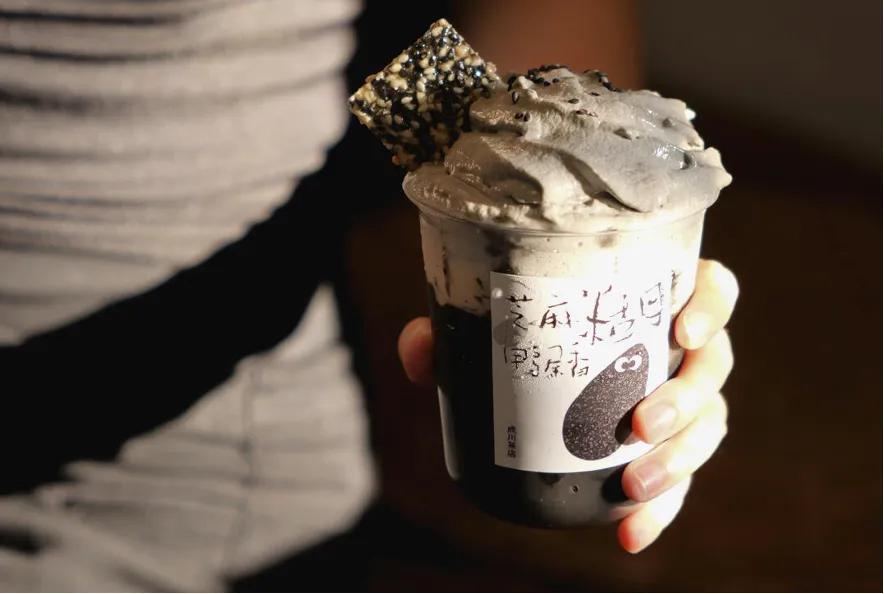
Black sesame comes with health awareness such as "five black ingredients" and "homology of medicine and food", and can also cater to young people's anxiety about hair loss. The black hanging wall and ink texture also make the product recognizable at a glance.
The first impression of peanuts is more about rich aroma and satiation, at the same time, it is accompanied by characteristics such as high oil content, heavy texture and easy greasiness, which adds an extra psychological burden to consumers, and its color is also difficult to create highlights in the cup.
Industry R&D personnel are generally optimistic about the potential of peanuts, but to become popular, it still needs a landmark product and a clear reason for consumers to buy.
"Peanuts still have the opportunity to get rid of the identity of niche toppings and become a presence with a large number of loyal fans on the beverage menu."
This article is from the WeChat official account "Kamen" (ID: KamenClub), written by Ziqi, authorized for release by 36Kr.