25 Years Old, With a Valuation of 200 Million, Funloom AI Reconstructs the Game Creation Process with AI-Native RPGs
Not long ago during the ChinaJoy event, Funloom AI, the AI interactive content co-creation platform, announced its latest progress: based on the existing text adventure game offerings, it has introduced two new gameplay modes in the new version, namely interactive film games and RPGs.
This update may seem surprising at first glance. In fact, compared with traditional text game platforms, the move of Funloom AI is almost equivalent to a full transformation. After all, changes in product form usually mean the user's production relations will also shift, and even directly affect the product itself.
However, this move seems quite reasonable for Funloom AI, especially for those who are familiar with the product in the past.
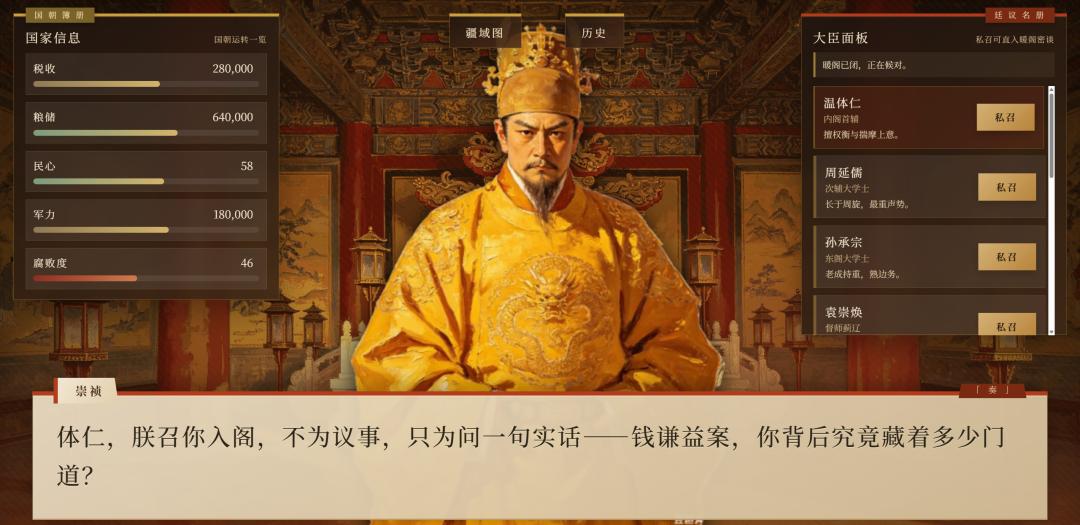
The viral "Chongzhen Simulator"
Funloom AI is the core product of Kulan Zhimeng Technology. Several months ago, it secured a Pre-A financing of tens of millions of RMB, and the company's valuation has reached 200 million yuan. What surprises most people most is that the company's core founder Wu Tong is only 25 years old this year, a genuine post-2000s entrepreneur. Yet Funloom AI has gone further and faster in the AI field than many products from established companies and industry veterans.
Since Wu Tong launched "Chongzhen Simulator" this March, Funloom AI has maintained an extremely fast iteration pace, rolling out at least one minor update every week. At the same time, the product can gain more than 5,000 new users per month purely through organic traffic.
Wu Tong once stated that the ultimate goal of Funloom AI is "to enable everyone to create games as easily as writing and doodling." Drawing on the early experience of developing the RetainerAI game generation tool, they did not choose to launch a full-featured, fully functional and complex AI game development platform from the very beginning. Instead, they split the iteration process into sequential steps, prioritizing breaking down every function of "AI game creation" into accessible parts for users.
With this latest version update, they are undoubtedly one big step closer to their original vision.
01. Turn Creation into "Play"
The initial form of Funloom AI can easily be mistaken for a text game platform similar to Tavern AI. But in essence, when users play text games on Funloom AI, it is a form of experience-oriented creation: users can either purely experience the game stories built by the official team or other users, or re-construct the stories based on their own thinking and choices during the experience.
In terms of personal experience, I would prefer to summarize the model of Funloom AI as "a design that better arouses users' willingness to express".
It is quite obvious that no matter I play the works on the Funloom AI platform, or try to create a game by myself, I will naturally want to type in my own content during the experience, instead of referring to the options provided by the system.
For example, I do not know much about the history of the Ming Dynasty, but when playing "Chongzhen Simulator", I can still easily immerse myself in the role, and even unconsciously start to call myself "Your Majesty" when typing input.
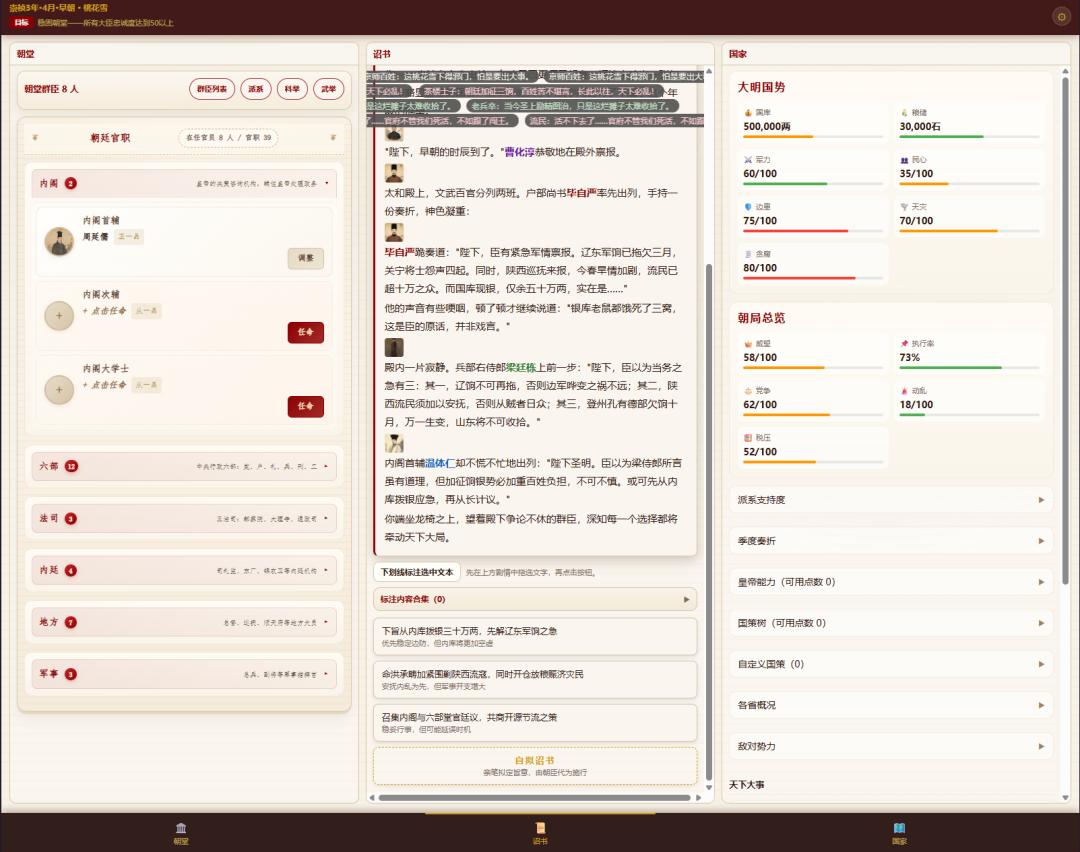
This feature of Funloom AI that inspires the desire to express is not only limited to the immersive playing process, but also applies to the game creation process itself.
On the platform, the underlying model for Funloom AI to create work frameworks is roughly the same as other similar AI platforms, with the core still being building worldviews, setting storylines, and enriching character settings. But in fact, even if you only enter a short sentence during the creation process, the platform can immediately generate a playable demo in a few minutes, and allow users to click to publish.
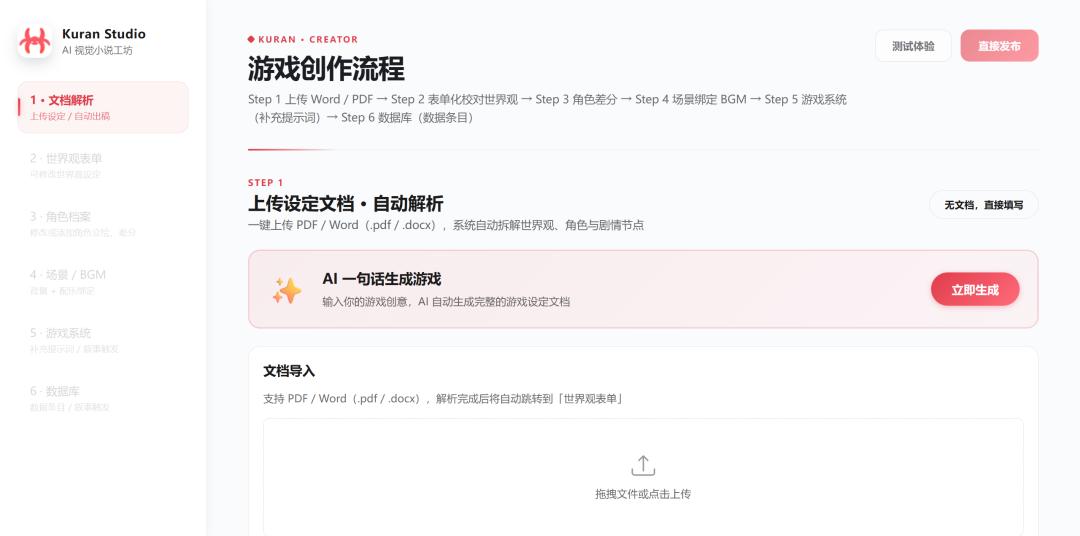
Of course, most people will not publish the demo directly, but open it for test experience first to see "what the AI has generated for me". This is exactly the most special part of Funloom AI: when playing the demo, you will naturally understand what is "what I want" and what is "misjudged by the AI", then go back to the creation page to input requirements, and let the platform regenerate a version that better fits your ideas.
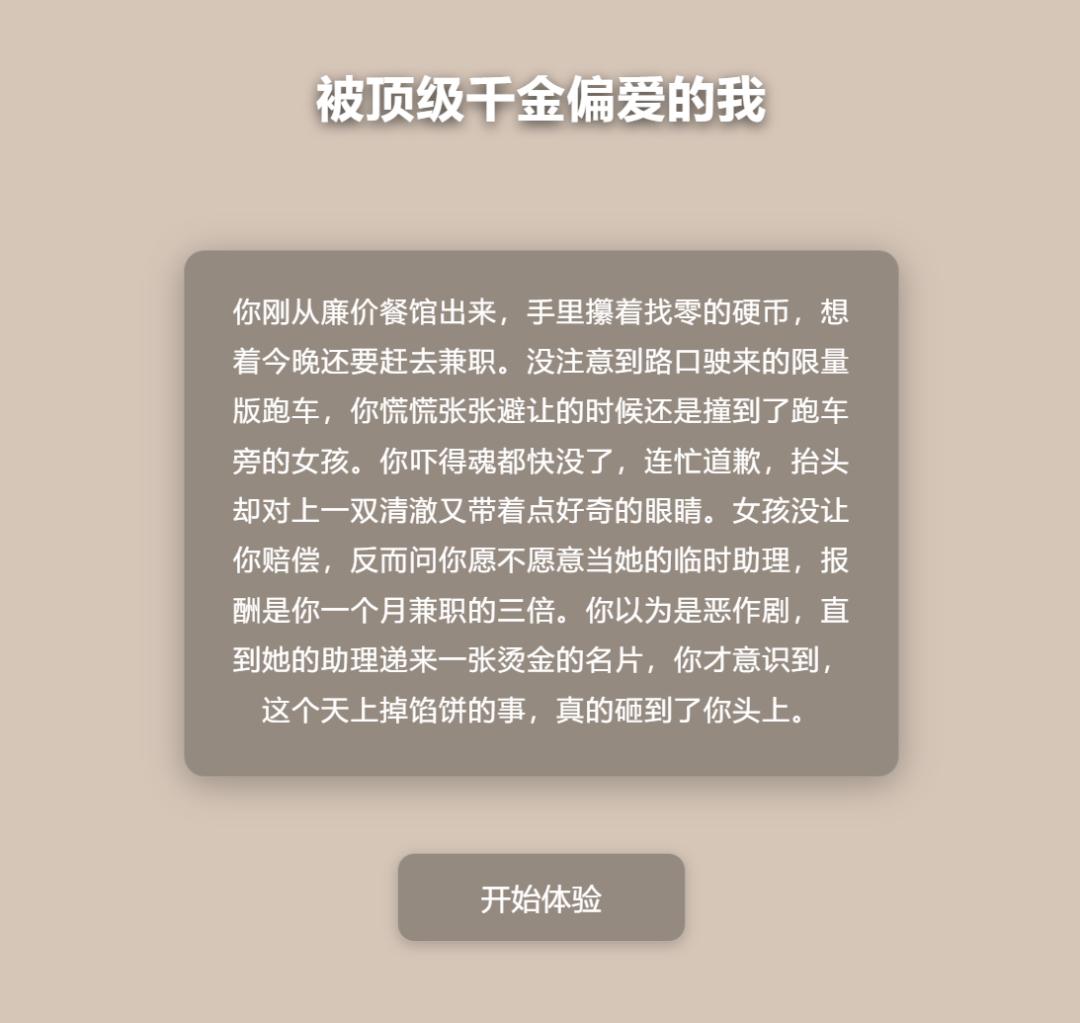
Only the prompt "A rich beautiful girl falls in love with a useless person like me" was entered during generation
In other words, Funloom AI uses the direct experience method to skip the process of creating from scratch or repeated back-and-forth questioning with AI. The player's creation process is similar to playing an AI game, which takes into account both selection and imagination stimulation. In this way, many things that users could not clearly explain before will have definite and specific concepts in the actual experience.
This is actually the core that Funloom AI has been focusing on: the official provides a professional and relatively complete game framework, creators only need to output their own ideas, even if it is only a sentence, they can easily create a finished product. The final quality of the product also depends on the iteration, thinking and supplement after repeated testing between users and AI.
Wu Tong initially created "Chongzhen Simulator" not only to let everyone understand this point, but also to set a sample and provide a set of usable templates for all users. Up to now, many of the popular male-oriented works on the platform are history-themed games modified based on this model.
In fact, the explosion of AI in the past two years has made many people misjudge this tool, believing that the introduction of AI represents absolute freedom, and "AI-native games should be able to realize any imaginative idea".
This is of course the most ideal scenario for AI. But the more realistic situation is that the Funloom AI model that sacrifices a certain degree of creation freedom is more in line with the current AI technology situation. It can ensure that AI reduces costs and increases efficiency for the creation process, and also guarantees a safety net for the product. UGC users do not have to start completely from zero, and the community products can basically maintain a relatively high level.
02. From One-sentence Demo to a Complete UGC Ecological Closed Loop
This is also why many people are optimistic about Kulan Zhimeng: based on this theory, as long as Funloom AI runs through the entire content process, it will definitely not stop at AI text games.
The newly updated interactive film games and RPGs still follow their original idea: first create an interesting AI Native product that can be directly played and experienced, and then let players fill in and complete the content according to their own ideas.
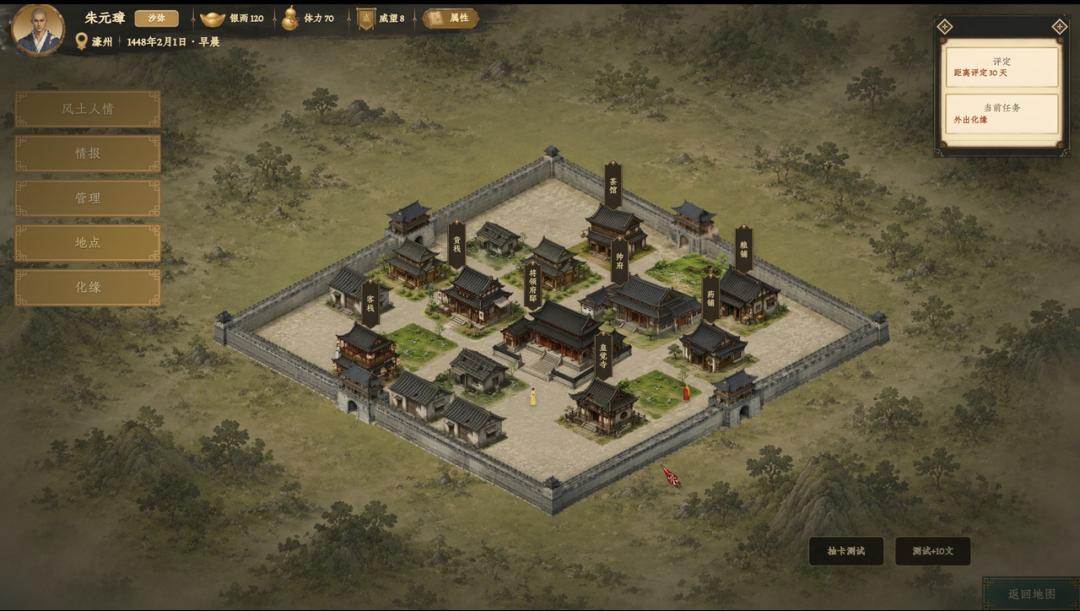
Taiko gameplay demonstration
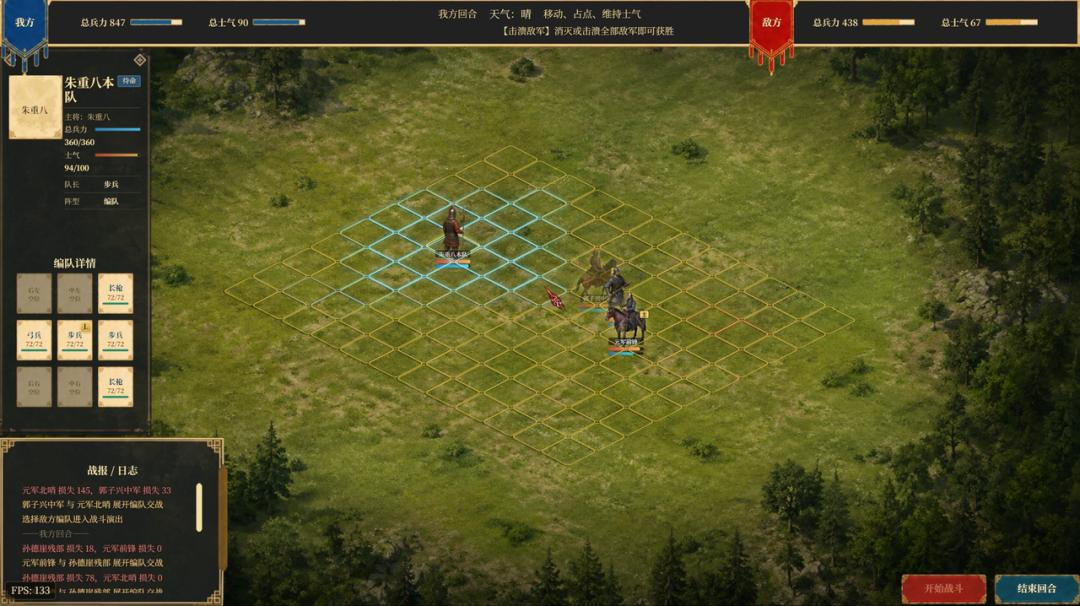
Taiko gameplay demonstration
From the perspective of actual experience, the design requirements of these two new gameplay modes are roughly the same as the original process for users to create text games. Even the scripts of the original AI text games can be directly imported to generate the corresponding film game / RPG.
Users who are already accustomed to creating text games on Funloom AI can basically seamlessly access the creation of interactive film games and RPGs on the platform. Just like before, the player's development process is basically to continuously play the generated demo, and use natural language to tell the system what to keep and what to discard. The whole process is fully automated, and users will not feel the learning pressure from the design layer at all.
At this level, Funloom AI may truly liberate the freedom that current AI tools can provide. It makes the creation process more interesting and fun, rather than a painful or boring grinding process. Players only need to wait a few minutes to immediately play a new demo that practices their ideas and is not completely consistent with the previous content.
Even some players with more creative ideas can fill in Mods for the framework according to their own needs on this basis, or create an exclusive game mode of their own.
What Funloom AI builds is not an end-to-end creation generation model. On the contrary, it also supports willing creators to make some fine adjustments by themselves. According to Wu Tong, in the built-in editing editor of the platform, creators can clearly and quickly understand all the elements in the game through forms, and "creators can know which system they want to modify, where to modify it, and how to modify it".
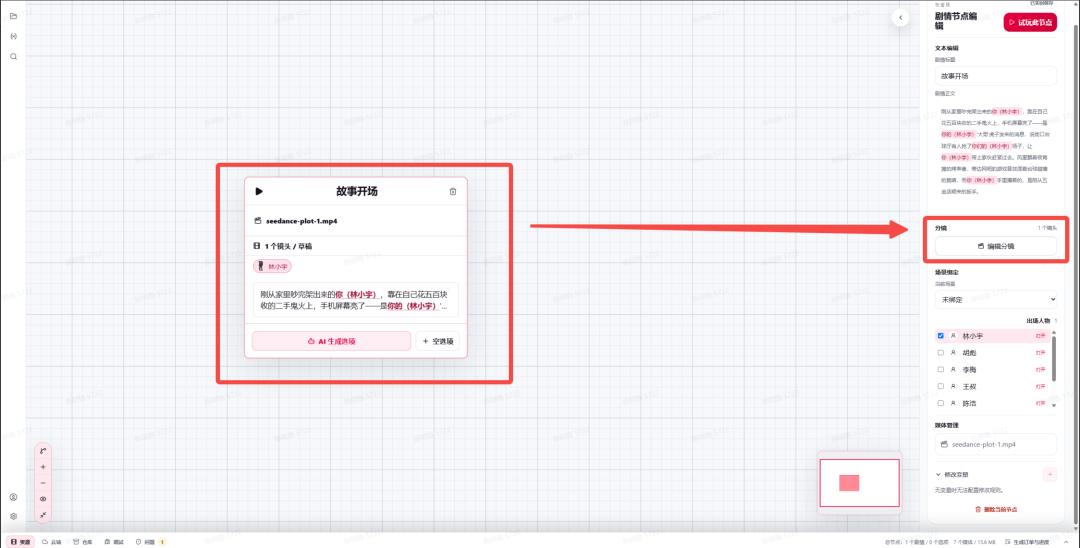
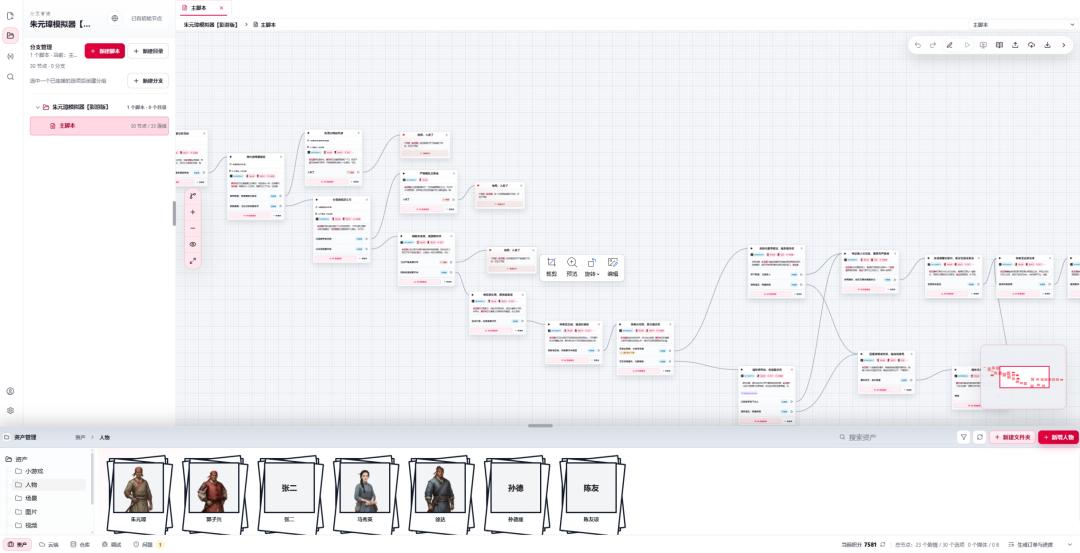
For Funloom AI itself, this update essentially completes a value-added closed loop of UGC user works. The audience of text games has limitations after all, and the content that can be expressed is relatively limited. Therefore, without raising the threshold, they hope that users can have other choices with higher quality and richer content, and the presentation of works can finally reach a higher level, including those text games that users have completed in the past.

In this process, Funloom AI has always focused on AI tools, using their development capabilities and knowledge to assist users and lower the creation threshold. This is a choice that respects and conforms to user experience under the AI wave. On the one hand, users are more willing to pay for products with reliable quality; on the other hand, this model that seems to "sacrifice freedom" is exactly the only way to reach the product form of high freedom. Only UGC products that take into account both user playing experience and creation experience can continuously build a healthy AI UGC ecological cycle.
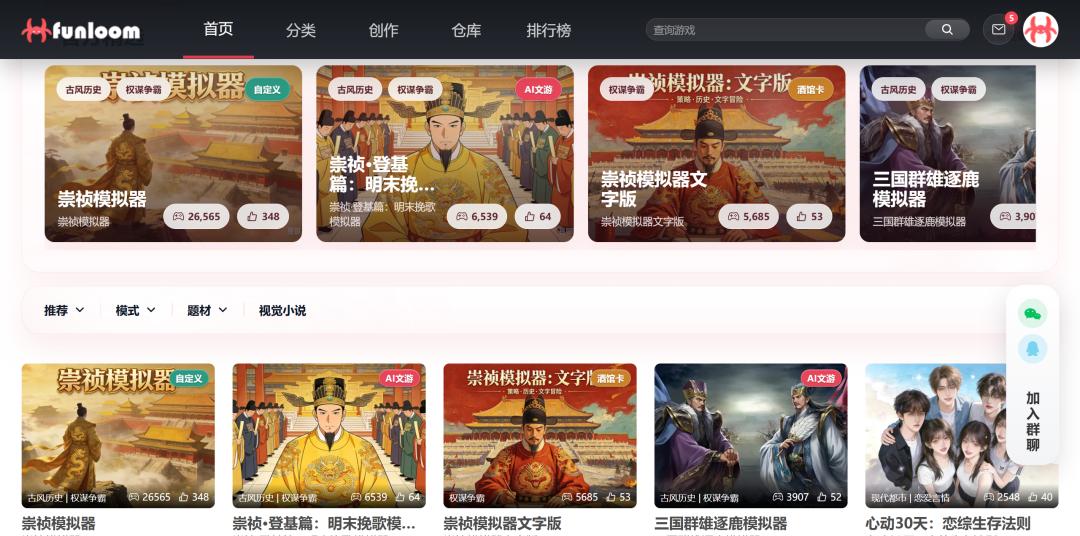
Funloom AI official website
After all, for current UGC users, the biggest pain point of "wanting to make a product" is no longer writing code or generating content materials, but the lack of professional guidance on usage knowledge, such as how to build a higher quality world book, how to use prompts better, and so on.
At present, as long as the iteration is carried out around the core system of "creating while playing", interactive film games and RPGs will obviously not be the limit of Funloom AI's capabilities. As long as the official continues to accumulate frameworks in the follow-up, more mainstream gameplay modes can be added to it, users will have a lot of choices, and even quickly see the performance of a set of content experience in different gameplay modes.
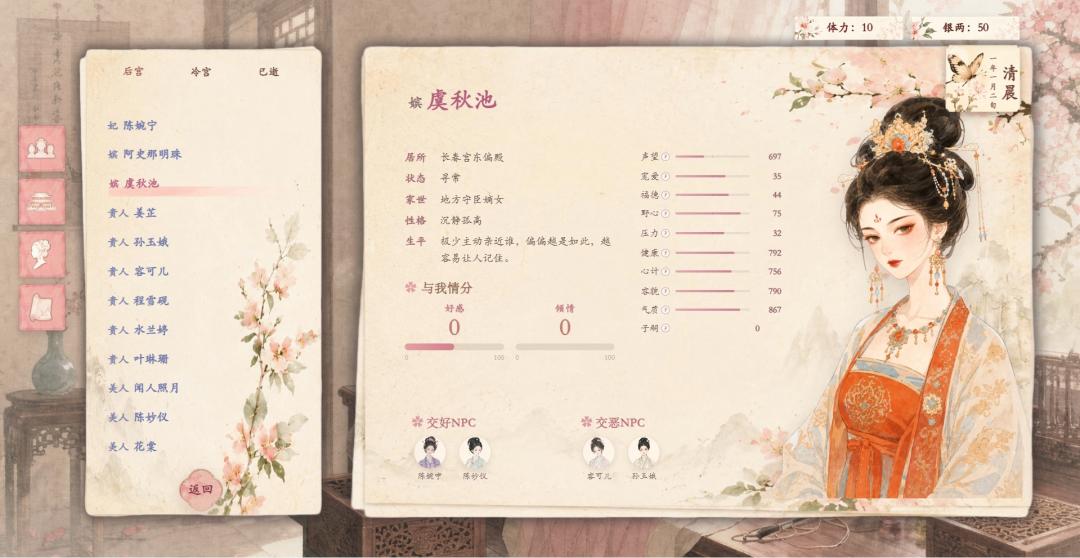
Its core idea is to let users focus on polishing the flow experience, train AI to learn the routine knowledge of content creation to serve users. Funloom's AI engine is like a 24-hour online professional custom team — so professional that even if your idea is just a sentence, it can make a demo for you.
Conclusion
From AI text games to today's interactive film games and RPGs, the flow experience that Kulan Zhimeng focuses on around Funloom AI has never been interrupted. Their original idea is to help UGC users realize the complete process from idea to implementation and then to monetization, and use their own capabilities to provide more creation possibilities for everyone.
At this year's ChinaJoy Future Ecosystem Conference, Wu Tong emphasized again that the biggest change AI has brought to the game industry has never been how much productivity and efficiency it has improved, but the transformation of production relations. It decentralizes the game content production from the past large-scale organizational model that must rely on companies to individuals and small teams, so that more creative people can implement their ideas at very low cost.
In the past, everyone may have heard too many similar expressions, but there are very few products on the market that truly "transform production relations". This once made many people have more doubts about AI production.
The emergence and rapid growth of Funloom AI also sets a sample for many people in the industry, letting users know what kind of design can be regarded as "transforming production relations". Of course, this process still cannot be separated from the user's dedicated and meticulous work. Even if AI can complete 90% of the work, in the fields of player preference, flow experience, and product aesthetics, it may never be able to surpass the players themselves.
It is worth mentioning that Kulan Zhimeng is currently converting excellent platform works into products and launching them on mainstream game platforms such as Steam and