With its explosive box office performance projected to reach as high as 2 billion US dollars, audiences across the world have fully bought into the original core ethos of the Spider-Man IP.
The latest "Spider-Man" film, Spider-Man: Brand New Day, is announcing the return of this classic IP with record-breaking box office performances in both the global and Chinese markets.
Its total global box office hit 927 million US dollars in the opening weekend, ranking second in film history, second only to Avengers: Endgame. If only counting the opening weekend record in the North American market, Spider-Man: Brand New Day even jumped to the first place. Overseas professional film websites generally predict that its final global box office is expected to reach 1.5 to 2 billion US dollars.
In the Chinese market, Spider-Man: Brand New Day has also made breakthroughs.
This is the first time the Spider-Man series has returned to the Chinese mainland big screen after five years. It is scheduled for release on July 29, making China the earliest market to release the film in the world, two days earlier than North America. The midnight screening box office exceeded 27 million RMB, claiming the champion of midnight screenings in the past five years. As of August 6, the cumulative box office has exceeded 1 billion RMB, and the predicted total box office is over 1.7 billion RMB, which is expected to set the best record for a standalone superhero protagonist film.
In this superhero film full of "new vibes", the characterization of "Spider-Man" has returned to its original state.
Without the high-tech equipment supported by Iron Man, Peter Parker puts back on his self-made suit, returns to the streets of New York, and guards the city alone as a full-time Spider-Man, turning back to the "neighborhood hero" familiar to many fans.
This sense of closeness has also extended to reality during the film's promotion and distribution process.
When Tom Holland and Zendaya came to Shanghai hand in hand for the first time, from street snacks, convenience store drinks to shopping in malls, they were "spotted randomly" by netizens all the way, as friendly as neighbors who came to visit next door.
For Sony and Marvel, Spider-Man: Brand New Day carries the systematic adjustment of the IP.
As early as before filming started, Kevin Feige, president of Marvel Studios, Sony executives and lead actor Tom Holland reached a consensus: to make something different. At the commercial level, the two sides have clearly positioned this film as the starting point of a new trilogy, and Sony Pictures has confirmed that it is pushing forward the full restart of the "Spider-Man Universe".
It is worth mentioning that this may also be the last time "Holland" appears on the big screen as Spider-Man. He revealed in a podcast interview that after the completion of No Way Home in 2021, he had been brewing a handover plan with Marvel and Sony for more than five years, and he has a clear vision of how to pass the baton to the next successor.
From the first Spider-Man: Homecoming in 2017 that completed the IP handover with the "father-son bond" with Iron Man, to No Way Home in 2021 that pushed the nostalgia to the peak with the "three generations meeting on the same screen", and now returning to the original roots of the streets, Sony and Marvel have been adjusting their strategies according to market changes.
Facts have proved that the gameplay of the "Marvel IP Universe" may be adjusted at different stages, but it is still one of the most effective and mature IP operation methods in the world. It has crossed cycles and radiated new vitality at the present moment.
The Return of Spider-Man's Original Characterization
As one of the most successful superhero IPs in the world, the Spider-Man IP has undergone multiple developments and spawned a large number of cross-media contents. In the latest film, the characterization of Spider-Man has begun to "return to simplicity" — Peter Parker lost all his friends and relatives after the previous film No Way Home, was forgotten by the whole world, and everything returned to a state close to his early days.
Correspondingly, the film refocuses on crime stories on the streets of New York, and the Spider-Man suit is also sewn by Peter himself, returning to the "homemade" version. A film critic commented: "Marvel spent 10 years making Spider-Man a cosmic hero who can fight in space wearing a nano-suit, but now chooses to let him start over, a street hero from New York, your friendly neighborhood Spider-Man."
The market response has proved the effectiveness of this decision. The film scored 7.8 on Douban at its opening, setting the highest record in the Tom Holland series; IGN China even gave it an 8-point rating, saying that it "successfully achieved a partial transformation of theme and style"; most of the audience's evaluations focus on aspects such as "down-to-earth" and "relatable".
This is precisely the most original and core appeal of Spider-Man.
The Spider-Man IP was born in 1962 and first appeared in the Amazing Fantasy comic. When he first debuted, he was not considered as the protagonist. Later, because of his popularity among readers, the first "Spider-Man" comic with him as the protagonist was released, which also laid the foundation for Spider-Man's image as a "neighborhood hero".
In terms of setting, Spider-Man is not a traditional "destined hero". He is an ordinary high school student bitten by a radioactive spider. His first reaction after gaining superpowers is to figure out how not to be bullied at school and fall in love by the way. It was not until he went through a series of hardships that he truly became a hero. It is this "growth narrative of ordinary people" that makes the audience feel a strong sense of closeness.
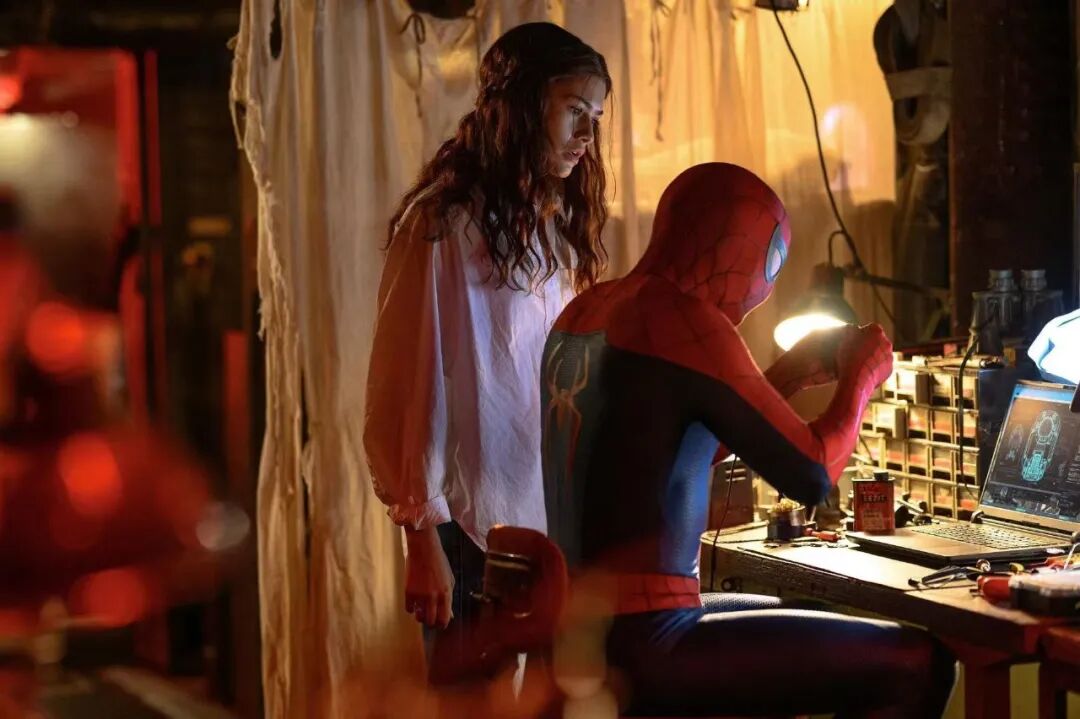
This sense of closeness has also continued from online to offline. During the promotion period, lead actors Tom Holland and Zendaya came to China hand in hand for the first time, and were encountered by netizens all the way in Shanghai. At the creator meeting, the two learned to say the Chinese phrase "I love you" on the spot, expressing their sincere affection to Chinese audiences, continuously strengthening Spider-Man's "neighborhood" persona.
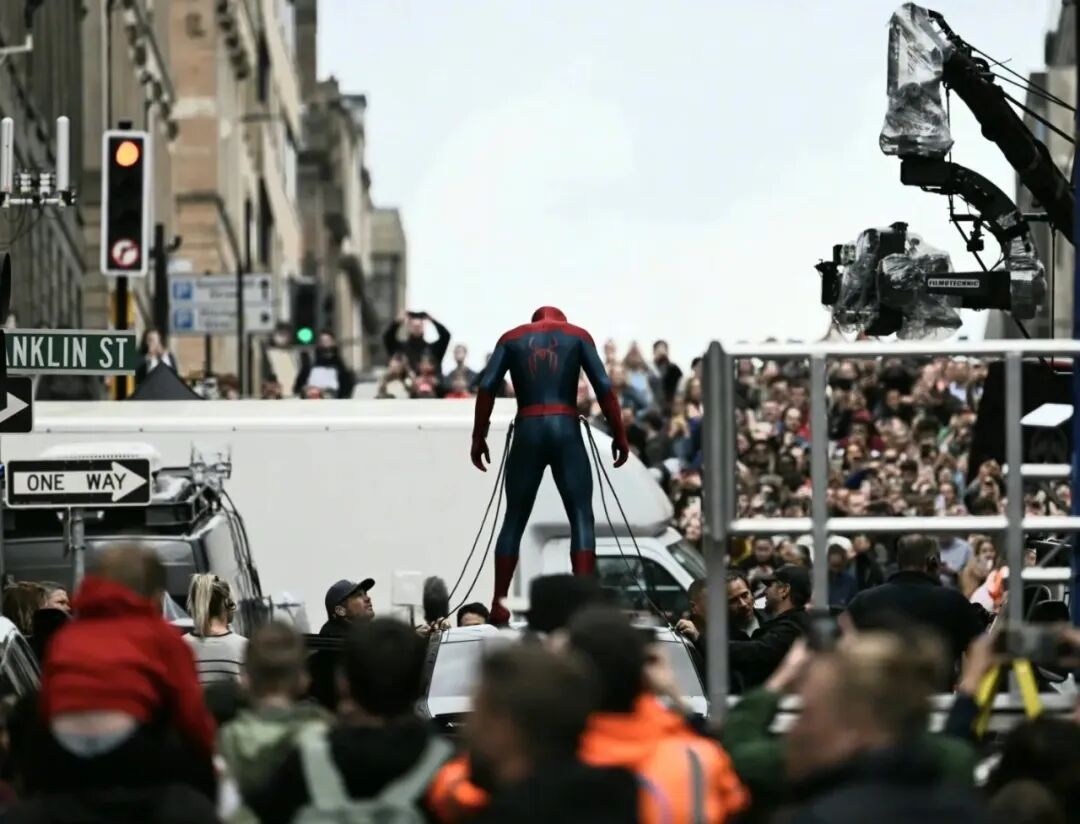
During the filming period, the studio also broke Marvel's traditional full confidentiality rule, directly blocking streets for real-scene shooting. Onlookers took pictures of the scene, and a large number of "leaked behind-the-scenes masterpieces" emerged on social platforms, making the film gain a lot of anticipation before its release.
In fact, this round of persona restart was not a last-minute decision. Director Destin Daniel Cretton once revealed in an overseas interview earlier that as early as before the filming of the film, Kevin Feige, president of Marvel Studios, Sony executive Amy Pascal and lead actor Tom Holland reached a consensus that they would "make something different" in this installment.
In terms of commercial planning, Sony and Marvel obviously also intend to carry out systematic adjustment of the Spider-Man IP. The two sides clearly positioned this film as the starting point of the new Tom Holland Spider-Man trilogy. Tom Rothman, CEO of Sony Pictures, also confirmed at the same time that Sony is pushing forward the full restart of the "Spider-Man Universe", and derivative characters such as Venom and Morbius will also be reintegrated into the main narrative in the future.
This means that Brand New Day is not only a narrative reset at the character level, but also a systematic reorganization of the commercial structure of the Spider-Man IP by Sony and Marvel.
Cosmic Hero and Street Neighbor: The Change and Constancy of Superhero IPs
Looking back at the Tom Holland version of the Spider-Man trilogy, you will find that Marvel has been adjusting its story strategies according to market changes.
In 2015, Sony and Marvel reached a cooperation, and Spider-Man returned to the MCU, but the audience had already watched the Spider-Man story twice. How to avoid repetition and tell a new origin story well at the same time became the most direct challenge in front of director Jon Watts. In an interview with Sony, he said bluntly: "I want to make a Peter Parker that the audience has never seen before."
At that time, the Marvel Cinematic Universe was at its peak. Spider-Man made his debut in Captain America: Civil War the previous year, and was called "Underoos" by Tony Stark.
Therefore, in the standalone film, the film introduced a large number of new elements, such as the "father-son bond" with Iron Man, and Tony played the role of a "father" for Spider-Man all the way: he upgraded his suit, taught him the principles of being a hero, and the film was like a "superhero coming-of-age story".
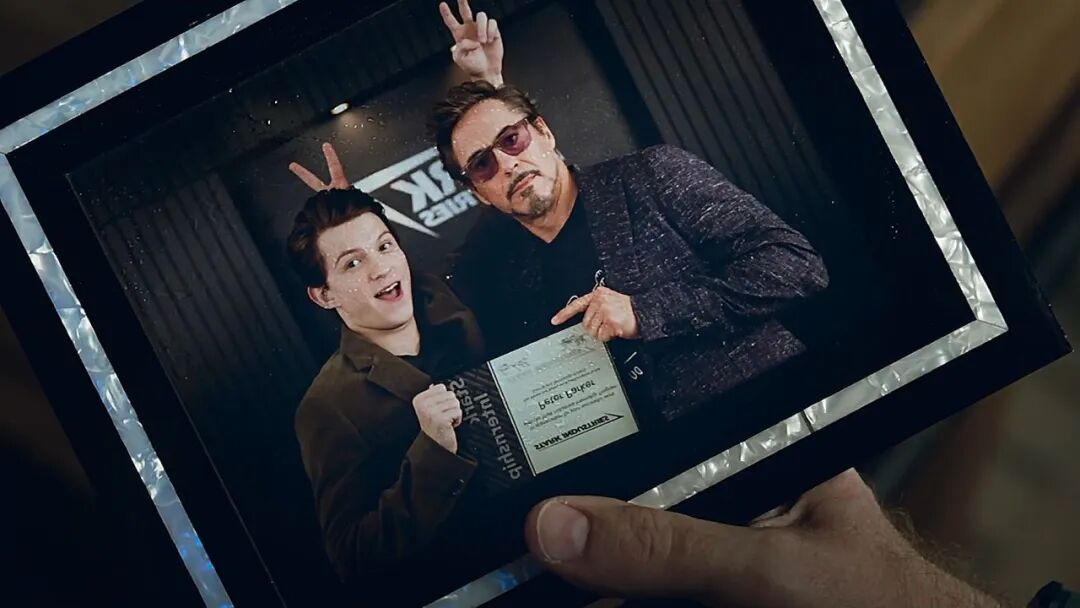
At the Beijing premiere in 2017, Iron Man's high-tech suit appeared at the scene, appearing on the same stage with Spider-Man, showing the "father and son on the same screen". This "father-son bond" setting also allowed the audience to quickly accept this new version.
Spider-Man takes on a younger perspective closer to ordinary audiences among many veteran heroes. His greenness and impulsiveness also add a narrative dimension of teenage growth to the Avengers universe.
When filming the second installment Spider-Man: Far From Home, Iron Man had just sacrificed in Avengers: Endgame, and the audience's emotions were still immersed in the aftershock of losing Tony. This installment naturally pushed Spider-Man to the forefront. The glasses left by Iron Man and the exhortation "Heavy is the head that wears the crown" made the whole film more like the epilogue of Endgame, and it undertook the important task of helping the MCU complete the intergenerational handover.
Kevin Feige, president and chief creative officer of Marvel Studios, also emphasized many times during the film's promotion: "Far From Home is an important continuation of the MCU storyline after Endgame."
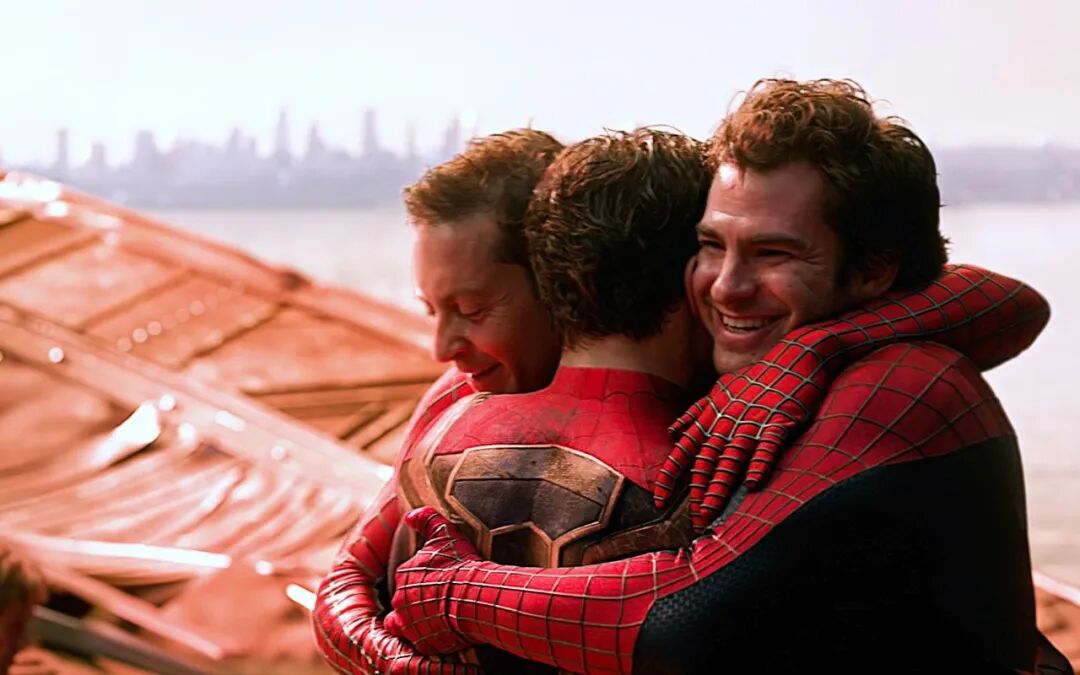
When it comes to Spider-Man: No Way Home, Marvel pushed the audience's intergenerational nostalgia to the peak. The previous two generations of Spider-Man, Tobey Maguire and Andrew Garfield, each carry the youthful memories of audiences of different generations.
Details echo everywhere. Ryan Meinerding, head of visual development at Marvel Studios, once revealed: "In this installment, Spider-Man's suit is a classic red and blue suit, and the spider pattern is a bit more mature — more or less influenced by the spider patterns on the suits of the previous two generations."
The century meeting of three generations on the same screen once helped the film gross 1.921 billion US dollars worldwide, ranking sixth in film history. Sony directly attributed the substantial increase in operating profit in the third quarter (a year-on-year increase of 32%) to this film in its financial report, and claimed that the profit increase of the film business in this quarter exceeded seven times.
However, this strategy also left some hidden dangers. Some people criticized that Tom Holland's version of Spider-Man "relies too much on Stark's technology from Iron Man". From nano-suits to AI assistance, the equipment is continuously upgraded, and the battlefield extends all the way from the streets of New York to space. While he is becoming more and more like a "cosmic hero", he is also getting farther and farther away from the "neighborhood hero".
By the fourth installment Spider-Man: Brand New Day, the market environment has changed, and the audience needs fresh aesthetic stimulation. As a result, Spider-Man returned from a "cosmic hero" to a "street hero".
The most original persona carries the initial emotional memory and also makes a good start for retelling the story. For example, the film introduces characters such as Punisher, and further strengthens Spider-Man's "neighborhood" background under the "no-kill principle" through the conflict between him and Spider-Man in the concept of fighting crime.
In the film, Ned, a good friend, developed a "Spider Tracker" App, claiming that it can track Spider-Man's movements in real time; in reality, Sony Pictures cooperated with Samsung to launch the interactive website SpideyTracker.com, where fans can view Spider-Man's offline activities around the world on the map, and unlock exclusive wallpapers, stickers, emojis and other contents for the film. You can even find hidden easter eggs through Google Street View, and the website also has a built-in real-time social media information flow.
And the gameplay of the "IP Universe" is also continuing. The animated film Spider-Man: Across the Spider-Verse introduced more than 200 Spider-Men from the parallel universe in one go: Spider-Woman, Spider-Man Noir, even Spider-Cat and Spider-Rex. The latest animated film Spider-Man: Beyond the Spider-Verse is also scheduled to be released next June.
Long-term Operation Requires Both Flexibility and Determination
Ten years ago, the "Marvel IP Universe" was an IP business model that many Chinese IP companies learned from or benchmarked against, and many content creators were also learning this creation method and productization idea.
For example, director Wuershan once said that the highly concentrated Chinese mythological character system in Fengshen Yanyi is very similar to "an organization of the Avengers", and he hopes to create China's own mythological epic through the Fengshen Trilogy. The "New Gods" series of Light Chaser Animation also shows the idea of "independent sub-lines that finally converge" in its model.
But many times, there are still immature aspects in the sustainability of films, the coordination of derivative development, and the formation of a unified experience loop for IP content across different media. Over the years, the MCU itself has also encountered some market challenges, such as how to continue the story to cope with the audience's aesthetic fatigue; how to smoothly transition the actor replacement stage, and complete the continuation and handover of the fan base, and so on.
And Spider-Man 4 has proved to the market at some levels that long-term IP operation will inevitably encounter bottlenecks, but respecting the core of the character while flexibly adjusting the narrative and commercial strategies is the key for IP to cross cycles.
Looking at the four Spider-Man films, the average production cost is similar, but as the box office goes up all the way, the rate of return is getting higher and higher. The reputation is also steadily rising. The Rotten Tomatoes Popcorn Score of the four films has always remained above 90%, and the latest one even reached a high score of 98%.
On the streaming media side, as early as April 2021, Disney signed a long-term content licensing agreement with Sony to introduce the Spider-Man series into platforms such as Disney+ and Hulu. The Holland version of Spider-Man continues to amplify the commercial value of this IP through differentiated positioning, MCU linkage, and nostalgia strategies.
Of course, the MCU is still the key for Marvel IP to break through the circle, and more directions have been found now. From the easter egg at the end of Spider-Man 4, the mysterious planet floating over New York directly points to the multiverse crisis in Avengers 5, which is regarded by many audiences as a "key link connecting the past and the future".
This is also the consistent gameplay of Marvel IP films: each standalone work is independent, and accurately serves the next stage of the universe