Will BYD overtake Toyota as early as 2030?
"Even if it cannot enter the U.S. market, BYD is still expected to overtake Toyota to become the world's number one automaker within five years."
This statement was made by Li Ke, Executive Vice President and Head of Overseas Business of BYD, in an interview with European media in mid-July.
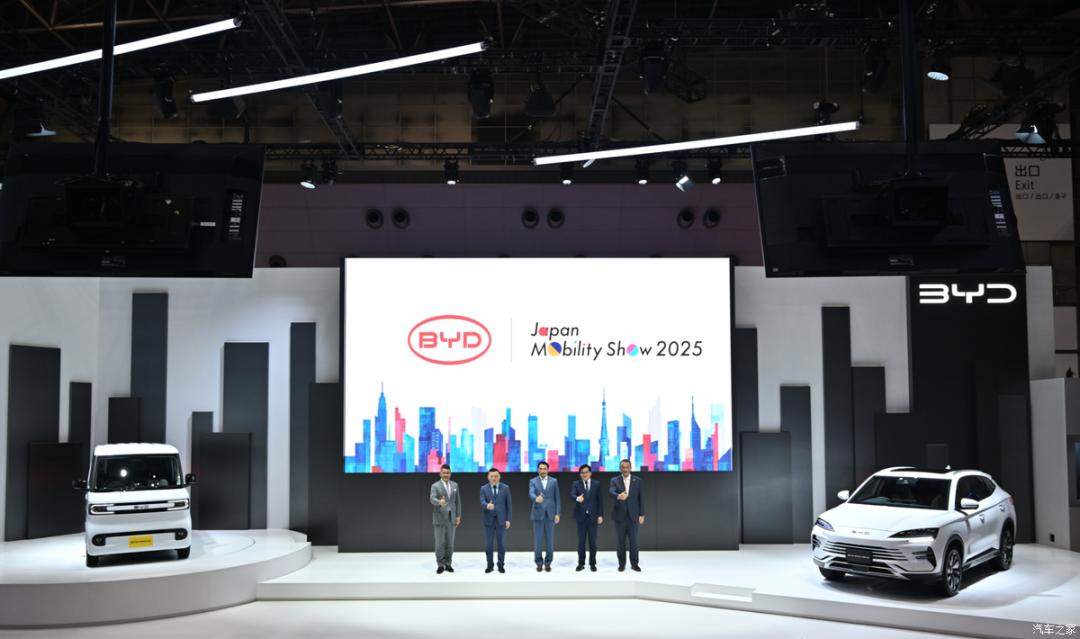
In an NHK program also broadcast in mid-July, Akio Toyoda, Chairman of Toyota Motor, stated that "the arrogant attitude towards Chinese competitors within the company must stop". Even a Toyota engineer believes that Toyota Motor is "losing to China".
What seems paradoxical is that the "anxious" Toyota sold 5.423 million vehicles in the first half of 2026, with only a slight year-on-year drop of 2.1%. It is worth noting that in the same period of 2025, it just achieved a 7.4% year-on-year surge and hit an all-time high sales record.
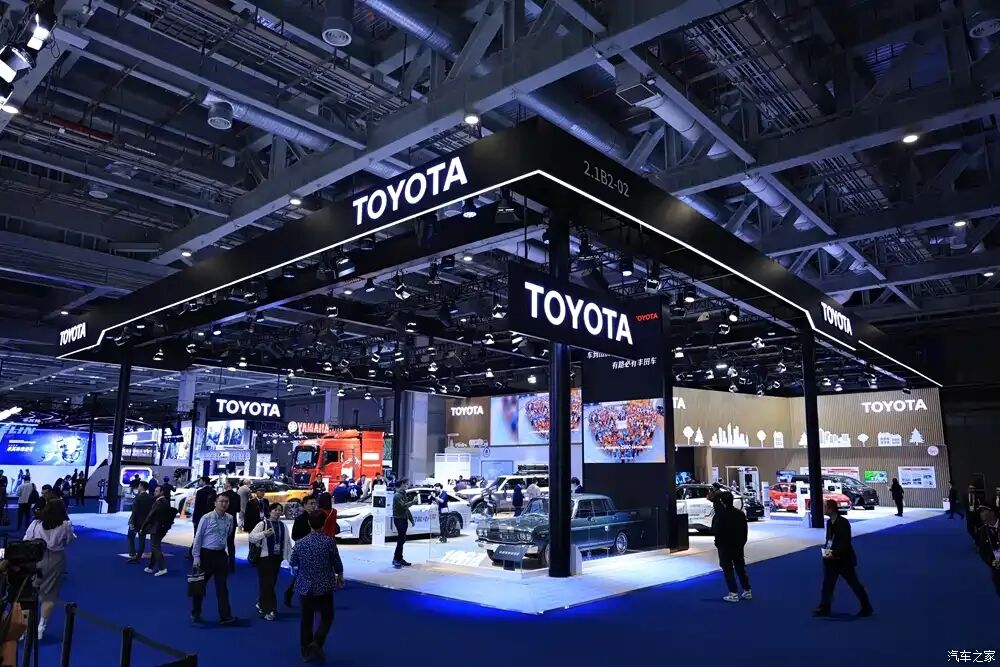
Meanwhile, the "confident" BYD recorded global sales of 1.8085 million vehicles in the first half of 2026, down 15.7% year-on-year.
With a smaller scale and a larger decline, why is BYD the more confident party? Why is Toyota so anxious? Is the handover of the global top spot in 2030 already a done deal?
Today we are going to talk about the competition between BYD and Toyota.
BYD: Advancing with Full Force
Since entering 2026, BYD seems to have hit a downward slope, and its sales are no longer skyrocketing as rapidly as before.
However, the decline in BYD's sales is limited to the domestic market, while its performance in overseas markets remains extremely strong!
In the first half of 2026, BYD exported 789,400 vehicles, surging by more than 70% year-on-year. The proportion of overseas sales in its total sales rose to 43.6%, compared with 23% in 2025 and only 10% in 2024.
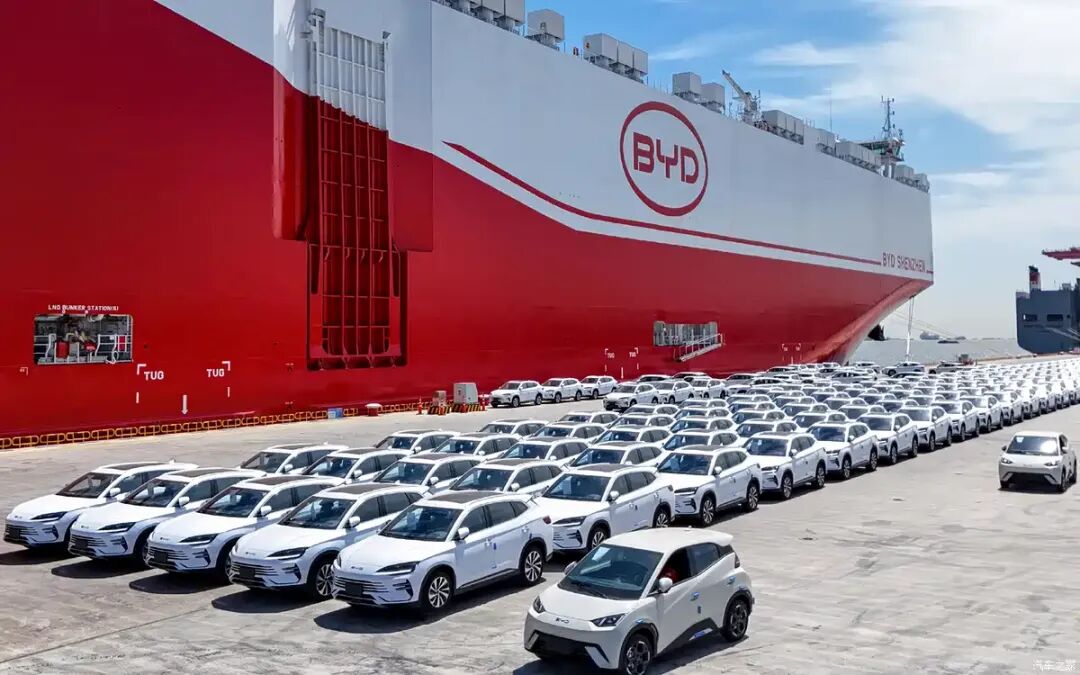
Among Chinese automotive brands, only Chery has a higher export volume than BYD.
Even with such a huge existing scale, BYD's overseas sales in June still exceeded 170,000 units, growing by more than 95% year-on-year. At the current growth pace, BYD's total export volume is likely to surpass Chery before the end of the year.
More importantly, BYD is continuously breaking into mature developed markets. In the first half of 2026, BYD's vehicle registrations in Europe reached 162,400 units, a sharp year-on-year increase of 136%. It achieved substantial growth in all core Western European countries such as Germany, Italy, and Spain.
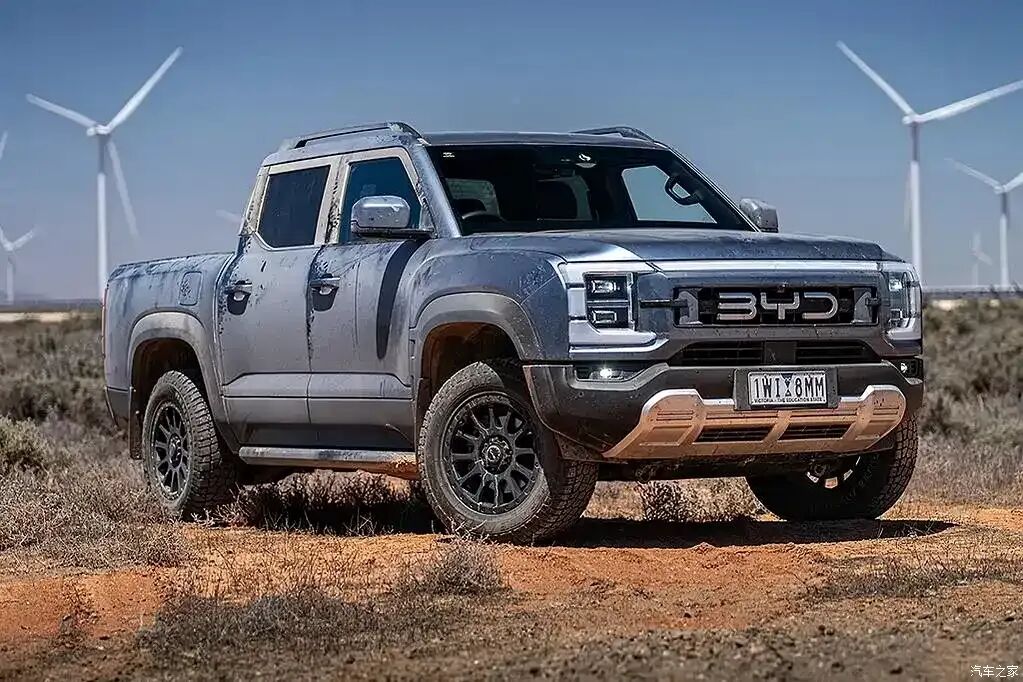
In the Australian market, BYD's sales have ranked second in the entire market, second only to Toyota.
What's more, BYD still has many strategic cards that have not been deployed in overseas markets. Its potential for growth in the global market is truly limitless.
Toyota: A Lonely Collapse?
In fact, Toyota started its efforts in electrification much earlier than Chinese enterprises.
At the end of the last century, Toyota launched the Prius hybrid vehicle, which remains the best-selling hybrid model in the world by cumulative sales to this day.
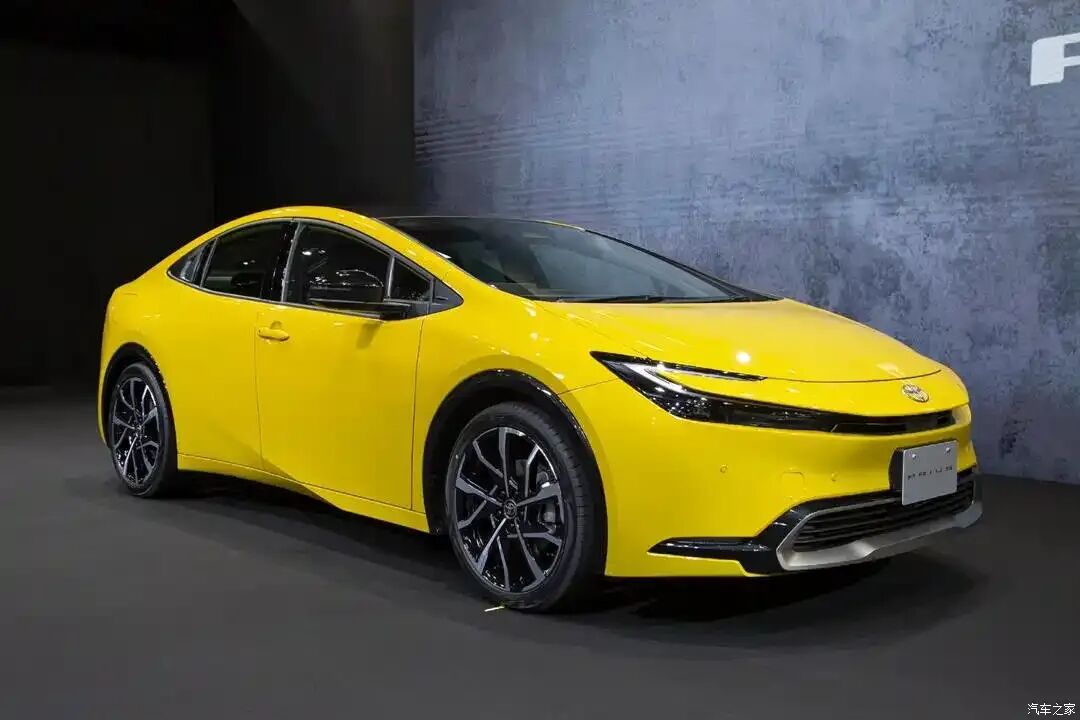
However, Toyota's electrification roadmap had long excluded plug-in hybrid and pure electric vehicles.
It is already 2026, and the 70-year-old Akio Toyoda still stated in June: "Seeing everyone shifting to electrification... I feel extremely lonely." Indeed, in the past few years, he is probably the only senior executive of an automaker who has been publicly opposing electric vehicles.
In the recent NHK program, Toyota engineers admitted that they are worried about the rapid development of Chinese enterprises, especially BYD. Some said that Chinese enterprises have rewritten the rules of the automotive manufacturing industry; others said that Toyota's outdated traditional model cannot cope with the current competition.
In terms of development rhythm, Toyota really cannot develop a new car in less than two years like Chinese automakers. More importantly, Toyota lacks sufficient genes for intelligent technology. Compared with Chinese enterprises, its in-vehicle infotainment systems and software ecosystems seem to be stuck in a bygone era, and its assisted driving functions in mass-produced vehicles also lag far behind those of leading Chinese players.
Even in 2025, pure electric and plug-in hybrid vehicles accounted for only just over 3% of Toyota's global total sales, which is lower than BYD's average monthly sales in the same period. In the Chinese market, its product competitiveness is even less impressive.
In 2022, Toyota launched the bZ4X, a pure electric model built on its self-developed e-TNGA architecture. However, the two versions of the model produced by Toyota's two Chinese joint ventures only sold 22,000 units in four years, before being completely discontinued later.
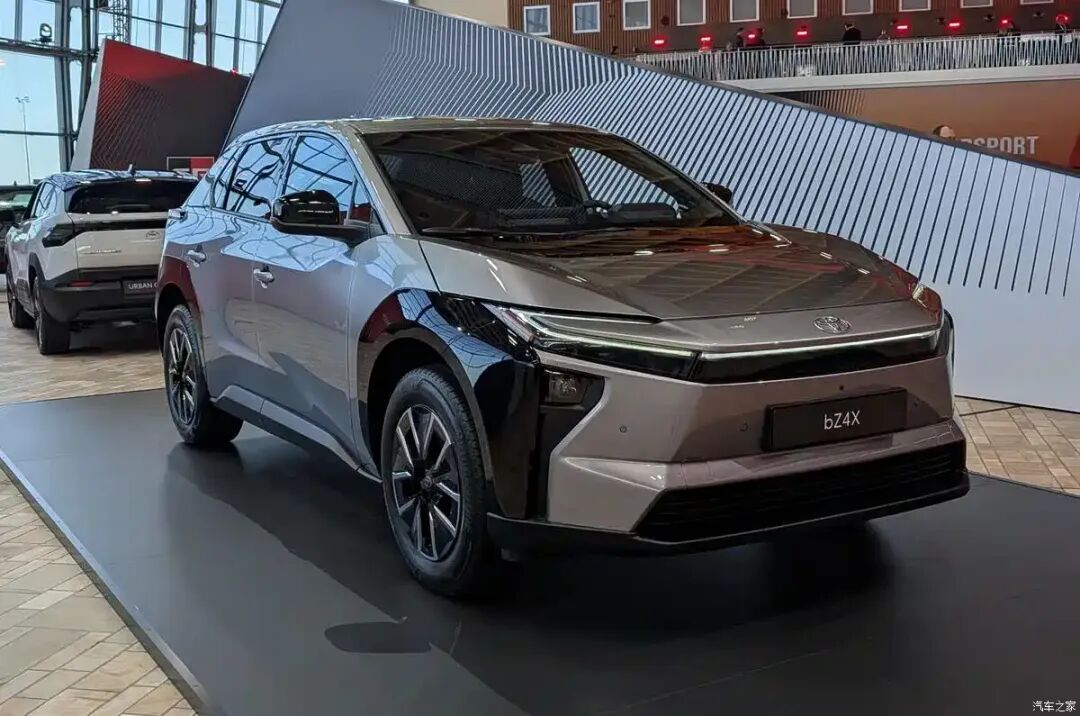
After that, Toyota first jointly developed the bZ3 with BYD, and later launched the bZ3X based on the GAC Aion V platform. The GAC Toyota bZ7 launched in 2026 is even equipped with Huawei's HarmonyOS in-vehicle system, Huawei's intelligent electric motor, and Momenta's assisted driving system.
In terms of intelligent electrification, Toyota seems to have "bowed" to Chinese technology. And the future of the automotive industry belongs to intelligent electrification.
Surpassing Is Never Easy
In 2020, the new energy penetration rate in China's automotive market was 5.4%, and BYD could not even rank among the top 10 automakers by sales. In 2025, this figure exceeded 50%, and BYD has firmly secured its position as the market champion.
If we exclude the Chinese market, the new energy penetration rate in the global automotive market just exceeded 10% in 2025, officially entering the growth stage from the introduction period, and the market diffusion rate is expected to accelerate significantly. As a leading market player, it seems reasonable for BYD to capture more market share in this industrial wave.
Is Toyota really going to be completely overtaken and eliminated by the rising star BYD? Not necessarily.
After all, automobiles and mobile phones are two completely different types of products.
Mobile phones and automobiles are not at the same level in terms of price, development cycle, and technical complexity. Therefore, the transformation of market leadership in the automotive industry will be much slower than that in the mobile phone market. More importantly, if your mobile phone breaks down, you just need to replace it; but if your car breaks down while you are driving, you may not have a second chance...
Therefore, after the rapid development period of intelligent electric technology, mechanical performance, quality, safety and other indicators will still be among the core evaluation dimensions of automotive products. And Toyota just enjoys a global reputation for its excellent performance in these aspects.
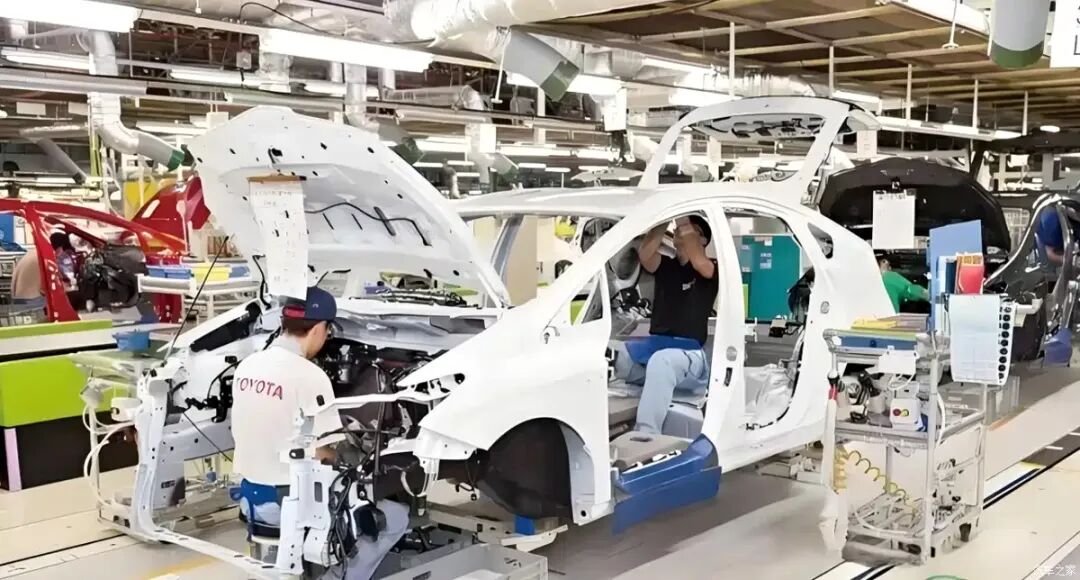
At the same time, due to the limited size of Japan's domestic market, Toyota began to pursue globalization shortly after it started automobile manufacturing, and has established a high-standard and complete industrial chain system in major global markets. More importantly, more than half a century of global development has enabled Toyota to build a mature modern management system.
These soft capabilities are exactly what Chinese enterprises like BYD lack.
Meanwhile, Toyota has not abandoned the pure electric and plug-in hybrid routes. It will launch 10 new pure electric models in 2026, and has established a wholly-owned R&D and production company in China for Lexus pure electric vehicles and batteries. If you can't beat them, learn from them in their home market.
As a rising star in the automotive industry, it is not easy for BYD to overtake Toyota.
Conclusion
We admire BYD's courage and confidence, for daring to shout the slogan of surpassing its rival within 5 years when its market size is only one-third of that of its competitor.
"If a person has no dream, what's the difference from a salted fish". BYD has expressed its dream, and obviously made a lot of preparations for it.
But we also need to see that Toyota, which has reached its current position, has laid a very solid foundation in terms of quality, reputation, industrial chain, and systematic capabilities.
Cars are not mobile phones, and Toyota is not Nokia. But the general trend of intelligent electrification in the global automotive market remains unchanged, and BYD is standing at the forefront of this trend.
Is it really difficult for BYD to surpass Toyota in sales within 5 years?
This article is from the WeChat Official Account "Auto Market Story" (ID: autostinger), written by Yuzhe Zhang, and published with authorization from 36Kr.