50 yuan per jin, the price of jasmine has hit a record high. Is jasmine milk green tea going to raise its price?
The floodwaters in Hengzhou are receding, but jasmine prices keep surging higher.
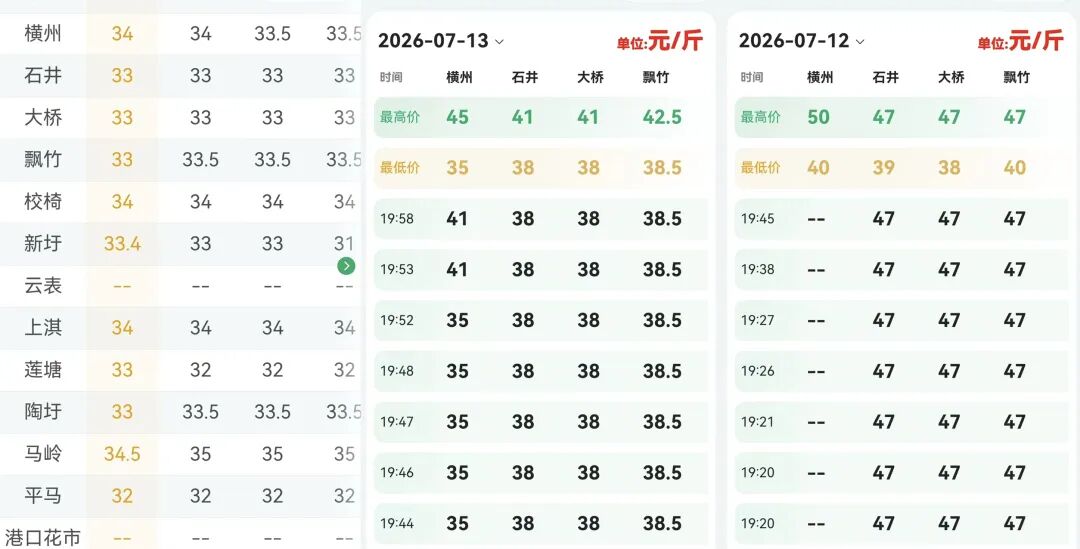
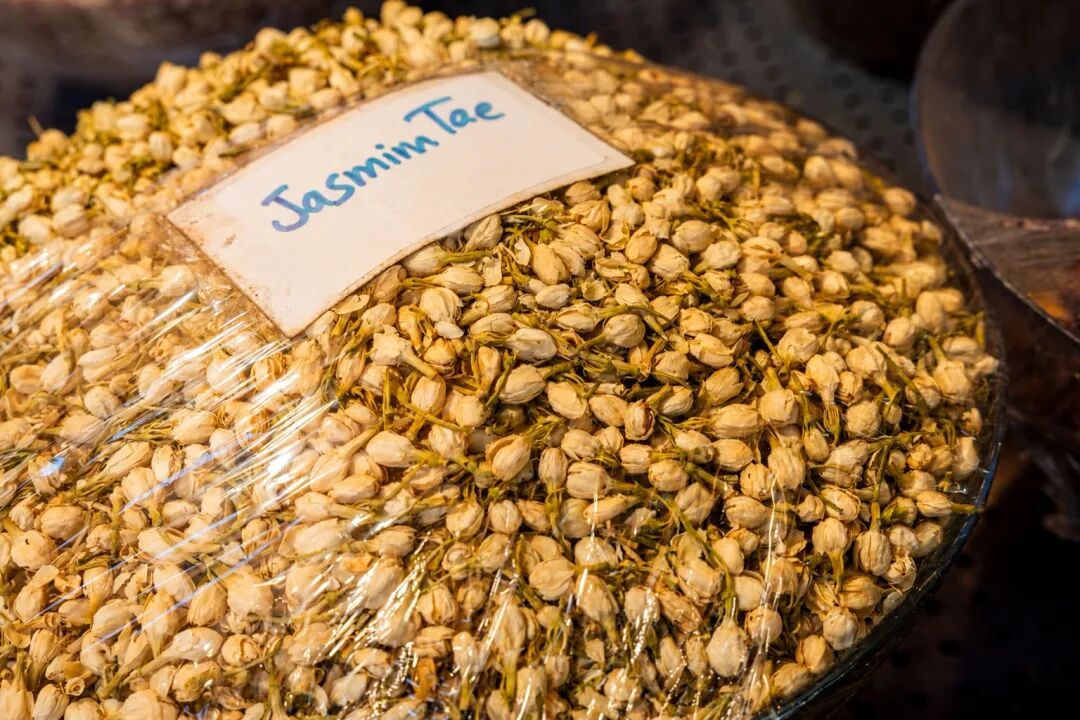
This week, the purchase price of Hengzhou jasmine flowers skyrocketed to 50 yuan per jin, hitting an all-time high. The market opened at 34 yuan yesterday, showing a slight dip but still remaining roughly 3 times the normal price level.
Some brands are offering a 10% price premium to snap up supplies, others have rushed tea leaves to Yunnan overnight for scent processing, and several outlets have already removed large-batch jasmine iced tea products from their shelves.
Will jasmine milk green tea see a price hike in the second half of the year?
80% of factories have not resumed production, jasmine prices surge to 50 yuan per jin
A single jasmine flower is now rippling through the entire tea beverage industry. ("The jasmine milk green tea you're drinking is soaked in water" — 150 brands' jasmine bases hit by disaster)
As stagnant floodwaters gradually receded, trading in the jasmine market resumed on July 8, but prices rebounded sharply right away.
The *Flower Price Update* released by Hengzhou City Integrated Media Center shows: prices climbed to 29.29 yuan per jin on July 9, rose to 34.44 yuan per jin on the 10th, hit 40 yuan per jin on the 12th, with the highest purchase price reaching 50 yuan per jin.
From 9-15 yuan per jin before the flood to 50 yuan per jin now, prices have roughly quadrupled in just a few days. Cai Wanhong, Party Secretary of Shijing Village, Xiaoyi Town, said, "This is the highest level ever recorded."
Behind the price surge lies a devastated jasmine industry chain facing severe supply-demand imbalance.
"Most tea factories are not operating. Some have just seen the water recede, others are still flooded, and affected sites are clearing silt one after another," said Wang Song, head of Guangxi Yixin Tea Industry, who estimated that at least 80% of factories in Hengzhou have not resumed work and production at present.
Even for unaffected factories, resuming operations is difficult. "Many of our workers' homes are in severely affected areas. In previous years, our production capacity reached 4,000 tons, but this year hitting 2,000 tons would be a good result," noted Han Gang, founder of Houtang Tea.
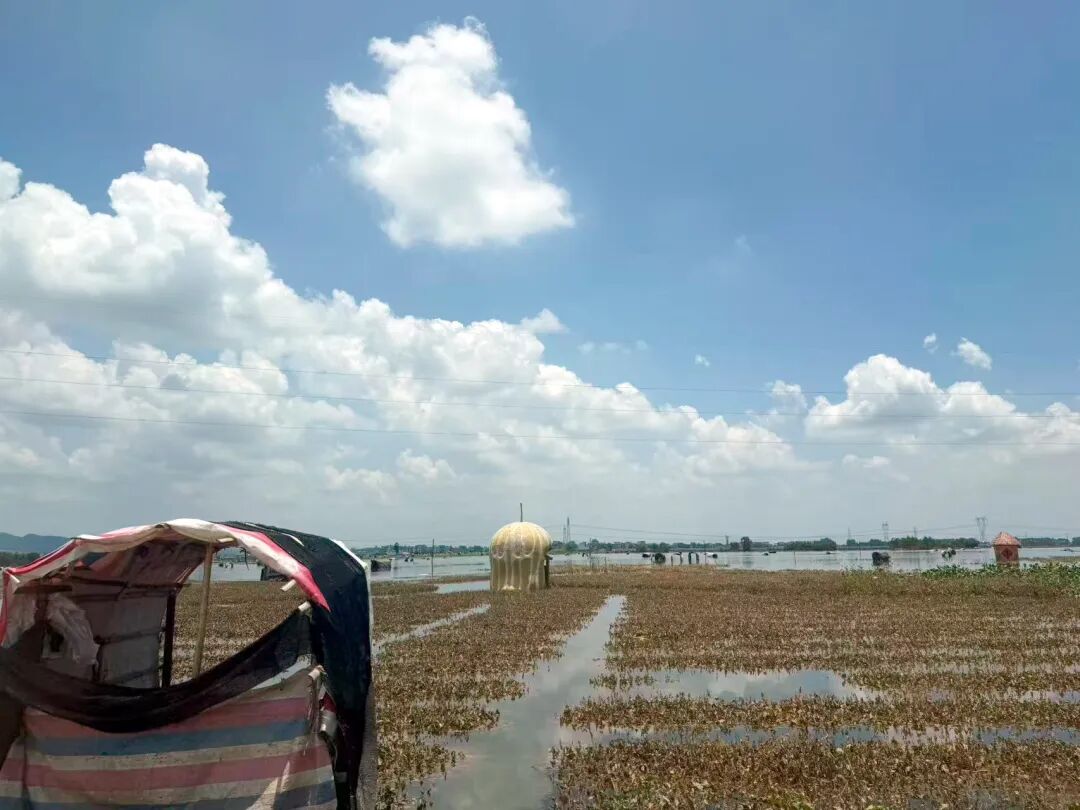
"The ordinary people are suffering the most. Based on estimates of the disaster scope, at least one-third of jasmine fields may be affected. Some plants have rotting roots; others where water receded early need all leaves pruned off, requiring at least half a month of recovery before new buds and flowers grow," Wang Song explained.
More worrying than rising jasmine prices is the lack of harvestable flowers and operational processing plants — the tea beverage industry, which relies heavily on jasmine green tea, now faces its worst-ever "supply disruption crisis"?
Some brands raise prices 10% to grab supplies, small brands lose money on every cup sold
The sharp spike in jasmine flower prices has directly transmitted through the tea beverage supply chain.
A local industry insider told me: "The supply chains of several major brands have suffered the heaviest losses. Their warehouses were flooded, with tea losses amounting to at least tens of millions of yuan."
"Yesterday, a customer voluntarily offered a 10% price increase to rush for stock." Even more worrying is that most factories are still not back in operation, and paying a premium does not guarantee you can actually buy tea.
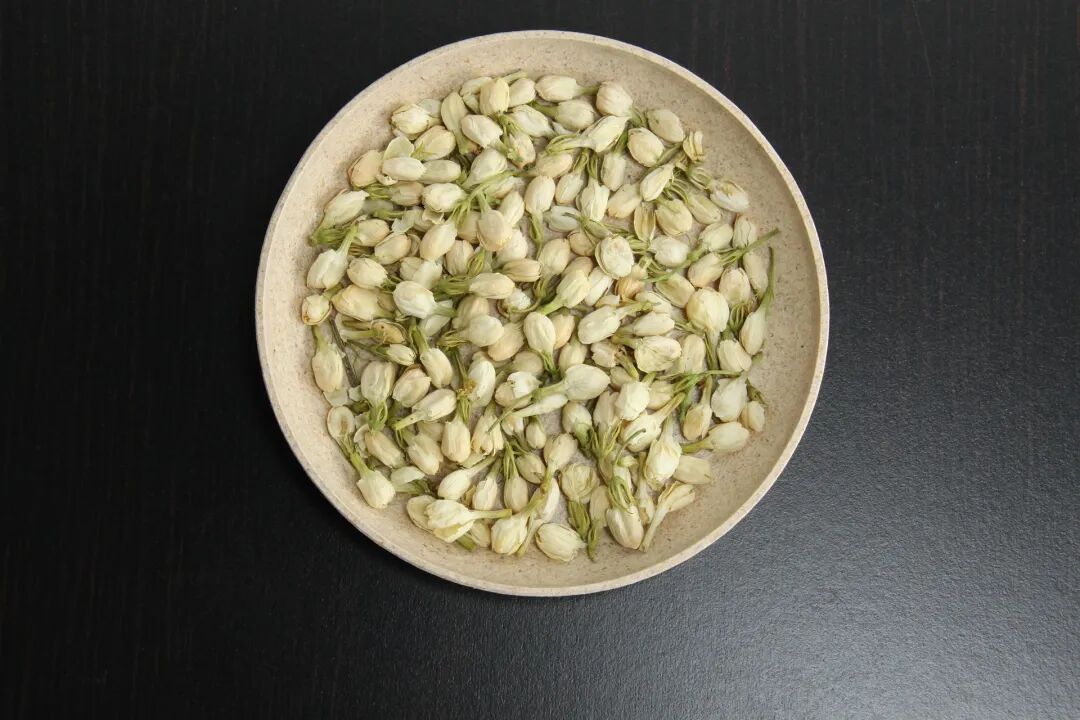
Some brands have already transported tea leaves to Yunnan overnight, using Yunnan-grown jasmine to meet their urgent needs. However, multiple industry insiders told me that Hengzhou jasmine has a rich, distinctive aroma that differs from flowers produced in other regions, making it impossible to fully replace.
"Brands are already fighting fiercely over costs, and now with this crisis at their doorstep, the entire industry is struggling," one operator of a thousand-store chain lamented helplessly.
Small and medium-sized brands are the most severely impacted.
"Our products haven't raised prices yet, but costs have already gone up, we're almost losing money on every bottle sold," said a local jasmine tea shop owner in Hengzhou.
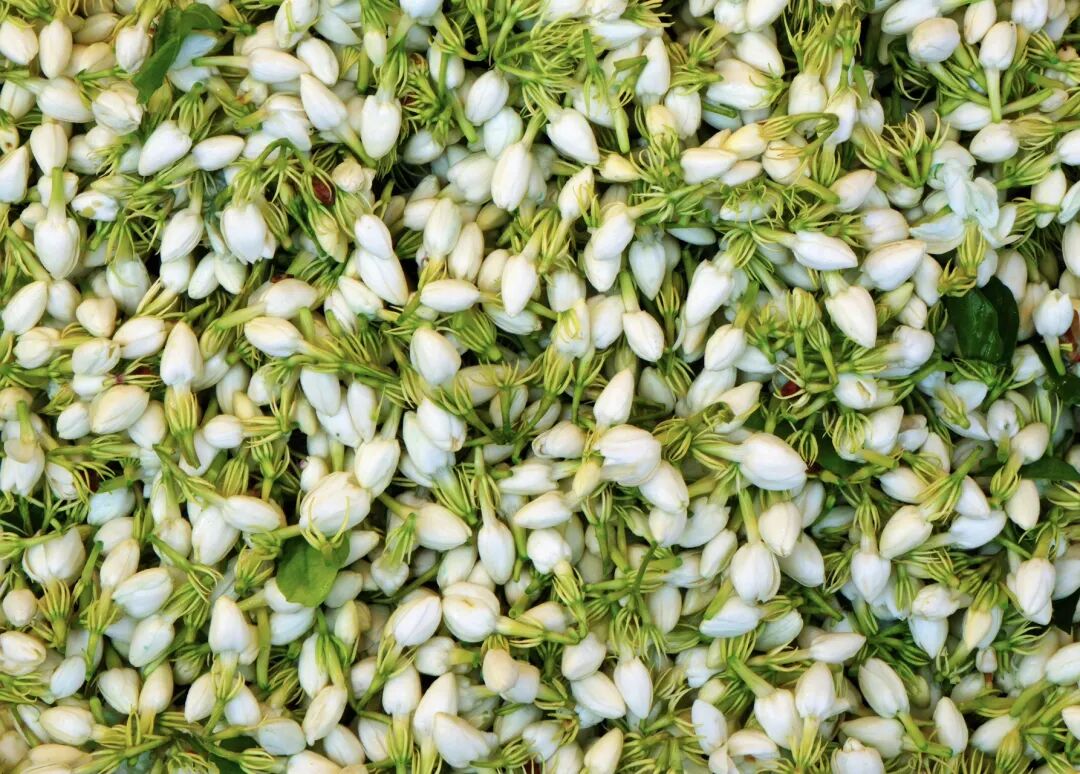
According to reports from Blue Whale News: this shop's signature product is jasmine flower water, made using a low-temperature cold brew process that requires over 300 fresh jasmine blossoms per bottle, with very high standards for flower quality.
Most small brands do not have self-built warehouses, and their purchasing operates on a monthly rolling schedule, so once upstream suppliers raise quotes, their costs rise immediately.
Another jasmine tea shop has stopped selling 1-liter large-capacity jasmine tea. "We're still using inventory from June right now. New flowers are too expensive — making 1-liter drinks would be a losing proposition we simply can't sustain."
Current inventories can last 1-3 months, but "long-term impacts will be very significant"
"We didn't stockpile extra, but our supplier has guaranteed no price increases for at least the next 6 months," revealed Fan Chengyu, founder of Momo South Road.
Dai Jianbo, head of R&D at Bingliwang, stated that their existing stock will last until September or October.
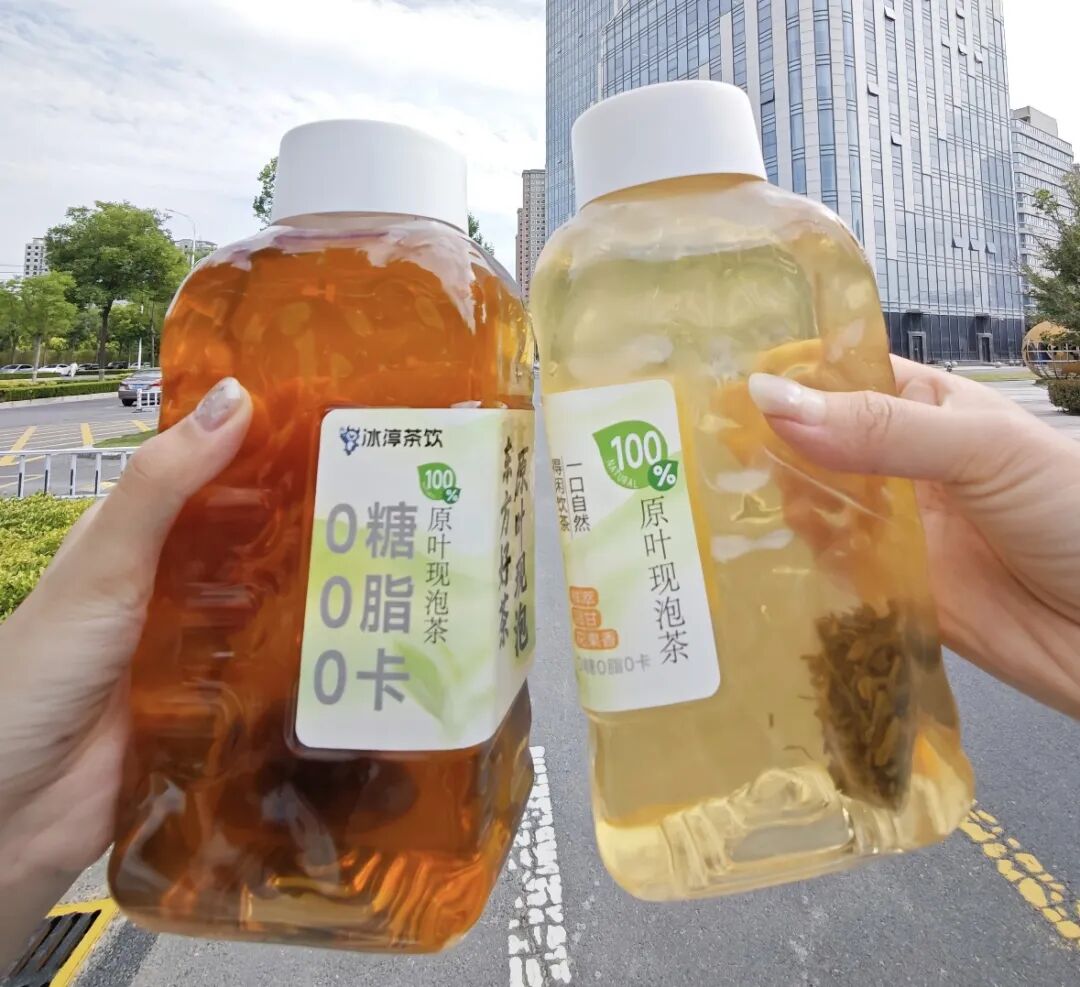
"The impact is minimal for now, the inventory we stockpiled earlier can support us for at least 2 months," Wang Jing, deputy general manager of Bingchun Tea Beverage, a brand focused on jasmine milk green tea, told me.
Lü Zhiwei, founder of Lü Xiaoge, said: "The supply we've locked in will carry us roughly to the end of the year, and it would be even better if we can make it to the April flowering season next year."
I surveyed more than a dozen chain brands: apart from a few that are urgently allocating supplies, most chain brands have self-built warehouses, with stockpiles that can last between 1-3 months, and some brands have reserves sufficient for 5-6 months.
Most brands responded uniformly: "there will be no adjustments to terminal product prices in the short term."
Han Gang explained why brands are not panicking yet: most factories in Hengzhou hold 1-3 months of inventory, which they are currently using to fulfill orders, and most have not raised prices yet.
"There's no short-term impact on the industry, but the long-term projected impact will be very substantial."
The real test will come in 2 months. Wang Song from Yixin Tea Industry said: "The day before yesterday we purchased several thousand jin of fresh flowers at 45 yuan per jin, both to reduce losses for flower farmers and give workers income — it's our corporate responsibility, but the cost of this batch will at least double after leaving the factory, we lose money on every jin we buy."
Some brands have tried using gardenia flowers as an alternative for scent processing, but senior R&D staff bluntly stated that this is "a drop in the bucket and far from a real solution."
Ba Wang Cha Ji's Boya Juexian, Gu Ming's Yunling Jasmine White, Luckin Coffee's Jasmine Latte, Mixue Ice City's Jasmine Milk Green, and Starbucks' newly launched "Shaken Iced Tea" series all use Hengzhou jasmine flowers.
It's fair to say that in the tea beverage industry, the distinctive taste profile of jasmine is nearly irreplaceable.
"No quality reduction, no price hike" — the moment to test supply chain resilience has arrived
The ripple effects of this jasmine price storm will only become fully apparent in 2 months' time.
In the second half of the year, the supply chain resilience of every major brand will be put to the test. Any brand that can stably serve a cup of "authentic jasmine milk green tea" without cutting quality or raising prices will gain a leading edge in the market competition.
This is not the first time Hengzhou jasmine has seen price volatility — prices once surged to around 30 yuan in 2024, and this natural disaster has pushed them even higher to 50 yuan.
Looking at the bigger picture, this situation exposes the entire tea beverage industry's heavy over-reliance on a single production region. Hengzhou alone supplies 80% of China's total jasmine demand. While this concentration brings scale benefits and cost advantages, it also means any natural disaster can easily trigger systemic industry-wide risks.
At the moment, rescue and recovery efforts are still underway in Hengzhou, and lightly flooded jasmine fields have begun post-disaster maintenance. Flower farmers are clearing silt, pruning plants, and disinfecting fields, waiting for the next bloom of jasmine flowers.
For the tea beverage industry, rebuilding a more robust supply chain system in the wake of this crisis will be a far more critical task than just dealing with the current price surge.
This article originates from WeChat Official Account "Kamen" (ID: KamenClub), written by Guojun, republished by 36Kr with authorization.