The "Whole Icy Snow Mountain" coffee has gone viral: half a cup of espresso, half a cup of smoothie, and Grid has launched another hit product
This year, the coffee industry has finally begun to seriously explore the potential of "ice".
Last year, brands competed over coffee beans, milk varieties, and flavor profiles. This year, the focus has suddenly shifted to ice: full ice with no extra water, diamond ice, soccer-ball-shaped ice, tea-infused ice, coffee granita...
Ice has gradually evolved from a default, overlooked supporting element to one of the most critical experience components of a coffee beverage.
This Year's Coffee Offerings Are Putting Serious Thought Into "Ice"
While browsing social media recently, it's hard to miss this new launch from Grid Coffee.
The cup is heaped to the brim with snowy, creamy butter milk granita, with a hint of dark espresso peeking out from beneath. From a distance, it barely looks like coffee — it resembles an iced milk dessert that someone has tucked into a coffee cup.
Grid Coffee officially names it "Espresso Cappuccino Greek Frost".
Its inspiration comes from the classic Greek coffees Frappé and Freddo Cappuccino: the former contributes the rich depth of espresso, the latter brings the light, airy texture of milk foam, and Grid added the most essential element for this summer — granita.
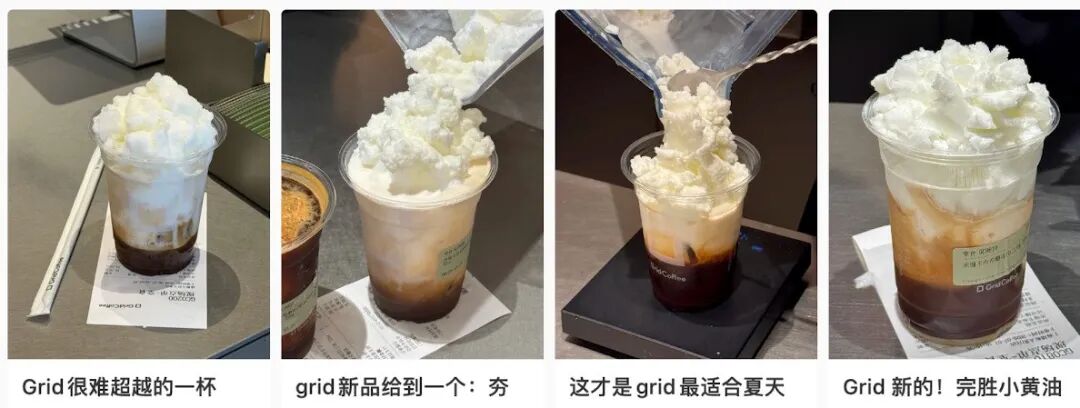
The biggest difference from traditional iced coffee is that this beverage is not designed to deliver its best flavor on the very first sip.
When freshly prepared, the top layer is a fluffy, dense butter milk granita, and the bottom holds Yirgacheffe espresso, with a clear boundary between the two, as if two separate drinks are stacked together.
As the granita slowly melts and you stir it evenly before drinking, it won't turn watery like regular ice cubes as you sip. Instead, it gradually releases the aroma of milk and butter, gently wrapping the once-sharp espresso in a smooth, mellow layer.
The rich bitterness of coffee, the softness of milk, and the refreshing coolness from the granita keep evolving over more than ten minutes.

One consumer described it: "Before the granita in my mouth has fully dissolved, the aroma of espresso has already caught up." Another netizen commented: "It has a rich milk flavor, yet feels incredibly light."
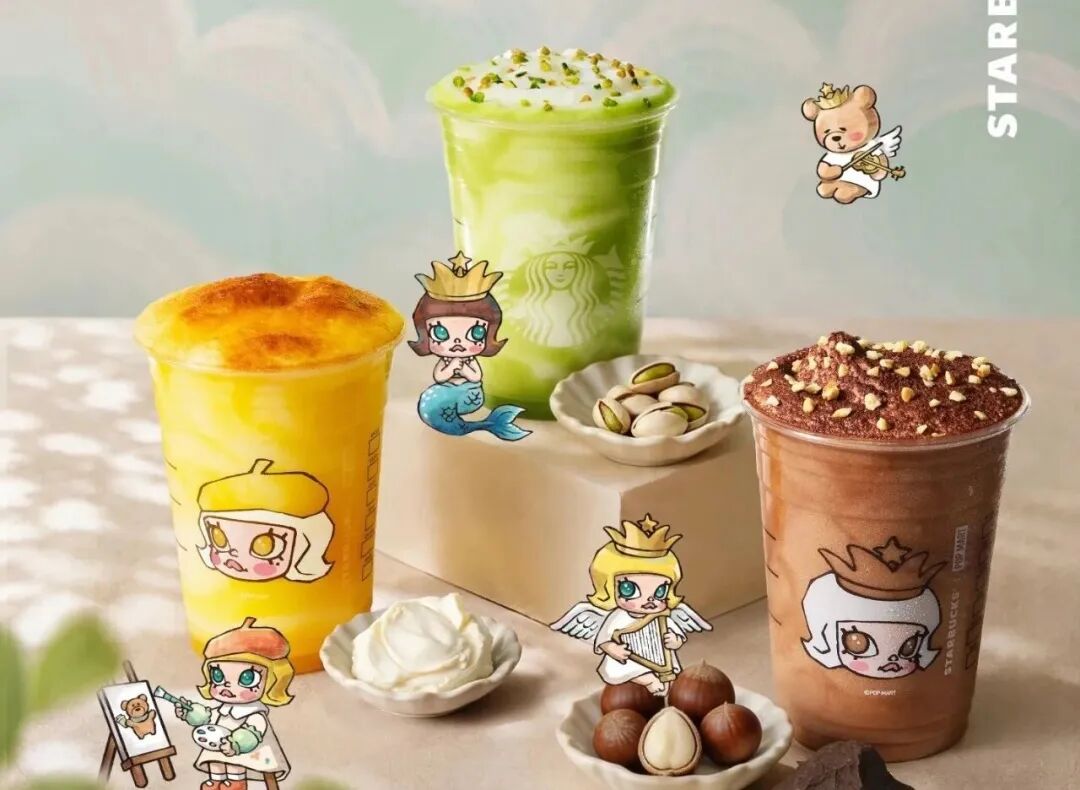
A similar product logic appears in Starbucks' recently launched Soft Snow Frappuccino.
It also does not treat "ice" merely as a cooling tool. Instead, with a dense texture close to Gelato, it transforms the iced drink into a semi-solid dessert that can be both sipped and scooped, making "ice" itself the core of the product's mouthfeel.
This year's iced coffee no longer seems to demand that you "finish it while the ice is still solid". Instead, it has begun to turn the melting process of ice into part of the overall experience.
From Full Ice No Water to Coffee Granita, Innovation Has Shifted Its Focus to "Ice"
If we turn back the clock two years, few people would have seriously discussed the ice in a cup of coffee.
Even when it was occasionally mentioned, the conversation mostly stayed on "what to do if the ice cubes melt too fast". In a beverage, the sole purpose of ice cubes was simply to lower the temperature.
But this summer, things are changing: "Ice" is becoming a new entry point for innovation in the industry.
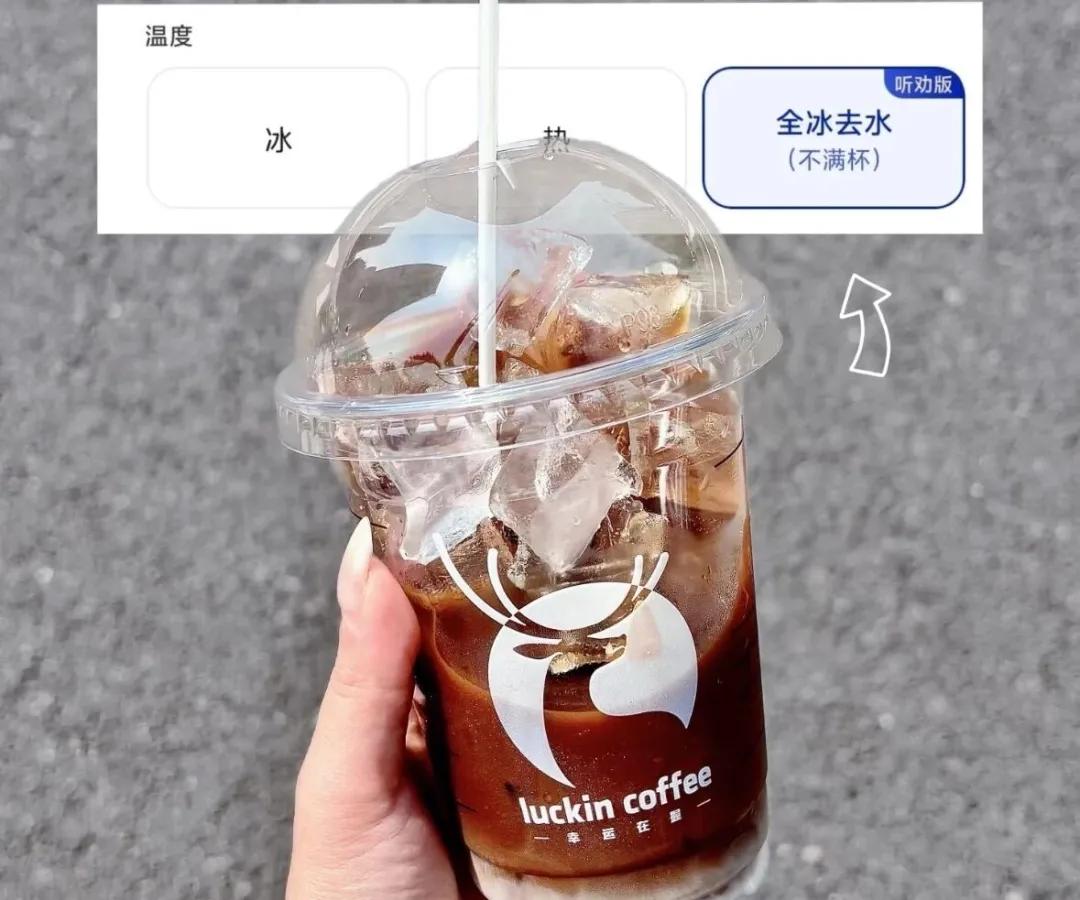
Luckin Coffee officially added the internet-famous "full ice with no extra water" option to its menu; Cotti and Manner quickly followed suit; even "diamond ice", an ice cube shape that no one used to pay attention to, sparked widespread discussions on social platforms.
At the same time, more and more brands are starting to let ice itself take on the role of flavor delivery.
Wuhan-based brand Zha Cha freezes brewed tea directly into tea ice, aiming to solve the long-standing problem of beverages becoming weaker as you drink; as the tea ice melts, the tea aroma continues to release instead of fading.
During the World Cup, Bluestar even created soccer-ball-shaped ice spheres. As the spheres slowly melt, the coffee liquid is gradually released, allowing a single ice sphere to carry both flavor depth and social discussion value.
Nayuki's recently launched "Ice Brick Coffee", which is made by freezing espresso into solid ice blocks, became an instant hit upon release, with over 200 cups sold per store on average daily.
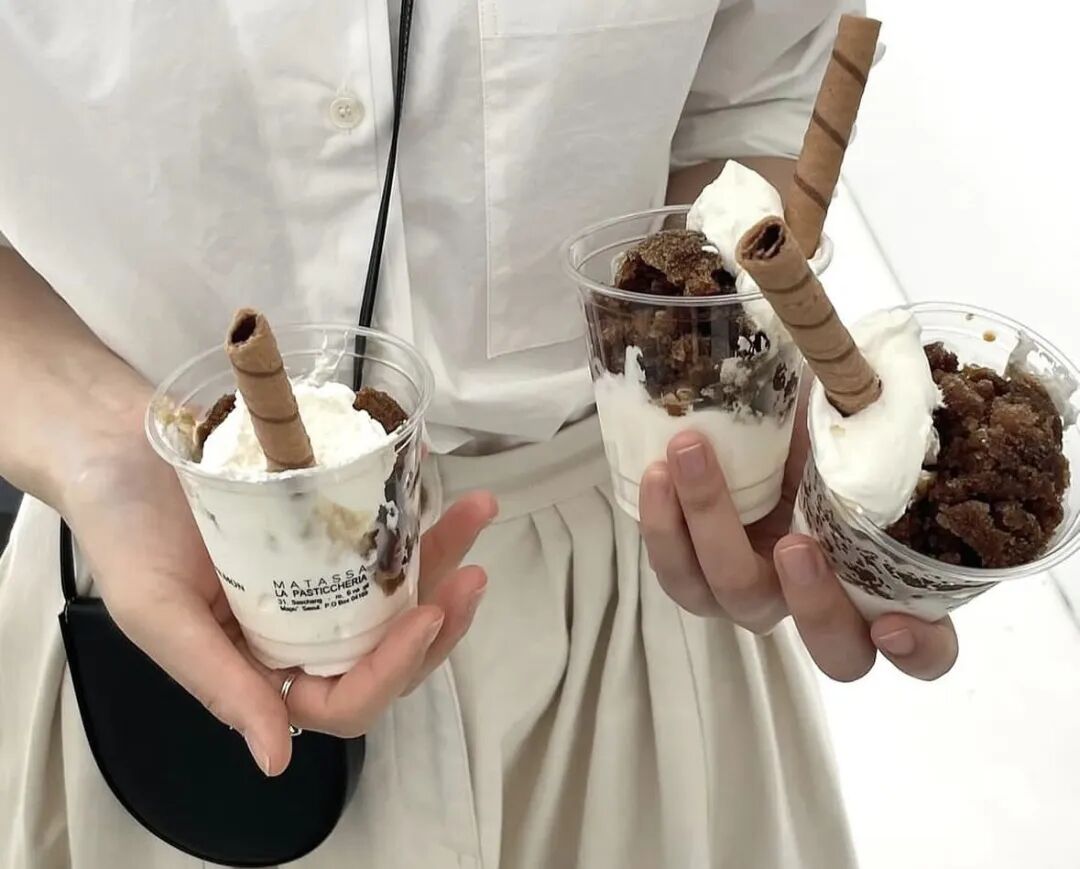
Espresso Granita from Korean café Matassa also directly freezes espresso into granita, which is layered over milk or cream. As the granita melts little by little and seeps into the milk, the entire beverage keeps changing its flavor profile.
Grid's Greek Frost drink essentially follows this same creative line of thinking. In the past, brands focused on "what to add to coffee", but this year more and more brands are starting to consider "what to turn coffee into when frozen".
After all, in the scorching summer, an iced coffee that cools you down and quenches your thirst is now only the most basic requirement.
When "ice" is no longer just a cooling tool, but starts to influence the flavor, texture, and drinking pace of a beverage, it transforms from a supporting role into an integral part of new product innovation.
This article is from the WeChat public account "Kamen" (ID: KamenClub), authored by Kamen, and published with authorization from 36Kr.