Smaller beverage and snack portions are just the new norm for players like Zhao Yiming.
1
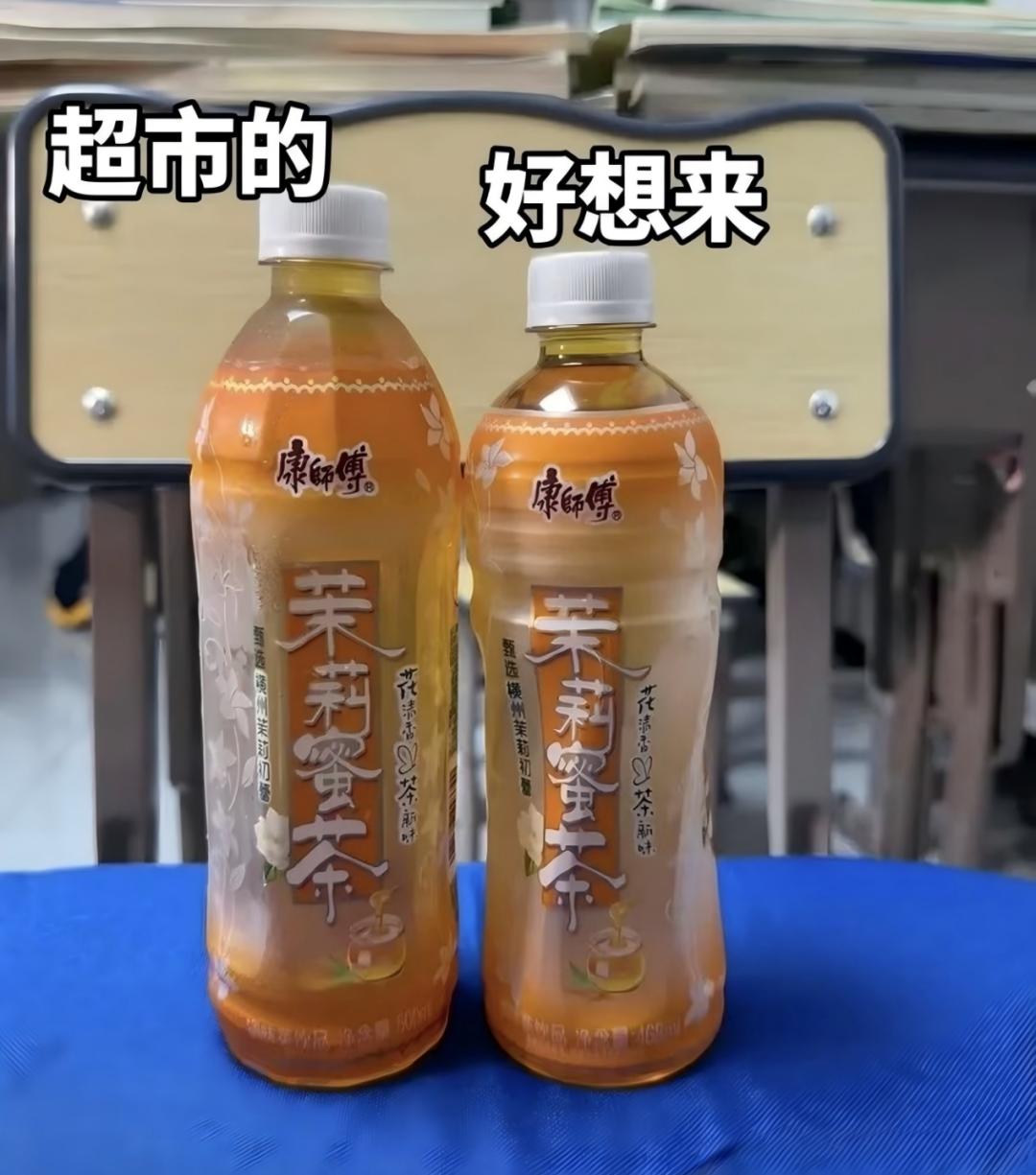
On July 11, Chen Yue from Hangzhou bought a bottle of iced black tea at the Zhao Yiming snack shop downstairs of her residential compound. The labeled price was 2.2 yuan, 30 cents cheaper than in supermarkets. It was not until she placed it next to the 500ml version she bought from a supermarket at home that she noticed this drink was only 468ml, with a noticeably slimmer bottle body.
The customer service of Master Kong explicitly stated in an interview with Hubei Economic TV that the 468ml version is a special offering exclusively produced for snack discount channels, and is not distributed in ordinary supermarkets.
Since March this year, this kind of specially supplied products have been successively launched in snack stores across the country: Lay's potato chips have been reduced from 40g to 35g, cola from 500ml to 450ml. Their packaging is almost identical to the supermarket versions, and their prices appear to be much lower.
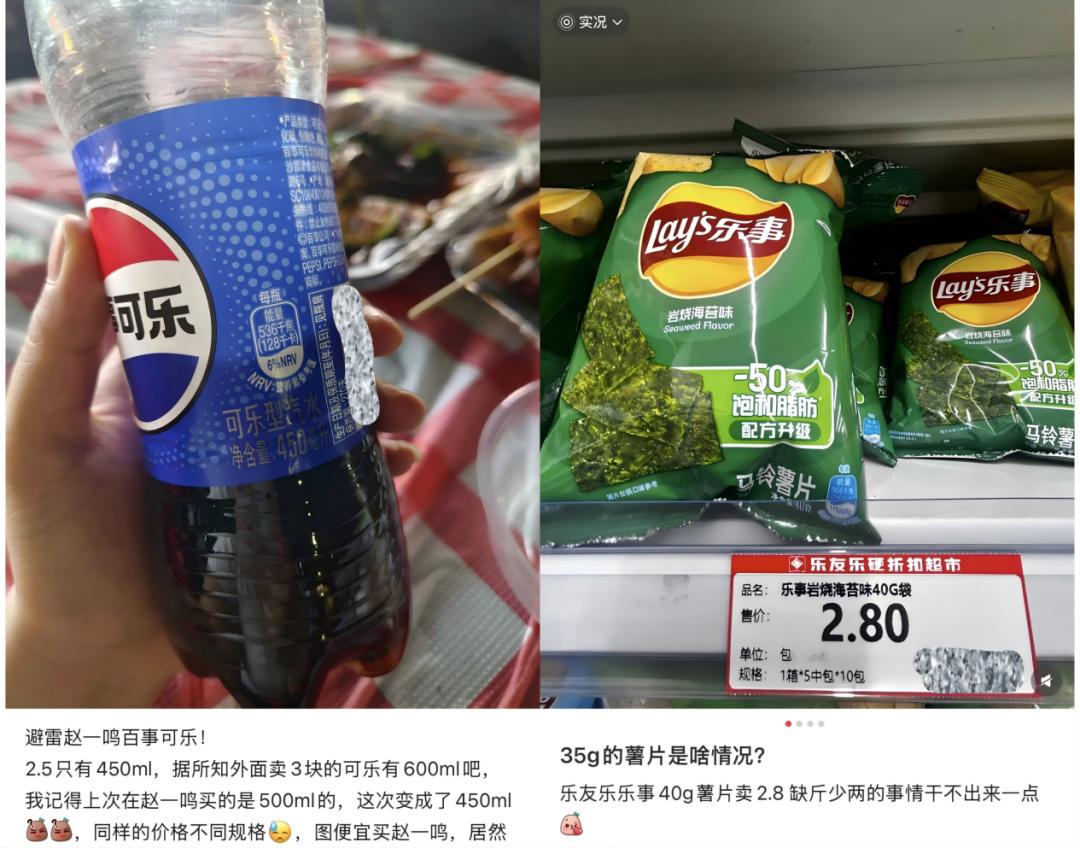
Many people call this a low-price trick played by merchants. But few noticed that half a month after these special supplies became widespread, on June 2, two leading companies that account for 75% of all stores in the entire industry — Mingming Henmang and Wanchen Group — released open letters one after another, both titled *"Against Involution, Stay True to Our Original Aspiration"*. The two letters differ by only a few dozen words, both stating that they will stop the price war and operate rationally.
From unifying the specifications of special supplies to synchronizing the ceasefire, this is no coincidence. In the snack industry, which has opened more than 60,000 stores in two years, the growth logic has completely changed.
2
Creating exclusive specifications for specific distribution channels is nothing new in the FMCG (fast-moving consumer goods) industry. Sam's Club and Walmart have been doing this for decades, with the core purpose of price segmentation: by customizing a unique product specification for a channel, brands can avoid disrupting the traditional channel's price system, while allowing that channel to sell products at lower prices.
Previously, the 500ml iced black tea from Master Kong was sold for 2.5 to 3 yuan in supermarkets nationwide, a price range that has remained stable for more than a decade. If snack stores directly sold the 500ml version for 2.2 yuan, all supermarkets would protest to Master Kong, and the entire channel's price system would collapse.
By launching a new 468ml specification, the problem is solved: snack stores can continue to sell at the low price of 2.2 yuan, and Master Kong does not need to adjust the price in supermarkets, which is a win-win situation for both sides.
For chain brands, special supplies have another publicly acknowledged advantage: their gross margin is 5 to 8 percentage points higher than regular standard products. The supply price of regular products is transparent across the country, and selling them for 2.2 yuan barely generates any profit; special supplies have no unified public supply price, so both brands and franchisees can reserve sufficient profit margins. This is why all brands are launching special supplies — it is impossible to make decent profits by relying on high sales volume of regular products, and only special supplies can bring real profits.
This move is exactly a high-end strategy for brands to urgently grant profit concessions to their franchisees.
At the peak of the snack industry in 2023, opening a 150-square-meter snack store required a total investment of 300,000 to 400,000 yuan. A single store could achieve a monthly revenue of 400,000 yuan with a gross margin of 22%, and recoup the initial investment in as fast as 6 months.
Back then, brands had no trouble attracting franchisees, as crowds of people waiting to invest in opening stores lined up. The more stores that were opened, the larger the supply cash flow would be, and the higher the brand's valuation.
According to a 2026 survey by Sina Finance and *Retail in Focus* of more than 200 franchisees across the country, opening a 150-square-meter snack store today is completely different from two years ago.
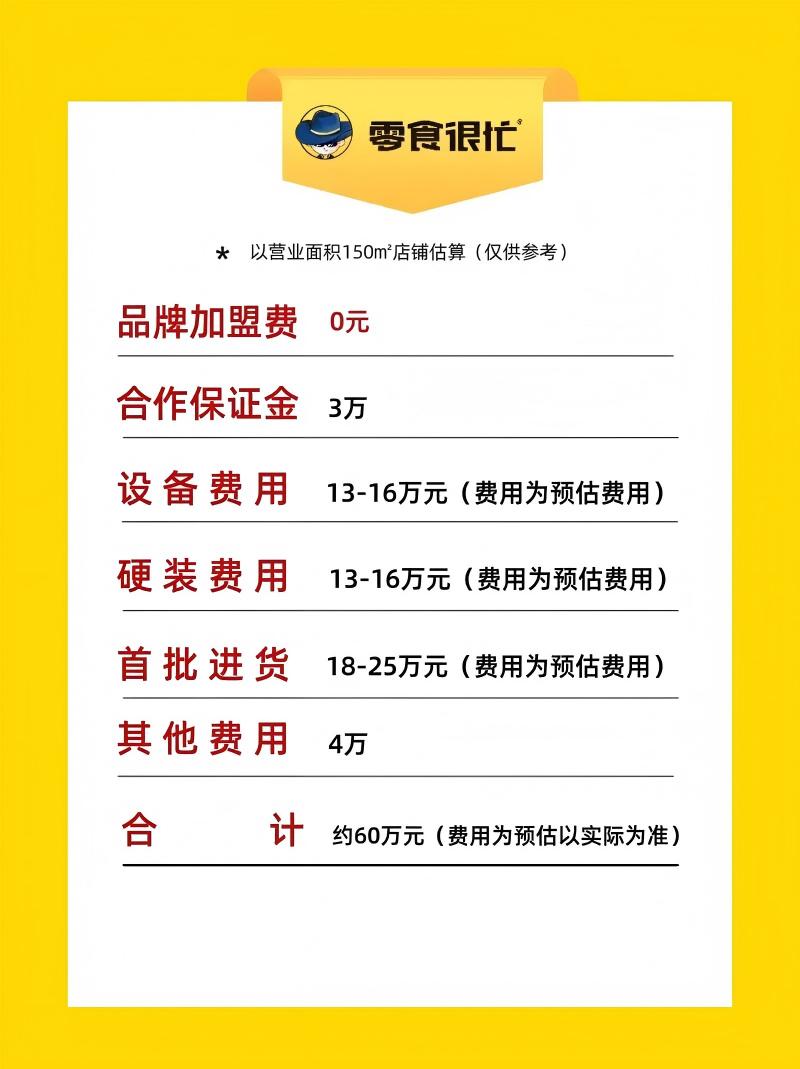
The total investment, including transfer fees, renovation, and initial stock, has reached 600,000 to 700,000 yuan. Across the entire industry, the average monthly revenue of a single store is 382,000 yuan, a 7.3% drop compared to the same period last year, and the average payback period has extended from 8 months to more than 3 years. The era when you could make money just by casually renting a storefront is long gone.
More critically, the two leading snack brands have both reached the stage where they need to deliver solid performance results. Mingming Henmang has been preparing for a Hong Kong stock exchange listing since 2025, while Wanchen is already a listed company on the A-share market. The single-store profitability data directly affects their valuations and stock prices. If franchisees cannot make money, not only will no one open new stores, but existing franchisees will also close their shops, and the scale they previously expanded will become a hollow shell.
Raising prices at the retail end will directly drive away customers, while cutting prices will trigger a profit crisis for brands that already have low gross margins. The small-sized special supply is the optimal choice at present: the retail price remains unchanged, most consumers will not carefully compare the net content, the gross margin can be increased by 2 to 3 percentage points, the monthly profit of a single store can rise back to around 10,000 yuan, and the figures in the financial statements will immediately look much better.
After all, the timeline for listing waits for no one.
3
When the industry first took off two years ago, dozens of snack brands across the country were competing for market share: if you sold a product for 2 yuan, I would sell it for 1.9 yuan; if you subsidized 10,000 yuan for a franchisee's renovation, I would subsidize 20,000 yuan. The price war was waged to squeeze out small brands and seize market territory.
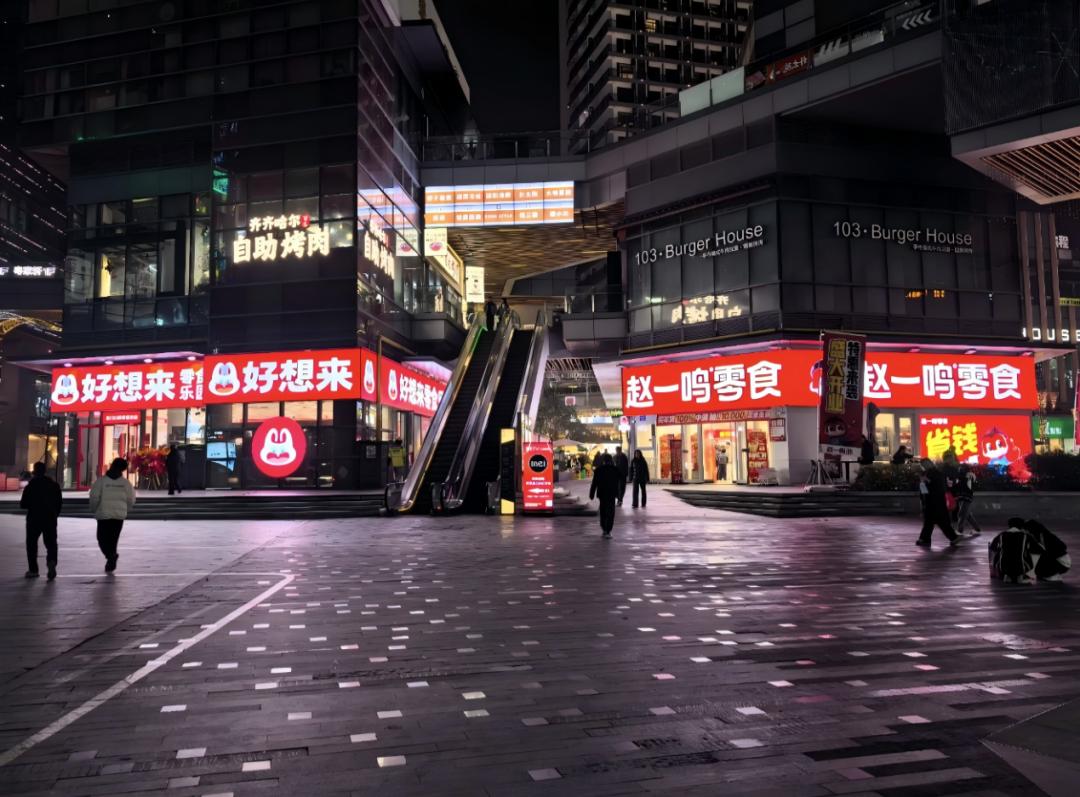
Up to now, Mingming Henmang has opened about 22,000 stores, and Wanchen has about 19,500 stores. The two together account for three-quarters of the market, while the remaining regional small brands add up to only 25% of the market share, and are simply incapable of launching a price war.
When the market territory has been fully divided, the fighting naturally stops. It is an unspoken rule in the industry that rivals who have fought for two years sit down to set rules together: they will not poach each other's franchisees, will not undercut prices, will unify the specifications of special supplies and the supply prices, and jointly stabilize profits to prevent small brands from disrupting the market with low prices. The so-called "anti-involution" is simply that no one wants to lose money anymore, and they all want to make profits together.
Small-sized special supplies are the first step in the new era of the snack industry: your iced black tea is sold as 468ml / 2.2 yuan, and mine is sold with the same specification and the same price. No one undermines the other, and they jointly stabilize consumers' price expectations.
Many consumers feel they have been ripped off, but this is actually due to a lack of real understanding of retail logic.
After decades of shopping in traditional supermarkets, most people take it for granted that the same product of the same brand should have the same size and identical quality no matter where you buy it, and any difference is considered cheating. But from day one, snack stores have never been selling "a specific product of a certain brand" — they are selling price points such as "2-yuan bottled water" or "3-yuan potato chips", and the product specification is just a carrier to support that price.
During the industry expansion period, brands were willing to subsidize consumers with regular products to attract customers, selling real 500ml iced black tea for 2.2 yuan to make people feel that snack stores are always cheaper than supermarkets. Now that the subsidy period is over, they switch to the 468ml version to continue selling at 2.2 yuan. The core logic has never changed, but consumers are still stuck in the old habit of expecting "the same product to have the same price everywhere".
The real change is that there may be no "nationally unified standard product" in the future.
Previously, Master Kong's 500ml iced black tea was identical no matter where it was sold, from Beijing to county towns, from supermarkets to small convenience stores.
In the future, different price segments will emerge: supermarkets will sell the 500ml regular version for 3 yuan, snack stores will sell the 468ml special version for 2.2 yuan, and e-commerce platforms will sell large-packaged products in whole cases. Different channels will have different specifications, different packaging, and even different product formulas.
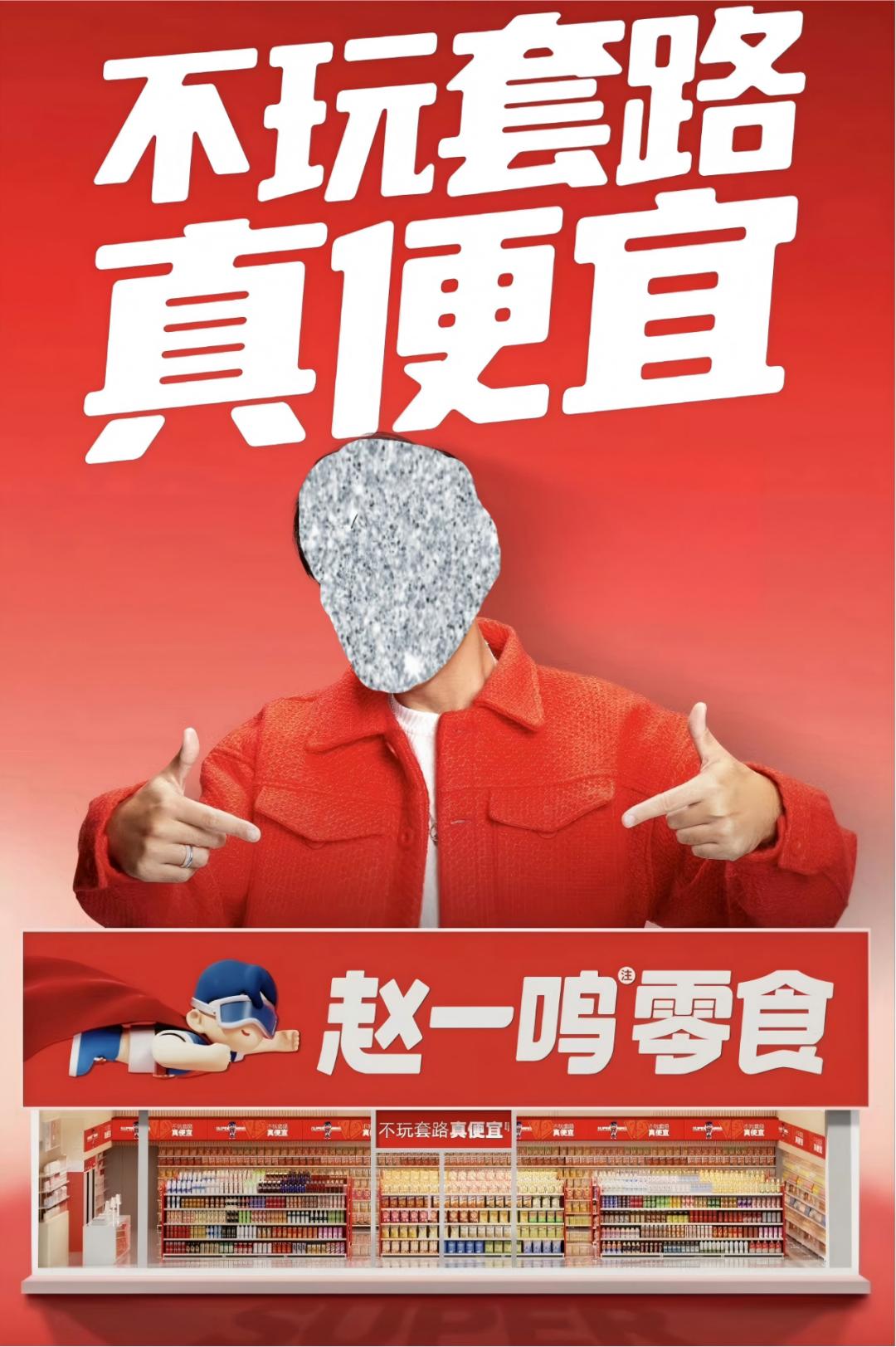
Consumers will gradually get used to the fact that for the same brand's products, the price may indeed vary when purchased through different channels.
Over the past two years, everyone has claimed that snack stores are a revolution in retail efficiency, which lowers prices through direct procurement and eliminating intermediate links, allowing store owners to recoup their investment in half a year, and countless people rushed to enter this industry.
But this kind of business with a 6-month payback period was nothing but a dividend of the industry's expansion phase, not the normal state of the industry.
When more than 60,000 stores are spread across the country, when the market territory is fully divided, and when subsidies are stopped, this industry will be no different from supermarkets and convenience stores. The profits will come from careful product selection, optimized supply chain management, and every penny saved through meticulous operation.
Those quietly shrinking beverage bottles and potato chip bags are by no means a carefully designed scam. They are just telling us: the era of reckless expansion and market grabbing is over.