Seizing Chinese Enterprises' Shares, India Goes All Out on EVs, Chinese Firms Trapped in 'Nurture-Exploit-Kill' for 20 Years, Chery Only Sells Components
Are Indians determined to make a big move in the electric vehicle (EV) industry? After 20 years of the "nurture, entrap, and kill" strategy, India has found that it has offended Chinese enterprises, and they have lost interest in building cars in India. Chery only sells parts.
According to a report by the Indian media Economic Times on June 13th, the EV boom in India has led to a shortage of supply among manufacturers. Due to the soaring oil prices, the demand for EVs in the Indian market has surged, exceeding the expectations of major automakers.
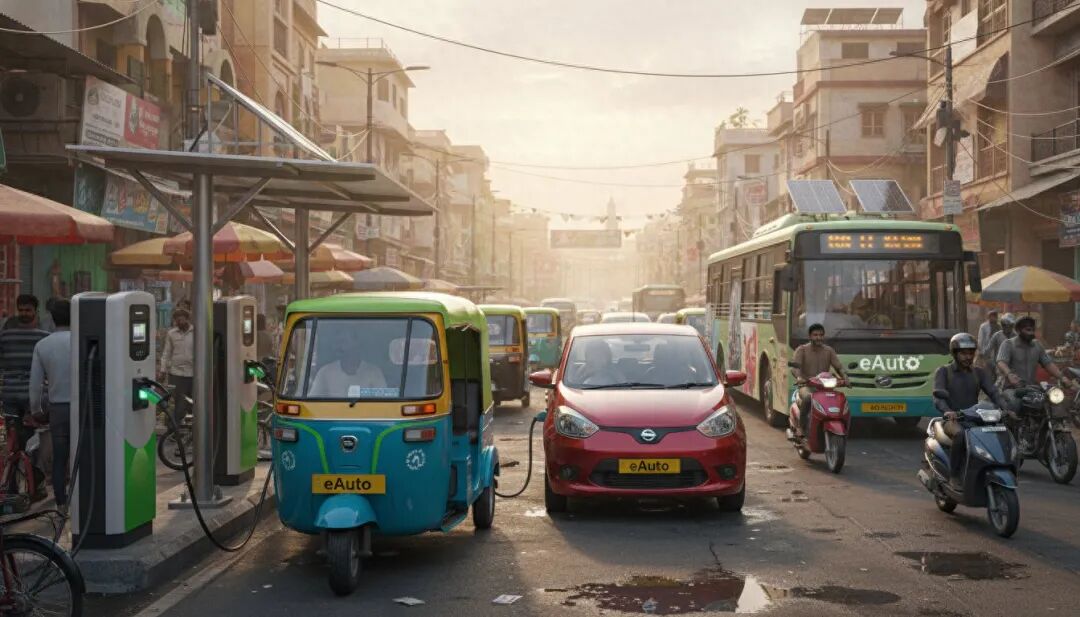
Local Indian automakers have publicly disclosed that since March, the demand for Mercedes-Benz's pure EVs in its Indian branch has skyrocketed by 40% in a short period. Facing a continuous stream of high - end orders, BMW's Indian branch is also in a dilemma of having no cars to deliver. It has to forcefully call on the inventory vehicles for the second half of the year to barely maintain deliveries.
That is to say, the demand for EVs in India is soaring now, but local Indian companies do not have the technology to build cars and can only be anxious.
According to India's past "nurture, entrap, and kill" strategy, it originally wanted to introduce Chinese enterprises into the Indian market, establish joint - ventures, and transfer the technology and production lines of Chinese enterprises from China to India.
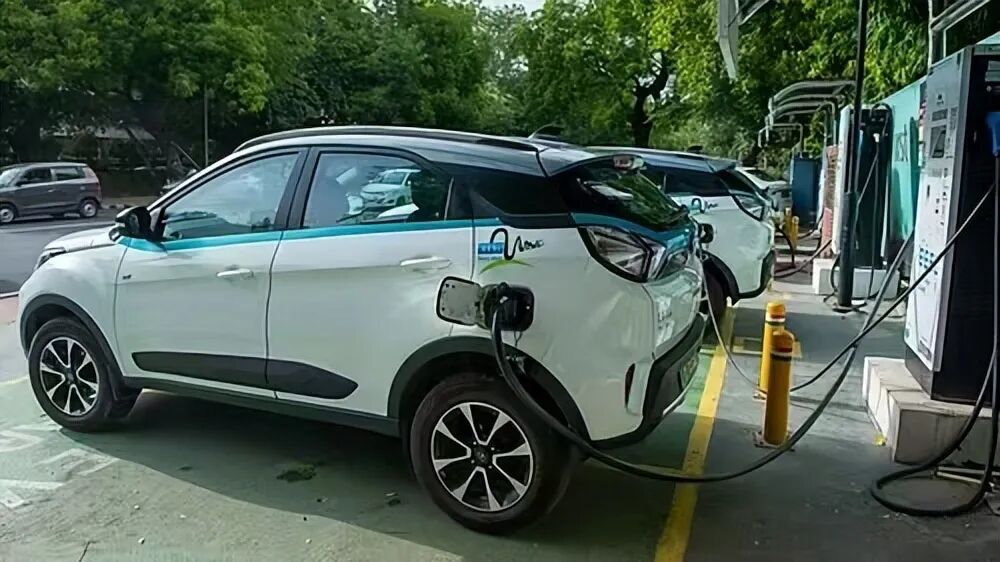
However, a series of lessons learned by Chinese enterprises in the photovoltaic, mobile phone, power, steel, and automotive industries in India are waking them up. Both of India's two major leading automakers, Tata Motors and JSW Group, have approached Chery. But now Chery only sells parts.
India Grabs Chinese Enterprises' Shares and Determines to Make EVs
However, even just selling parts has relieved India. Without Chinese components, it is basically impossible for India to assemble EVs. Currently, about three - quarters of the most core power battery components of the EVs assembled and produced in the entire Indian market must be imported directly from China without any alternative.
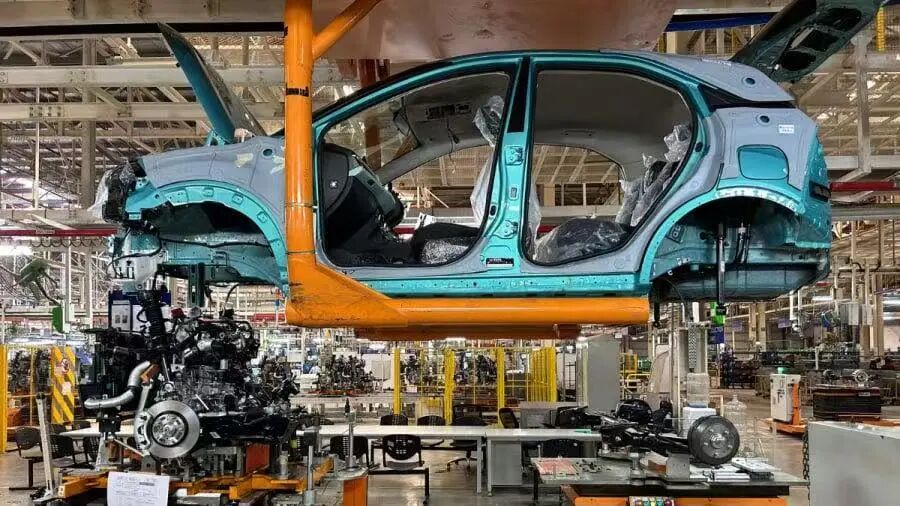
Mahindra, the second - largest automaker, has high - profile launched the so - called "self - research from scratch" and plans to achieve exports within two years. However, it still cannot get rid of the harsh reality of being stuck by the Chinese supply chain.
Of course, India is not satisfied with this.
It is worth mentioning that, due to India's coveting of Chinese EV technology, Chinese enterprises that have entered the Indian automotive industry are encountering India's "pig - butchering" scheme. SAIC's situation in India is not optimistic.
As early as 2017, SAIC took over General Motors' abandoned factory and established MG India. It was the only Chinese passenger - car brand that had a foothold in India in the early years. It simultaneously developed fuel and EV models. At its peak, its market share ranked among the top ten in the local market, and it was one of the few foreign brands that could stably deliver new - energy models.
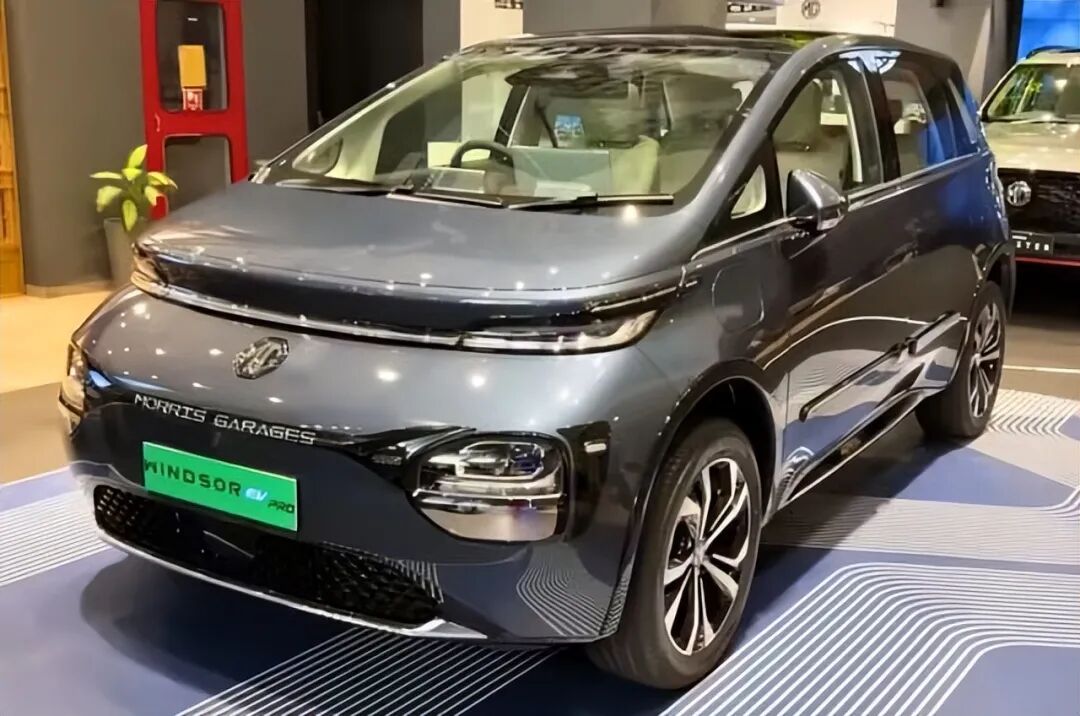
The turning point was that India tightened its foreign - investment review rules for Chinese capital year by year. From adding more and more requirements for investment filings, to indefinitely suspending the approval of new expansions and financing of Chinese - funded enterprises, to significantly increasing the import tariffs on EV components.
After this series of measures, SAIC's path to add capital to expand production lines and launch new models has been completely blocked.
For an enterprise to continue its operation, there are only two options: shrink and withdraw, or introduce local capital to share policy risks.
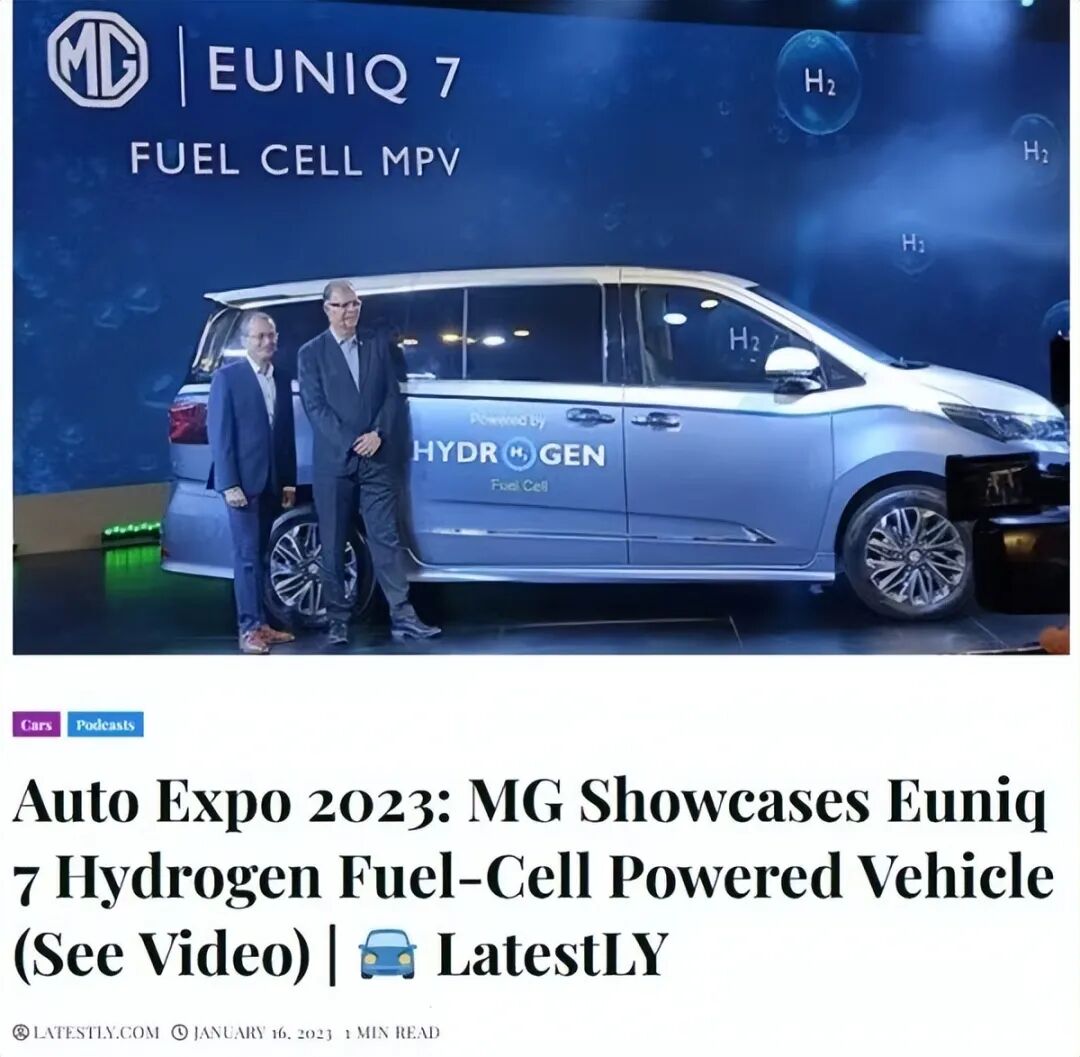
In 2024, SAIC and JSW established a joint - venture entity. SAIC holds 49% of the shares, and JSW initially holds 35%. SAIC has locked in the majority voting rights through an agreement.
In late May this year, Reuters reported a new development. The two sides are discussing transferring another 10% of the shares at a transaction price of $63 million. After the transfer, JSW's single - shareholding will rise to 45%, and SAIC's shareholding will fall below 40%.
As soon as the news came out, there was an uproar across the network. There were many claims of "India plundering Chinese - funded assets at low prices".
However, SAIC quickly clarified: The rumored "forced low - price acquisition and complete loss of control" is seriously inconsistent with the facts. This equity transaction has not been completed yet. It must be approved by the domestic competent authorities before it can be implemented, and there is no situation of one - sided forced transfer.
Here, we need to distinguish two realities: There is no direct government - led operation of forcibly confiscating equity, but it is an objective fact that the policy environment has created an invisible pressure.
India will not issue an official document to force Chinese - funded enterprises to sell their shares, but it can use soft thresholds such as investment approval, subsidy eligibility, component customs clearance, and local production permits to block enterprises' expansion.
SAIC has mature EV models and a complete local production line, but it cannot independently increase capital and expand production. With market orders piling up and delivery cycles lengthening, the choice in front of it is not "whether to cooperate" but "if local capital is not introduced, the business will directly stagnate and shrink".
Chery, which has not entered India yet, can negotiate a very favorable cooperation agreement through its technology moat.
However, Chinese enterprises that are already in India are likely to face the situation where the Indian state machinery and local monopoly groups jointly use policy sticks to force Chinese enterprises' technology and brands into a dead end. Then, local plutocrats will step in to take over at a low price and monopolize the huge profits of the entire industrial chain.
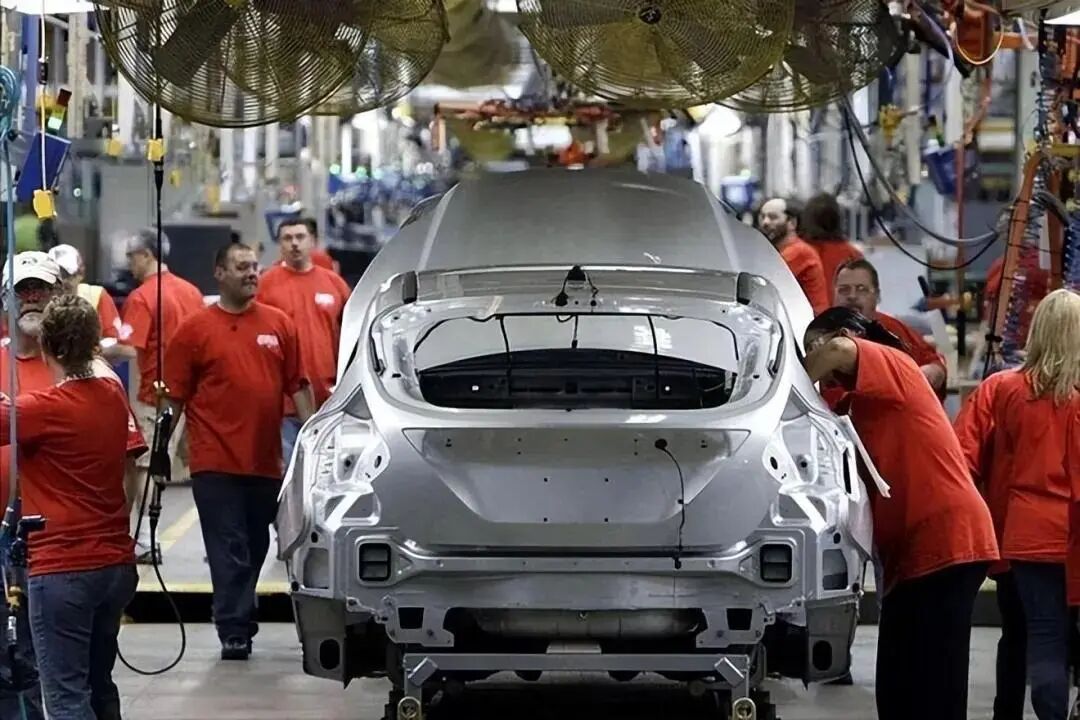
Given this situation, it will obviously become more and more difficult for India to obtain technology from China and independently develop EVs. Because India originally wanted to supplement its industrial chain with the help of Chinese enterprises, but it has offended Chinese enterprises first.
After 20 Years of the "Nurture, Entrap, and Kill" Strategy, Chery Only Sells Parts
Because the script has been revealed. Indian expert Jayant mentioned that in the mobile phone, photovoltaic, power, and steel industries of Chinese enterprises in India, India has used the same "nurture, entrap, and kill" script -
First, use market opportunities to "nurture" you into the market; then use rules, barriers, and localization indicators to "entrap" you in place; after you have invested your funds and technology, India will "turn" its face and use various means such as tax collection, anti - dumping investigations, and investment reviews to squeeze out the profits.
At the same time, it supports local industries to "extract" technology and market from you.
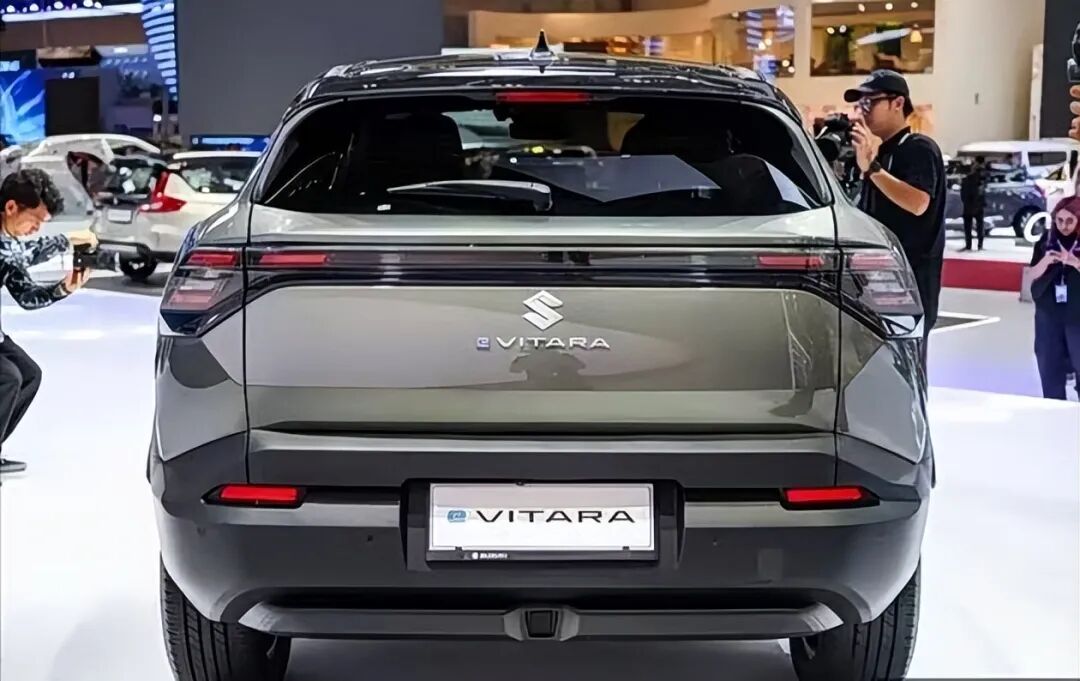
Jayant mentioned the steel market. Tata Steel and JSW Steel have introduced a large amount of steel - making equipment and technological processes from China, including blast - furnace operation, continuous casting technology, and rolling processes.
Chinese engineers taught Indian workers hand - in - hand for several years. As soon as the Indians learned, tariff barriers immediately followed. This is very similar to what power companies such as Baobian Electric have encountered.
In 2024, India imposed a safeguard tariff of more than 15% on steel products imported from China.
By then, local steel enterprises had already completed production expansion using the technology introduced from China. They just took advantage of the tariff dividend to fill the market gap and swallow the market share originally belonging to Chinese steel. The operation path behind this is to introduce technology, digest and absorb it, limit competition, and monopolize the market.
Now, this model from the mobile phone, photovoltaic, and steel - power markets is revealing the "pig - butchering" script in the Indian automotive industry.
Tata wants to obtain the authorization of the whole - vehicle platform technology from Chery. After seeing the public statement of Tata's vice - president that "this is only a transitional strategy, and in the long run, we still need to conduct independent research and development", Chery publicly stated that "we only sell parts." It will not build factories, hold shares, or transfer technology.
It only exports components and delivers goods after receiving payment. The high - risk and heavy - asset links such as factory building, assembly, and sales are all left to Tata to handle.
Jayant pointed out that in the past 20 years, India has left a record of deceiving every partner in the four words of "technology transfer".
"Every bit of profit that India has gained from Chinese enterprises through the 'nurture, entrap, and kill' strategy has, in the end, made China tighten the export threshold of patents and equipment when India most needs technological upgrading."
"The road was not blocked by others. It is a wall that we have built with tax collection notices, investment review orders, and forced equity dilution orders. Modi is dreaming of a great - power status on one side of the wall, while Chery is still sending parts on the other side." Jayant said.
For Chinese automakers going global, the Indian market can be observed and limited cooperation can be carried out, but they cannot let down their guard.
Capital can flow, and component trade can be carried out, but core technology and enterprise control must be firmly in their own hands.
BYD, Great Wall, and SAIC suffered losses because they were too deeply rooted in India - Building heavy - asset factories and holding shares in joint - ventures is equivalent to giving the Indian government a handle to reap the benefits.
If they do not enter India, by only doing transactions, they will have the initiative in negotiation and business. Once they enter India, the outcome is already determined. This "nurture, entrap, and kill" script means that the early - stage investment in market development will ultimately only benefit local plutocrats.
At a time when the demand for EVs in India is soaring and automakers are determined to build cars but lack the technology to meet production - capacity requirements, Chinese automakers need to maintain strategic determination, break out of India's "nurture, entrap, and kill" script, and keep the blueprints for car - building on the other side of the wall.
This article is from the WeChat official account "Hotspot Micro - Review" (ID: redianweiping). The author is Wang Xinxi. It is published by 36Kr with authorization.