In the era of AI hardware, mobile phones won't easily die out.
Smartphones have dominated the digital ecosystem in the past decade or so. They are a black hole for our attention and our most private personal belongings. However, smartphones were designed from the very beginning to be stared at by people - all their logic ends at the screen.
The requirements of AI, on the contrary, are just the opposite: it needs to continuously perceive the physical world - see what you see, hear what you hear, and be present at all times, rather than waking up only when you unlock the screen.
When AI truly becomes a fundamental ability, it will sooner or later break out of the screen and find its own form. This will be a long process of exploration and evolution.
The "AI Gadget Chronicles" column comes from this idea. Ifanr wants to continuously observe with you: how AI changes hardware design, how it reshapes human - machine interaction, and more importantly - in what form will AI enter our daily lives?
This is the 11th article in the "AI Gadget Chronicles".
By the way, how long has it been since you last tried to connect your phone to a monitor?
In the "pre - smartphone" era when hardware forms were diverse, we always hoped to squeeze out more usage scenarios from them -
Whether it was unfolding into a QWERTY keyboard or sliding open to become a small computer:
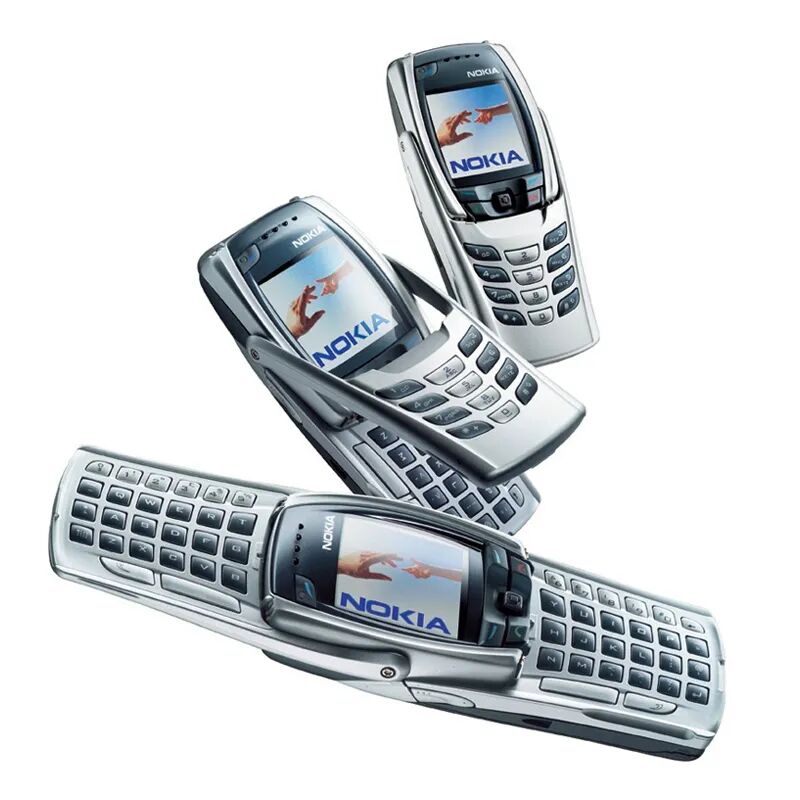
Although the form of smartphones has become monotonous today, we've never actually forgotten the idea of "turning the phone into something else".
01 Android PC
In the latest Android 17 Beta 3, Google launched the long - rumored "desktop mode", allowing users to project a desktop similar to a PC layout after connecting a Pixel phone to an external monitor:
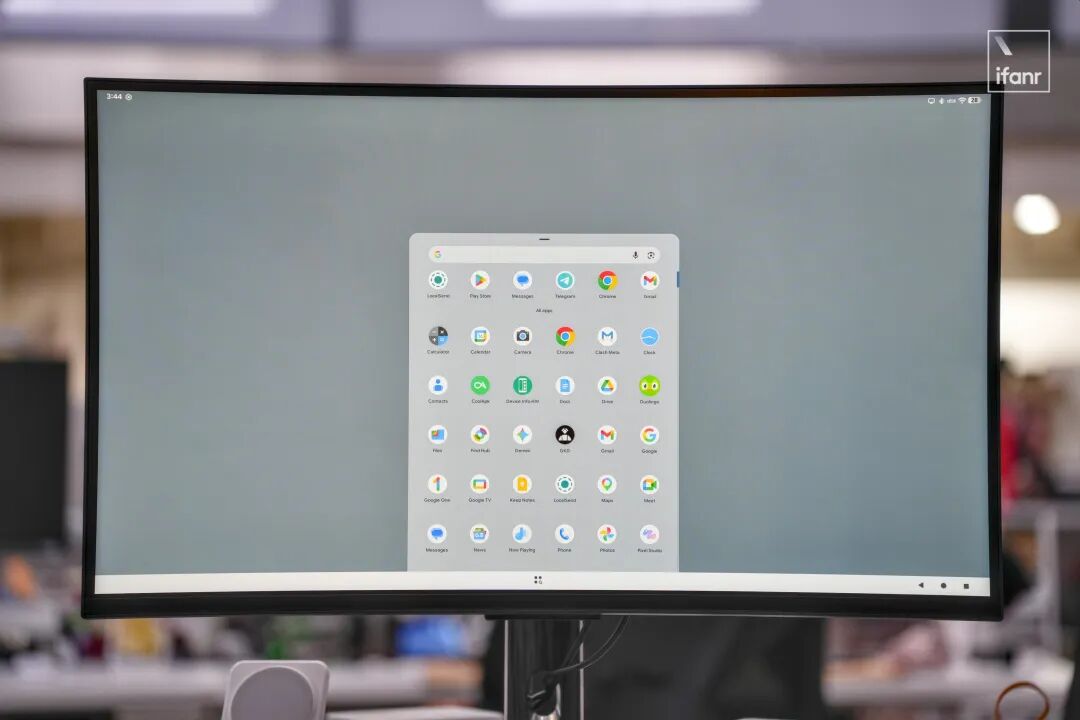
Then, by connecting a Bluetooth mouse and keyboard, this Pixel 9 Pro is functionally very close to a small computer and can also run Android apps:
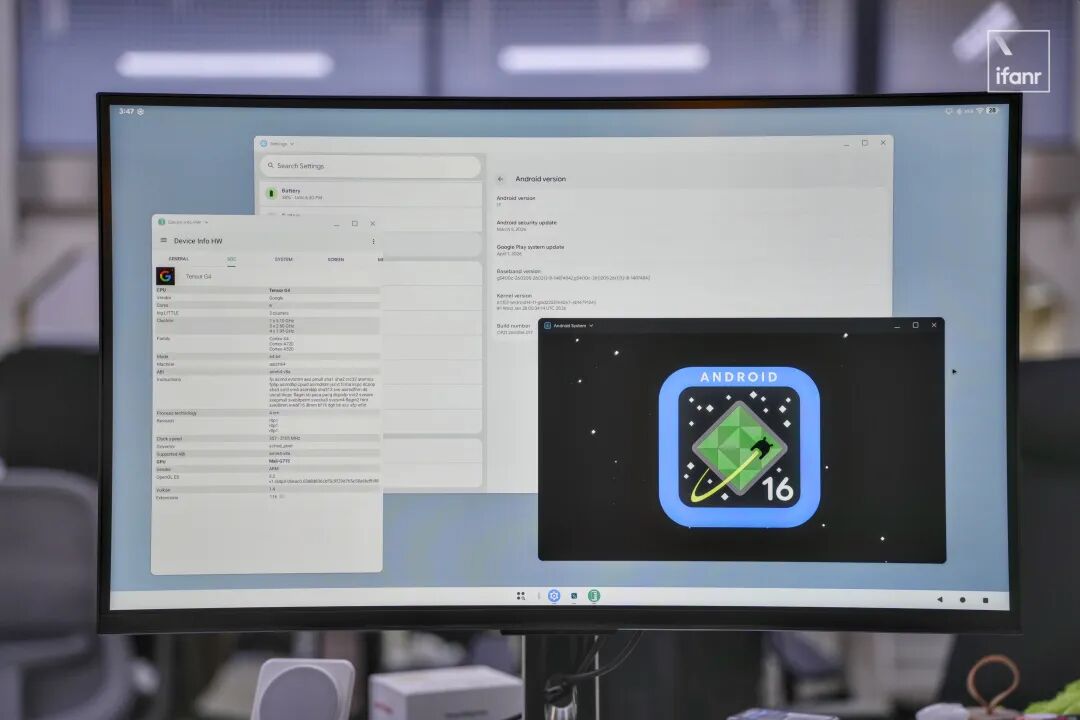
In fact, for Google, the Android 17 desktop mode actually has a more straightforward name: ChromeOS mode.
After all, both are Unix - like architectures. Against the backdrop of Google's promotion of the GKI (Generic Kernel Image), it's not an overstatement to say that Android is merging with ChromeOS.
However, the desktop mode in Android 17 Beta 3 is not yet fully developed. There is still much room for optimization in terms of functionality and smoothness.
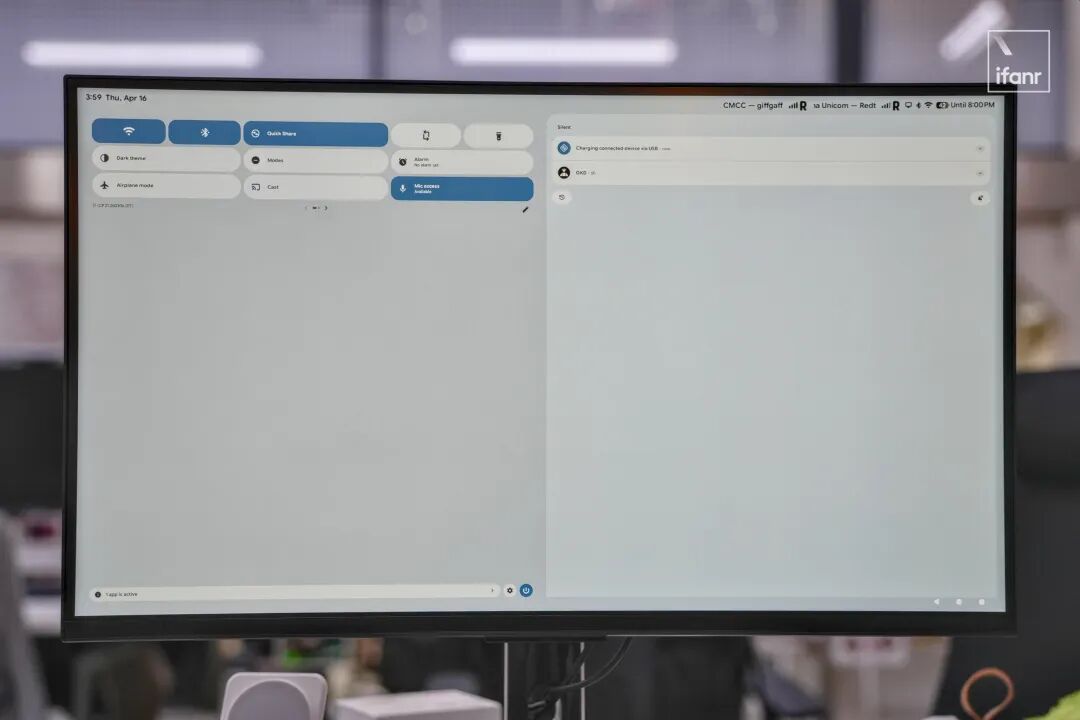
The notification/control center in Android 17 is not optimized for monitors at all.
Compared with Samsung DeX, which is almost ten years old, the Pixel desktop mode is still immature in aspects such as resolution adjustment, layout logic, and interaction design. At this stage, it can only be considered "barely usable".
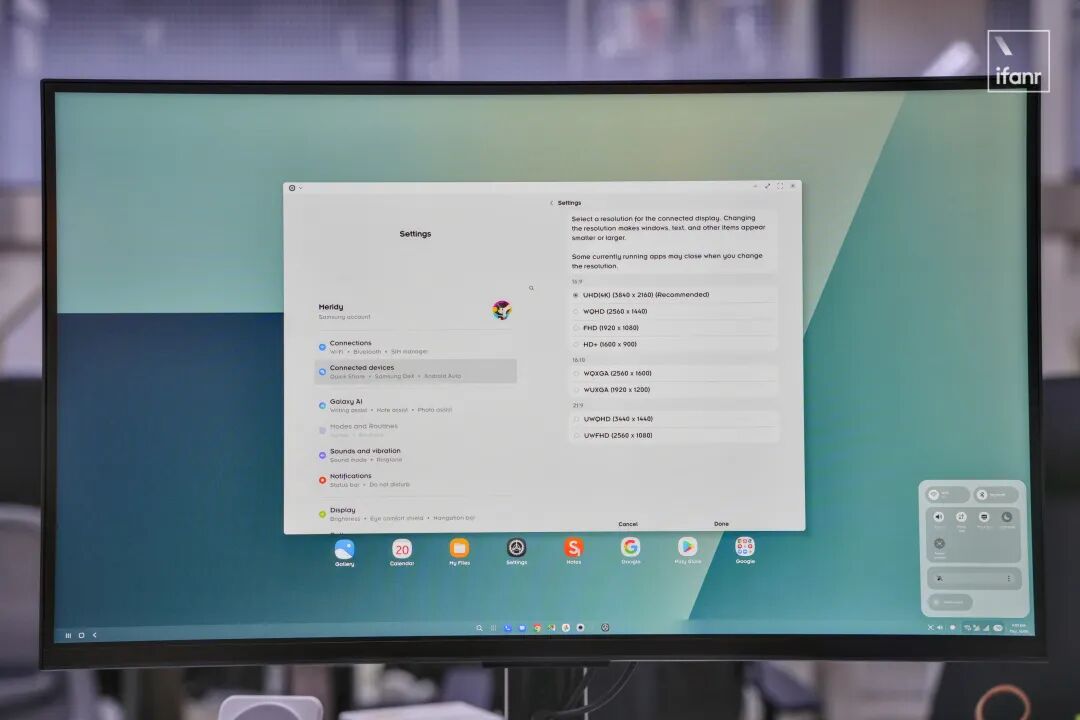
DeX already supports up to 4K resolution and a Windows - like UI.
Considering the speed at which Google has been pushing new features in the past two years, this desktop mode may not be officially launched during the lifecycle of Android 17.
Perhaps at the Google I/O Conference in May this year and in the subsequent Android 18 beta, we will see a version with a completion level close to DeX.
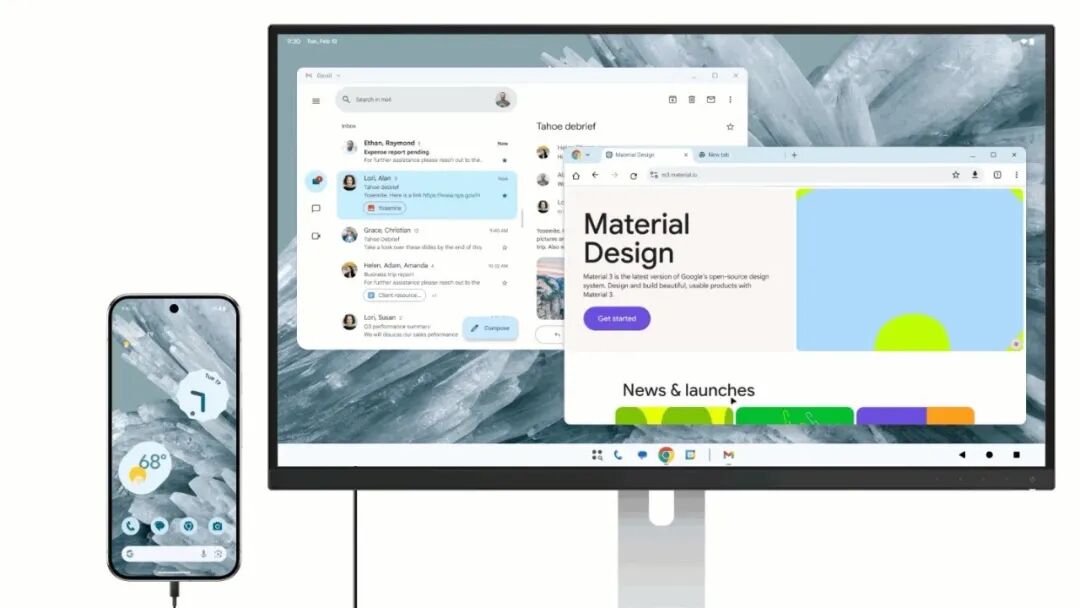
The desktop mode demo shown by Google last year | Google
Although Android 17 Beta 3 is not up to par, the idea of "extending the phone to other interaction media" itself is very promising.
This logic of "turning one into many" shines particularly brightly when facing today's dedicated AI hardware.
02 Digital Hub
Imagine such a scenario -
You hold a phone and connect it to the monitor on the table. It then displays a fully - functional PC - like desktop, and all interactions and operations can be completed using a mouse and keyboard.
Then, you unplug the phone from the monitor and connect it to AI glasses via wireless streaming. The previously displayed PC mode smoothly switches to XR mode:
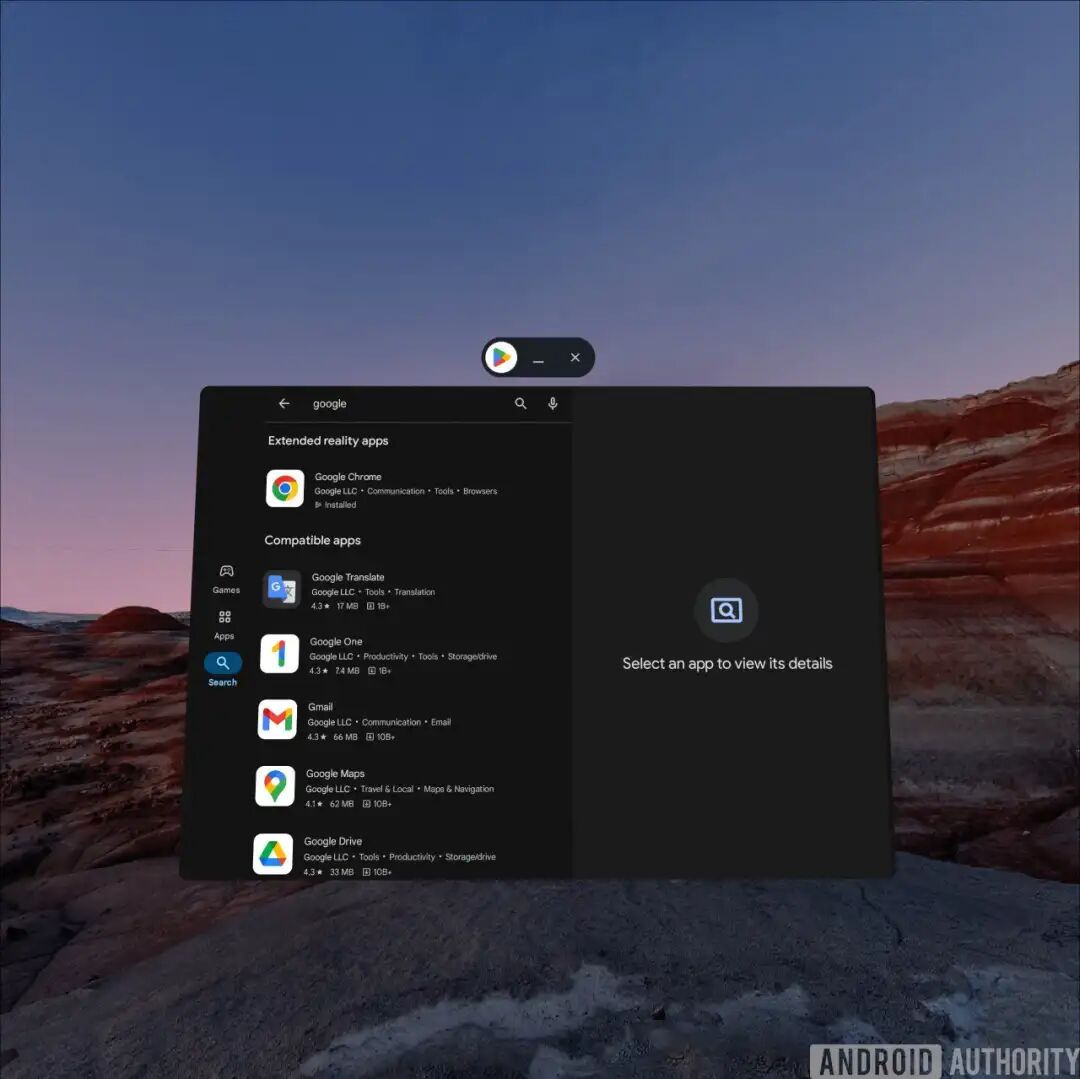
Android XR demonstration UI | Android Authority
Currently, neither the latest Android 17 and Pixel 10 Pro nor the yet - to - be - released Android XR can achieve such a usage scenario.
However, this future of "streaming based on the phone" is not far from us.
Even for products like the Vision Pro, which has its own processor, streaming is still an indispensable usage scenario, especially as an extended monitor for Mac:
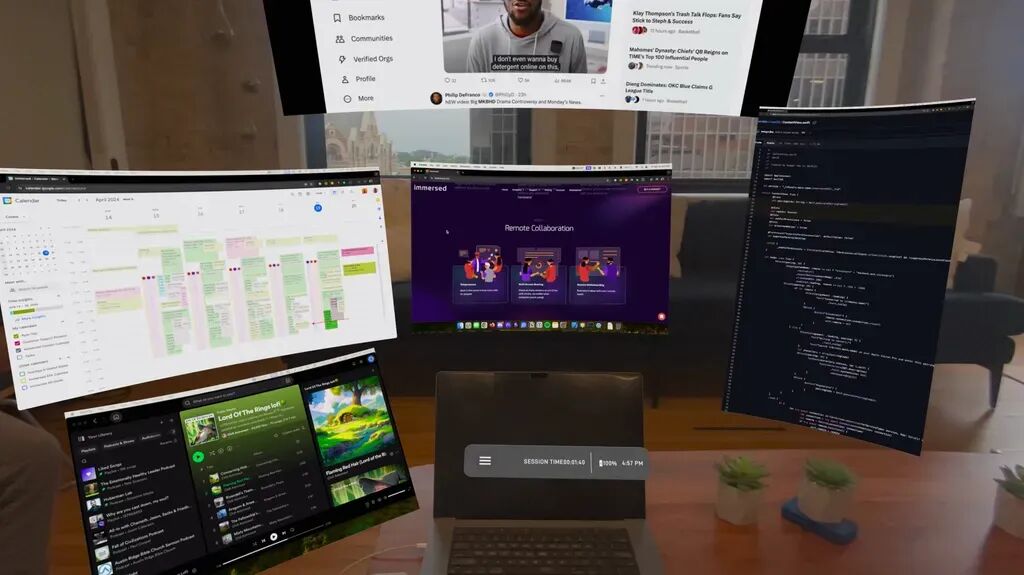
Image | UploadVR
A few days ago, Valve officially brought the official Steam Link app to visionOS, eliminating the need to tinker with third - party streaming clients for the Vision Pro to directly connect to a PC for gaming.
Judging from the experience of the TestFlight version, the Steam Link experience on the Vision Pro can almost achieve zero - latency streaming in an ordinary home network environment.
It can even handle fast - paced games like the drone simulator "Liftoff":
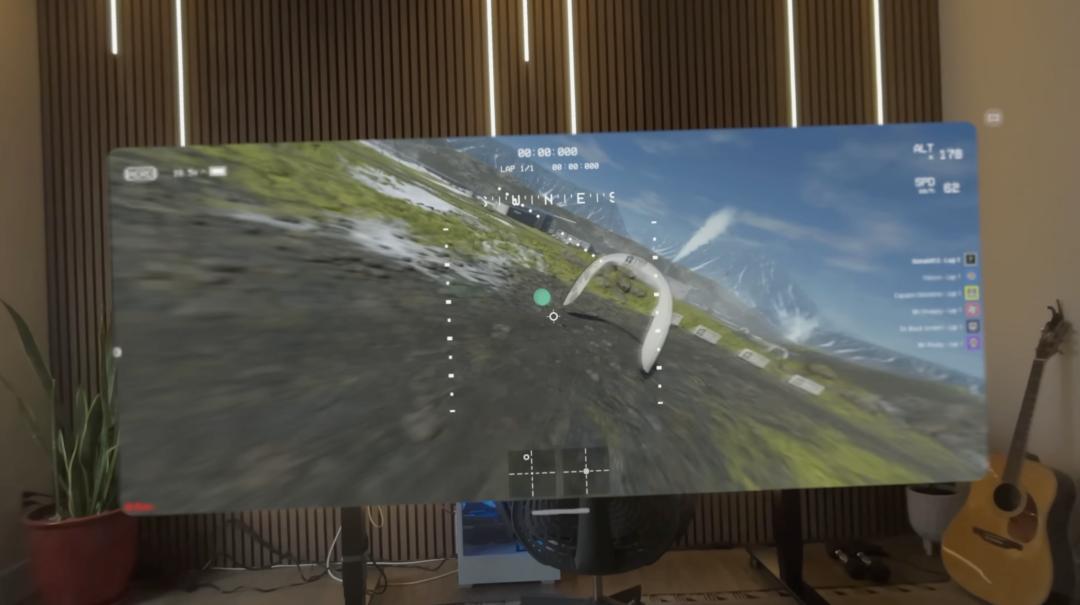
Image | YouTube @Himels Tech
The reason behind this is simple: Whether it's the software ecosystem, interaction mode, or basic performance and battery life, streaming new hardware with existing devices is always much more convenient and time - saving than developing new AI systems, software, and interactions separately.
If the source of streaming can be a computer, why can't it be a phone? After all, even the A18 Pro can run the full - version macOS.
Similarly, this streaming mode of "handing over the computational burden to the phone" can naturally be applied to various forms of new AI hardware in addition to AR and XR headsets -
In fact, most of today's AI hardware is doing just that.
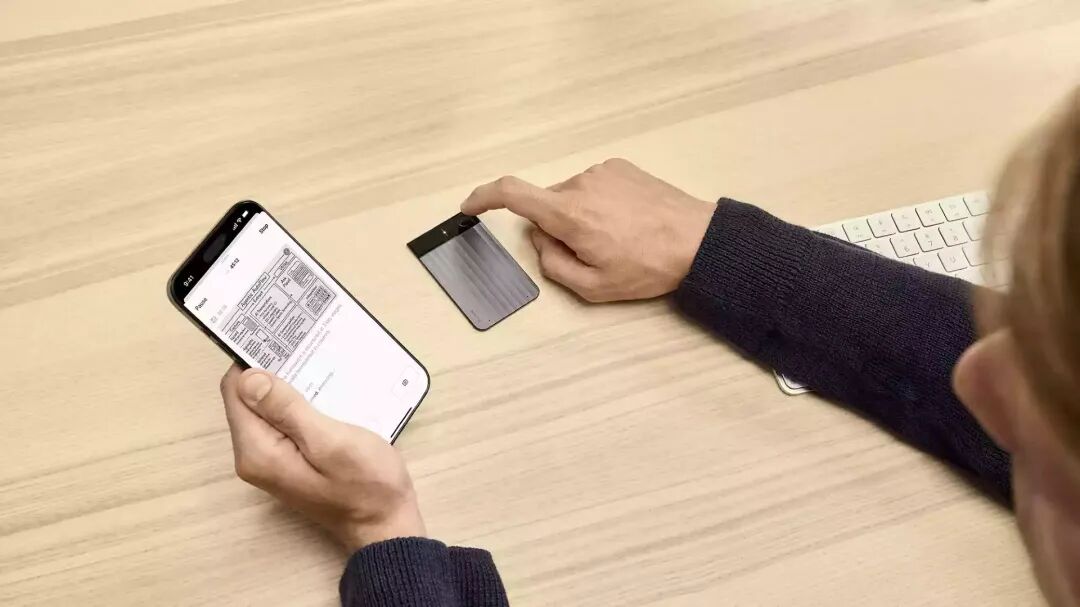
Image | Heise
Nearby, there's the PLAUD Note recording card, and farther away, there's the Meta Ray - Ban smart glasses. Although they are independent products, their operating logic depends on the phone -
The AI hardware itself only serves as a medium for information collection and user interaction, while the computing, AI processing, archiving, etc., are actually completed on the phone and in the cloud.
Related reading: Why does a one - thousand - yuan recording card dare to charge an additional one - thousand yuan annually?
03 All in one
On the other hand, apart from the computational logic, all AI hardware that we can currently see or buy, whether it's glasses, headphones, rings, or pendants, faces an unavoidable problem:
Human battery technology is restricted, and the battery life of all these small devices is difficult to improve.
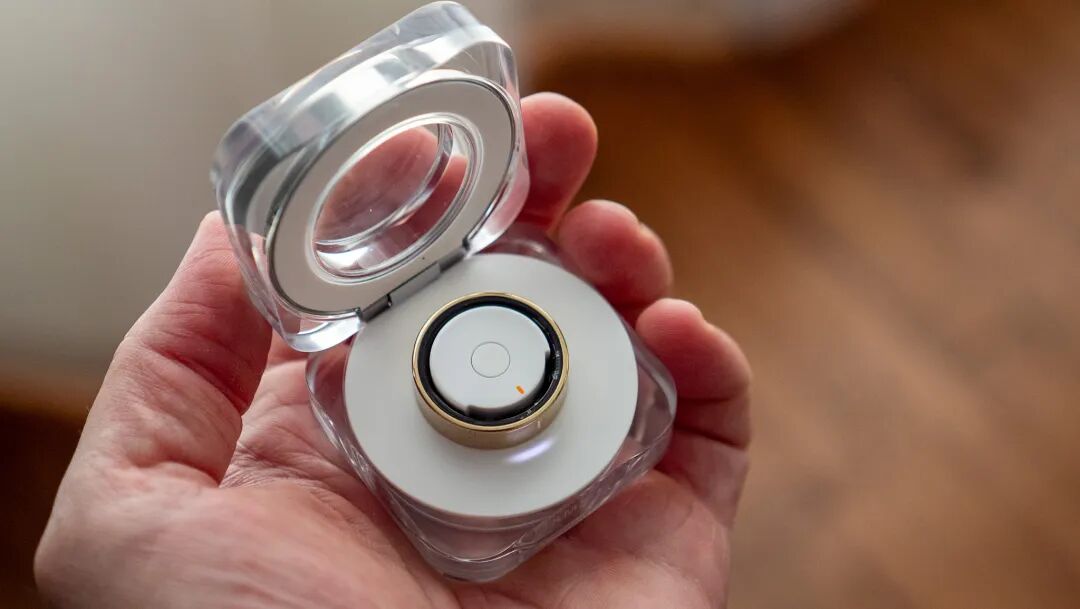
Image | Android Central
This goes against our expectation that "AI hardware can serve our personal lives around the clock", and to some extent, it has contributed to the current lukewarm state of the hardware market.
No matter how powerful the hardware or AI functions are, the fact that they "can't be as long - lasting, universal, and all - around as a phone" will greatly affect people's willingness to use them.
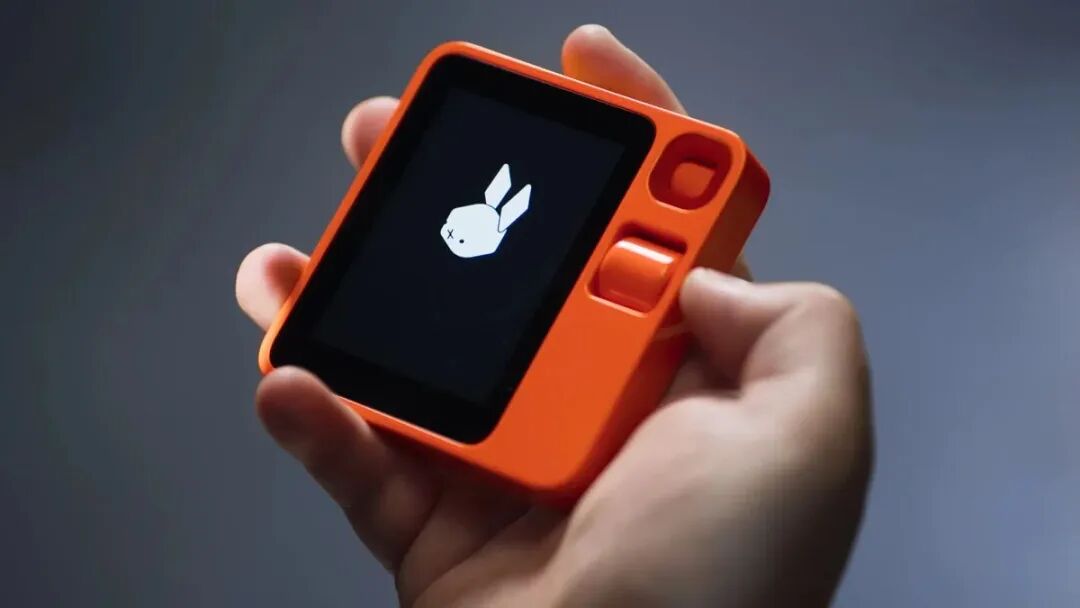
Image | Museum of failure
However, phones don't have this problem.
On the one hand, we're already used to the usage rhythm of phones. From getting up in the morning to going to bed at night, we only need to charge it for a while, and there's basically no situation like the "sudden shutdown" of some wearable AI hardware.
On the other hand, it's more fundamental -
The phone has already established an "infrastructure" in terms of local computing power, software ecosystem, and content capacity. The most significant advantage of AI hardware becoming an extension of the phone is that it can save the trouble of reinventing the wheel.
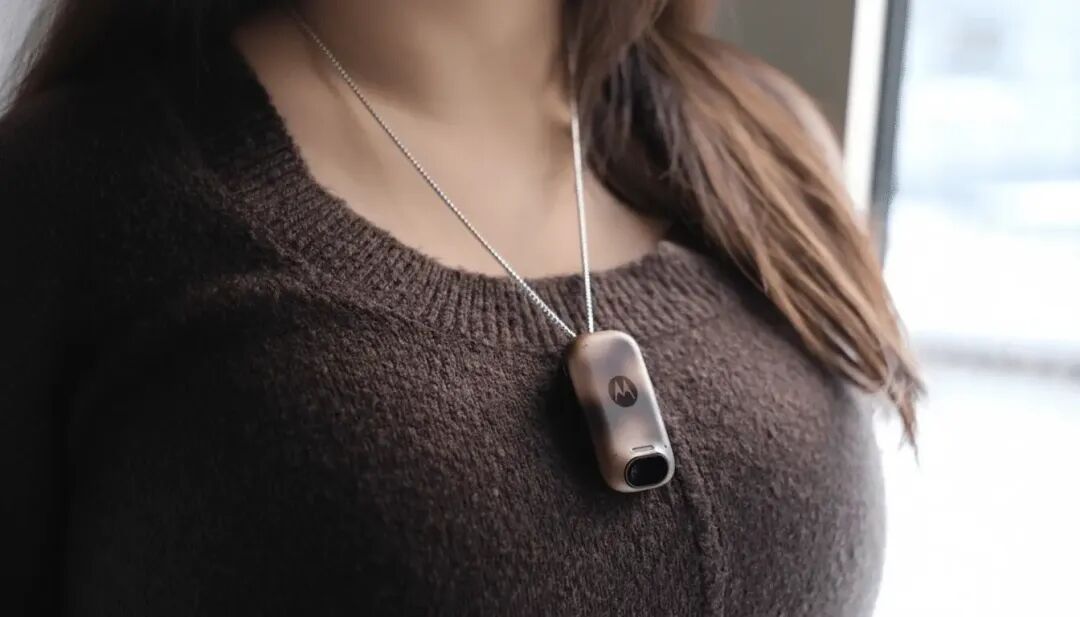
Motorola AI pendant, which needs to be used with a moto phone | Times of AI
To put it more simply: To get rich, build roads first.
As the most all - around and universal personal smart device at present, the phone is that well - built "road".
For AI hardware to be accepted by consumers, it must first follow this road and then be qualified to talk about "how to revolutionize the phone".
On the eve of the company's 50th anniversary, Greg Joswiak, Apple's senior vice - president of global marketing, and John Ternus, senior vice - president of hardware engineering, were interviewed by Wired magazine.

Greg (right) and John (left) | Tom's Guide
When asked about "whether Apple hopes to have a presence in the various new AI hardware on the market", Greg Joswiak replied:
We can't ignore the fact that everything you've just mentioned doesn't conflict with the iPhone. The iPhone won't disappear. In anything we've just talked about (designing a dedicated hardware for AI), the iPhone will play a central role.
In other words, Apple believes that - even after the emergence of the market for dedicated AI hardware, people will still choose the iPhone as the center of their personal smart devices.
Regarding this issue, Greg added:
This is exactly where everyone else (manufacturers) is struggling: they don't have the iPhone, so they're desperately looking for a way out. A lot of what (AI hardware manufacturers) talk about ends up being accessories for the iPhone. We won't disclose the future roadmap, but I can tell you that the iPhone isn't going anywhere.
When Wired magazine subsequently interviewed Tim Cook about Apple's plans for the next 50 years, after talking about Apple's talent, values, and culture, Cook also gave a similar answer:
Yes, future technologies will change; yes, there will be more products and categories. These are all facts. But what makes Apple Apple will remain the same in the next 50 years, 100 years, or even 1000 years.
What is being referred to here is not the iPhone, but the fact that Apple