A large number of "Neo PCs" are coming: Apple takes the lead, while Huawei and Google follow up. Will mobile phone chips replace those in PCs?
As expected, Apple launched a series of new products this week. However, the most attention-grabbing one is not the iPhone 17e, nor the new MacBook Pro and Air, but a long-rumored and somewhat "abnormal" new computer:
MacBook Neo.
Although most people are more concerned about its pricing and appearance, in fact, what's more worthy of attention about this computer is the chip inside. The MacBook Neo doesn't use the common M series chips for Macs. Instead, it uses a chip from the iPhone 16 Pro - the A18 Pro.
In other words, this is a Mac directly powered by a mobile phone SoC.
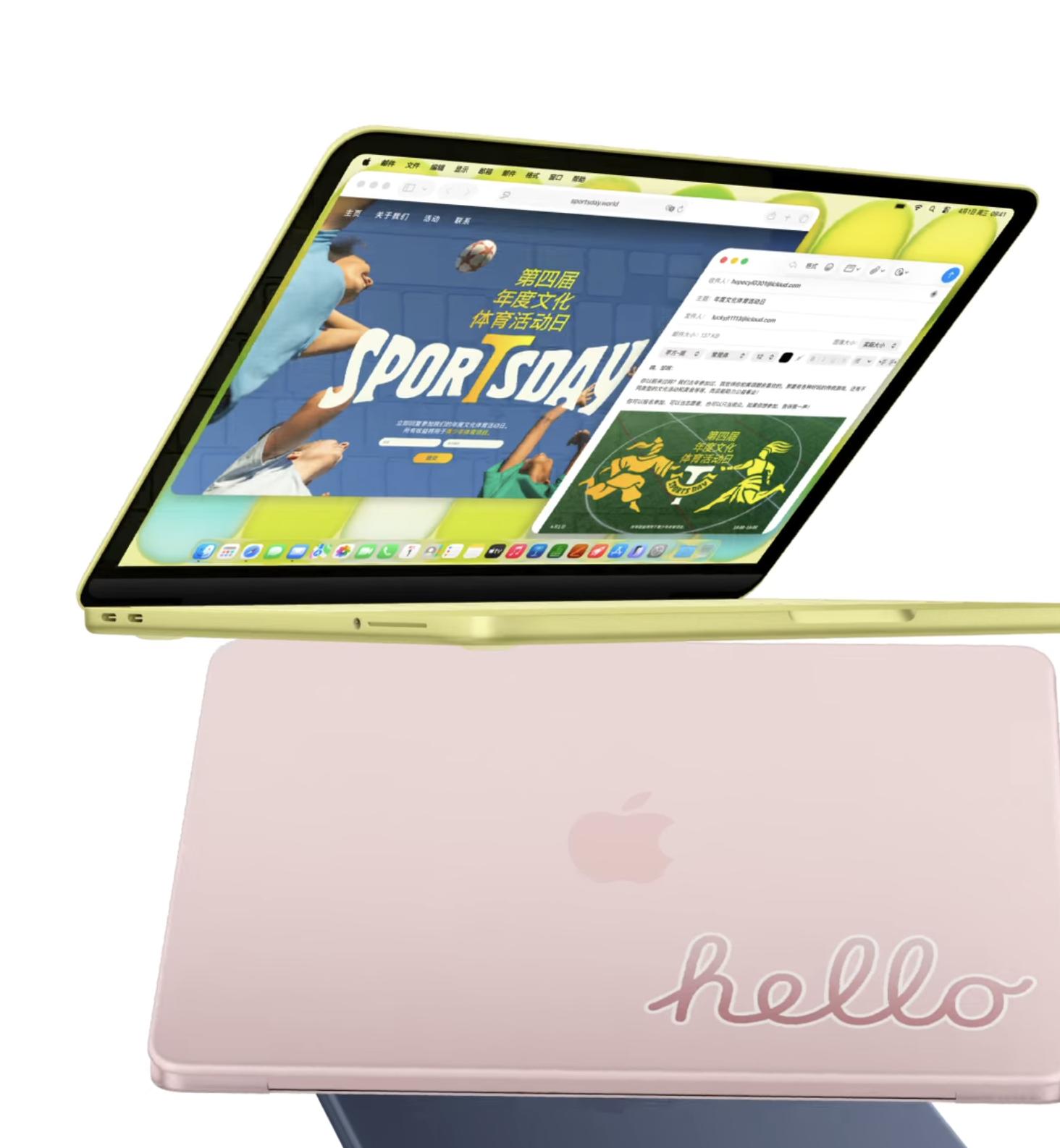
MacBook Neo, Image source: Apple
If viewed in isolation, this seems to be just a minor adjustment to Apple's product line: using a cheaper and more power-efficient chip to make an entry-level Mac. But if we take a broader view, we'll find that things aren't that simple.
Right after the release of the MacBook Neo, well-known tipster @Digital Chat Station revealed that Huawei's MateBook Neo is also in the works, and hinted that it might use the same Kirin 9030 series mobile phone SoC as the Huawei Mate 80.
On the other hand, at the grand finale of the first day of last year's Snapdragon Summit, Google announced that it was advancing the Android for PC project. Qualcomm CEO Cristiano Amon also saw the "Android PC", and it is also scheduled to be launched this year. At present, Google's Android PC will probably also use Qualcomm's flagship mobile phone SoC, rather than its own Tensor chip or the Snapdragon X PC chip.
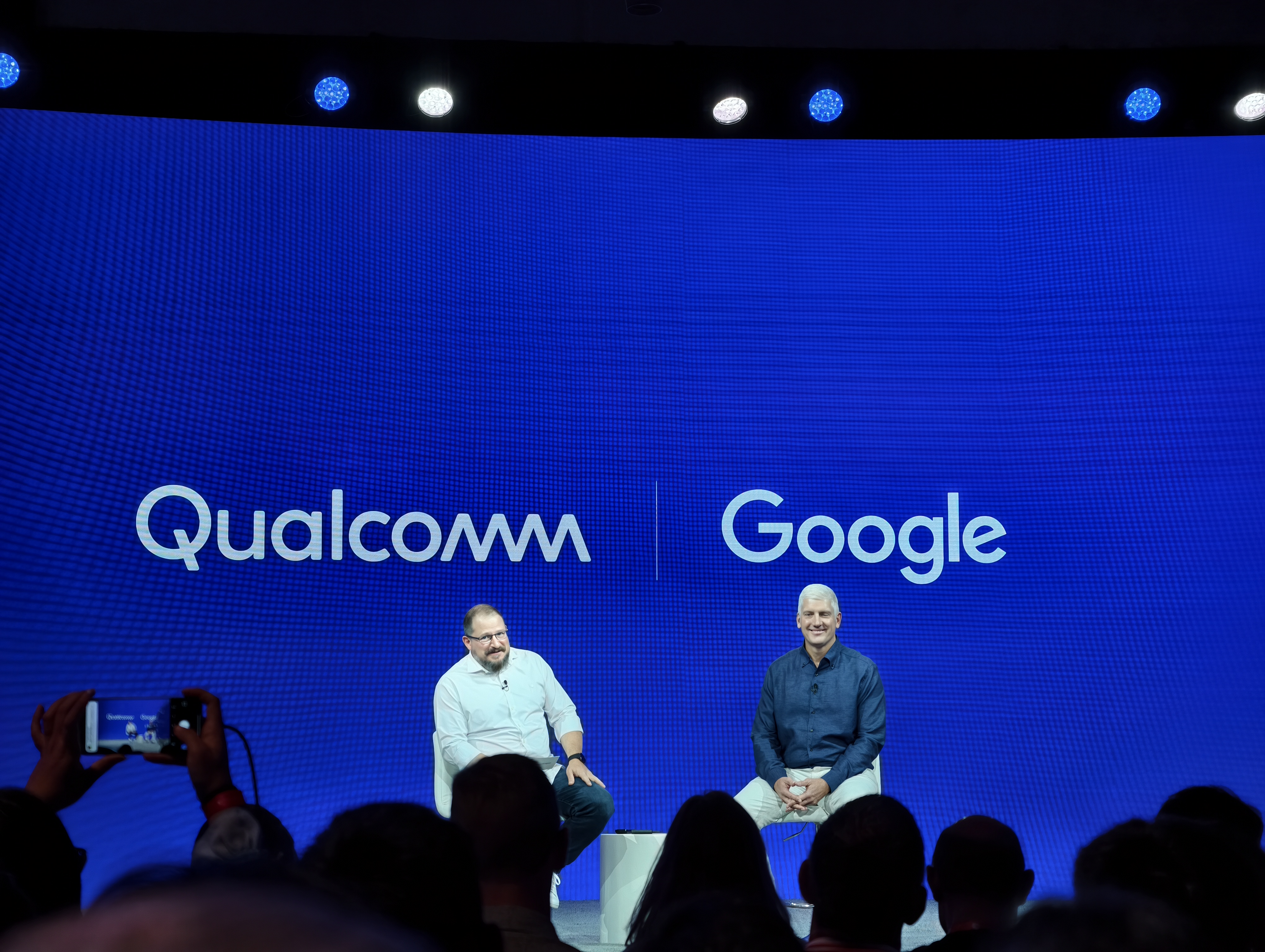
2025 Snapdragon Summit, Image source: Lei Technology
The PC seems to be entering an era powered by mobile phone SoCs.
What's more interesting is that the companies driving this trend happen to have one thing in common: they all make chips, operating systems, and terminal devices. This is true for Apple, Huawei, and to some extent, Google.
Why are PCs starting to use mobile phone chips?
On the surface, the appearance of the MacBook Neo does seem to be a "downgrade".
Not to mention the "downgrade" of many core and peripheral configurations, in many people's intuition, using a mobile phone chip to make a computer seems to mean weaker performance and a lower positioning. Especially in the PC market, which has long been dominated by Intel and AMD, mobile phone SoCs have always been considered only a solution for mobile devices.
But if we look closely at the technological evolution in the past decade, we'll find that the situation is exactly the opposite: the capabilities of mobile phone SoCs have grown to the point where they can take on the role of PCs.
This is still a rather conservative statement. The performance improvement of mobile phone SoCs is almost the most radical technological curve in the entire semiconductor industry. Take Apple for example. From the early A series chips with performance close to that of low-power PC processors to the A19 on the iPhone 17, the single-core CPU performance has even topped the PassMark single-core ranking, surpassing the CPUs of many mobile phones and PCs.
And the GPU capabilities are also rapidly approaching those of lightweight discrete graphics cards. Some flagship mobile phones have already started trying to run PC 3A games. Earlier, Lei Technology tested the Red Magic 9S Pro (Snapdragon 8 Gen 3), and GeekBay has also conducted such tests over the years.
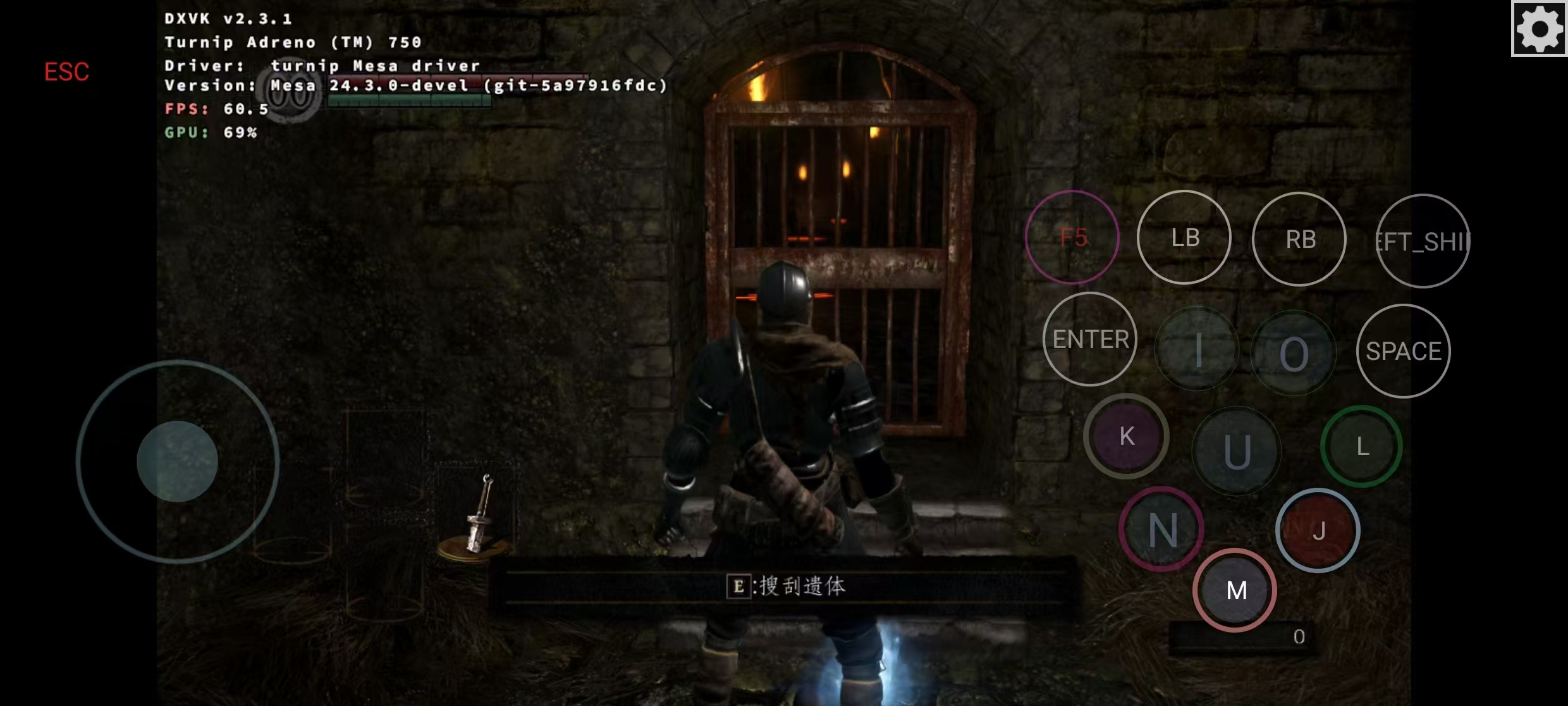
Dark Souls Remastered, Image source: Lei Technology
Image source: Google
These tests all show that the performance of mobile phone SoCs has improved significantly and is already sufficient to support PC-level graphics performance requirements. In addition, in terms of NPUs, which are becoming increasingly important in the AI era, mobile phones and PCs are on par.
Moreover, the MacBook Neo is an entry-level thin and light laptop, and the flagship mobile phone SoC is more than sufficient.
After all, for most users today, the main tasks on the computer are no longer compiling code or rendering 3D scenes, but browsing the web, writing documents, having video conferences, and handling some simple creative tasks. The performance of mobile phone SoCs can fully cover these scenarios. They are smaller in size, more cost-controllable, and consume far less power than traditional PC platforms.
However, the differences between "Neo" PCs and traditional PCs are not only reflected in the chips themselves.
The technical structure of traditional PCs has long been dominated by the so-called Wintel alliance: Intel or AMD is responsible for the processors, Microsoft provides the Windows operating system, and PC manufacturers design the whole machines on this basis. There is a relatively loose division of labor structure among chips, systems, and terminals.
After the launch of the M1 chip, Apple completely changed this situation. The development of chips, operating systems, and PC terminals is coordinated within the same technical system. At least the CPU architectures are shared between the A series and the M series. So we can see that iPads using iPadOS (actually iOS) are equipped with both A series chips and M series chips.
This is why Apple can directly install the A series chips from iPhones on the MacBook Neo.
Because it has no historical baggage, Huawei is even more radical in its technical system. HarmonyOS covers various terminal devices such as mobile phones, tablets, and PCs. Last year, Huawei officially launched its first Harmony PC equipped with self-developed chips and an operating system. If a MateBook Neo with an entry-level positioning is really powered by the Kirin 9030 from the Huawei Mate 80, I won't be surprised at all.
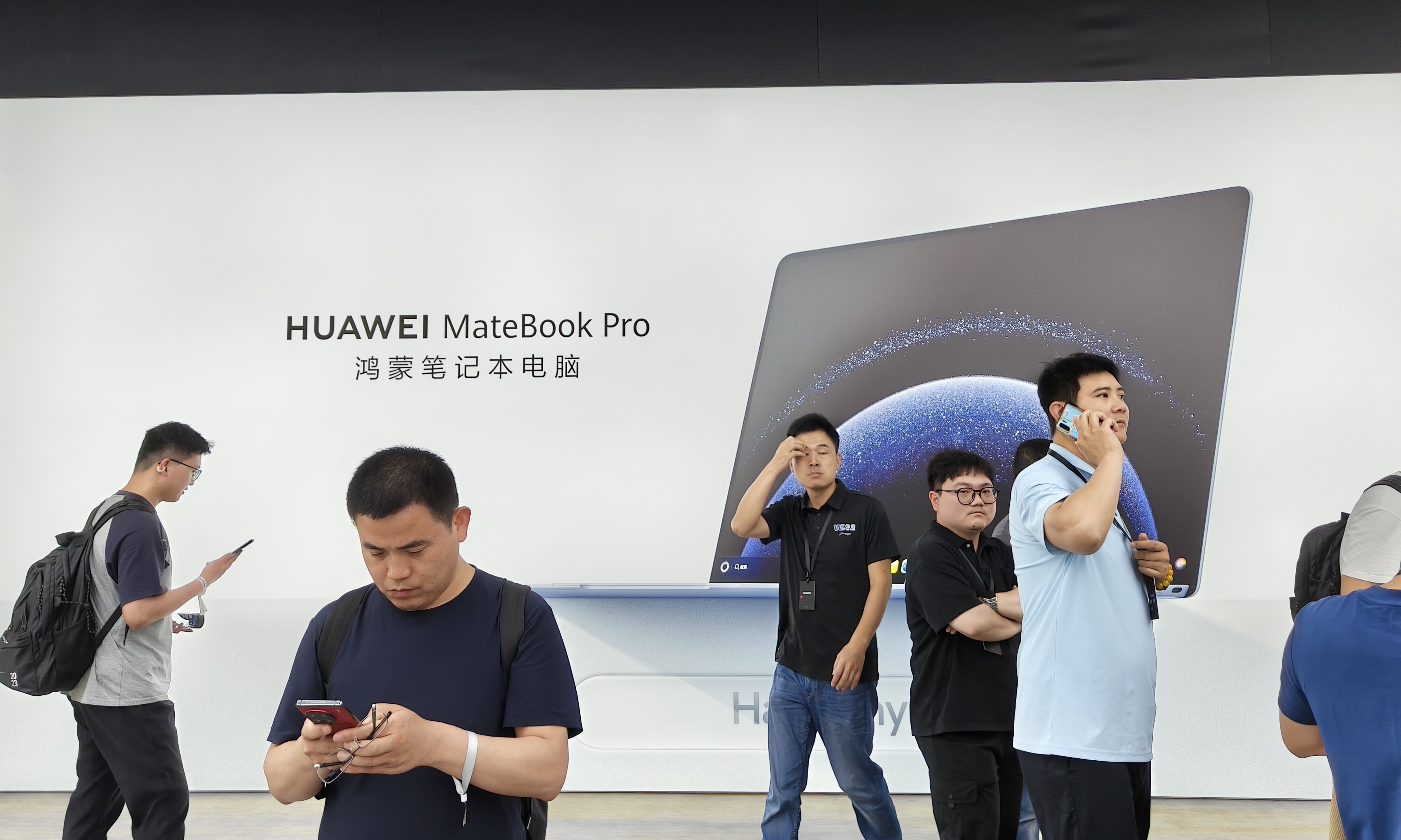
Image source: Lei Technology
This in-depth integration between hardware and software is something that the traditional Wintel alliance model finds it difficult to achieve.
In a sense, computers like the MacBook Neo are not an extension of traditional PCs, but more like an expansion of the mobile phone computing platform. If this trend continues, a new form may emerge in the future PC ecosystem: more entry-level thin and light laptops will gradually be built on the mobile phone SoC platform.
Of course, in this process, Android PCs are likely to become an option for more third-party PC manufacturers.
Is the "Neo" PC a better entry-level option?
If we only look at the technological evolution, the emergence of the "Neo" PC seems logical. But for users, the more crucial question is actually very simple: Is a laptop powered by a mobile phone SoC really better?
The MacBook Neo at least gives a very clear answer: in some aspects, it may indeed be better. The most obvious advantage is low power consumption.
Mobile phone SoCs are designed around mobile devices from the start. Their core goal is not absolute performance, but energy efficiency. In other words, they provide the highest possible performance with the lowest possible power consumption. This actually fits the core needs of thin and light laptops perfectly.
In the past few years, the product logic of many thin and light laptops has revolved around one goal: longer battery life, lower heat generation, and a thinner and lighter body. Apple has proven this path during the M series chip era, and the MacBook Neo is just taking this logic further into the entry-level market.
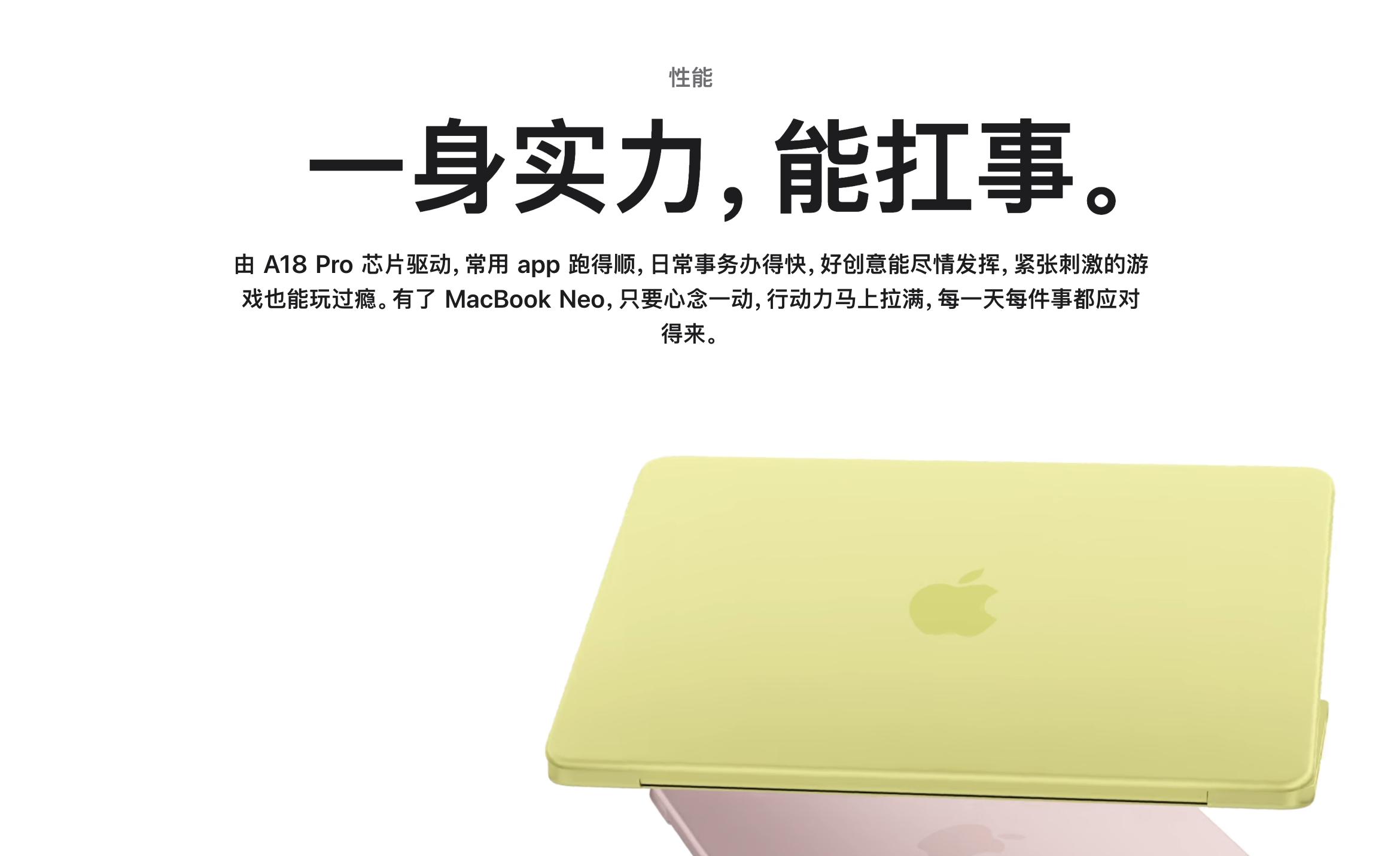
Image source: Apple
If there are more and more similar products, future entry-level laptops are likely to become more and more like "always-available mobile devices", without fans, almost no obvious heat generation, and the battery can easily last a whole day of use.
For many ordinary users, such an experience is actually more important than extra performance.
The second change may be reflected in the price. The cost structure of traditional PC platforms is relatively complex. Processors, chipsets, various controllers, and peripheral circuits form a whole system. The high integration of mobile phone SoCs means that the whole-machine design can be simpler and the cost can be more easily controlled.
The price of the MacBook Neo itself is a signal: Apple has for the first time brought the starting price of the MacBook to a significantly lower range. With national subsidies and educational discounts, the actual price can even be as low as 3310 yuan. If Huawei's MateBook Neo and Android PCs adopt similar strategies in the future and bring mobile phone SoCs to PCs, these products are likely to further lower the price range of thin and light laptops.
For consumers, this means a new possibility: they can buy a computer with a better experience in the same price range.
Of course, these "Neo" PCs also have problems. The most obvious limitation is still the software ecosystem and application forms. Although the ARM platform has made great progress on PCs, many traditional PC software is still developed around the x86 architecture. Apple has basically solved this problem through ecosystem integration. Huawei's HarmonyOS is also in a stage of rapid improvement, and Google's Android PC remains to be verified by time.
For some more professional usage scenarios - such as large-scale development projects, complex content creation, or high-end games - traditional PC platforms still have obvious advantages. Even though the performance of mobile phone SoCs is improving rapidly, it is unlikely to completely replace high-performance PCs in a short period of time.
But this doesn't mean that the value of "Neo" PCs is limited. From the user's perspective, these devices are more like opening up a new product line in the PC market, offering a different choice. If traditional PCs are more like computing devices that prioritize performance, then "Neo" PCs are more like computers centered around the mobile experience:
Quieter, more power-efficient, lighter, and at the same time providing sufficient performance in most daily scenarios.
Conclusion
The significance of the MacBook Neo may not lie in the fact that it is a cheaper Mac, but in the fact that it shows a new possibility: when the performance of mobile phone SoCs is sufficient to cover most daily computing needs, the PC computing platform itself is no longer the only option:
For entry-level thin and light laptops, mobile phone SoCs may become a more reasonable choice.
If Apple, Huawei, and future Android PCs continue to advance along this path, two parallel forms are likely to gradually emerge in the PC market: one is the traditional PC that continues to pursue the upper limit of performance, and the other is the "Neo" PC centered around the mobile phone computing platform, emphasizing energy efficiency and mobile experience. For users, this may mean better choices.
This article is from the WeChat official account "Lei Technology", author: Lei Technology. Republished by 36Kr with permission.