Eine große Anzahl von "Neo PC" ist hier: Apple führt an, Huawei und Google folgen. Wird der Mobiltelefon-Chip den PC verschlingen?
As expected, Apple introduced a series of new products this week. However, what attracted the most attention is not the iPhone 17e, nor the new MacBook Pro and Air, but a long - rumored and somewhat “unusual” new computer:
MacBook Neo.
Although most people still focus on the price and design, the chip in this computer is actually even more interesting. The MacBook Neo does not use the usual M - series chips of Mac, but a chip from the iPhone 16 Pro – the A18 Pro.
This means it is a Mac that is directly powered by a mobile phone SoC.
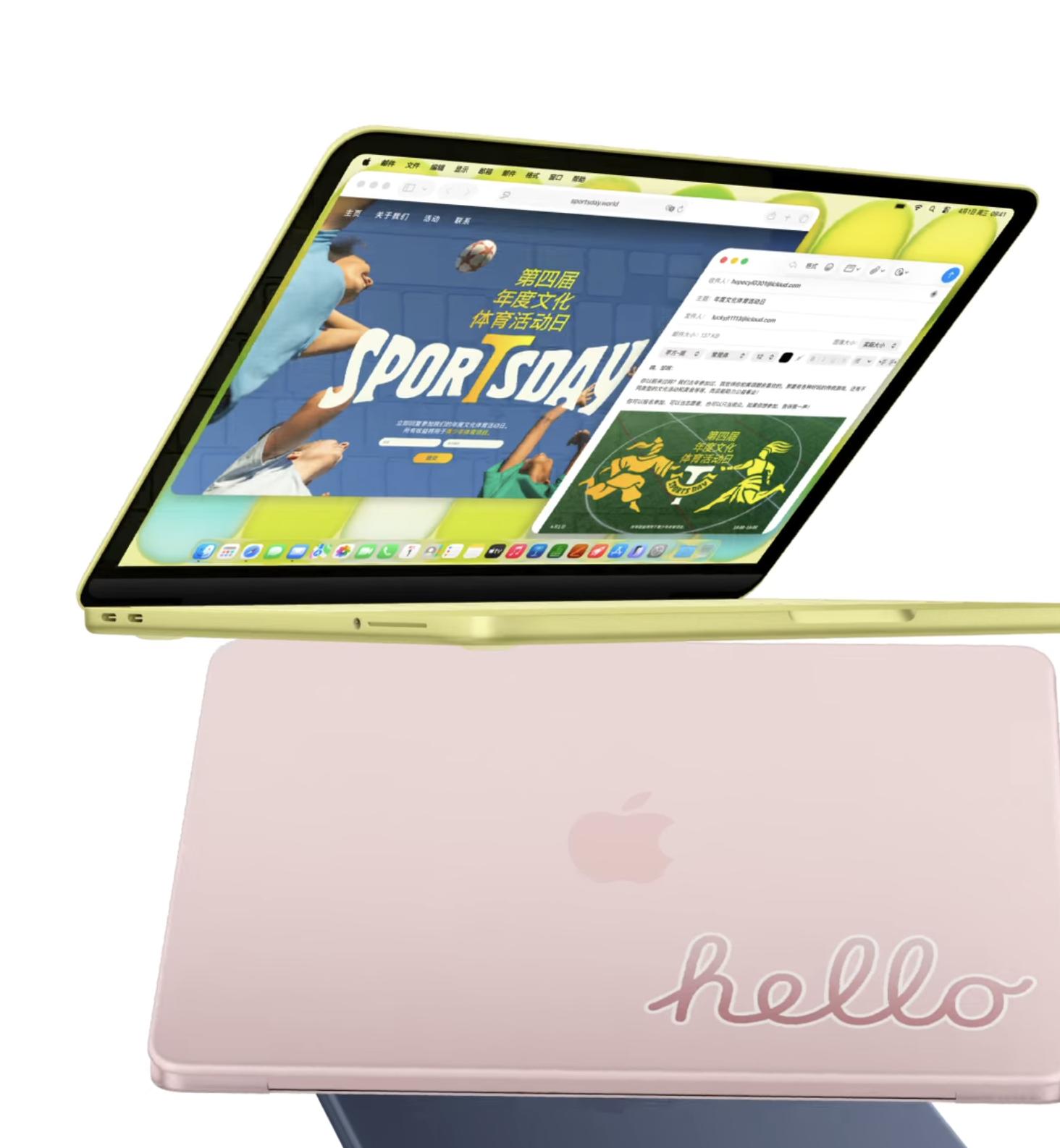
MacBook Neo, Image source: Apple
Looking at this in isolation, it seems to be just a small adjustment in the Apple product line: An entry - level Mac with a cheaper and more power - efficient chip. However, if one takes a further look at the overall situation, it quickly becomes clear that the matter is not that simple.
After the release of the MacBook Neo, the well - known insider blogger @Digital Chat Station revealed that the MateBook Neo developed by Huawei is also in the works and it might possibly use the same Kirin 9030 - series mobile phone SoC as the Huawei Mate 80.
On the other hand, Google announced at the end of the first day of the Snapdragon Summit last year that it is advancing the Android for PC project. Qualcomm CEO Cristiano Amon has also seen the “Android - PC”, and it is supposed to be released this year as planned. Presumably, Google's Android - PC will also more likely use a Qualcomm flagship mobile phone SoC rather than its own Tensor chip or the Snapdragon X PC chip.
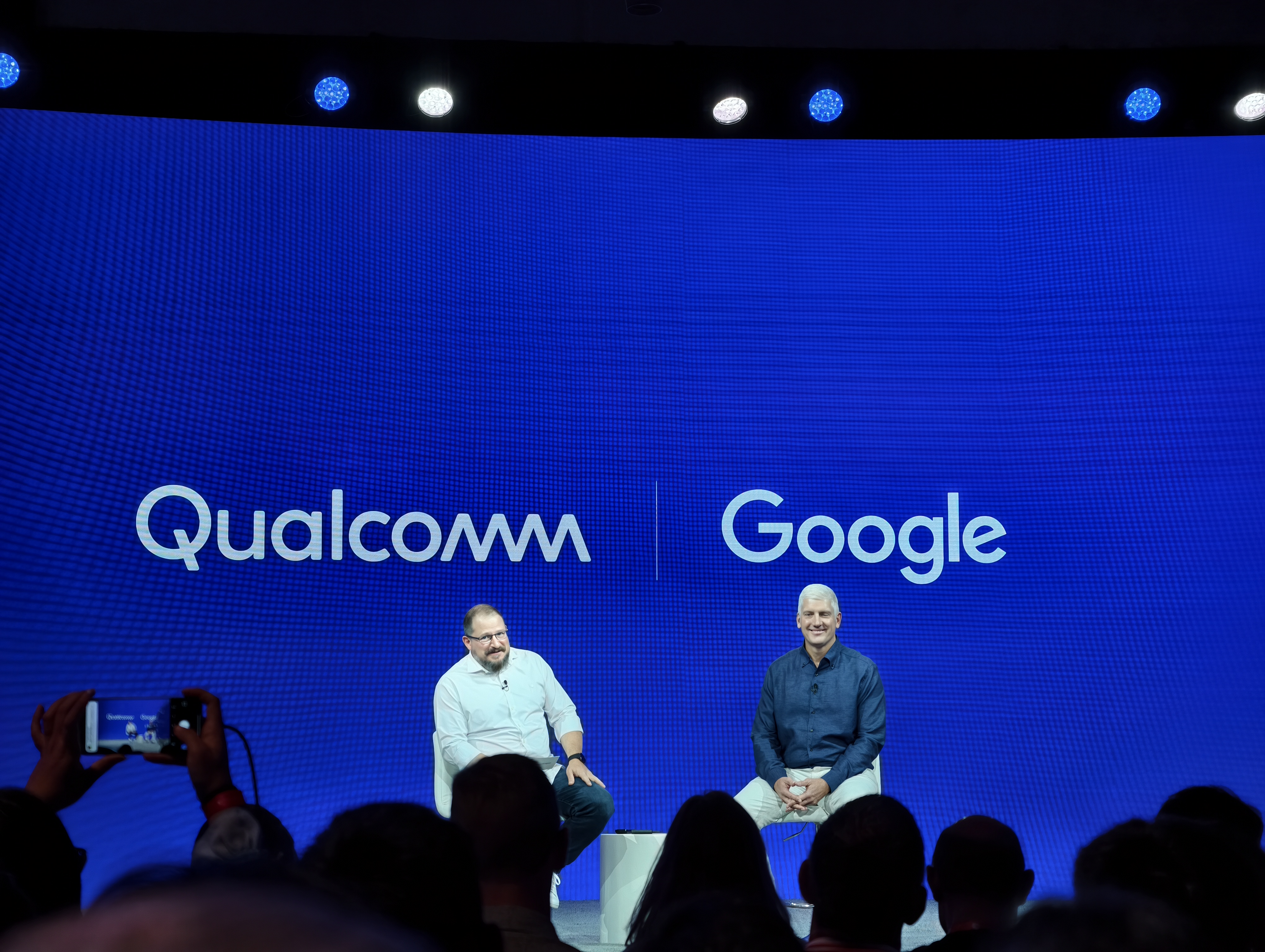
2025 Snapdragon Summit, Image source: Lei Technology
The PC also seems to be entering the era of being powered by mobile phone SoCs.
Interestingly, the companies driving this development have one thing in common: They develop both chips and operating systems and manufacture end - devices. This applies to Apple, to Huawei, and to some extent also to Google.
Why are mobile phone chips now being used in PCs?
At first glance, the appearance of the MacBook Neo actually seems to be a “degradation”.
Without going into the “degradation” of many core and peripheral components, it seems intuitive to many people that using mobile phone chips in computers indicates weaker performance and a lower positioning level. Especially in the market that has long been dominated by Intel and AMD, the mobile phone SoC is still regarded as a solution only for mobile devices.
However, if one looks more closely at the technological development of the past ten years, it becomes clear that the situation is exactly the opposite: The capabilities of mobile phone SoCs have now developed to such an extent that they can take over the role of the PC.
This is still a relatively conservative statement. The performance increase of mobile phone SoCs is progressing almost on the most aggressive technological curve in the entire semiconductor industry. Take Apple as an example: From the early A - series, whose performance approached that of an energy - efficient PC processor, to the A19 in the iPhone 17, the single - core performance of the CPU has even reached the top of the PassMark single - core ranking list and outperformed many CPUs of mobile phones and PCs.
The GPU performance is also quickly approaching that of high - performance, independent graphics cards, and some flagship mobile phones have already started testing 3A games for the PC. Lei Technology has already conducted such tests with the Red Magic 9S Pro (Snapdragon 8 Gen 3), and GeekBay has also carried out similar tests in recent years.
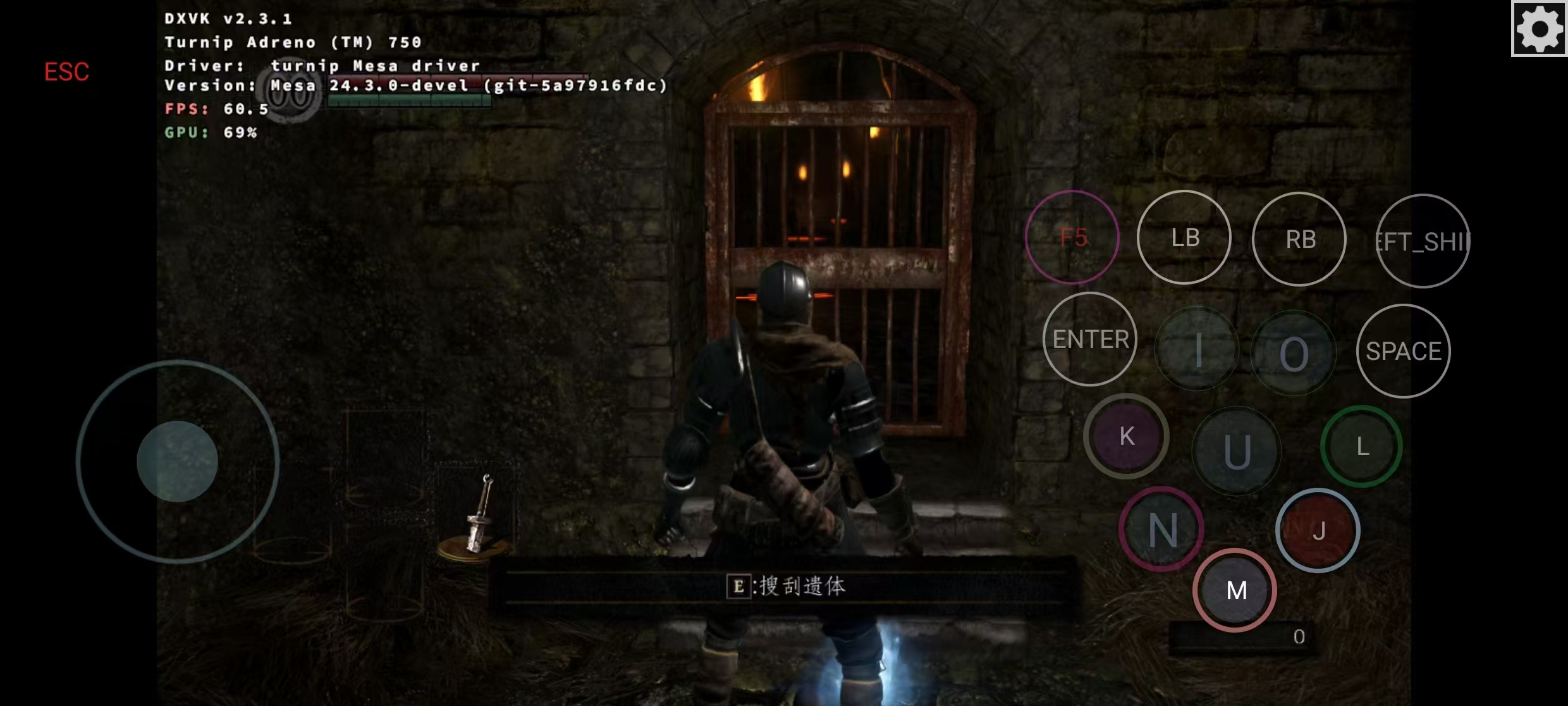
Dark Souls Remastered, Image source: Lei Technology

Image source: Google
These tests show that the performance of mobile phone SoCs has increased enormously and is already sufficient to meet the PC - level graphics performance requirements. In addition, mobile phones and PCs are on par in terms of the increasingly important NPU in the era of artificial intelligence.
Moreover, the MacBook Neo is a light, portable entry - level notebook, and the performance of a flagship mobile phone SoC is more than sufficient here.
Nowadays, the main work of most computer users is no longer to compile code or render 3D scenes, but to surf the Internet, write documents, conduct video conferences, and perform simple creative tasks. The performance of mobile phone SoCs can easily cover these scenarios, and it is characterized by a smaller size, better cost control, and much lower power consumption compared to traditional PC platforms.
However, the difference between the “Neo” - PC and the traditional PC is not only shown in the chip itself.
The technological structure of the traditional PC has long been dominated by the so - called Wintel alliance: Intel or AMD supplies the processors, Microsoft provides the Windows operating system, and PC manufacturers design the entire device on this basis. There is a relatively loose division of labor between the chip, the system, and the end - device.
After the introduction of the M1 chip, Apple has completely changed this situation. The chip, the operating system, and the PC end - device are now jointly developed in a single technological system. The A and M series at least share the CPU architecture. That's why we can see that iPads with iPadOS (actually iOS) are equipped with both A - series chips and M - series chips.
This is also the reason why Apple can directly integrate the A - series chip from the iPhone into the MacBook Neo.
Since Huawei has no historical burdens, it is even more aggressive in technological development. A single HarmonyOS directly covers mobile phones, tablets, PCs, and other end - devices. Last year, it officially introduced the first Harmony - PC with a self - developed chip and operating system. I wouldn't be surprised if the Kirin 9030 from the Huawei Mate 80 actually powered an entry - level MateBook Neo.
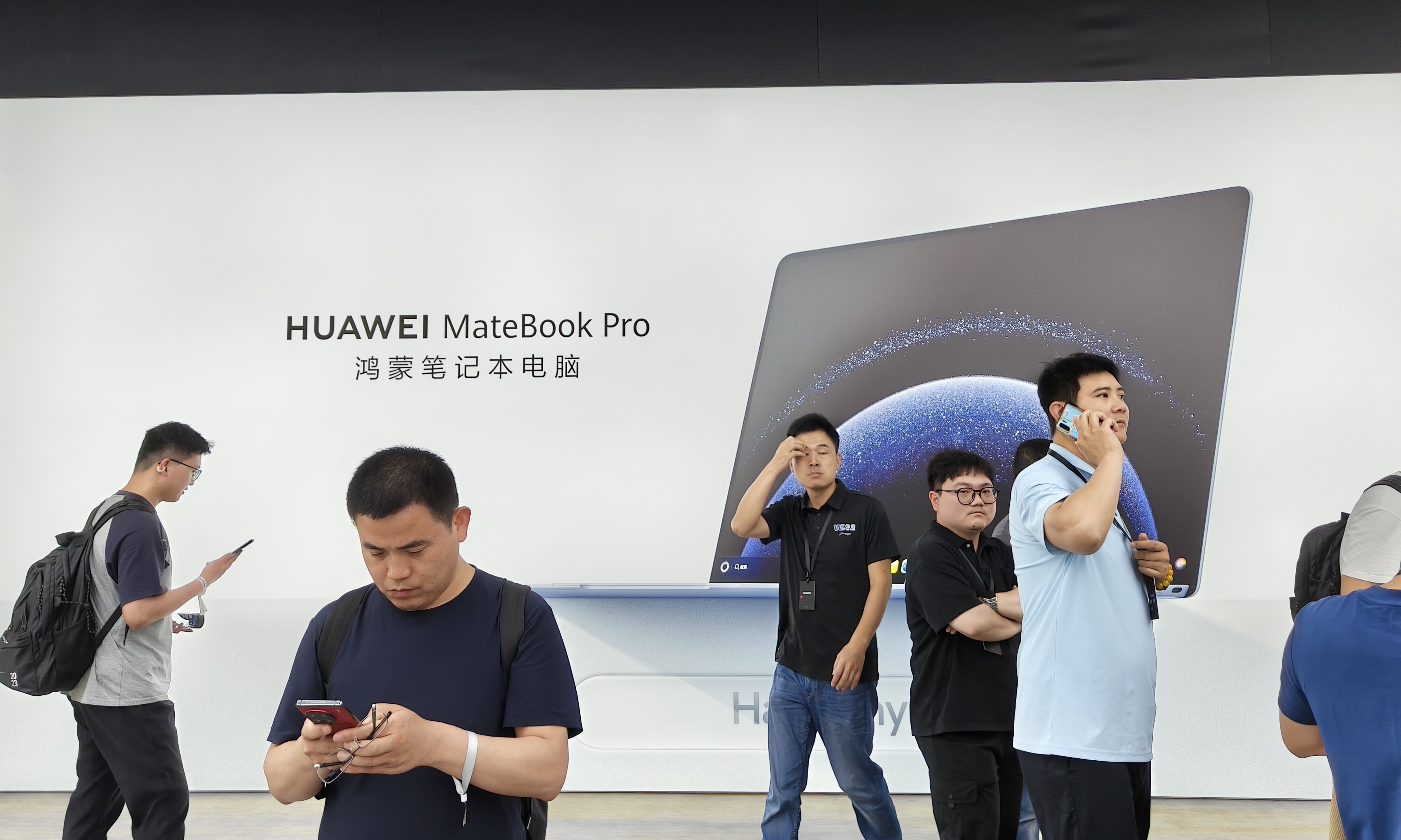
Image source: Lei Technology
However, this deep integration of hardware and software is something that the traditional Wintel alliance model can hardly achieve.
And in a sense, a computer like the MacBook Neo is not the development of the traditional PC, but rather the expansion of the mobile phone's computing platform. If this trend continues to develop, the future PC ecosystem may take on a new form: More entry - level notebooks will be built on mobile phone SoC platforms.
Naturally, the Android - PC will probably also be an option for many third - party PC manufacturers in this process.
Is the “Neo” - PC a better entry - level option?
Looking only at the technological development, the emergence of the “Neo” - PC seems logical. However, for users, the crucial question is much simpler: Is a notebook with a mobile phone SoC actually better?
The MacBook Neo at least gives a very clear answer: In some aspects, it can actually be better. The most obvious advantage is the low power consumption.
Mobile phone SoCs were developed from the start for mobile devices, and their core goal is not absolute performance, but the energy - efficiency ratio. In other words, the highest possible performance with the lowest possible power consumption. This exactly meets the core requirements of light, portable notebooks.
In recent years, the product logic of many light notebooks has developed around one goal: Longer battery life, less heat generation, and a lighter, more compact housing. Apple has already proven once during the M - series chip era that this approach is worthwhile, and the MacBook Neo now brings this logic to the entry - level market.
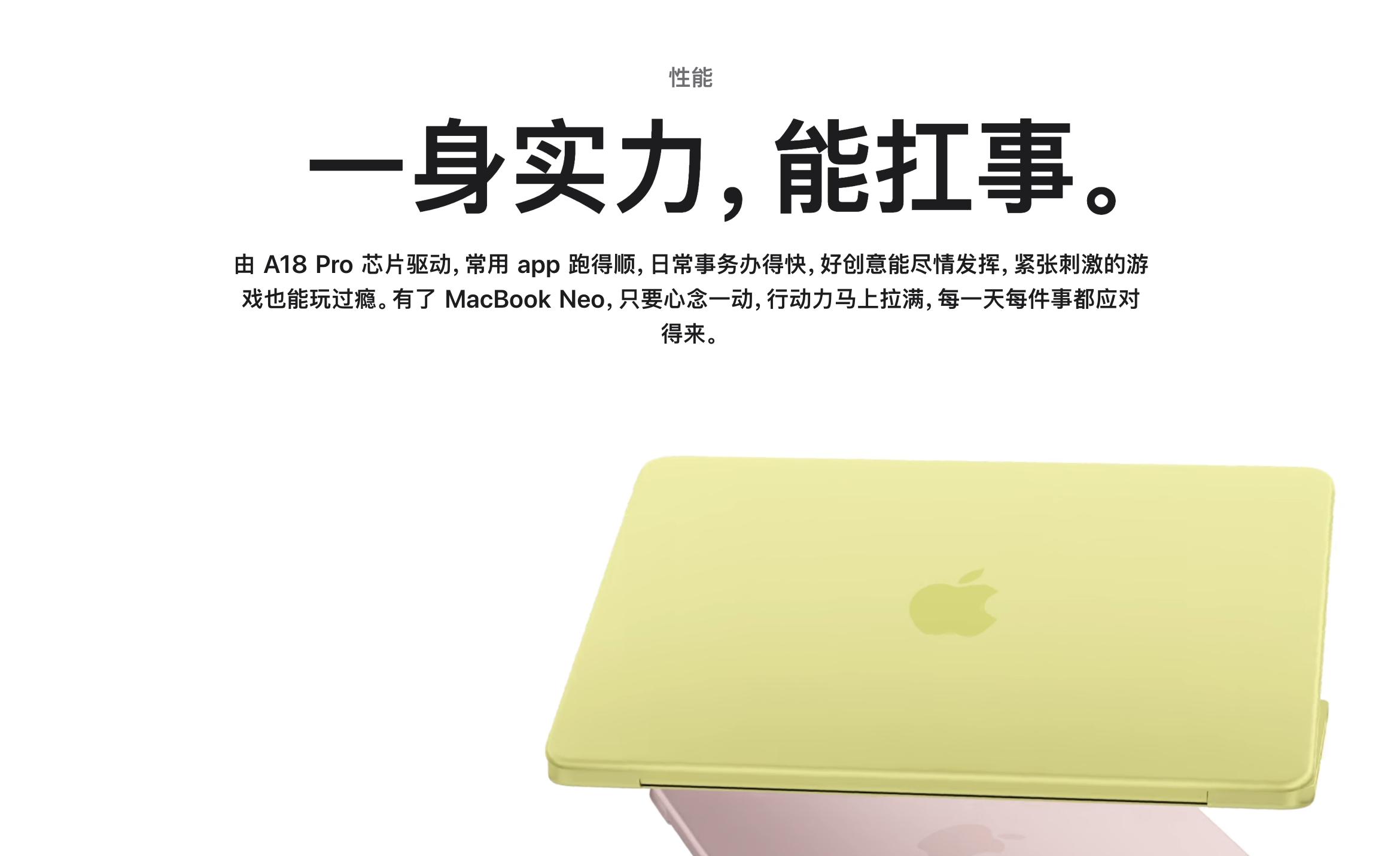
Image source: Apple
If there are more such products, future entry - level notebooks will probably increasingly resemble an “always - ready mobile device”: No fan, almost no heat generation, and the battery lasts easily for a whole day.
For many normal users, this kind of user experience is actually more important than additional performance.
A second change could be reflected in the price. The cost structure of the traditional PC platform is relatively complex. The processor, chipset, various controllers, and peripheral circuits form an entire system. The high integration of mobile phone SoCs means that the design of the entire device can be simpler and the costs can be more easily controlled.
The price of the MacBook Neo is already a signal: Apple has brought the price of a MacBook into a significantly lower range for the first time. With government subsidies and educational discounts, the final price can even drop to 3310 Yuan. If the future Huawei MateBook Neo and the Android - PC also adopt similar strategies and use mobile phone SoCs in PCs, it will probably further reduce the price of light notebooks.
For consumers, this means a new possibility: In the same price range, one can buy a notebook with a better user experience.
Of course, this “Neo” - PC also has its problems. The most obvious limitation still lies in the software ecosystem and the form of application. Although the ARM platform on PCs has already made significant progress, many traditional PC software is still developed for the x86 architecture. Apple has largely solved this problem through the integration of ecosystems, Huawei HarmonyOS is in a phase of rapid improvement, and Google's Android - PC still has to stand the test of time.
For some specialized application scenarios – such as large development projects, complex content creation, or high - end games – the traditional PC platform still has clear advantages. Even if the performance of mobile phone SoCs increases rapidly, it is unlikely that they can completely replace high - performance PCs in a short time.
However, this does not mean that the value of the “Neo” - PC is limited. From the user's perspective, such a device is rather a new product line in the PC market that offers another option. If one says that the traditional PC is more of a computing device with a priority on performance, then the “Neo” - PC is more of a computer that is oriented towards the mobile user experience:
Quieter, more power - efficient, lighter, and at the same time with sufficient performance for most daily scenarios.
Conclusion
The significance of the MacBook Neo may not lie in the fact that it is a cheaper Mac, but that it shows a new possibility: When the performance of mobile phone SoCs is sufficient to meet most daily computing requirements, the PC's computing platform will no longer be unique:
For entry - level notebooks, the mobile phone SoC could become a more reasonable option.
If Apple, Huawei, and future Android - PCs continue on this path, there will probably be two parallel forms in the PC market: On the one hand, the traditional PC, which still strives for maximum performance, and on the other hand, the “Neo” - PC, which is based on the mobile computing platform and focuses on energy efficiency and mobile user experience. For users, this could mean that they have better options.
This article is from the WeChat account “Lei Technology”, Author: Lei Technology. Published by 36Kr with permission.