Revealed simultaneously in four locations across the country: TapTap Annual Game Awards has completed its first decade.
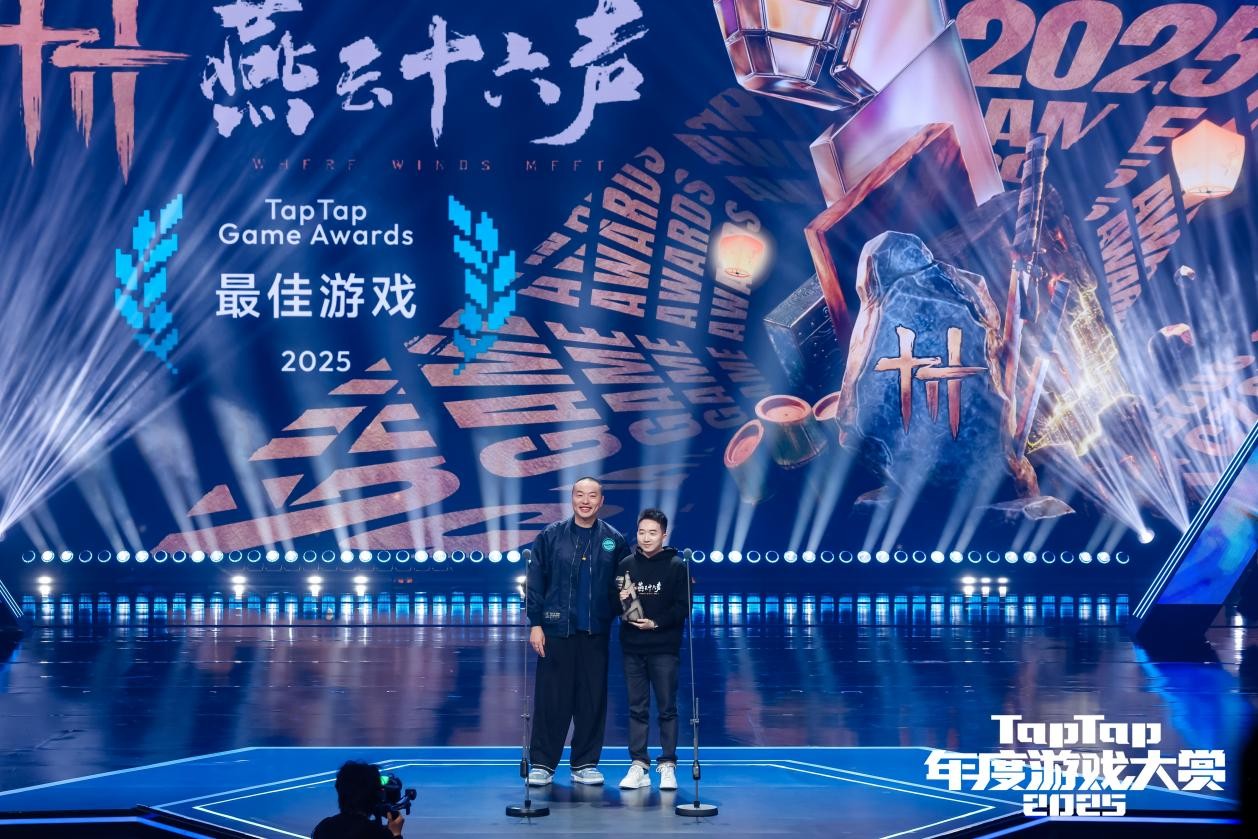
Yan Yun: Sixteen Sounds Wins the Game of the Year Award
On January 24, the 2025 TapTap Annual Game Awards came to an end at the Shanghai Opera House. This top - tier domestic game awards event for players has completed its first decade.
In addition to the main venue, off - site viewing + trial play sessions jointly supported by 36Kr Games, JD E - sports, JD MALL, and Red Magic Mobile were successfully held at JD MALLs in Beijing, Guangzhou, and Chengdu respectively.
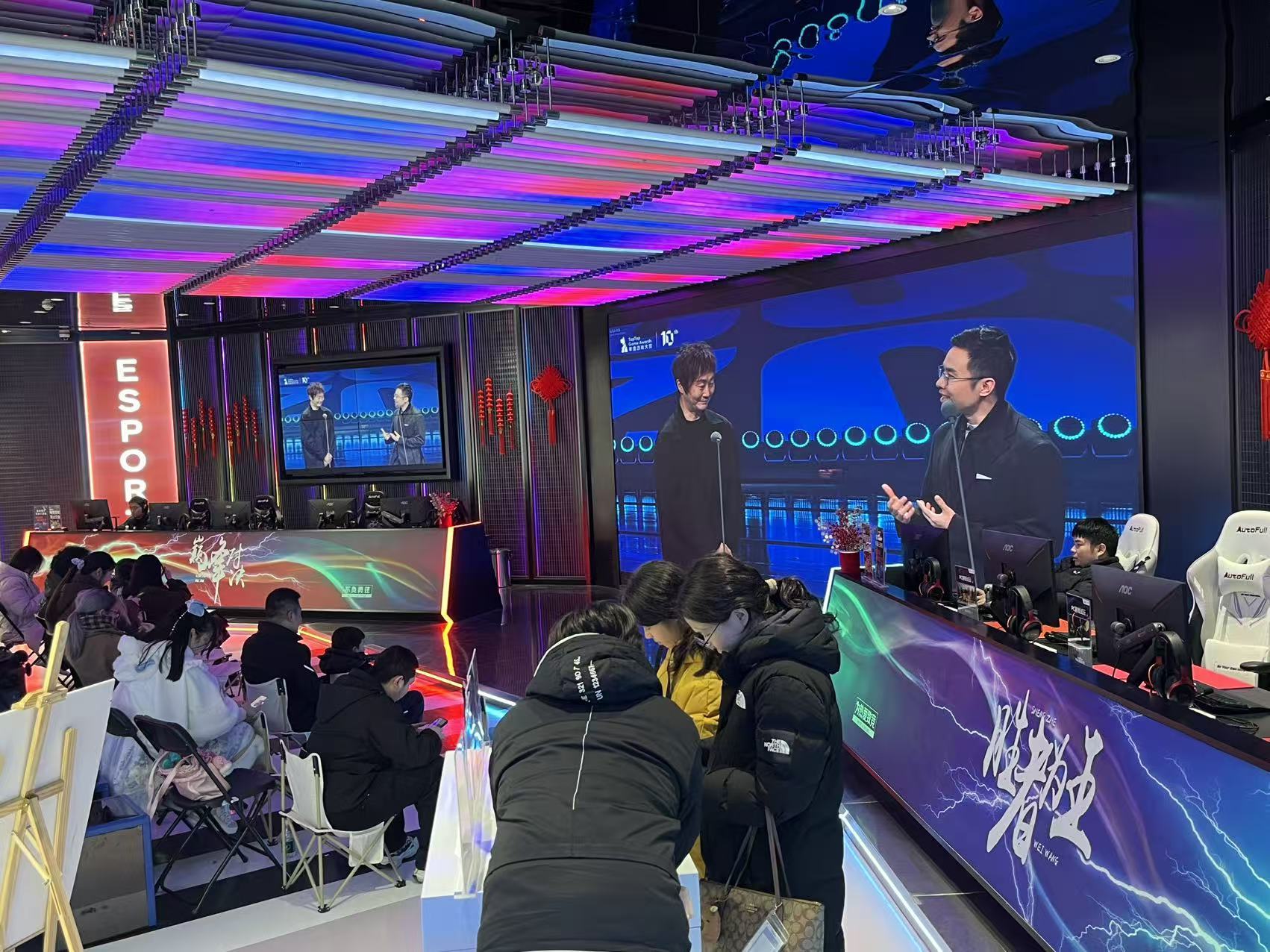
Scene of the Off - site Viewing + Trial Play Session
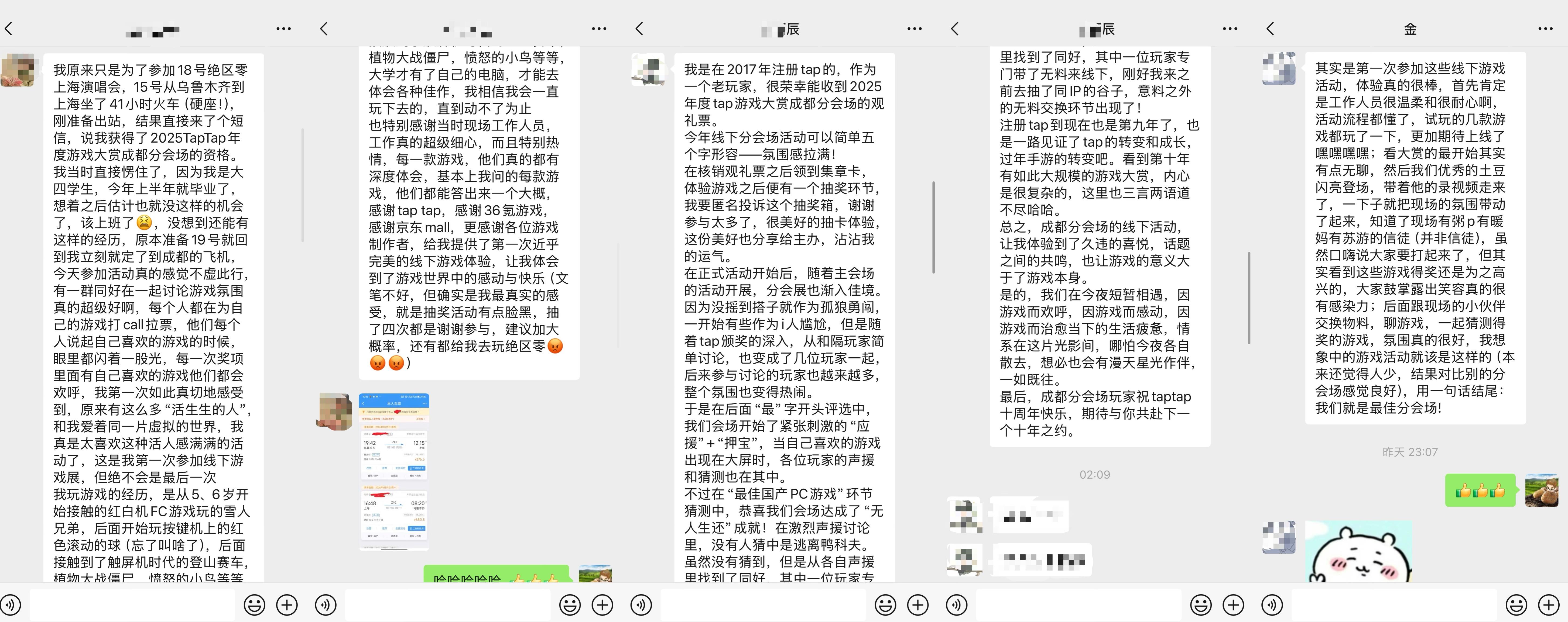
Messages from Players at the Off - site Viewing Event
A Single Game Wins Five Awards
During the announcement of numerous awards that night, Yan Yun: Sixteen Sounds became a name that couldn't be ignored.
It won the professional awards of "Game of the Year", "Best Narrative", "Best Sound Performance", and the player - voted awards of "Players' Favorite Game" and "Players' Favorite Domestic PC Game", a total of five awards, becoming the work with the most awards in the ten - year history of the awards.
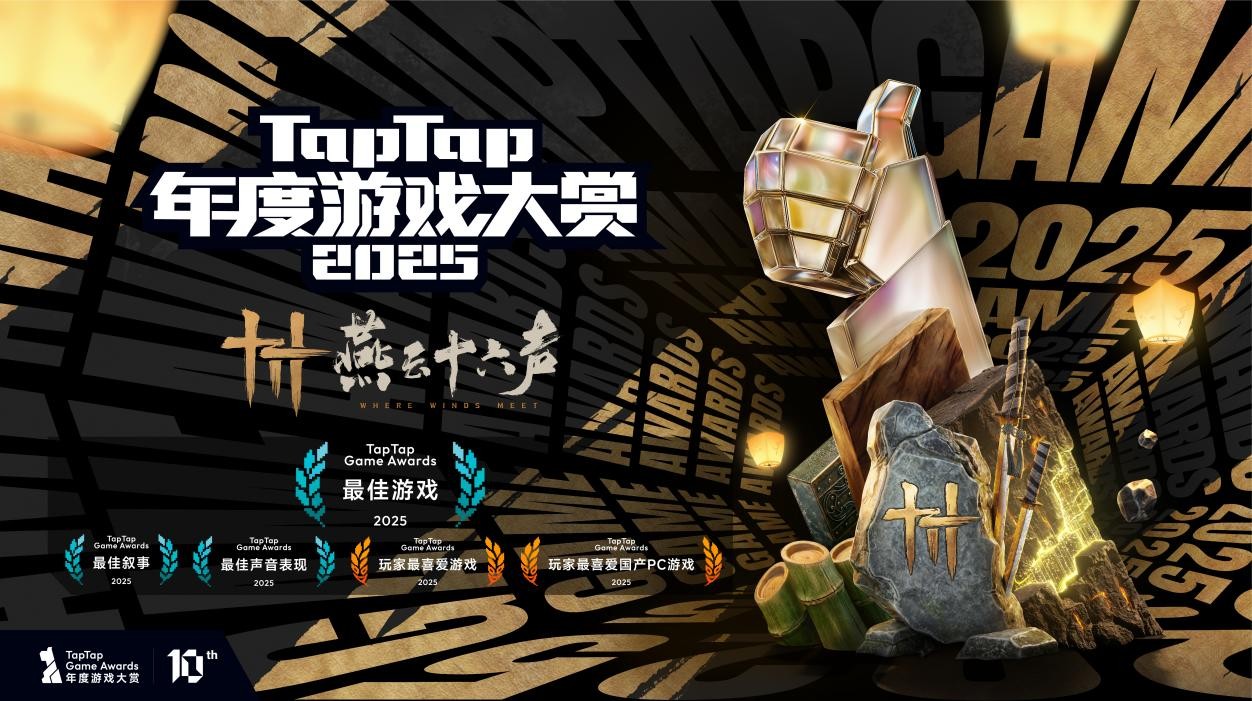
Yan Yun: Sixteen Sounds Wins Five Awards
Is there "favoritism" when a single game wins so many honors?
At the previous awards ceremony, Huang Yimeng, the CEO of XD Inc., once joked: "We don't want to turn the TapTap Annual Game Awards into the Awards of a Certain Game." This is not only a joke but also points out an industry reality that is happening - truly good games are becoming 'polygon warriors'.
From gameplay completion, content volume, to narrative, art, sound, and even long - term operation ability, more and more top - tier works are no longer outstanding in only a single dimension but are setting high standards in multiple dimensions simultaneously. When a game is complete and mature enough, it is inevitable that it will be repeatedly selected in different evaluation systems.
More notably, both the professional and player awards for Game of the Year this year went to Yan Yun: Sixteen Sounds. This is not a coincidence between the judges and players. When a good game truly stands out, professional judgment and public experience start to align.
In this sense, this is not a victory for a single work but a sign of the overall maturity improvement of the Chinese game industry: truly "well - received and popular" works are emerging, and game developers and players are now moving towards each other, enabling Yan Yun: Sixteen Sounds to receive this highest honor.
Of course, the awards ceremony has always been avoiding the solidification of a single standard. From the award settings to the composition of the judges, the TapTap Annual Game Awards continuously attempt to evaluate from multiple dimensions such as gameplay, creation, narrative, sound, PC games, and indie games. It also opens dual voting channels on TapTap and Weibo, allowing works of different types and sizes to be discussed and chosen by players of different attributes and industry experts together.
What the TapTap Annual Game Awards focuses on is never just the result but the footsteps of good games maturing and progressing in different directions following the aesthetic trends of the times.
Reserve a Pure Space for Games Beyond Commerce
Coinciding with the tenth anniversary of the TapTap Annual Game Awards, there were many familiar yet "unusual" new faces at the awards ceremony this milestone year. At the player meet - up, producers or main creative personnel of works such as Light and Shadow: Expedition 33, Monument Valley 3, 100 Days of War, Escape from Duckov, and Sultan's Game came to the scene to communicate face - to - face with players. More than 40 domestic and overseas games, including Raccoon Is Not Happy and Crashlands 2, were available for trial play offline.
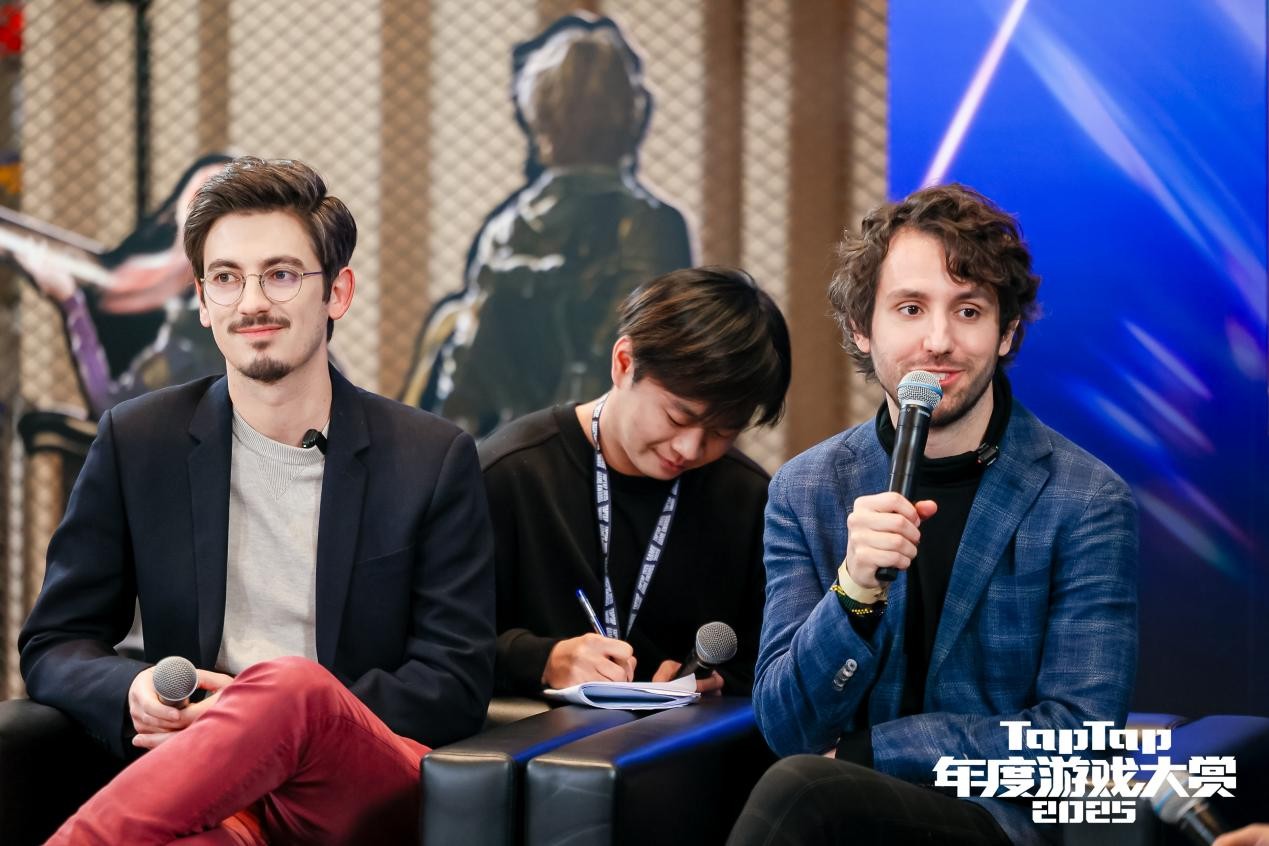
The Production Team of Expedition 33 Comes to the Scene for Interaction
In addition to domestic game producers, distribution managers, creators, media representatives, short - listed and award - winning teams, and front - line practitioners from many game companies, several well - known overseas game producers and distributors also came to the event. Even the French Embassy and the Consulate General of Canada in Shanghai appeared at this game awards ceremony.
People from different countries, different cultural backgrounds, and different positions in the industry sat in the same space, discussing the same thing - how should games be treated?
What attracted them to the TapTap Annual Game Awards?
The answer may not be just the market scale, nor even just the success of certain games themselves, but a consensus that is becoming increasingly scarce in the current industry environment: Games should first be regarded as a form of creation, rather than pure traffic or channel - based commodities.
The non - commercial nature that the TapTap Annual Game Awards adheres to is an important factor that attracts game creators.
From adhering to the 0% revenue - sharing policy to continuously providing exposure for small and medium - sized teams and indie games, TapTap has always chosen a position that is not "commercially - driven". The existence of the awards ceremony is not to create a commercial spectacle but to discuss the values of creation year after year and push good games onto their stage.
This attitude of respecting creators has also gained global consensus.
Epic Games, which appeared at the awards ceremony this year, has long been committed to fighting platform monopolies and promoting a more open distribution ecosystem; Playstack, the distributor of Joker Card, also always pays attention to works that are not large - scale but have distinct creative characteristics. They came here not to look for the next replicable "blockbuster template" but because they share the same values of respecting creation with TapTap and came to a completely open and fair game event.
They may not meet the commercial market's definition of "revenue", but they truly show the height that creators can reach in a certain dimension.
The TapTap Annual Game Awards is not just an awards ceremony. It reflects TapTap's role of "connecting the dots" - bringing these originally scattered and weak creative voices to more people, making them seen, discussed, and remembered.
That's why this annual selection event has become a unique public space in the industry.
Here, creators, distributors, and players from different countries can temporarily break away from channel competition and commercial rankings and discuss the value of creation itself in the same context.
Bring the Aesthetics of Games to a Bigger Stage
If the awards and guests form the "skeleton" of the awards ceremony, then the stage presentation is its wings and the most impactful expression.
From last year's on - site orchestra performance of Liu He Tong Feng, which demonstrated the charm of Chinese - style music, to this year's introduction of Qinqiang, an art form with rich regional and cultural connotations, to the awards ceremony stage, the TapTap Annual Game Awards has always been trying to do one thing - let the touching side of games be seen by more people.
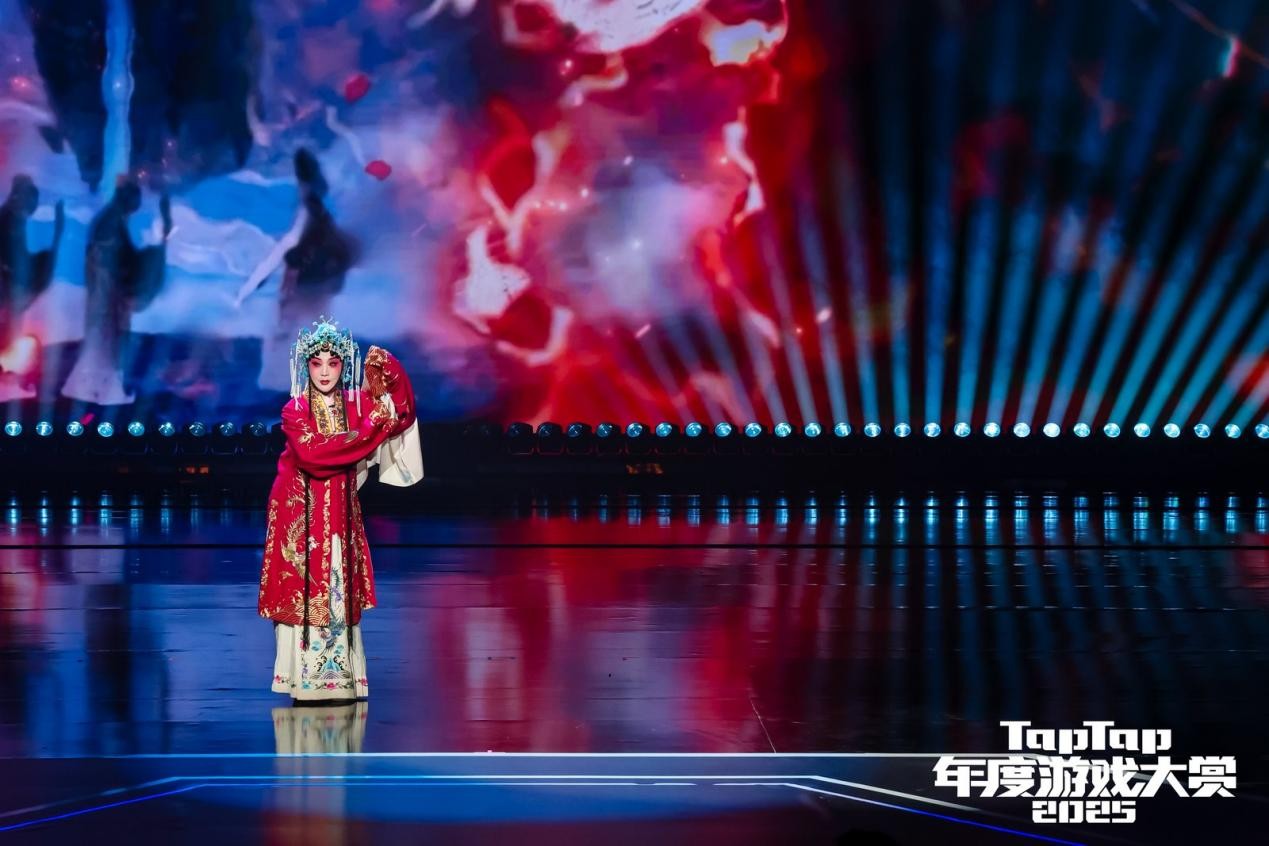
2025 TapTap Annual Game Awards
This choice is not accidental. In the past year, Black Myth: Wukong has sparked discussions globally, enabling Chinese culture to be seen by global game players through Chinese AAA games. This year, Yan Yun: Sixteen Sounds' re - expression of intangible cultural heritage and the chivalrous spirit and its successful overseas expansion have continuously demonstrated that games are becoming a comprehensive medium capable of carrying culture, aesthetics, and emotions.
When Qinqiang is sung on the stage; when the voices of voice actors echo at the scene; when symphonies are played in the theater to interpret game sounds, TapTap and game developers are starting to establish an expression system for Chinese games in their own way.
Beyond the Spotlight, There is also Room for Growth
TapTap's stance is not only reflected in its concepts but also presented through the content of the awards ceremony. At the awards ceremony, the award - giving session of the Spotlight GameJam Challenge occupied an important part. It provided a platform for creators who have been quietly moving forward with a glimmer of hope to be seen on the stage.
The "Best Creativity" of the Spotlight GameJam Challenge went to I'm Just a Bug; the "Best Theme" was won by A Tester's Week; the "Best Art" was taken by DREAMAZE; and the student work Error Type: Type Error won the "Best Game" award... These works have not been officially launched, but they show unique highlights due to the creator's expression in gameplay, narrative, and art language.
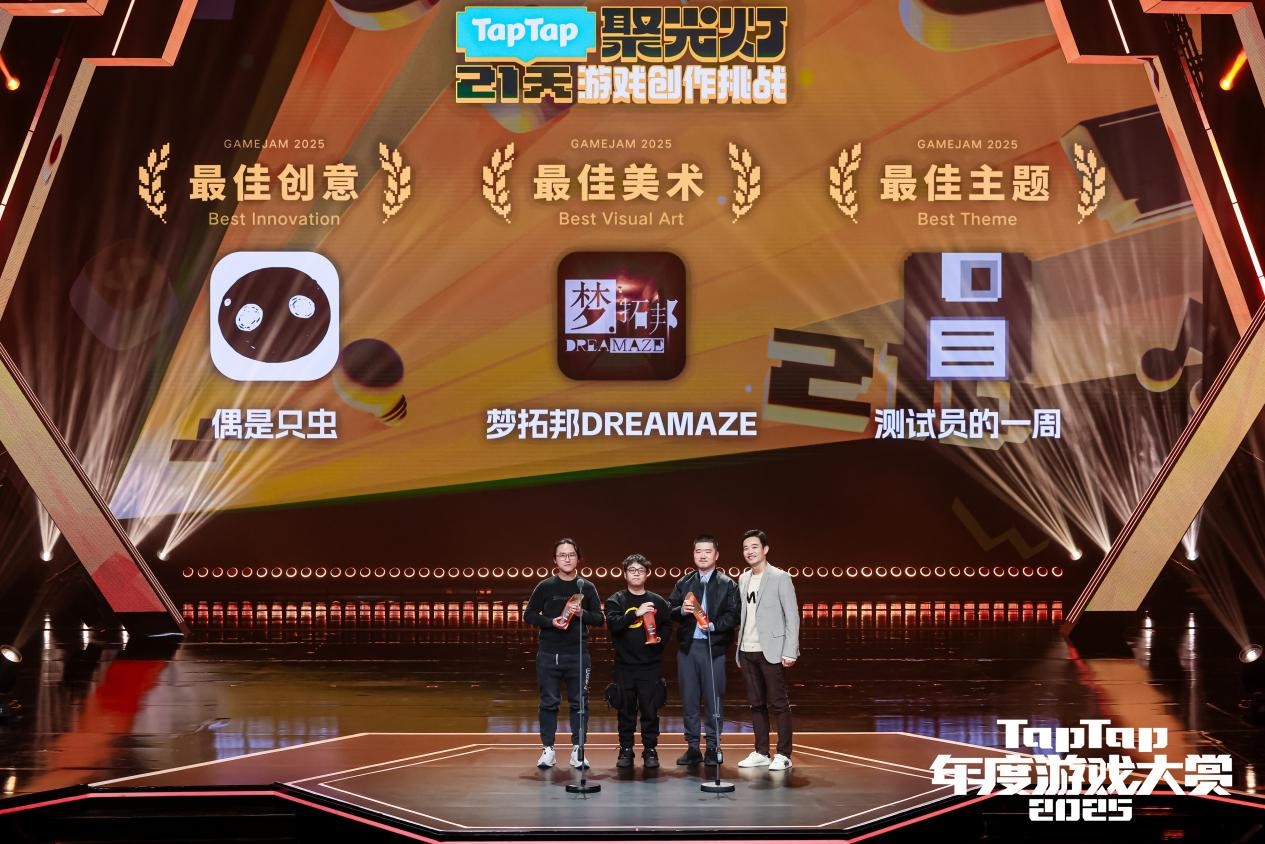
The Spotlight Game Creation Challenge is Another Highlight of This Year's Awards Ceremony
For ten years, TapTap has been reserving growth space for more games. The "TapTap Spotlight Program", specifically designed for creativity, provides financial and exposure support for small and medium - sized teams, holds GameJam events, and helps small and medium - sized developers release and operate their games. What TapTap is trying to do is not to create a "winner - takes - all" scenario but to give more "buds" the opportunity to grow into big trees.
There was also a dedicated game trial - play area outside the awards ceremony venue. More than 40 games, including those from the Spotlight GameJam, were on display. Many of them, such as Buttercat, Deep Sea Aquarium: Classic, and Along the Light, are not commercially - focused but are small and beautiful works with great ingenuity in gameplay, expression, or emotional experience.

Game Trial - play Area
This may be another meaning of the TapTap Annual Game Awards - it is not just a summary of who won last year but also a continuous reminder through action that in the torrent of pursuing commerce and efficiency, there are still people willing to reserve a free space for creation itself.
This is the tenth year of the awards ceremony. In the event review section at the scene, we saw that from the six awards that could be presented in less than three minutes of a video in 2016 to the 2026 awards ceremony that covers professional reviews and player choices, and captures the highlights of games through a large - scale offline event with thousands of participants and hundreds of millions of online views. Over the past ten years, the awards ceremony has been constantly changing but always centered around the same core question - what kind of games are worthy of serious attention.

2025 TapTap Annual Game Awards
Ten years is a long time scale for the rapidly developing game industry. From the launch of Genshin Impact to the explosion of the second - generation games; from overseas game ports to the rise of domestic indie games, it not only means the precipitation of technical capabilities but also a series of directional choices - what game developers and players choose to pursue, abandon, and persevere in.
But for the TapTap Annual Game Awards, this choice has never been complicated from the beginning: reserve enough space for creation itself and let every "good game" be seen. In the next ten years, we look forward to more good games taking the stage that belongs to Chinese players and developers.
Appendix: Complete List of Awards and Winners

Complete List of Winners of the 2025 TapTap Annual Game Awards