With a price increase of over 10,000 yuan, can the new-generation SU7 still create a myth?
One year and nine months after the launch of the first-generation model, the new-generation Xiaomi SU7 has officially opened for pre-orders. The new car is available in three versions. The pre-sale price of the standard version is 229,900 yuan, the Pro version is 259,900 yuan, and the Max version is 309,900 yuan, which is an overall increase of 10,000 - 14,000 yuan compared to the old model. It is expected to be launched in April this year.
Xiaomi has shown considerable restraint in controlling the rhythm of this facelift. It neither held a separate press conference nor carried out intensive pre-heating in advance. However, considering Xiaomi's current position in the automotive market, this low - key approach is not hard to understand. The SU7 is no longer a new car that needs to be repeatedly "introduced". Over the past year or more, it has established itself in the market of pure - electric sedans priced over 200,000 yuan and has become a benchmark that almost all models in the same price range cannot avoid.
Therefore, the significance of the new - generation SU7 lies in answering a more practical question: When a best - selling model that has been proven by the market enters a stable sales period, how can Xiaomi continue to move forward without undermining its existing success?
The New Xiaomi SU7 Becomes More Reliable
Judging from the currently announced information, the new - generation SU7 is a typical facelift with "more features and a higher price".
Lei Jun, the founder, chairman, and CEO of Xiaomi, explained the pricing logic during a live broadcast. He emphasized that the new SU7 has undergone systematic upgrades in configuration and structure. Just looking at the configuration cost, the new investment has reached tens of thousands of yuan. At the same time, the rising prices of upstream raw materials have further pushed up the overall cost of the vehicle.
Lei Jun mentioned that the prices of bulk raw materials such as lithium carbonate have fluctuated significantly, and the prices of automotive - grade memory have also been rising continuously in the past few quarters. These two factors alone have brought about a cost change of several thousand to tens of thousands of yuan. These factors together constitute the real - world background for this price adjustment.
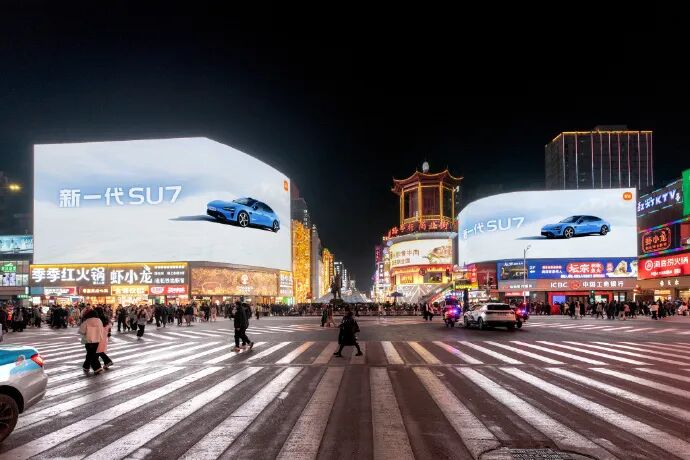
However, it is obviously not enough to understand this facelift only from the cost perspective. For a model that has entered a stable sales period and formed economies of scale, the price adjustment is only the result. What really deserves attention is the product orientation behind it.
In a longer product cycle, the new - generation SU7 is closer to a mid - cycle facelift. Lei Jun mentioned the keyword "stability" several times during the live broadcast. In his view, the current sales performance of the SU7 is solid enough, and it is not necessary to make major changes to the original product logic. In contrast, it is more important to make up for the shortcomings while maintaining continuity.
In the current highly competitive new - energy vehicle market, many models are updated once a year or even multiple times a year. However, frequent changes can easily lead to dissatisfaction among existing car owners. Previously, some brands were questioned for "stabbing" their users due to the overly rapid facelift rhythm. Xiaomi obviously hopes to avoid repeating the same mistakes. Therefore, the new - generation SU7 has extended the connection period between pre - sale and delivery, which essentially creates a buffer space between existing car owners and potential users.
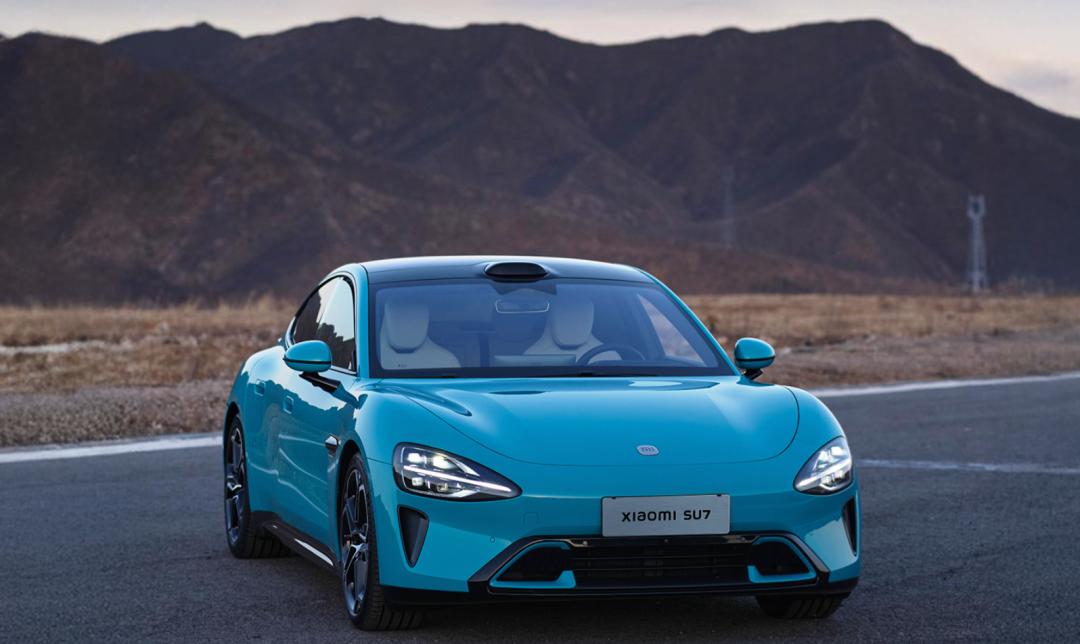
In terms of appearance, the adjustments to the new - generation SU7 are relatively limited. The most obvious changes are concentrated in the front grille area. The standard 4D millimeter - wave radar across all versions is integrated into the black front grille. At the same time, a new "Capri Blue" car color is added, and a new 20 - inch blade - style wheel hub is offered, mainly to add a sense of visual freshness.
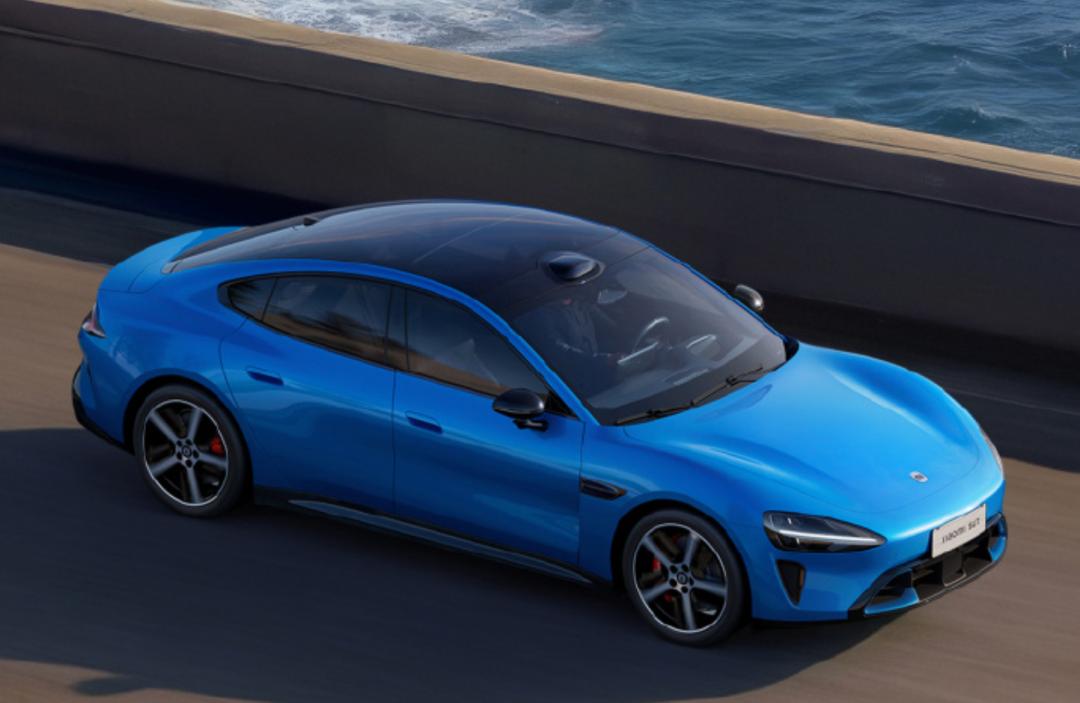
From a market perspective, this choice is not hard to understand. Over the past year or more, the SU7 has had a very high exposure rate in first - tier cities and on highways due to its extremely high appearance value. Making major design adjustments at this point would have a relatively low marginal return and might even weaken the product's continuity.
The real changes are concentrated inside the car.
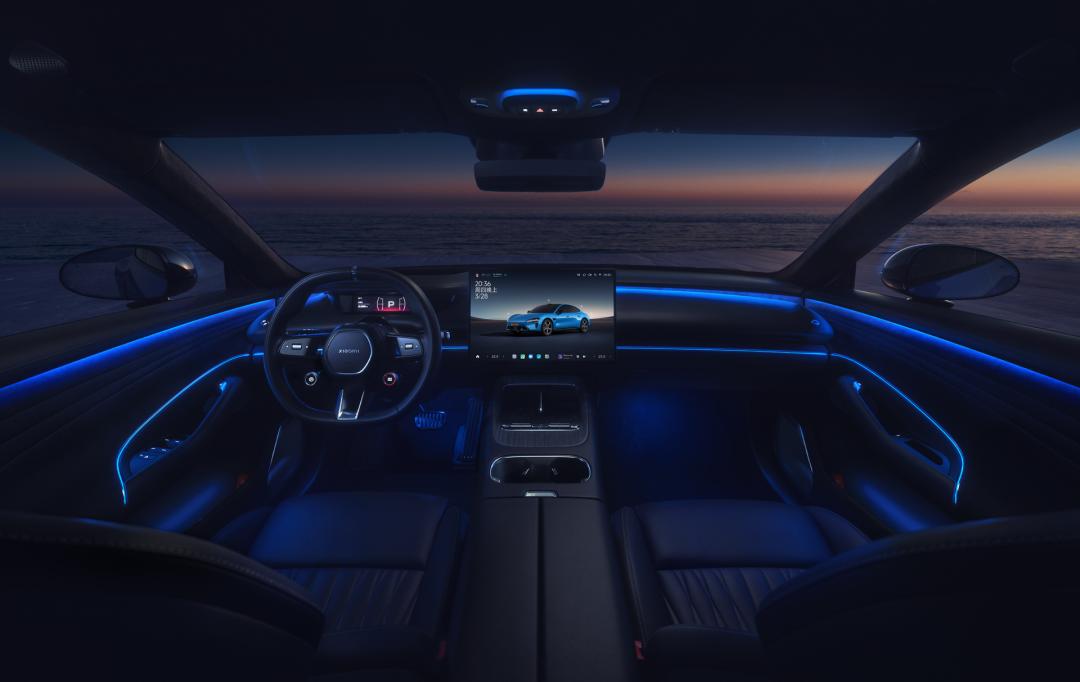
The new - generation SU7 brings a brand - new interior design, with a significantly improved overall visual hierarchy. The adjustment of the central control area is also more user - oriented. In the general trend of highly integrated intelligent cockpits, Xiaomi does not blindly pursue "minimalism" but rather seeks a new balance between digital and physical interaction.
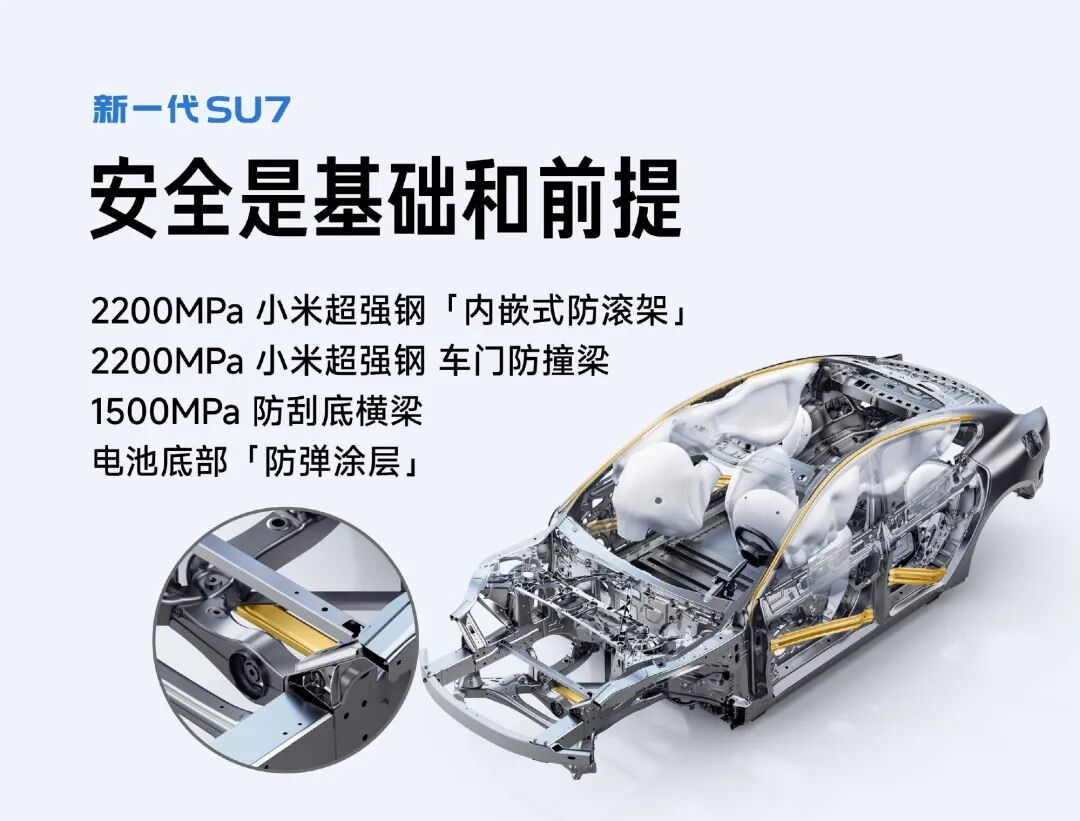
In addition, the upgrades to the safety configuration of the new - generation SU7 are particularly prominent. The new car is standard with a 2200MPa ultra - strong steel embedded roll - cage and a 2200MPa door anti - collision beam across all versions. The battery system is newly equipped with a 1500MPa anti - collision cross - beam and a bottom protective coating. The number of airbags has been increased from 7 to 9, and a mechanical redundant structure has also been added inside the door handles.
In terms of core performance, the new - generation SU7 still maintains strong competitiveness. All versions are standard with the Xiaomi V6s Plus motor and front four - piston fixed calipers. The Max version continues to use a dual - motor layout, with a maximum horsepower of 690. The Pro and Max versions are equipped with a closed - type dual - chamber air suspension and a CDC system, maintaining a balance between handling and comfort.
In response to the previous criticism of "fine - print marketing", the new - generation SU7 is also significantly more conservative in its description of the three - electric system. It no longer uses the vague concept of the "800V" platform but directly marks the specific values: 752V for the standard and Pro versions, and 897V for the Max version.
In terms of intelligent driving and comfort configuration, Xiaomi continues the strategy of "equalizing configurations". The lidar, 700TOPS computing power, 4D millimeter - wave radar, and the Xiaomi HAD end - to - end assisted driving system are all standard across all versions.
Overall, this is a facelift with a very clear goal - not pursuing radical breakthroughs but rather focusing on making up for shortcomings and stabilizing the product's basic market share.
From a Newcomer to an Industry Benchmark
If we only describe the market performance of the Xiaomi SU7 over the past year or more as "good sales", we actually underestimate the actual influence of this car.
After the first - generation SU7 was officially launched in March 2024, it did not experience the long - term climbing period common for new brands. Shortly after its launch, the monthly delivery volume exceeded 10,000 units, and for most of the following time, it has remained in the first echelon of pure - electric sedans priced over 200,000 yuan.
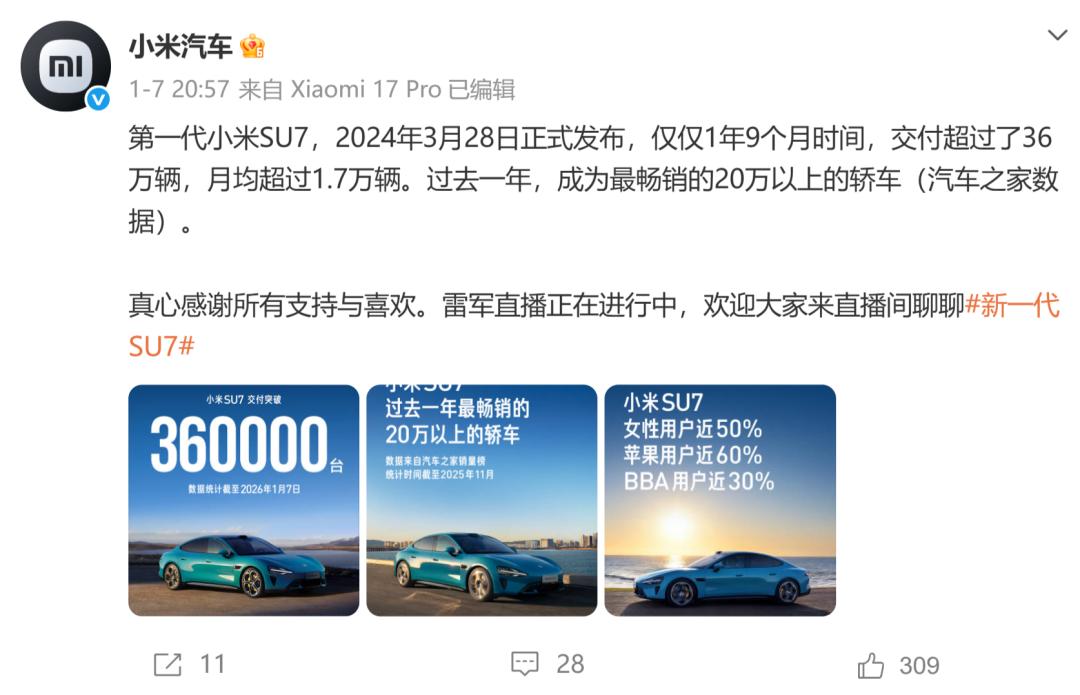
By the time the new - generation SU7 opened for pre - orders, the cumulative delivery of the SU7 single model had exceeded 360,000 units. This figure may not be "unprecedented" in the entire new - energy vehicle market, but if we limit it to the segment of pure - electric sedans priced over 200,000 yuan, its value is completely different.
For comparison, during the peak period of the Tesla Model 3 in the Chinese market, its monthly sales mostly fluctuated in the range of 20,000 - 30,000 units. The overall scale of the BYD Han EV is larger, but in its sales structure, the plug - in hybrid version has long dominated. Models such as the Zeekr 001, Zeekr 007, and IM Motors generally have the problem of large sales fluctuations.
From this perspective, the SU7 is one of the few products that can meet the three conditions of a pure - electric model, a single model, and a price range of over 200,000 yuan at the same time.
Another easily overlooked point is that the sales structure of the SU7 is relatively healthy. Market feedback shows that it does not rely on the lowest - configuration version for sales volume. The mid - and high - end models have always maintained a relatively high proportion, which is not common in the same - level market. Take the Model 3 as an example, its sales are highly concentrated in the standard - range version. In contrast, the Pro and Max versions of the SU7 have relatively clear distinctions in terms of performance, range, and configuration, corresponding to different user needs.
This means that the success of the SU7 is not the result of a single price strategy but rather that the complete product system has been proven by the market.
Of course, the SU7 is not a model without any controversy. Over the past year or more, discussions around issues such as the delivery cycle, intelligent driving safety, and marketing expressions have always existed and have repeatedly triggered public attention. However, from the results, these controversies have not had a decisive impact on its sales trend and user base.
In a large number of real - user feedbacks, the core advantages of the SU7 that are repeatedly mentioned still focus on performance, range, intelligence, and overall cost - effectiveness. This also shows that in the highly competitive pure - electric sedan market, as long as the core experience is solid enough, public opinion fluctuations are not likely to directly undermine a product.
A deeper change is that the emergence of the SU7 is changing the way of benchmarking within the industry. Before 2024, discussions about pure - electric sedans priced over 200,000 yuan mainly centered around the Model 3, the Han EV, and some high - end new - force models. After the launch of the SU7, almost all new cars in the same price range are directly put into the same comparison framework when they are released.
Whether it is the Zeekr 007 or the subsequently launched Zhijie S7, their performance, range, configuration, and pricing strategies are directly compared with those of the SU7. This "passive benchmarking" state itself means that the SU7 has transformed from an industry newcomer to a part of the market reference system.
The Really Difficult Stage for Xiaomi Auto Has Just Begun
Precisely because it has reached the mainstream position, the environment that Xiaomi Auto will face next is completely different from that of a year ago.
When the SU7 was first launched, the market was mostly in a wait - and - see mode, wondering if Xiaomi could build the car, deliver it, and make it run. That was a relatively tolerant stage for new players. However, after the SU7 became a regular on the sales list of pure - electric sedans priced over 200,000 yuan, this tolerance is rapidly disappearing.
Since 2025, the competition in the market of pure - electric sedans priced over 200,000 yuan has obviously intensified. The Tesla Model 3 remains the most stable and unavoidable competitor in this segment. Its price adjustments and configuration changes continue to put pressure on the market. Models such as the Zeekr 007 and the Zhijie S7 are continuously increasing their efforts in terms of intelligence, performance, and charging efficiency. BYD is also gradually accelerating its pace in the high - end pure - electric sedan market.
Compared with when the SU7 first entered the market, this market has shifted from a "scramble among new players" to a stage of "direct confrontation among mature players". The product - level gaps are quickly disappearing, and any shortcomings will be magnified and discussed.
At the same time, the SU7 itself has also undergone multiple rounds of public opinion tests. These problems may not be immediately reflected in the sales data, but they are quietly changing the way the outside world evaluates Xiaomi Auto.
When the SU7 was just "Xiaomi's first car", the market was more willing to regard the problems as growing pains. However, after it became a mainstream model, the same problems will be regarded as a direct reflection of the maturity of the system's capabilities.
This change in the evaluation criteria is closely related to Xiaomi Auto's own development goals.
According to the plan, Xiaomi Auto has set a sales target of 550,000 units for 2026 (based on the estimated sales volume of 410,000 units in 2025, with a year - on - year growth rate of about 34%). Just looking at the growth rate itself, this goal is not radical. However, for a new brand still in the expansion stage, it means higher system requirements.
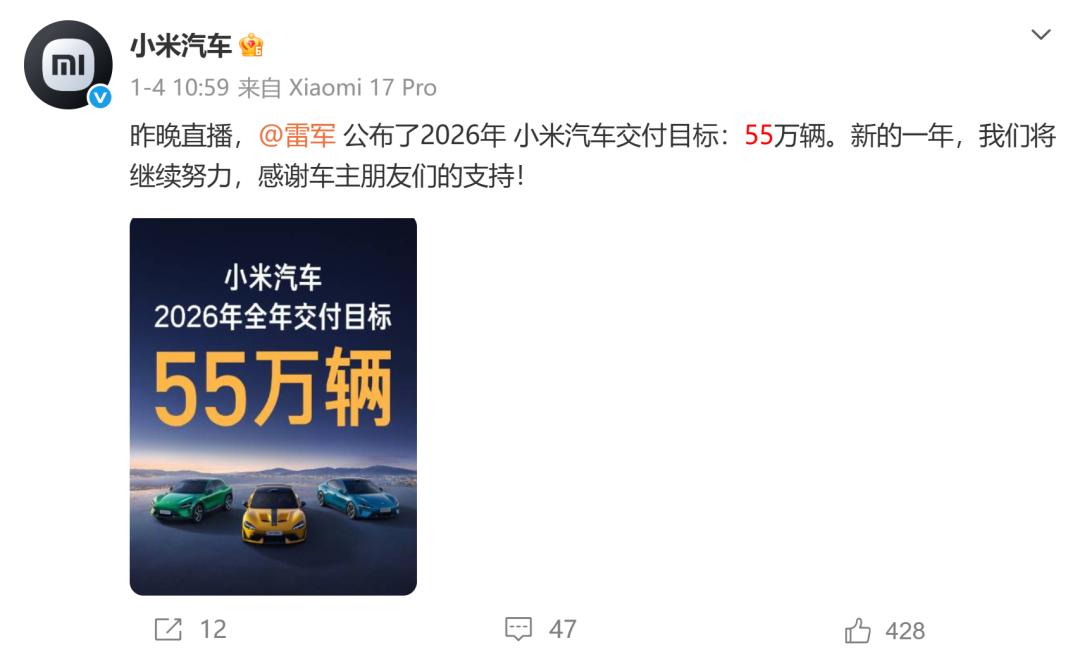
More notably, Xiaomi Auto plans to launch 4 new models within 2026, including an extended - range model, which will further expand the product forms and usage scenarios. This means that Xiaomi Auto is gradually shifting from the early stage of relying on a single best - selling model to drive sales to a growth model with multiple products in parallel.
In this process, the role of the SU7 is also changing. It is no longer just "the first car" but needs to provide a stable sales foundation and market anchor point for the entire brand in a longer cycle. This also explains why the facelift idea of the 2026 SU7 is so conservative.
However, stability does not mean ease.
As the SU7 has become a benchmark in the industry, any change in it will be regarded as a signal. Whether the price is loosening, the configuration is tightening, or the facelift is conservative will be interpreted by both competitors and consumers at the same time. This means that the SU7 is no longer a product that can afford to make frequent mistakes. It must not only continuously maintain its product strength but also withstand the higher standards brought about by scale. It must make room for new models without showing an obvious decline. This is a more complex challenge than "building the first good