Are mobile phone stores starting to compete in offering free charging services? After a real test across Guangzhou, it turns out that the two best ones are these!
A few days ago, when Xiaolei went out for a trip, he found that he had forgotten to charge the power bank he carried with him, and the battery of his phone was less than 30%. Xiaolei planned to rent a shared power bank by scanning the code on the street, but he found that the price of shared power banks had now risen to 6 yuan per hour (Note: the price of shared power banks is related to the location). Moreover, its charging power was extremely low. To restore the phone's battery to a safe state, it would cost at least 12 yuan, which was very uneconomical.
After some weighing, Xiaolei decided to go to the nearby Xiaomi Home to buy a new power bank. Although the price was a bit higher, it could be used for a long time, which was much more cost - effective than renting repeatedly. But just when Xiaolei was about to pay, the Xiaomi clerk took the initiative to tell him, "You can leave your phone here to charge. It's completely free." Only then did Xiaolei suddenly remember that many official stores of mobile phone brands actually provide such emergency charging services.
But new questions also emerged: Do all mobile phone brand stores support emergency charging? And why do so many people prefer to rent shared power banks at high prices rather than try this service in mobile phone stores? With these questions, Lei Technology decided to visit offline shopping malls to find out how well the after - sales convenience services of mobile phone brand stores are currently provided.
All offer free charging. vivo and OPPO have taken the service to the extreme
Xiaolei selected four shopping malls in Guangzhou to experience the built - in charging services of mobile phone stores: Zhengjia Square in the city center, Yinglong Haiyue City in Tianhe Longdong with dense traffic, Jinbo Tiandi in Jiahewanggang, and Jinbo Tiandi in Taihe, Baiyun, Guangzhou, which is in a relatively remote location.
The first stop Xiaolei chose was Jinbo Tiandi in Taihe. Although this shopping mall is in a relatively remote location, brands such as OPPO, vivo, Xiaomi, Apple, and Huawei all have authorized stores, and the store areas are generally quite large.
(Image source: Lei Technology)
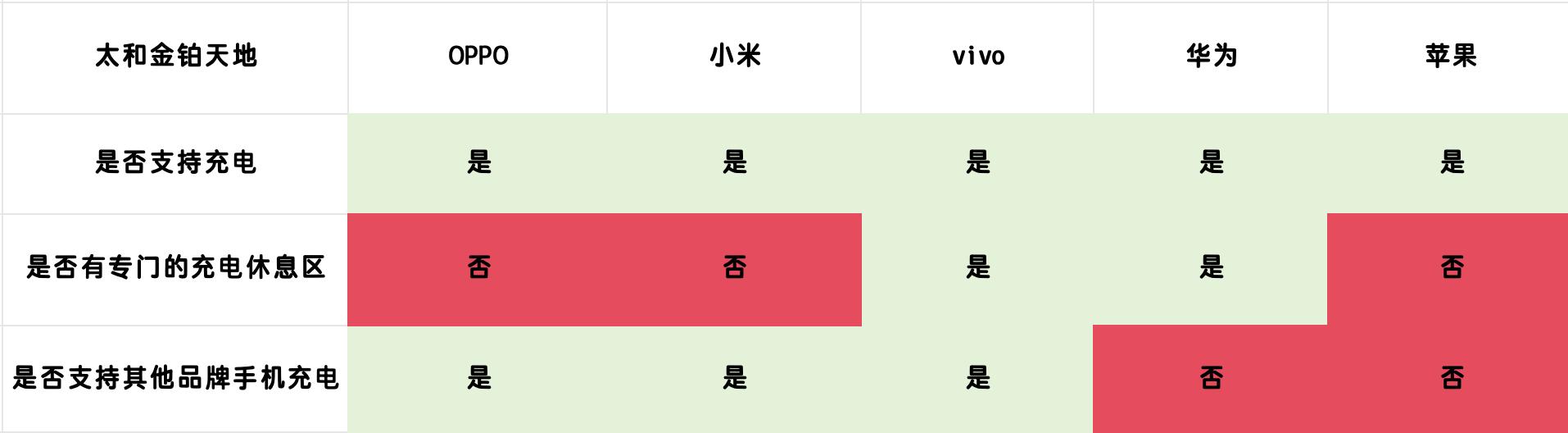
The number of customers in the five mobile phone stores was not large, and the clerks were relatively idle. For this reason, Xiaolei didn't encounter any problems when asking for charging in these five stores. After hearing Xiaolei's request, the clerks all readily said, "Sure, please wait a moment. We'll go get the charger for you."
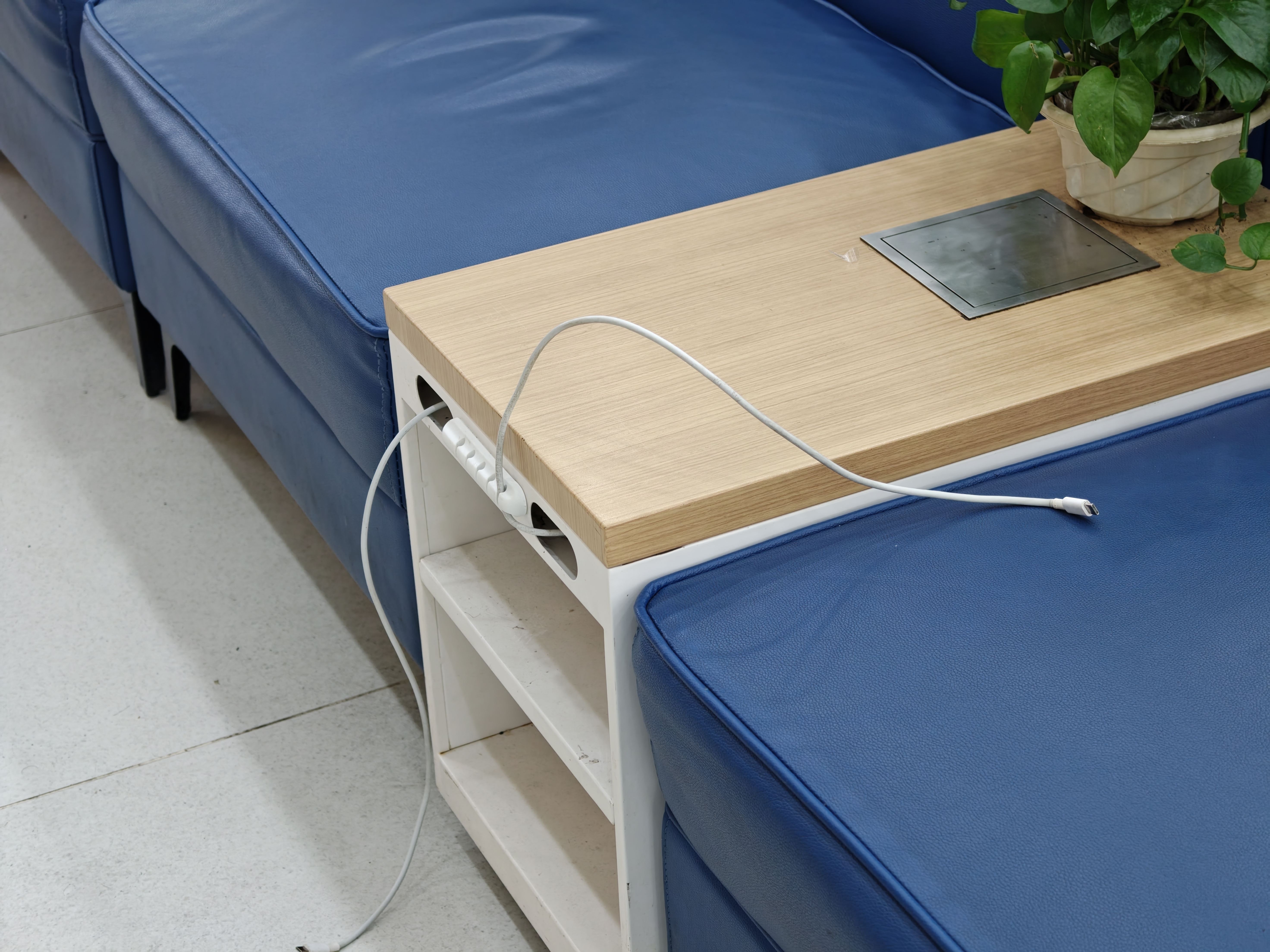
Although all five stores allow users to charge their phones, there are also differences in details. First, let's talk about vivo, which impressed Xiaolei the most. Since this store combines sales and after - sales services, it provides a special rest area. Moreover, the rest area not only has enough sofas but also provides four sets of charging equipment.
(Image source: Lei Technology)
If you are a vivo phone user, the clerk will also ask if you need to "maintain" your phone (i.e., re - apply the screen protector, clean up data, and related services). There will be relevant personnel to guide you throughout the process, and the experience is very good.
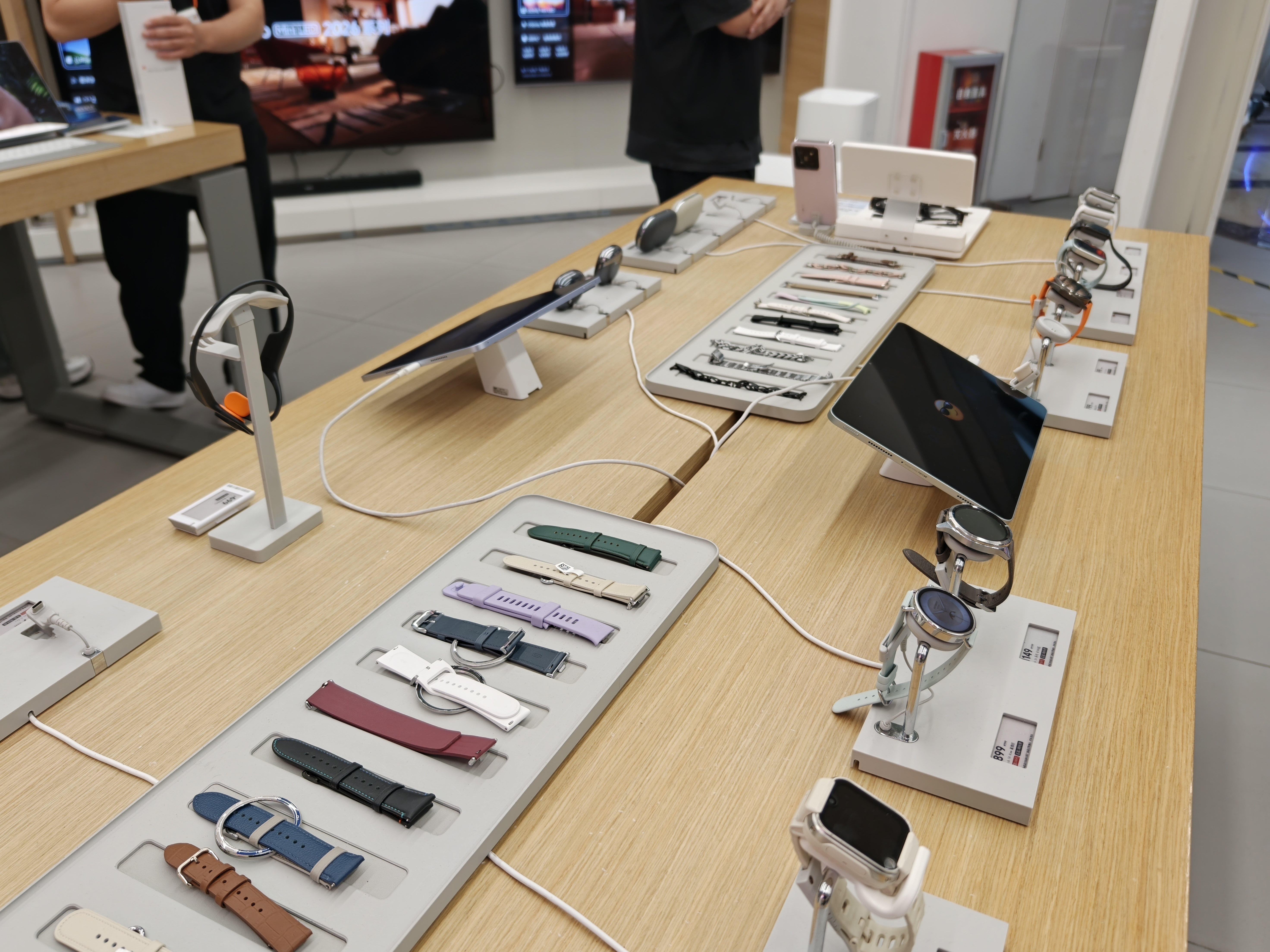
Although Xiaomi Home doesn't provide a corresponding charging station, the clerk directly unplugged the charging cable of a display phone and said, "You can use this cable. It's also a fast - charging cable." Although this operation made Xiaolei a bit embarrassed, at least he wasn't rejected and could really charge his phone.
(Image source: Lei Technology)
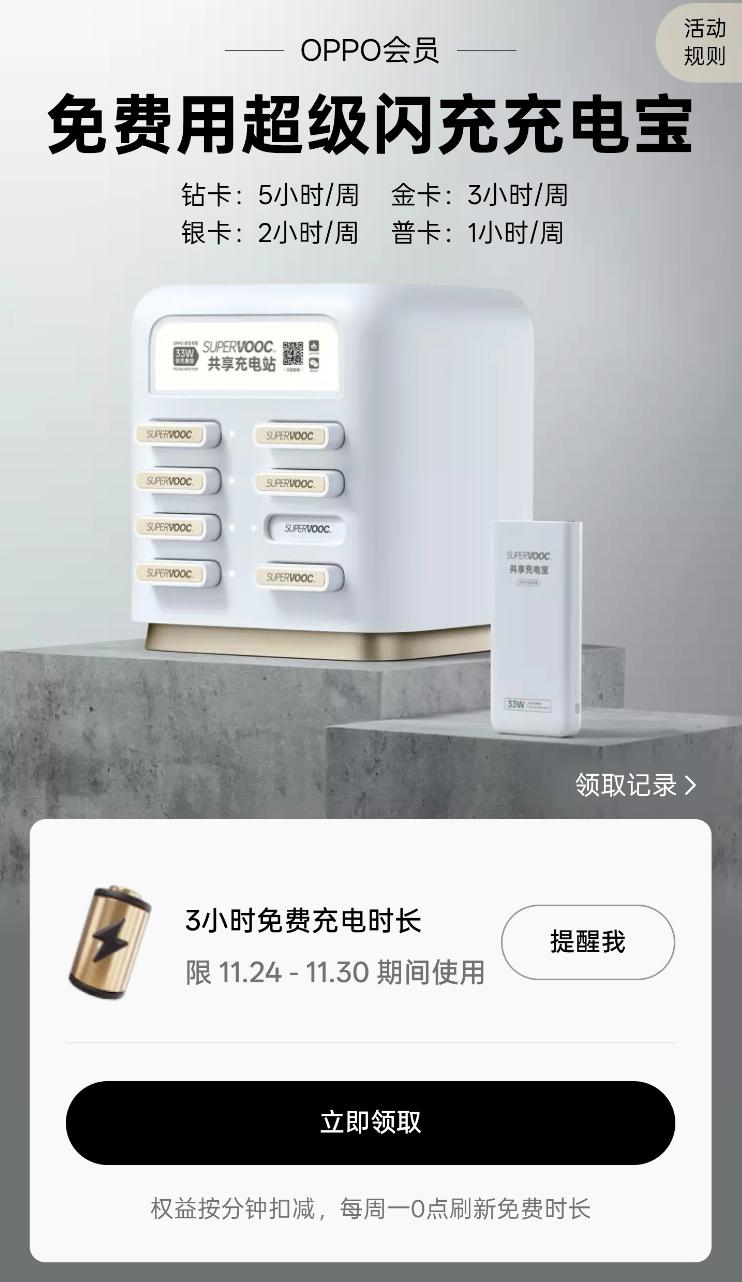
The experience in OPPO is also quite interesting. It not only provides a special charging area like vivo but also allows users to receive a "coupon" for free use of the super - fast charging power bank in OPPO phones if they need to use their phones urgently. Users can use it for free for up to 5 hours per week. After verifying with the clerk, they can directly take the OPPO official power bank out of the store.
(Image source: OPPO official)
The advantage of this is that users won't be "tied" to the mobile phone store. And according to the OPPO clerk, users can return the power bank to any nearby OPPO direct - operated/authorized store after use.
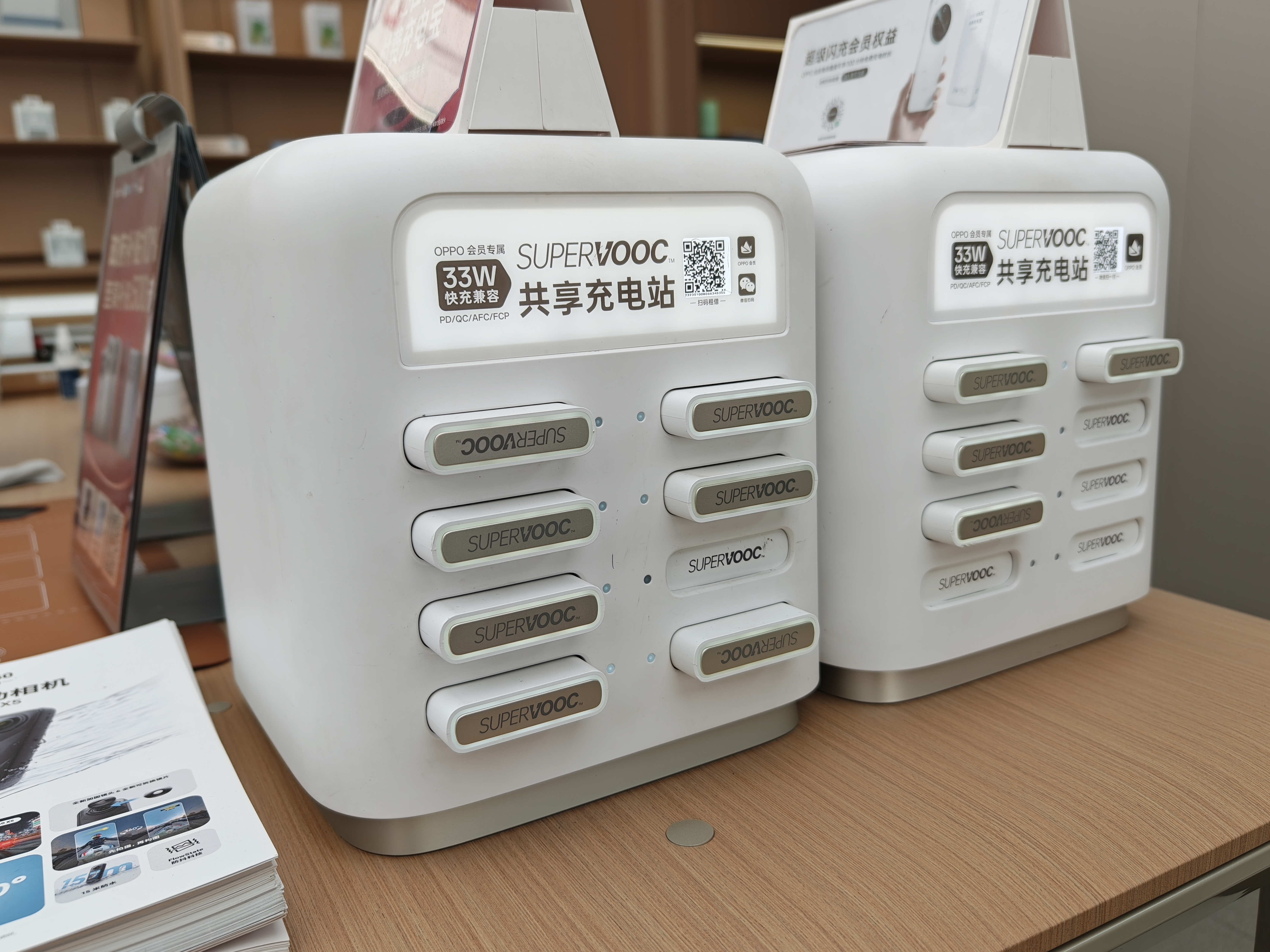
(Image source: Lei Technology)
The clerk also mentioned that if users run out of free usage time, they can renew the rental at a price of 1 yuan per half - hour, which is much more cost - effective than the shared power banks on the street at that time. Moreover, the power bank provided by OPPO supports a maximum of 33W VOOC wired fast charging, which is several times faster than the "5V1A" charging speed of shared power banks.
The experiences in Huawei and Apple stores are relatively ordinary. Both stores only support charging their own brand phones, and the clerks' attitudes are rather perfunctory. Xiaolei didn't continue to ask further.
Xiaolei originally thought that Jinbo Tiandi in Taihe, which is in a remote location, would be the worst - experienced one among the four shopping malls. Unexpectedly, Tianhuan Square in the city center was the real "highlight".
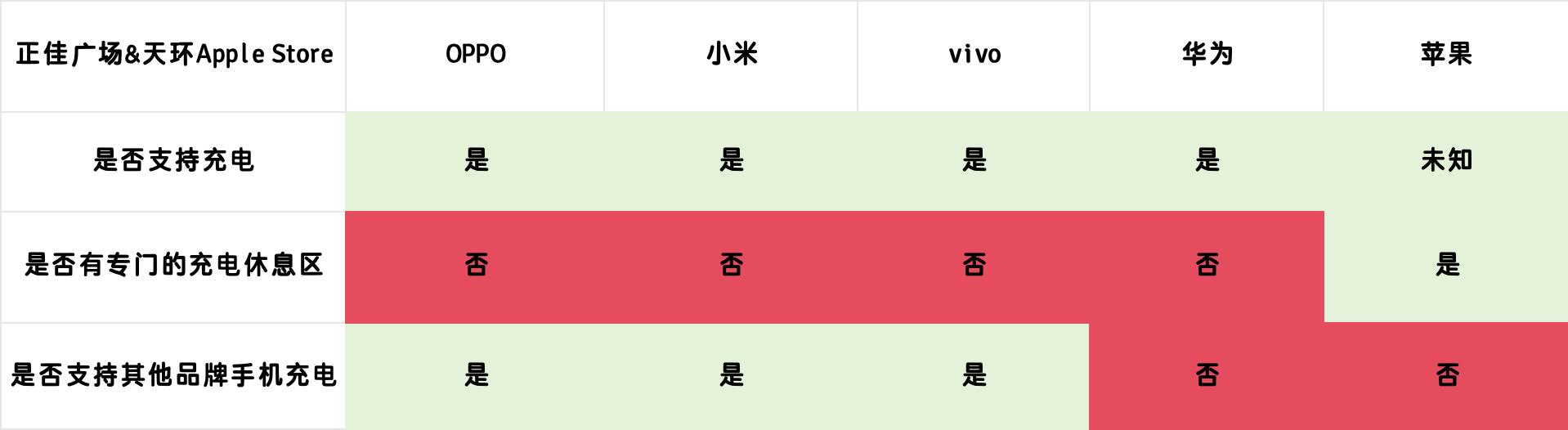
Let's talk about the result first. None of the four stores has set up a special charging area. This is actually understandable. After all, Zhengjia Square is one of the business districts with the highest rent in Guangzhou. In such a prime location, setting aside a special area for users to charge their phones is really uneconomical.
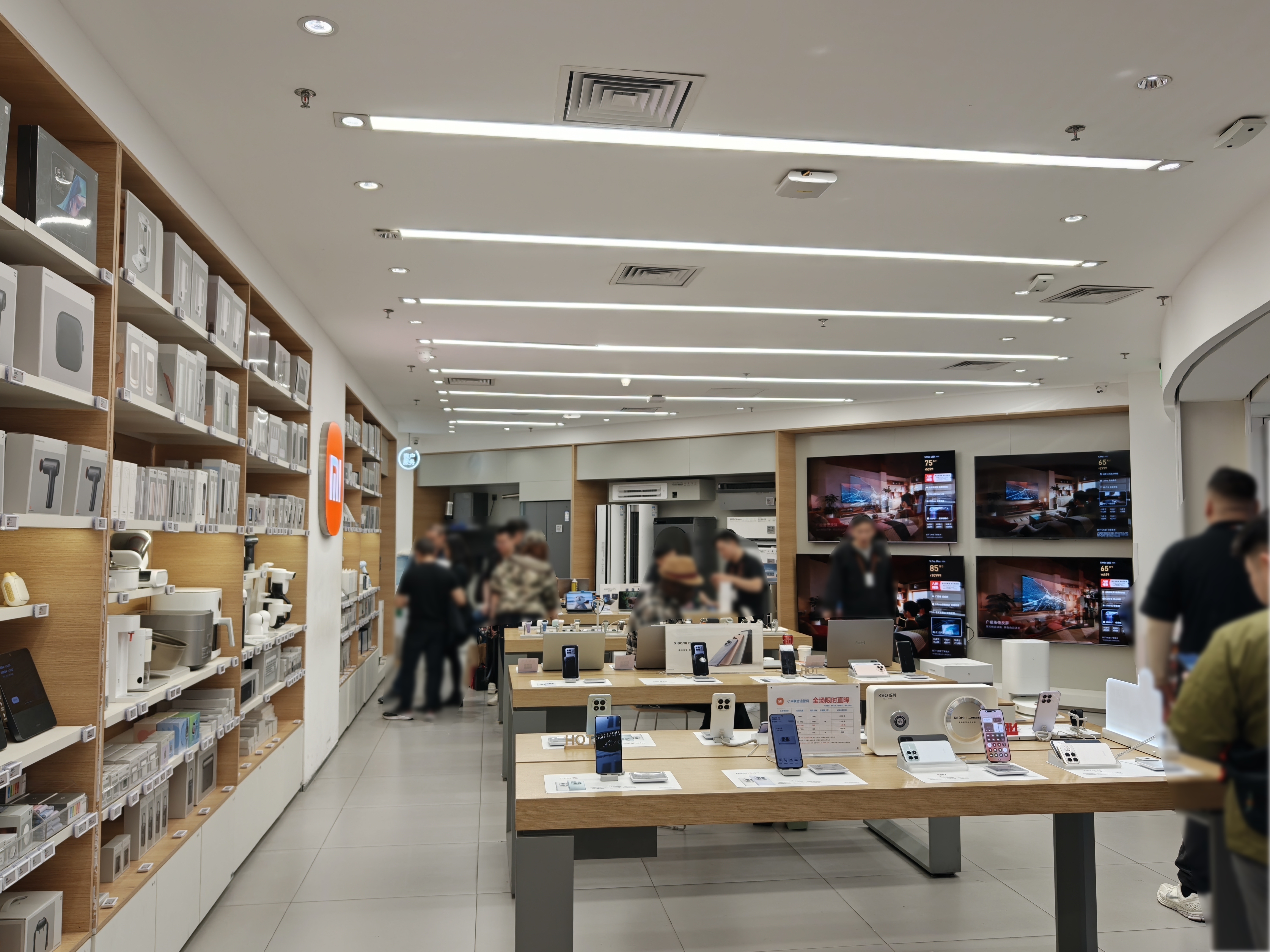
(Image source: Lei Technology)
Among them, Xiaomi and Huawei clearly don't have a charging service for the time being. Maybe this is related to the large number of customers in their stores at that time. Although vivo and OPPO support charging, they also don't have a special charging station. However, OPPO still supports the shared power bank service, which is still slightly better than the other stores.
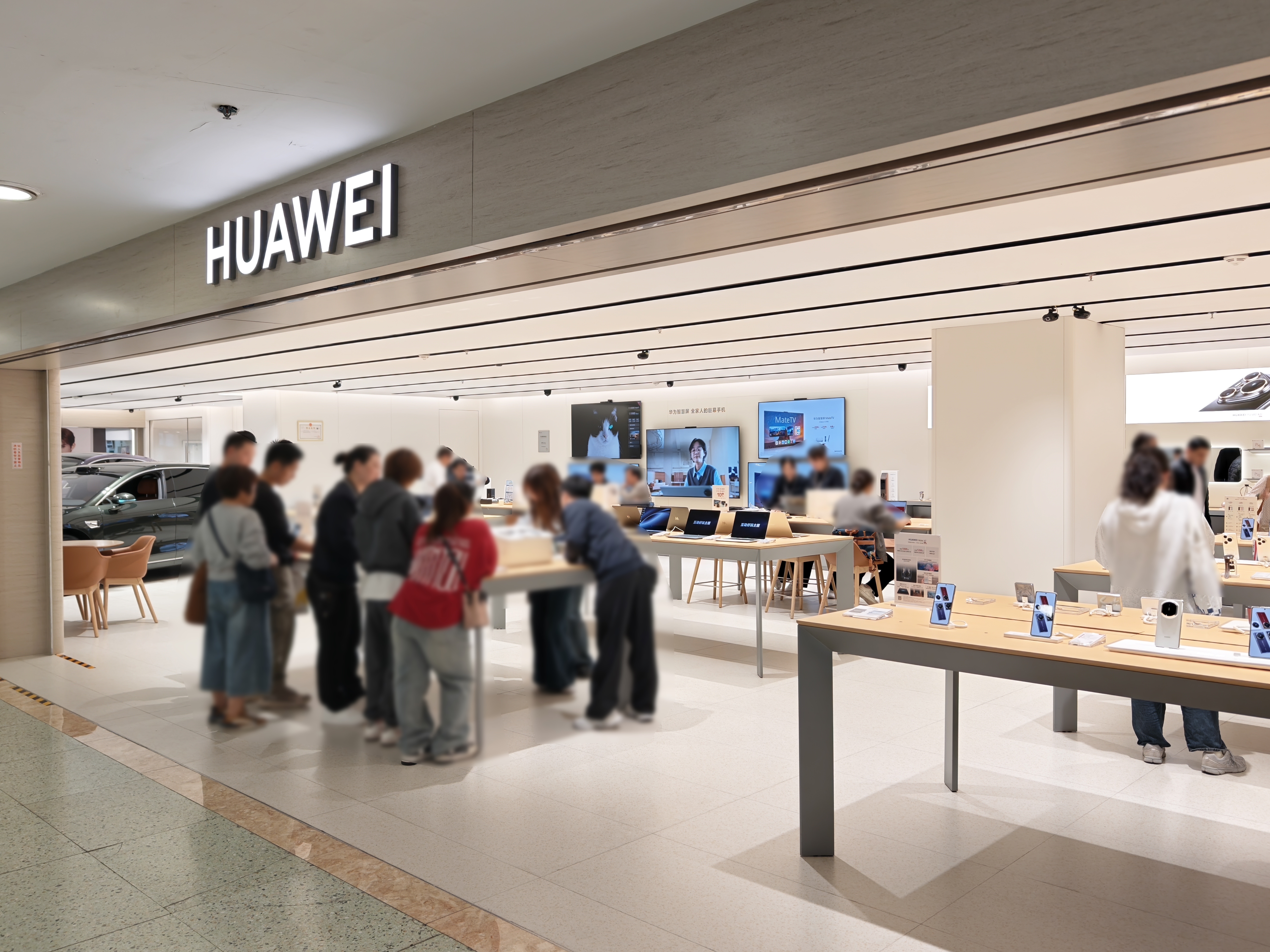
(Image source: Lei Technology)
The Apple Store in Tianhuan Square is an exception. Although many netizens on Xiaohongshu clearly said that they could ask the clerk for help to charge their phones, unfortunately, the store was full when Xiaolei went there. Not to mention asking the clerk if he could charge his phone, he couldn't even find an idle clerk.
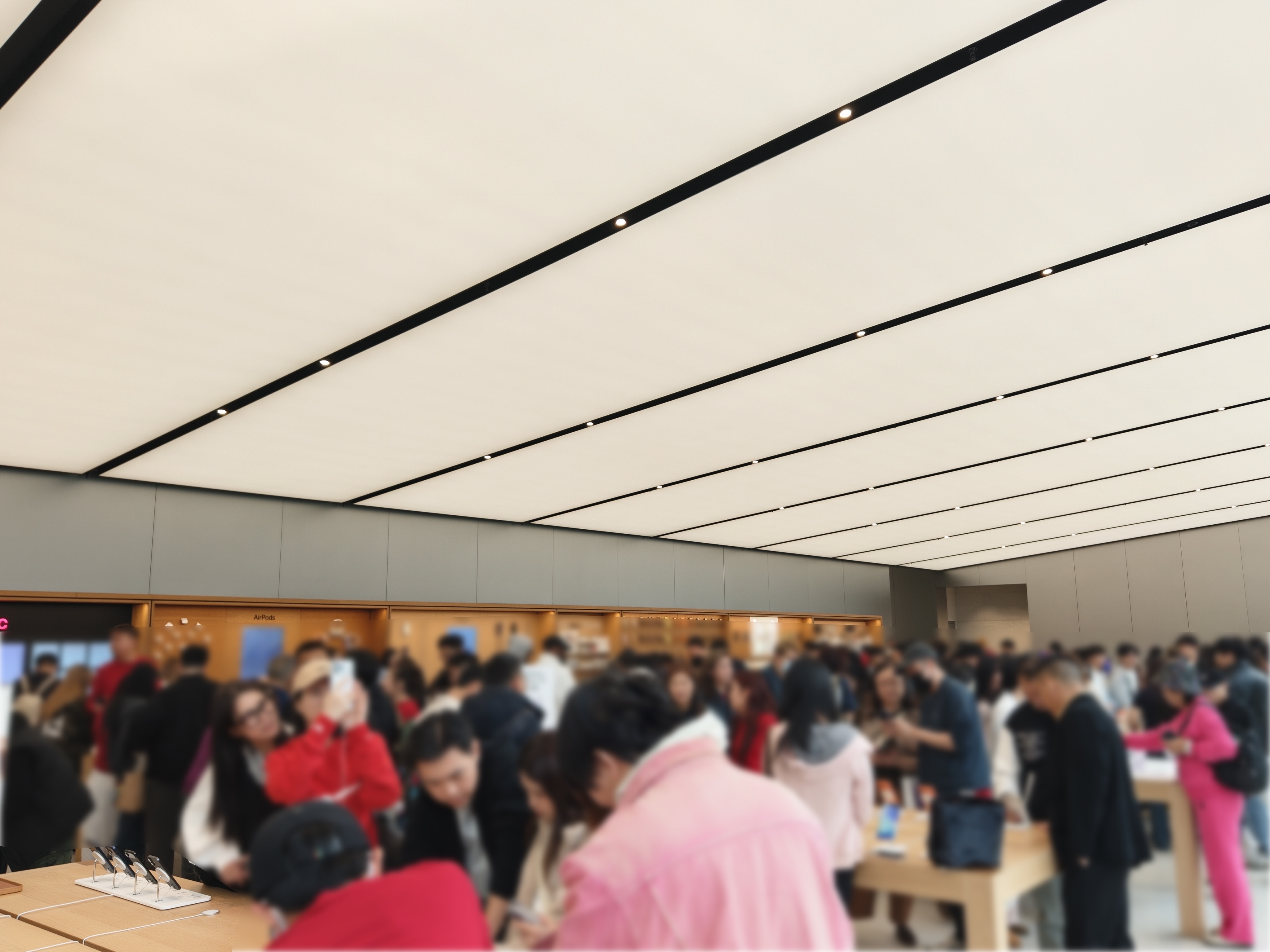
(Image source: Lei Technology)
Moreover, according to Xiaolei's understanding of the Apple Store, users probably have to make an appointment for after - sales service first, and then go to the second floor to verify with the staff before they can borrow a charger for emergency charging. However, Xiaolei thinks this is more like an "after - sales service" rather than just "borrowing power".
As for Yinglong Haiyue City in Tianhe Longdong and Jinbo Tiandi in Jiahewanggang, unfortunately, the experiences are basically no different from that in Jinbo Tiandi in Taihe. Whether users can charge their phones smoothly basically depends on the number of customers in the store and the clerk's willingness to serve. This makes Xiaolei a bit curious. Are those so - called "luxury charging stations" on Xiaohongshu just false propaganda?
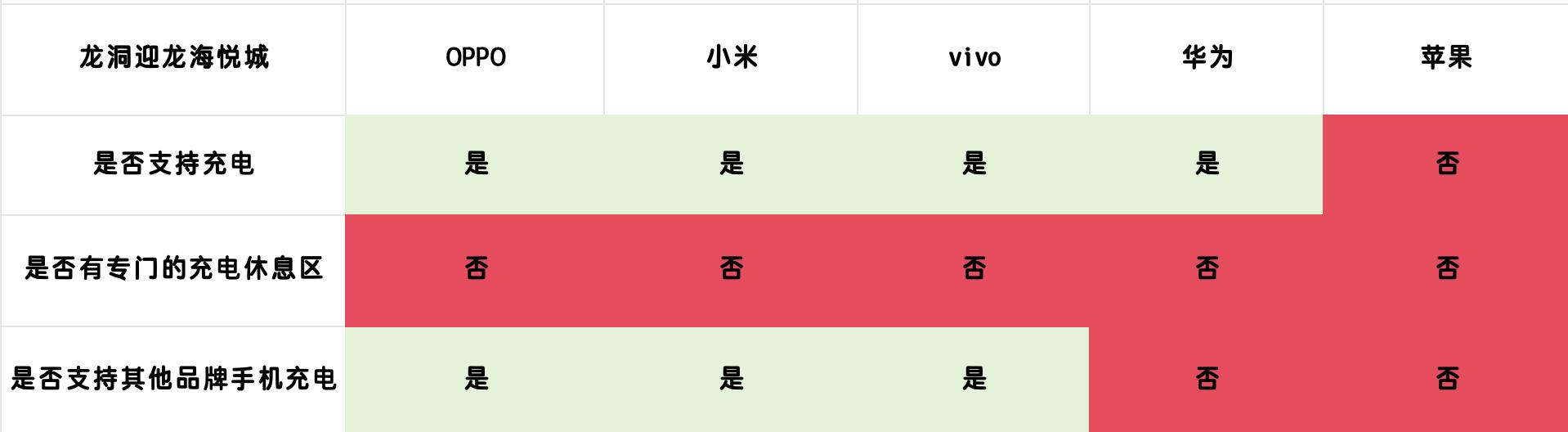
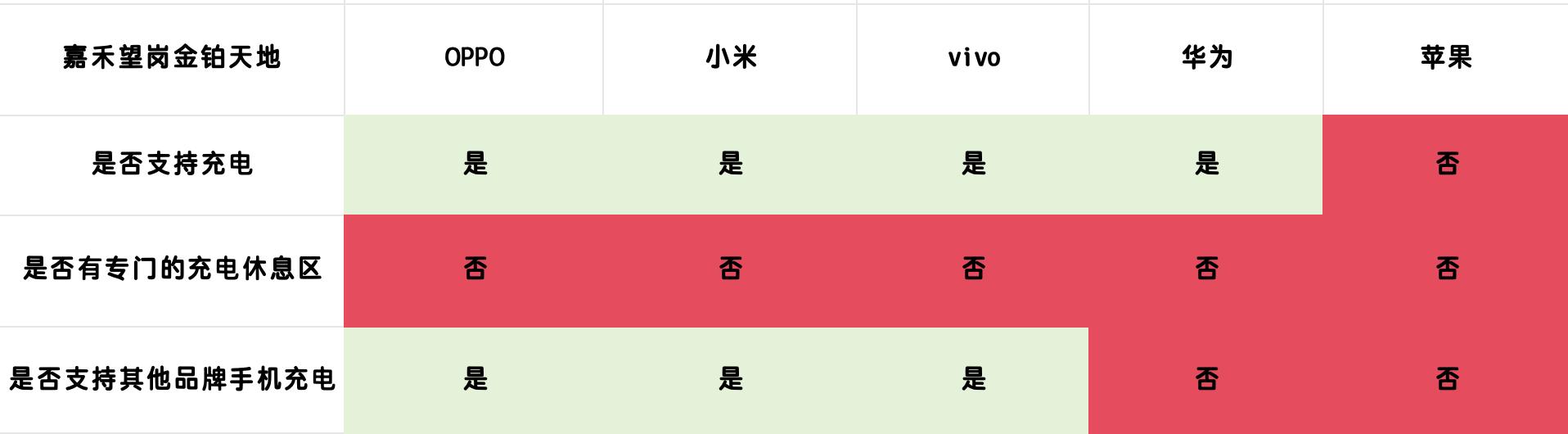
(Image source: Lei Technology)
With this question, Xiaolei asked the employees of OPPO, vivo, and Xiaomi Home successively, and their answers were relatively consistent. "There are definitely charging stations, but they are generally only set up in stores with a relatively large area. This is decided by the superiors, and we have no way to change it. If users really have a need, we will still try our best to help."
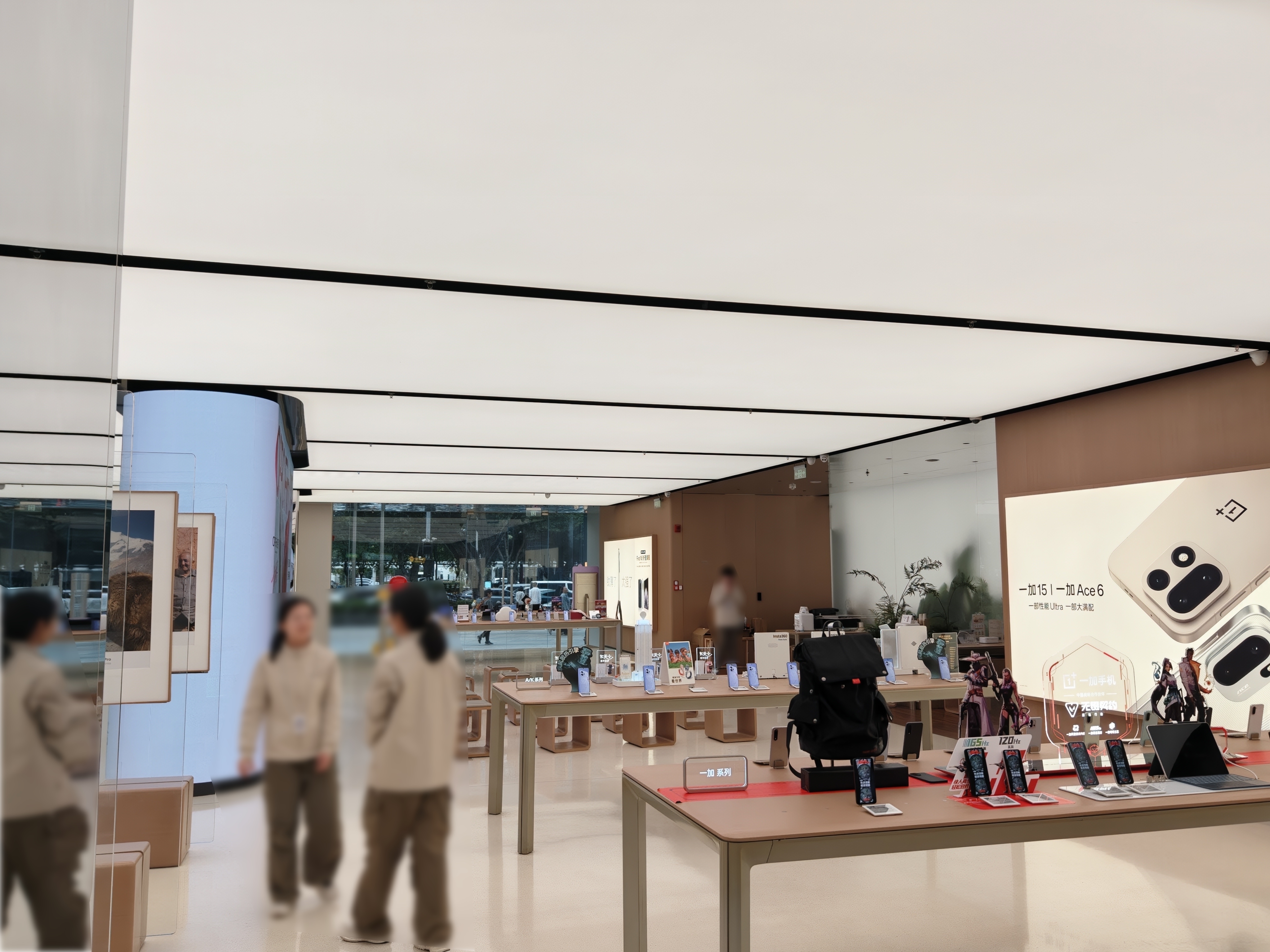
(Image source: Lei Technology)
Overall, the offline emergency charging services of OPPO and vivo are significantly better than those of other brands, and this gap is not accidental.
On the one hand, most of their stores are slightly larger in area and are equipped with convenience service facilities such as rest areas and charging equipment, which have the basic service capabilities. On the other hand, OPPO and vivo have long been deeply involved in offline channels. The service assessment of their stores includes indicators related to user experience. The clerks are more willing to take the initiative to provide value - added services. For example, vivo will also ask users if they need phone maintenance, and OPPO can provide free fast - charging power banks that can be taken away. These details have upgraded emergency charging from "basic convenience" to "thoughtful service".
Not to mention that from the perspective of the user group, a considerable part of the core users of OPPO and vivo are the middle - aged and elderly groups and student groups who buy phones offline. This type of users is more dependent on offline services and attaches more importance to the convenience attributes of stores. Therefore, the brands will launch targeted value - added services such as charging and maintenance.
In contrast, other brand stores focus more on product sales and official after - sales processes, mainly on flagship experiences and product sales. The service facilities of community - type stores are insufficient.
Xiaolei also asked the clerks if there were many users coming to "borrow power". Several clerks said "very few". On the one hand, many users simply don't know that mobile phone stores can provide this service. More importantly, many users, like Xiaolei, are too shy. It would be a bit embarrassing to ask the clerk for help without making a purchase.
The charging service in mobile phone stores is great, but it's too well - hidden
Then a new question arises. Why don't people know that mobile phone stores can provide charging services? Xiaolei thinks the first and most important point is that mobile phone manufacturers don't emphasize this point in their publicity.
Taking the membership/mall apps of four mobile phones as an example, the membership benefits of vivo, Xiaomi, and Huawei don't clearly indicate whether free charging is supported. Only OPPO indicates that members can enjoy free fast - charging services in stores.
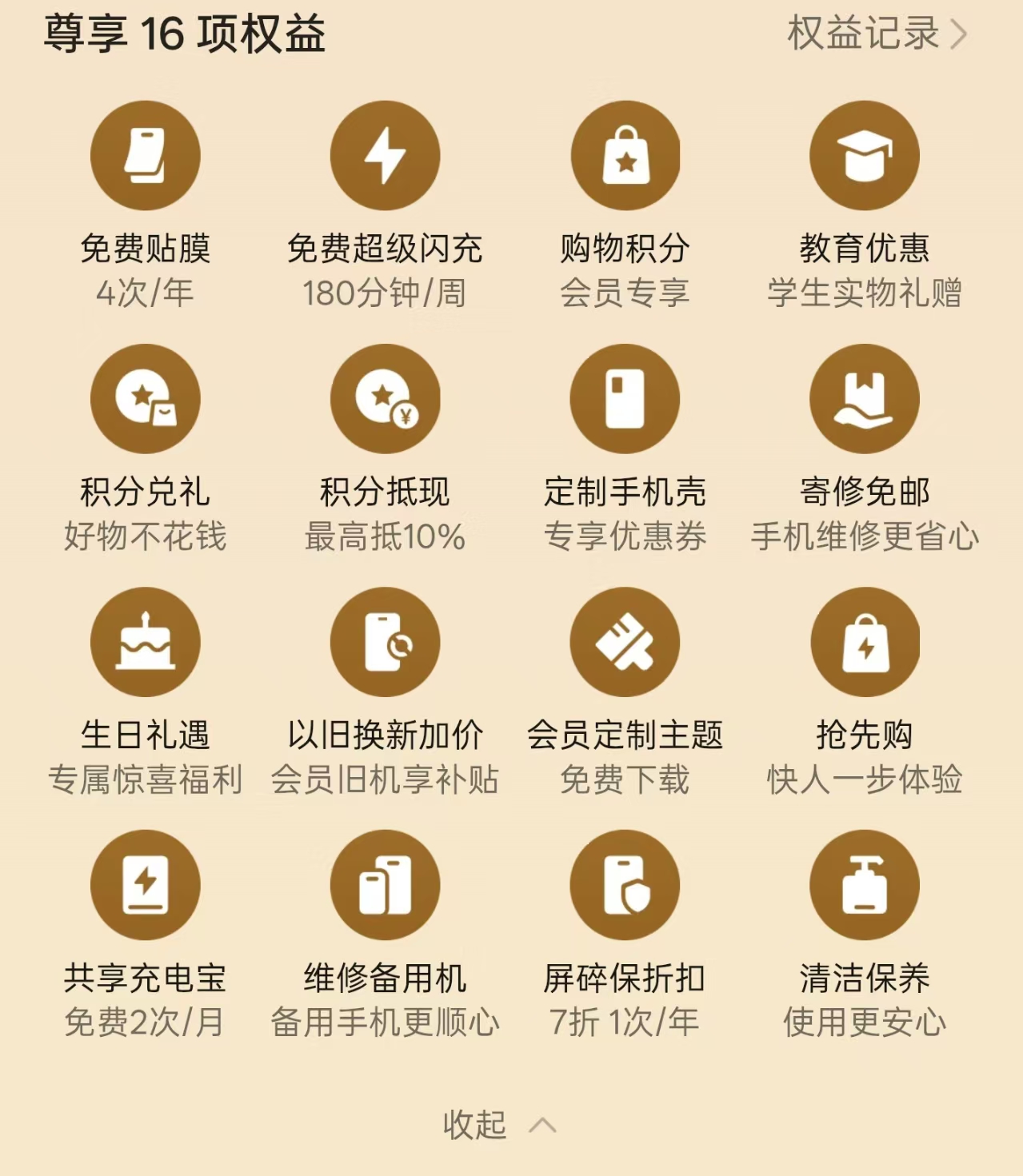
(Image source: Lei Technology, My OPPO APP)