While *The Ugly Fox* became a viral hit, *Dreaming Back to the Red Chamber* has been taken down from platforms. How can AI strike the right proper boundaries when adapting classic literary masterpieces?
Recently, *Dreaming Back to the Red Chamber* and *The Ugly Fox* have successively topped Weibo's hot search lists. Unconsciously, AI short dramas are setting off a new upsurge of adapting classical masterpieces.
Classic masterpieces including *Dream of the Red Chamber*, *Journey to the West* and *Strange Stories from a Chinese Studio*, which boast a broad national audience and carry collective cultural memories, have become high-value traffic mines that are being frantically tapped in the AI short drama track. Their story backgrounds and character settings have long been deeply rooted in the public mind, saving low-cost AI short drama creators the effort of building character personas and arranging satisfying plot beats in the early stage of new productions, making them the priority choice for creators of low-budget AI short dramas.
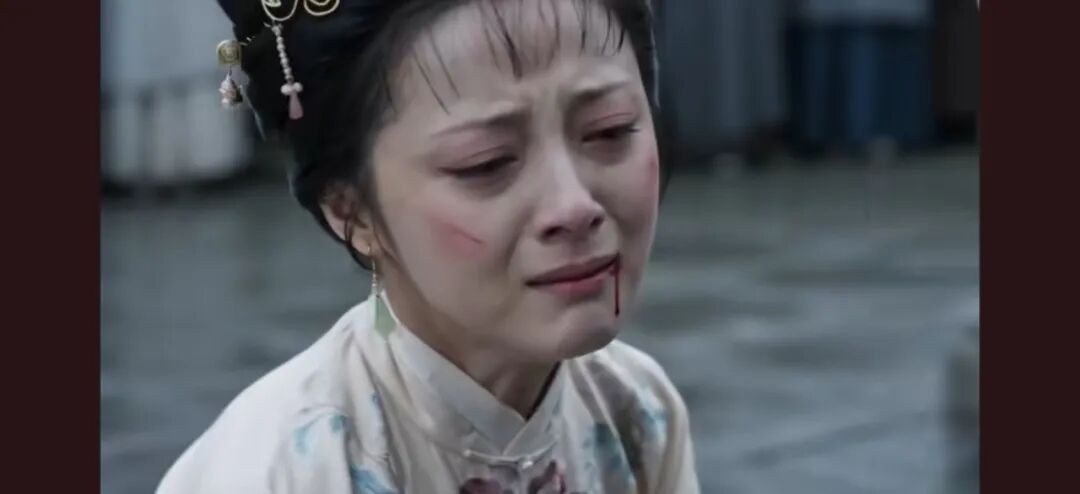
However, most of these works only borrow the fame of the masterpieces and classic characters as gimmicks, while their core content follows the standardized rebirth, revenge, and melodrama routines of assembly-line short dramas. For example, the widely discussed *Dreaming Back to the Red Chamber* that sparked huge public controversy recently not only rewrites *Dream of the Red Chamber* into a simple rebirth and inner-house power struggle story, but also infringes on the portrait rights of 17 actors, and was eventually reported and removed from all platforms. Zhang Li, the actress who played Xue Baochai in the classic adaptation, has publicly stated that she never authorized the relevant creator to use her portrait, and reserves the right to pursue further legal responsibilities. At present, the involved account has been cancelled.
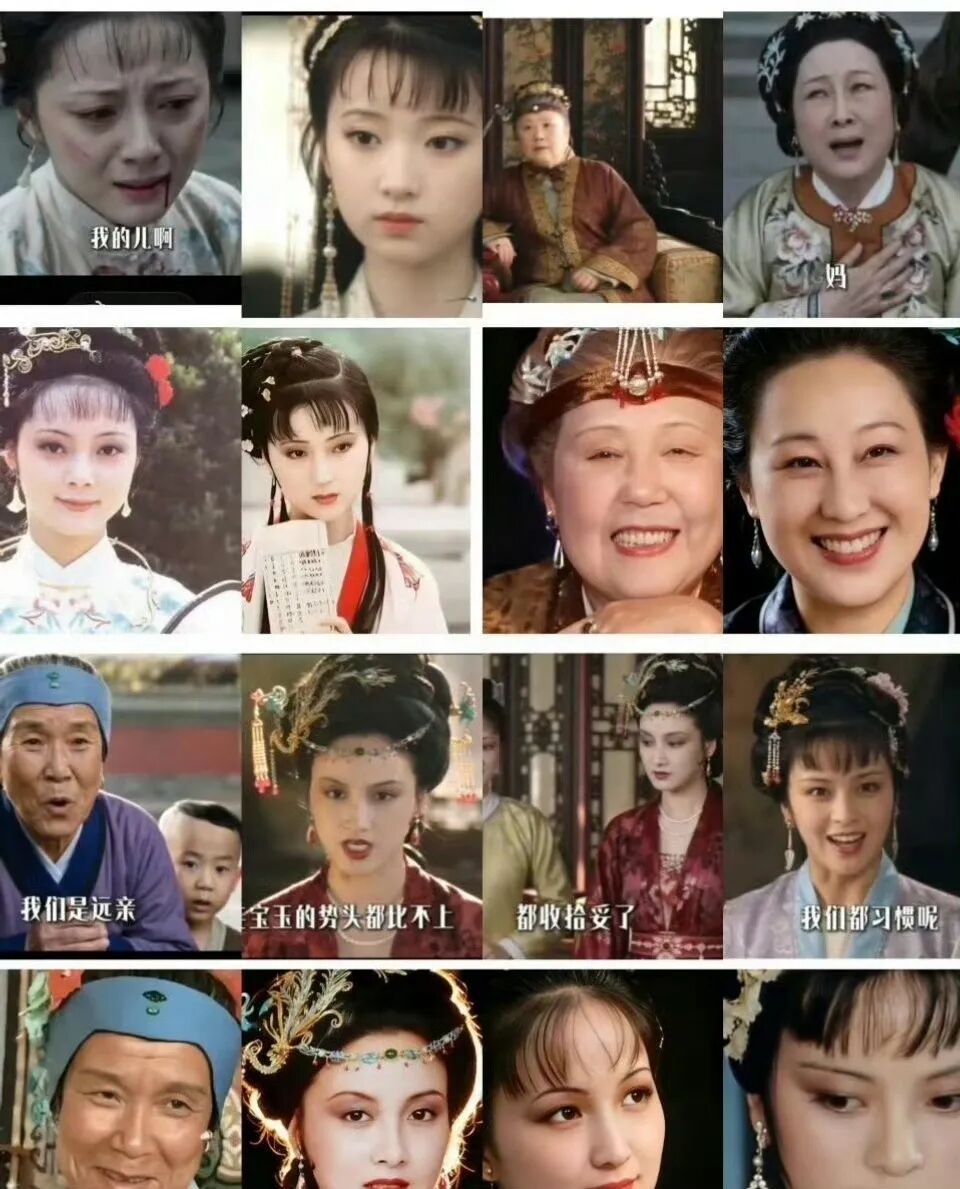
Yet some creators have taken a different, innovative path, trying to use AI to restore the unique metaphors, blank spaces and atmospheric charm unique to classical literature, and make moderate adaptations based on the original classic content.
What different factions have the AI short dramas adapted from classical masterpieces split into at the current stage? Apart from the assembly-line satisfying melodramas, what adaptation ideas are truly worth learning for the whole industry?
The Diversified Adaptation Trends of AI Short Dramas Based on Classical Masterpieces
When the production capacity of AI short dramas is fully released, creators have taken completely different paths even when facing the same classic IP. Some use classic works to take shortcuts to traffic, while others aim to explore new expression space in these ancient stories.
Among all approaches, using classic IP as a shell to package wish-fulfilling melodrama content is the most common play in the current market that can easily achieve high viewership data. This type of work abandons the plot core and literary essence of classic masterpieces, only borrowing the widely well-known IP name, and nesting the popular short drama templates of rebirth, time travel, game system, and counterattack to satisfy the audience's wish-fulfilling demands.
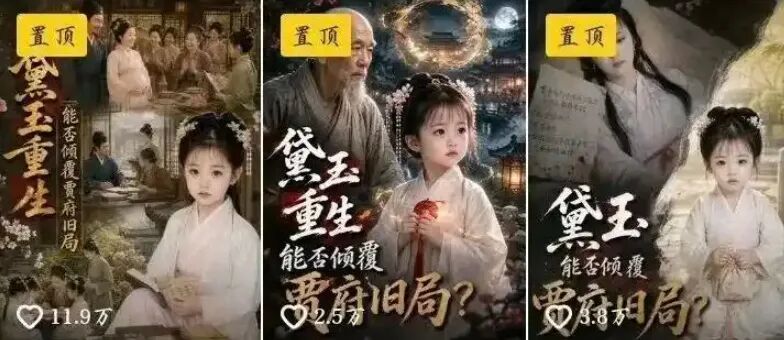
The AI short drama *Dreaming Back to the Red Chamber*, which sparked continuous public disputes across the whole network and was eventually removed from shelves, exactly falls into this category in terms of plot. The series rewrites Lin Daiyu into a flat, dominant female lead who is reborn at the start of the story and takes revenge all the way, while Xue Baochai is turned into a vicious supporting character who gets slapped in the face in public.
Worse still, the series directly misappropriates the facial features of the actors from the 1987 TV adaptation of *Dream of the Red Chamber*. Although this type of wish-fulfilling plot can indeed meet the decompression needs of some short video viewers, such creation is essentially copyright infringement and arbitrary distortion of the original work, and the series was eventually reported and taken down for suspected portrait right infringement.
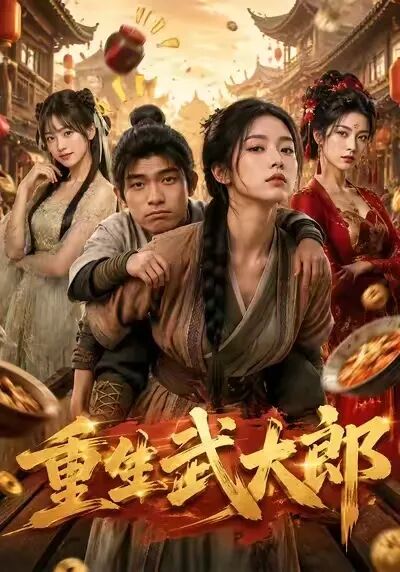
It is not limited to *Dream of the Red Chamber*: adaptations of *Water Margin* are also flooded with "time travel and fate reversal" plots. For example, *Rebirth of Wu Dalang* tells the story of a modern business elite who travels back in time to become Wu Dalang, resolves misunderstandings with Pan Jinlian, and eventually takes over the Liangshan heroes to rewrite his fate. There are also a large number of assembly-line works such as *Song Jiang Reborn: No More Path for Surrender to the Court*, which basically abandon the thematic spirit and the core of the era tragedy of the original work, and only focus on the satisfying counterattack plot points of the characters.
The other adaptation direction is content with real core that draws nourishment from the soul of the original classic. Creators of this type retain the spiritual foundation of the original work in narrative, and try to resonate with contemporary audiences.
The two IPs *Strange Stories from a Chinese Studio* and *Journey to the West* have relatively fewer "wish-fulfilling melodrama adaptations" and a higher proportion of high-quality works. *Strange Stories from a Chinese Studio* uses ghosts and monsters to depict the good and evil of human nature, and criticizes secular prejudices, which fits the current audience's aesthetic preference for sincerity and aversion to hypocrisy and utilitarianism. The themes of spiritual practice, self-breakthrough and breaking shackles in *Journey to the West* also fit the young people's spiritual demands for self-growth, independence and clear-mindedness, and there is no need to create gimmicks through arbitrary distortion of the original work.
*The Ugly Fox* is one of the outstanding positive samples with good public praise. The series follows the original theme of "reflecting human nature through weird tales", focuses on the choices between good and evil and the authenticity of human hearts, wraps realistic thinking in the shell of supernatural tales, has a positive theme, and its gentle modernized adaptation has also been recognized by the audience.
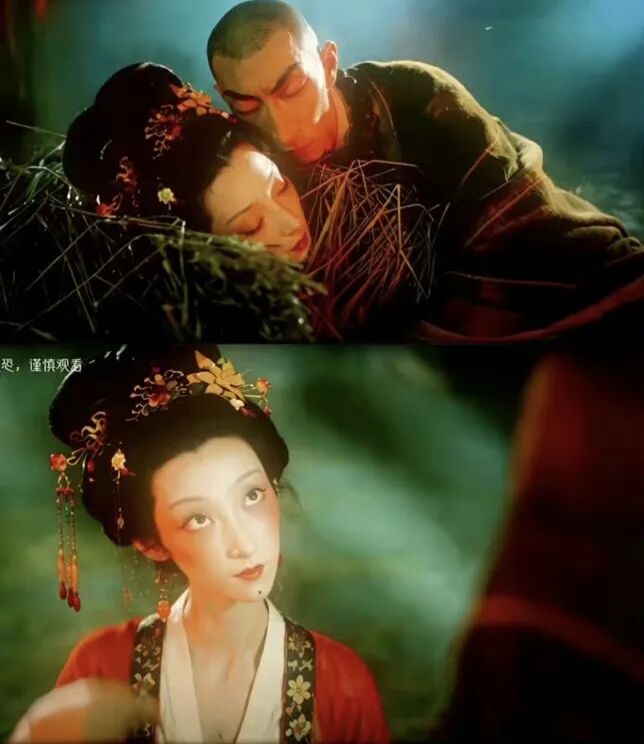
The *Journey to the West* track has also produced high-quality works such as *Journey to the West: The Self-Cultivation of the Holy Monk*. The series reshapes the character arc of Tang Sanzang, discusses mercy and karma, and interprets the theme that "spiritual practice is essentially mind cultivation" from a contemporary perspective, with innovative, restrained and advanced expression.
The public praise of the two adaptation directions are clearly different. How can classic stories fit in with the fast pace and strong emotional impact of AI short dramas, so as to avoid deviation from the core theme and decline of production quality?
How to Adapt Classical Masterpieces into AI Short Dramas Properly?
The premise of making good AI short drama adaptations of classical masterpieces is to respect the unique inherent traits of classic characters, and avoid stereotyped, template-based transformation.
The core reason why audiences dislike the arbitrary distortion of *Dreaming Back to the Red Chamber* is that its character settings completely break away from the complexity and literariness of the original characters. The female lead Lin Daiyu is a unique female figure in classical Chinese literature, whose charm never lies in power manipulation and aggressiveness, but in her sensitivity, insight, divinity, and tragic beauty that is purely touching. There are thousands of dominant female leads in existing dramas who take revenge and seize power through inner-house struggles, but there is only one Lin Daiyu who carries the feelings of generations of people and combines excellent virtue and talent.
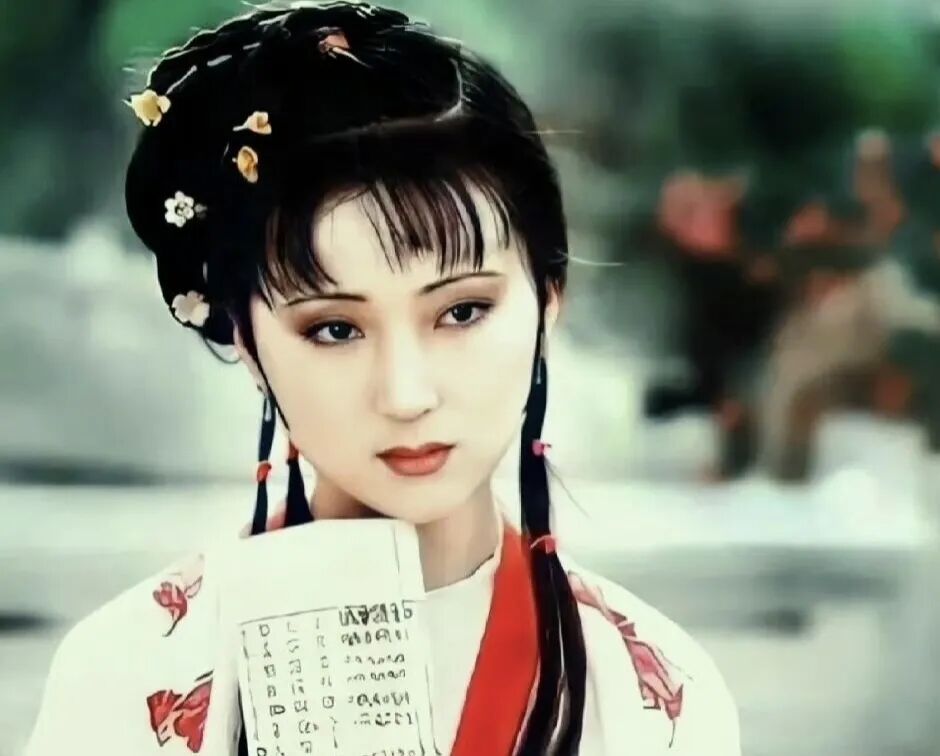
In sharp contrast, audiences always enjoy interesting secondary creations such as the "Saint Dai CP" fan works, which do not modify the characters at all, but make the unique traits of Lin Daiyu and Sun Wukong loved by the public from a more humorous and relaxing perspective. However, forcibly rewriting Lin Daiyu into a female lead who takes swift revenge in inner-house power struggles replaces the classic literary charm with overused short drama templates, and is completely reduced to a low-dimensional adaptation.
Secondly, high-quality adaptations know how to retain appropriate satisfying plot points, but never allow short drama routines to dominate the whole plot.
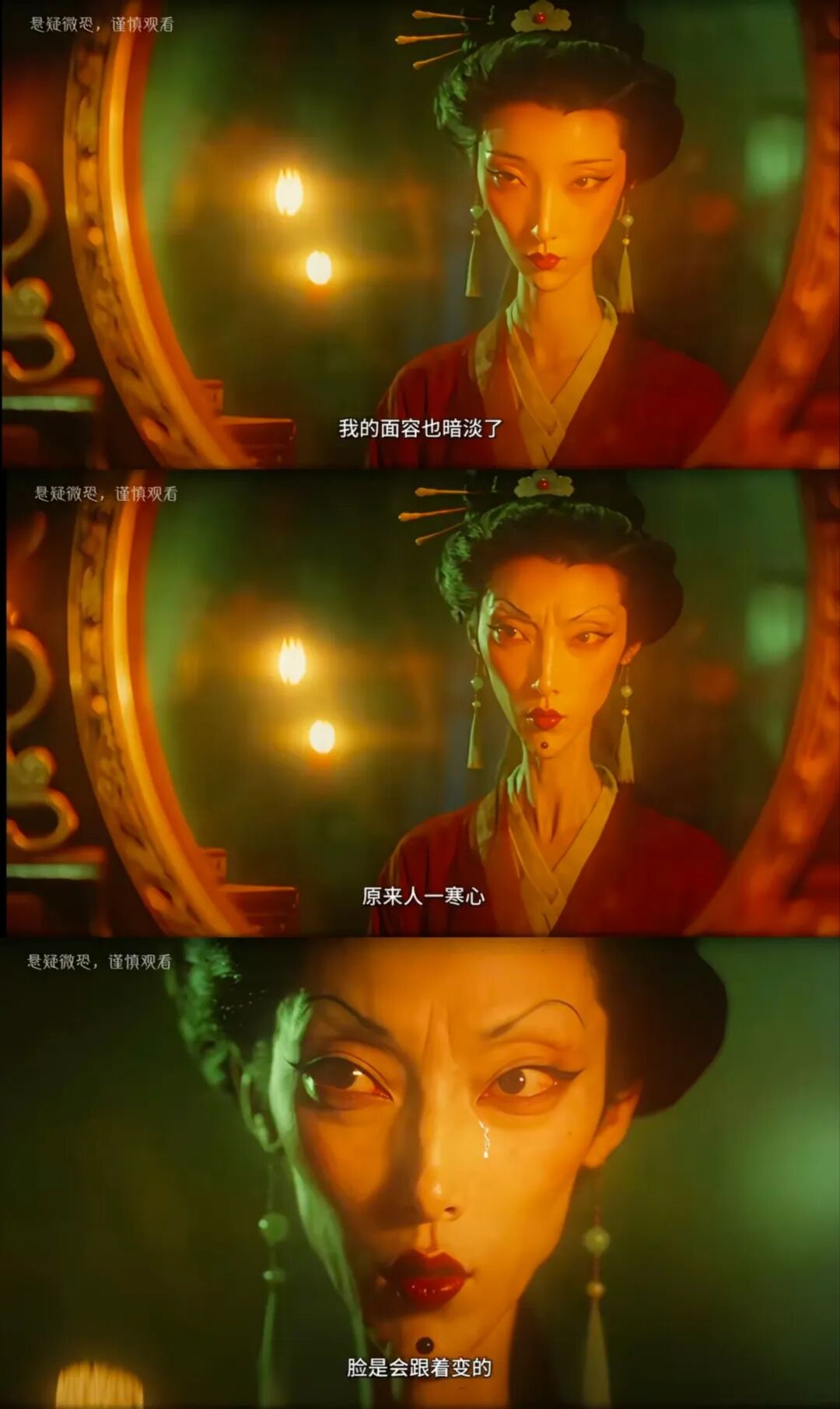
For example, the satisfying points in *The Ugly Fox* are hidden in the closed loop of cause and effect, instead of being arranged as random face-slapping plots. The short drama modifies the original setting, changing the inherent ugly appearance of the fox spirit to a originally beautiful look: she gradually becomes haggard and ugly because she continuously consumes her spiritual power to give gold and silver to the scholar, and is used by others to drain her energy constantly.
The poor scholar who did not even have cotton-padded clothes to resist the cold in winter gets rich with the financial support of the fox spirit, and has money to build a new house and buy new clothes. But after getting rich, he begins to dislike her ugly appearance, and even tries to drive her away with sorcery. In the end, the heartbroken fox spirit takes back all her property, leaving the scholar back to his original destitute state overnight.
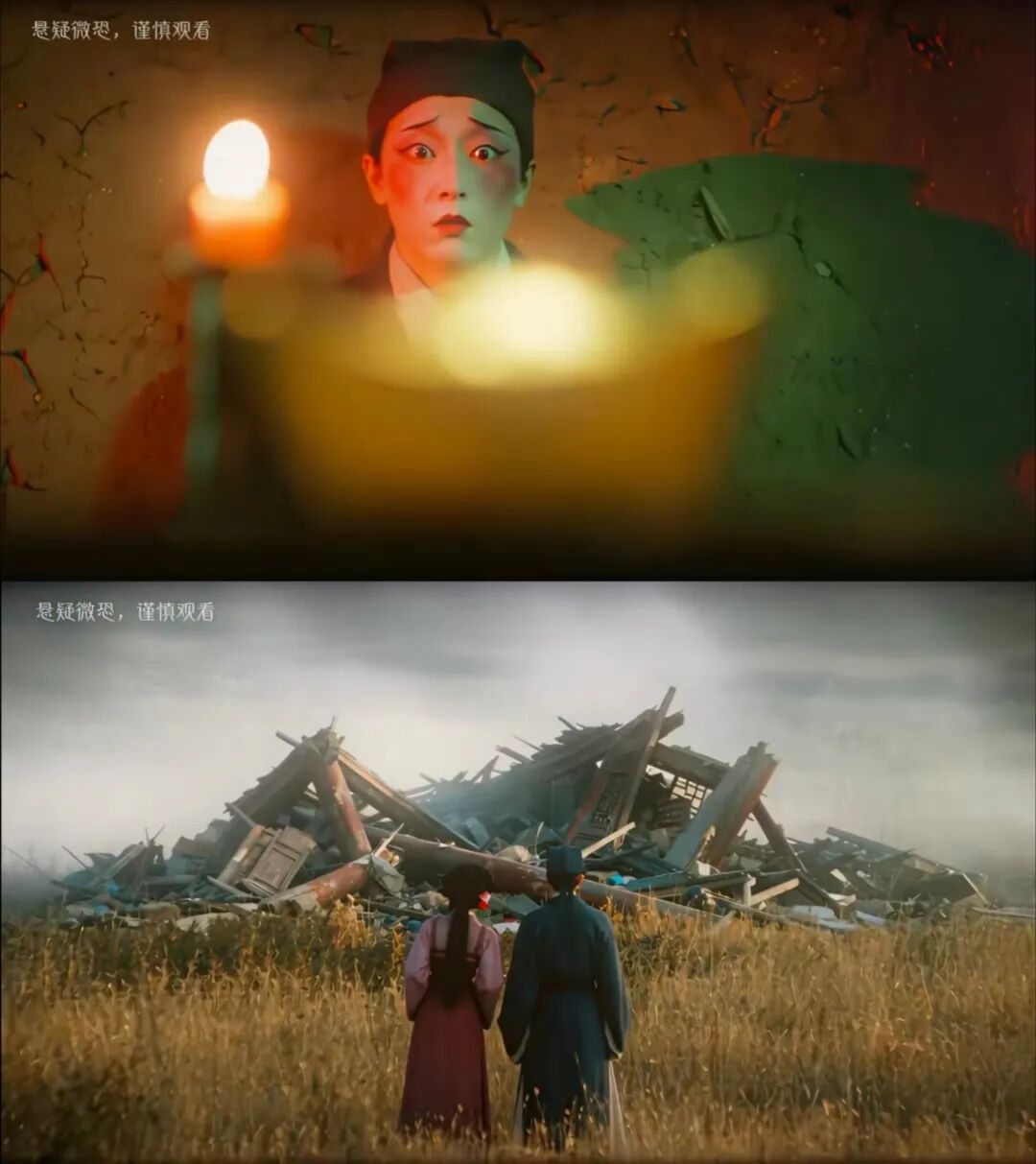
This conflict comes from the character's inherent greed and coldness, and advances naturally along the logic of the story. What the audience feels is the tension of human nature, rather than deliberately created satisfying pleasure.
Finally, a qualified adaptation of classical masterpieces should be able to resonate with the emotions and values of contemporary audiences.
*Journey to the West: The Self-Cultivation of the Holy Monk* gained widespread public praise precisely because it accurately grasps the contemporary audience's new perception of Tang Sanzang. The Tang Sanzang portrayed in traditional film and television works is mostly a stereotyped figure who is pedantic, stubborn, relies on his disciples and lacks understanding of human feelings, but contemporary audiences' perception of this character has long become far more complex.
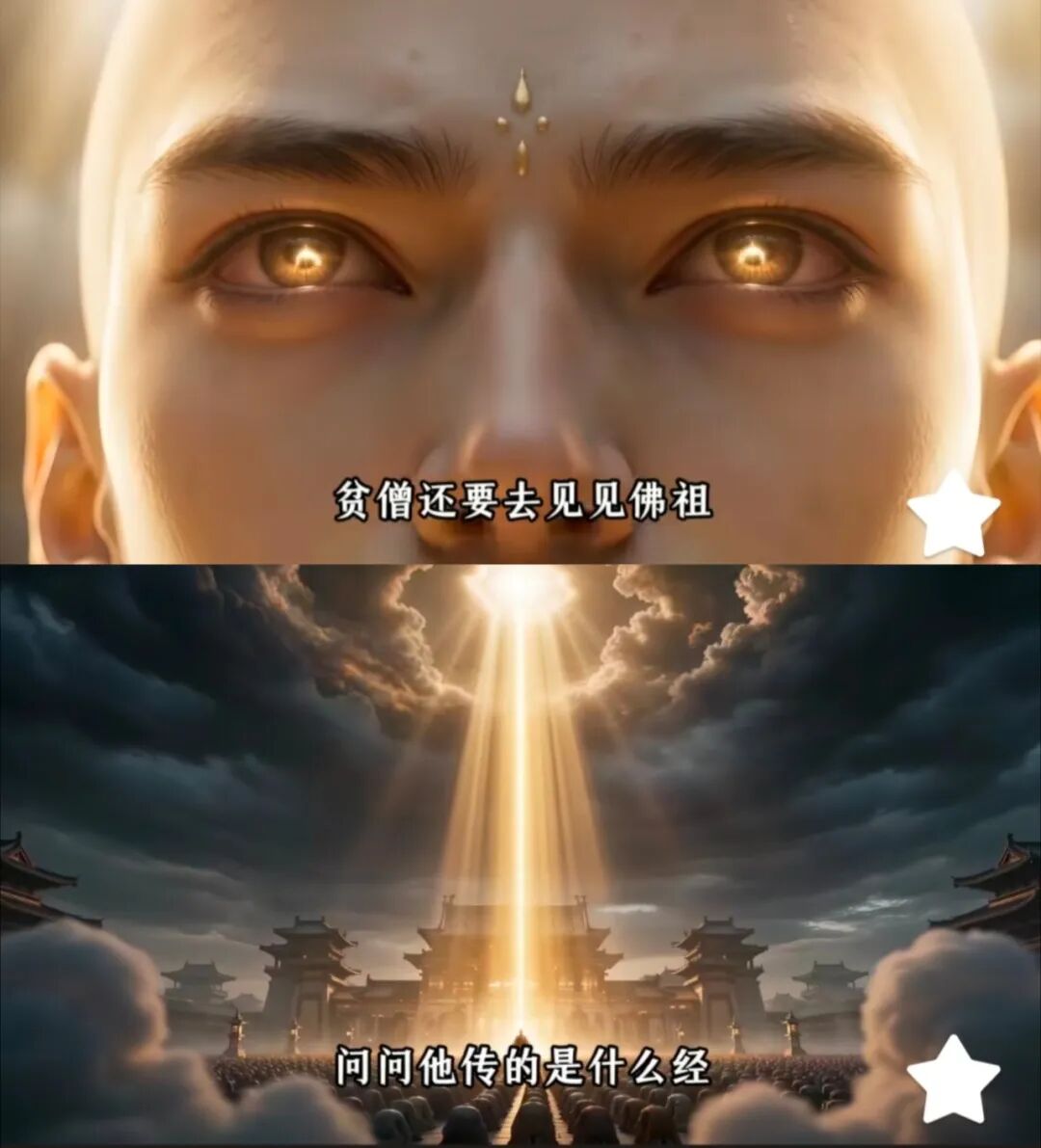
This series breaks away from inherent prejudices, explores the thinking, persistence and compassion behind Tang Sanzang's spiritual practice, and can strike the spiritual chord of the audience.
*The Ugly Fox* also tries to connect with contemporary people's emotional thinking about dedication, betrayal and appearance anxiety, but controversy also arises. Many audiences think that this version of adaptation amplifies the part where the fox spirit bears grievances and makes silent sacrifices, and weakens the original fox spirit's distinct stance on gratitude and grudges, as well as her decisive and sharp traits, making the character seem to be obsessed with love to an irrational degree.
Overall, high-quality AI short drama adaptations can achieve proper fit with classic IP by optimizing narrative rhythm and fitting in with audience emotions. Short drama creation can flexibly adjust the narrative style, but the core essence of classic works must not be shaken.
The Bottom Line and Flexibility of Classic Adaptation
Live-action drama remakes of classic works are usually expensive and large in volume. To stay true to the original work, most of them can only copy the plot step by step. If they want to create something new, even a slight modification will easily touch the classic cognition rooted in the audience's mind, leading to continuous disputes. They are always caught in a dilemma, with very limited space for innovation.
The popularization of AI technology brings different expression flexibility to classic IP. The low-cost production mode frees creators from the restrictions of real scene construction and large production budgets, allowing them to freely build supernatural tale scenes, adjust light and shadow atmosphere, polish freehand visual style, and visualize the ethereal and subtle artistic conception that can only be felt but not described in words.
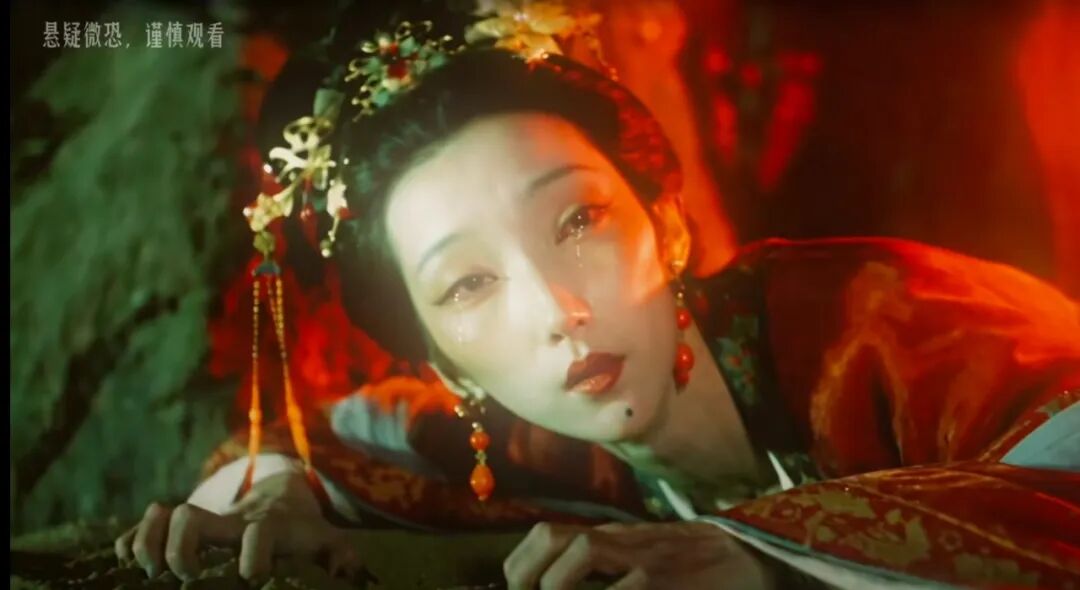
Taking *The Ugly Fox* as an example, the series breaks away from the ubiquitous over-smooth filter and uniform simulated internet celebrity face style of current AI short dramas, adopts the texture of old-fashioned animation, uses restrained and gloomy color tones, matches with hazy, ethereal, cold and eerie light and shadow, restores the dark and ethereal supernatural tale temperament of *Strange Stories from a Chinese Studio*, and materializes the implied Chinese artistic conception that can only be sensed in the original text. This allows the series to build a distinct visual barrier among a large number of homogeneous AI short dramas.
Of course, the freedom of expression brought by technology does not mean that creation can go beyond all boundaries. After hundreds of years of cultural precipitation, classical masterpieces have long formed stable public cognition and constant spiritual core, which is the unshakable creation bottom line of classic IP. The tragic fate of *Dream of the Red Chamber* and the satirical and exhortative connotation of *Strange Stories from a Chinese Studio* are the core foundation that supports the vitality of the IP. No matter how the form iterates, they cannot be arbitrarily subverted.
Although the adaptation of *The Ugly Fox* has made a large number of modern expansions in plot and character settings, reshaping the origin of the fox spirit's appearance change, detailing the emotional context of dedication and betrayal, to fit the current audience's emotional demands for emotional choices, good and evil of human nature. But the core of the whole work, which is cold, realistic and satir