Just now, Elon Musk has made history once again: the "chopsticks" successfully caught the Starship spacecraft for the first time in human history.
Just now, BLG's championship victory has made countless LPL viewers too excited to fall asleep.
On the other side of the Earth, Elon Musk has also ushered in his own highlight moment, except that his opponents are gravity, the atmosphere, and the aerospace problems that mankind has failed to completely solve for decades.
It can even be said that a scene that makes history for mankind has appeared.
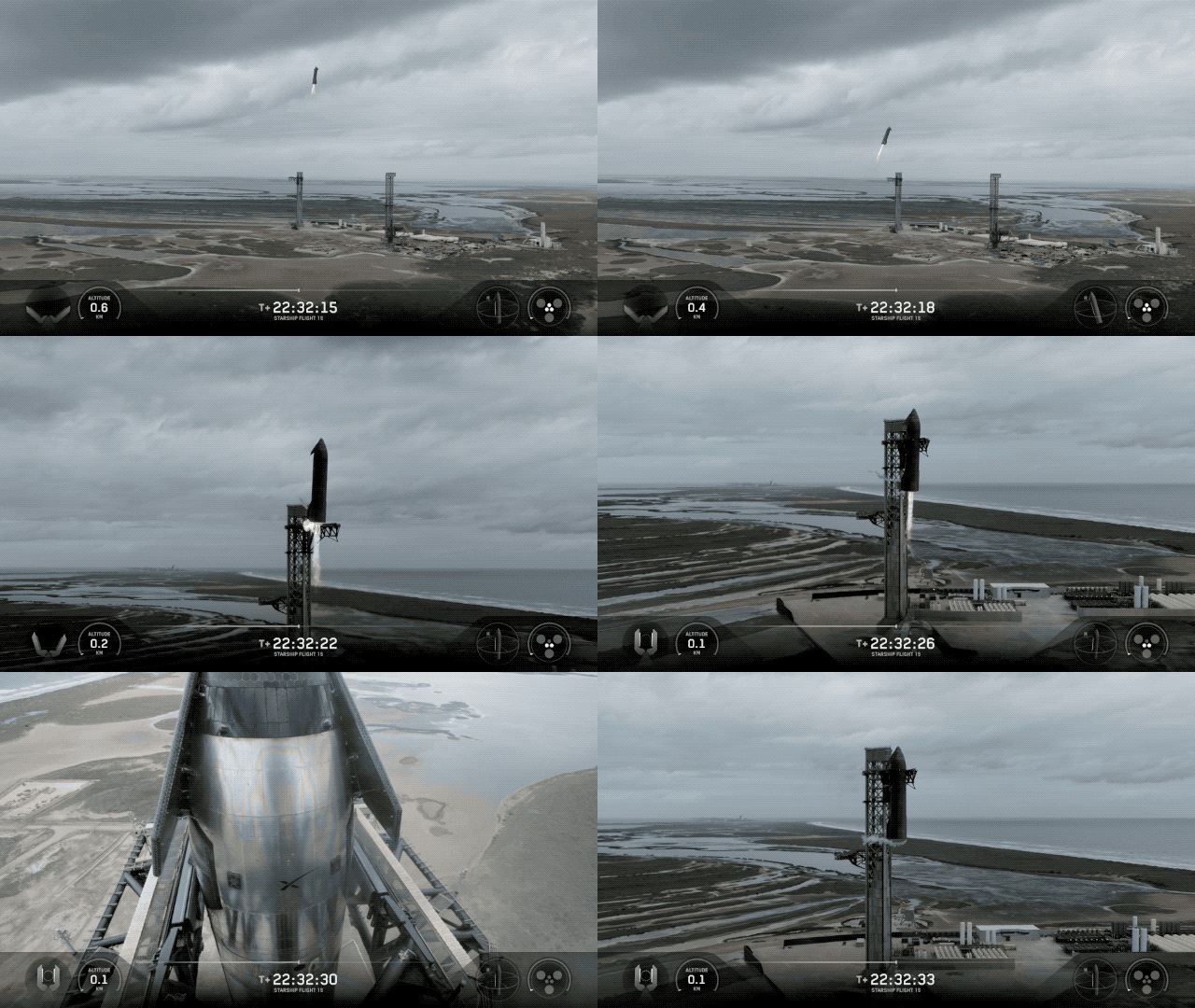
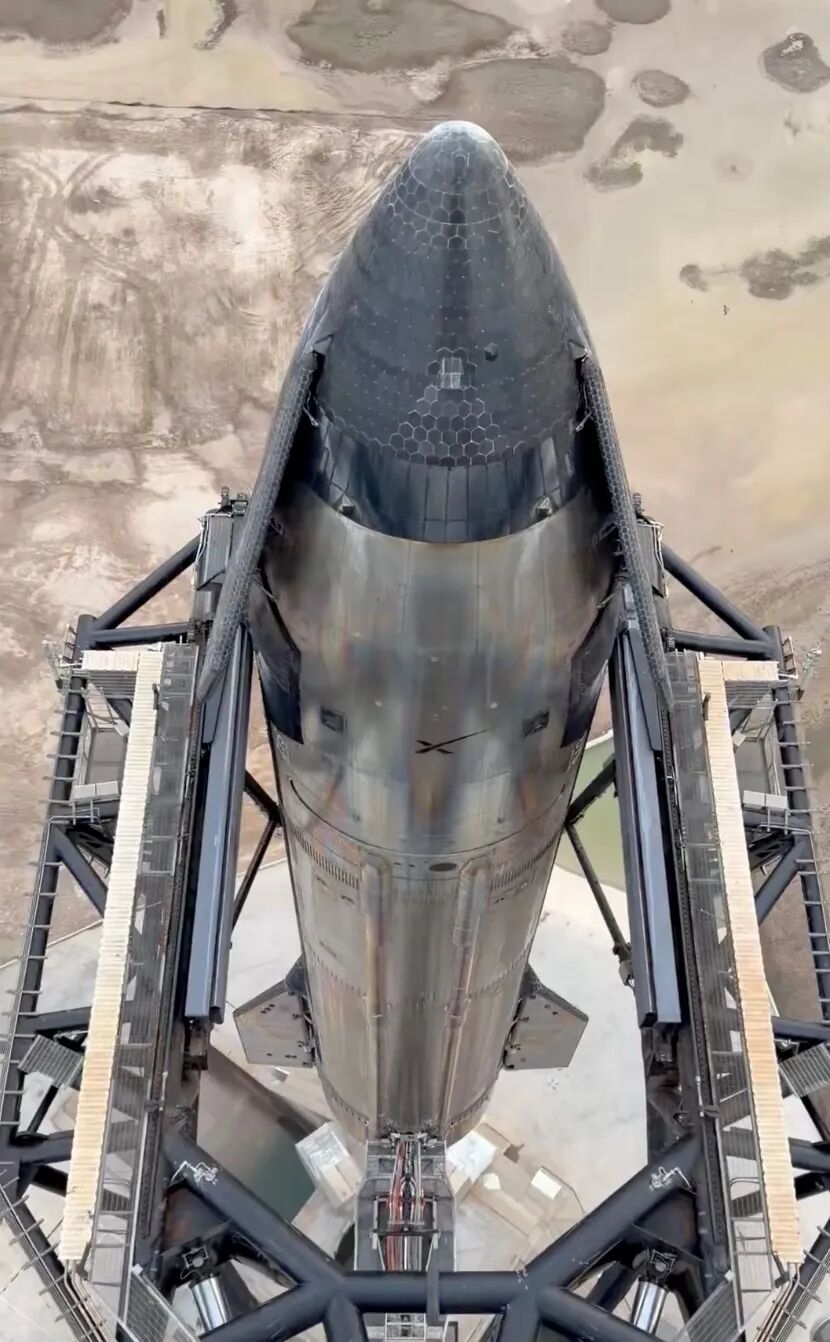
Earlier this morning, in Texas, USA, a 52-meter-tall giant spacecraft returned from space, pierced through the clouds, adjusted its attitude, and was finally steadily caught by two steel robotic arms on the launch tower.
After flying for more than 22 hours and orbiting the Earth a full 14 times, SpaceX's Starship has finally returned to Earth.
The scene burst into cheers instantly, and Dan Huot, the host of SpaceX's live broadcast, exclaimed excitedly: "Can you believe it? Look at her! Baby, she's back!" Musk posted on the X platform to congratulate the SpaceX team.

Little-known fact: this is the first time that SpaceX has successfully used the launch tower's robotic arm to capture a Starship spacecraft that has completed orbital flight and returned to the ground. More dramatically, just 22 hours before this historic success, SpaceX had just experienced an explosion.
From Explosion to Success: Starship's 22-Hour Flight
In the afternoon of local time on November 13, at the Starbase launch site in Texas, a giant rocket about 124 meters high stood on the launch pad.
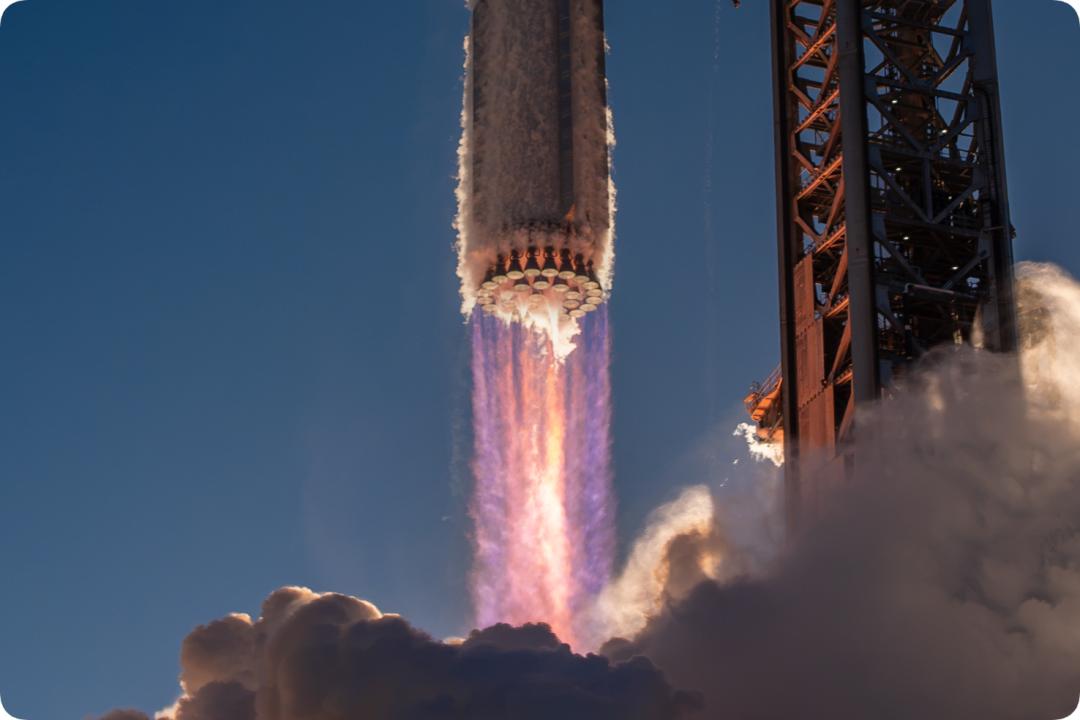
As 33 Raptor engines ignited at the same time, huge flames gushed out, and Starship slowly lifted off amid the roar.
This is the 15th full test flight of Starship, and it is also SpaceX's most ambitious attempt to date.
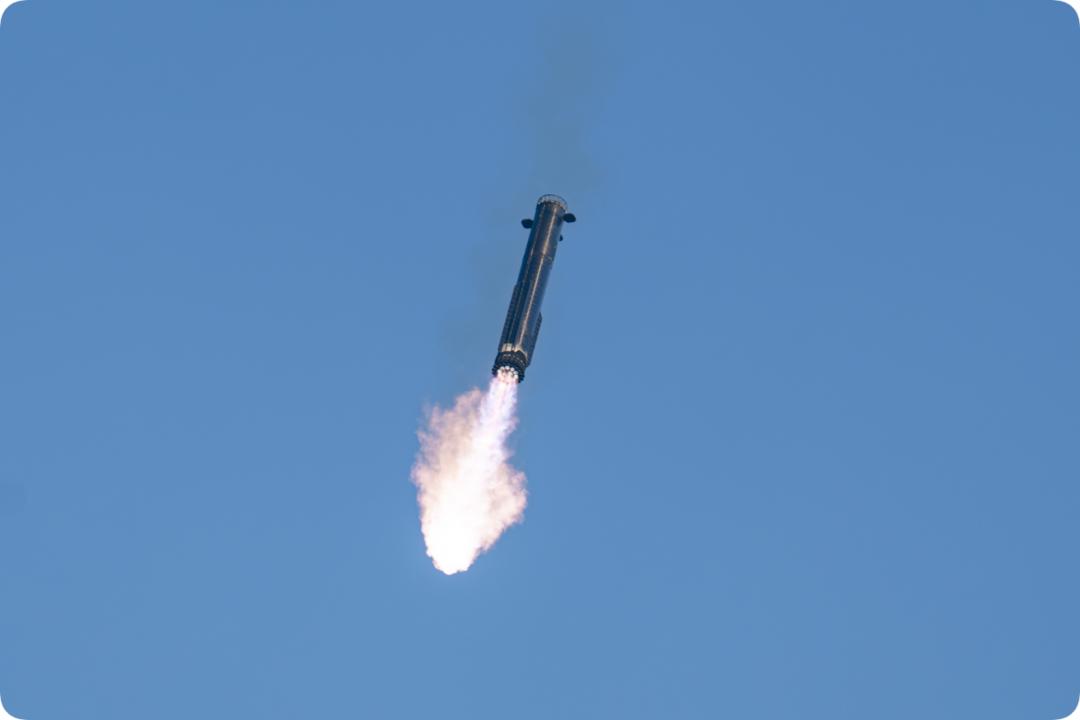
Musk hopes to use the giant robotic arms on the launch tower to catch the returning Super Heavy booster and the Starship spacecraft one after another in the same mission.
If successful, SpaceX will be able to recover the two main parts of this giant rocket system for the first time, creating conditions for full reusability in the future.
However, just a few minutes after launch, an accident occurred.
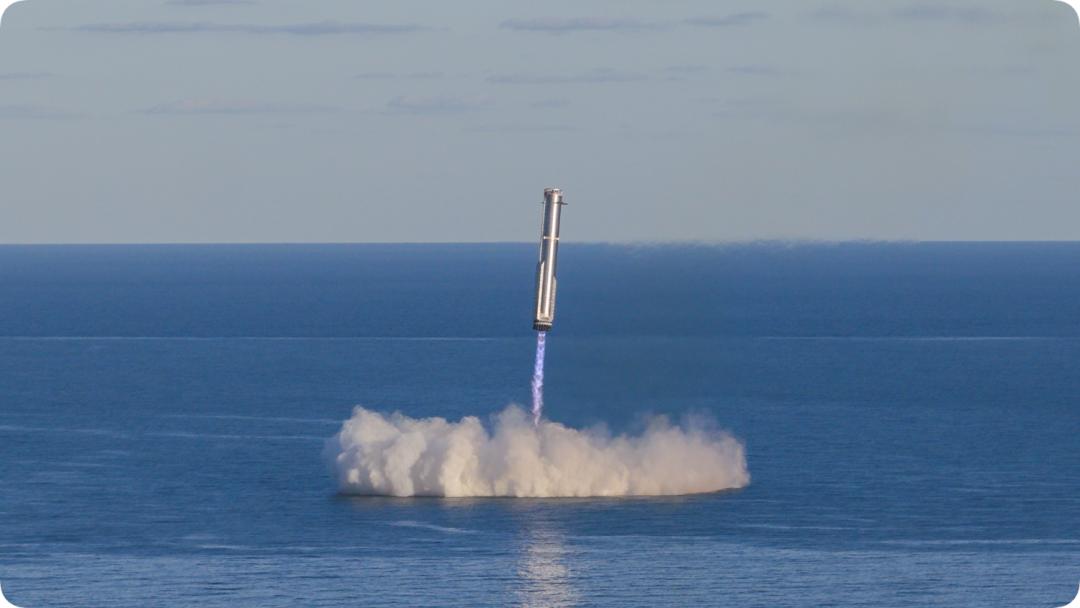
After completing stage separation, the Super Heavy booster started the return procedure as planned, preparing to fly back to the launch site.
But during the descent, the booster's engines stopped working prematurely, the flight control system determined that it had deviated from the safe capture conditions, and automatically abandoned the plan to return to the launch tower.
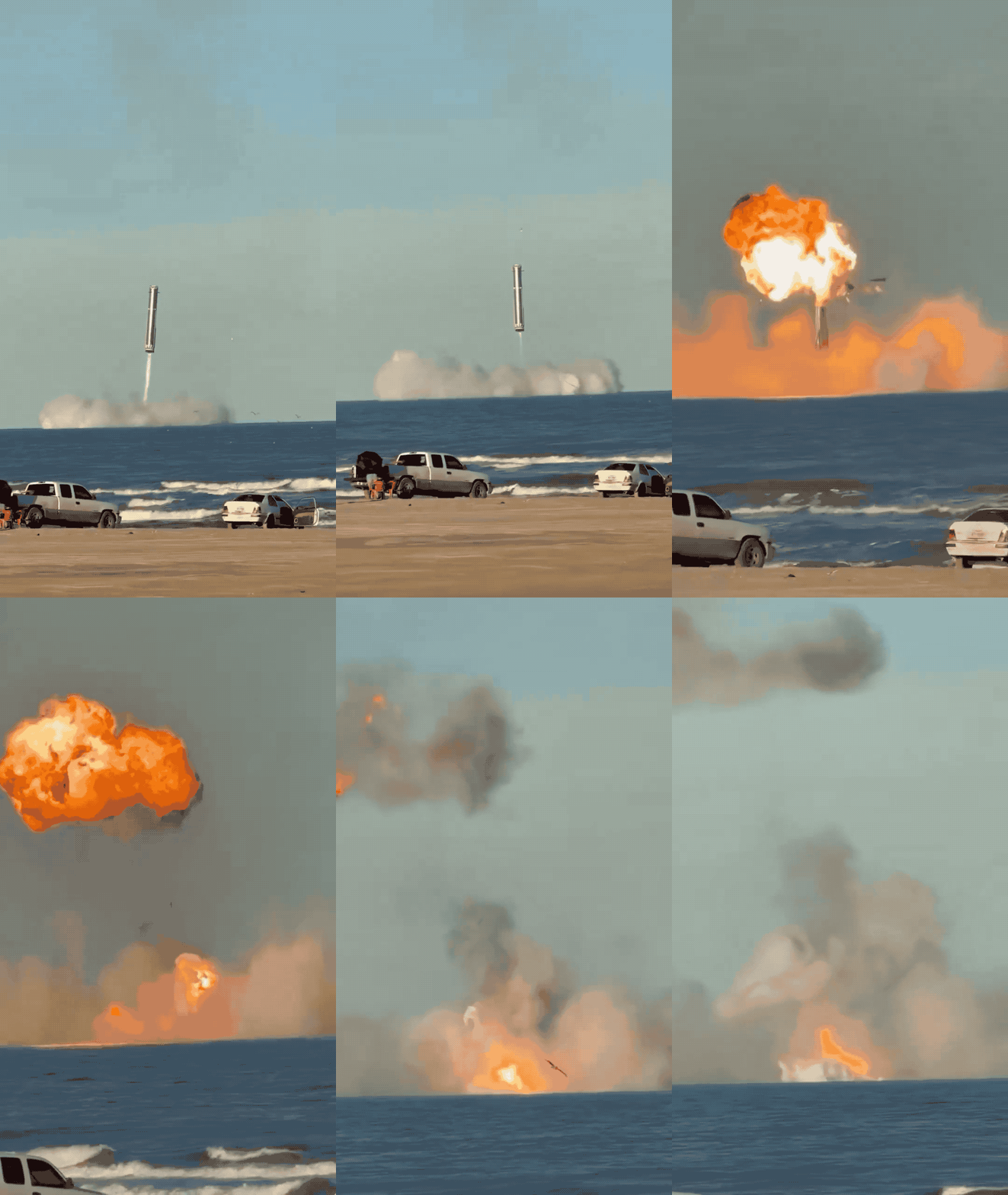
Photo | Credit to blogger @Pedroascenbell
Eventually, this huge booster activated its self-destruct procedure over the Gulf of Mexico and turned into a fireball.
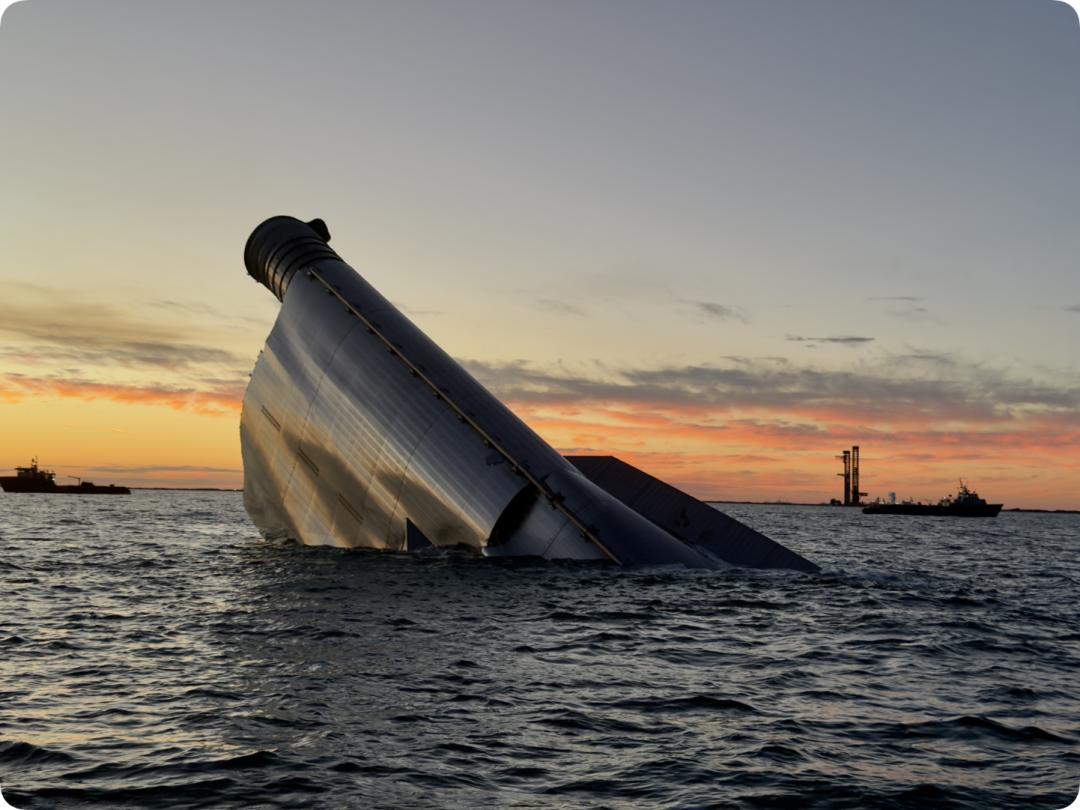
The historic "double catch" that was originally expected was declared a failure shortly after launch.
However, the story is far from over.
Because while the booster was falling towards the Gulf of Mexico, the Starship spacecraft above was still continuing to fly into space.
Starship numbered Ship 42 successfully entered low Earth orbit, and deployed 26 new-generation Starlink V3 satellites.
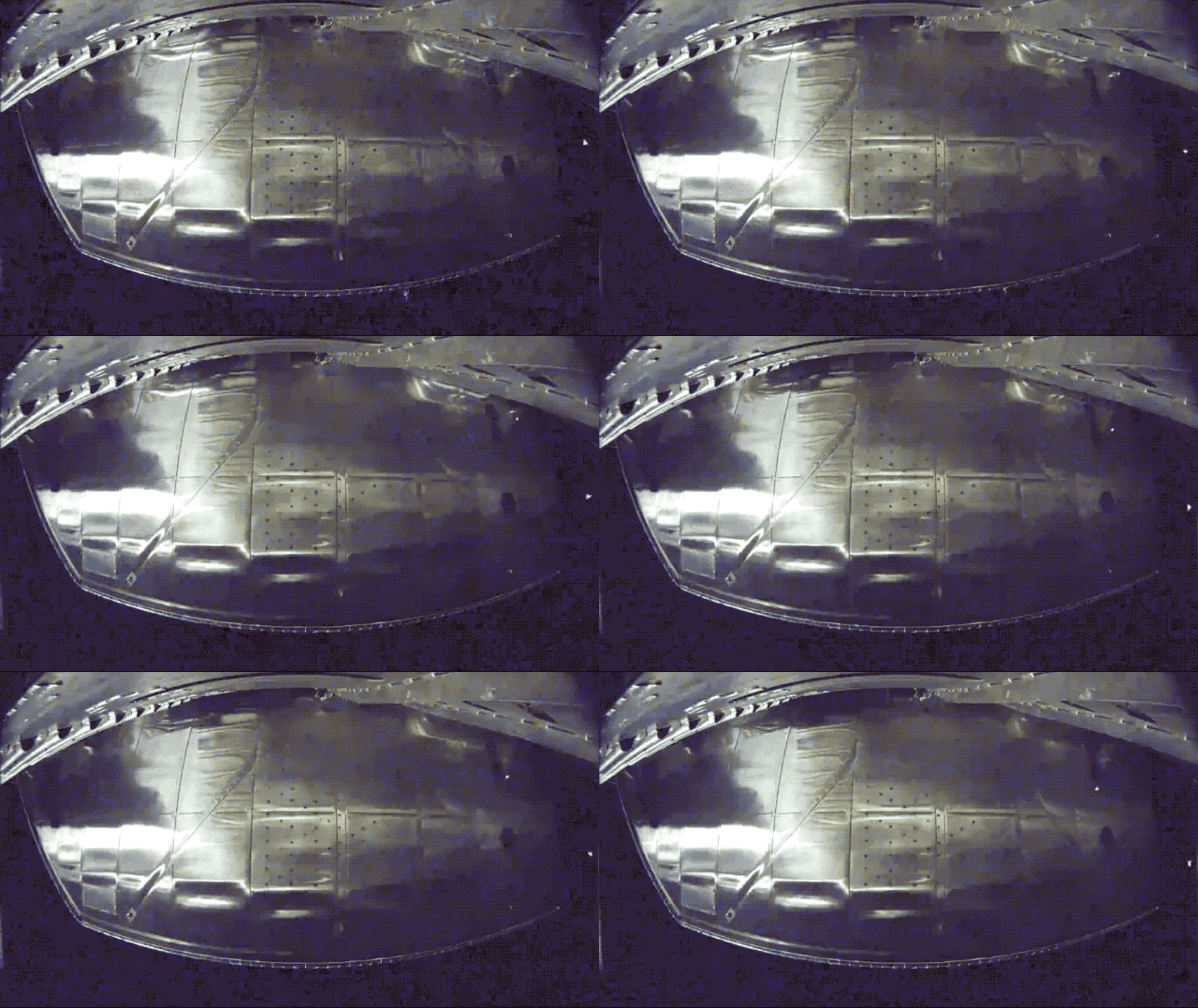
After that, it continued to orbit the Earth, completing a full 14 orbital flights at an altitude of about 265 kilometers, setting the record for the longest orbital flight of the Starship program to date.
Through the real-time footage sent back by Starship, people can see the continents and oceans passing by below, as well as the blue arc of the Earth.
But the test that really determines the historical status of this test flight still remains at the end.
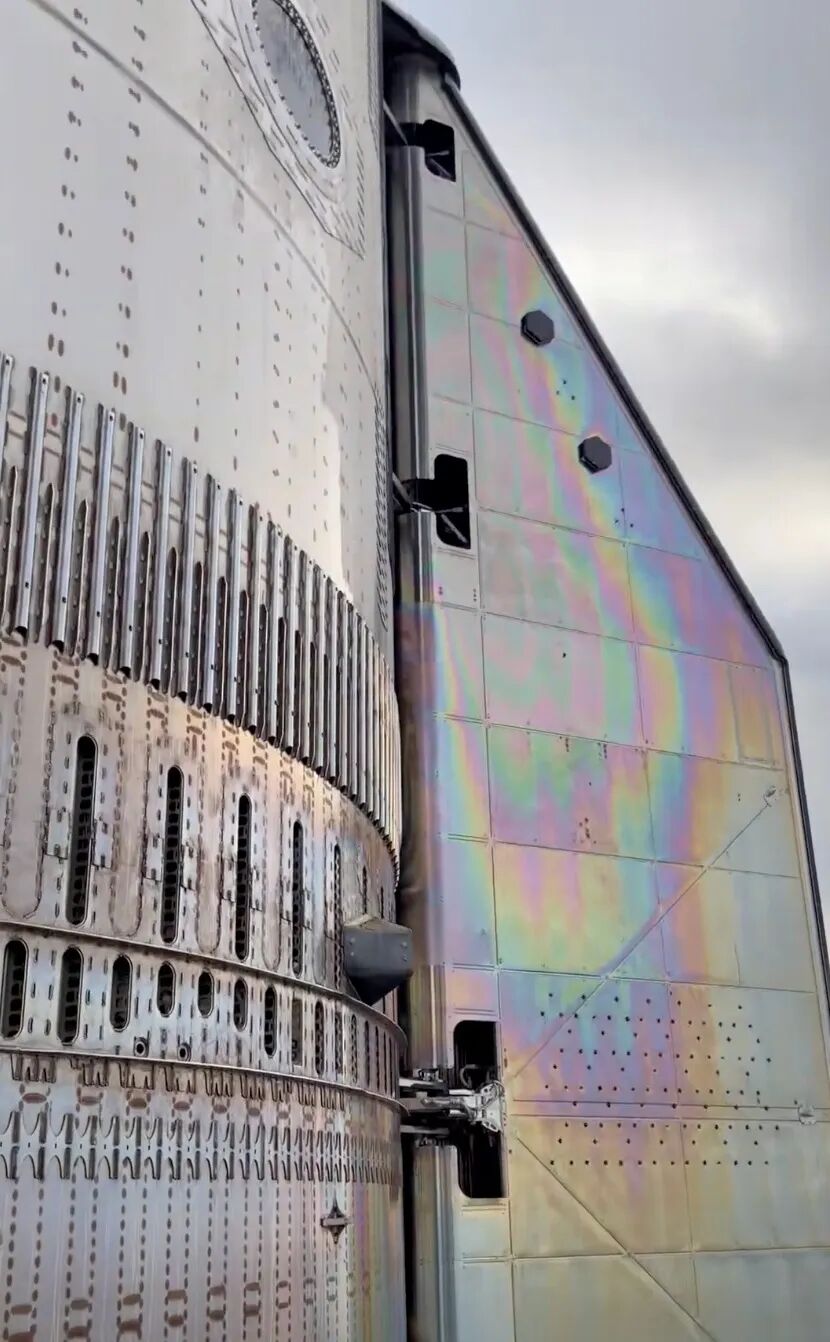
After more than 22 hours of orbital flight, Starship began to return to Earth. The spacecraft entered the atmosphere at extremely high speed, and the surrounding air was violently compressed to form hot plasma. The heat shield covering the hull had to withstand extreme high temperatures.
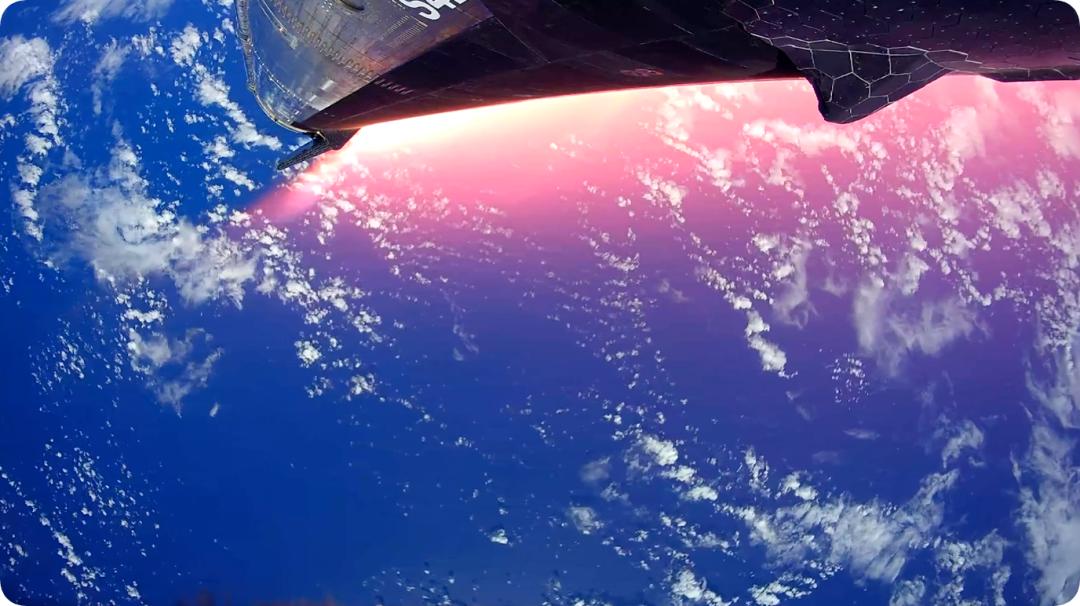
Subsequently, Starship gradually reduced its speed, and re-ignited the engines in the final stage to adjust to a vertical attitude.
At the same time, the launch tower in Texas was ready.
The giant launch tower known as "Mechazilla" stretched out two robotic arms, waiting for this traveler returning from space.
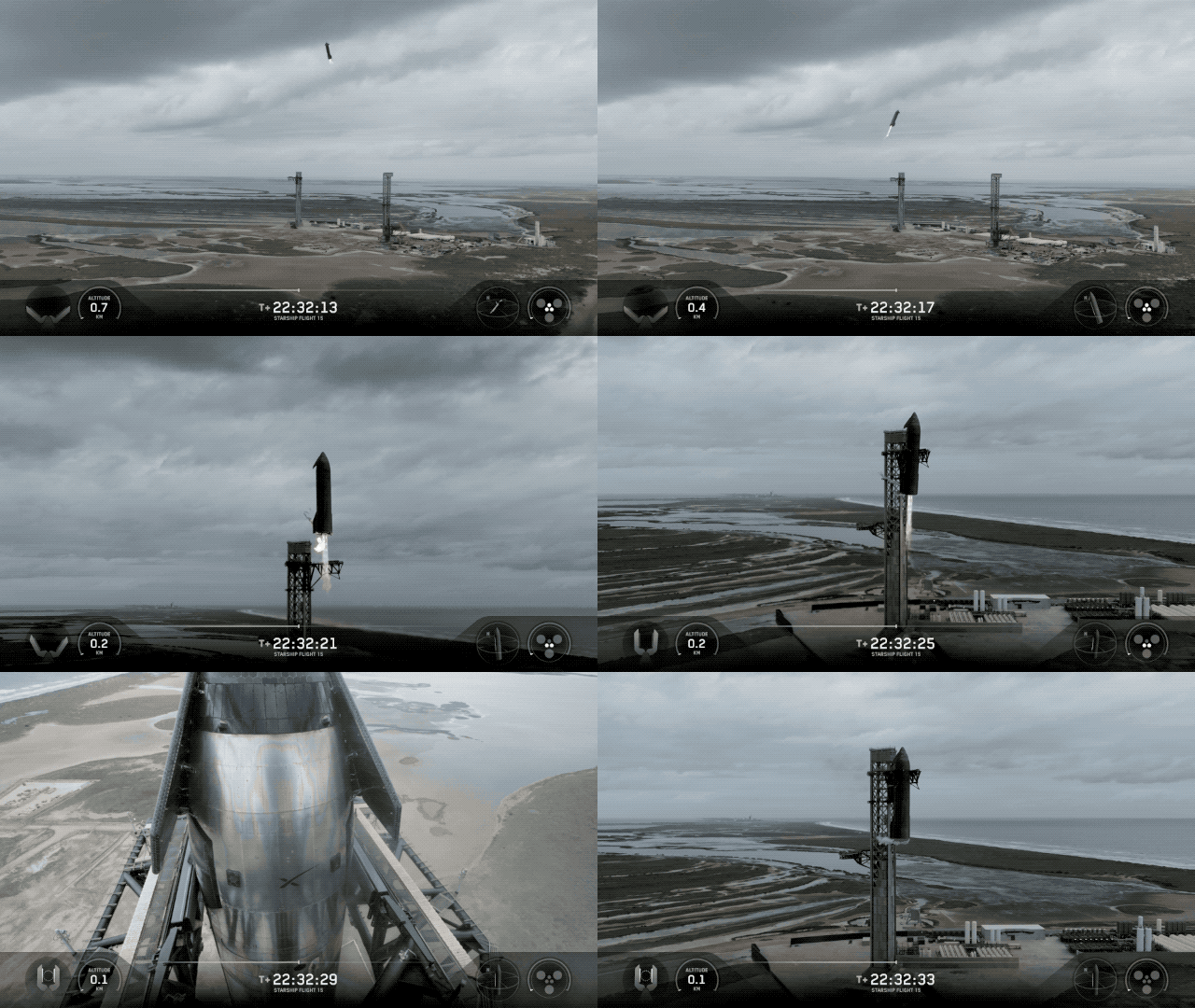
Starship slowly descended and entered between the robotic arms.
Eventually, the two giant steel arms successfully caught the spacecraft, completing this sci-fi movie-like capture.
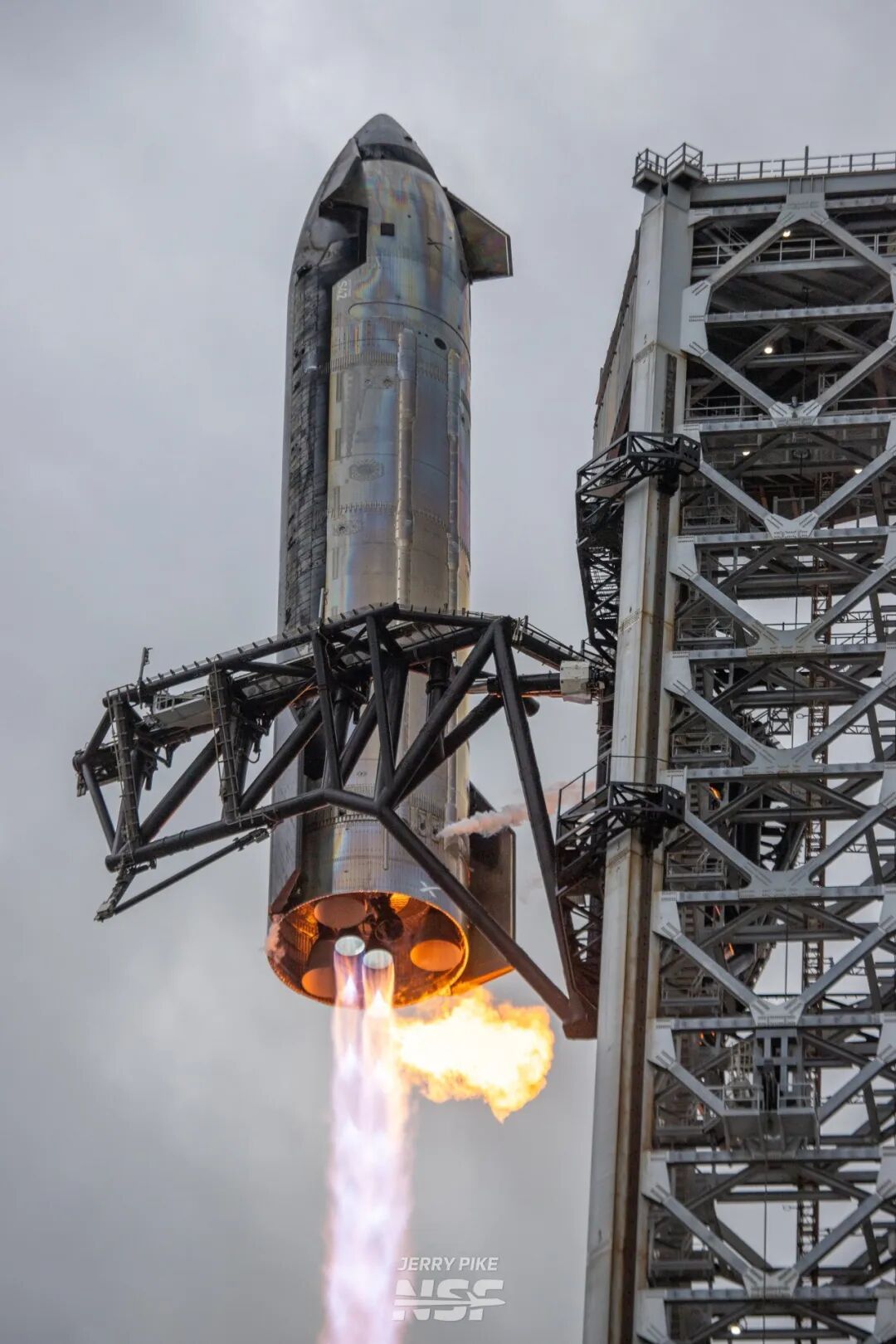
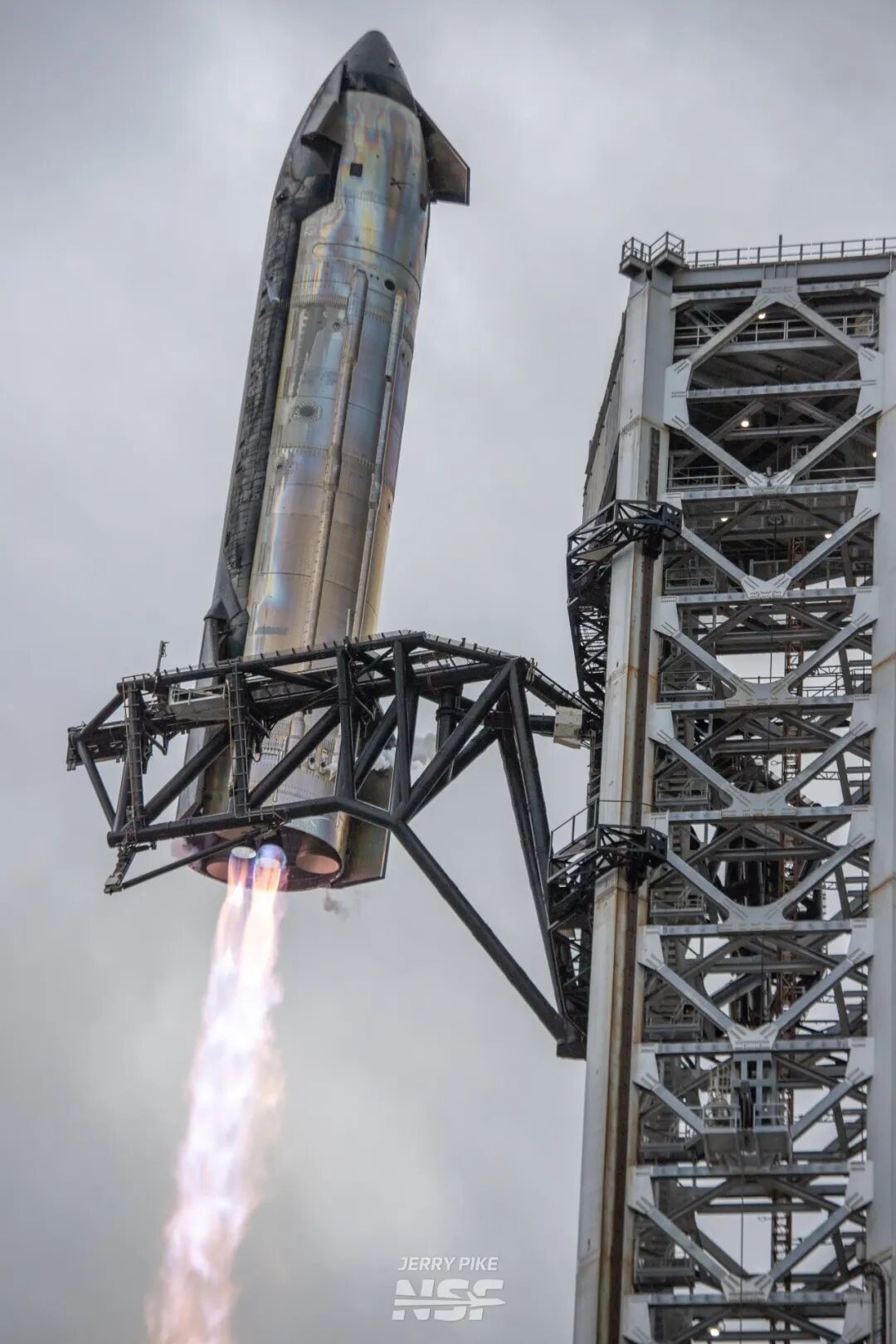
The audience at the scene burst into thunderous cheers, and space enthusiasts gathered on the coast of the Gulf of Mexico also witnessed this historic moment.
SpaceX spokesperson Dan Huot called it the "holy grail" of space flight. "Passing through the flames, falling from the sky, and finally being caught by the giant steel arms. We caught Starship, and from now on, everything will change."
Why do humans go to great lengths to catch a spacecraft?
From a visual effect point of view alone, this Starship capture is already shocking enough. But what really excites the aerospace industry is the technical significance behind it that may change the entire industry.
In the past few decades, mankind has been able to send astronauts to the moon and send probes to the edge of the solar system, but we have always faced an expensive problem.
After the rocket completes its mission, a large number of hardware is usually discarded directly. Even if a rocket costs tens of millions or even hundreds of millions of dollars to manufacture, after performing one mission, it may disappear forever in the ocean or atmosphere.
SpaceX later changed this situation with the Falcon 9. In 2015, Falcon 9 successfully achieved the vertical landing of the first-stage booster for the first time, and later through repeated recovery and reuse of rockets, it greatly improved the efficiency of commercial launches.
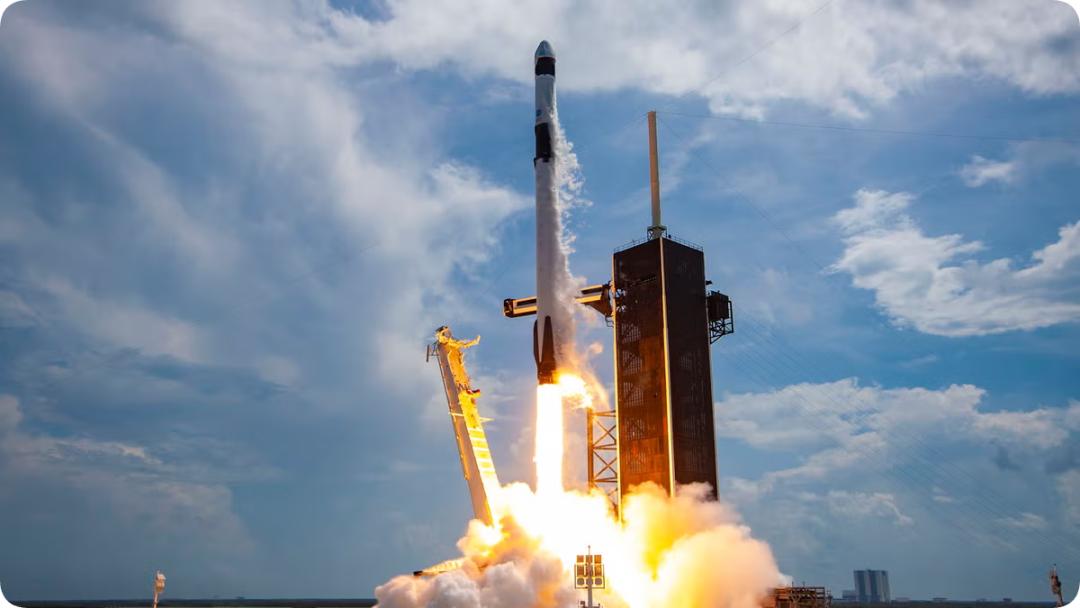
But the challenges facing Starship are far more complicated.
Previously, SpaceX has successfully used robotic arms to capture the Super Heavy booster three times, but this time it needs to capture a giant spacecraft that has completed a real orbital flight.
It must re-enter the atmosphere from a state close to orbital speed, maintain structural integrity under extreme high temperatures, and return to the original launch site through precise orbital planning, attitude control and engine ignition.
What is more difficult is that SpaceX also requires this 52-meter-long spacecraft to accurately enter between the two robotic arms on the launch tower.
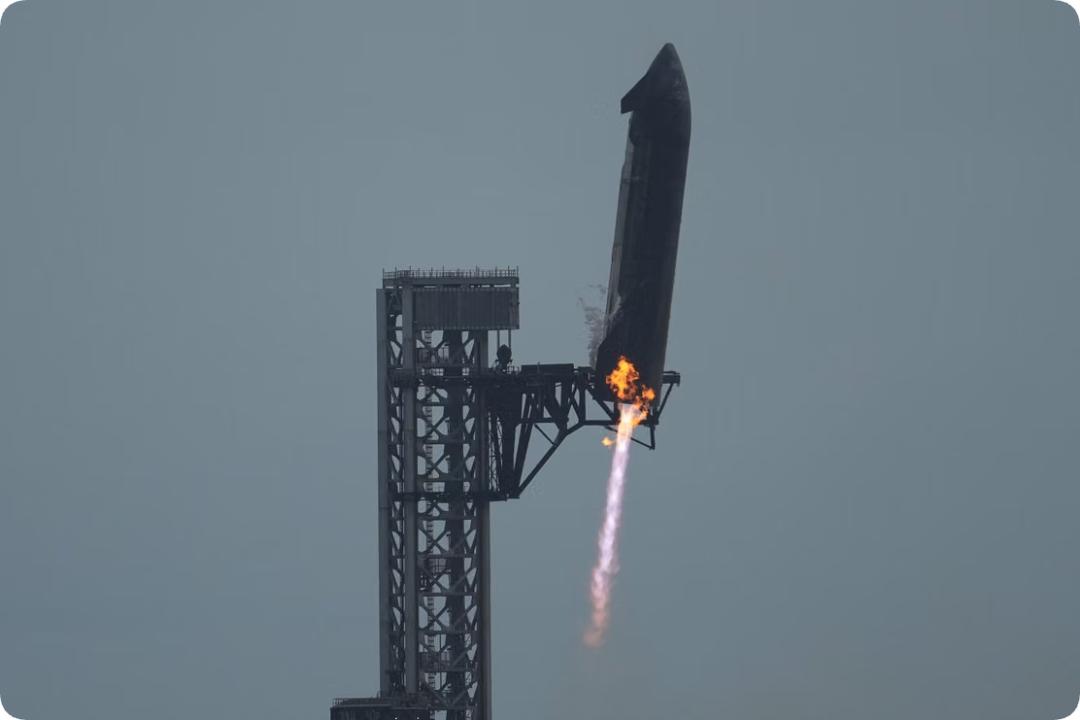
To ensure safety, engineers specially planned the return route, allowing the spacecraft to pass through areas with relatively sparse population, bypassing cities near the Rio Grande Valley in Texas, and finally approaching the launch site from the east side.
This success means that SpaceX has verified a very critical capability in the complete Starship recovery process.
For Elon Musk, it is also an important step towards a more ambitious plan.
According to SpaceX's long-term design goals, Starship will have the capability to deliver at least 100 tons of payload to low Earth orbit in the future.
If reliable and rapid reusability can be achieved, the unit cost of space transportation is expected to drop significantly.
For SpaceX's already developed Starlink business, this means that the next generation of communication satellites can enter orbit with higher efficiency.
Beyond commercial satellites, Starship also carries mankind's dream of returning to the moon and even going to Mars.
NASA has invested billions of dollars in the Starship lunar landing system, hoping to use it to send astronauts of the Artemis program from lunar orbit to the lunar surface, creating conditions for the establishment of a lunar base in the future.
Musk's ambition is even more distant.
He hopes to build a fleet of Starships that can take off, return and re-launch repeatedly, send a large number of people and supplies to Mars, and eventually build a human city that can survive for a long time.
Of course, one successful capture is not enough to make all these goals a reality.
The Super Heavy booster in this test flight still failed to be recovered, and the Ship 42 that just returned to Earth also needs to undergo inspection and maintenance to verify whether it has the capability to fly again.
In addition, Starship still needs to solve technical challenges such as orbital propellant transfer, long-term operation reliability and high-frequency operation, especially the orbital refueling technology, which is directly related to whether lunar and Mars missions can be carried out in the future.
But in any case, SpaceX has taken an extremely important step.
