Guming's 5.9-yuan rice balls, Luckin Coffee selling hamburgers: Are beverage stores collectively starting to "serve meals"?
Recently, Guming has launched "Unagi Kabayaki Rice Ball" in some regions, priced starting from 5.9 yuan, which has sparked heated discussions among netizens: "Rice ball paired with coffee makes a perfect breakfast", "Is spicy hot pot and oden going to be next?"
This reminds people of Luckin Coffee's "Spicy Beef Ciabatta" that became a hit not long ago, and Heytea is now selling freshly fried French fries in its physical stores.
This time, beverage stores have truly started to take "providing meals" seriously.
01 Guming Launches Rice Balls, Luckin Sells Burgers: Beverage Stores Collectively Step Into the Food Service Business
Recently, Guming has launched "Unagi Kabayaki Rice Ball" in regions including Guangdong, Guangxi and Fujian. The ordering mini-program shows its price is 5.9 yuan, with a Japanese triangular shape, and the product is highlighted to contain "a whole piece of eel".
Netizens who tried the new product commented: "It tastes salty, fragrant and slightly sweet, the rice is chewy, and it makes a simple full meal when paired with coffee."
Some other netizens joked: "We now have milk tea, coffee, desserts and breakfast, so the next step should be launching convenient late-night snacks like spicy hot pot and oden, right?"
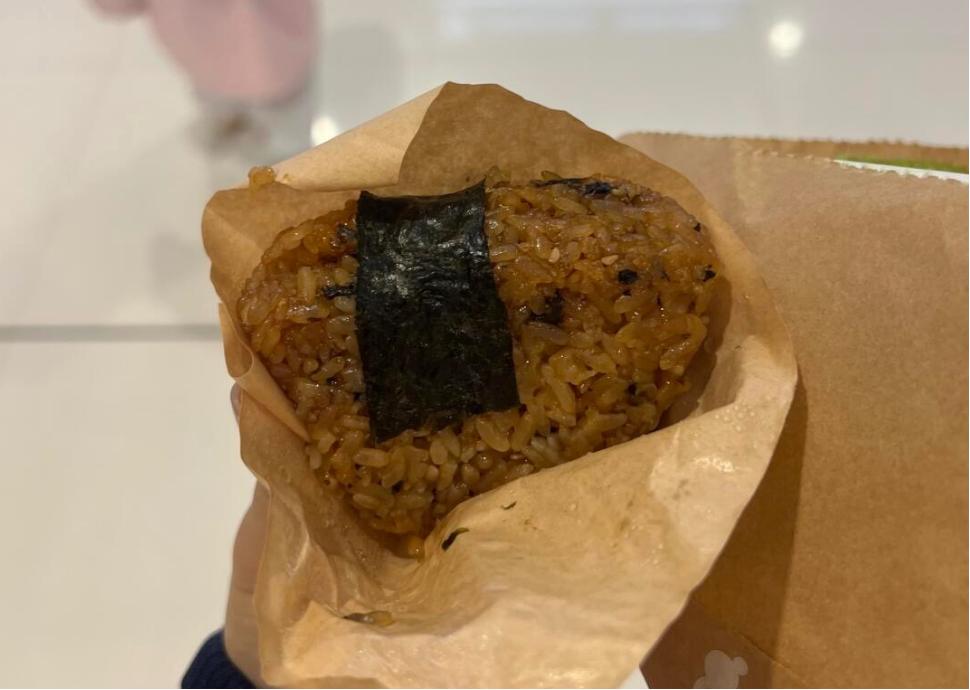
Image source from Xiaohongshu blogger @Shencangblue, authorized for use
It is understood that currently the rice balls are only available in stores equipped with microwave ovens, which marks another move of Guming to expand its breakfast business.
In pilot regions including Guangdong, Jiangsu and Zhejiang, many stores have launched the "Breakfast Bakery" product line, such as cheese beef rolls, ham and egg sandwiches, Thai-style crispy sausage rolls and more.
Up to now, Guming has installed coffee machines in more than 12,000 stores, thousands of stores in Guangdong and Guangxi are testing bakery and light food products, the average daily bakery sales per store exceeds 25 units, with an average daily revenue increase of more than 200 yuan, and the brand plans to promote ovens in stores across the country.
Previously, Luckin Coffee has made its spicy beef ciabatta a bestseller, and its newly launched raw chocolate filled matcha cheese bagel has also received wide acclaim.
From the first launch of sandwiches, scones and muffins in 2018, to the upgrade of bakery products to an independent product line in 2021, now Luckin Coffee has more than 20 bakery products, with almost all unit prices under 10 yuan.
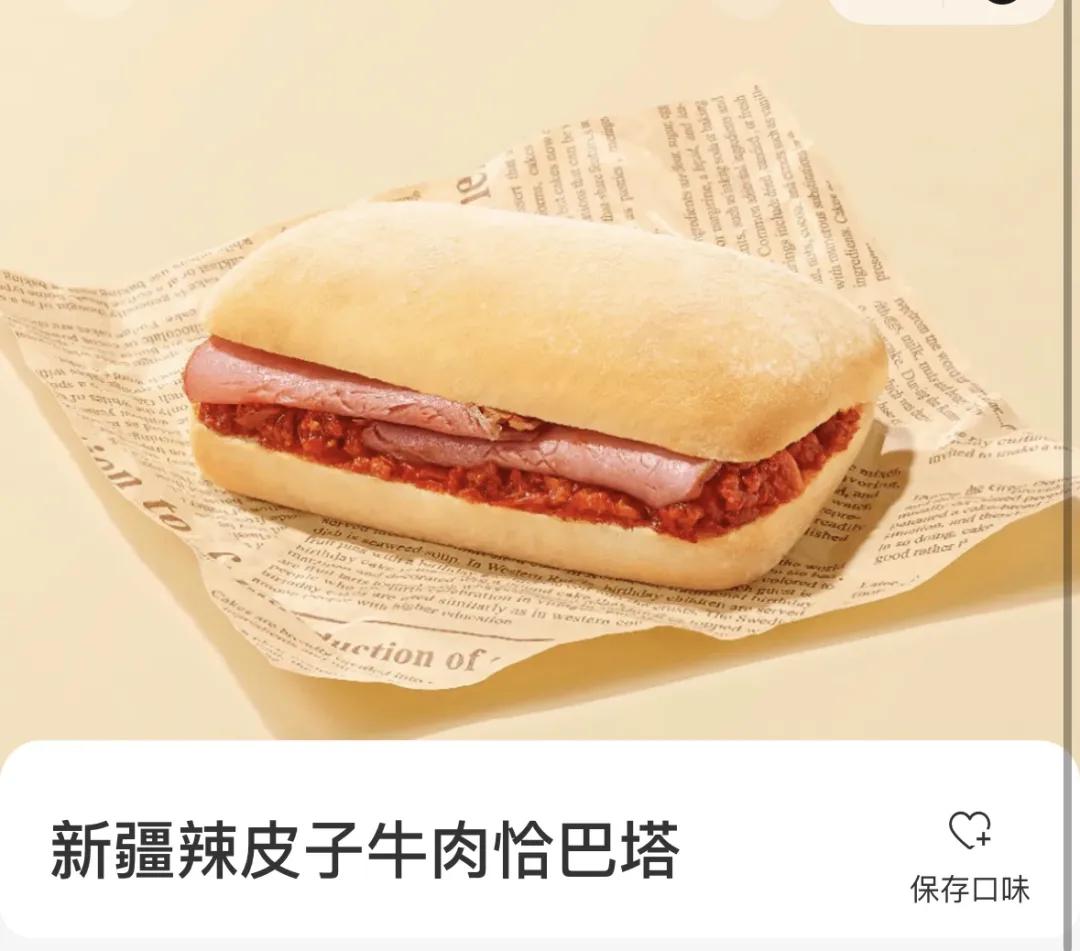
In the past, these moves were more like "side dishes" for coffee, a nice bonus but not essential to the core business. This time it is different: bakery products are arranged for all-day scenarios, and the official recommendation points to "one set for a full meal".
Almost at the same time, Auntie Shanghai announced the "All-day Tea, Coffee and Food" strategy, formally incorporating food into its business system, covering breakfast, afternoon tea and night time slots.
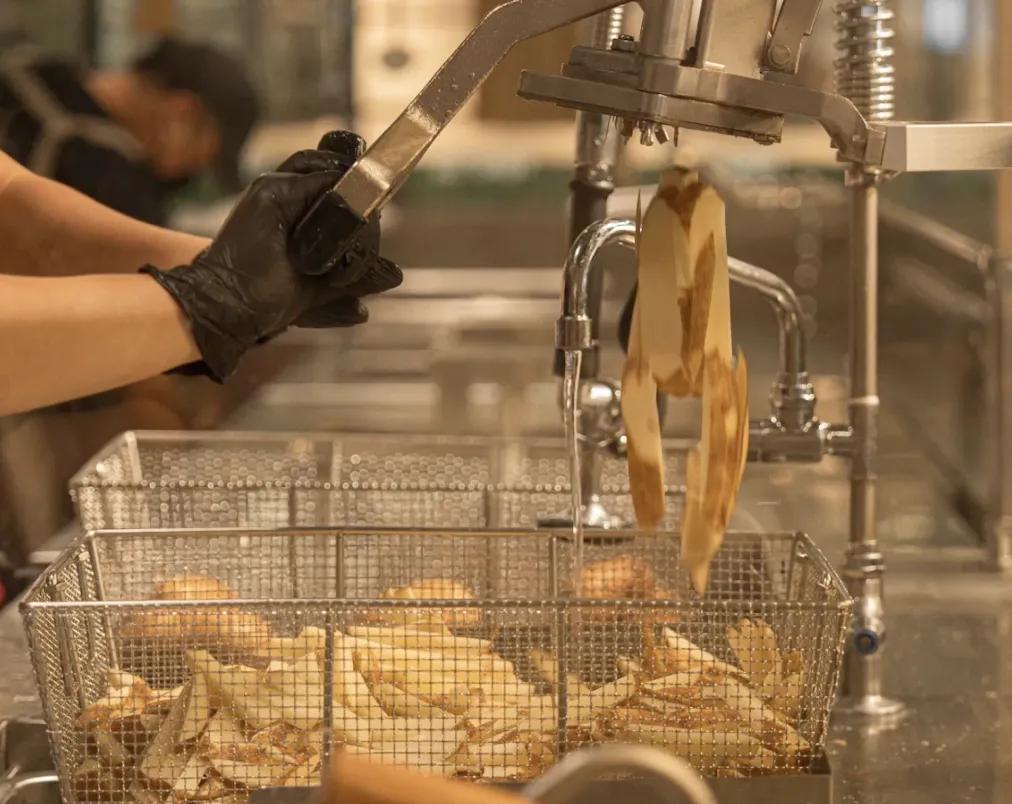
Heytea added "Freshly Made Tea Snacks" to the menu of its 2.0 tea house store in Shenzhen, selling freshly fried skin-on French fries and salt crispy chicken; Bawangchaji started selling tea eggs in its Shanghai stores; Starbucks launched a new pork patty and scrambled egg soft bun to enrich its Western breakfast offering.
02 Behind the Serious "Meal Service": The Popularization of Frozen Bakery Makes Food Both Convenient and Tasty
It is not the first time for beverage stores to sell bakery products. Many brands have tried it before, and some even took bakery products as the signature feature of their stores. But in the past, many brands often went through the cycle of new product launch, promotion and then delisting.
The reason is not complicated: beverages and bakery products seem to match each other, but they actually belong to two completely different business systems.
A cup of milk tea relies on standardized raw materials, equipment and operating procedures; if a bread is freshly baked in the store, it involves fermentation, baking, equipment maintenance and staff training.
If you expand the product line to hamburgers, French fries and fried chicken, it may also involve refrigeration, freezing, frying, heating, food safety and on-site processing management.
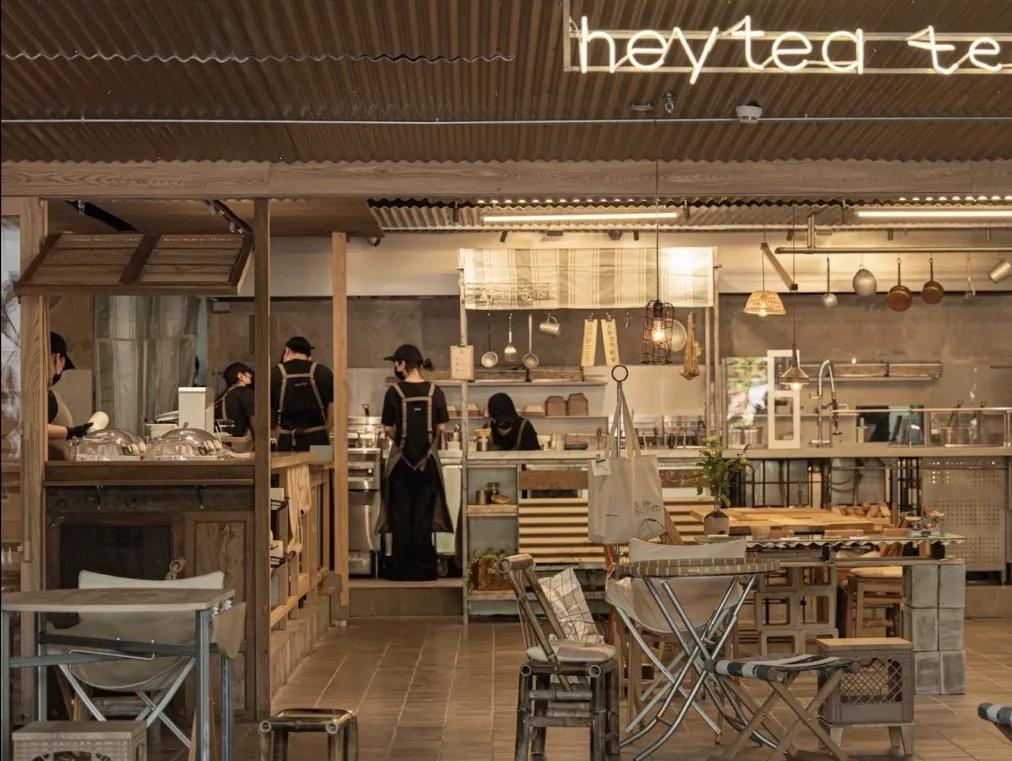
For tea beverage stores that are only a dozen square meters in size, all these links mean extra burden.
A more realistic problem is product loss: unsold bread becomes nearly expired goods, and frequent restocking increases costs. If the sales volume is not stable enough, the bakery business can easily turn from a new revenue source into a new cost center.
But this time, food business in beverage stores has the chance to achieve sustainable operation, the key lies in the maturity of the frozen bakery supply chain - it not only changes the preservation method of bread, but also the entire food operation mode of stores.
Products are centrally produced in factories, distributed to stores through cold chain, and stores defrost or simply re-bake the products according to actual demand. The industry calls this mode "frozen to fresh".
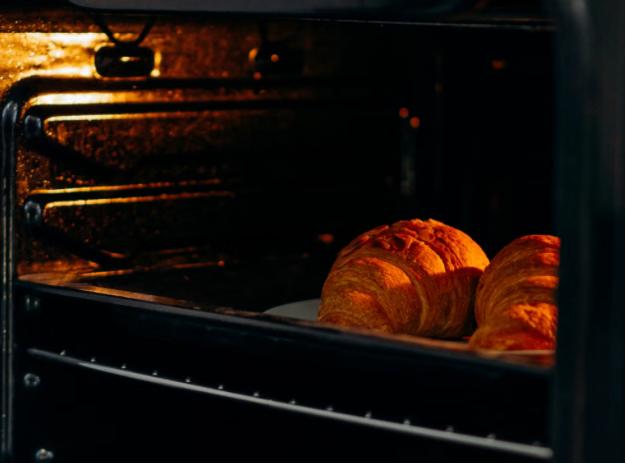
This mode splits the originally complicated bakery production process into two links: factory production and simple in-store processing. The factory is responsible for formula R&D and quality control; the store is responsible for storage, defrosting, re-baking and sales.
The value of this mode is: a coffee shop does not need to become a bakery first, and it can still sell dozens of types of bread.
03 With a Growth Rate Over 20%, Frozen Bakery Creates New Opportunities
In 2025, the market size of China's frozen bakery sector has exceeded 20 billion yuan to 25 billion yuan, with an annual growth rate of over 20%, and the penetration rate is only about 10%, while in mature markets such as the United States and Japan, the penetration rate has reached 30% to 50%. Starbucks, Luckin Coffee and FamilyMart have been purchasing semi-finished frozen bakery products for more than ten years, but this capability has long been closed in the upstream supply chain.
It is "Lubian Pipi" that brings this supply chain to the forefront.
In 2026, a bakery with no back kitchen, no baker and no dine-in service opened on Lianda Road, Shanghai: the store of more than 100 square meters is filled with freezers, with more than 120 SKUs. The price of alkaline water stick is 2.5 yuan, bagel 2.9 yuan, ciabatta 3.9 yuan, the shelf life of products is 3 to 6 months, the product loss is close to zero, and the gross profit is about 35%.
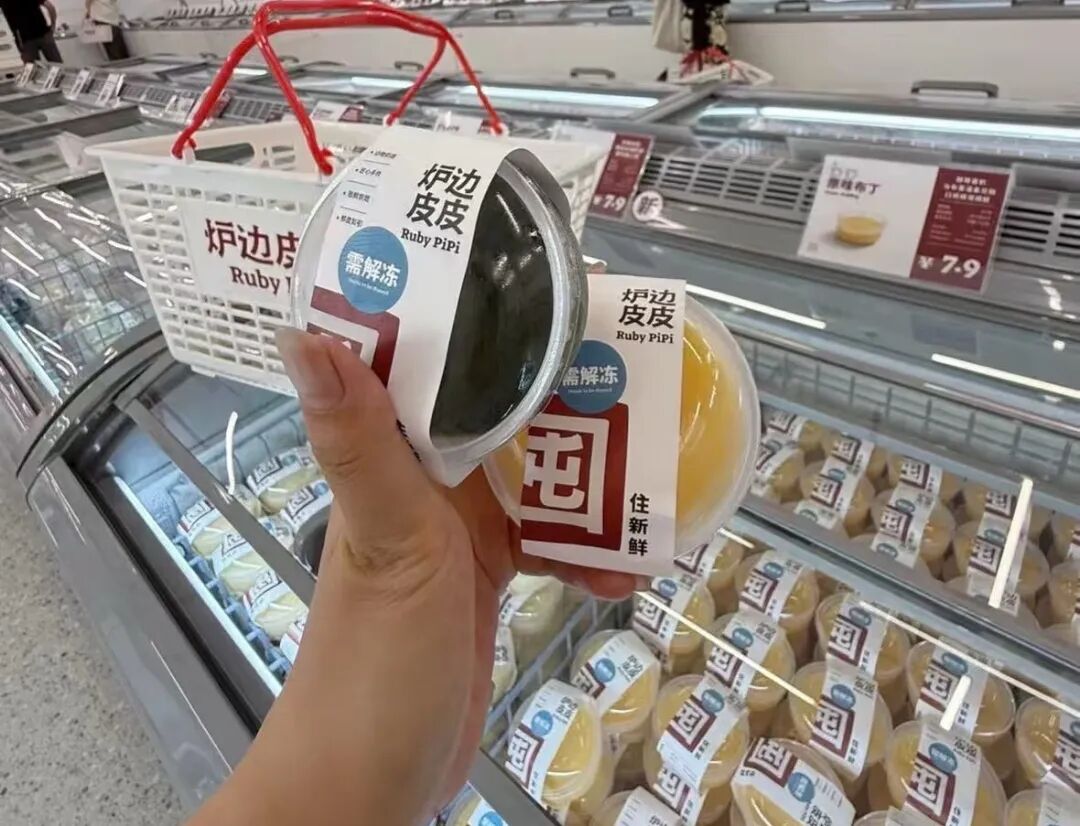
Public reports show that the first store's sales exceeded 1.1 million yuan in three weeks after opening, with a repurchase rate of 50% and a customer unit price of 80 yuan. The products are supplied by Pingu Food, a contract manufacturer that has long supplied products to Starbucks, 85°C and FamilyMart.
Another chain brand with over 10,000 stores, Guoquan, has also started to add more than 30 frozen bakery products in its stores.
Consumer perception is also changing.
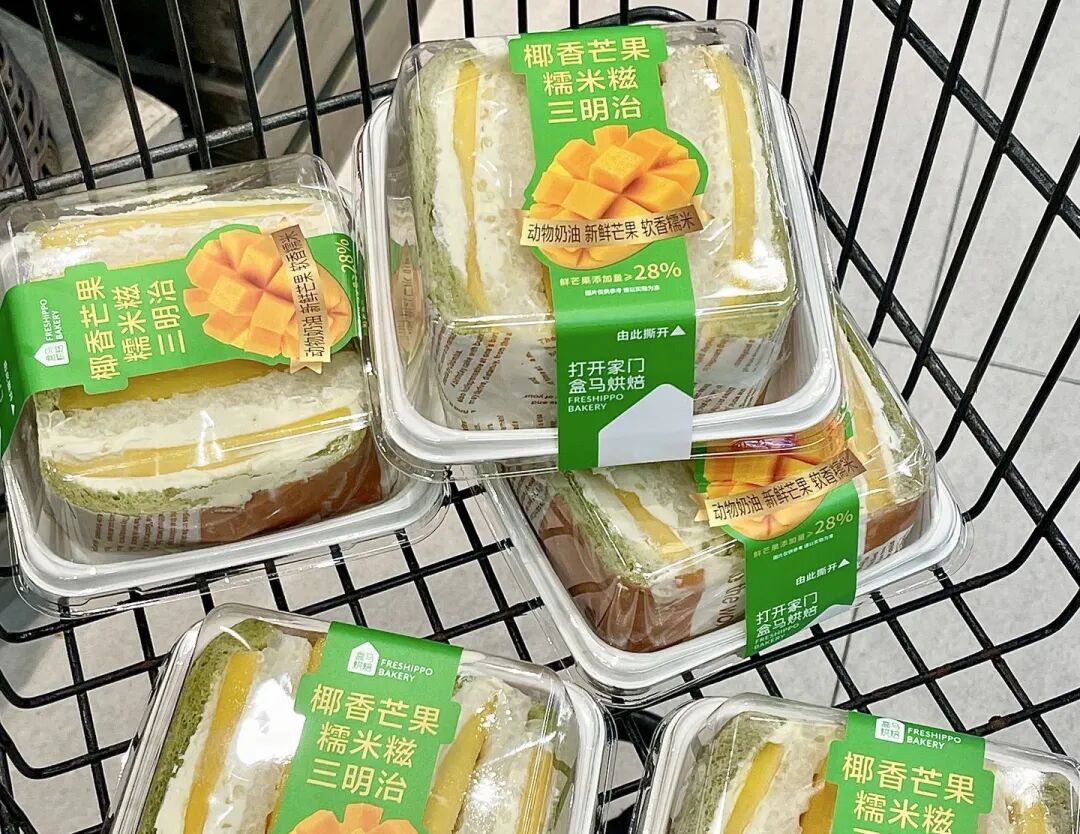
Sam's Club has completed the market education for consumers: its Swiss roll product launched in 2019 has annual sales of more than 1 billion yuan, accounting for 8% to 10% of the monthly turnover of some stores, which makes consumers form the perception that "frozen bakery equals high cost performance".
Then Freshippo followed up, and supermarkets took bakery products as a traffic-driving category.
On the household side, the penetration rate of air fryers is increasing year by year. The hot air circulation function of air fryers is exactly the ideal tool for reheating frozen bakery products, which connects the last mile from the factory to the family dining table.
The prejudice that "frozen food is not fresh" is being replaced by the idea that "re-baked food is cheap and not low-quality".
04 From Selling Drinks to Selling Time Slots: Beverage Stores Are Becoming "Convenience Store-like"
In 2019, Wang Yun'an, founder of Guming, once said: "Guming is more suitable to follow the 7-Eleven model." Seven years later, this idea is advancing from the supply chain level to the product category and consumer time slot level.
The core profit of 7-Eleven never comes from a single product, but the channel capability formed by fresh food, high frequency, all-day operation and dense store network.
Guming is catching up one by one: it has the channel (more than 13,000 stores), it has the supply chain (the warehouse-to-store distribution cost only accounts for 1% of GMV, the time from coffee bean roasting to in-store use is shortened to less than 30 days), it has high-frequency consumers (236 million members), what it lacks is all-day operation and fresh food. So coffee covers the morning hours, breakfast covers the early morning, fresh beer and gelato cover the night hours.
In the first half of 2026, Guming sold an average of 440 cups per store per day, which is basically the same as the same period of last year, the average price per cup increased by 3.1% year on year to 17.8 yuan. Guming's growth does not come from snatching market share from others, but from splitting the whole day of the same customer into all-time operation scenarios.
This is the true meaning of "beverage stores becoming convenience store-like": the store is the shelf, the time slot is the revenue per unit area, and the supply chain is the moat.
Both coffee and tea beverage stores can develop into "convenience stores focusing on freshly made drinks".
Conclusion
In the future, the growth unit of beverage stores has changed. In the past, it was "opening one more store", now it is "making full use of one more time slot".
The moat of beverage stores is not only best-selling products, but the channel capability of "all-day operation, high density and low-cost delivery".
The boundary between beverage stores and convenience stores will become increasingly blurred, but the core asset will not change: let customers walk in at any time slot and find something they want to buy.
Whoever can pack the most instant demands into the same store network with the lowest marginal cost will get the admission ticket for the next round of competition on the new battlefield after the boundary of beverage stores dissolves.
This article is from WeChat official account "Kamen" (ID: KamenClub), written by Guojun, authorized for release by 36Kr.