Why are the 300-yuan vintage Sony headphones, which have no noise cancellation or sound insulation, still selling like hotcakes?
In the fourth season of the American TV series *Stranger Things*, the scene where Max escapes from danger with a Walkman on her head to the tune of Kate Bush's *Running Up That Hill* once sparked a long-lasting retro carnival.
The tiny pair of headphones in the shot, with its slender bimetallic crossbeam and bright orange sponge pads, is exactly the symbol of this visual retro revival.
But you may not know that it has a mundane, overly specific name in the real world — Sony MDR-3L2.
In 1979, it debuted as the original bundled headphone for the first-generation Walkman TPS-L2. Together with the blue-and-silver cassette player, it brought the act of "listening to music" out of the living room for the very first time. For the first time, young people walking on the street had their own personal BGM.
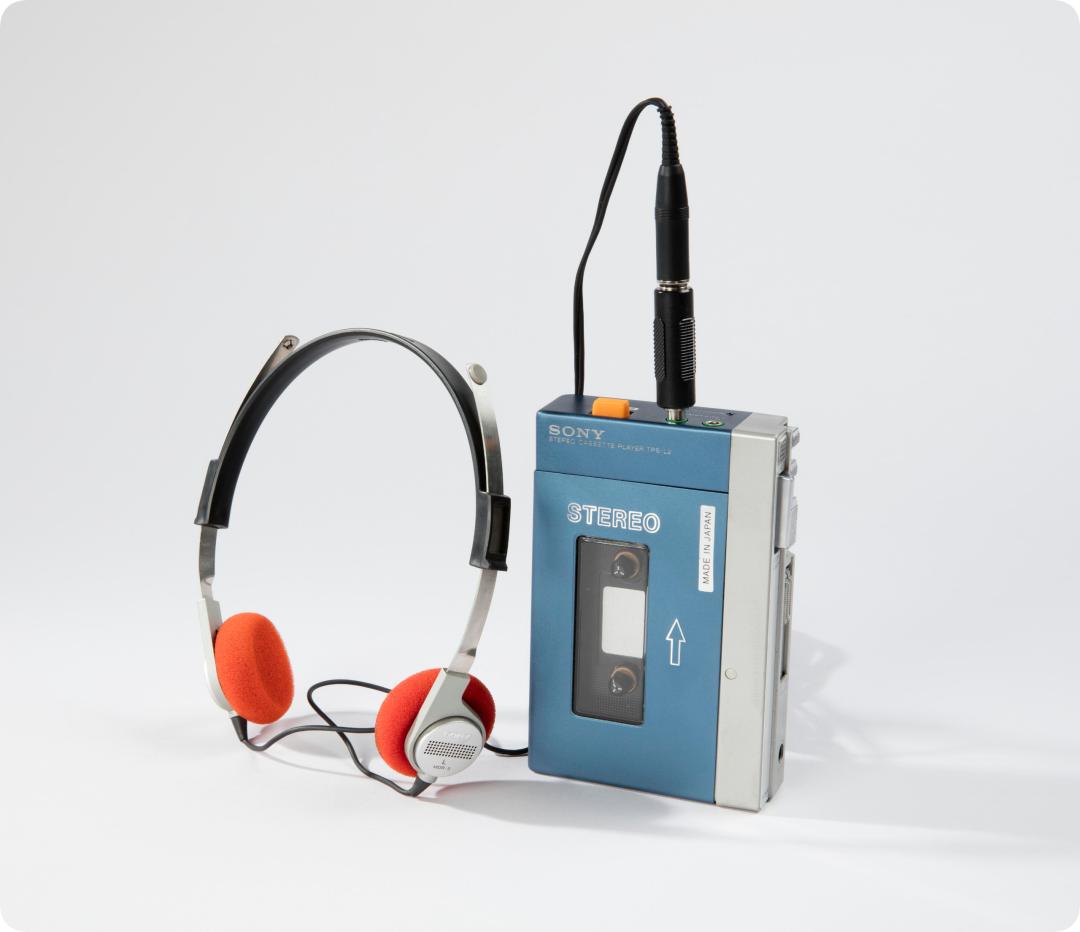
Photo|The 1979 first-generation Walkman TPS-L2 and its original bundled MDR-3L2 headphone in the collection of the Smithsonian National Design Museum
Nearly half a century after the debut of the original model, Sony rode the popularity of the final season of *Stranger Things* to bring this old product back in a new form, naming it MDR-3R.
There was no grand launch event, nor overwhelming marketing campaigns focused on acoustic performance, but as soon as it was listed on Sony's official overseas website, both the standard version and the co-branded version were quickly sold out.
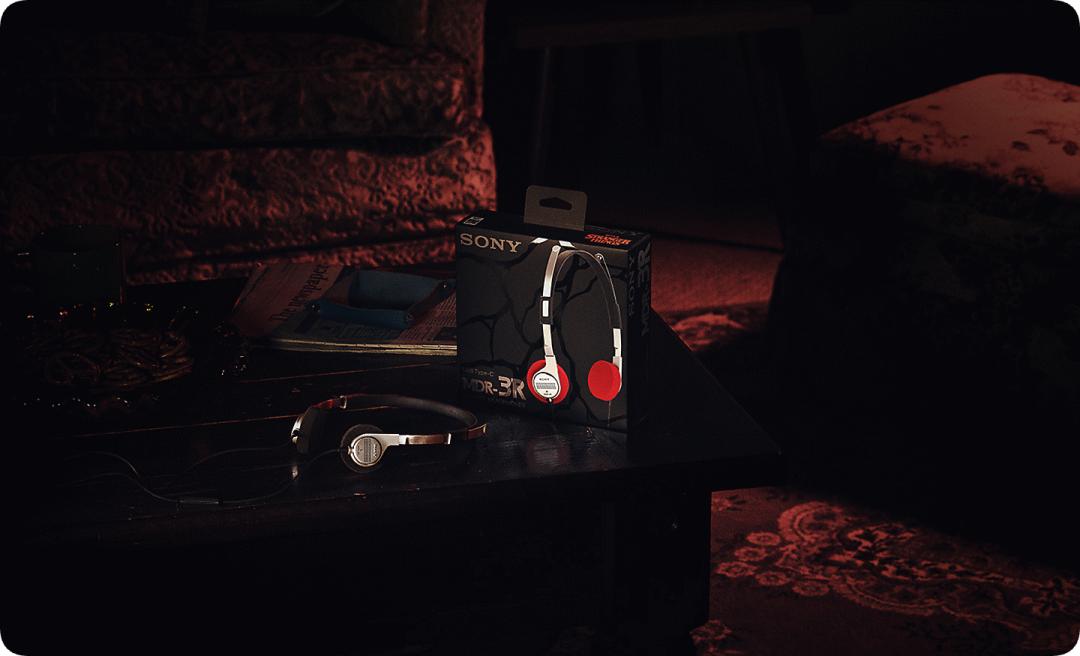
Photo|Sony
In the Japanese market, the two open-priced headphones are estimated to cost around 8,000 yen and 10,000 yen including tax (equivalent to about 370 to 460 RMB), while the suggested retail price of the standard version in Hong Kong, China is set at 379 HKD.
Since there was no domestic supply in China in the early stage of overseas release, the price on the secondary market and through purchasing agents was once driven up by nearly double, turning a 100-yuan entry-level headphone into a "wealth management product" overnight.
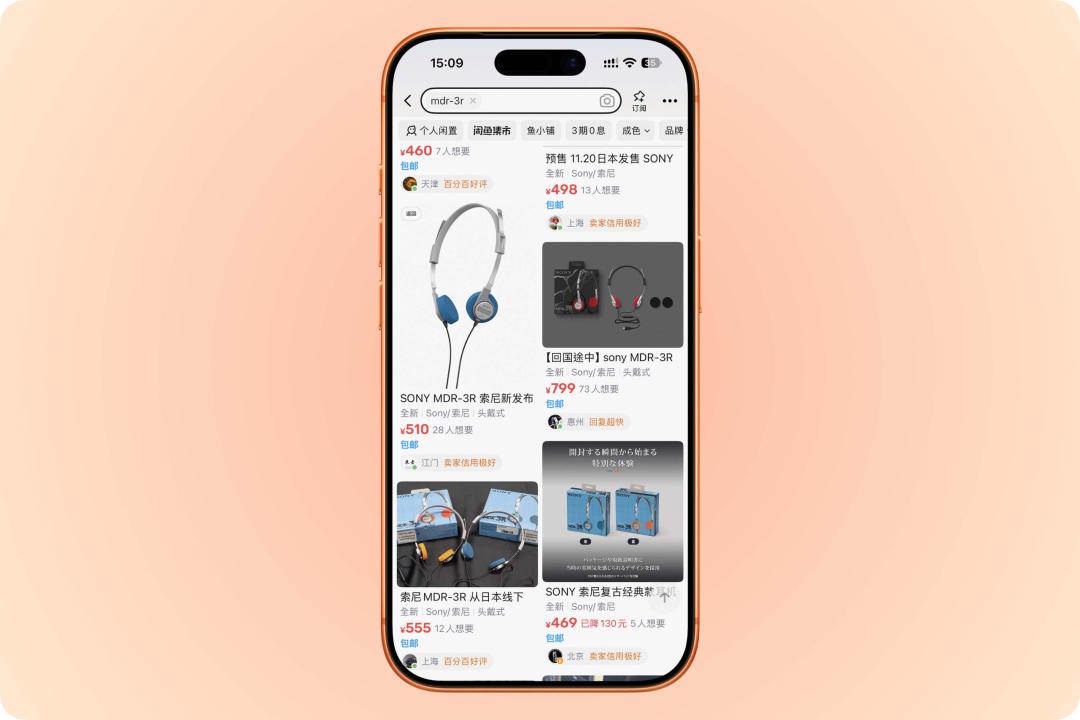
However, this premium carnival will most likely not last for long.
Just in the past two days, Sony China officially released an official poster with a blue-orange color-block design, accompanied by the copy "New Sound, As Ever", and officially scheduled the release for 12:00 noon on November 17. The arrival of the Chinese mainland version basically marks the end of the markup bubble in the secondary market.
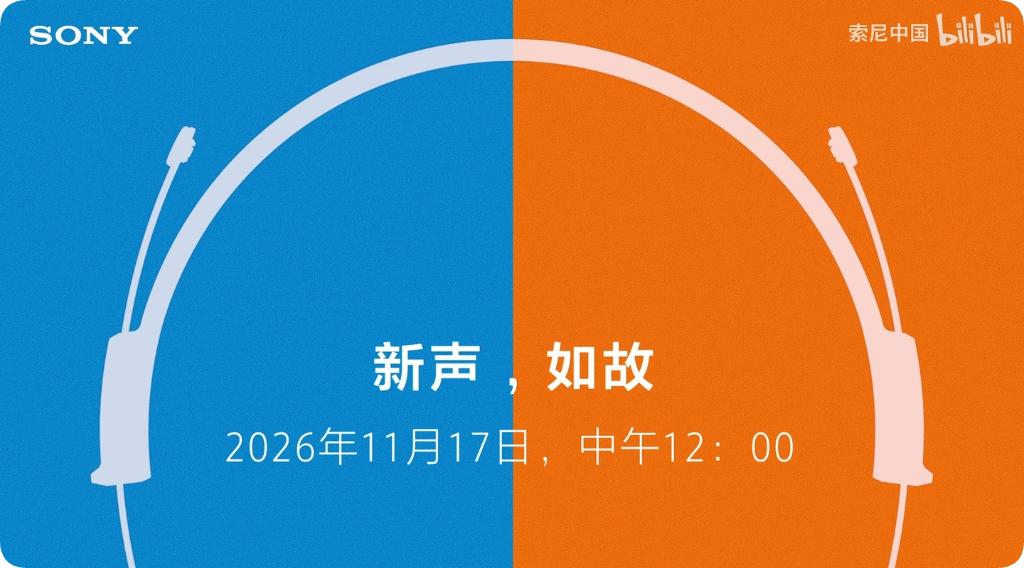
Photo|Sony China
The retro appearance is almost exactly the same as it was 47 years ago. The only difference is that the other end of the cord is replaced by a Type-C port that can be seen everywhere today.
1979 Shell, 2026 Cord
Looking only at the headphone part, Sony has almost fully reproduced the original 1979 structure this time. The whole headphone is very light on the head — only 38 grams, roughly equivalent to the weight of two ordinary eggs, less than one sixth of modern mainstream over-ear noise-cancelling headphones (which usually weigh 250 grams or more).

Photo|Sony
Two parallel thin stainless steel wires support the headband, and the length is adjusted only by the friction of two metal sliders, without any detent buckles; the earpads are round thin slices without extra decoration, covered with the iconic high-saturation sponge pads. Looking only at the upper part, its materials and structure are almost identical to those of the year.
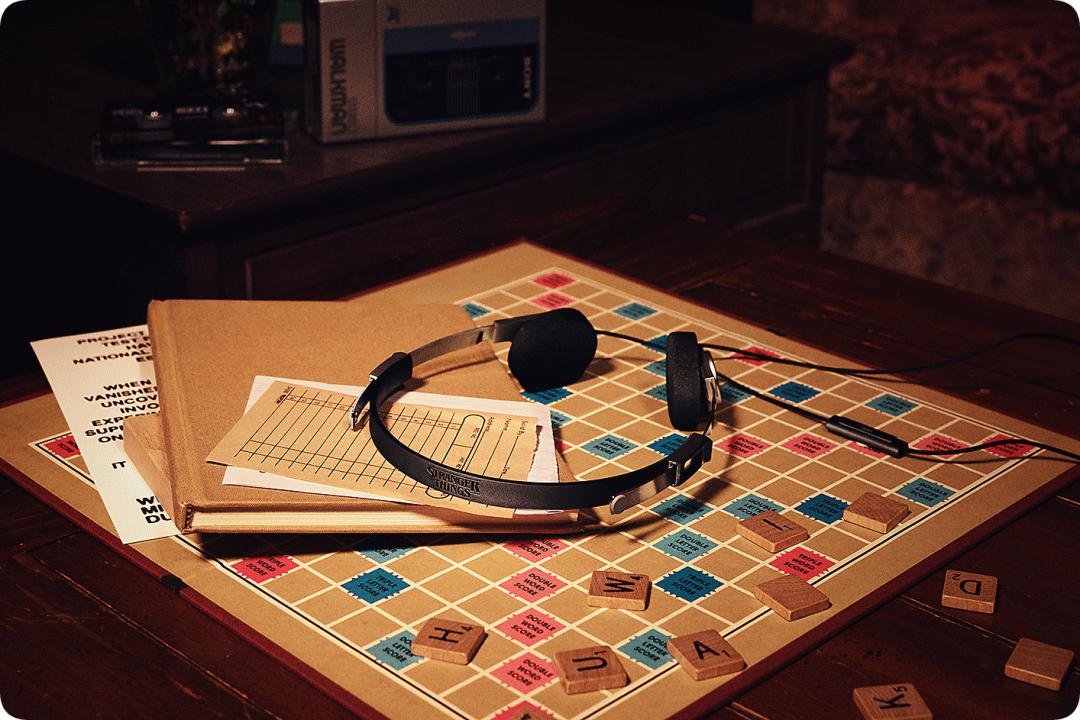
Photo|Sony
Interestingly, Sony specially noted in the footnote of the official specification sheet that "use with Walkman is not recommended". A pair of headphones that was born with the first-generation Walkman back then, after being reproduced, cannot be used with Sony's latest players.
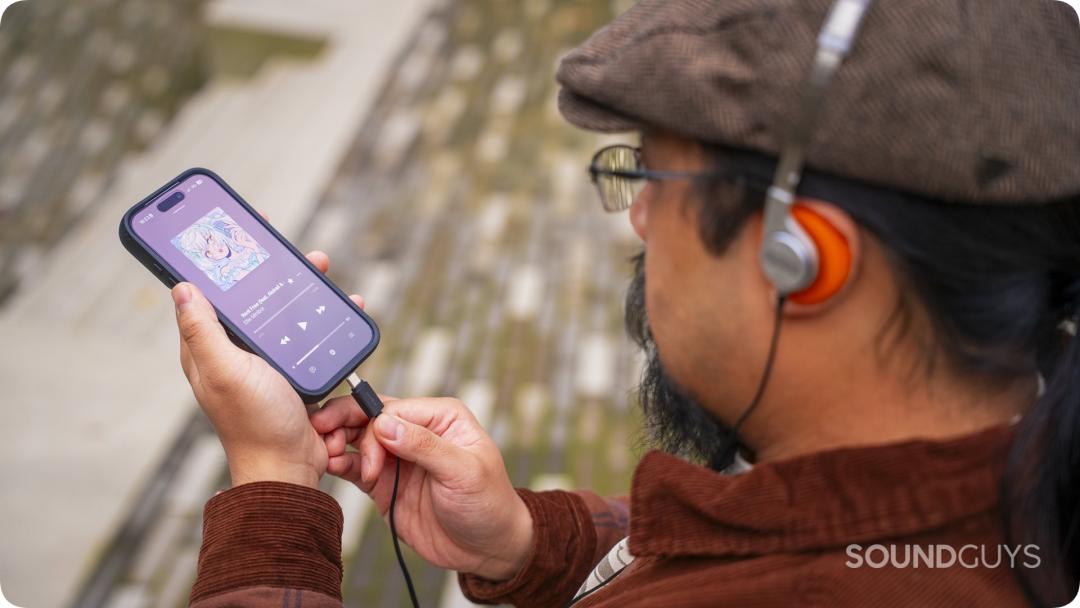
Photo|SoundGuys
This is actually a reality Sony has to face: if they stick to the 3.5mm plug, most modern mobile phones will not be compatible; but once they switch to Type-C, Sony's own Walkman models with 3.5mm and 4.4mm ports will be completely left out.
After weighing the options, Sony finally gave up its own niche audiophile player ecosystem and turned to the broader mass mobile phone market.
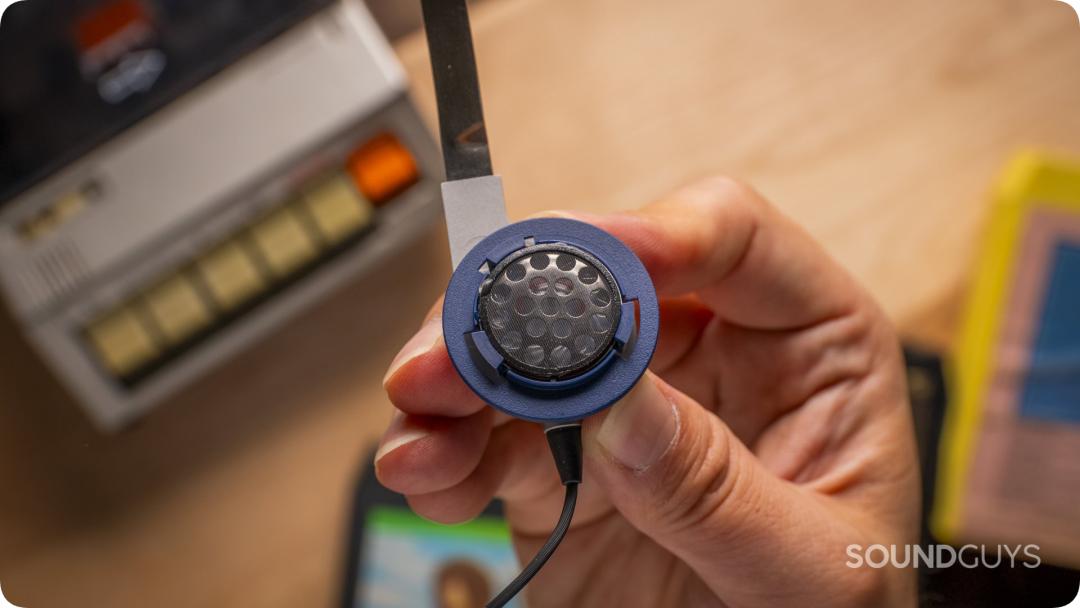
Photo|SoundGuys. The 23 mm driver unit of the MDR-3R
The driver unit has also undergone modern modifications. Although the diaphragm diameter follows the original 23mm size, Sony abandoned the 40-year-old design that was tailored for the high impedance and low efficiency of cassette players, and replaced it with a modern diaphragm specially adapted for direct drive by low-voltage mobile phones.
It wears the retro coat of 1979, but inside it is a standard modern digital fast-moving consumer product.

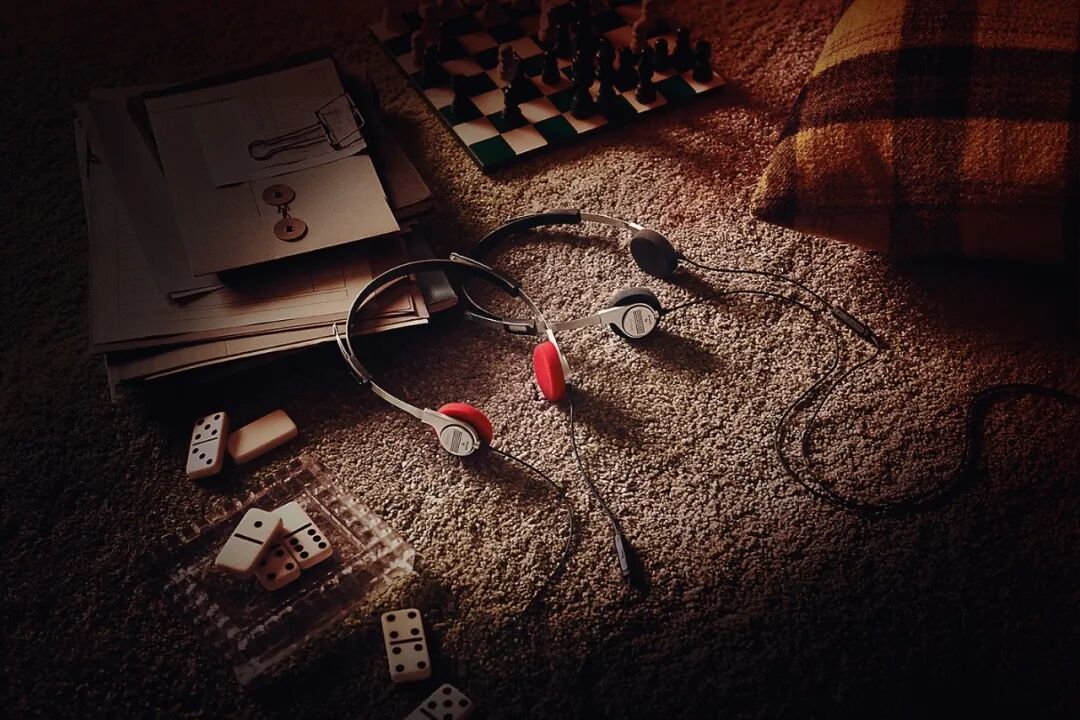
The Sound Is Not Exactly "Hi-Fi", But You Get The Headphone As A Bonus For The Nostalgia
Judged by the evaluation criteria of today's mainstream wireless noise-cancelling headphones, the acoustic performance of the MDR-3R almost hits every pain point. In laboratory measurements by audio review agency SoundGuys, this pair of headphones only scored 6.3 points.
In the low-frequency range below 80 Hz, the frequency response curve of the MDR-3R drops significantly. The on-ear small sponge plus the open back cavity means that the drum beats and cello resonance in the bass cannot be gathered, and leak into the air before they even reach the ear canal.
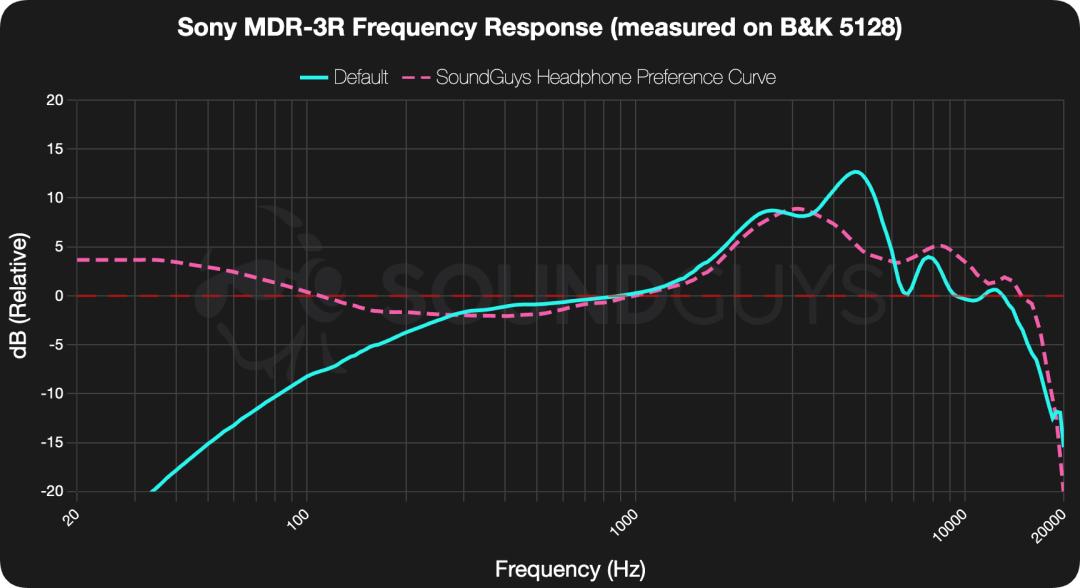
Photo|Frequency response curve of the Sony MDR-3R actually measured by SoundGuys (B&K 5128)
The sound isolation performance is also basically non-existent. It has neither active noise cancellation microphones nor the physical sealing of in-ear earbuds. If you wear it and walk into a subway car during the evening rush hour, station announcement sounds and rail rumble will pour into your ears unobstructed;
If you try to turn up the volume to drown out the noise, this pair of headphones will act like it's playing out loud, "sharing" your music with the person sitting next to you.

Photo|SoundGuys
The workmanship is also not exquisite. The dual-track sliders that rely solely on metal friction to adjust, and the thin, brittle plastic body feel very light in the hand.
If you measure it by the standard of serious "practical consumer electronics", spending hundreds of yuan or even paying nearly a thousand yuan for it on the secondary market is almost an unreasonable waste of money.
But if you look at it from the perspective of a "fashion item", the whole thing makes much more sense. It is a product with an extremely distinct personality, where nostalgia far outweighs practicality — or to put it more bluntly, Sony is "selling nostalgia and giving away headphones as a bonus".
Its target user group probably never intended to use it to analyze the three frequency bands and sound field in detail. As long as its sound performance is passable and it is not too cumbersome to carry around, that's more than enough.
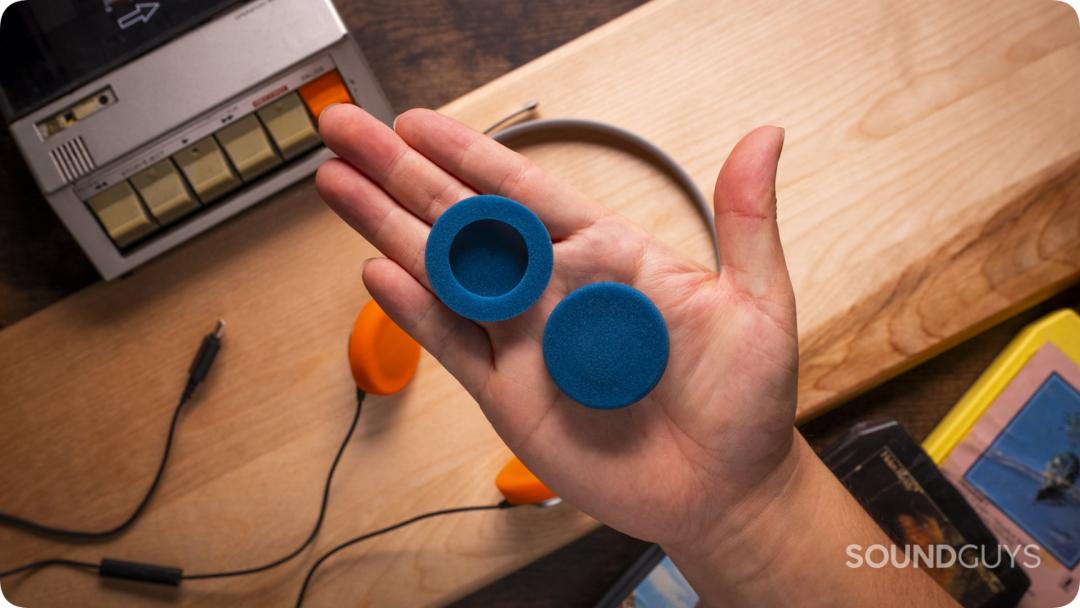
Photo|SoundGuys. The porous breathable on-ear sponge pad determines its physical property of being lightweight and breathable but inevitably leaking sound
But to enjoy this laid-back experience, the premise is that you have to accept all its compromises. You can't expect it to accompany you on crowded commutes in the subway, nor can you wear it to block out the roar of travel.
Hanging it on the neckline of your sweatshirt as an accessory for selfies, listening to podcasts while reading a book in a quiet study, or plugging it into your phone to listen to a guitar solo at your desk late at night are the scenarios where it fits best.
Specifications Pushed To The Limit, Headphones Return To Purity
In the past few years, consumers have grown more or less tired of the industry's endless "specs race" around Bluetooth transmission protocols, active noise cancellation chips and dynamic driver units.
As acoustic specifications have been pushed higher and higher today, the marginal effect has become more and more obvious. The tiny differences measured in the laboratory are completely inaudible to the vast majority of people in daily use.
The most direct example is AirPods. Even in the eyes of audiophiles, its tuning is objectively mediocre, not even "good-sounding", but that has not stopped it from becoming the standard configuration for hundreds of millions of people around the world.

That's why, beyond "pragmatism", the audio market has started to show a completely different look —
Some manufacturers are making extremely lightweight designs that reduce ear burden without blocking the ear canal, some are bringing back physical controls with mechanical knobs, and others are simply making headphones part of your OOTD.
If you follow the Sony MDR-3R, you will find that Sony is far from the only one playing this "retro card". Under the old shell of vintage industrial design, the modern solutions from other brands are even more radical than Sony's. The most extreme example is PORTA launched by Japanese brand FINAL.
