Tesla has been revealed to axe the standard AutoPilot: users either purchase FSD, or get a stripped-down base version with no intelligent driving functions.
Tesla users who have been using Autopilot for 11 years are about to lose access to the feature.
Latest leaks show that Elon Musk personally made the decision to cut Autopilot directly, and it will no longer be offered as a standard configuration for new vehicles.
This means that you either pay for an FSD subscription, or you can only buy a "super entry-level" Tesla without any intelligent features.
The entry-level Tesla can't get any more stripped-down
Musk didn't post about this decision on social platforms, but it is said that he personally signed off on it.
The removal of the basic Autopilot on new vehicles serves a straightforward purpose: to push more car owners to subscribe to FSD.
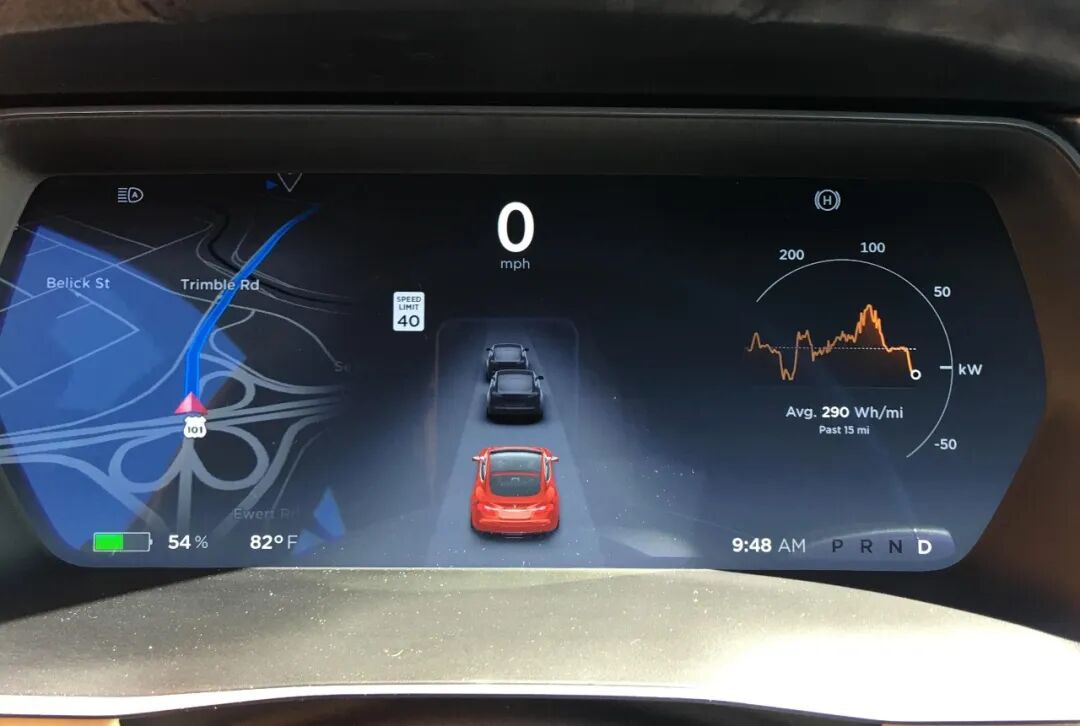
Specifically, the previously standard Basic Autopilot mainly includes two functions: Adaptive Cruise Control (TACC) and Autosteer.
The former adjusts the driving speed according to the speed of the preceding vehicle and maintains the following distance, while the latter controls the steering wheel to keep the vehicle centered in the lane.
After the adjustment, the new Model 3 and Model Y in the North American market still retain TACC, but Autosteer has been removed.
In other words, the car can still help you follow the vehicle ahead, but it can no longer help you hold the steering wheel for free, and automatic lane centering cannot be realized on highways.
As for users who previously thought "Autopilot is already enough for daily highway driving and commuting" and did not buy FSD, sorry, you can't even pay to activate Autopilot now, this product has been completely phased out by Musk.
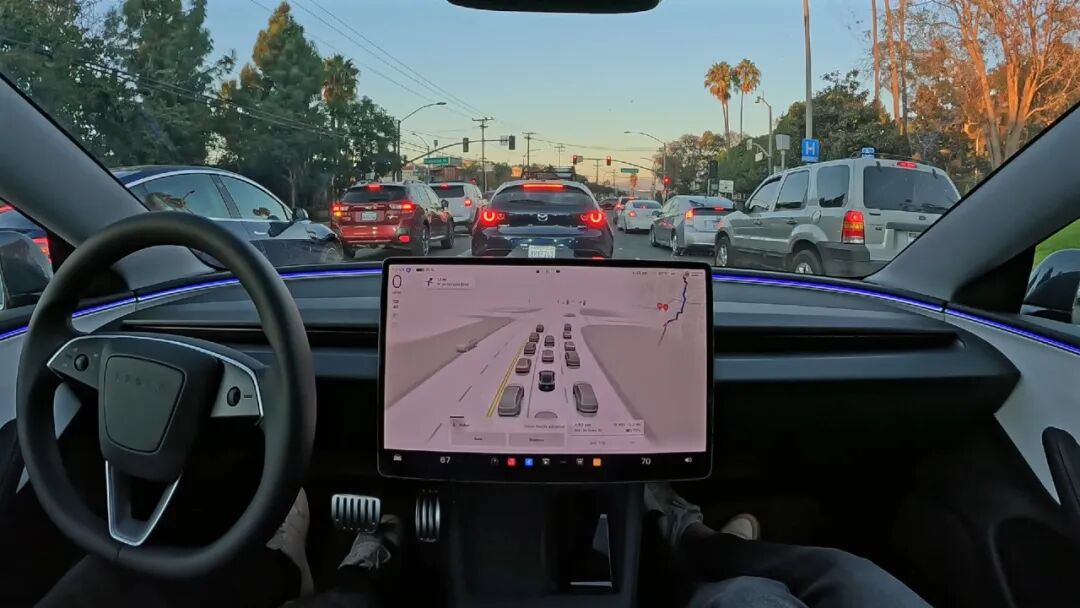
The only option is to subscribe to FSD for $99 per month, which is roughly over 600 RMB (since February this year, FSD no longer supports one-time outright purchase).
If you are not willing to pay, you can only get a stripped-down Tesla that can't be any more basic — it doesn't even have the L2 driving assistance capability that Toyota offers as standard.
Of course, car owners are far from happy about this.
"A 2019 Corolla now has better assisted driving features than a 2026 Tesla, unless you pay an extra $100 a month. Mind you, this is a 2019 Corolla we're talking about."
Another long-time Autosteer user said that this function is mature and predictable enough, he can set the desired cruise speed, and just flick the turn signal when he needs to change lanes. In contrast, although FSD has more functions, it does not necessarily fit his driving habits:
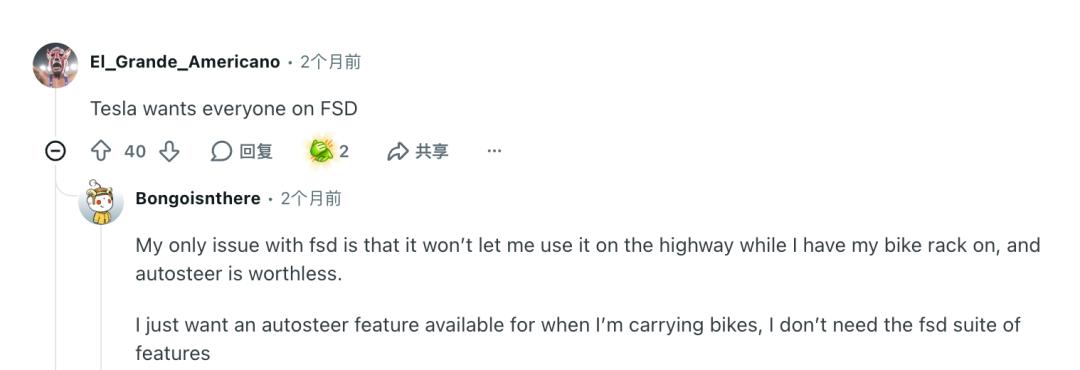
This is also the most criticized part of canceling Autopilot: you can run a subscription model, but you can't only provide the "full feast" of top-tier features, there are indeed users who need basic configurations like Autopilot.
Some people have already started to vote with their wallets.
A Reddit user said this adjustment will only bring three outcomes: extend the service life of existing Tesla vehicles; prioritize the second-hand market when changing cars in the future; make potential buyers reconsider Tesla, because no one wants to pay an extra $100 subscription fee on top of their monthly car loan.
Some people even said bluntly:

"I'm recalculating the cost of car ownership and starting to consider BYD."
Of course, not all overseas car owners are opposed to the change. Some believe that the old version of Autopilot has not made obvious progress for many years, and occasional phantom braking still occurs, while FSD has stronger actual performance. Removing the old feature also helps concentrate R&D resources on the new system.
But this does not change another problem: are users willing to pay for features they do not need?
The more jarring contrast comes from what Elon Musk said in the past:
All Autopilot safety features will be present in every car, and users do not need to pay extra for an optional package to get them.
From being offered as free standard equipment, to requiring re-payment to unlock, to existing car owners considering extending the service life of their vehicles and potential buyers turning to competing products, the controversy caused by this Tesla adjustment has gone far beyond the retention or removal of a single feature.
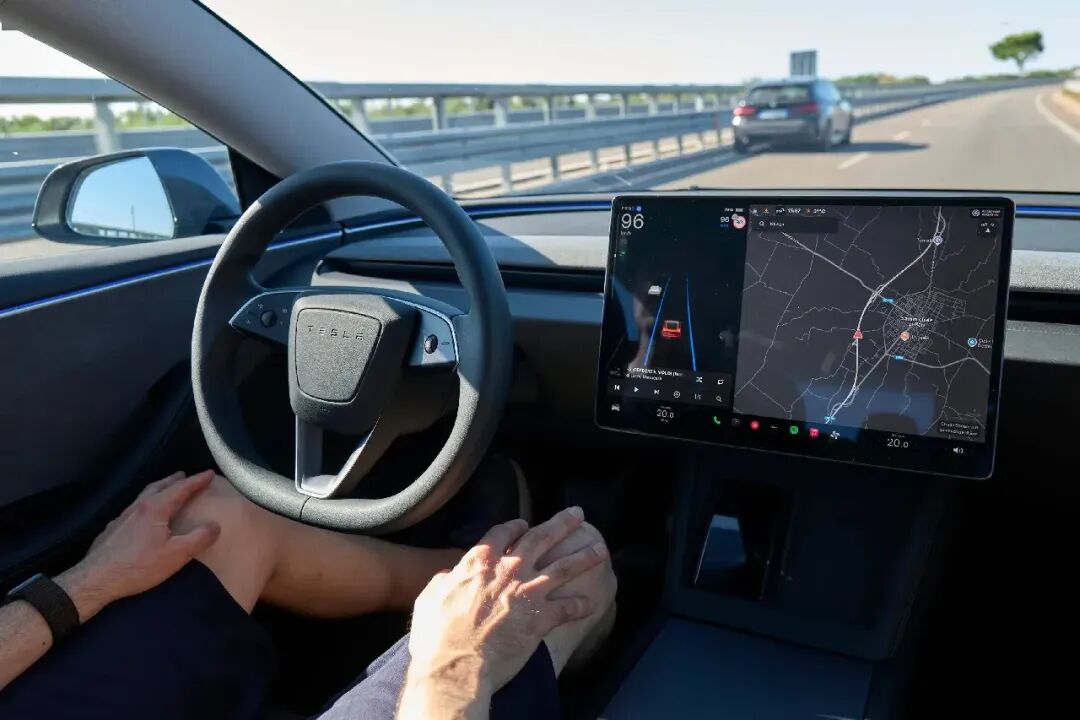
For car owners, they have already paid the full price when buying the car, so why do they have to keep paying for the basic experience they have got used to?
For Tesla, those users who used to use basic assisted driving for free are exactly the group that is most worth converting into FSD subscribers.
Here comes the question: why is Musk in such a hurry to push car owners to FSD subscriptions?
What is Musk thinking about?
Looking back at the timeline, Tesla's charging strategy for Autopilot has actually changed several times.
The early version of Autopilot was more like a set of paid-to-unlock advanced driving assistance features. To get capabilities like lane centering and automatic lane change, car owners needed to purchase the corresponding software package.
In April 2019, Tesla made an important adjustment: it included basic Autopilot as standard on new cars, including TACC adaptive cruise and Autosteer lane centering.
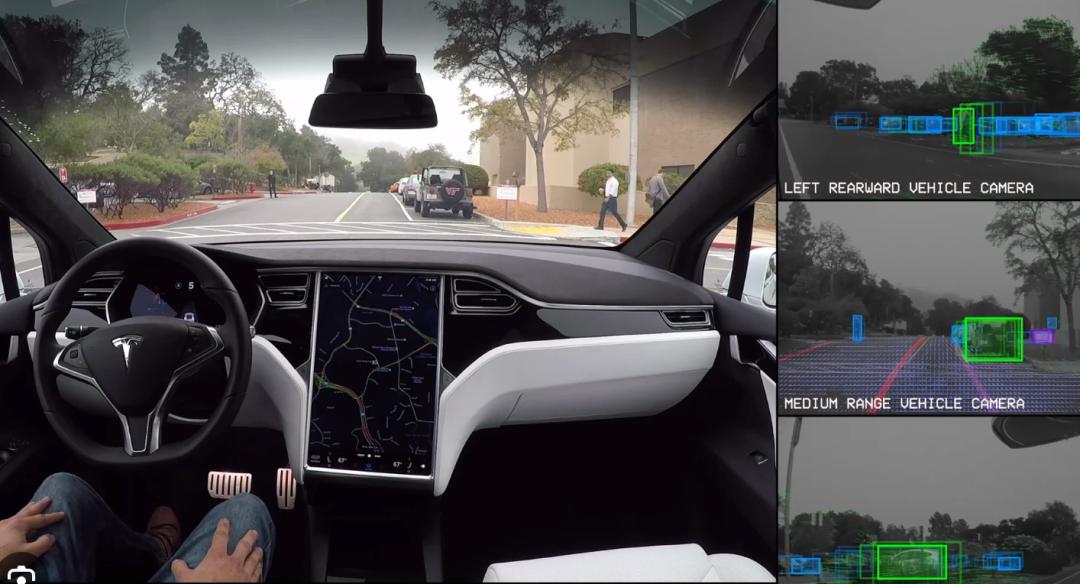
More complex capabilities such as automatic lane change and automatic parking remained in the paid FSD version.
This tiered strategy has lasted for many years: basic features expand coverage to let more car owners use assisted driving; advanced features are responsible for generating revenue, which also provides software income for Tesla.
In 2026, the strategy shifted again.
Tesla stopped supporting one-time outright purchase of FSD and changed it to a $99 monthly subscription; new Model 3 and Model Y in the US and Canada also removed free Autosteer, retaining only TACC.
To continue using lane centering, car owners have to subscribe to FSD. The basic feature that was originally delivered with the car has now become a paid software service.
The appeal of this business lies in the fact that revenue can keep growing along with the vehicle's life cycle.
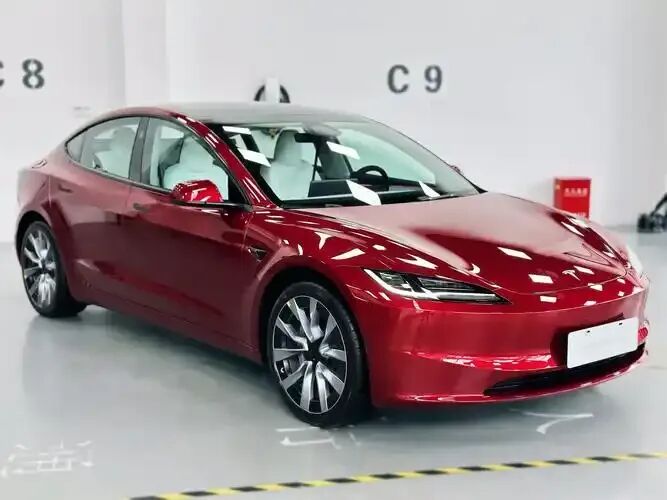
Selling a car usually generates a one-time income; selling a car with an FSD subscription has the opportunity to generate continuous software revenue for several years afterwards. The larger the vehicle scale and the longer the subscription period, the more considerable the accumulated revenue will be.
Tesla released several figures for the third quarter of 2026: there are about 1.74 million paid FSD users, the FSD installation rate on new North American vehicles exceeds 75%, and the annualized recurring revenue (ARR) is close to 1 billion US dollars.
However, the 1.74 million includes users who purchased FSD outright in the past, and the 75% installation rate on new vehicles does not equal the long-term subscription rate.
But if the user scale is pushed to 10 million, the profit margin will be huge: under ideal static calculation, the corresponding annual revenue is about 11.88 billion US dollars.
Of course, the actual revenue will be affected by factors such as regional pricing and subscription retention rate, but it is enough to illustrate the potential scale of the FSD subscription business.
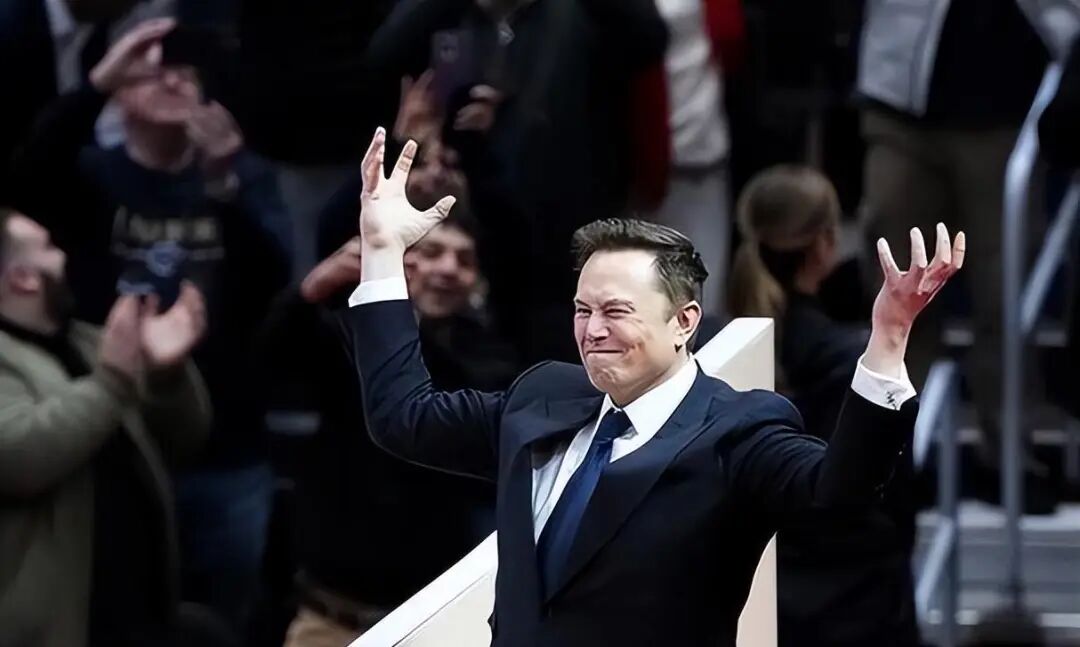
What's more interesting is that the 10 million figure also appears in Elon Musk's 2025 CEO compensation plan.
The performance reward approved by Tesla shareholders includes a target of 10 million active FSD users. According to the definition in SEC documents, this indicator includes both subscribers and one-time outright purchasers, and is not limited to monthly paying members.
Putting these actions together, Tesla's business intention is quite clear:
Discontinuing outright purchases tilts FSD revenue towards long-term subscriptions; removing free Autosteer on new vehicles further drives user payment conversion; the compensation plan sets a clear growth target for FSD user scale.
So Musk's plan is definitely for profit, but on the other hand, it is also for long-term business layout.
Private passenger vehicles are also becoming Robotaxi-oriented
The popularization of intelligent driving in China is accelerating, and more and more carmakers are deploying high-speed NOA, urban NOA and even more complete assisted driving capabilities on models priced at over 100,000 RMB. Intelligent driving features have gradually become part of the competition for vehicle configurations.
Tesla is going the opposite way, starting to put the basic capabilities that were previously provided for free back into the paid system.
Elon Musk once said a sentence that put this line of thinking very bluntly:
"People are buying FSD that comes with a car, not buying a car that incidentally comes with FSD."
Behind this sentence lies a completely new automotive business model: car sales are responsible for acquiring users, FSD subscriptions are responsible for continuous monetization, and Robotaxi will further expand the revenue from autonomous driving operations.
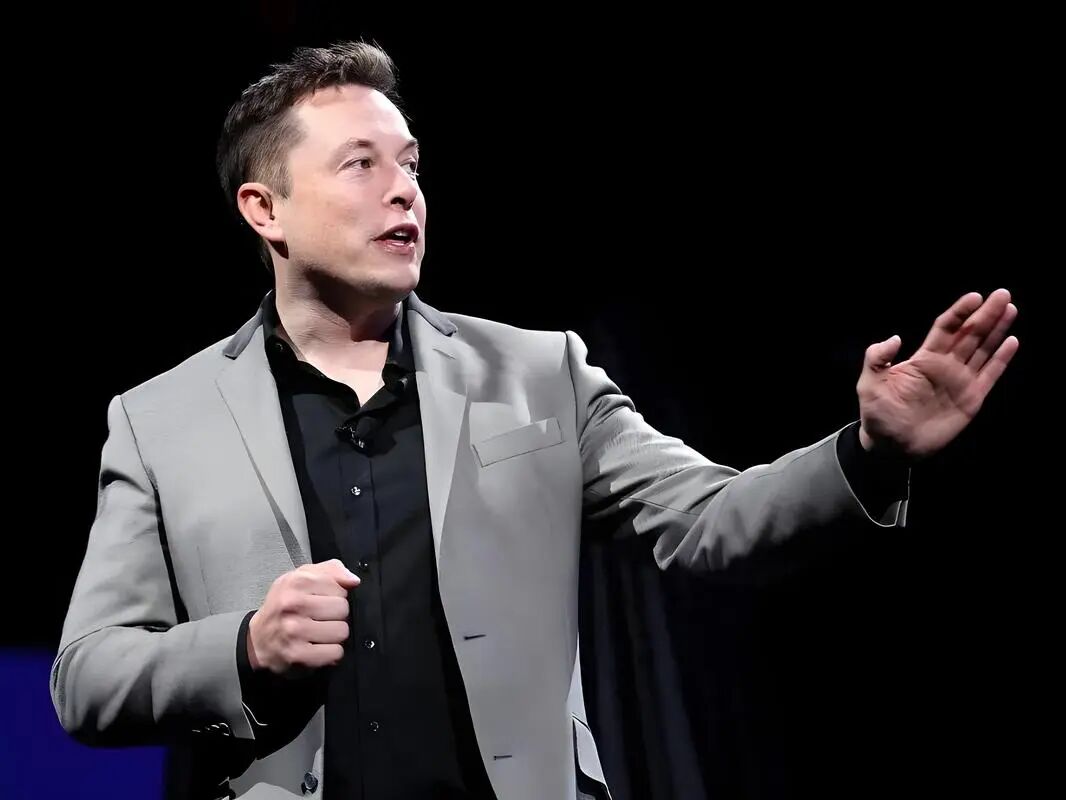
Thinking one step further, things may be even more interesting.
If the actual experience of the mass-produced version of FSD gradually approaches Tesla's Robotaxi in the future, users will face a new choice: buy their own car and bear the costs of insurance, maintenance, parking and depreciation, or just call a Robotaxi to go out?
For people with high travel frequency, owning a car may not always be the most economical choice.
If Robotaxi is cheap enough and available on demand, the use value of private cars may be recalculated. Cars will gradually change from a daily necessity to an on-demand travel tool.
To take it a step further, in the future, private cars and even driving may become an expensive, experience-focused niche hobby, just like equestrianism today.
Of course, before this vision is fully realized, a series of practical problems such as autonomous driving capability, operating cost and service coverage still need to be solved.
But Tesla's current adjustment of the charging boundary for basic Autopilot already shows where Musk wants to lead the automotive industry.
This article is from the WeChat Official Account "AI4Auto" (ID: AI4Auto), written by Jia Haonan, published with authorization from 36Kr.