Is the freedom to choose customized car paint now being rolled out to vehicle models in the 100,000-yuan price bracket?
What is the new traffic password for car manufacturers? The answer may be: color.
Recently, Xpeng MONA L05 was launched, with six exterior colors released at one go, and selecting the ROAM theme package can also unlock 3 sets of interior themes.
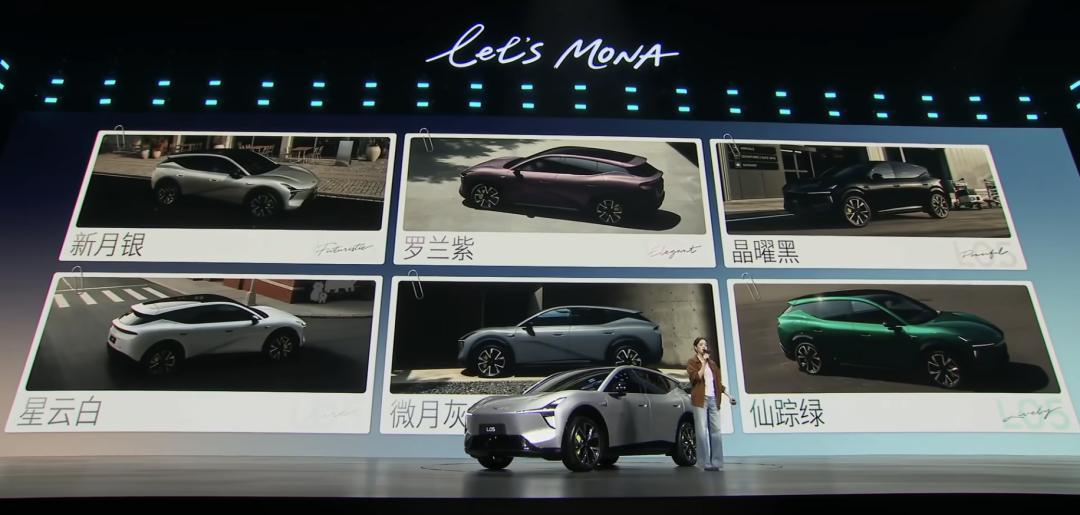
Xpeng's obsession with colors did not develop in just a day or two. In August last year, at the 85-minute launch event of Xpeng P7, electrification was covered for 5 minutes, intelligence for 3 minutes, while colors surprisingly took up 23 minutes. For the six car colors, four spokespersons were even invited to boost promotion.
It is not only Xpeng. In August this year, Dongfeng Nissan held a separate online launch for the two limited color schemes of NX8, and launched the "Persimmon Joy" exterior color in cooperation with the show *New Arrival at the Palace Museum*; Hengjing brought its new car color to Beijing Fashion Week, letting S9T Star Rose Pink and S9 Moon Velvet White walk the T-stage together with models.
Here comes the question: When did car manufacturers start turning color selection into a business? What colors will be popular next year? Why have multiple color options expanded from luxury cars to vehicles priced at hundreds of thousands of yuan?
Why are car manufacturers competing on color?
In the new energy era, the mature supply chain has changed the threshold for car manufacturing: batteries can be sourced from leading suppliers, and smart cockpits and assisted driving functions can be quickly completed through cooperation. Vehicle configurations are getting richer, but products are increasingly prone to convergence.
At this time, color has become an intuitive differentiated entry point. It is also another foothold for creating topics for new cars. Of course, whether it will eventually become a real hot topic or just a self-entertainment promotion depends on the capability of each manufacturer.
It is remembered that when Xiaomi SU7 was launched in 2024, nine exterior colors were provided; the next year, Xiaomi launched the "Hundred Colors Plan", planning to cooperate with partners to design 100 kinds of car paint within three years. This scale is almost comparable to a lipstick counter.
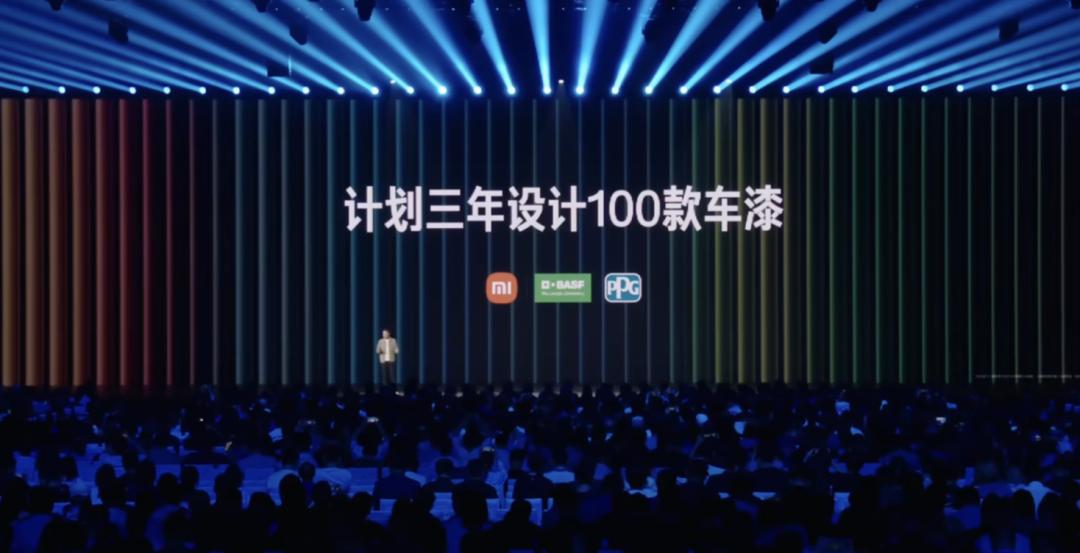
There is a "7-second rule" in the marketing industry: people only take 7 seconds to judge whether they are interested in a product, and in these 7 seconds, the influence of color is as high as 67%.
No wonder He Xiaopeng said: "In the past, technology came first, but now appearance comes first. The two are equally important, but appearance takes a half-step lead."
More critically, color can directly generate revenue. In the fuel vehicle era, three to five colors for a car basically do not require extra payment; now most car paints require additional fees, generally ranging from 3,000 to 30,000 yuan, and the optional "Cloud Water Sky Cyan" color of Zunjie V800 is even priced at 150,000 yuan directly.
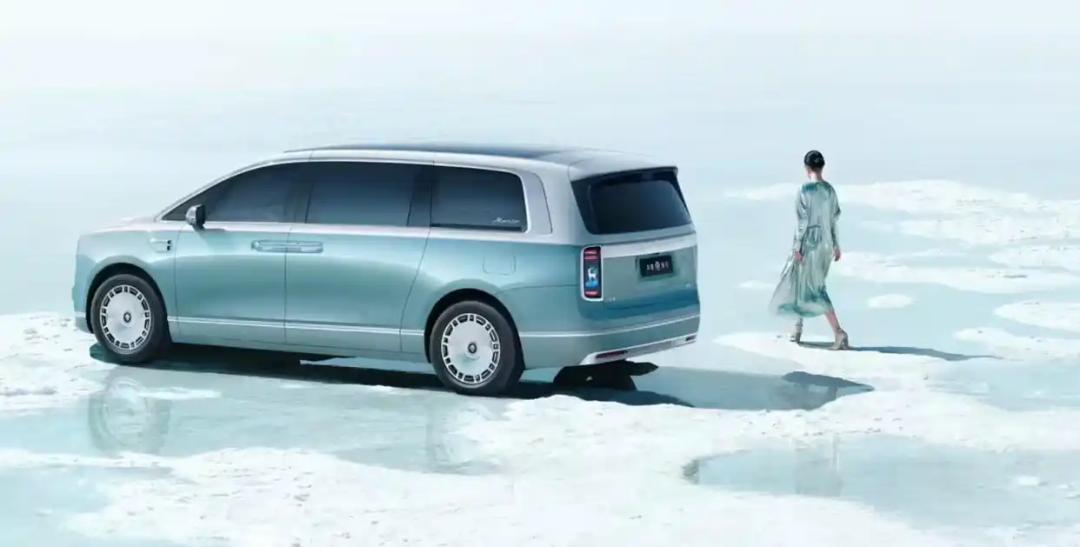
This is almost a highly cost-effective differentiated business: a sufficiently unique color will precipitate into visual assets, and can also carry emotions and identity.
Zou Jia, Vice President of Svitto, once cited an example: when Chinese people read the poem "The desert is straight with lone smoke, the long river is round with the setting sun", the poem does not mention colors, but golden sand, gray smoke and orange sunset will emerge in people's minds.
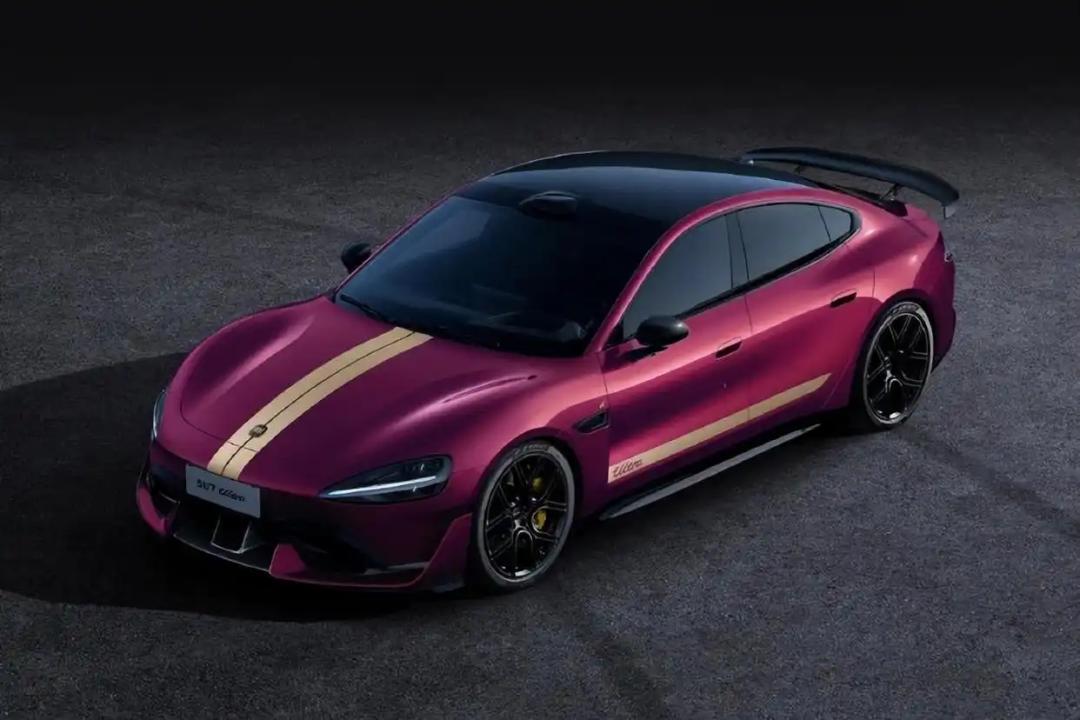
In terms of naming, car manufacturers also endow car body colors with a kind of artistic conception, such as Twilight Rose of Xiaomi SU7 Ultra, Cloud Desert Gold of Xpeng GX, Nebula Red of NIO ES8, and Sicily Orange of Qijing GT7.
What colors will be popular in the automotive industry next year?
Recently, Svitto, a long-established coating giant, has unveiled the trend colors for next year, with the theme "Existence · New Realm".
To sum up in one sentence: neutral colors are making a comeback, but they are no longer the plain black, white and gray in the past, and start to play with light, shadow and texture.
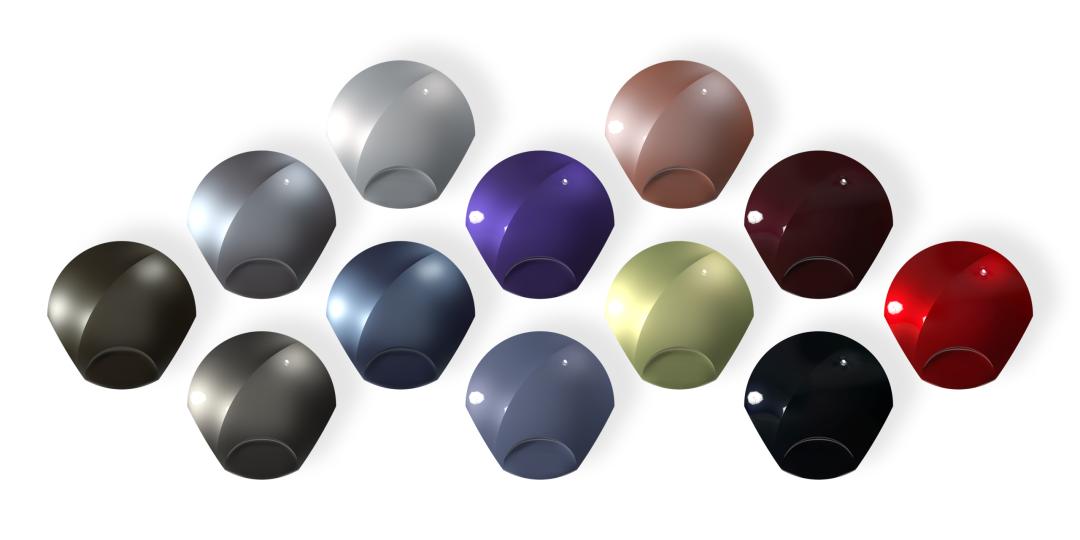
Sounds a bit abstract? Let's take a look at several trend colors directly.
"Shimmering Silver" for the Asia-Pacific market, with warm brown in the dark part and cold tone in the bright part, showing different effects as the light changes;
"Cyan Shadow Black" for the Chinese market, which looks deep black in normal conditions, but shows blue-green flashes under light, just like aurora hidden in the car paint;
"Iridescent Silver" for the American market, between pearlescent white and metallic silver, making the light and shadow richer with mica and metallic aluminum powder;
"Blazing Red" for Europe, the Middle East and Africa, adding flow effect pigments to deep red, and even trying to use waste materials.
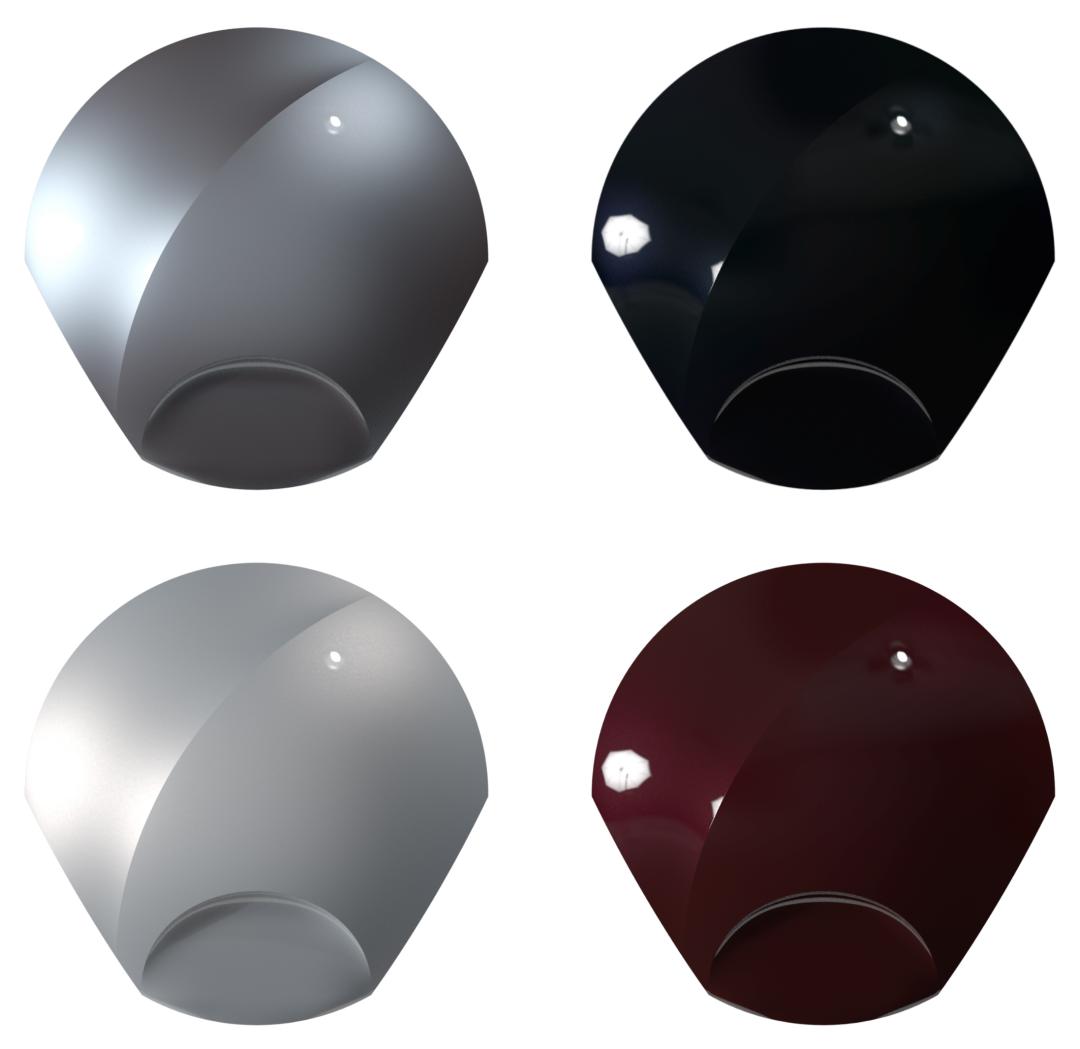
Top left: Shimmering Silver; Top right: Cyan Shadow Black; Bottom left: Iridescent Silver; Bottom right: Blazing Red
You see, car paint has also started to compete for "atmosphere sense". The future car paint is not only about blending a single color, but also taking optical effects, materials, techniques and mass production capacity into full consideration. Consumer psychology has also changed: people no longer pursue "the most vivid color", but "a low-key shell with high-profile details hidden inside".
Why didn't manufacturers do this before?
Lei Jun once mentioned that in the past, car manufacturers had few color options, which was mainly limited by cost and production difficulty. Black, white and gray are easy to produce on a large scale, while personalized car colors mostly appear on expensive luxury cars.
Developing a new car color is never as simple as a designer adjusting a color with a color card. From electrophoresis, middle coating, to the color paint responsible for color effect, and then to the clear paint that protects the car body, every layer has its own requirements.
To get a special color, you first need to check whether the pigment can achieve the effect, whether the formula can be stable, whether the spraying result can meet expectations, and it must also withstand exposure to the sun and rain erosion, preferably without fading even after ten years.
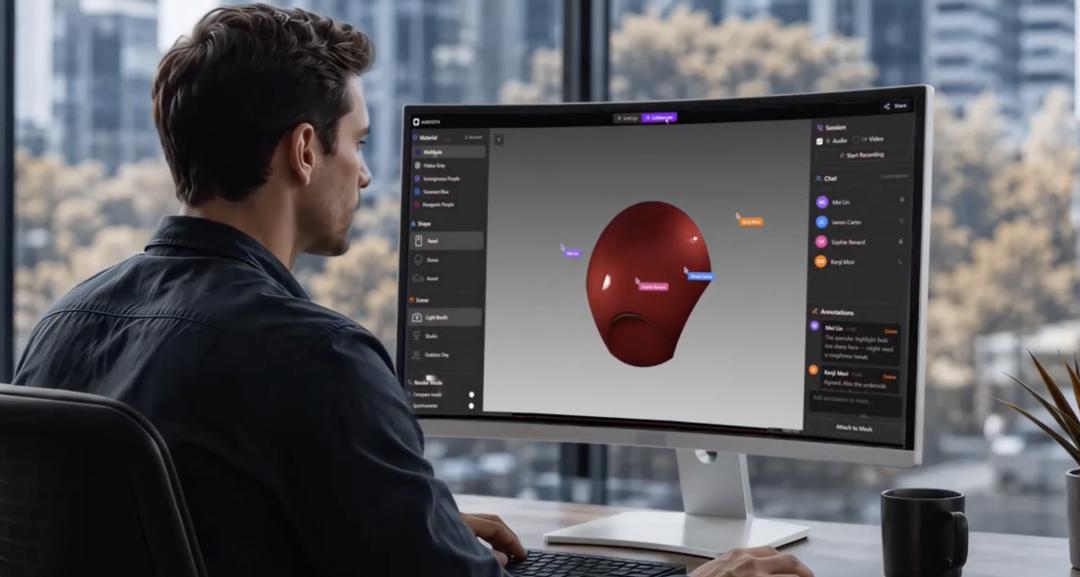
It often takes multiple rounds of development for a color from concept to mass production, and it is not uncommon for a project to be adjusted more than ten times repeatedly. The result is two problems: slow speed and high cost.
Therefore, car manufacturers have always been reluctant to bring fashion trend colors down to mass-produced vehicles. So why are even cars priced from 100,000 to 150,000 yuan starting to compete on colors now? The answer is digitalization.
For example, Svitto's AUROOM virtual color software has currently integrated nearly 8,000 colors, of which about 1,000 are trend colors. In the past, suppliers brought physical color boards to the site, and customers picked them one by one; now they can filter online first, scan the color boards into digital assets, and then observe the color changes from different angles synchronously through light boxes and screens. In the future, the color can even be directly "worn" on the 3D car model to simulate the visual effects on sunny, cloudy and rainy days.
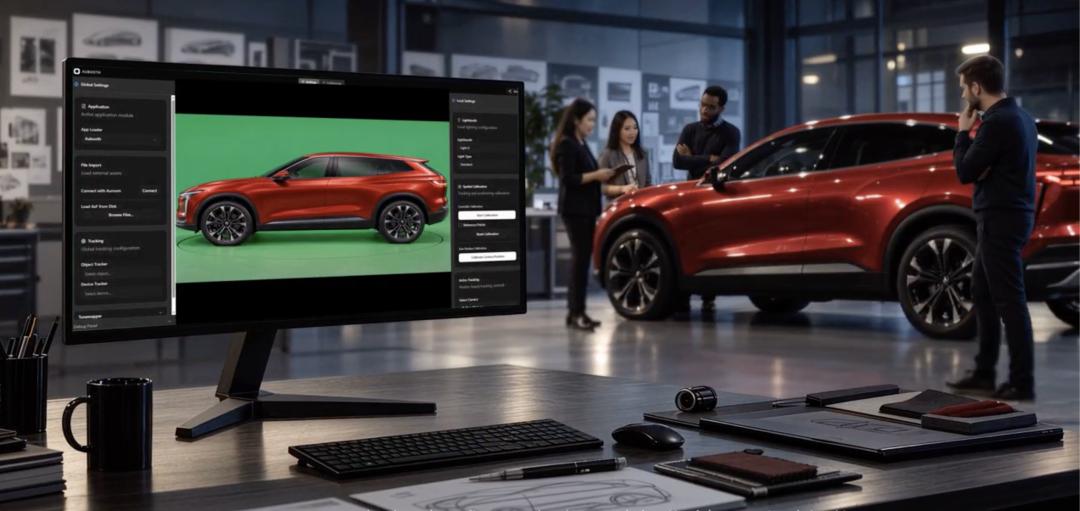
According to Svitto, in a previous cooperation project with a new energy vehicle manufacturer, calculated based on a three-year development cycle, the cost of physical spraying plates was reduced by about 50% after the introduction of digital solutions. The next full-process virtual color development can even reduce the cost by 90%.
This means that greater design freedom and lower costs are lowering the threshold for car manufacturers to compete on colors. The competition is no longer just about who designs more beautifully, but about who can turn trend colors into mass-produced vehicles faster and at a lower cost.
Will you buy a car just for a certain color? Which car color has ever made you fall in love at first sight?
This article is from the WeChat Official Account "Cheshi Wuyu" (ID: autostinger), written by Peng Fei, and published by 36Kr with authorization.