Starting at 80 yuan, with orders already lined up all the way to next year, has kiln-baked bread become a huge hit?
Low production capacity supports high premium, is there a new trick in the baking track?
Buying a loaf of bread, you actually have to wait for a whole year?
Against the backdrop of fierce competition in the baking sector and mass production of pre-made dough, a kiln-baked bakery named "Gulu Ye · Xinmu Shao" (hereinafter referred to as "Gulu Ye") in Linping, Hangzhou has put forward such a pickup rule: purchase via online reservation system, and the earliest delivery time from order placement to receipt will be the next year.
According to Chao News, Gulu Ye is still processing orders placed in September last year. When the media visited, the shop owner responded: "Please don't help us promote, we really can't take more orders."
The whole industry is competing for efficiency, what on earth is the background of this shop?
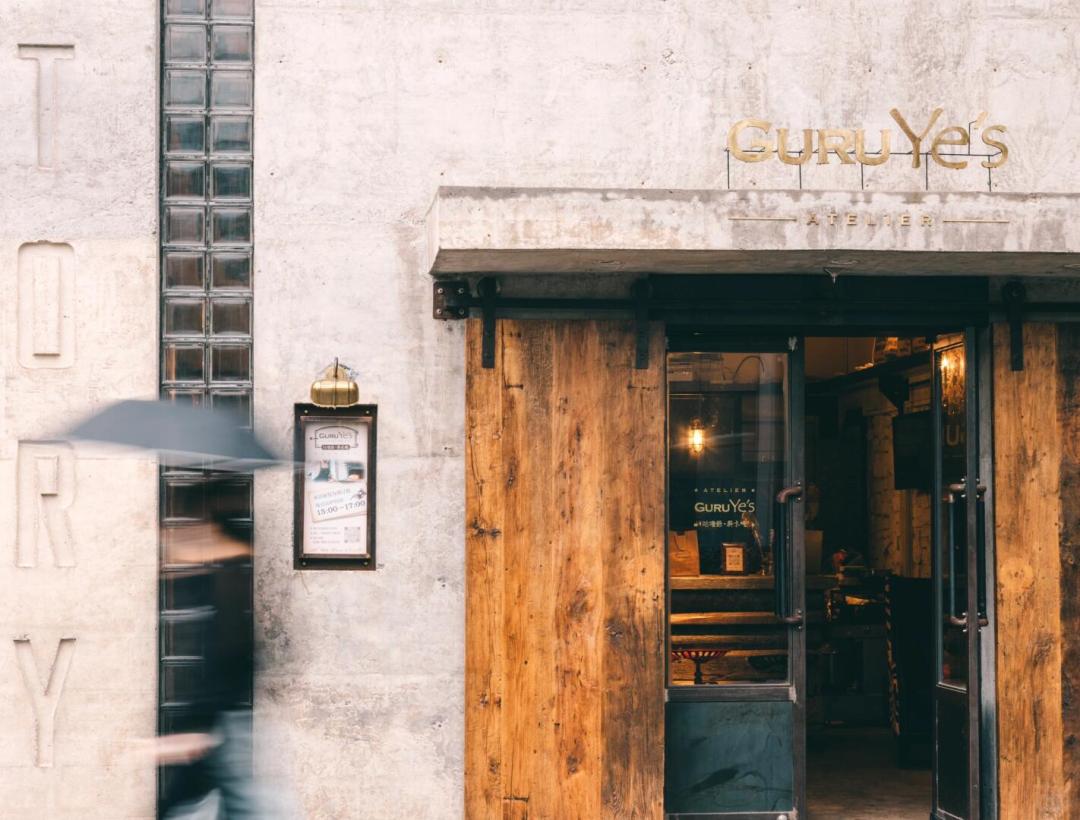
△ Image source: "Gulu Ye" Xiaohongshu account
01. Only 2 to 3 batches are baked every day, kiln-baked bread has been snapped up like "futures"
Founded in 2022, Gulu Ye rose to fame in the winter of 2023 through a food blogger's store exploration video, and its order lead time has been extended from about one month in the early stage to being calculated by "year" now. Even if customers go directly to the offline store, they cannot buy ready-made products.
The official mini-program of the brand shows that due to saturated daily production, orders have been scheduled from September 2027 to February 2028, and the scheduling time varies slightly according to different purchased packages. Some netizens shared that it took "exactly 371 days" for their order to be delivered after placing it.
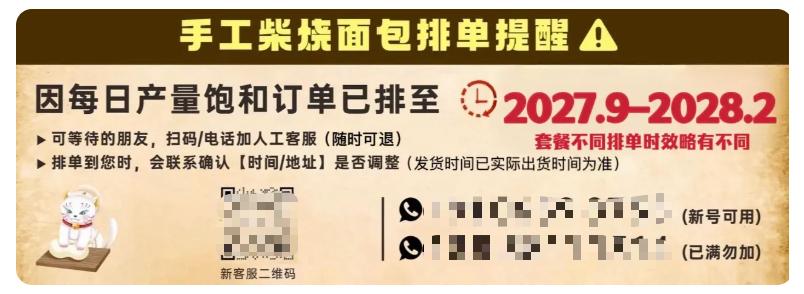
△ Image source: Screenshot of "Gulu Ye Xinmu Shao" WeChat Mini Program
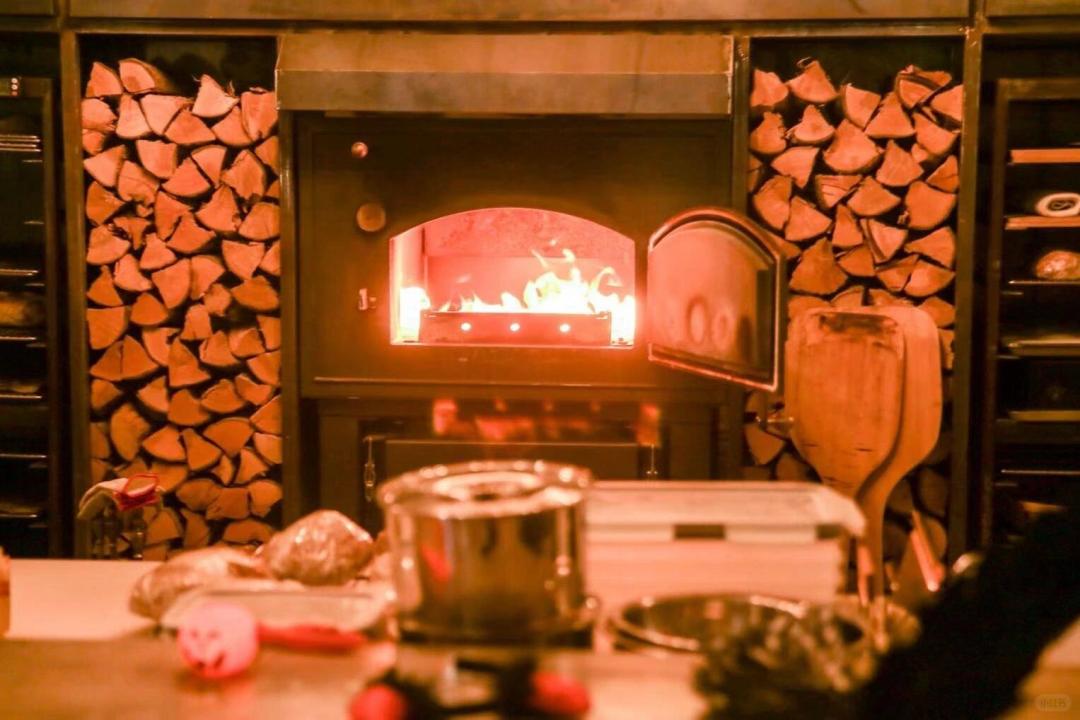
The root cause of the long queue, as officially stated, lies in production capacity. The temperature threshold for kiln baking is extremely high, which requires at least 400℃. The stone kiln is lit in the morning every day, and slowly heats up to store heat, and each batch takes more than two hours to bake. The first batch is out of the oven at around 2 p.m., and the second batch has to wait until nearly 4 p.m. When the kiln temperature drops to 270 to 280℃, it cannot meet the requirements for baking, so no qualified bread can be produced, and the work for the day has to end.
Plus the 72-hour low-temperature natural yeast fermentation of the dough, almost all the time of this shop is spent on "waiting".
It is understood that Gulu Ye's maximum limit is to bake 2 to 3 batches every day, which totals 60 to 70 loaves of bread at most.
In terms of product lines, this shop is also very unconventional. The wood-fired series currently only retains 4 SKUs, and the original dual-wheat five-grain sourdough bread was forced to suspend order scheduling due to "too much backlog of orders", with product prices ranging from 80 yuan to 128 yuan.
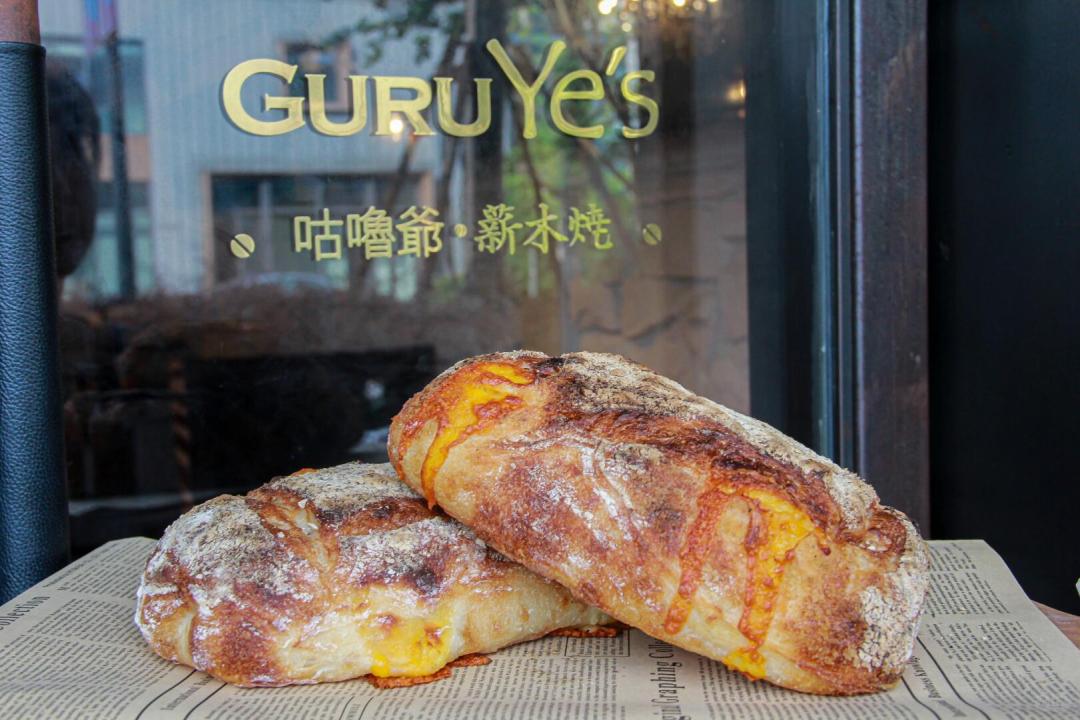
△ Image source: Screenshot of "Gulu Ye" Xiaohongshu account
The transaction method is also stirring consumers' nerves. Bread is sold on a reservation system with full payment paid in advance, and the delivery and mailing cycle fluctuates with the in-store production scheduling, and there are no written rules for order scheduling and refund. Even so, the customer base is still expanding, spreading from the surroundings of Linping to the whole country along social platforms, and even customers from Yanbian, Jilin and Xinjiang have placed orders.
Judging from the reviews posted by people who have already eaten the bread, the popularity of the product is indeed justified. Some people commented that "the bread crumb is moist and chewy, and you can taste that the ingredients are really good", "excluding the price and waiting time, this is a very perfect loaf of bread", but some review bloggers gave the conclusion of "not recommended" after waiting for a whole year.
Facing the suspicion of "hunger marketing", the shop owner responded in a very unique way. The oven is a specially customized small model, "there are large kilns on the market that can double the production capacity, but we did not aim at mass production from the very beginning". He has reminded customers many times: the bread is not sweet and soft Japanese style, it has the bitter burnt flavor of firewood and a slight sour aftertaste, and it must be re-baked after delivery to bring out the wheat aroma, "people who are not used to it will most likely be disappointed", and you can get a full refund at any time if you can't wait halfway.
02. Kiln-baked bread is being integrated into various scenarios
In the entire baking track, Gulu Ye is a relatively extreme sample, but beyond it, kiln-baked bread is appearing in ancient towns, villages, urban courtyards and even first-tier business districts in different forms.
Some people moved the kiln into the old street courtyard, turning kiln baking into an "experience business". In Changsha, "Zanshi Kiln Baked Bread" gained over a million views in May this year due to a post titled "The only kiln-baked pizza shop in the urban area of Changsha". For 128 yuan or 168 yuan, customers can get not only bread, but also three hours of experience: under one-on-one guidance, they can learn about spices, knead the dough by hand, fire the kiln to bake, and finally sit down and eat their own work. According to Cultural Tourism Xiangjiang, the monthly turnover of this small courtyard at peak hours can reach 180,000 yuan.
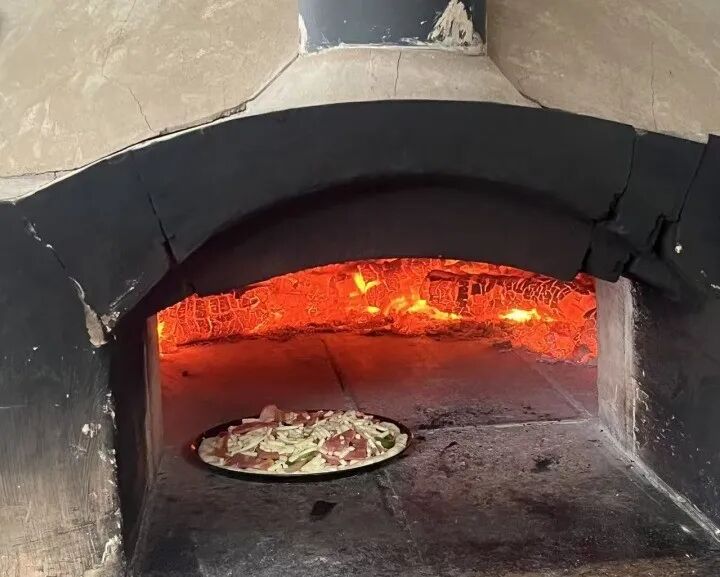
△ Image source: Photo taken by Red Meal Network
In ancient towns and villages, kiln baking has become a powerful tool for cultural tourism to attract visitors. "Nianpu Mai" in Sijing Ancient Town, Songjiang, Shanghai opened in April this year, and became a new check-in spot in the ancient town in just one month: there are two large kilns in the shop with clear division of labor, one for baking pizza and the other dedicated to making bread, using litchi wood from Guangdong as fuel, with per capita consumption of about 42 yuan, selling about 1000 loaves of bread per day on average, and diners come from Jiangsu, Zhejiang and Shanghai.
When the scenario is switched to first-tier business districts, "stone kiln" has become a selling point for store upgrading and strengthening the fresh baking experience. For example, PAPER STONE BAKERY, a baking brand under Maxim's Group, has transformed some of its stores in the past two years into forms with transparent open kitchens and stone kilns to strengthen consumers' perception of fresh baking, with per capita consumption of more than 30 yuan.
HONE JOYING Stone Kiln Bread, known as one of the largest bakeries in Chongqing, is equipped with a Spanish imported stone kiln oven that is said to have a history of 400 years, with more than 70 SKUs. But like PAPER STONE, the stone kiln here is part of the brand experience and space scene, not the main body of the profit model.
However, popularity is popularity. If we measure kiln-baked bread by the standards of chain catering, we will find that it has realized a single-store model of high premium, low production capacity and strong experience, rather than a chain model that can be replicated quickly.
△ Image source: "Gulu Ye" Xiaohongshu account
Its threshold lies not only in the high dependence on experience for heat control, hand feel and on-site operation, but also in the cost structure. According to Red Meal Network, the cost of a professionally built kiln can reach hundreds of thousands of yuan. More importantly, its single baking capacity is limited, and it highly relies on the continuous burning of fruit wood, so the fuel cost is not low. It is affordable to run a kiln, but it is difficult to support the turnover efficiency of stable bulk orders.
Therefore, "small but beautiful" is probably the more appropriate positioning for the kiln-baked bread business. The heat of kiln baking is enough to make highly personalized single stores, but it is difficult to form a viable replicable chain model. However, for kiln-baked bread, it does not need to become a chain with ten thousand stores. As long as it keeps the open fire in the kiln well, it can retain a group of customers who are willing to pay a high premium for scarcity and handmade products.
This article is from the WeChat official account "Red Meal Network", written by Red Meal Editorial Department, and published with authorization from 36Kr.