The 21-year-old veteran buffet brand has exited the market, and the buffet catering industry has adopted brand-new business strategies.
The "Hermès" of buffets in Nanjing has closed down.
Recently, some netizens found that Honglin International Cuisine (hereinafter referred to as "Honglin") located at Nanjing Hexi Golden Eagle World has ceased operation. "I was having dinner on the 8th floor and passed by Honglin, noticing that the water in the ornamental fish pond at the entrance had turned murky, with several dead fish at the bottom and the remaining surviving ones in very poor condition."
According to the information on Dianping, the only two remaining Honglin stores in Nanjing — the long-operated Golden Eagle World store and the Xintiandi store that opened as recently as May this year — have successively been marked as "suspended for business". RedCatering called the two stores, one was powered off and the other did not answer the call.
Honglin used to be a representative brand of high-end buffets in Nanjing, and was called "the Hermès of buffets" by many local consumers. With a per capita consumption of around 300 yuan, sashimi, spider crab, sea urchin, abalone and shark fin were all included in the same menu, and the brand promoted the concept of "unlimited ordering and butler-style delivery". Some netizens said it was the first place where they ate shark fin, and many people also held their birthday banquets and proposal ceremonies here. Calculated from the former Jianyelu Mansion store, this brand has a history of 21 years.
01. Returned to Xinjiekou for only half a year, Nanjing's "Hermès" in the buffet industry has closed down
In Nanjing, many people's "high-end buffet" experience started with Honglin International Cuisine.
In 2005, a distinctive buffet restaurant opened on Jianye Road, Nanjing. It had a mansion-style facade with an independent courtyard and was also equipped with outdoor seats.
"English-style butler ordering service" was one of Honglin's "selling points", and this ordering mode was highly recognizable at that time.
Under this mode, Honglin's menu was dozens of pages thick. Guests did not need to stand up, they only needed to place orders at their seats with the menu, and dishes would be served one after another by waiters. The menu was full of high-priced ingredients such as sashimi, Australian lobster, spider crab, sea urchin, as well as dishes like abalone, shark fin and goose web. After finishing one round of dishes, guests could continue to order desserts.
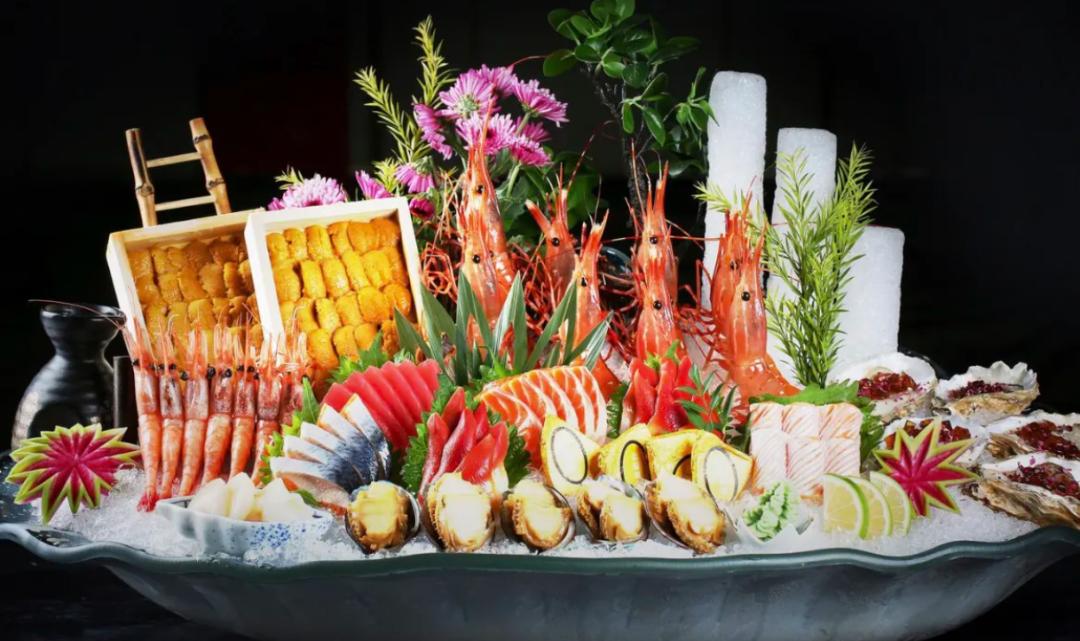
△ Image source: Official account of Honglin International Cuisine
This differentiated positioning helped Honglin build up its reputation. In the early stage, queuing up during meal hours and arriving at the store in advance to wait for a table were its daily norm. Many young couples chose it as their date restaurant. According to the official data of the brand, as of 2017, hundreds of thousands of couples had dined at Honglin.
As its popularity increased, Honglin began to expand to the core business districts of Nanjing.
Starting from the first store on Jianye Road, Honglin entered Deji Plaza in Xinjiekou in 2006, and then successively settled in Shanxi Road Central Plaza and Dayang Department Store. At its peak, there were 4 stores in Nanjing in total. As early as 2012, it expanded out of Nanjing and opened a store in Changzhou Wuyue International Plaza.
However, this expansion momentum did not last forever.
Official information shows that in 2019, the first store on Jianye Road was closed due to demolition, and the Deji store withdrew because the mall planned to build an art museum. For a while, all Honglin stores in Nanjing were completely closed.
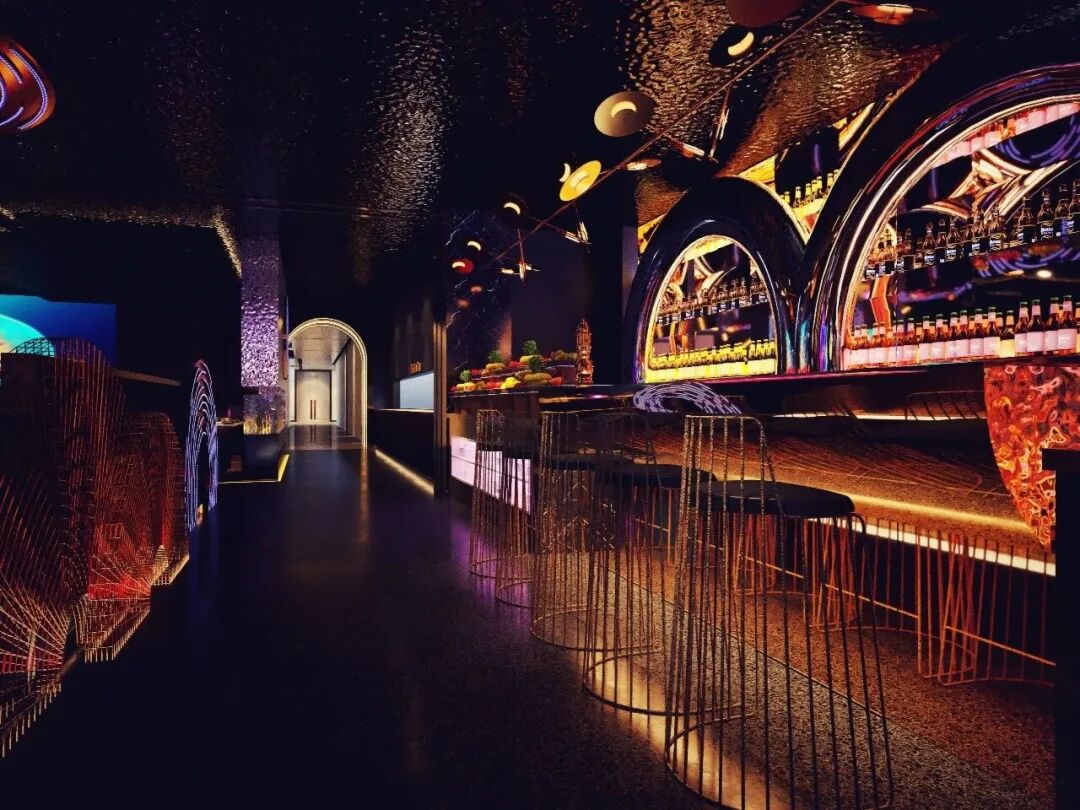
△ Image source: Official account of Honglin International Cuisine
However, one year later, Honglin chose to return to Nanjing, opened its new store in Golden Eagle World, Jianye District, and adopted a new business strategy at the same time.
In the past, it sold "high-end seafood buffets", but this time it focused on banquets. In terms of space planning, it is equipped with a 360-degree pillarless panoramic banquet hall, 4D lighting holographic VIP private rooms and a T-shaped stage, which can accommodate about 200 people at the same time to host year-end banquets, birthday parties, proposal ceremonies, corporate annual meetings, product launches and other activities. Live performances were added to the store, and two more words were added to the storefront sign — "Honglin International Cuisine Music Restaurant".
Until May 2026, Honglin announced its "return to Xinjiekou" and re-entered this core business district of Nanjing.
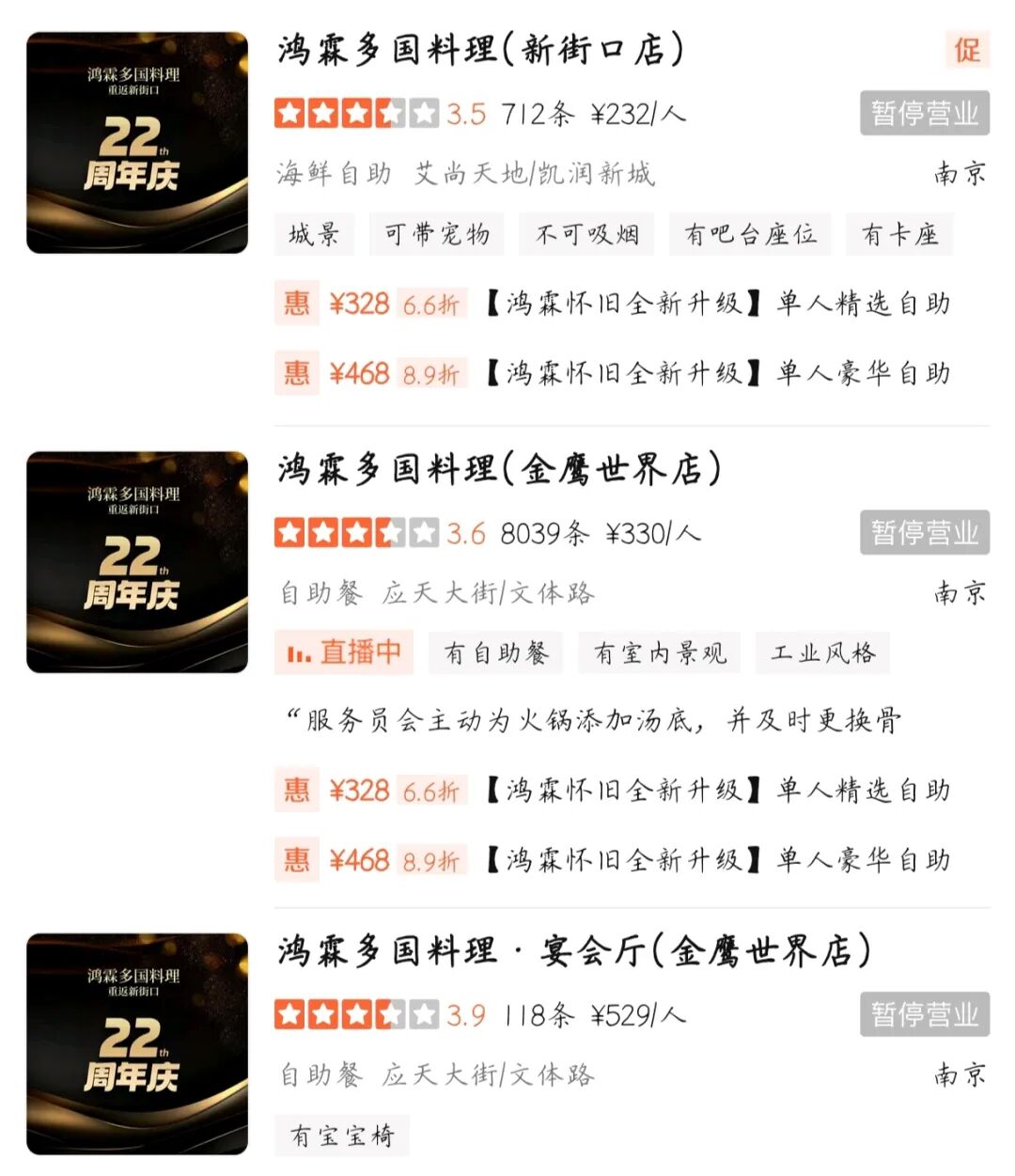
△ Image source: Screenshot from Dianping
However, only half a year after its opening, this store has shown a suspended operation status. At the same time, the long-operated Golden Eagle World store also ceased business. Recently, the two stores have successively been marked as suspended on Dianping. RedCatering called the store numbers, but failed to get in touch with the relevant responsible persons before the press time. RedCatering checked Honglin's official social media accounts and found that all of them have stopped updating, and no response has been received after attempts to contact, so the specific reason for the store closure is unknown.
02. Old buffet brands have withdrawn one after another, and the buffet industry has adopted new business strategies
The "exit" of Honglin is not an isolated case.
Many brands that used to attract consumers with rich categories, expensive ingredients and buffet models have fallen into operating difficulties in recent years.
Golden Jaguar, which entered the Chinese mainland market in 2003, used hundreds of dishes and high-priced ingredients such as abalone, shark fin and foie gras to become a representative of high-end buffets, with a per capita consumption of about 200 yuan. However, the brand suffered continuous losses since 2013, and finally closed its last store in 2017.
Changsha's high-end seafood buffet restaurant Dayu Haitang was exposed to be closed in 2023, with unsettled payments including membership card balances, supplier payments and employee salaries; Akasaka Tei, a high-end Japanese all-you-can-eat brand, had more than 40 stores at its peak. Since 2024, stores in many places have been exposed to suspended operations, with situations such as delayed salary payment and rent arrears, and it has now withdrawn from the market.
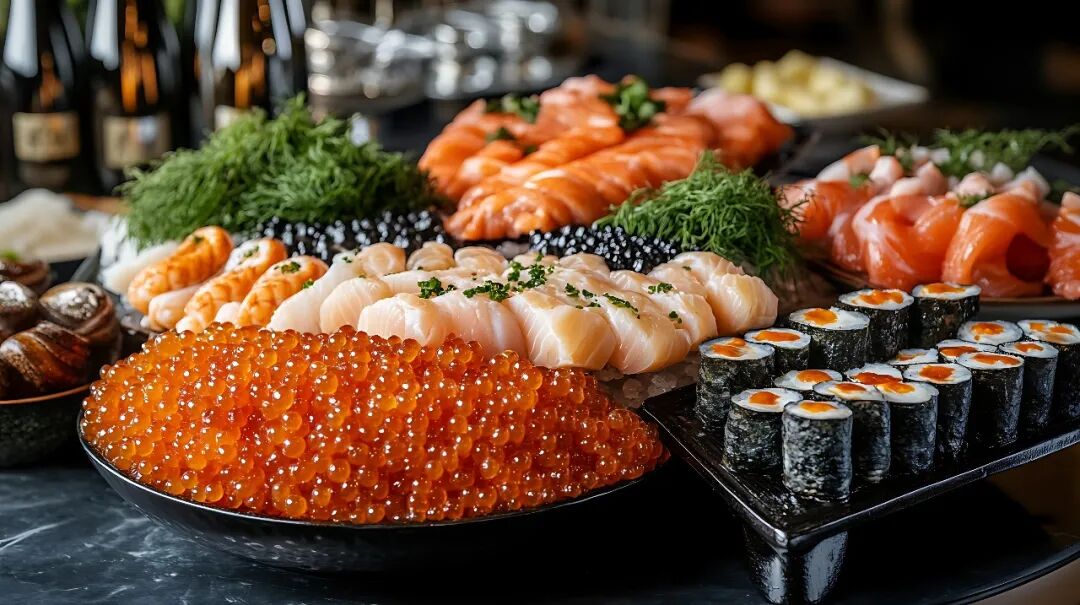
△ Image source: Tuchong Creative
The business models and store closure reasons of these brands are not exactly the same, but they all took large stores, multiple SKUs and expensive ingredients as important selling points. However, the pillars of this model — the scarcity of ingredients and the information gap among consumers — have gradually failed in the past few years.
According to RedCatering Big Data, the market size of China's market-oriented buffet industry is estimated to reach about 148 billion yuan in 2026. According to the monitoring data of Winshang, in the first half of 2026, buffet restaurants accounted for about 16.2% of all formal dining restaurants in 30 key shopping malls in Shanghai. This shows that the buffet market still exists, but consumer demands are changing.
At present, consumers' expectations for buffets have shifted from simply pursuing the quantity of dishes to paying more attention to ingredient quality, dining comfort and whether the price matches the experience.
In addition, more and more buffet brands no longer pursue "having everything", but focus on making one category perfect, and then attract consumers through dish collocation, price design and dining experience.
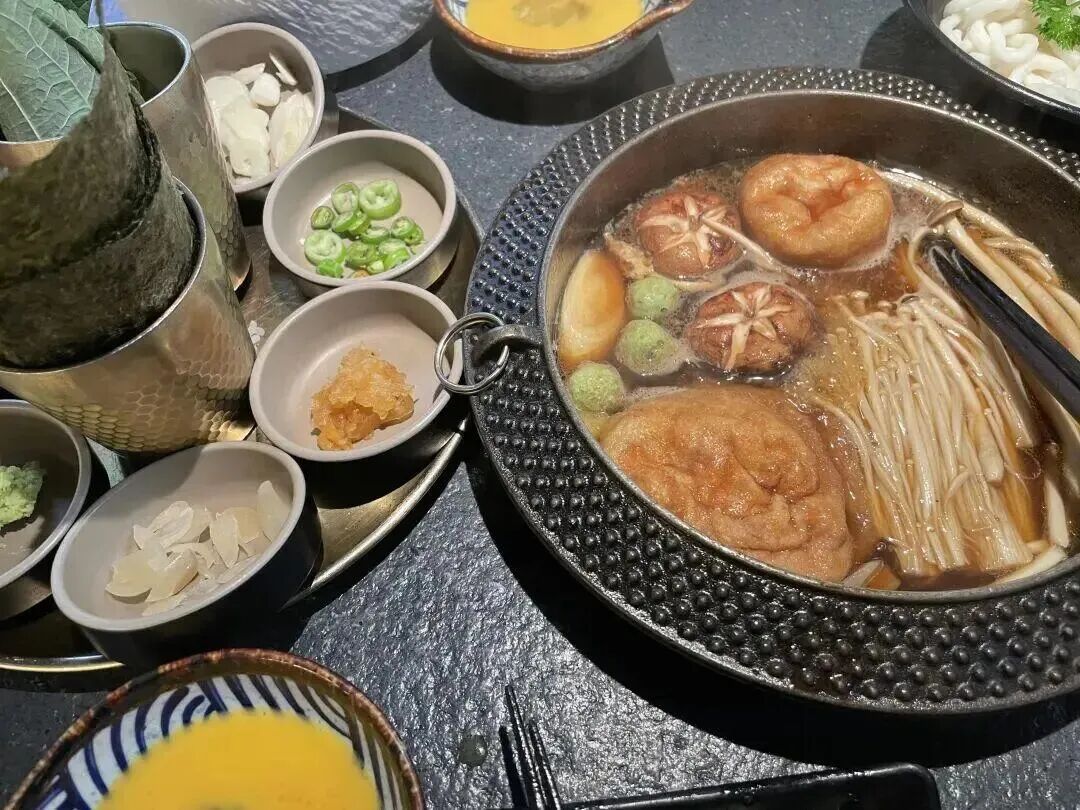
For example, New Niu Sukiyaki and Yixu focus on the sukiyaki category, and are among the brands with the longest queuing lines in shopping malls on weekends. They have greatly narrowed their product lines, so that costs can be focused on key ingredients such as beef and seafood, and then the menu is enriched with different parts, grades and collocations. Their core products include M-grade Wagyu, snowflake beef, as well as abalone, eel, oyster, imported scallops and other ingredients.
△ Image source: Photographed by RedCatering
Big Pizza, for example, centers on the core category of pizza, and extends a variety of flavors and collocations. In addition to pizzas with different flavors such as durian and meat, the store also provides fried food, salads, Chinese hot dishes, pasta, desserts and other products. Big Pizza controls its price at about 79-89 yuan, and now has more than 400 stores.
There is also the self-service barbecue brand Stray Bubble Barbecue which focuses on "original cut beef brisket", and now has opened about 600 stores; for self-service mini hot pot with a per capita consumption of 40-60 yuan and "more than 100 dishes for unlimited eating", many brands such as Weila Mini Hot Pot and Longge Self-service Mini Hot Pot have emerged.
The buffet market still exists, but its "signboard" is changing. For buffet brands, what they really need to consider is no longer "how much I can provide", but how to make the limited products attractive enough within the price that consumers are willing to pay, that is, "which category or which dish consumers will think of when they mention my brand."
This article is from the WeChat official account "RedCatering", author: RedCatering Editorial Department, 36Kr publishes this article with authorization.