It used to be packed every day but still went bankrupt, and the restaurant next to Nanchengxiang is now facing a reckoning from young people.
"Juewei's duck tongues are sold out, Li Na."
A single type of duck tongue unexpectedly gained massive viral traffic just because of the line "I trap myself in a self-made prison, Li Na" from the variety show *Post-Friend Period*, and its products were even snapped up by netizens until they were out of stock.
The protagonist Juewei responded to this viral trend extremely quickly this time: it joined the "duck tongue is getting popular" trend on October 26, released the "Fresh Promoter" preview on November 1, and immediately launched the "Li Na Same Style Duck Tongue" set meal, bringing another wave of positive momentum to the braised food track.
However, as a full-meal food for office workers, another category does not have such good luck: weight-based fast food. In 2023, weight-based fast food was the most promising track in the entire catering industry. The number of national stores once reached 80,000, with an average of more than 200 new stores opening every day.
Two years later, this number has dropped to more than 30,000, and nearly 60% of the stores have disappeared in this round of reshuffling. In 2023, opening such a store could last an average of 14 months, but now it can only last 6 to 7 months, and 40% of new stores cannot even survive for 8 months.
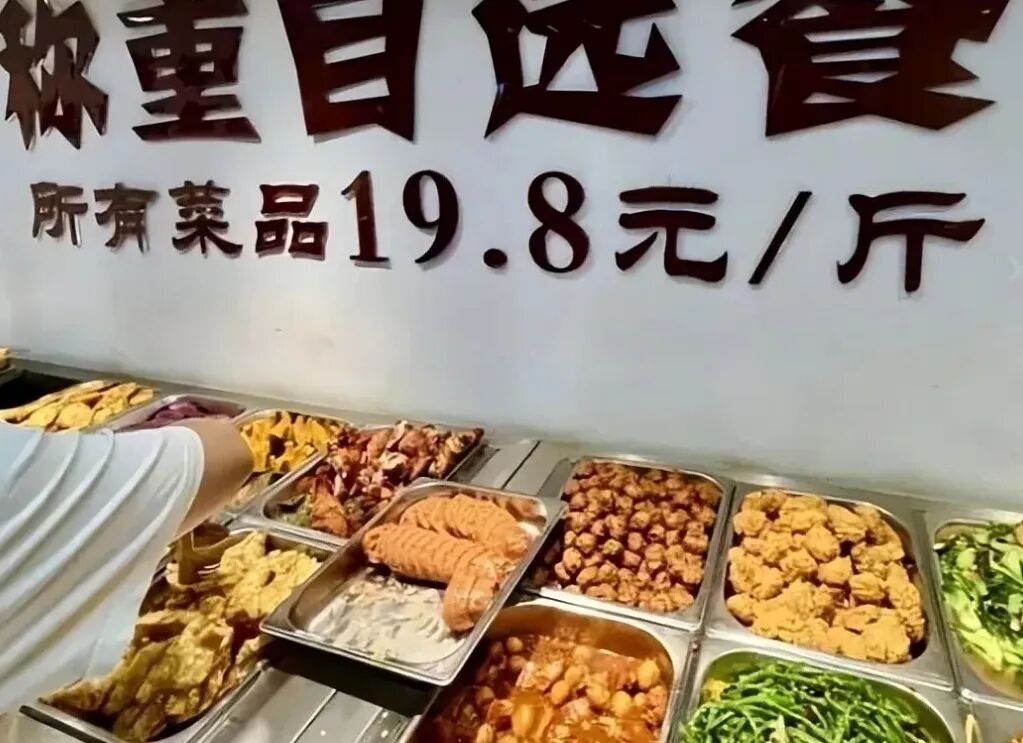
Store signs still read "cooked on the spot", "2.98 yuan per 50 grams", but notices of equipment transfer have been posted on the glass door. Many heat preservation counters and electronic scales are 90% new, and are being cleared out directly at scrap iron prices.
60% of the stores closed within three years, why can't the "fast food price gouger" sell well anymore?
Getting more and more expensive, can't people with a monthly salary of 20,000 yuan afford it?
Once "3.98 yuan per 50 grams" was the profit password for weight-based fast food.
The vast majority of Chinese people have no clear concept of "50 grams". They buy vegetables and meat by 500 grams, but in daily life no one will measure how much 50 grams is exactly. So when the number "3.98 yuan" is shown, people's subconscious reaction is that it is cheap.
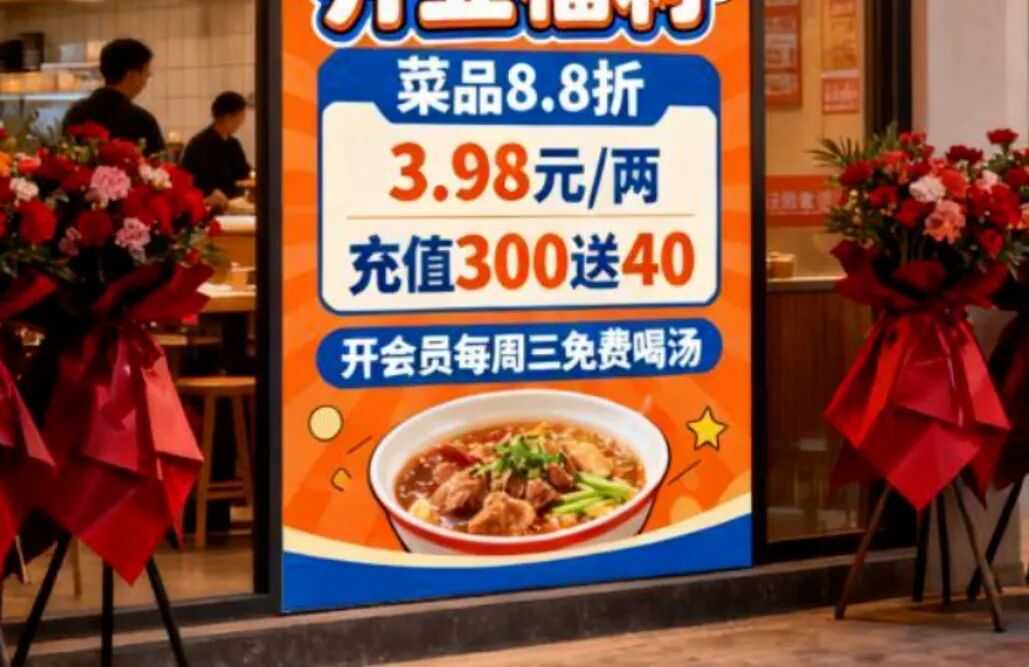
The logic of traditional fast food is to prepare set meals for users in advance, 2 meat dishes and 1 vegetarian dish for 28 yuan, but in weight-based fast food, dozens of dishes are placed there, and users can choose any combination they want.
Merchants targeted the pain point of users eating group meals: one person doesn't want to order two dishes that he can't finish, but also doesn't want to eat only one dish. Spending 20 to 30 yuan for a lunch with meat, vegetables and freshly cooked aroma sounds more cost-effective than fixed set meals.
More importantly, it also caught up with an important time node: the on-site cooking trend.
For example, Xiaonv Dangjia combined "open-kitchen on-site cooking + self-selected weight-based pricing" in Shenzhen. The stores of Mr. Rice that use the weight-based dish selection mode have a table turnover rate of 4.7 times, higher than the 4.3 times of ordinary stores of the same brand, and there are long queues of crowds in the stores every meal time.
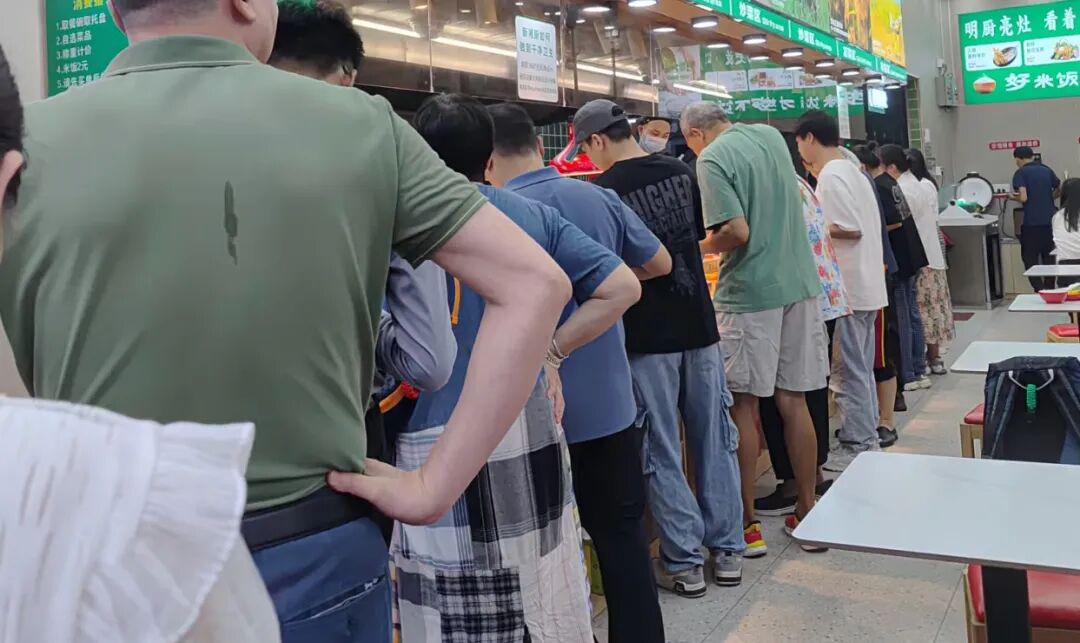
Weight-based fast food not only sells gimmicks, but also has slightly higher operational efficiency.
Traditional ordering requires waiting for waiters, waiting for order confirmation, waiting for food preparation. The process of weight-based fast food is to take a plate, pick dishes, weigh, and pay, which can be completed in dozens of seconds. For office workers in office buildings who only have one hour for lunch break, weight-based fast food perfectly meets their needs: no need to wait for meals, which can be called the "dream canteen" for office workers.
At its peak, Laoxiangji, Mr. Rice, Xiaonv Dangjia, as well as community canteens and smart selection restaurants across the country were all developing into this track.
Data shows that in 2023, the number of national weight-based fast food stores exceeded 80,000, competing openly with brands like Nanchengxiang for users. Many people even thought that "self-selected weight-based pricing is the future of Chinese fast food."
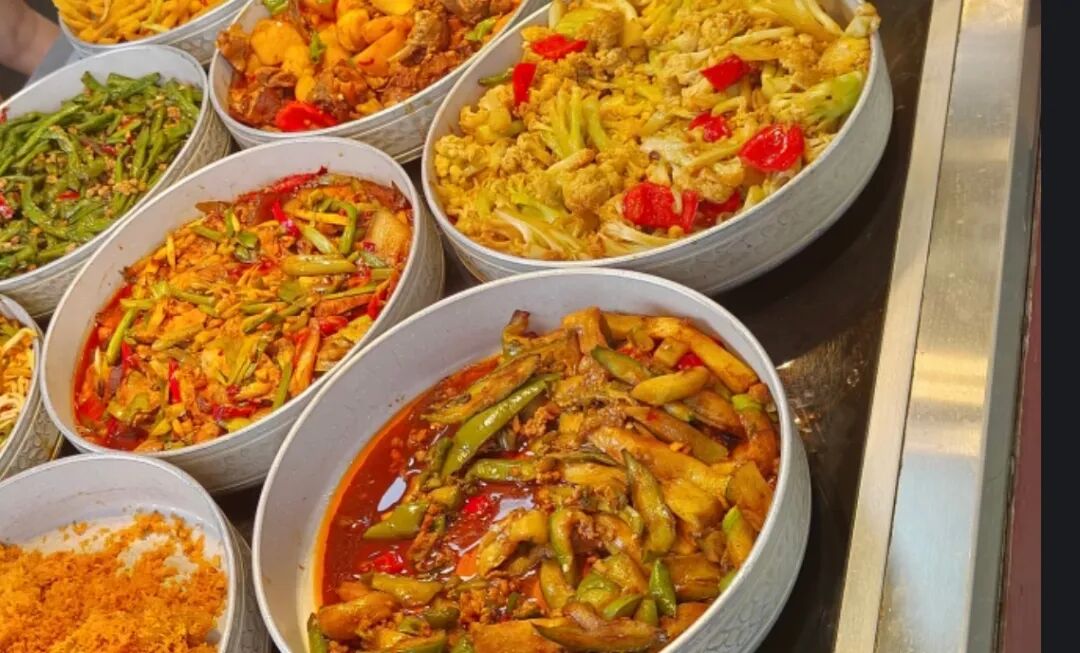
However, as more and more stores opened, many people gradually found that things began to go wrong.
It sounds like a good price on the surface, but once customers convert the unit, they will find that 2.98 yuan per 50 grams means nearly 30 yuan per 500 grams, which is enough to buy more than 1 kilogram of pork in the vegetable market.
More critically, this pricing system also has a design of "same price for meat and vegetarian dishes". It sounds fair, but it is actually not cost-effective.
Tomato scrambled eggs have soup, mapo tofu is thickened with starch, these dishes weigh the same on the scale, but customers pay the same price. Customers think they are picking vegetarian dishes, but they are charged the price of meat dishes when checking out.
The really uncomfortable part comes at the end. The dishes are picked by the customers themselves, but the price does not appear until the plate is placed on the scale. The price displayed on the screen is as high as 38.8 yuan, and users can't return the dishes at this time, calling it "fast food price gouger".
As netizens said, eating weight-based fast food with a monthly salary of 20,000 yuan makes people feel "backstabbed by capital".
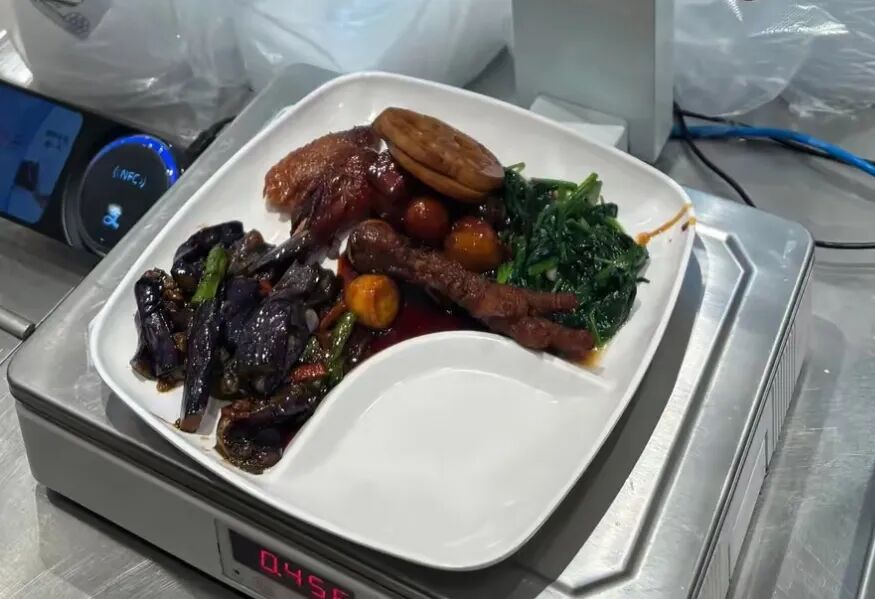
Data from iiMedia Research also confirms this point. In 2026, more than half of the affordable lunch price range accepted by office workers is concentrated between 21 and 30 yuan, and they will instinctively resist prices over 30 yuan. However, picking a few dishes randomly in weight-based fast food will cost more than 30 yuan, and a little more will directly cost 40 to 50 yuan, which obviously exceeds customers' psychological budget.
It was clearly the king of fast food, but it gradually became a "price gouger".
The wordplay of weighing has exhausted all trust
If it was only expensive, this industry would not have collapsed so quickly.
What really makes customers complain is the information asymmetry problem. Someone did an actual test: for the same plate of dishes, the price can differ by more than 10 yuan if you place it loosely or press it tightly; some stores do not deduct the self-weight of the plate, and weigh the plate together with the dishes first.
Customers stand in front of the food counter thinking they are picking dishes, but in fact they are playing a game of asymmetric information with the store owner.
After being scammed several times, young people quickly summed up a new set of countermeasures: do not pick dishes with soup or bones, drain the soup before putting them on the scale, only pick leafy vegetables for vegetarian dishes and avoid potatoes and eggplants. A person who just wants to have a good lunch was forced to become half a "anti-counterfeiting expert".
However, what makes these young people dumbfounded is that the scale itself began to "play tricks".
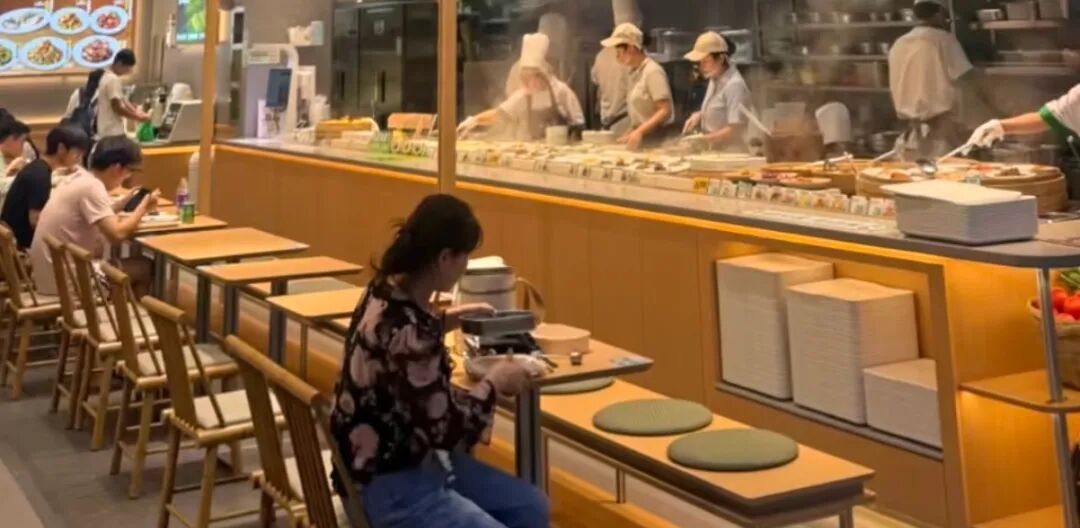
There are many common operations circulating in the industry: some merchants do not deduct the weight of the plate, weigh the plate together with the dishes first, use thickened clips that weigh 30 to 40 grams alone, and directly pour the dishes with all the soup and water into the plate.
There are even more direct operations of refitting electronic scales. It has been found in some places that entering "5588" can activate the cheating function of the scale, and M1 to M5 can increase the weight by 10% to 25% respectively. Redcay.com once disclosed that the pass rate of electronic scales in weight-based fast food stores in some areas was once less than 80%.
After this scandal was exposed, it did not only destroy a single store, but also affected the reputation of the entire category. After being overcharged once in a store, customers will not only blacklist that store, but also avoid all "weight-based fast food" stores.
Industry data shows that the repurchase rate of weight-based fast food has dropped all the way from 65% at its peak to around 30%, and more than 60% of consumers clearly stated that they will not come back after eating once.
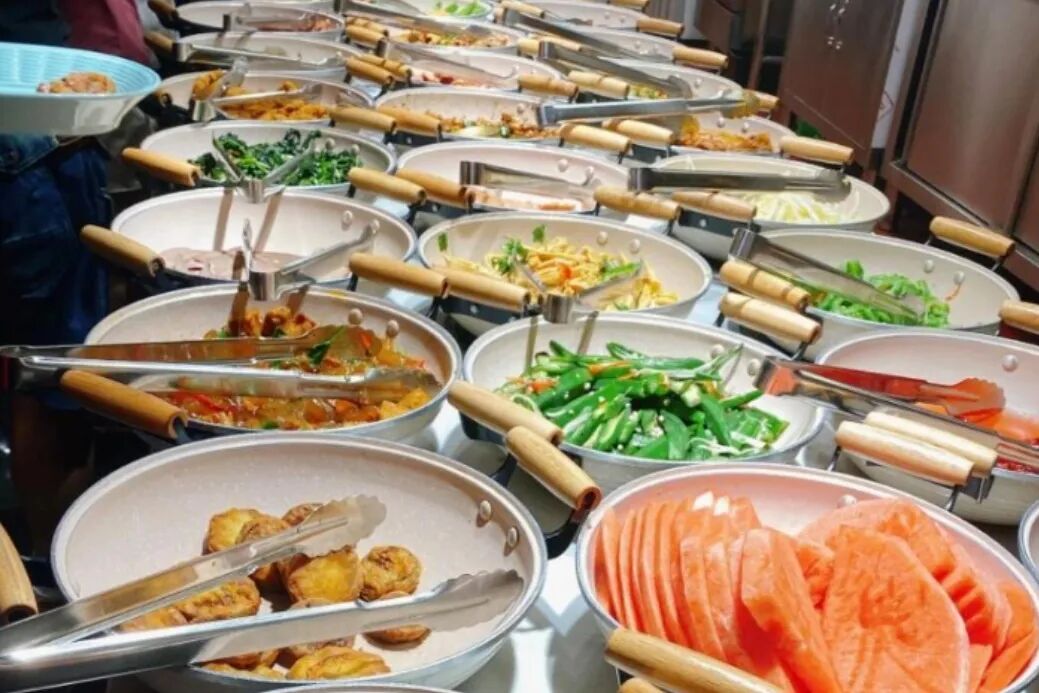
The catering business relies on returning customers. It takes a long time to build trust, but it only takes once to collapse. In 2023, the number of national weight-based fast food stores reached 80,000, with an average of more than 200 new stores opening every day. By the end of 2025, only 32,000 remained. Nearly 60% of stores closed in two years, and the average new store only survives 6 to 7 months, less than half of the lifespan of traditional fast food stores.
Therefore, when the open-kitchen on-site cooking becomes "openly overcharging customers", the wave of store closures begins.
It is not the peers that defeated it, but "information asymmetry"
Many people attribute this defeat to consumption downgrade, or to competitors like spicy hot pot and rice topping dishes grabbing market share, but in fact these are not the root causes.
The real cause of death for weight-based fast food is that it started with information gap, then turned this information gap into a routine, and finally was collectively avoided by young people.
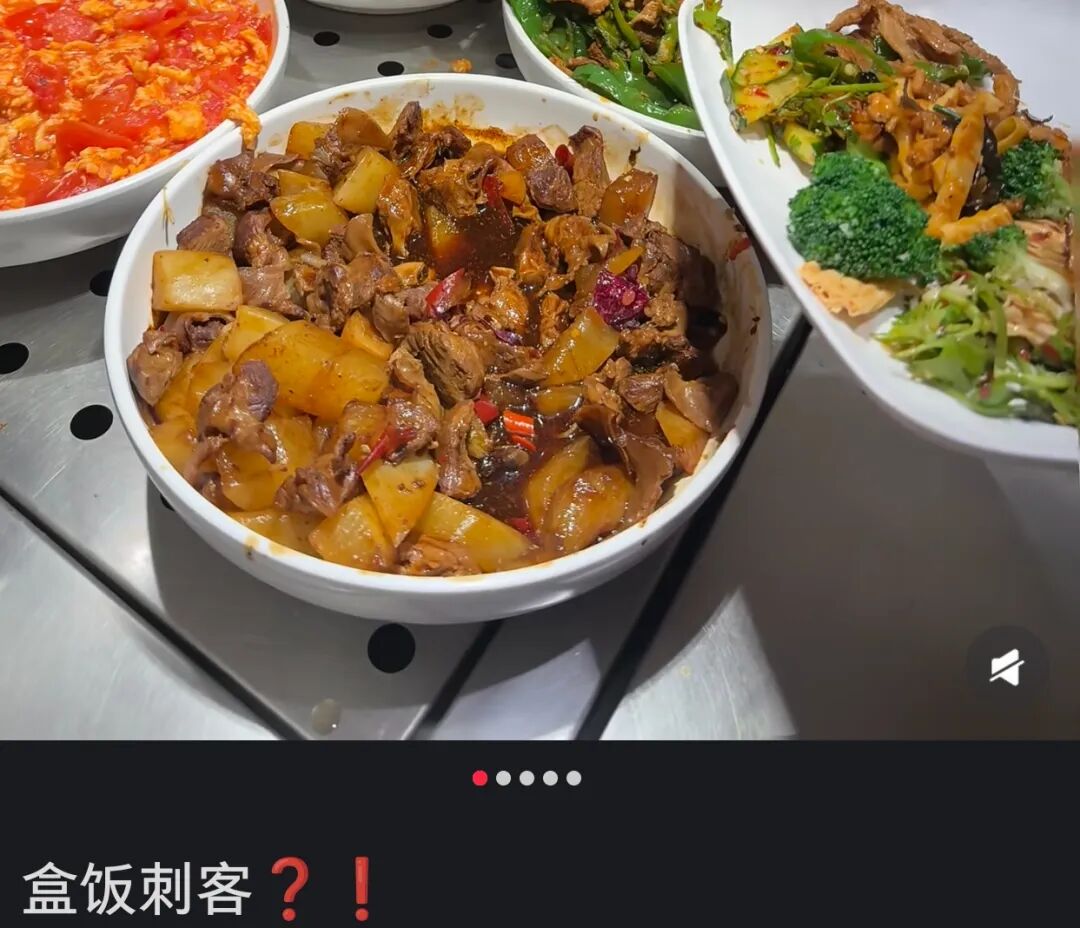
On the one hand, what young people want is certainty.
The rice topping dish downstairs costs 18 yuan for 2 meat dishes and 1 vegetarian dish, and the noodles with soup at Shaxian Delicacies costs 15 yuan. Customers know exactly how much they will spend even if they order with their eyes closed. But the price of weight-based fast food is only displayed at the last step, customers have no price reference when picking dishes, ordering dishes is like buying a blind box.
In the short term, merchants take advantage, and they earn one more yuan for every extra chopstick of dishes customers pick. But in the long run, the dividend of information gap can only be enjoyed once. Customers will not come back once they feel cheated.
On the other hand, the cost structure of weight-based fast food is also the most easily misunderstood part by outsiders. On the surface, it seems to be a good business: customers pick dishes and carry plates by themselves, which even saves the labor cost of ordering.
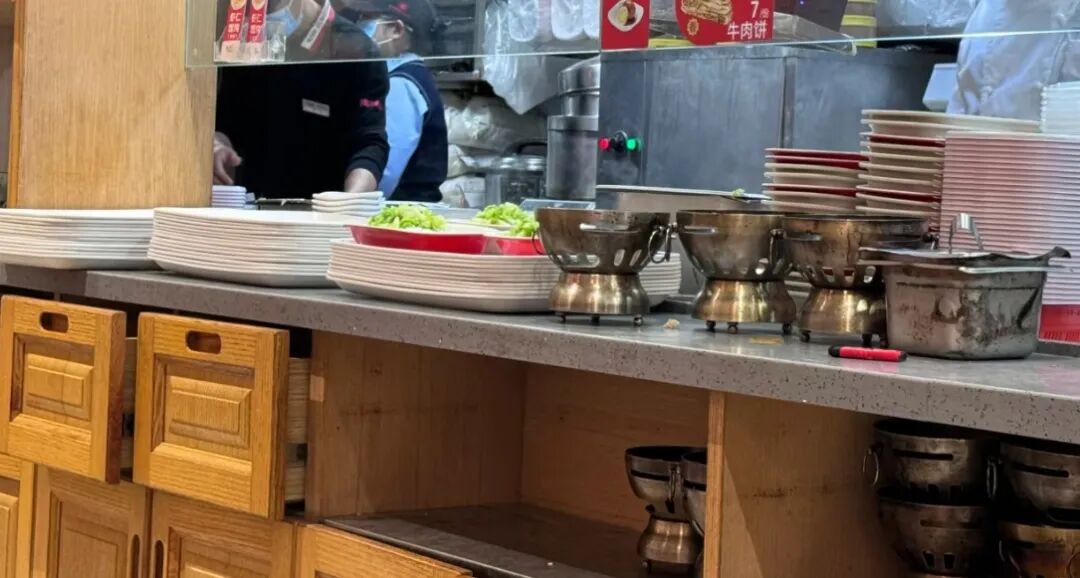
But these layman small business owners only find out after entering the industry that there is a huge hidden pit: in order to make the food counter look rich, at least 20 to 30 dishes need to be displayed, each of which needs to be cut and prepared, cooked on site and kept warm. At the same time, in order to ensure the variety of dishes, the operation mode of the back kitchen is also more heavy. A small 60-square-meter store needs 3 to 4 cooks plus 2 dish preparers in the back kitchen, and 2 to 3 people in the front hall to serve dishes and collect payments, requiring a total of 8 to 9 people.
Coupled with costs such as office building rent, open-kitchen equipment, electricity bills and labor, the pressure on many entrepreneurial bosses is getting higher and higher. So a vicious circle is formed: if you want to control costs, customers will feel cheated, and the more you sell, the more you lose.
In fact, this is not a new catering species at all, it is just a pseudo-trend packaged with the concept of "on-site cooking + weight-based pricing".
When the trend came, countless laymen poured in, franchisees poured in,