Waymo no longer wants to be a "technology supplier"
Waymo's recent moves seem somewhat contradictory: on one hand, it is partnering with Toyota to build Robotaxis in Japan and the UK, and on the other hand, it has confirmed that it will cut ties with Uber in 2028 to operate independently.
But when you combine these two events with Waymo's intensive layout over the past two months, a clear strategic outline emerges: Waymo is accelerating its transformation from an "autonomous driving technology company" to a "global mobility platform".
It does not just want to sell mileage; it wants to own its users.
Toyota is more than a contract manufacturer, it is a global entry ticket
First, let's look at the Toyota deal.
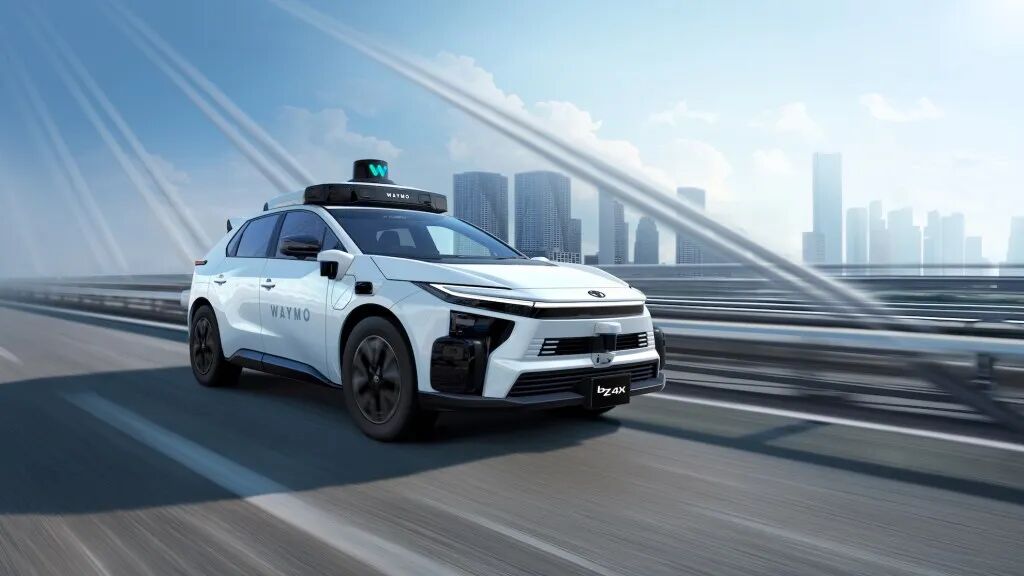
On October 30, Toyota and Waymo officially announced an expansion of their partnership. The core information is very clear: Toyota will produce the bZ4X equipped with Waymo's autonomous driving system at its Takaoka Plant in Japan, launch test operations in Japan in 2027, and later roll out the model to right-hand drive markets such as the UK.
There are several key details here.
First, this is not a simple "buy a car and modify it" arrangement. Toyota's production line directly integrates Waymo's hardware, with the entire process from assembly to integration completed in the same factory. This means Waymo's autonomous driving kits are entering the genuine mass-produced vehicle manufacturing process, rather than being modified manually in small batches like the early Jaguar I-Pace.
Second, the choice of Japan and the UK is extremely logically precise. Both regions are right-hand drive markets, with road rules, traffic density and urban forms completely different from those in the United States. Waymo has accumulated more than 2.7 million miles of safe driving data in the US, but right-hand drive markets are a completely new test paper. Toyota's home advantage in Japan, its understanding of local regulations, and the existing testing foundation in the UK (Waymo has been testing with the I-Pace in London for several months) constitute the most labor-saving path for Waymo's overseas expansion.
Third, Toyota wants more than just contract manufacturing. The two sides explicitly stated that they will continue to explore the introduction of Waymo's technology into privately owned Toyota vehicles. This sentence leaves far more room for imagination than Robotaxis. If Waymo's Driver can eventually be installed in consumer-grade Toyota vehicles, that will be the real large-scale deployment.
In short, Toyota helps Waymo solve the problems of "where the vehicles come from, how to manufacture them, and how to expand overseas". What Waymo needs to do is to make its autonomous driving system cheap enough and reliable enough.
Breaking away from Uber is only a matter of time
Now let's look at the Uber side.
On November 4, Waymo Co-CEO Tekedra Mawakana confirmed: Starting from January 2028, Waymo will end its exclusive partnership with Uber in Austin and Atlanta, and directly serve passengers through its own app instead.
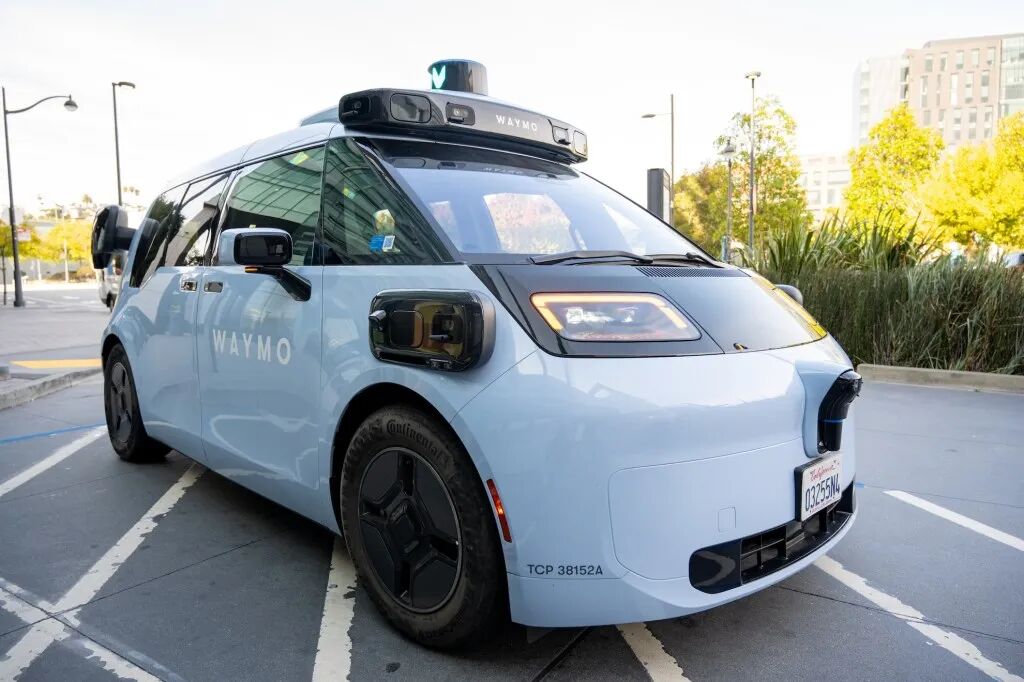
Mawakana's explanation is very straightforward, even a little dismissive: "When users call a ride through Uber, they have no idea whether a Robotaxi or a human driver will arrive, and the experience is like 'taking a chance'." She added: "Building a direct relationship with passengers is very important to us, and this is feedback we get from passengers."
Translated into plain language: the Uber channel may have a low customer acquisition cost, but the brand belongs to Uber, the user data belongs to Uber, and the control of the experience is also in Uber's hands. Waymo has spent several years running through the model with its own app in multiple cities across the US, and it already parted ways with Uber in Phoenix long ago. Now Austin and Atlanta are just the last two steps.
What's more subtle is the timing. The contract was originally set to expire in May 2028, but Waymo chose to launch its own app as early as January, four months in advance. This means the two platforms will run in parallel during the transition period before the contract ends. Waymo obviously does not want to wait, and it wants to migrate users to its own pool as soon as possible.
It is unclear what Geely, which just announced a partnership with Cao Cao Mobility, will think of this? What about Pony.ai, which has long been deeply tied to Uber?
Uber's response is also very interesting: it was Waymo itself that was unwilling to add a dedicated "call Robotaxi" entry in the Uber app. In other words, Waymo does not even want to give Uber users one extra step of choice, what it wants is exclusive brand recognition.
The real hidden card of the past two months: capital, territory and scale
Pull back the camera, and you will find that the two news about Toyota and Uber are just the tip of the iceberg.
On October 8, Waymo completed a $5 billion debt financing, which is its first debt financing in history. The fact that a company under Alphabet is taking out loans shows what? It shows that the capital expenditure for expansion has become so large that the company does not want the parent company to cover all the costs, and it also shows that Waymo has begun to operate under the financial logic of a "large-scale enterprise".
In the middle and late October, Waymo expanded its territory on an almost weekly basis: on October 21, it opened services in San Antonio, San Diego and Tampa; on October 27, it accessed the Las Vegas Airport; on October 28, it expanded its service areas by nearly 250 square miles across five cities within a week. Back in September, it also announced its entry into Singapore and Toronto, with Madrid also on the roadmap.
The September safety report paves the way for all of this: covering 2.7 million miles of fully autonomous driving operations, the number of serious injury accidents is 95% lower than that of human drivers. This set of data is the hard currency that Waymo uses to negotiate with regulators in various countries.
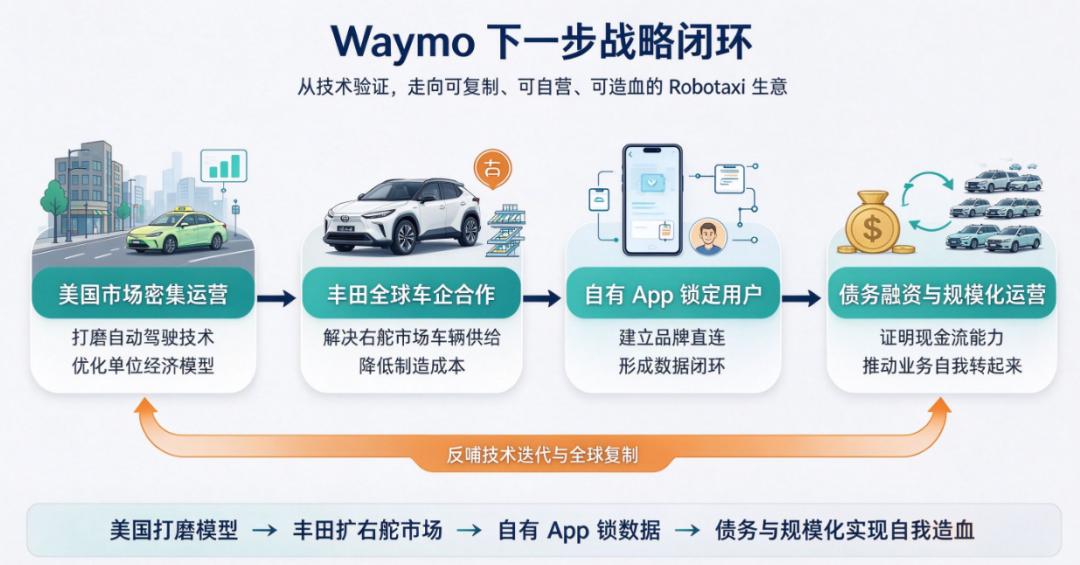
Putting all these pieces together, Waymo's roadmap becomes very clear:
Polish the technology and unit economic model through intensive operations in the US market → solve the vehicle supply and manufacturing cost problems in right-hand drive markets with the help of global automakers like Toyota → lock in user brand recognition and form a data closed loop through its own app → prove that this is a self-sustaining business through debt financing and large-scale operations.
Prediction: What will Waymo do next
Based on the above logic, in the next 6 to 12 months, Waymo will most likely do the following things:
First, announce more "automaker + market" partnerships. The Toyota bZ4X covers Japan and the UK. The next suspense is: what vehicle will be used for left-hand drive markets in Europe? The Hyundai IONIQ 5 is already under testing, but what Waymo needs is partners that can integrate its system into mass production lines and achieve large-scale deployment. The launch schedules in Madrid and Singapore will force it to finalize the second or third global vehicle platform as soon as possible.
Second, the internationalization of its own app will be advanced. Waymo currently has no direct consumer-facing brand presence outside the United States. If test operations in Japan start in 2027 and the UK gets regulatory approval, Waymo will very likely use its own app from the very beginning in these markets, instead of taking the detour of "launching on a local platform first". It does not want to repeat the lessons it learned from Uber.
Third, it will start to use cost data to tell its business story. The $5 billion debt financing means repayment pressure, and Waymo needs to prove to the capital market that the per-order cost is declining. Toyota's mass-produced vehicles and the streamlined sensor suite of the 6th-generation Driver (the Ojai platform has been reduced to 4 LiDARs, 6 radars and 13 cameras) are all levers to reduce costs. The next step is likely to be the active disclosure of data on "per-mile cost" or "vehicle manufacturing cost".
Fourth, its relationship with Uber will become purely competitive. After Austin and Atlanta, Waymo will no longer have any exclusive platform partnerships in the US. Uber will attract other AV companies to fill the gap, but Waymo no longer cares — its goal is to make users open the Waymo app "because it is Waymo", not because "this is a ride called by Uber".
At the end of the day, Waymo has spent seven or eight years proving that autonomous driving can run safely. Next, it needs to prove another thing: can an autonomous driving company also become a mobility brand that people are willing to open, trust, and pay directly for.
Toyota helps it build vehicles, and Uber has given it valuable lessons. Now, it wants to go its own way.
This article is from the WeChat Official Account "Shan Zi", written by Rayking629, and published by 36Kr with authorization.