Chui Ge is getting old, and so is the golden age of indie games | Play something good
By Er Ji
Chui Ge is getting old.
Over two months ago at the offline meetup of *Order of the Sinking Stars*, I met him in person for the first time. Apart from the excitement of meeting my long-time idol, those four words popped into my mind automatically.
*Order of the Sinking Stars* was officially launched on October 8. It is a puzzle game built on the core Sokoban gameplay, which continuously expands the possibilities of puzzles through combinations of different mechanisms. Developed for over a decade, it contains thousands of hand-crafted puzzles and provides hundreds of hours of gameplay content.
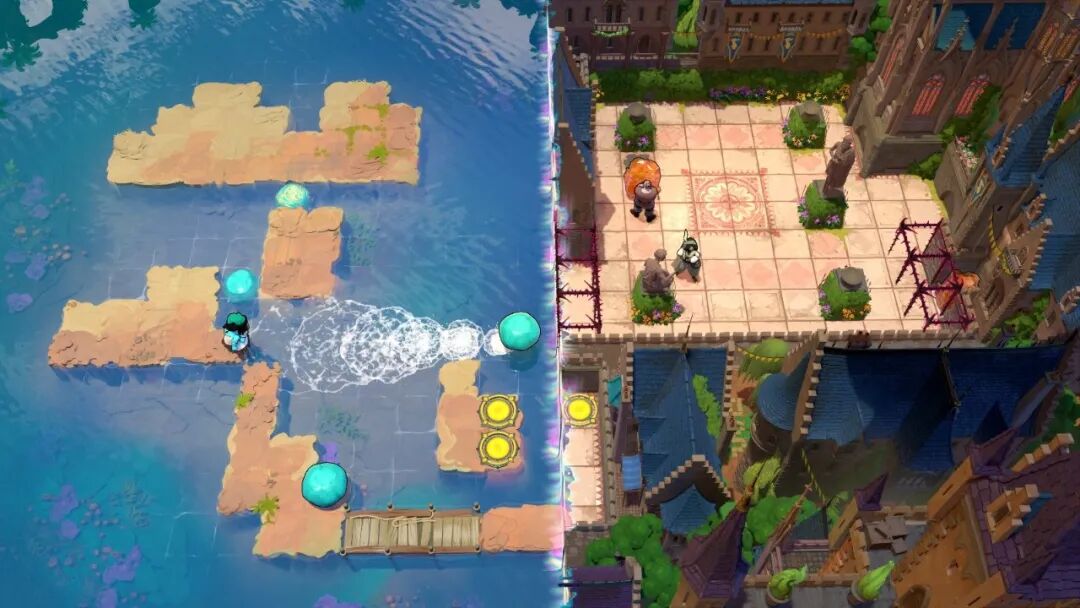
Screenshot of *Order of the Sinking Stars*
In one month, Chui Ge will turn 55. In China's game industry, the "35-year-old layoff" is a common urban legend frequently mentioned by practitioners, but he has devoted ten years to a single Sokoban game. No matter from which perspective, this is an incredibly crazy high-stakes bet.
But when it comes to Chui Ge, I don't find this surprising at all.
My impression of Chui Ge largely comes from the widespread stereotypes about him on the internet: the pioneer who kicked off the indie game era, a genius developer who disdains to please players, a maverick who goes against marketization, and a generator of radical opinions who surfs the internet at extremely high frequency. His radical remarks include that all social games are garbage, and *World of Warcraft* should never have existed...
But when I met the real Jonathan Blow, I found he was quite different from the "Chui Ge" described on the internet.
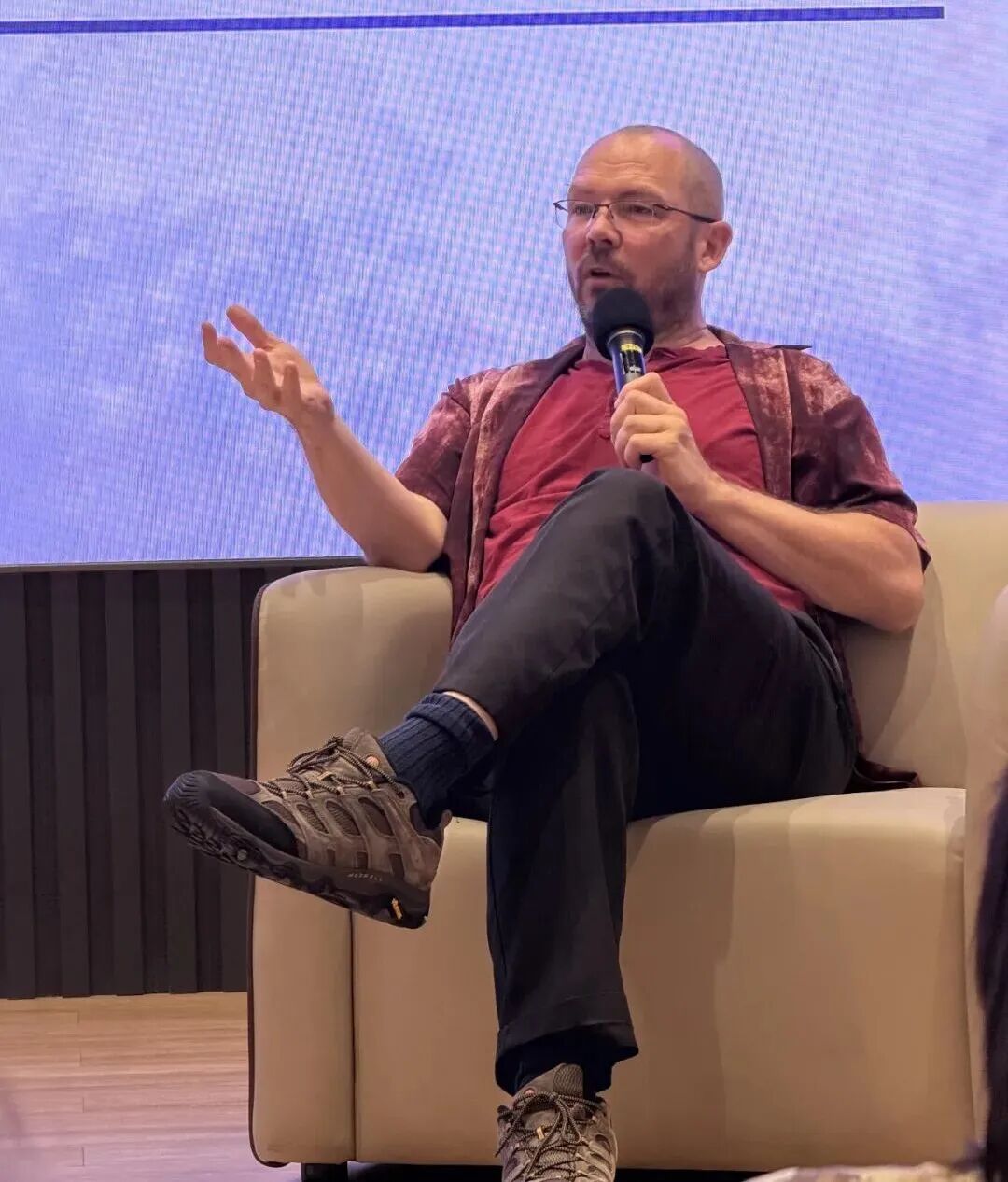
Scene of Chui Ge's meetup
Facing the excited players in the audience and fellow developers who regard him as their idol, he was visibly a little nervous. During the interview session, he must have been asked many of those questions countless times, such as questions about AI, and whether business will affect game design. But he still listened carefully to every question, rethought the answers, and responded earnestly.
I seemed to begin to understand that his so-called "unconventional" trait probably stems from his extreme rigor. The so-called "disinclination to please players" is not an attitude choice, but a reflection of his capabilities and values.
In 2008, Jonathan Blow's *Braid* was released, and soon became an unavoidable milestone in the history of indie games. While achieving commercial success, it once again proved the possibility of games as a medium, demonstrating that games are not just entertainment products, and developers can also express their own thoughts, emotions and philosophical inquiries through the gameplay itself.
At that time, the indie game industry was in a stage of wild growth. Apart from works of the caliber of *Braid*, the term "indie game" itself just needed a genius pure enough to define its temperament: there is no need to consider what the market wants first, creativity and thinking come first, and the expression can be sharp or niche.
More than ten years ago, Jonathan Blow fulfilled this role with *Braid*, and then consolidated his image with *The Witness*.
Ten years later, when it comes to *Order of the Sinking Stars*, many things are completely different.
01
According to the past 10-year market consensus on "indie games", *Order of the Sinking Stars* can hardly be classified into this category.
*Order of the Sinking Stars* took ten years to develop, containing more than 1000 carefully designed hand-crafted puzzles, which is the number after cutting more than half of the total puzzles during the production process. Almost all the remaining puzzles have been revised repeatedly, and some levels have even been adjusted more than a dozen times.
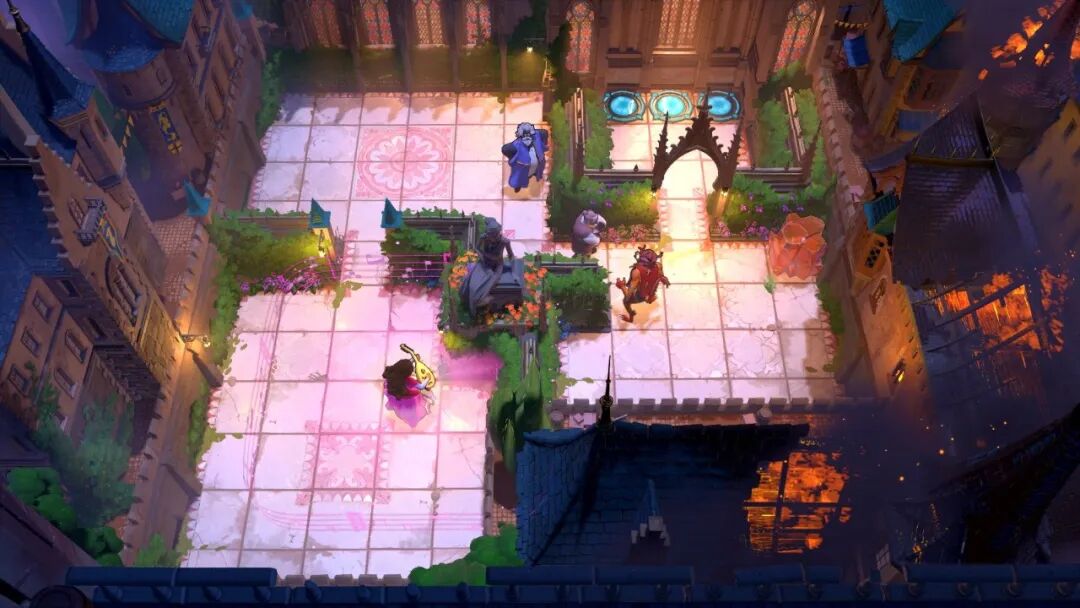
Screenshot of *Order of the Sinking Stars*
For traditional independent developers, a project of this scale is almost unthinkable. Not to mention that the team also developed a brand new programming language Jai from scratch, as well as a proprietary game engine.
In a podcast earlier this year, Jonathan Blow roughly calculated the accounts: the team's annual operating cost is between 1.8 million US dollars and 4.4 million US dollars. Taking the median value of 3 million US dollars, the cost over nine years would reach 27 million US dollars. Adding the R&D and marketing costs of the last year, the total cost of *Order of the Sinking Stars* may exceed 30 million US dollars, equivalent to 200 million RMB, which is enough to produce a 2A-level 3D action game.
The staggering content volume and cost have led to another change of *Order of the Sinking Stars* that is not very "indie": this is the first time Jonathan Blow has cooperated with a publisher.
The overseas distribution of *Order of the Sinking Stars* is handled by Arc Games, which also provided partial financial support. Jonathan Blow mentioned that this fund is crucial: without it, he could still complete the development, but the launch time would be greatly delayed, and the final quality would be difficult to reach the current level. In China, the distribution is in charge of Gamirror Games, which has previously released phenomenal domestic indie games such as *Dyson Sphere Program* and *Firework*, and has participated in many offline exhibitions recently.
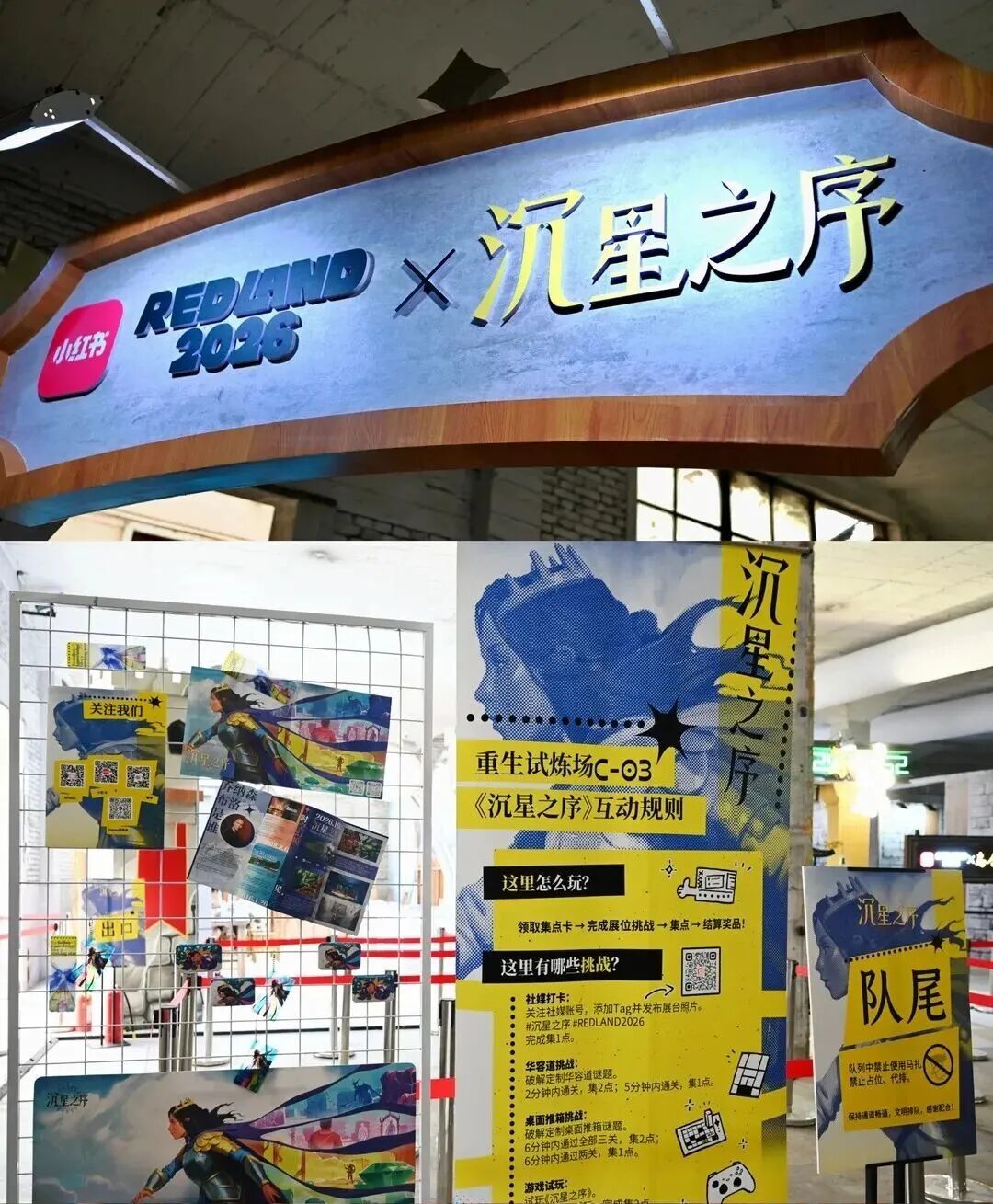
*Order of the Sinking Stars* exhibited at RED LAND
Of course, it is not just Jonathan Blow and his project that have changed. The R&D ideas, distribution models and market environment of the entire indie game industry have undergone fundamental changes.
In 2025, *Expedition 33* won both the Best Independent Game and Game of the Year at The Game Awards, which once again sparked discussions about "what kind of game can be called an indie game". In fact, such disputes have always existed: *Stray* in 2022, its publisher Annapurna Interactive is backed by the wealth of the Ellison family from the Oracle empire; *Dave the Diver* in 2023, its developer Mintrocket is a wholly-owned subsidiary of the South Korean gaming giant Nexon. These games can hardly be called "independent" in terms of resources, R&D pipelines and distribution systems, but they have all entered the market competition of indie games.
Behind the disputes is that the label of "indie game" is becoming broader and broader, so broad that it is almost losing its effectiveness. It can refer to works led by individual developers or small studios that explore the creative boundary with limited resources, it can also cover products with mature teams, sufficient funds and professional distribution systems that take commercial returns as an important goal, and it may also refer to accidental hits made in just a few weeks. The three types of works may have overlapping audiences and compete on the same platform, but they are hardly comparable in terms of R&D pipelines and design ideas.
At the same time, the competition on the Steam platform is fiercer than ever. Statistics from SteamDB show that 18,446 games were released on Steam in 2024, and the number further increased to 21,252 in 2025. As of mid-October 2026, the number of games released this year has exceeded 21,000.
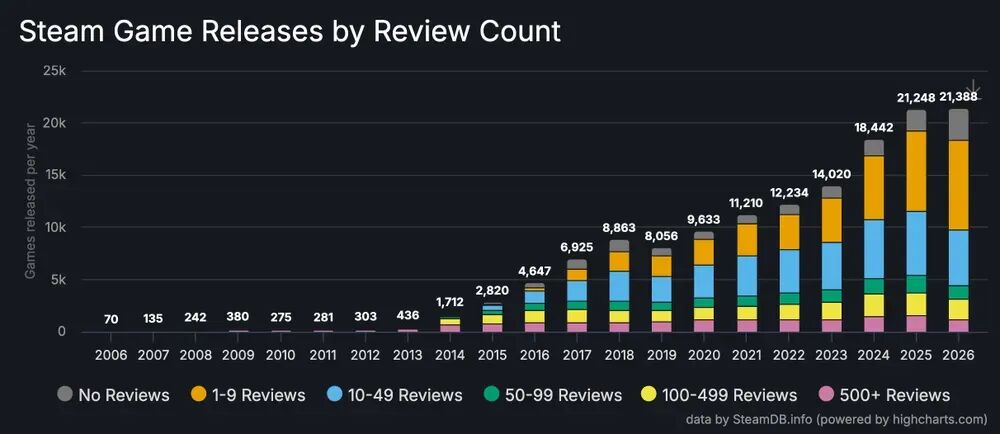
Number of games released on Steam, image from SteamDB
Jonathan Blow mentioned in the interview that one of the reasons for cooperating with publishers is that there are too many games available for players to access. Even for him, he cannot completely rely on the work itself to solve the dissemination problem.
The era when a work like *Braid* could naturally gain widespread attention and commercial returns just by its own excellence seems to have long passed. The probability of success for truly "pure-blood" indie games led by individuals or small independent studios is getting lower and lower. Most of these successful works have creative ideas and commercial paths that run counter to the game philosophy that Jonathan Blow adheres to.
Jonathan Blow created a curator list named "Good Games" on Steam, the vast majority of games in which were released before 2020, and only *Öoo* and *Duel of Generals* were released in the past three years.
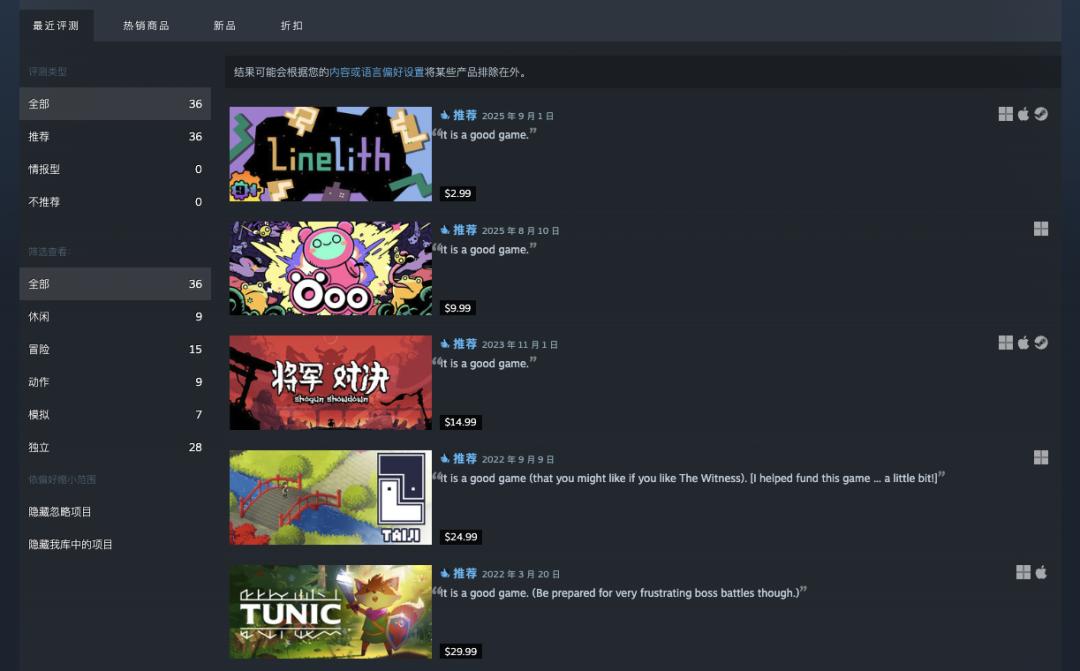
Jonathan Blow's "Good Games" list
The era represented by *Indie Game: The Movie* seems to be really fading away.
The last era was largely opened by a handful of geniuses. They include Jonathan Blow who made *Braid* and *The Witness*, Edmund McMillen who made *Super Meat Boy* and *The Binding of Isaac*, and Lucas Pope who made *Papers, Please* and *Return of the Obra Dinn*. The starting points of these works are high enough and unique enough to support the imagination and expectation of an era for indie games.
From this perspective, it is a better era now. Indie games have formed a relatively mature development and distribution ecosystem: small teams obtain funds and marketing support through publishers, and then reach the market with the help of digital platforms and communities. AI has also further lowered the technical and production thresholds.
But it is also a worse era. With intensified competition, players' attention is constantly pulled by endless new works, and independent developers have to pursue faster development rhythm and higher output efficiency. "Speed" has almost become the most frequently mentioned strategy in the indie game circle in 2026. The popularity of multiplayer casual creative games such as *PEAK* proves that short-cycle development, strong social experience and unexpected interactions suitable for dissemination are enough to make a small-scale game a commercial miracle.
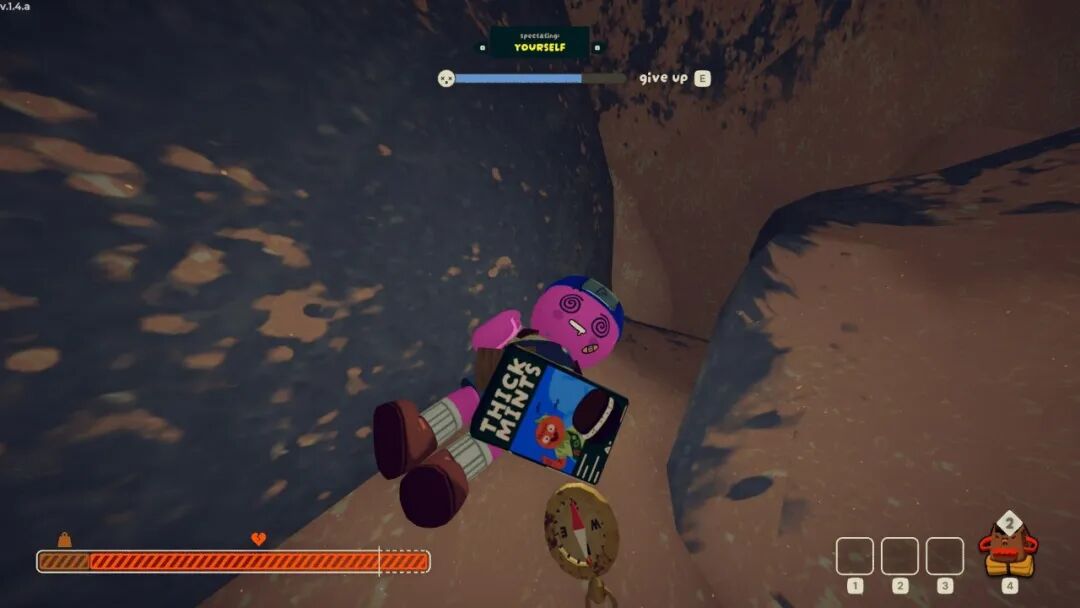
Screenshot of *PEAK*
In contrast, spending more than ten years polishing thousands of puzzles repeatedly has become an almost luxurious creative method.
*Order of the Sinking Stars* is almost a work that goes against the trend of the times, the afterglow of the golden age of indie games.
02
Let's talk back to *Order of the Sinking Stars*.
The market is changing, the industry is changing, but Jonathan Blow's game design philosophy has never changed. Although the content volume of *Order of the Sinking Stars* is very exaggerated, its creative idea is still very "indie game".
The basic gameplay of *Order of the Sinking Stars* is Sokoban. On a non-linear map that can be freely explored, the four directions correspond to four completely different sets of mechanisms respectively.
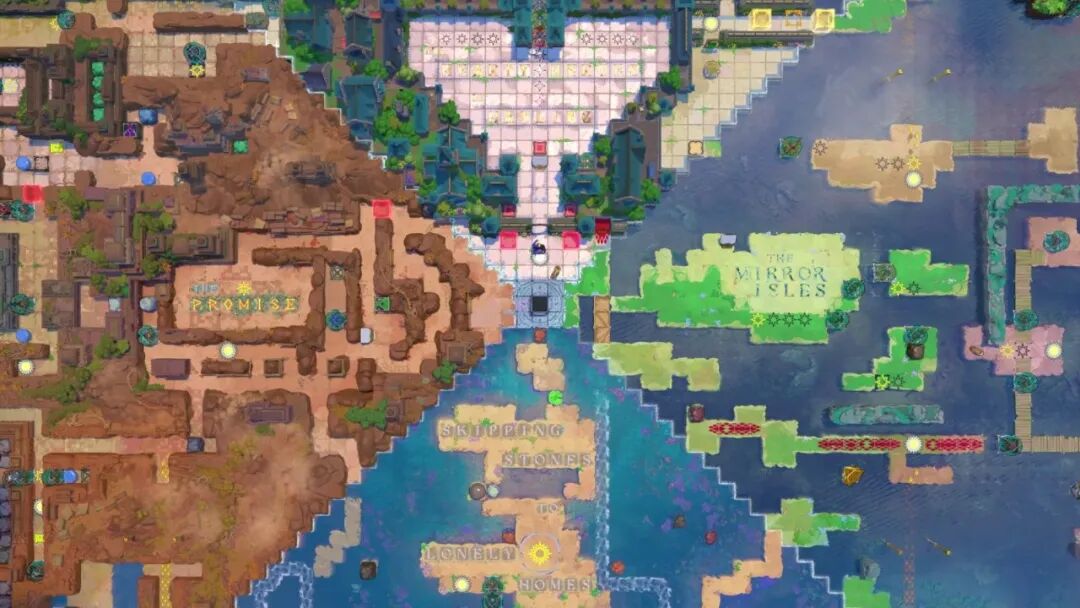
Map of *Order of the Sinking Stars*
The northern part revolves around the ability cooperation between different roles: the warrior pushes boxes, the thief pulls boxes, the mage can swap positions with the box, and the bard makes the box change position as he moves.
The eastern part uses mirrors to change the moving paths of characters and objects.
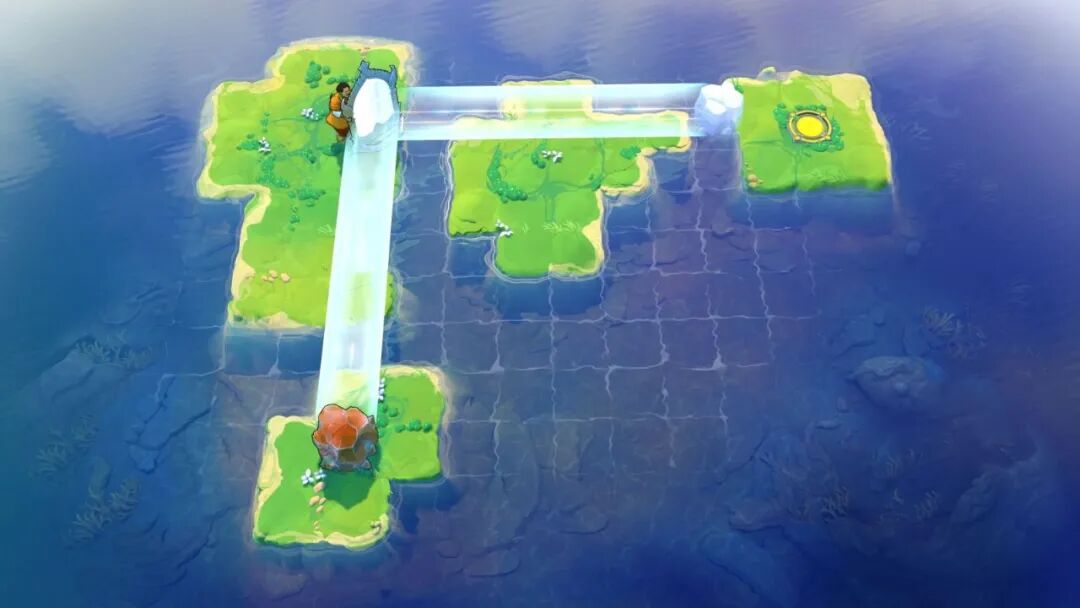
Screenshot of *Order of the Sinking Stars*
The "boxes" in the southern part become stones, which can move on the water by skimming across the surface. When the stone passes through the lotus leaf, it will change the movement trajectory of the lotus leaf, which creates many levels that require players to judge the timing.
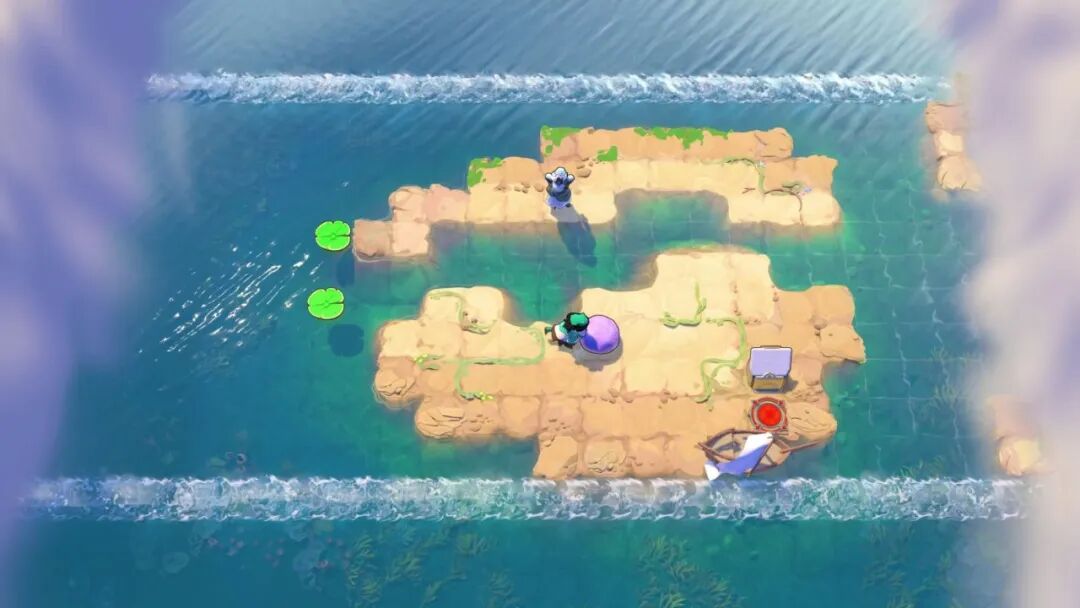
Screenshot of *Order of the Sinking Stars*
The western levels use light beams to explore caves and obtain gems. Characters gain different abilities in light beams of different colors: some can walk through walls, some can break stones, and some can teleport.
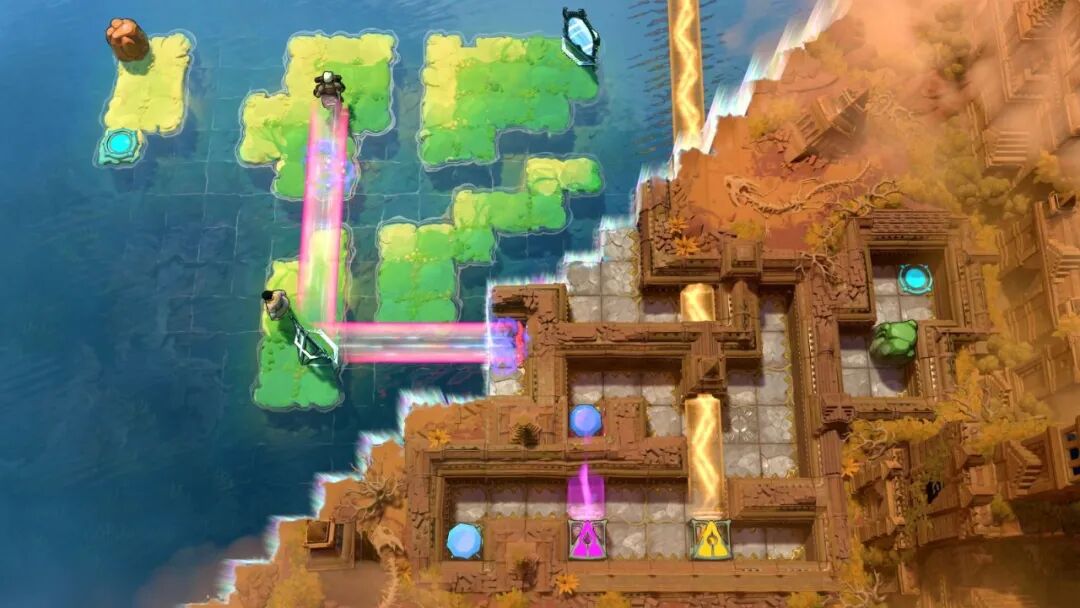
Screenshot of *Order of the Sinking Stars*
Each of these four sets of mechanisms alone is enough to support a