Ten years on from the launch of the "China Hero Project", did Sony Interactive Entertainment win its bet?
By Erji
The China Hero Project has gone through a full decade.
This decade is almost an exploration note of domestic console game development in China. The works of Phase 1 and Phase 2 have delivered remarkable results one after another. *F.I.S.T.: Forged In Shadow Torch* and *Metal Mutation* have received wide acclaim from the market, becoming benchmarks for domestic indie games.
There are also setbacks. The early exploration of VR games did not become the mainstream direction for subsequent development. *Lost Soul Aside* was finally launched after years of development, but its final market performance still fell short of the expectations accumulated before its release.
On November 3, Sony Interactive Entertainment (Shanghai) Co., Ltd. (hereinafter referred to as "SIE Shanghai") held a press conference for the "China Hero Project" in Shanghai, officially announcing that the support for selected projects in the fourth phase of the program has been upgraded again: each selected project will receive a project investment worth 1 million US dollars; at the same time, more strategic partners will be introduced to expand the global network, including DENMU and Solutions 2 GO (hereinafter referred to as "S2G"), to provide developers with more targeted professional services.
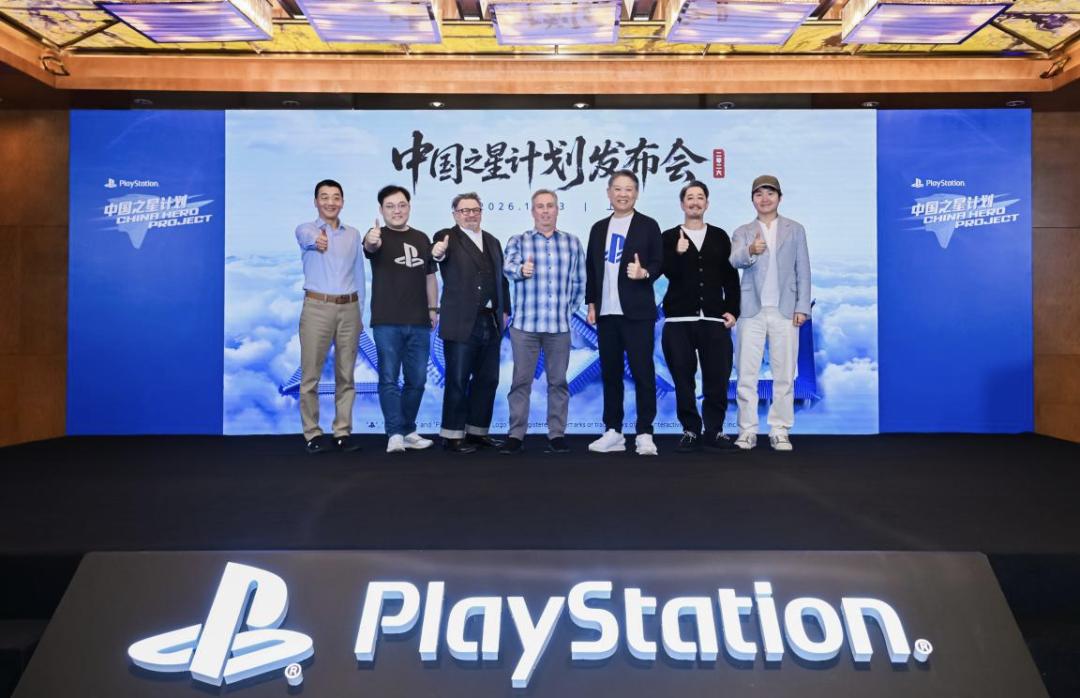
Group photo at the "China Hero Project" press conference
The question of "whether domestic teams can make high-quality standalone games" has been given a clear affirmative answer through ten years of exploration. What the industry is facing now is a group of teams with certain R&D experience who want to challenge higher production standards.
The question for the "China Hero Project" has also become how to identify potential projects that are more worthy of investment, how to polish the products at hand, and help them go further?
01
This press conference first revealed part of the progress of the third phase of the "China Hero Project". *Daba: Land of Water Scar* is scheduled to be released in spring 2027, while *Limen* is planned to be launched in 2027.
In July 2024, the selected games of the third phase of the "China Hero Project" were publicly unveiled for the first time. At that time, there was only one month left before the launch of *Black Myth: Wukong*, and global players' attention to domestic standalone games was pushed to a new height.
Like *Black Myth: Wukong*, the games in the third phase of the "China Hero Project" also show distinct cultural heritage: they draw inspiration from local Chinese culture and aesthetics, and transform these cultural materials into game works with competitiveness in the international market.
*Daba: Land of Water Scar* is a very representative case. The game takes a clay figurine as the protagonist, and constructs a world with oriental fantasy elements through images such as masks, water and bones. The story takes place in the ancient Guge city clusters, and both scene design and narrative integrate distinct regional cultural elements. It does not simply use traditional cultural symbols as decorations, but tries to make these materials part of the game's worldview.
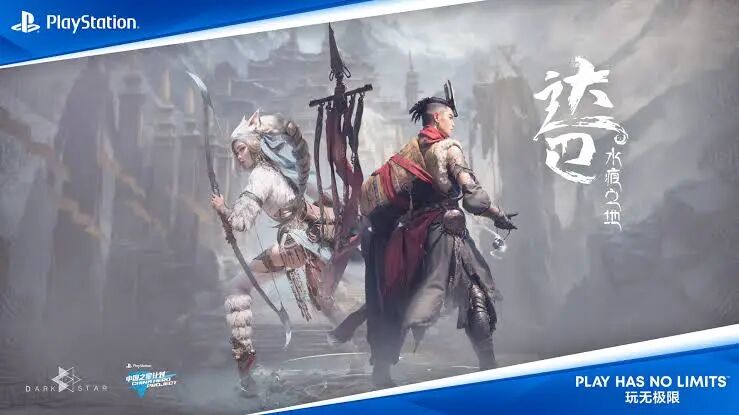
*Daba: Land of Water Scar*
In addition, *Loulan* is set against the background of the ancient Western Regions Silk Road, *Code: Jinyiwei* sets its story in the chaotic late Ming Dynasty, and *From the Wind* draws creative inspiration from traditional Chinese myths and demon legends. These Phase 3 projects all have relatively clear Chinese cultural backgrounds and aesthetic expressions.
Apart from cultural expression, the R&D accumulation of local teams in different types of games is also an advantage. *Juexiao* reflects the R&D capability of domestic teams in high-quality 3D ACG games. The game focuses on multiplayer open-world action gameplay, is developed with Unreal Engine 5, and focuses on presenting seamless large-world exploration and high-quality 3D action performance. At the press conference, SIE Shanghai announced that it will provide a project investment worth 1 million US dollars for *Juexiao*.
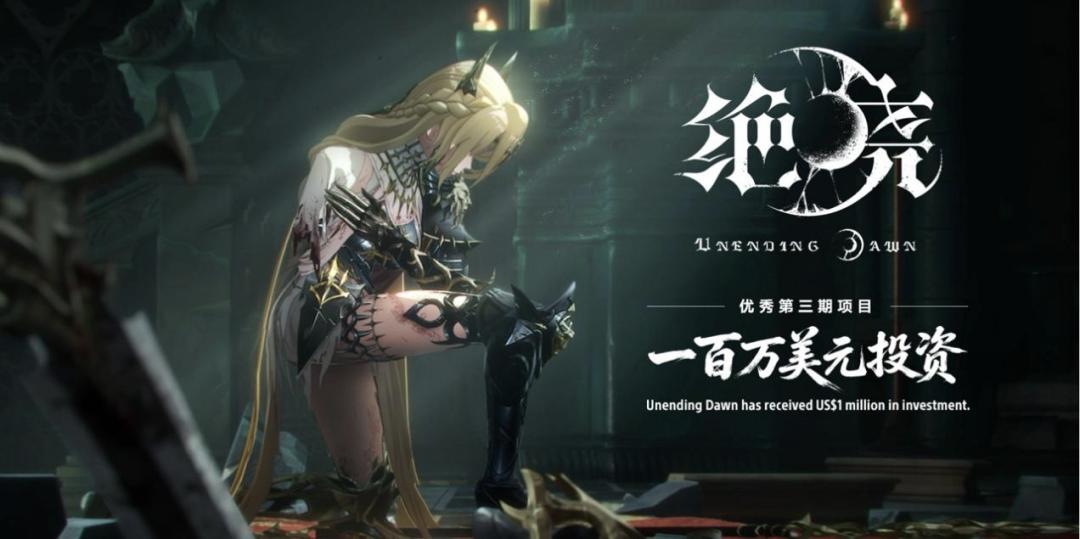
*Juexiao* received an investment of 1 million US dollars
Tatsuo Eguchi, Chairman and President of Sony Interactive Entertainment (Shanghai) Co., Ltd., shared PlayStation's mission and vision in China on site: "PlayStation wants to build a bridge for game cultural exchange connecting China and the world: actively bring overseas high-quality hardware products and game content to China to meet the diverse gaming needs of Chinese players; at the same time, deepen cooperation with local game teams to help more Chinese games go global through PlayStation."
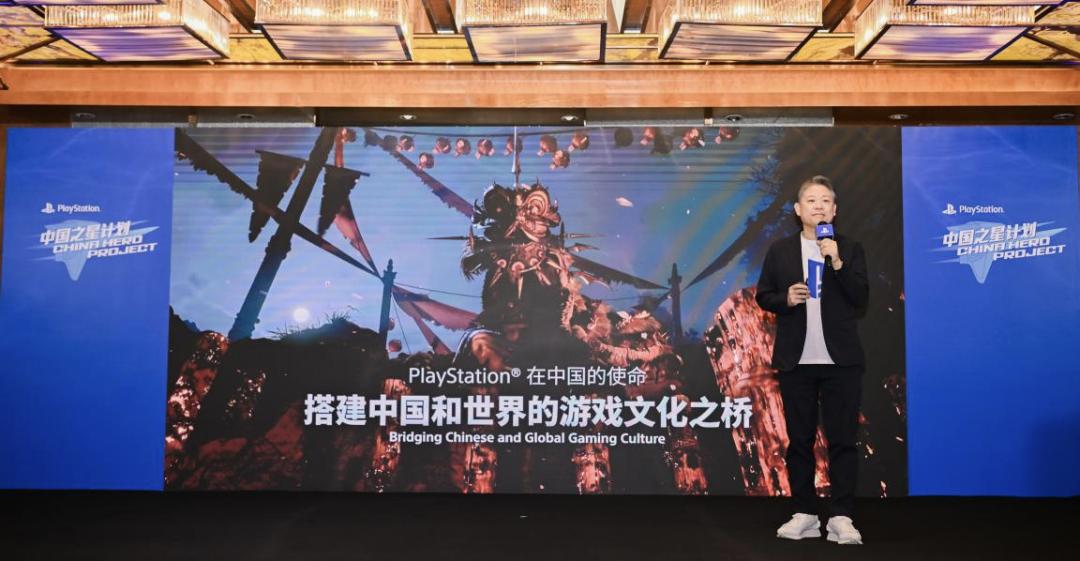
Tatsuo Eguchi, Chairman and President of Sony Interactive Entertainment (Shanghai) Co., Ltd.
02
If the early stage of the China Hero Project mainly focused on helping local teams lay a solid R&D foundation for standalone game development, ten years later, SIE Shanghai is already facing a group of teams that have accumulated certain R&D experience and hope to challenge higher production specifications. The support these teams need is also changing.
The first is capital. When the third phase was launched in 2022, SIE Shanghai promised to provide resource support worth about 1 million RMB for each selected project. In the fourth phase, this support has been upgraded to a project investment worth 1 million US dollars for each selected project.
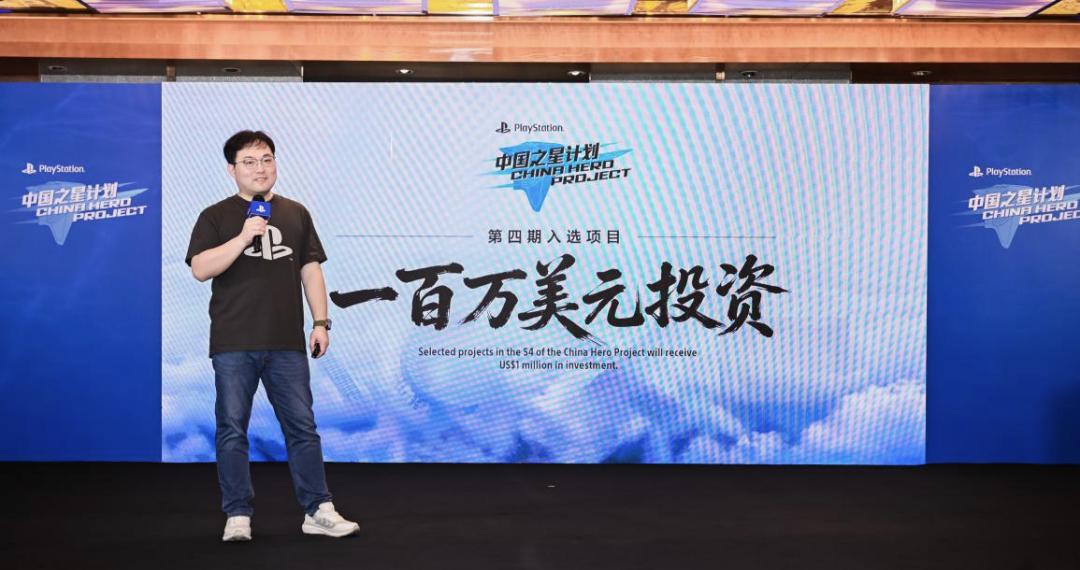
Bo Bao, Game Production Director of Sony Interactive Entertainment (Shanghai) Co., Ltd.
This sum of money is obviously not enough to cover the full R&D budget of a 2A or even 3A game. Bo Bao, Game Production Director of SIE China, explained on site that the significance of the 1 million US dollar investment is not only to supplement development costs, but also to strengthen the cooperative relationship with the development team through greater investment. This cooperative relationship itself can also serve as a kind of endorsement when developers seek external investment and distribution cooperation.
In addition to capital, the fourth phase has also introduced two new partners to further supplement resources for development and global distribution.
DENMU is an investment institution focusing on the global game industry. *Daba: Land of Water Scar*, developed by Dark Star Technology, is not only a selected work of the third phase of the China Hero Project, but also one of the projects invested by DENMU in China.
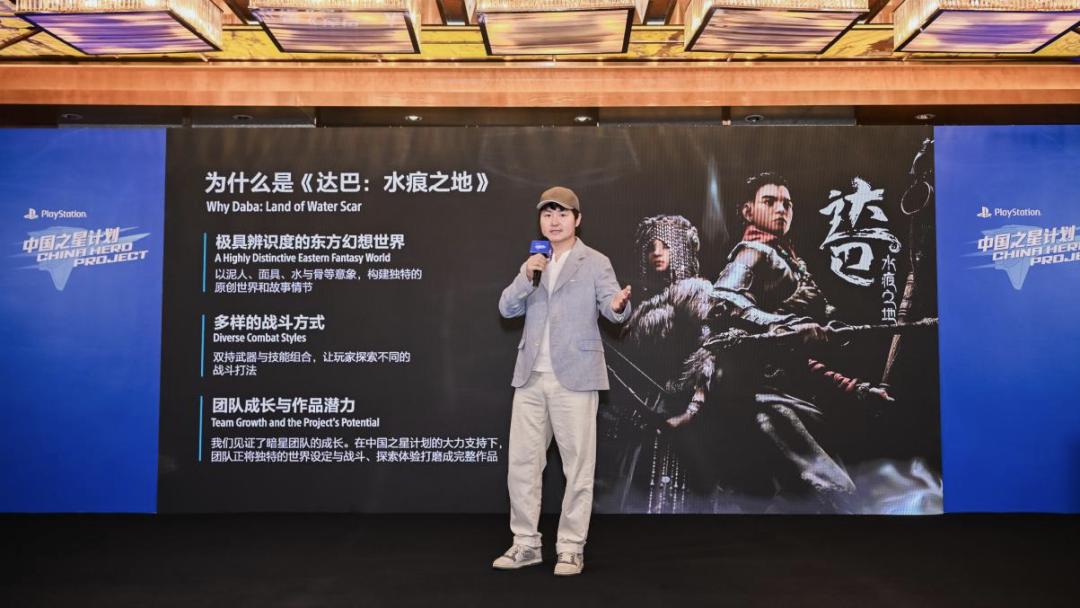
Rongchang You, Managing Partner & CEO of DENMU
The DENMU team also has rich experience in the game industry. One of its partners, David Brevik, is the co-founder of Blizzard North and the co-creator of the *Diablo* series. In the future, DENMU will work with the "China Hero Project" to provide strong support for Chinese game developers in terms of project funding, development assistance and marketing promotion.
The other partner, S2G, mainly complements the overseas distribution and distribution links. S2G is a full-service distribution company that has been cooperating with PlayStation for 22 years. S2G will assist in the distribution of the Phase 3 projects *Daba: Land of Water Scar* and *Limen*, helping the two games expand overseas distribution channels, especially resources in physical retail distribution.
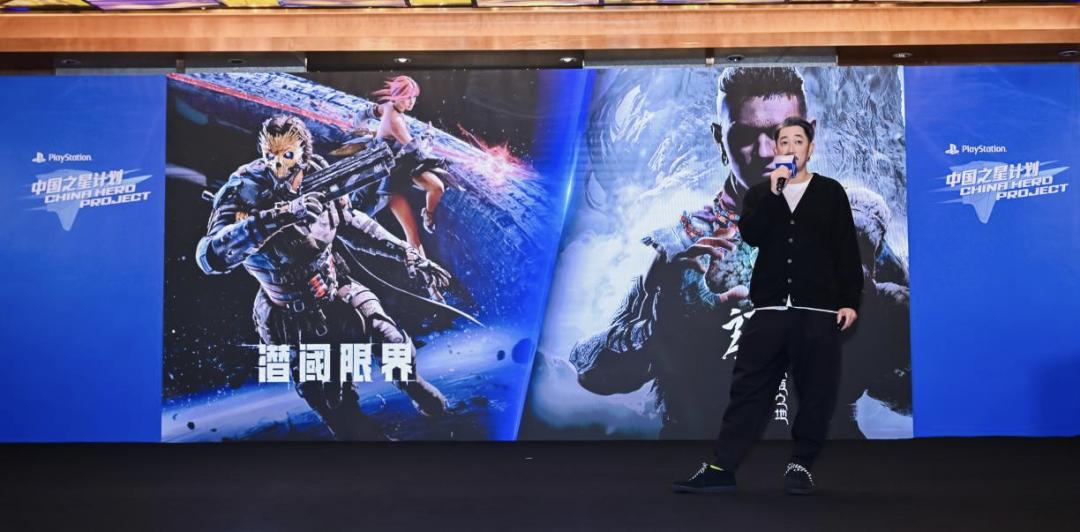
Yusuke Katakata, Vice President, Asia Publishing, Solutions 2 GO Asia
In fact, the China Hero Project has previously established an external cooperation network covering different links of R&D. SIE Shanghai has cooperated with Epic Games, Sound Machine, Virtuos, Richtap and other companies to provide support in engines, audio, QA, middleware and other aspects respectively.
At the same time, Bo Bao also mentioned on site that more internal resources of SIE Shanghai, including middle platform support, will be provided to development teams in the future.
From capital investment to technical support, to quality management, marketing promotion and global distribution, the China Hero Project is gradually forming a support system covering the whole process of game development.
This is also a noteworthy change in the fourth phase upgrade: SIE Shanghai not only hopes to find projects worthy of investment, but also hopes to connect professional resources in different links, so that developers can more smoothly complete the process from creativity to product, and from the local market to the global market.
Epilogue
Ten years ago, the China Hero Project was facing a domestic standalone game development market that was just starting. For many teams, how to adapt to the development specifications of console platforms and establish pipeline processes was itself a threshold.
Ten years later, more and more domestic teams have the experience of independently developing console games, and have begun to try more complex gameplay, richer artistic expression and higher production specifications. However, the development of a game is never just a matter of creativity and technology. When the project scale expands, capital management, production pipeline, quality control, and subsequent global distribution may all become key factors affecting the final performance of the product.
What the "China Hero Project" tries to provide is no longer just a sum of development resources, but integrates capital, production experience, professional services and global business networks to help teams solve problems at different stages of game development.
Bo Bao expressed the hope that SIE Shanghai can help 2A and mid-sized indie game teams further grow and develop into teams with 3A R&D capabilities. In addition to the pursuit of excellence in R&D, this process also requires more comprehensive support.
Of course, whether this support system can really play its role still needs to be verified by the market performance of more projects. At present, the fourth phase of the "China Hero Project" is open for recruitment.
This article was first published on 36Kr Games.