A Clear Overview of China's 2026 Auto Market: Crushing Joint Ventures Through Cutthroat Competition Is No Victory, the Traditional "Golden September and Silver October" Sales Boom Has Vanished
Sales data is released every month, and the most closely watched figures are undoubtedly those for the just-passed September and October.
These two months have always been the most important peak sales season in the automotive market, so they are also known as the "Golden September, Silver October". During this period, manufacturers usually launch their core models in a concentrated manner and roll out policies to boost sales volume and offer rebates; dealers will seize the vehicle usage demand brought by the Mid-Autumn Festival and National Day holidays to step up promotion efforts. With the superposition of multiple factors, auto sales usually usher in a peak at this time.
But this autumn, the automotive market seems rather quiet.
The latest data released by the China Passenger Car Association (CPCA) confirms this perception: retail sales of passenger vehicles across China reached 1.693 million units in October this year, a year-on-year decline of 25%; in terms of weekly trend, the year-on-year decline in average daily retail sales for each week in October was above 20%.
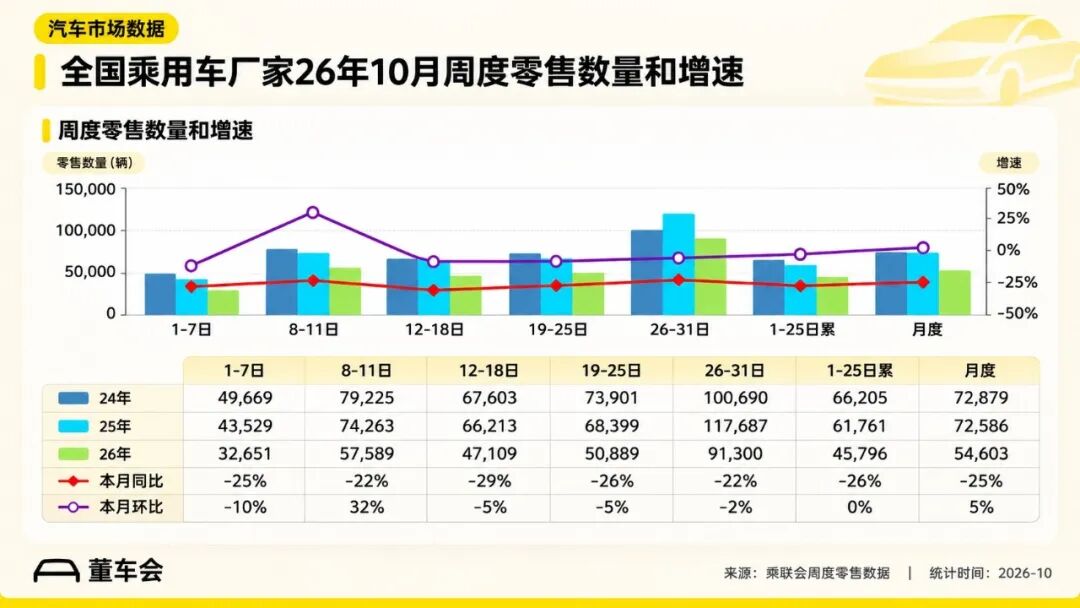
This sluggishness did not appear suddenly. The scrapping and replacement programs supported by ultra-long-term treasury bonds in the previous two years, coupled with intensive replacement subsidies from various provinces and cities, have released a considerable part of the car purchase demand that originally belonged to this year or even next year in advance. Now, as the effect of subsidies gradually weakens, the market has entered a period of stable policies.
The price system of automobiles has also gone through a process of change.
In the spring of 2023, Tesla took the lead in cutting prices, and Dongfeng Series followed up with joint government-enterprise subsidies, breaking the original price benchmark of the industry. At the beginning of 2024, BYD put forward the slogan of "electric vehicles cheaper than fuel vehicles", mainstream hybrid sedans dropped to the range of 70,000 to 100,000 yuan, and the average profit margin of the industry once fell to a low level of around 4.5%.
When the price adjustment lasted from the beginning of the year to late autumn, and promotions were held every month, consumers no longer needed to wait specially for the Golden September and Silver October, and the attractiveness of the traditional peak season naturally declined.
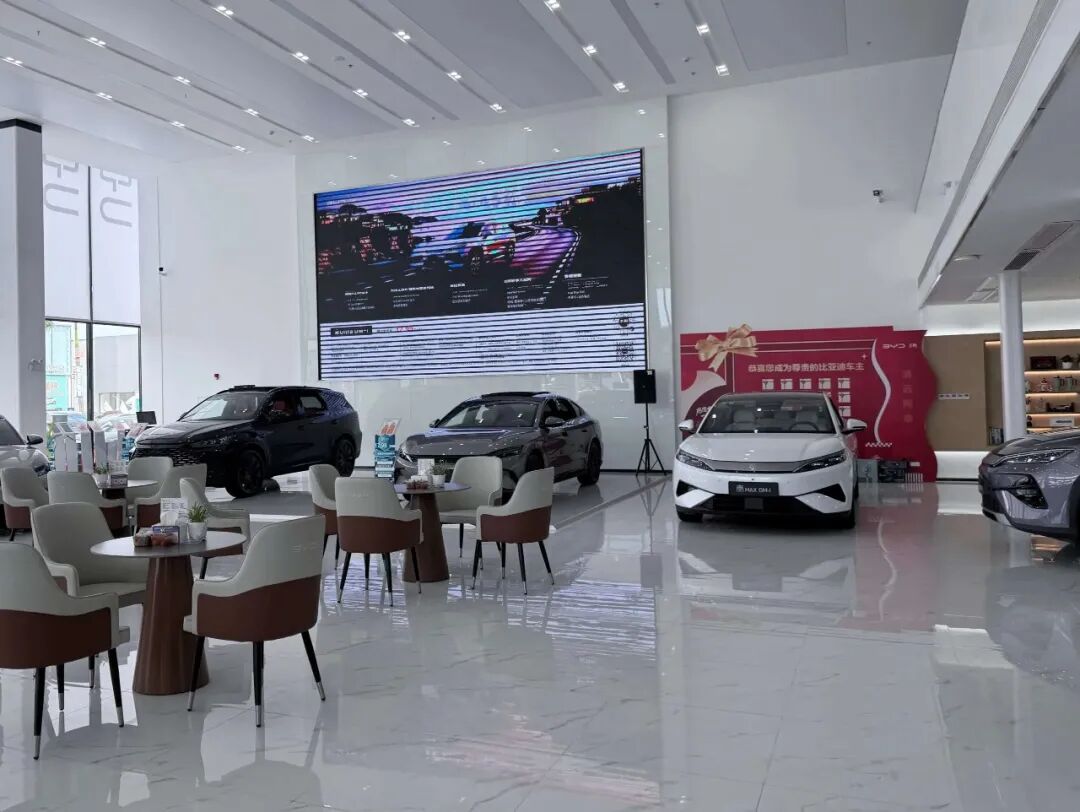
Dealers were the first to feel the changes.
This year, the price inversion between new car purchase and sales has not only appeared in the showrooms of luxury brands, but also spread to most mainstream brands. Data from the China Automobile Dealers Association shows that more than half of the national auto dealers were in a loss state in the first half of the year, and the gross profit of new car sales generally turned negative.
The current problem is no longer how many cars can be sold in the peak season, but how much money will be lost for each car sold.
A sales director at a 4S store in East China admitted in an interview with Yicai that in the past, customers who paid in full for cars were the most welcome, but now when customers propose to pay in full for existing cars, the sales staff are in a dilemma. The manufacturer's guide price has long been broken, and they have to bear a loss of more than 20,000 yuan for every bare car they sell.
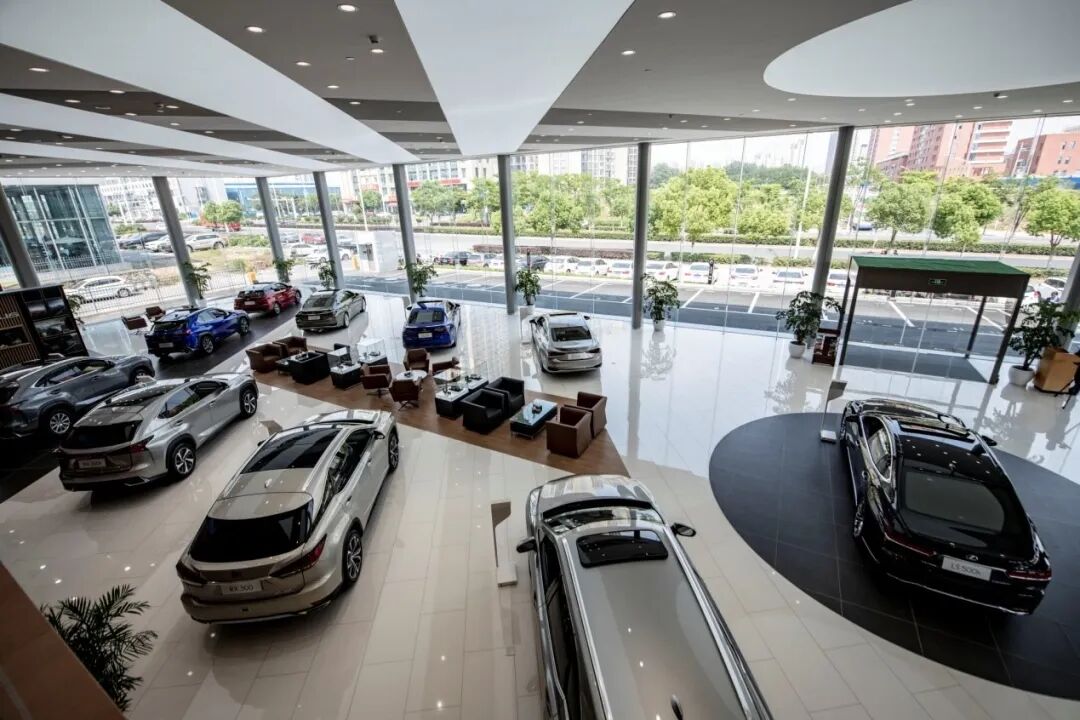
He said that the store can only try to persuade customers to choose a five-year installment repayment plan at present. Under the bank's "high interest and high rebate" policy with an interest rate of more than 10%, a car loan of more than 100,000 yuan can bring a commission of over 10,000 yuan. Coupled with the bundled in-store insurance rebates and comprehensive service fees, the store can barely make up for the price difference loss caused by selling cars.
When the business focus of stores shifts to financial services, the "reservoir" role that dealers originally undertook is weakened accordingly. They are no longer able to advance funds to stock up for automakers, while consumers extend the price comparison cycle under the expectation of continuous price cuts. The old gameplay of concentrating on boosting sales in the peak season is becoming increasingly unsustainable.
Outcompeting joint ventures to death is not a victory
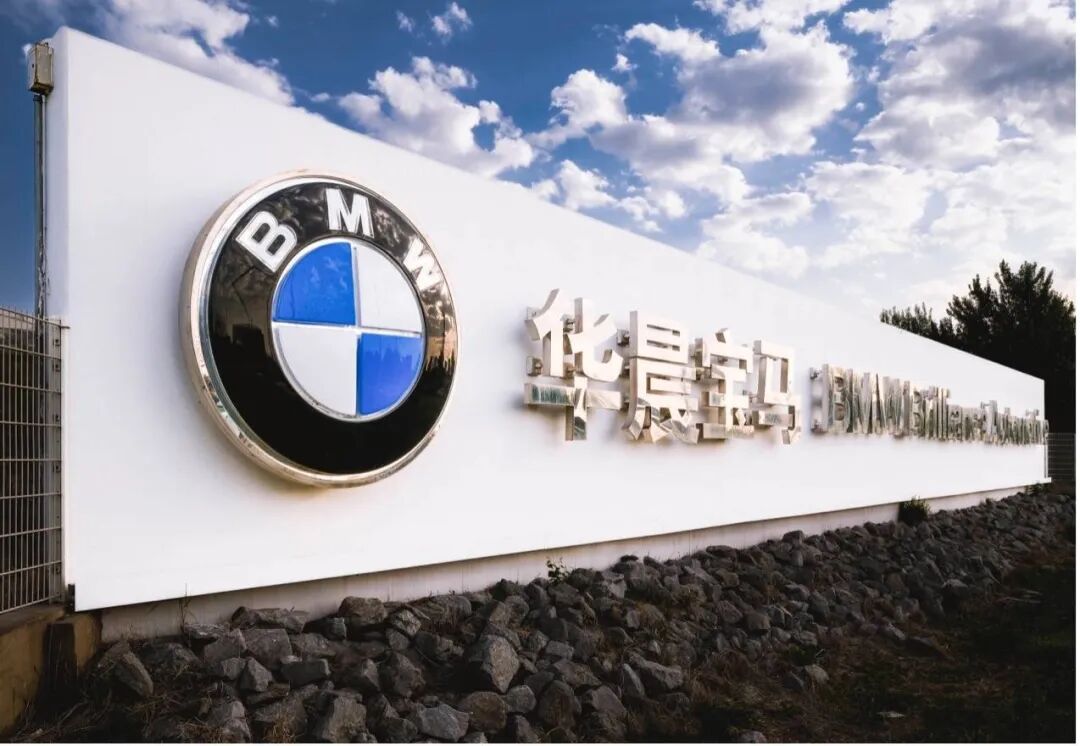
The contraction of channels is quickly transmitted to the production end. Just yesterday, news of personnel optimization came out from the Shenyang BMW Brilliance plant.
According to reports from QbitAI ROBO, this personnel optimization involves about 1,800 people, accounting for about 10% of the total employees of BMW Brilliance.
A P-post worker working on the assembly line of the Shenyang plant recalled that many workers received verbal notices to wait for calls starting from November 2: those who received the notice would go through the resignation procedures, and the rest would continue to work.
G-post employees in the office sequence were also affected. One employee revealed that colleagues in the department whose contracts were about to expire received reminders as early as the beginning of the year that they would not be renewed after their three-year contracts expired, and many had to look for jobs in advance, including even a 57-year-old senior employee.
A leaked compensation plan shows that BMW Brilliance provides N+5 compensation for these employees, and laid-off employees can receive unemployment benefits for up to two years before finding a new job.
Compared with Beijing Benz's N+11 compensation last year, BMW's compensation plan seems less eye-catching, but it has to be said that the latter is already a clear stream in the domestic manufacturing environment.
Some people also compare BMW's practices in its home country Germany. Reuters and Germany's Handelsblatt previously disclosed that BMW launched a voluntary resignation plan for some white-collar positions in Germany, with a maximum compensation of 650,000 euros, equivalent to more than 4.8 million yuan, and thousands of quotas were applied for within a few days.
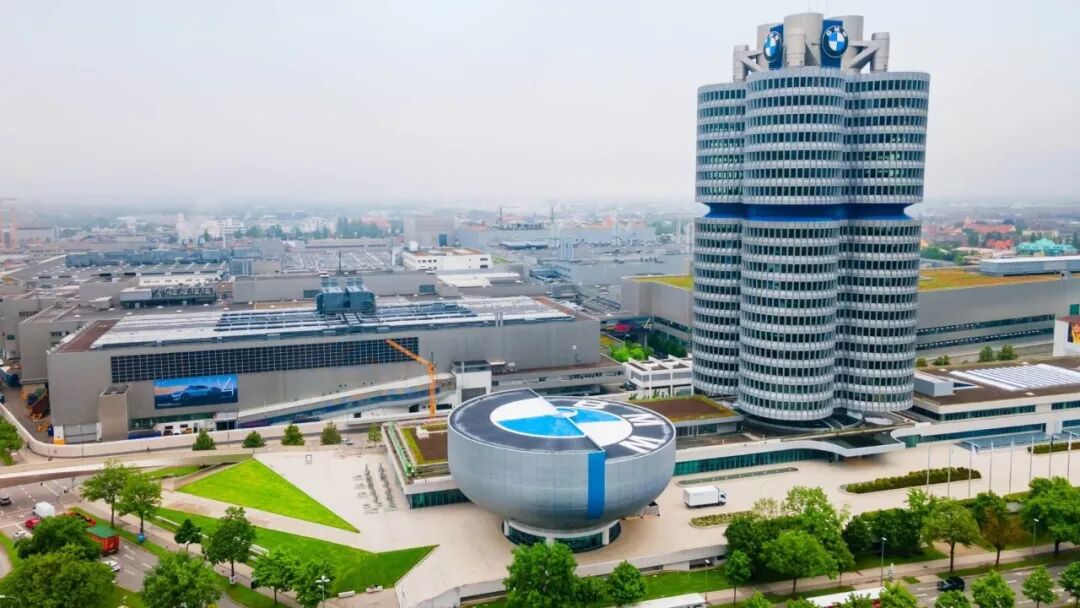
On the matter of personnel adjustment, some joint venture brands, relying on their savings accumulated before, can still provide employees with a relatively decent severance package. In contrast, some domestic brands that take BBA as their competitors have far less transparent practices, and some even frequently deal with resignation disputes through legal means.
All in all, joint venture automobile manufacturing in China has only gone through more than 40 years. For many practitioners, joint ventures are not just a job, but also mean more stable welfare and security. If joint venture brands further shrink in the competition, whether these guarantees can be continued will also become a new problem.
The decline in capacity utilization is only one side of the problem, and the entire industry is finding it increasingly difficult to make money. Data from the China Passenger Car Association shows that in the first 9 months of this year, the revenue of the automotive industry increased by 2.6%, but costs increased by 3.8%, profits fell 23% year-on-year, and the sales profit margin dropped to 3.3%, lower than the average level of 5.68% of industrial enterprises above designated size.
The data for September is even worse. The monthly profit fell 68% year-on-year, and the sales profit margin further dropped to 1.4%, which is at a low level in the past 4 years.
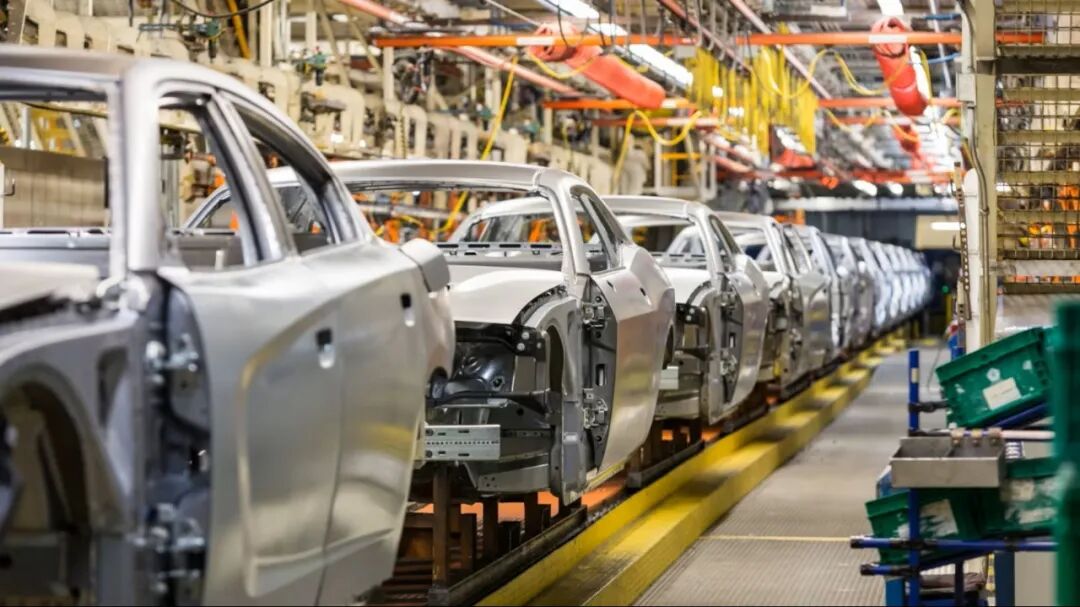
With shrinking profits, automakers can only pass the cost reduction task down layer by layer to component suppliers.
LatePost recorded the account of a senior executive at a core chassis supplier. This vice president admitted that the annual cost reduction target put forward by OEMs is close to the limit, and the cost reduction requirements that used to be communicated annually have become quarterly assessments.
At a closed-door meeting, the automaker's procurement department asked him if he could change a certain connecting rod part from aluminum alloy to double-layer stamped steel plate, which would save dozens of yuan in unit cost. He is well aware that once the material is changed, the chassis texture and corrosion resistance may be compromised. But the pressure of bidding is right there: if the cost reduction target is not met, the supply share for the next quarter may be taken away by competitors.
When the cost reduction pressure falls on hidden links such as the body chassis, anti-collision beam coating, and sound insulation and heat insulation materials, the margin reserved for product quality is also being gradually compressed.
Cars are iterating faster and faster, while consumers are buying slower and slower
The continuous cost compression of the supply chain is also related to the changes in the R&D rhythm of new cars. The R&D cycle of domestic passenger vehicles has been shortened from more than 36 months in the past to 12 to 18 months. With frequent hardware adjustments and continuous software updates, automobiles are increasingly resembling consumer electronics products, and the life cycle of a car model has also changed accordingly.
While the R&D rhythm is accelerating, prices are also constantly loosening. The terminal discount for BMW i7 exceeds 300,000 yuan, the selling price of Mercedes-Benz E-Class in many places has dropped to 320,000 yuan, models such as Accord and Wildlander have even dropped to a landing price of 130,000 yuan, and independent brands are also constantly adjusting prices in rounds of facelifts and promotions.
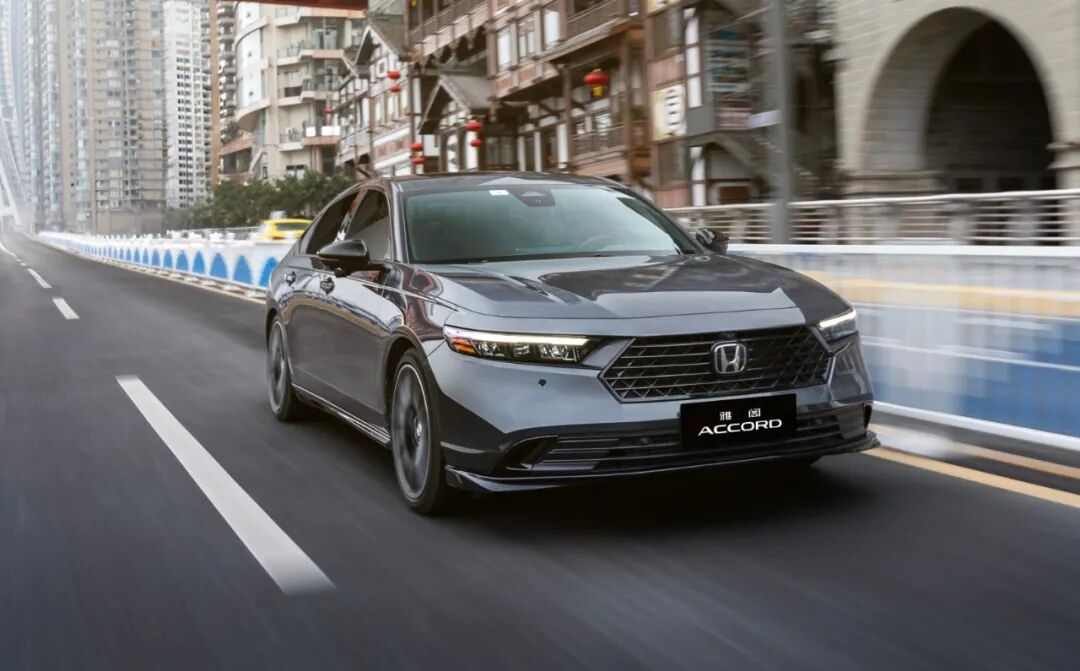
From luxury brands to mainstream family cars, prices are changing frequently, and it is increasingly difficult for consumers to judge how much a car is really worth.
The best-selling models in the market have also changed. This autumn, the sales decline of the early popular A00-class mini pure electric vehicles exceeded 50%.
Restricted by cost and space, it is difficult for this type of model to balance driving control and passive safety, and its market share is quickly taken away by A0-class and A-class pure electric family cars with more comprehensive overall quality. At the same time, plug-in hybrid and extended-range models are still constantly eroding the market base of traditional fuel SUVs.
With rapid changes in both prices and products, consumers' car purchase mentality has naturally changed accordingly. Buying a car is more and more like buying a mobile phone: right after you pick up the car, you may encounter a new model with higher configuration and lower price. The concept of "buy early, enjoy early" has gradually turned into "buy later, get more discounts", making it increasingly difficult for promotions during the "Golden September, Silver October" period to impress them.
The ceiling of the automotive market may be lower than we thought
Compared with consumers' growing wait-and-see sentiment, the real reality that automakers have to face is the upper limit of the capacity of the domestic automotive market.
The industry commonly uses car ownership per thousand people to judge market potential — the figure exceeds 800 in the United States, and ranges between 500 and 600 in Europe and Japan, while the current figure in China is about 260.
Looking at this number alone, the domestic market seems to have room for multiple growth. However, the car ownership in different countries cannot be directly compared without considering urban forms and geographical conditions. China's population and economic activities are highly concentrated east of the Heihe-Tengchong Line, and most residents live in high-density collective residences, which is completely different from the single-family houses in low-density suburbs in North America.
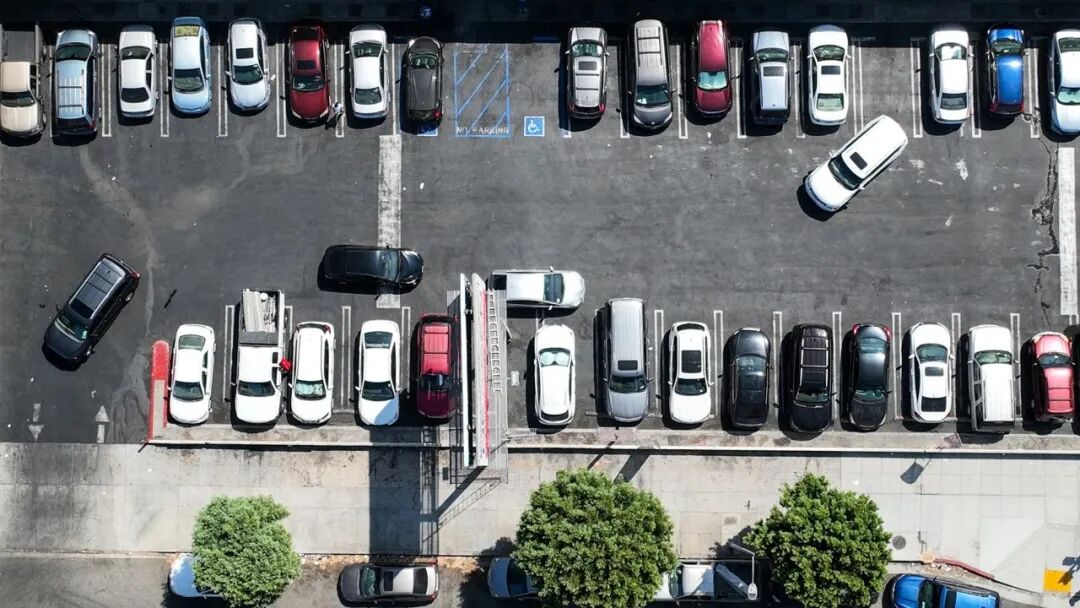
As the number of motor vehicles in China reaches 360 million, the road and parking space pressure borne by first-tier and new first-tier cities is also increasing.
Models from multiple transportation research institutions show that restricted by natural conditions and urban structure, the reasonable saturation level of car ownership per thousand people in China is between 300 and 350 units. Calculated according to this range, the domestic automotive market is not far from the upper growth limit.
The model of expansion relying on new demand is coming to an end, and automakers have to turn to stock competition. If a factory wants to increase its output, it usually has to seize market share from competitors. This process of shifting from incremental competition to stock competition was already experienced by China's smartphone industry ten years ago.
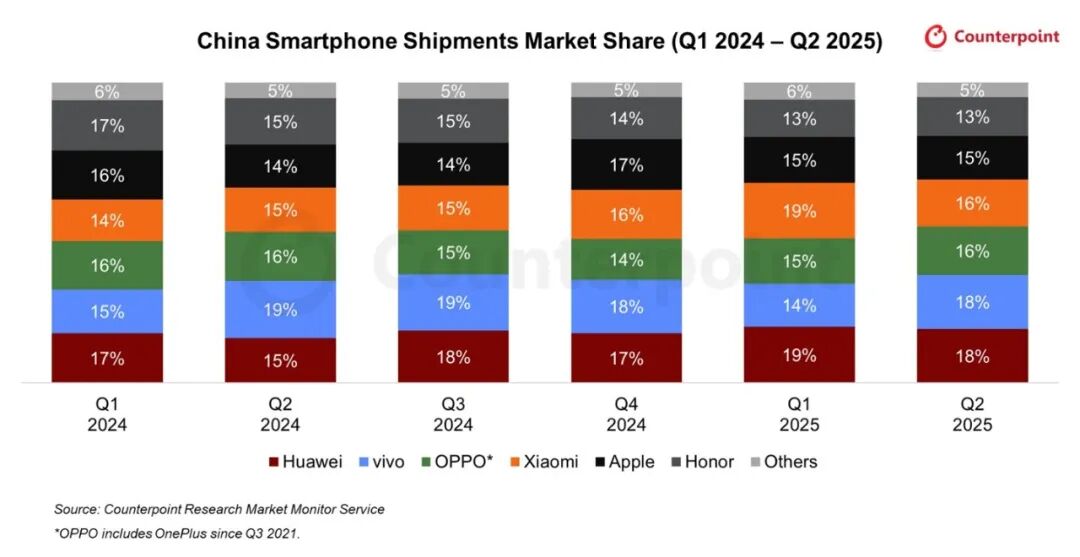
Around 2014, dozens of brands were active in the domestic mobile phone market. In addition to Huawei and Xiaomi, manufacturers such as Coolpad, Gionee, Meizu, and Smartisan also participated in the competition. As the supply chains of chips and screens became increasingly standardized, various brands fell into involution of price and configuration. After a large number of mid-tier brands exited the market, the current pattern of Huawei, Xiaomi, OPPO, Vivo and Apple coexisting was formed.
When the hardware is sufficient to meet daily needs, innovation gradually shifts to details such as body material, screen crease and imaging style, and consumers' phone replacement cycle has also extended from one year in the early stage to more than three years.
The changes in the smartphone industry have great reference significance for today's smart vehicles. Mainstream chips, large screens and assisted driving have gradually become standard configurations. <