If AI has snatched up all the graphics cards and memory, why do we still need AI?
Anyone who has planned to build a new PC or upgrade their graphics card recently must have felt a distinct chill in the market.
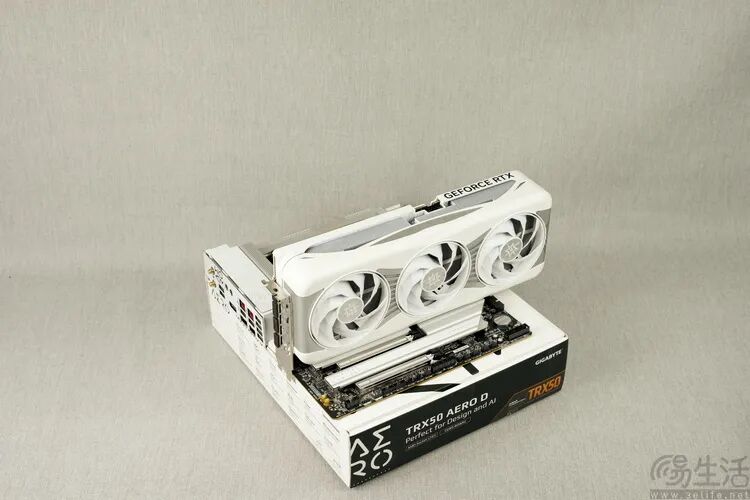
If you are looking for a top-tier graphics card, the RTX 5090 is nearly impossible to get your hands on. The RTX 5080 has not only doubled in price nowadays, but there are also reports that even board and card manufacturers can no longer secure chip supplies.

So is it possible to switch to other brands? The latest news says that AMD is also preparing for a new round of price hikes. As for Intel's Arc B580, which was once famous for its cost-effectiveness, there are also rumors that it may soon be discontinued.
Why are these graphics cards getting more expensive and harder to buy? The answer is highly consistent: all their production capacity has been diverted to make more profitable AI cards and professional graphics cards.
Altman's 5% Remark Enrages Gamers Worldwide
What's even more outrageous is that recently, Sam Altman, CEO of OpenAI, made a statement that almost offended PC users all over the world. He said, Ordinary consumers buy so many PCs, but their memory utilization rate is only 5% most of the time.

Based on this, Altman believes that this is an "unreasonable allocation of resources". He thinks that so much memory and computing power should be placed in data centers and used by AI companies 24 hours a day to maximize the utilization rate.
At first glance, Altman seems to be discussing that "memory and computing power should be reasonably allocated". But PC users and gamers around the world have read another meaning: you want to take the hardware in my hand, and even complain that I am occupying your resources!
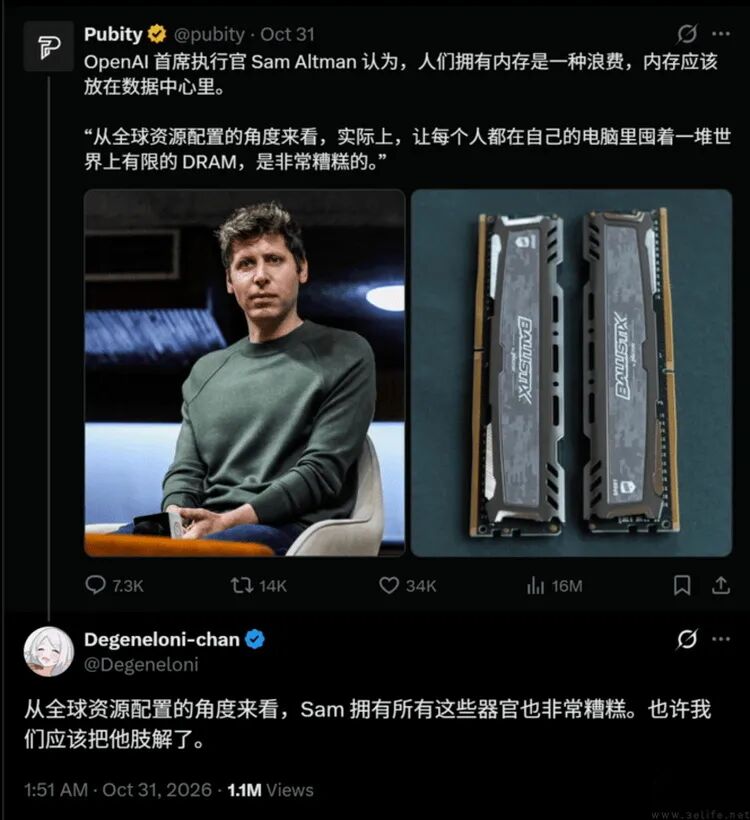
The social platforms exploded soon, with a flood of taunts, memes and parody videos. Even Elon Musk came to join the discussion. He not only posted that "the public deserve to have their own memory", but also echoed other people and called Altman an "idiot".
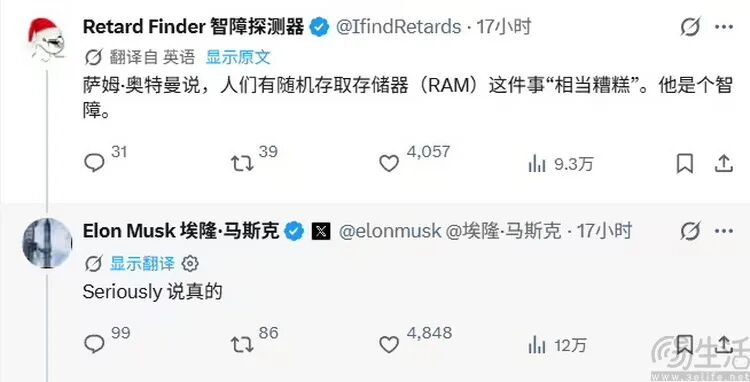
So is Altman an idiot? From a medical and physiological point of view, he may not belong to the group of people with intellectual disabilities. But if we sort out the "consequences" of this incident from 3eLife, you will find that his view is really quite illogical, and he is even digging his own grave.
Data Centers Have Bought So Many Graphics Cards, Are They Actually Put Into Use?
First of all, according to Altman's statement, once graphics cards and memory enter the data center, they can be used efficiently. However, some breaking news reports in the same period have told a completely different story.

Screenshot from the related video of Moore's Law Is Dead
Recently, the well-known breaking news channel Moore's Law Is Dead put forward a statement of "AI debt bomb". According to his disclosure, AI card manufacturers, using the excuse that "prices will rise further if you don't buy now", force customers to sign contracts in advance and pay for more and more computing power resources. However, the computer rooms and supporting facilities of these customers, such as power supply and water supply, are not ready at all, which leads to a large number of AI cards being piled up in the warehouse collecting dust, not running at all.
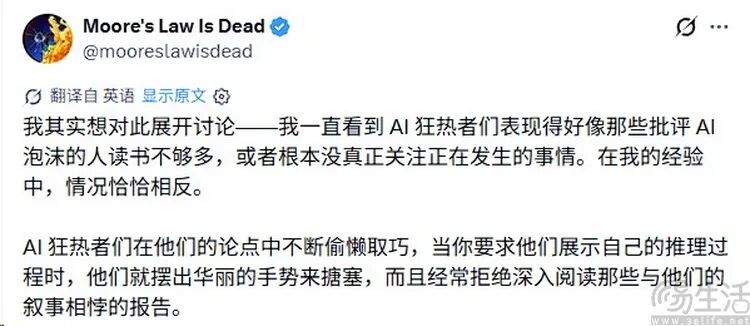
What's even more outrageous is that on the one hand, these "purchased" AI cards may not even have physical products, and they may just be a "delivery voucher" that has not been actually produced yet. On the other hand, since AI companies have spent too much money buying cards, they will use the AI cards that have not been received yet and the infrastructure that has not been built as collateral to get more loans to maintain operations. And a large part of this money is spent on buying new AI cards.
On one side, gamers' 5% utilization rate is criticized as waste, on the other side, AI cards in data centers are lying in warehouses in boxes, or even only exist on financial statements. When it comes to calculating the idle rate, it's really hard to tell which side is higher.

Please note that this view is not only held by this whistleblower. People have found that Michael Burry, who became famous for shorting the US housing market, is reportedly buying put options of many AI companies, which will expire as early as 2027. When financial tycoons are willing to bet real money on the "burst of AI bubble", everyone who understands knows how unreliable Altman's statement of "giving computing power to AI companies" is.
Why Do Ordinary People Need AI? This Is Actually The Key Point
Where is Altman really wrong? To put it bluntly, his mistake is that he only sees that "AI needs to develop", but fails to figure out why ordinary users have expectations for AI from their own perspective.
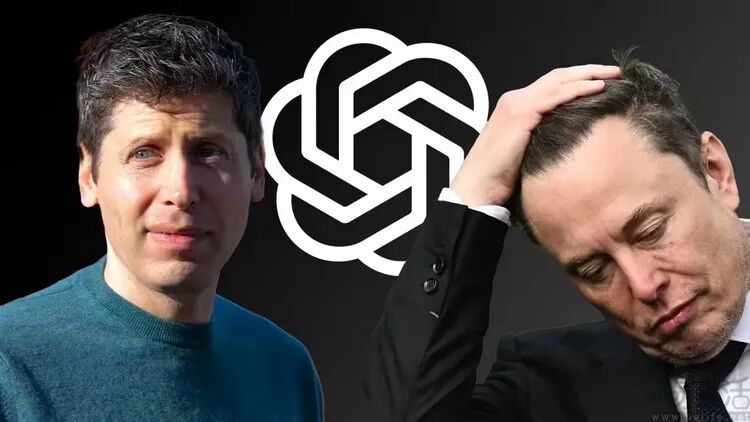
It has to be said that Musk does think more clearly and is more "down-to-earth" on this matter. He put forward long ago that the public will support AI because people expect AI to reduce repetitive labor, shorten working hours, and thus change the proportion between work and life.
To put it plainly, AI should focus on "how to let people get off work earlier and have more time to have fun". Improving the computing efficiency of AI is only a means to better achieve this goal, and letting users have leisure time and enjoy themselves to the fullest is the ultimate goal instead.
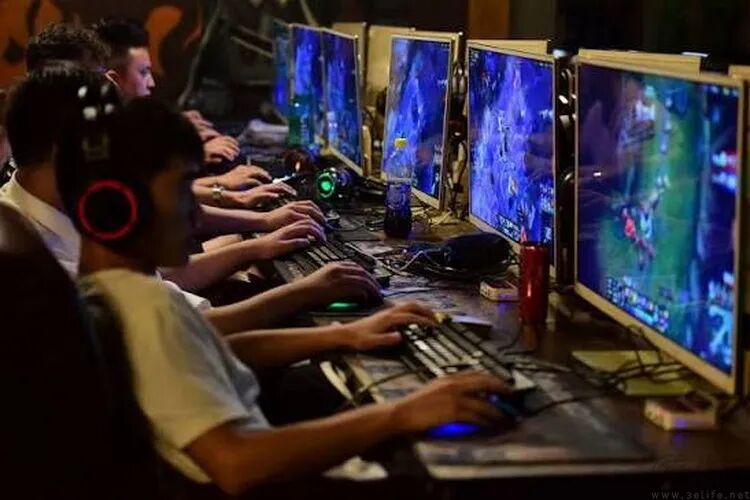
But now Altman's remarks have reversed the means and the end. What he means is that in order to develop AI, we need to cut off the public's electronic entertainment first, and tell everyone that this is "correct".
Then here comes the problem. If even playing games is regarded as a waste and should not exist, then what on earth should we do with the time saved by AI? The very act of saving time will lose its meaning, won't it?
If You Stop Playing Games, Will Your Life Automatically Become More Refined?
Maybe some anti-gaming people will say after reading this: if you don't play games, can't people entertain and relax? Aren't there so many more advanced entertainment options?
This statement sounds very positive, but it quietly presupposes an unfair premise. It defaults that everyone has money and leisure, and can afford high-consumption entertainment options at will.

Mark Tilbury, a British financial blogger, recently "did the math". Assuming that the upcoming GTA6 is sold at $99.99, it takes 200 hours to complete the entire game and finish all side quests. If you play 4 hours intensively every night, it means 50 days of fulfilling entertainment experience, with a cost of only about $2 per day.
In contrast, for ordinary consumers, if they don't play games at home at night, but go out to have fun with friends, eat and drink outside, go shopping, they may spend at least $100 in one night. For the same 50 days, it will cost a full $5000.
Of course, it doesn't mean that everyone will spend that much (or that little) on eating, drinking and entertainment outside, but Tilbury's calculation actually reveals a very realistic problem: for most ordinary consumers, games are not just an optional choice among many entertainment activities, but the only affordable high-quality entertainment option they can get. In comparison, traveling, fitness, socializing and collecting all cost more money than games, and are much more "money-consuming".
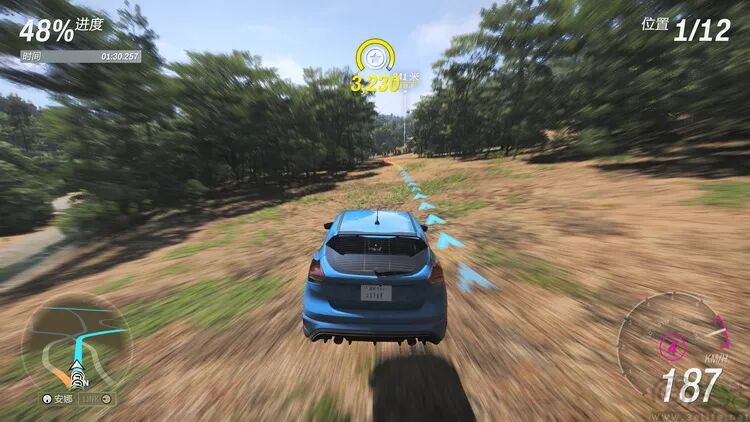
To put it more bluntly, if one day ordinary people really can't even afford to play games, most of them will not upgrade to a refined life, but will downgrade to watching free short videos, staring blankly at the content fed by algorithms. Although this is also a form of entertainment, it is more meaningless and more addictive.
In The End, Don't Force Ordinary People To Reflect On "Why Should I Use AI"
To sum up, the narrative of "sacrificing gamers for AI" is doomed to end in nothing. It will not force gamers to switch to higher-consumption entertainment, because their wallets won't allow it, and it will even cut off the most fundamental reason of "why should I use AI".

AI should serve people as a matter of course, instead of enslaving and controlling people
When a tool no longer exists to make people live better, but requires people to keep making way for it so that it can "progress", people's attitude towards it will naturally change from "I think it's fun and useful for me" to reluctant coping.
In the final analysis, depriving ordinary people of the most easily accessible happiness is never called progress. The real progress is that AI helps us play games more easily and more affordably, instead of letting ordinary people can't even keep a single graphics card or memory stick.
【All images in this article are from the Internet】
This article is from the WeChat Official Account "3eLife" (ID: IT-3eLife), written by San Yijun, published with authorization from 36Kr.