80,000 stores have been closed down, and the "price assassin" barbershops have lost out to the 10-yuan quick haircut service.
Yesterday, a topic that topped the discussion volume list suddenly landed on Zhihu's hot search ranking: How do you view the 10-yuan quick haircut that is now overwhelmingly outperforming the "design directors" across the country?
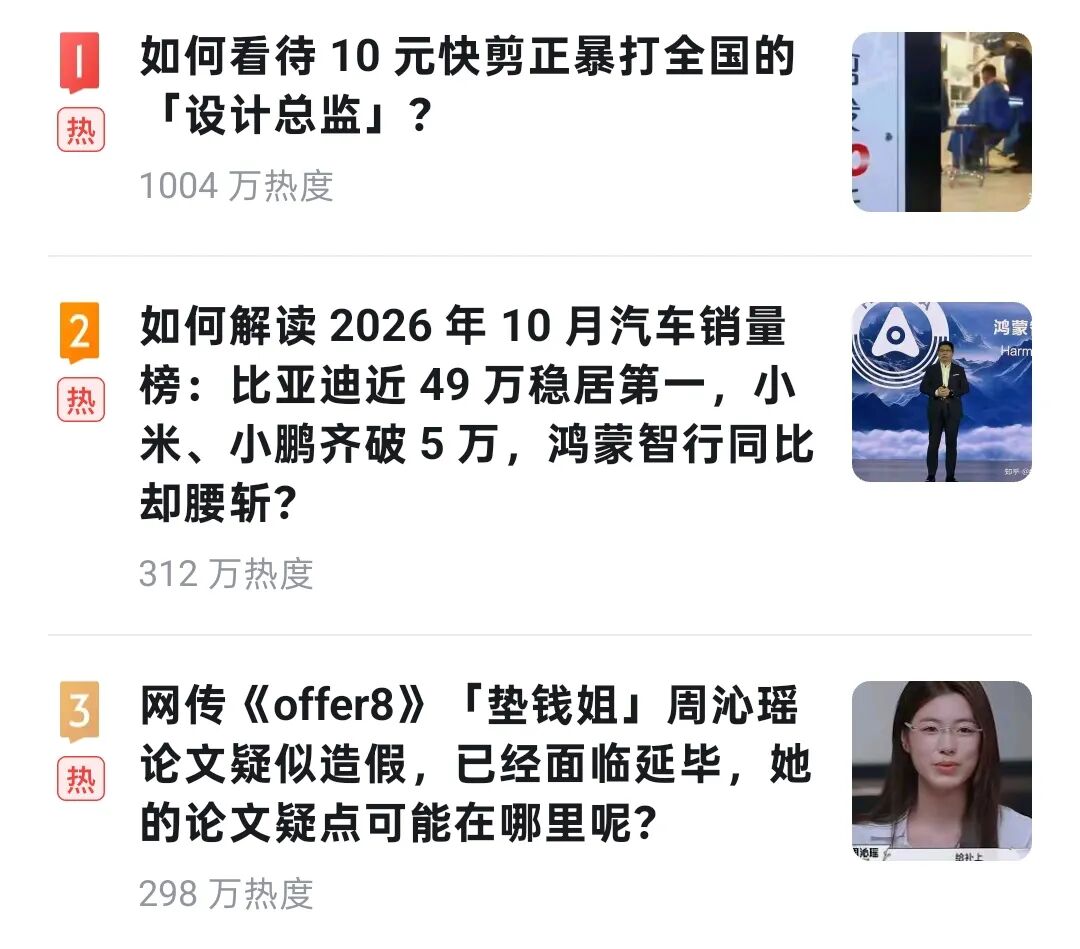
The highly upvoted answers basically all point to the same conclusion: The Tony stylists have no one to blame but themselves, and the 10-yuan quick haircut has won massive public support.
Some people wrote that they watched a conversation among barbershop staff in a live stream. For nearly an hour, the whole discussion centered on how to trick customers into upgrading their orders and the persuasion scripts for forcing upsells, while complaining about and even insulting customers who refused to pay for upgrades, as well as peers who offered low-cost quick haircut services.
These responses are not groundless, nor are they isolated cases.
Now the backlash has come.
According to industry survey data from industry associations cited by Blue Whale News, in the first quarter of 2026, a total of 213,000 hair salons across the country were cancelled, closed down or transferred. In the same period, 127,000 new stores opened, and the industry saw a net decrease of 86,000 stores.
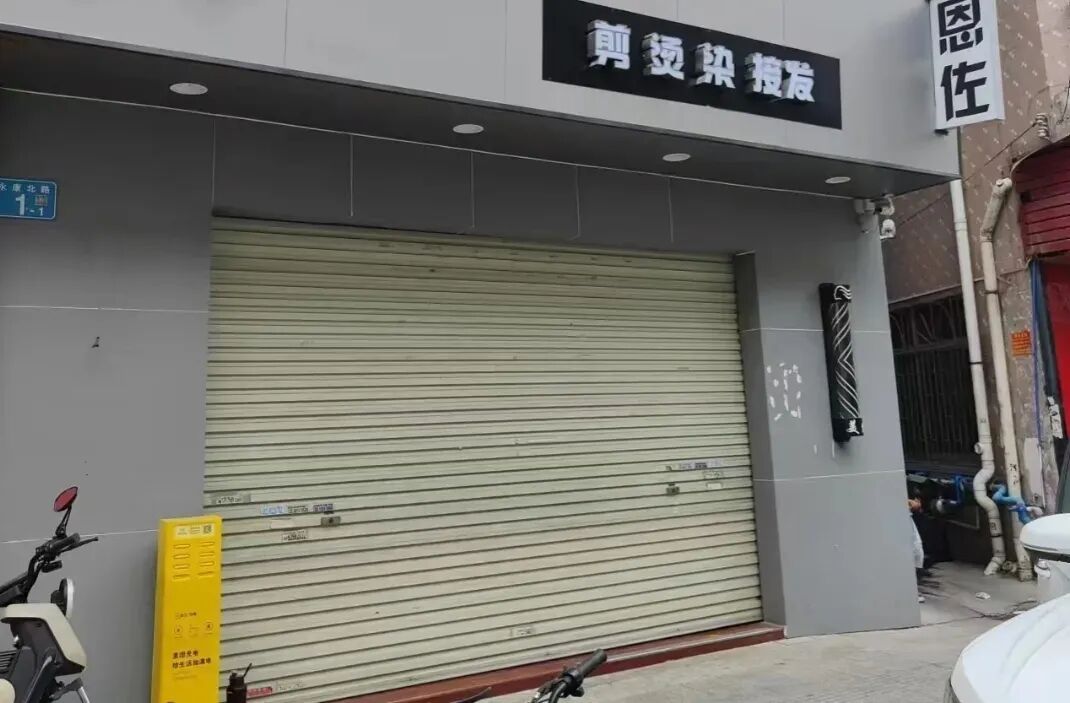
It's not that people don't get haircuts anymore, or that they have no hair left. Instead, many people have found that the biggest difference between the 68-yuan haircut and the 10-yuan one is only that the former takes more time.
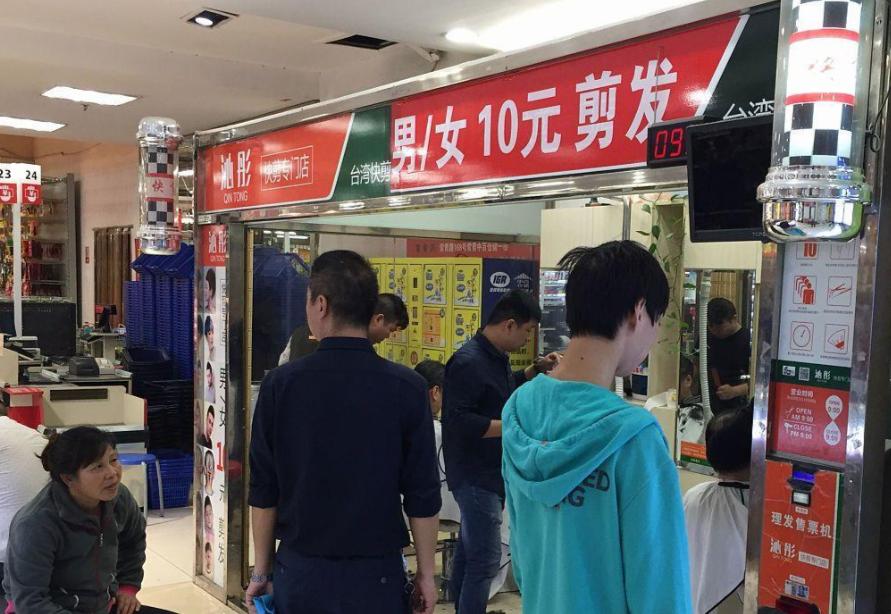
Therefore, at the same time, the total number of quick haircut stores across the country has reached 32,000. Data from Qichacha shows that as of October 30, 2026, there are 7,227 existing quick haircut related enterprises in China, nearly 80% of which have been established for less than five years, with 1,872 registered in 2025, hitting the peak of registration volume in the past decade.
An owner of a quick haircut store said: "I can basically cut more than 1,000 heads a month. If the weather is a little hotter and business is busier, it will be about 1,500 heads, and I can earn around 10,000 yuan."
In the AI era, barbershops can still be one of the most recession-resistant businesses.
But now their anti-risk capability no longer relies on rigid demand, but on anti-routine operations.
The frustrated Tony stylists get no sympathy
It is hard to imagine that with the rapid development of AI, at the current speed, humans will enter 2027 in less than two months, yet many barbershops remain exactly the same as people remember, and people's attitude towards them is still the same as always.
Especially those barbershops full of sales routines are increasingly unpopular.
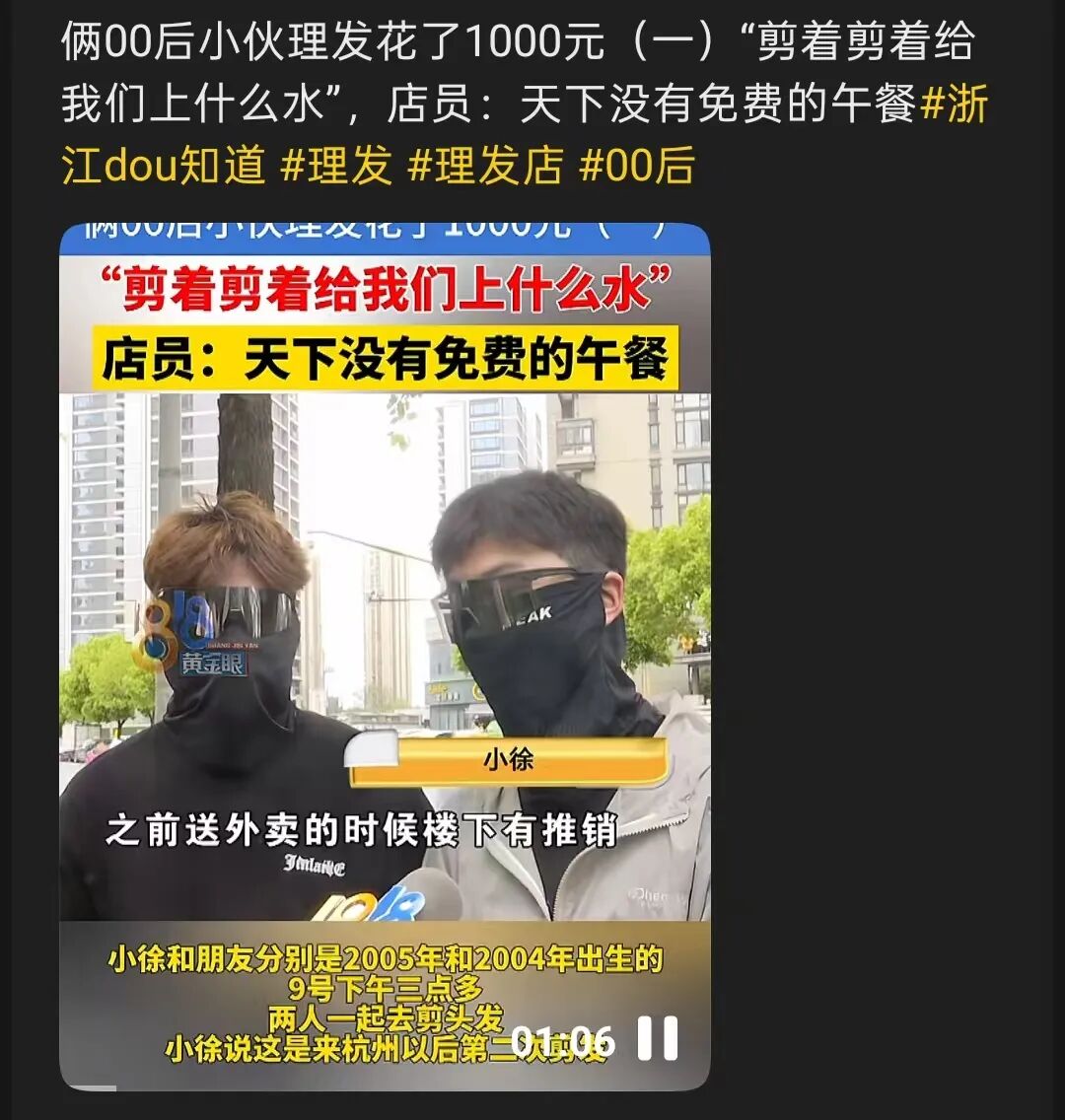
A previous social survey by China Youth Daily showed that 77.5% of respondents had unsatisfactory haircut experiences, with three main problems: inflated pricing, aggressive membership card promotion, and ignoring or failing to understand customer demands.
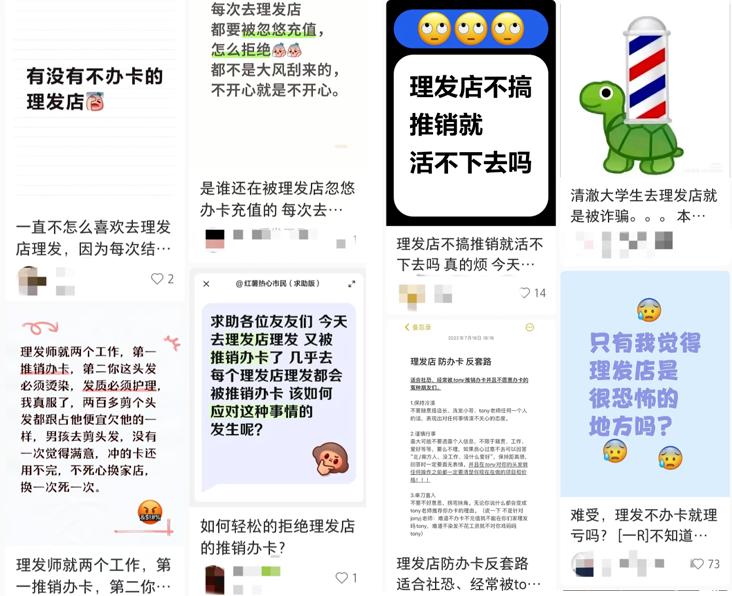
It takes more than one cold day for the river to freeze three feet deep.
A dozen years ago, getting a membership card at a barbershop was a pleasant experience for both customers and shop owners.
At that time, the trend of pre-charged membership cards spread from Taiwan, China to the Chinese mainland. A perm and dye service that cost hundreds of yuan once would save customers dozens of yuan if they bought a card, so customers thought it was a good deal, and the shop owners also thought they made a profit: originally, after cutting hair all day, the maximum turnover was only about 1,000 yuan; by selling a few cards, they could get ten thousand yuan a day.
So barbershop owners kept opening new stores enthusiastically. In 2020 alone, nearly 200,000 new stores opened across the country. They occupied shopping malls, office buildings, communities, and even the corners of railway stations and high-speed railway stations.
However, as more and more stores opened, the business and customer experience gradually went bad.
The most obvious point is that simple haircut services were forcibly divided into different consumption tiers: ordinary haircut, premium haircut, director-level haircut, and store manager-level haircut.

In most cases, people cannot tell the difference in hairdressing skills, but the price gap is obvious at a glance. In 2020, the average customer unit price for hairdressing rose by 26.4%, with an average of 95 yuan for men and 137 yuan for women.
Furthermore, these titles usually have no professional basis, and are more like self-issued by the stores themselves. A stylist who was called a "designer" last month can print "technical director" on his business card after switching to a new store, and the price can jump from 68 yuan to 280 yuan.
The worst part is that even if you choose the most expensive tier, and you only ask for a "trim", he may cut your hair into a mess. That's probably why there is a popular online saying that boyfriend/husband's hair is the joint property of the couple and cannot be disposed of without permission, because you can never guess how bad the Tony stylist's skills can be.
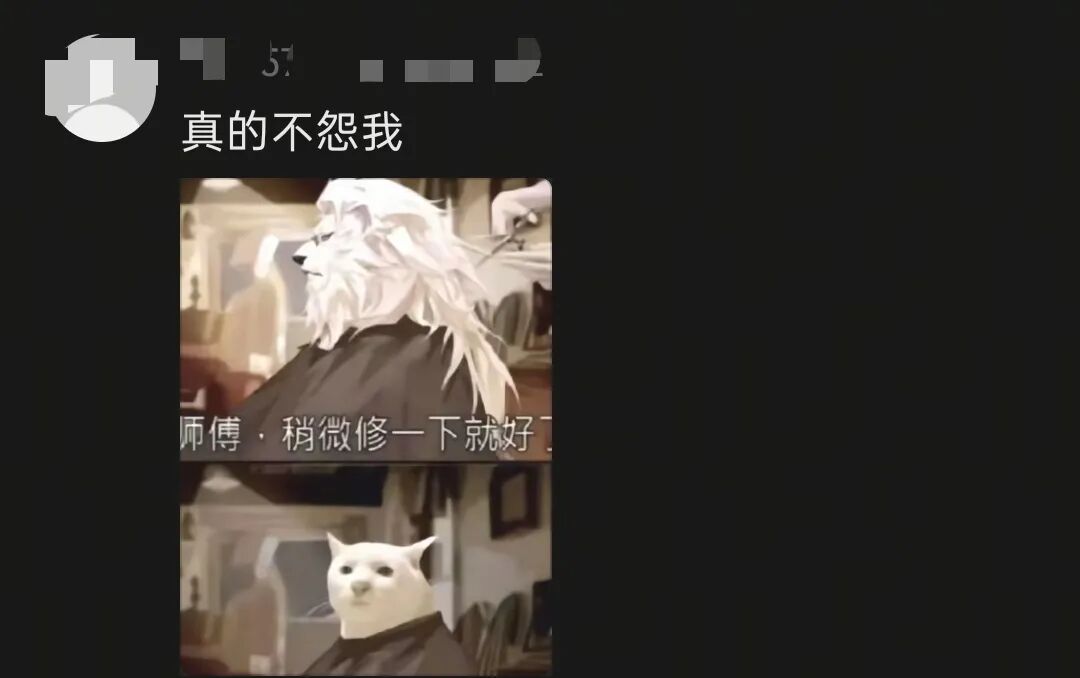
It's bad enough that your wallet and hairstyle suffer, your ears also get affected.
After you enter the door, the first sentence you hear is not "What hairstyle do you want", but "Which stylist would you like to choose". The shampoo guy says you have a lot of dandruff, and halfway through the haircut, the director asks if you want to get a perm at the same time... All kinds of harassment to your ears and mind are just preparations before they close the deal.
This is closely related to their income structure. The majority of commission does not come from haircut services, but from membership card sales and perm & dye packages. In some stores, the assessment of membership card sales and product sales accounts for more than 60% of the stylist's income.
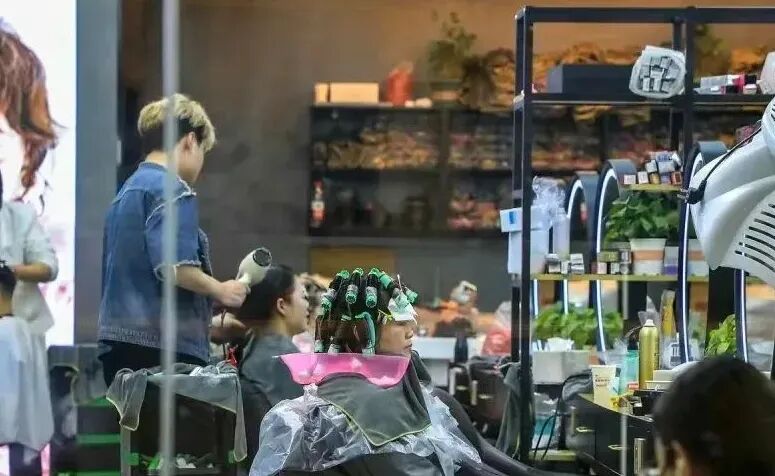
If a stylist wants to earn more than 10,000 yuan a month, the most efficient way is to get customers to recharge more money, so "10 minutes of haircut, 30 minutes of sales promotion" has become the norm.
If you encounter a barbershop with opaque pricing that rips off customers, customers may even have the urge to smash the store.
The pain of "No one can walk out of a barbershop with a smile" is now returned to the barbershops. As a Zhihu user said, the root cause of the closure of those struggling barbershops is not that people's consumption has downgraded, but that people's intelligence has upgraded.
After seeing through the tricks, it is urgent to say goodbye to all the sales routines.
Quick haircut beats "director" because it does not make customers feel annoyed
Some people once said that 10-yuan quick haircut stores are full of lonely middle-aged men, with almost no young guys and women under 60, and occasionally seeing a lady in her sixties or seventies is already a rare sight.
Now the situation is different, and there are all kinds of people in quick haircut stores.
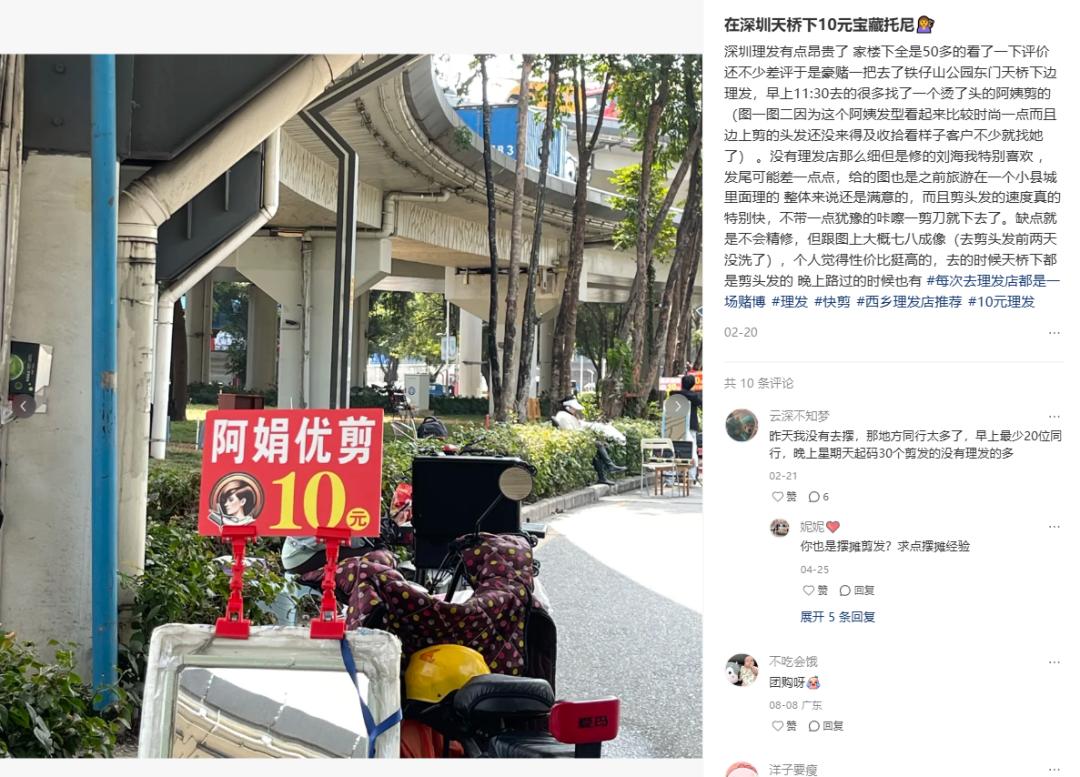
Not to mention the quick haircut stores, even street quick haircut services have many customers. Some elderly people don't even have a fixed store, they just set up a stall on the spot, put up a cardboard sign with "Professional Haircut", contact information and prices, 10 yuan or 15 yuan per haircut, and they even provide door-to-door services. Even in first-tier cities such as Beijing and Shenzhen, street quick haircut services are not uncommon, and have built up a group of regular customers.
Back to the quick haircut stores, they rely on extreme standardization, which also means many unnecessary complicated procedures are removed.
The prototype of this business is Japan's QB House.
In 1996, QB House opened its first store in Tokyo, and soon became a hit for being "anti-common sense" and "anti-routine". At that time in Japan, QB House, which did not sell membership cards, charged less than one third of the average price.
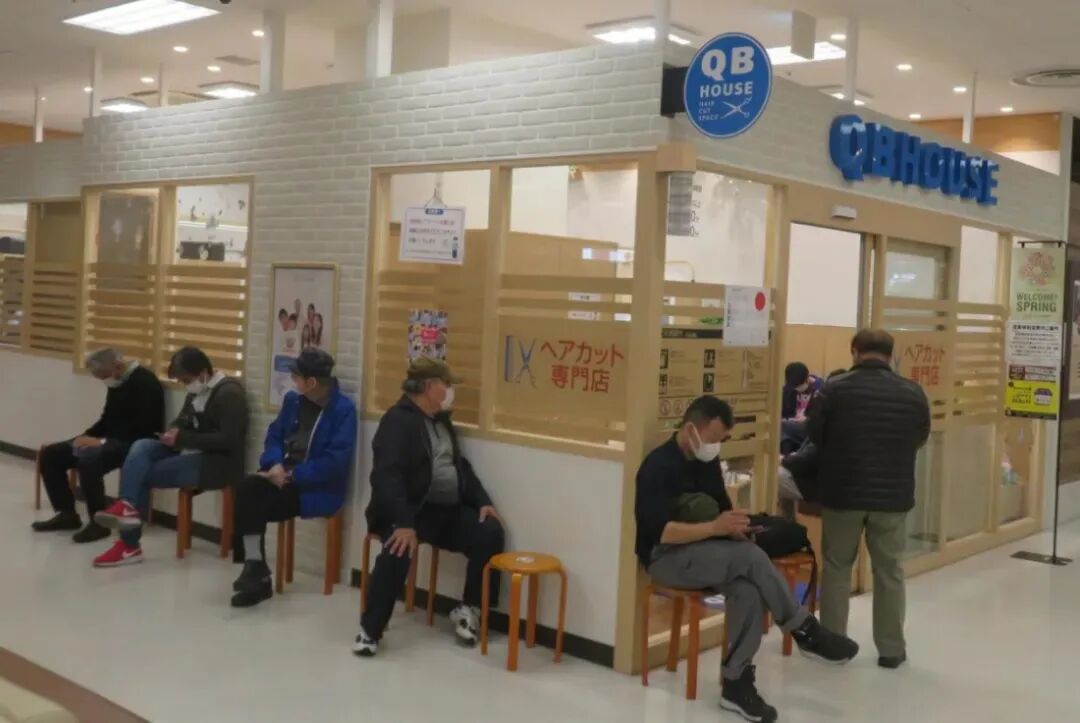
According to statistics, at QB House, a barber has to serve 30 customers a day. Even if the barber does not want to rush, QB House will push him to speed up. In some stores with large passenger flow, the recruitment notice will clearly state that "the job requires long-time standing".
By relying on "small profits but quick turnover", the hourly wage of the barbers has actually increased by nearly 50%. Up to now, QB House has more than 700 stores around the world.
After being introduced to China, the quick haircut business was rapidly developed and localized.
Quick haircut stores removed all areas and links that do not generate revenue, and focus all their energy on cutting hair.
They are only about ten square meters large, with two or three workstations arranged along the wall. There are no shampoo beds, no cash registers, no sofas, and no product cabinets. Scan the code, get a number, sit down, more than ten minutes later, the broken hair is sucked off with a hair absorber, and most of the time there are still a few small hairs left on the back of the neck, then you can leave, and the service is over.
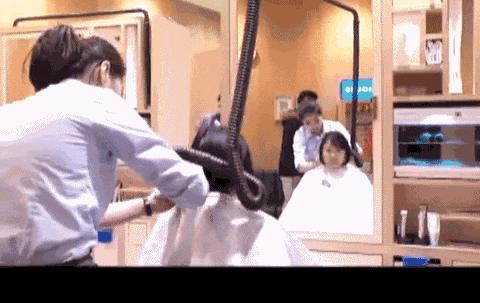
Although it cannot be called high-quality service, during the whole process, customers don't have to calculate how much money is left in their membership card, don't have to politely reject a whole set of sales scripts, and don't have to worry that the store will close down next month. You can get a haircut at ease without any guard, which is exactly the "certainty" and "sense of boundary" that everyone is pursuing now, isn't it?
Last year, Cover News reported that a quick haircut store in Chengdu, with only one barber, two chairs and a 10-yuan price per haircut, can support a stable monthly income of 20,000 yuan.
The store efficiency per square meter is about three times that of traditional barbershops. Facts have proved that barbers can also thrive by only focusing on haircut skills.
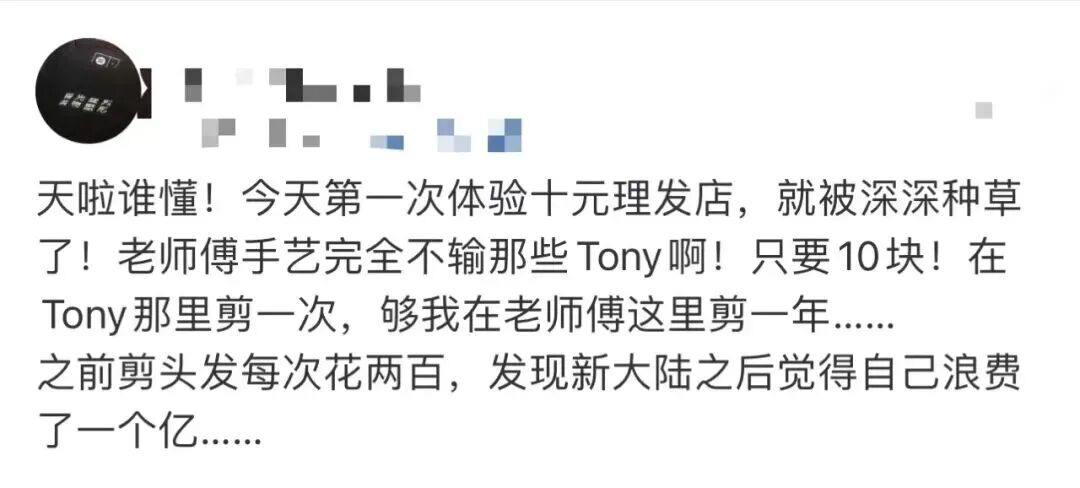
China's quick haircut business has also been upgraded: they choose locations to share the passenger flow of other businesses.
Quick haircut stores are usually located at supermarket exits, the negative first floor of shopping malls, subway station halls, next to luggage lockers, and community commercial stores. Although these are all inconspicuous corners, they can share the passenger flow attracted by supermarkets, shopping malls and subways.
