Ambani overtook Zhang Yiming, the Indian tycoon claimed the title of Asia's richest man. All his wealth is derived from local monopoly businesses, which are not even recognized by the Indian people themselves.
The throne of Asia's richest person has a new occupant again. In September 2026, Zhang Yiming claimed the top spot for the first time with a net worth of 105 billion U.S. dollars, pushing Indian billionaire Gautam Adani to second place.
But before he could even settle into the position, Adani's net worth jumped by 5.25 billion U.S. dollars in a single day more than a month later, overtaking Zhang Yiming once again with a fortune of roughly 110 billion U.S. dollars.
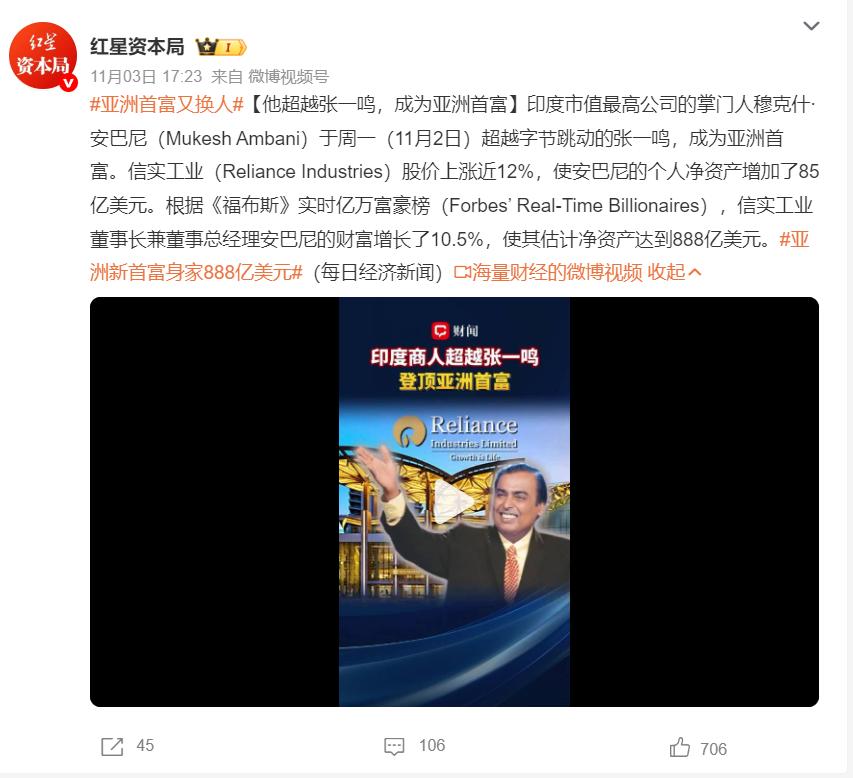
Bloomberg's rich list bounces back and forth between China and India like a ping-pong ball, but the reaction from Indian public opinion this time is completely different from what it was a few years ago when Adani first reached the top spot.
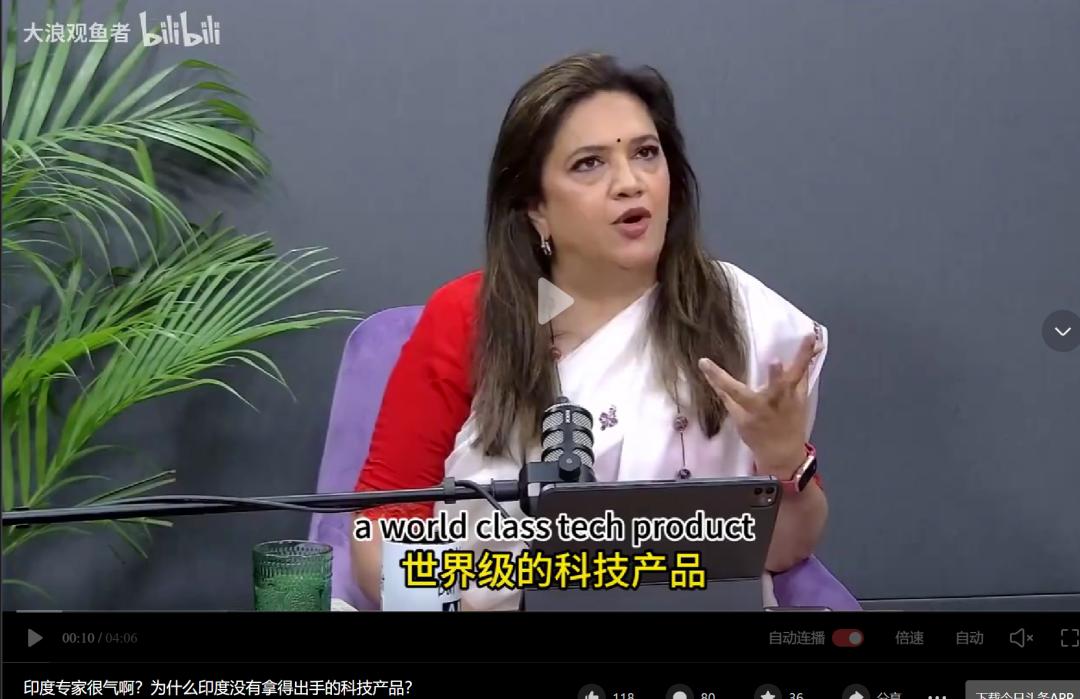
Back then, Indians were quite proud: Look, the richest man in Asia is one of us. Now Indian netizens are posting online on their own: "All the wealth of the country goes to Adani and Ambani." "Why doesn't India have a single standout tech product to be proud of?" "We don't have Google, we don't have TikTok, and we never built companies like Meta or Apple."
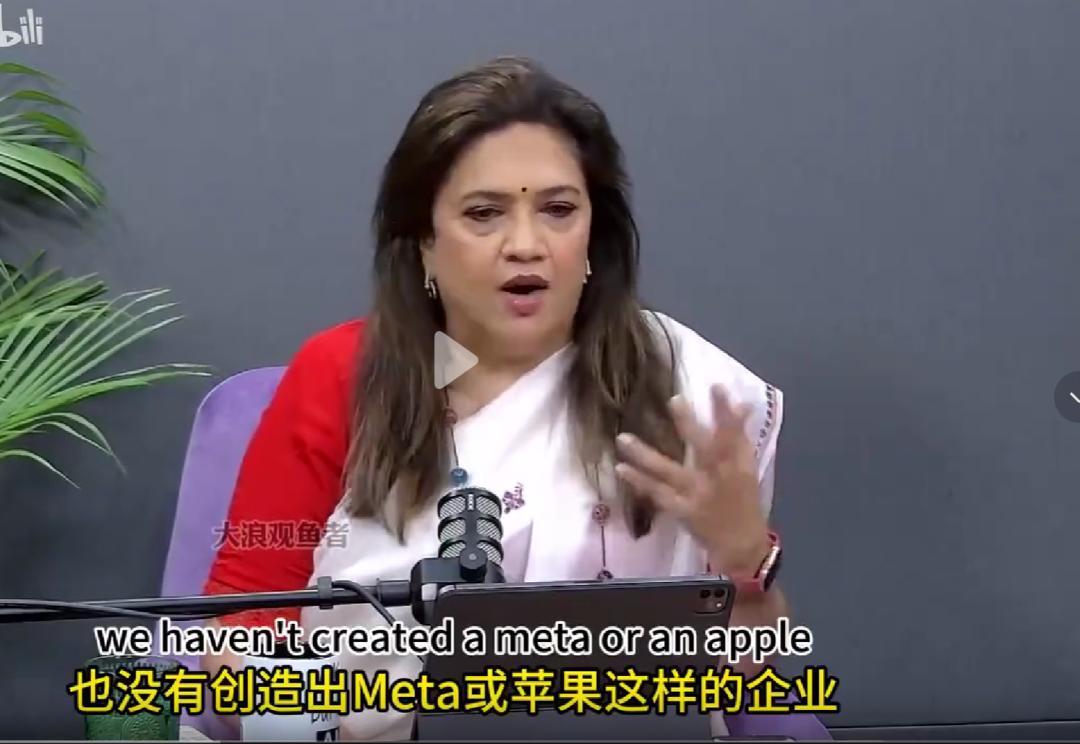
A title of richest person that gains no recognition in the domestic public sphere is a phenomenon worth exploring in itself.
Behind Adani's rise to the top: All his businesses are territory-based operations
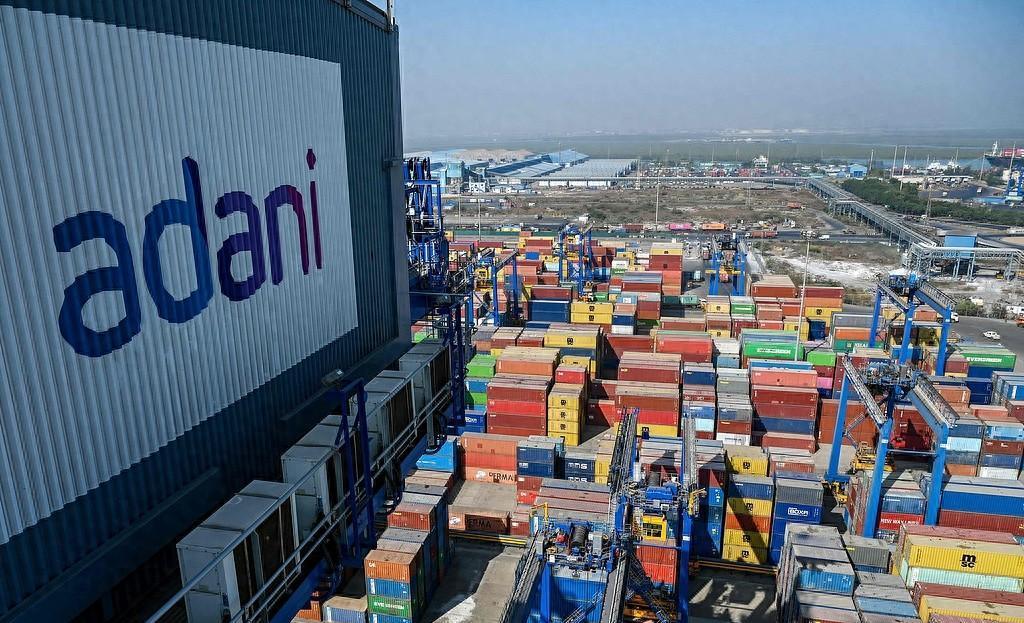
Looking through his portfolio of assets, his business scope covers ports, airports, coal mines, power plants, power transmission networks, cement, logistics, and bulk commodity trading.
The Adani Group operates Mundra Port, India's largest private port, controls over a quarter of India's air traffic, accounts for more than one third of the country's coal imports, and generates over 60% of its revenue from coal-related businesses.
His installed photovoltaic power capacity has exceeded 19GW, but core equipment and key auxiliary materials still rely heavily on imports, and local operations are mostly limited to assembly work.
All these assets share one common feature: every single one of them is a "territory-based business", not a "product-based business".
A port is not a product, it is a checkpoint that all other people's goods must pass through; a coal mine is not a product, it is the fuel that power plants have to burn; an airport is not a product, it is the runway that airlines have to land on.
Adani does not need any ordinary person to like him, trust him, or actively choose his services. He only needs the government to grant him the rights to operate those checkpoints, mining concessions, and runways.
Indian media once investigated an incident: for Adani's coal mine in Chhattisgarh, local residents have been protesting for a long time, but the Indian Ministry of Environment still approved the expansion of the mining area on the grounds of "public interest" and "providing cheap electricity", and the low-priced coal eventually flowed directly to Adani's own power plants.
This is a business model that turns public resources into private toll booths. It generates billionaires at an extremely high speed, but it can never create a product that people are willing to pay to buy.
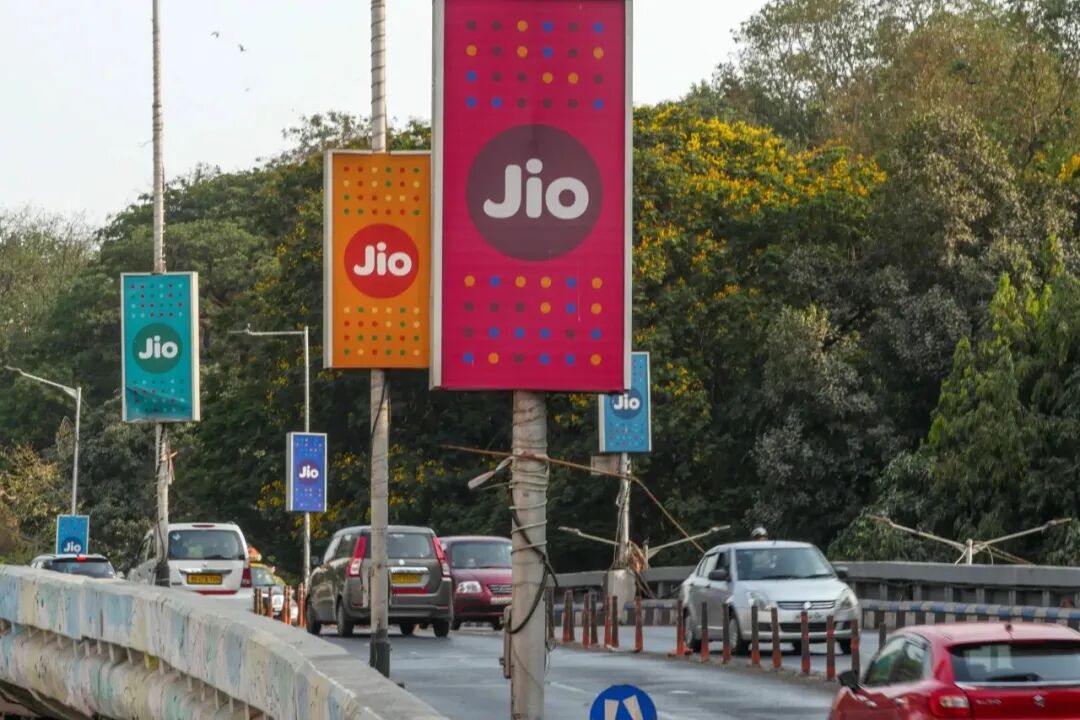
Of course, Adani did launch a telecom product, Jio, which burst onto the market in 2016. But this product essentially follows the same playbook of territory-based operations: the Indian government offered preferential prices for spectrum, gave green lights all the way for approval, and loosened regulations everywhere. Adani burned through capital by giving out free SIM cards, unlimited 4G data, and zero call charges, and quickly took the top spot in the market.
That's why the soul-searching questions from Indian netizens hit so hard.
After DeepSeek became a hit in 2025, there was a wave of disillusionment across Indian social media. One Indian netizen wrote: "China and India both have 1.4 billion people. Chinese engineers built DeepSeek, TikTok, and BYD. We can't even make a cheap Twitter clone."
"Where did we go wrong? Are we stupid, or are the Chinese people smarter?" Another Indian netizen added: "All the wealth of the country goes to Adani and Ambani."
The Times of India invited former central bank governor Raghuram Rajan to write a commentary, titled "Save Us From Our Champions". A line in it is remarkably accurate: "No Indian company is world-famous for its products the way Nintendo, Sony, Toyota, Mercedes-Benz, Porsche, and SAP are."
India can produce the richest person in Asia, but it cannot make a car that the whole world wants to buy, a mobile phone that the whole world wants to use, or an app that the whole world wants to open. The richest person's wealth is built on the "you have to pass through me" access channels, not on the "I want your product" consumer demand.
If a richest person builds his fortune on products, his wealth needs to be recognized by consumers one vote at a time. If a richest person builds his fortune on access checkpoints, his wealth only needs to get repeated nods of approval from power holders.
For the former type of richest person, people will discuss how good or easy to use his products are; for the latter type of richest person, people will only discuss who he has good connections with.
The label of "de facto power holder" lays bare the true nature of this latter type of billionaire
Indian opposition leader Rahul Gandhi made a strongly worded statement in parliament in February 2026: Modi's concessions on the US trade deal were made to protect Adani, because the stability of the Adani Group is "critical to the financial structure of the Bharatiya Janata Party".
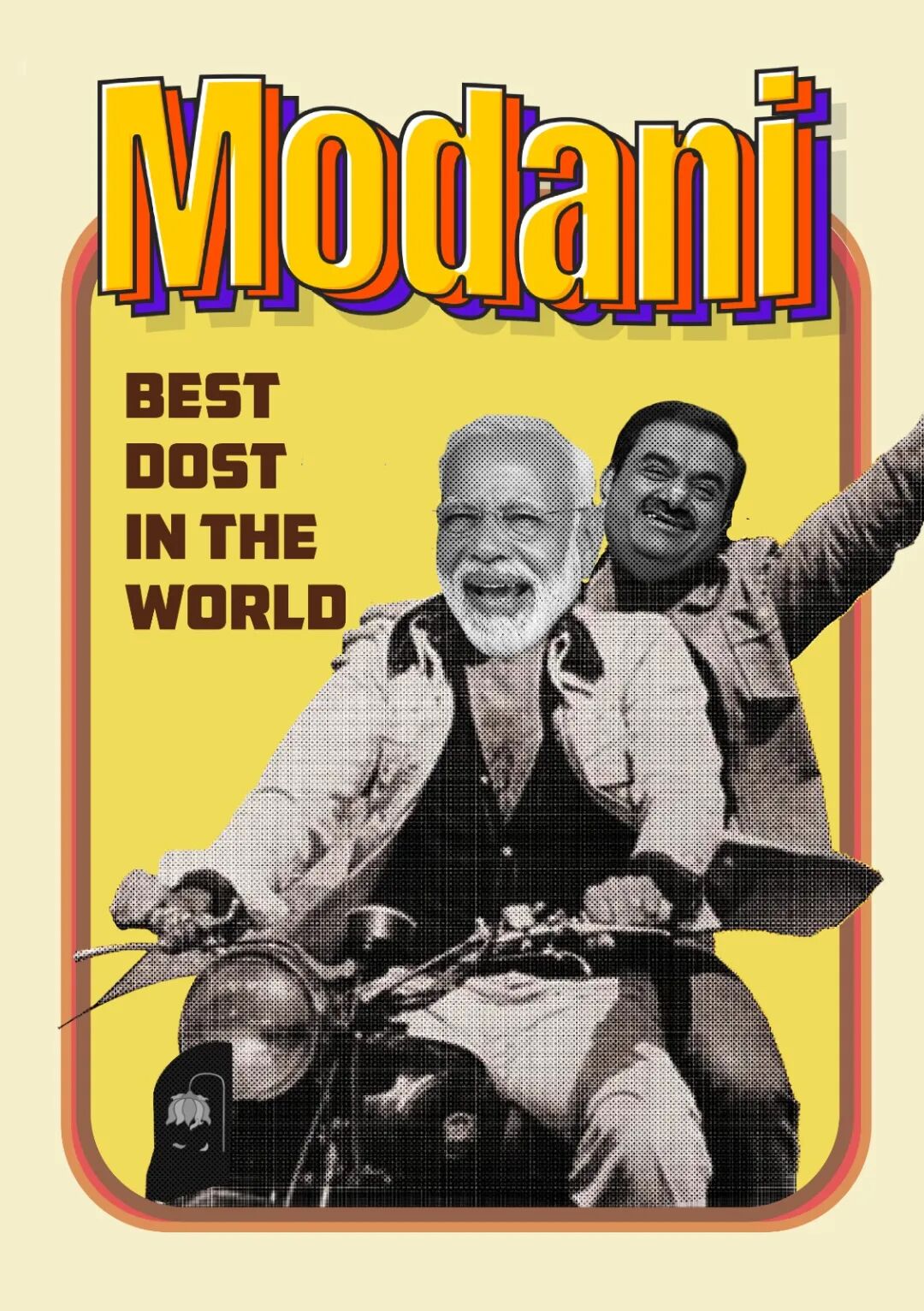
Adani and Modi are both from Gujarat, and their close relationship has long been an open secret in India. The opposition Indian National Congress released comics that gave Prime Minister Modi and tycoon Adani a shared nickname "Modani", and mocked them as "the best partnership in the world".
The New York Times summed it up as follows: this has created a widespread perception that Adani can strike any deal he wants. Adani himself denies receiving special treatment, but ordinary Indian people are not blind.
Being called a "de facto power holder" is the ultimate form of "recognition" in the business world, but it is total "non-recognition" in terms of public opinion.
Because what this label means is: his money was not earned from the market, but siphoned directly from the veins of power.
It does not matter whether the market recognizes him or not, as long as the power holders recognize him, that is enough. But once the power plug is pulled out, or the pipeline is reconnected elsewhere, no one can tell how much of his 110 billion dollar fortune comes from real product competitiveness, and how much comes from policy rents.
When the Hindenburg short-selling report came out, Adani's net worth was cut in half in just a few days. The market gave its answer in the most honest way: Money collected through checkpoints will shake and vanish the moment the checkpoints themselves wobble.
That's why Adani's title as Asia's richest person gains no public recognition. The root cause is not that "Indians are jealous of rich people". Whether Indians are jealous of Ambani is another story, but Ambani at least has Jio — a telecom network that gives 500 million Indians access to low-cost data, a service that ordinary people use every day.
Out of Adani's 110 billion dollar fortune, you cannot find a single thing that ordinary people actively open, actively use, and actively pay for every day. His fortune is at the scale of a product giant, but his product list is completely blank.
Behind Zhang Yiming's 105 billion dollar fortune are Douyin, TikTok, and Doubao, products that hundreds of millions of people open actively every day.
Behind Adani's 110 billion dollar fortune are ports, coal mines, airports, and power transmission lines, things that hundreds of millions of people have no choice but to pass through. The difference between the two types of richest people is that one builds products, while the other occupies access channels.
When Indian netizens ask "Why can't India build TikTok", the answer is actually sitting right on the throne of Asia's richest person.
When the richest person in a country reaches the top through permits, mining rights, and runway operation rights, instead of through a product that people are willing to pay for voluntarily, the smartest people in that country will do the math: building products is less profitable than getting permits, writing code is less useful than currying favor with power holders.
The way the richest person makes money is the signal received by the most talented minds across the whole country. If the signal points in the wrong direction, a country of 1.4 billion people can certainly produce a 110-billion-dollar billionaire, but it can never produce an app that people all over the world actively choose to download.
Adani can easily hold the title of Asia's richest person. But the two words "recognition" cannot be awarded to him by Forbes' rich list.
This article comes from the WeChat official account "Hot Comment" (ID: redianweiping), written by Wang Xinxi, published with authorization from 36Kr.