Blueberries, a favorite among fitness enthusiasts, have generated a 3-billion-yuan business volume within one year.
A handful of blueberries paired with a few nuts is the perfect pre-workout boost for fitness enthusiasts, while a box of cherry tomatoes is a must-have snack for office workers. From supermarket shelves to fresh produce e-commerce platforms, the "red and blue CP combo" is becoming the new darling of consumers.
On the one hand, their outstanding nutritional value makes them stand out among a wide range of fruits. Anthocyanins rich in blueberries are known as "oral cosmetics" and natural "eye-protecting agents"; the vitamin C content in 100g of cherry tomatoes is 2 to 3 times that of ordinary large tomatoes.
On the other hand, for people on low-carb, sugar-controlled and fat-loss diets, blueberry boxes marked with low GI labels and portable cherry tomato cups precisely hit the core dietary needs of fitness lovers and urban populations.
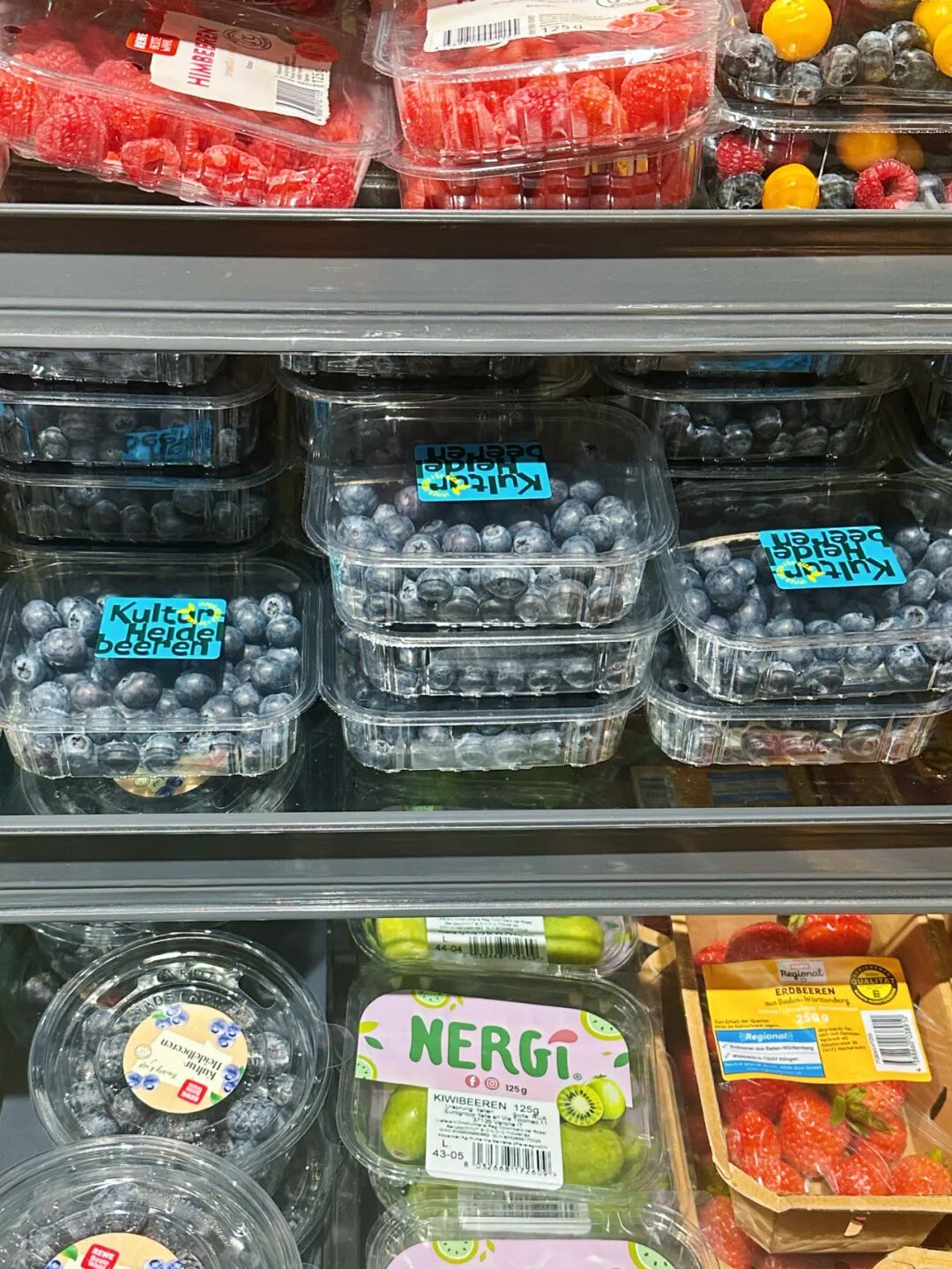
In recent years, the market sales of blueberries and cherry tomatoes have been gradually rising, and they have become one of the fruit and vegetable products with the highest repurchase rate.
For example, US blueberry brand "Fruitist" has already exceeded 400 million US dollars in annual sales, and its sales of extra-large blueberries alone have tripled in the past 12 months. The dark horse domestic tomato brand "Yike Da" has recorded annual sales of over 1 billion yuan just one year after its establishment. During the Double Eleven shopping festival in the second year of its launch, 200,000 boxes of cherry tomatoes were sold out within one hour, with a repurchase rate reaching 50%.
They are also extremely popular on fresh food platforms: on platforms such as Freshippo, Meituan Xiaomao Supermarket and Dingdong Maicai, sales of cherry tomatoes and small boxes of blueberries have been rising steadily. The "Crispy Pop Blueberries" launched by Dingdong Maicai recorded sales of nearly 1.5 million cups in 2024.
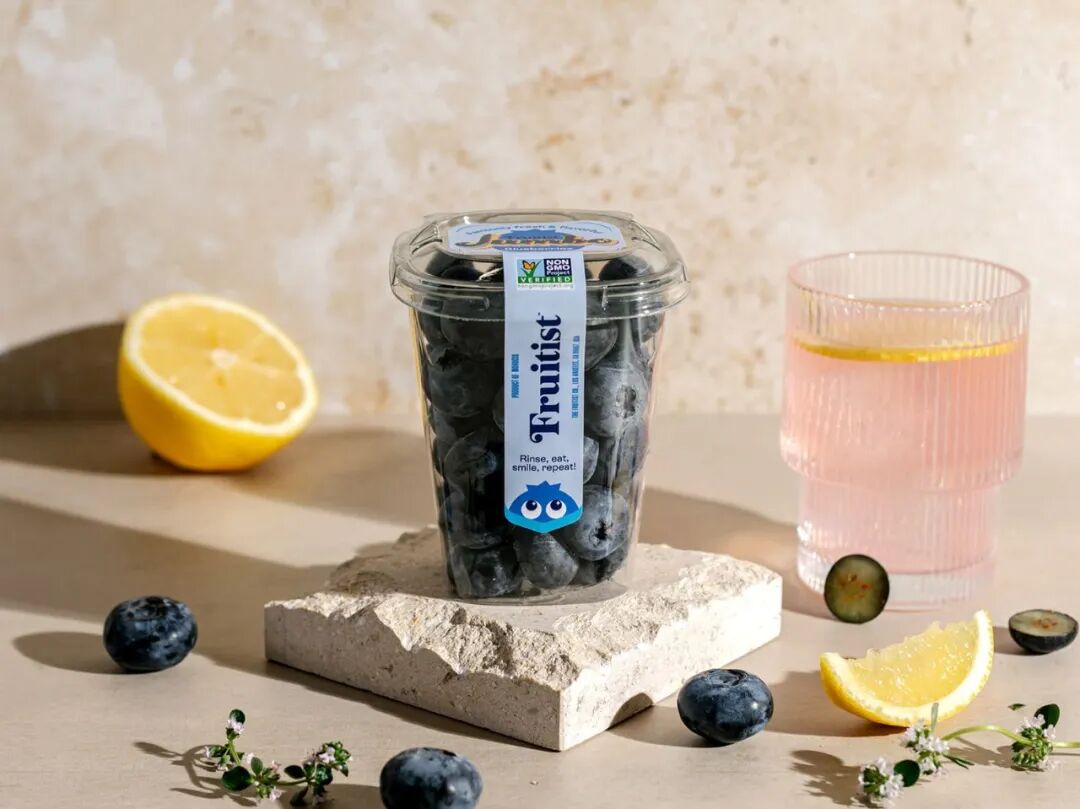
The features of "high nutrition, low calorie, easy to carry and no need for extra preparation" have made them top-tier choices for healthy eating.
The cherry tomato and small blueberry business has already become a dark horse track in the consumer market.
01
A box of blueberries, a handful of cherry tomatoes
Supporting a 3-billion-yuan business
From the popularity of low-GI diets to the year-long viral "White Prince Soup", and the acai bowls that went viral after being eaten by Cortis members for five consecutive days, these small, brightly colored light fruits are becoming the core of consumer traffic.
On social media, blueberries and cherry tomatoes consistently rank in the top 5 of the "fat loss recommendation pyramid", and they are almost indispensable signature elements in fitness bloggers' vlogs.
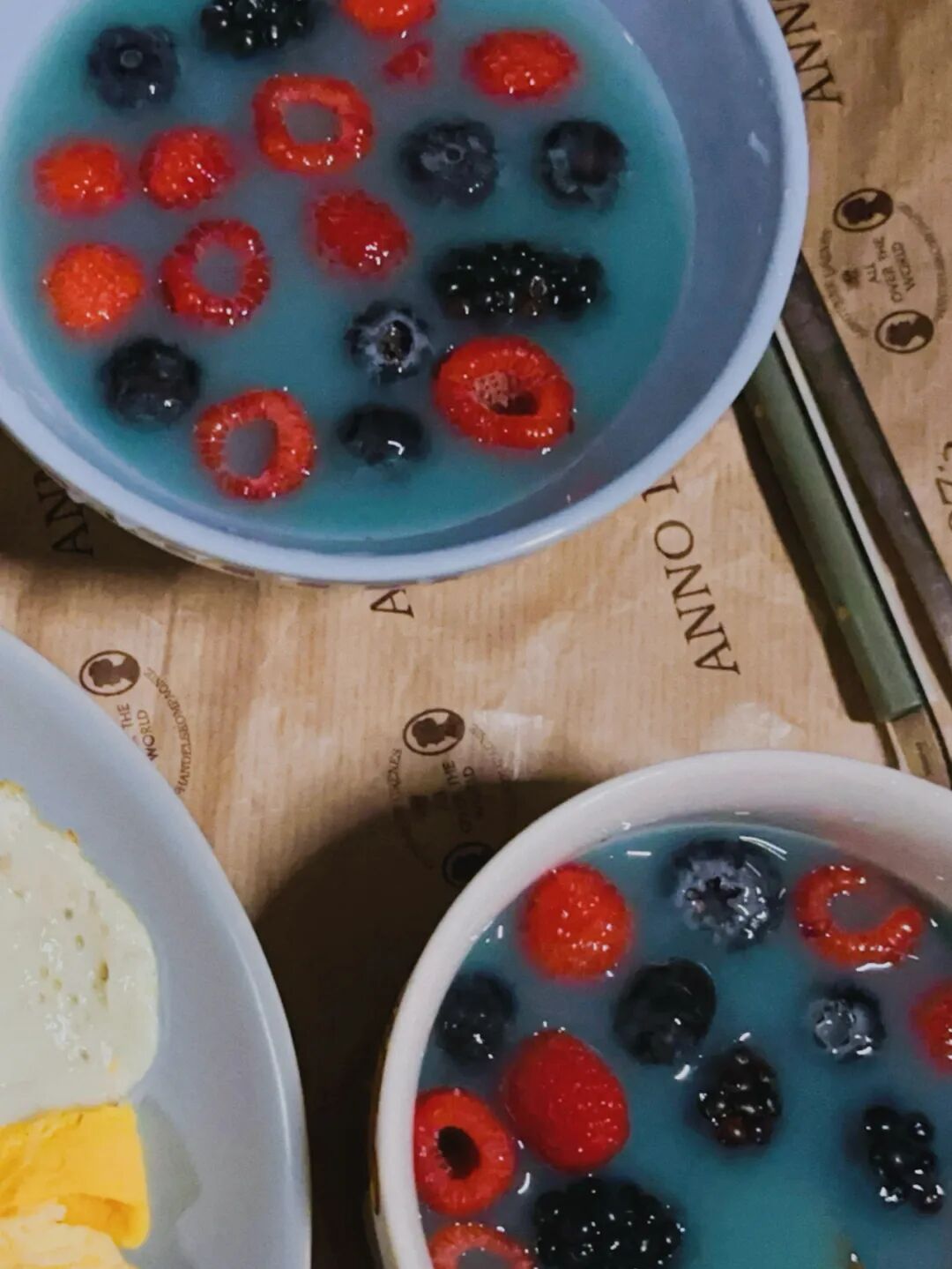
A box of blueberries and a handful of cherry tomatoes: light fruits are not just a healthy eating trend, but also a solid, high-grossing booming business.
Statistics show that in the first quarter of 2024, the sales volume and sales revenue of blueberries on JD.com surged by 77% and 100% year on year respectively; at the beginning of this year, the domestic blueberry output increased and blueberry prices dropped, which further pushed the overall sales volume to soar by 246%. Forecasts indicate that by 2025, the demand scale of China's blueberry market will reach 30 billion yuan.
Of course, the rise of brands has also accelerated the formation of this business.
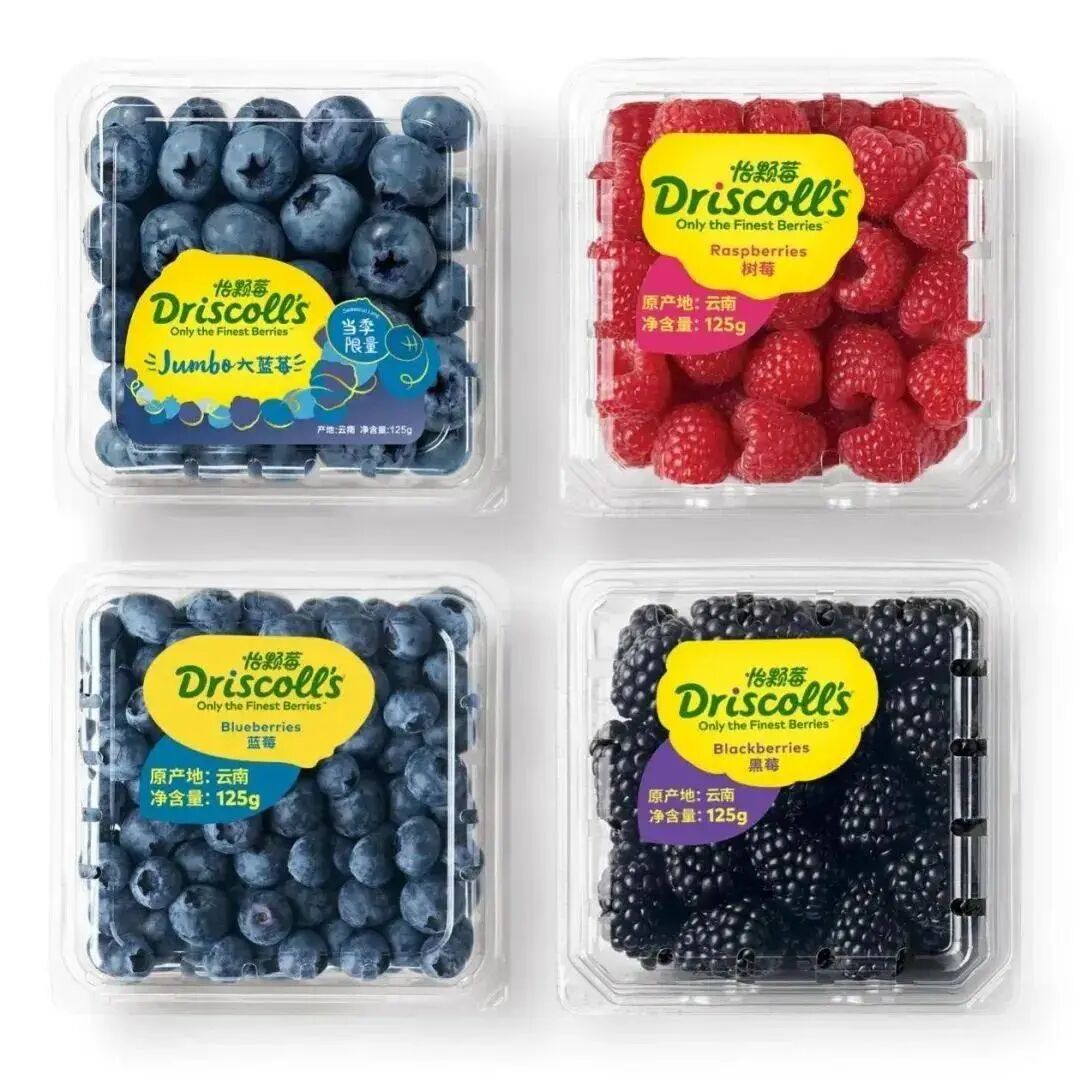
As a global berry giant brand "Driscoll's", its sales volume is predicted to exceed 35,000 tons, worth 2.4 billion yuan in the year marking its 10th anniversary in China. US blueberry brand "Fruitist" with annual sales exceeding 400 million US dollars is also a remarkable dark horse. The brand "Yike Da", founded in December 2022, has ranked first in tomato brand sales on Xiaohongshu for three consecutive years, with cumulative sales exceeding 1 billion yuan.
The soaring sales of light fruits not only reflect the upgrading of urban young people's eating habits, but also show that brands have accurately captured consumers' demand for "bigger, better and more convenient" products.
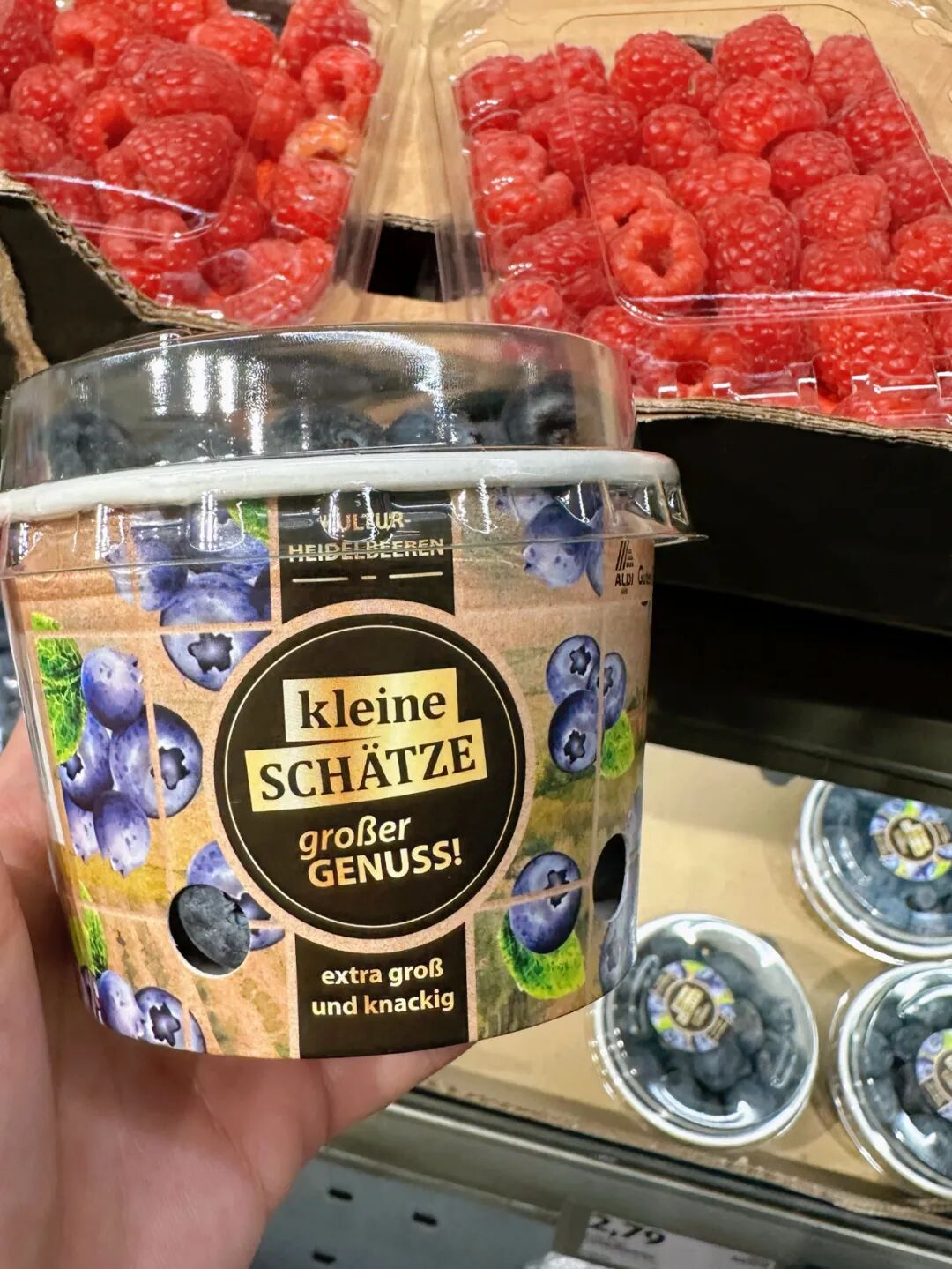
Fitness enthusiasts who need to control sugar intake while supplementing vitamins can easily meet their psychological need for clean eating with a serving of cherry tomatoes. White-collar workers who want an extra snack at 3 p.m. without greasy or salty food can enjoy ready-to-eat blueberries directly from the box, which is convenient and will not break their calorie balance.
They do not need to be washed or peeled, and are perfect for casual photos, which perfectly fits the "light food sense of ritual" in today's fast-paced life. Consumers are not just buying food, but also a signal that "I am living a healthy life".
This is also why light fruits have become "social food": they are healthy, low-burden and photogenic. With the spread on social media, they come with natural traffic and even drive an entire consumer chain.
The booming of light fruits has driven the development of deep processing brands.
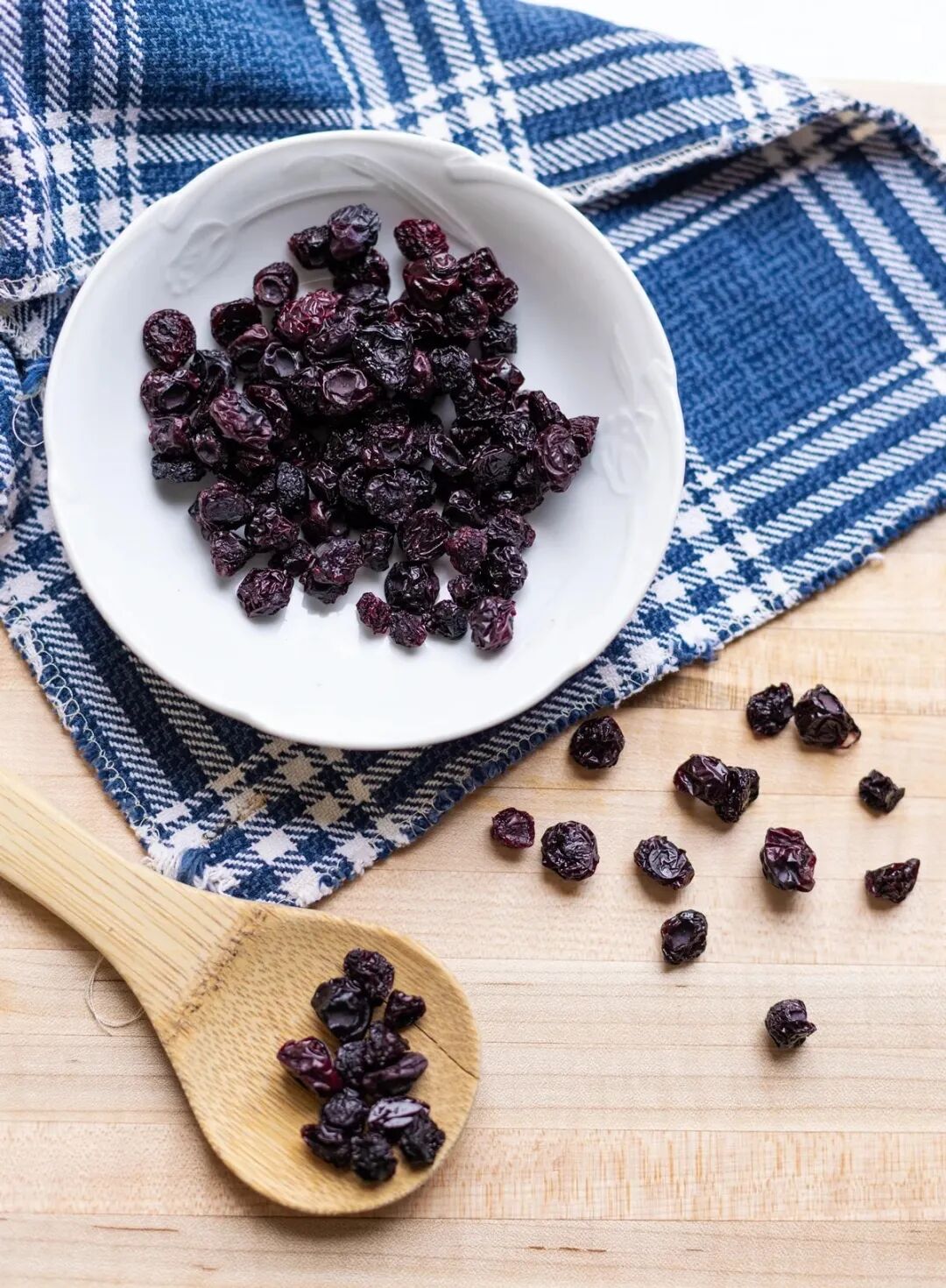
Many brands have launched independently packaged daily dried berries, blueberry energy bars, tomato juice sparkling water and other products. Products based on "low-GI fruits" are also replacing traditional snacks and ordinary fruits, becoming a new generation of daily companion products.
As Sally Lyons Wyatt, chief consultant of consulting firm Circana, said, "It is 'healthier' products that support the continuous growth of core snack categories."
02
Why blueberries and cherry tomatoes
Have grown into a huge business?
In the office, you can always see colleagues sharing blueberries and cherry tomatoes with each other, but few people say they want to eat an apple or a banana. This is because these two products meet the current dietary structure and consumption psychology of consumers.
The key words of current consumption are "high protein, low carbon, low sugar, anti-oxidation, anti-inflammation". All health trends revolve around "functional diet", and low-GI light fruits exactly fill this demand gap.
For fitness groups, healthy eating is no longer an abstract concept, but a visible state. As some consumers put it, "I need healthy low-GI food that is also cost-effective."
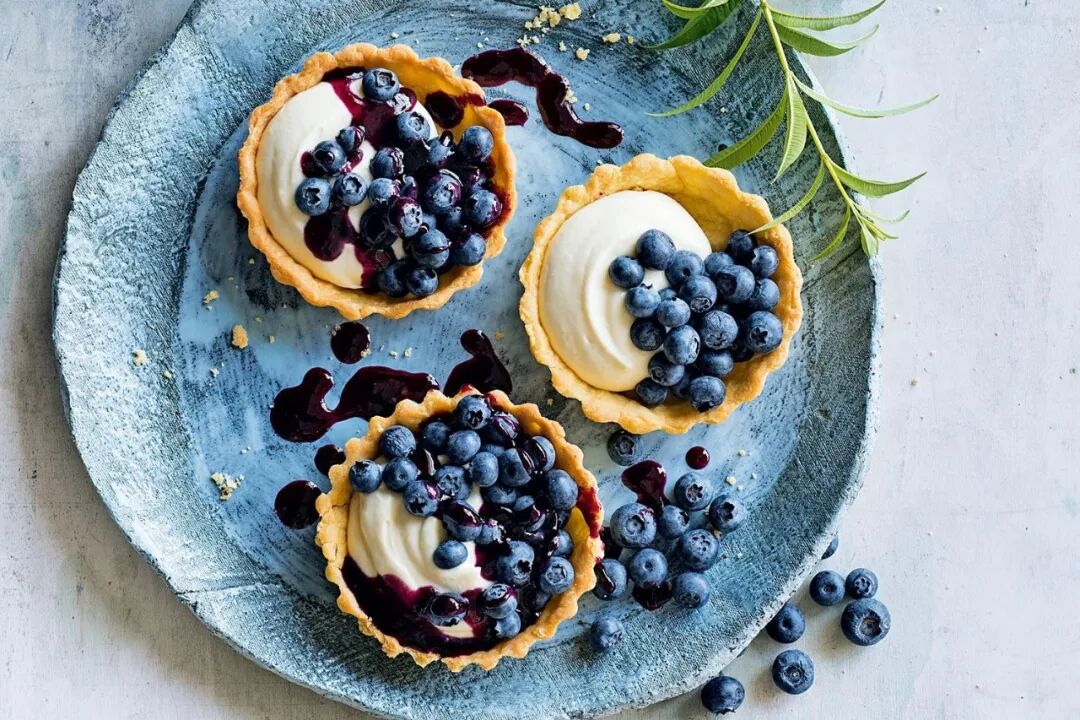
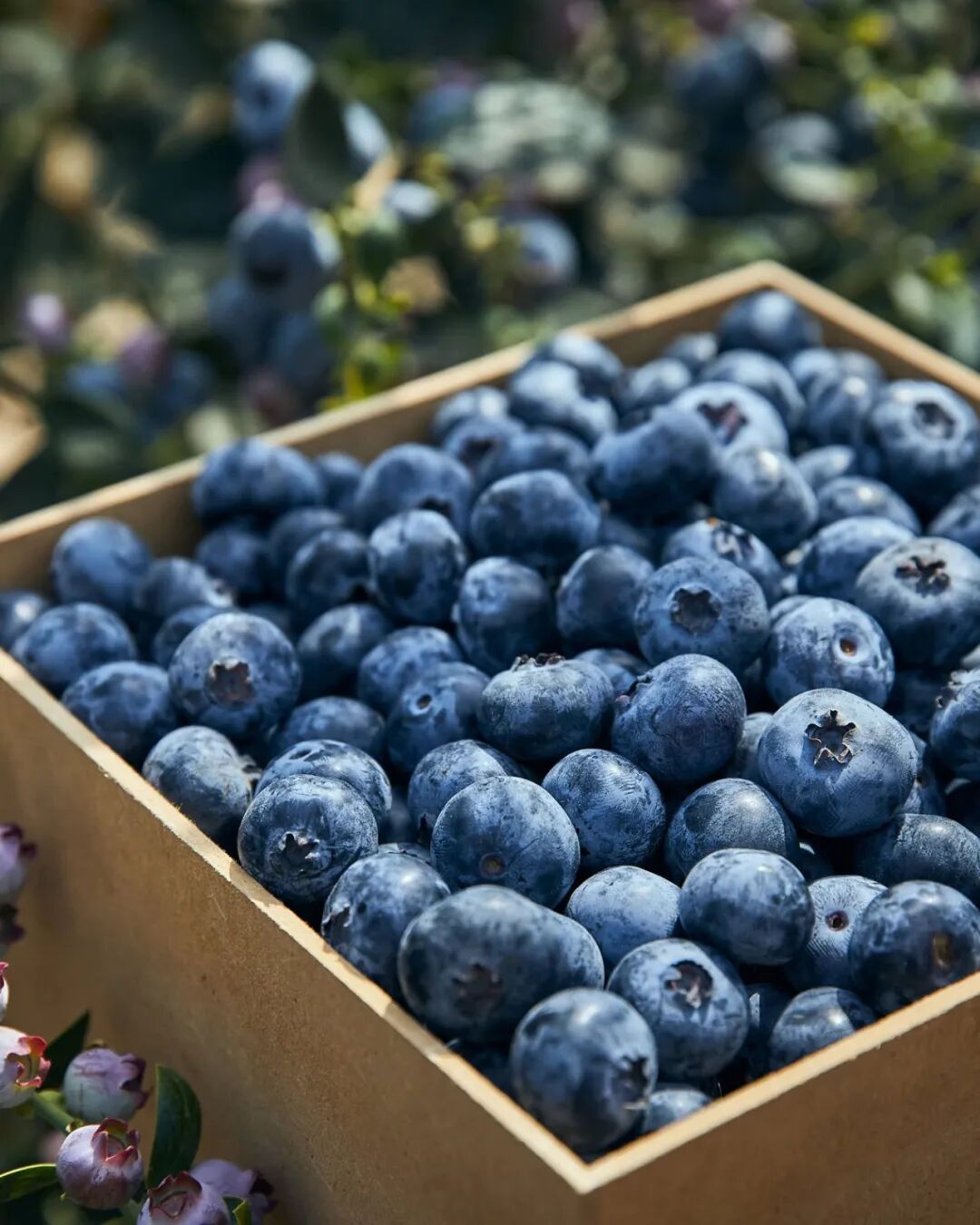
They pursue lower body fat percentage, and more importantly, glowing skin and physical vitality. Every 100g of blueberries contains about 365-406.9mg of anthocyanins, which is proven to help delay muscle oxidative aging caused by exercise, while lycopene in cherry tomatoes can promote fat metabolism.
For example, every 100 grams of cherry tomatoes contains 43.5 mg of vitamin C, while ordinary large tomatoes only contain 24 mg. A serving of 220 grams of cherry tomatoes (about 20 pieces) contains 95.7 mg of vitamin C, which basically meets the daily requirement of the human body.
In fact, these tangible benefits are everywhere on social media, which makes the advantages of blueberries and cherry tomatoes deeply rooted in the hearts of consumers, and also promotes the repurchase of products.
Many brands have keenly captured this trend. Instead of making general statements in product promotion, they focus precisely on "specific anthocyanin content", "rich in natural lycopene", and take "0 GMO" and "0 hormone" as quality endorsements. For example, brand "Fruitist" explicitly states that all its products are certified by the Non-GMO Project.
Compared with traditional fruits such as oranges and bananas, light fruits such as blueberries, cherry tomatoes and raspberries are easier to create differentiated packaging and product features.
For example, Freshippo's "Tomato Hug Bucket" and Sufang's frozen "Daily Berries" bring freshness to consumers while catering to urban people's desire to try new things.
Some brands have clearer product grading standards, such as grading by fruit size and sweetness, which also ensures a "high-quality" consumption experience. For example, the brand "Joyvio" has customized a product manual for blueberries, with a sweetness of 15% and blueberry sizes divided from less than 14mm to more than 22mm.
More importantly, blueberries and cherry tomatoes have successfully achieved full user coverage.
Fitness enthusiasts are the core users, but maternal and child groups and elderly consumers are also joining the consumer base. For young parents, blueberries are safe, additive-free complementary food for children; for middle-aged and elderly people, they are health fruits that help control sugar and lower blood pressure.
Brands are adopting the strategy of "precise efficacy + all-age coverage" to build a universally recognized healthy image for these fruits.
At present, "light meals" and "low GI" are undoubtedly the traffic codes on social media, and also a replicable healthy and positive life template for the public. Eating the same type of fruits and sharing photos of the same fruit boxes on social media elevates blueberries and cherry tomatoes from physical health benefits to emotional satisfaction.
03
New low-GI fruits
Are triggering a wave of fruit innovation
When "low GI" becomes the new trend of healthy consumption, the popularity ranking in the fruit industry is quietly rearranging.
In the past, popular fruits that won by high sweetness, such as watermelons, lychees and durians, are now gradually changing from "eat as much as you want" to "taste a little" in the eyes of fitness and sugar control groups.
Instead, low-GI fruits such as blueberries, cherry tomatoes, cherries and blackberries are gaining popularity. They have lower sugar content and stronger antioxidant capacity, which better fits the dietary concept of "controlling sugar without sacrificing taste".
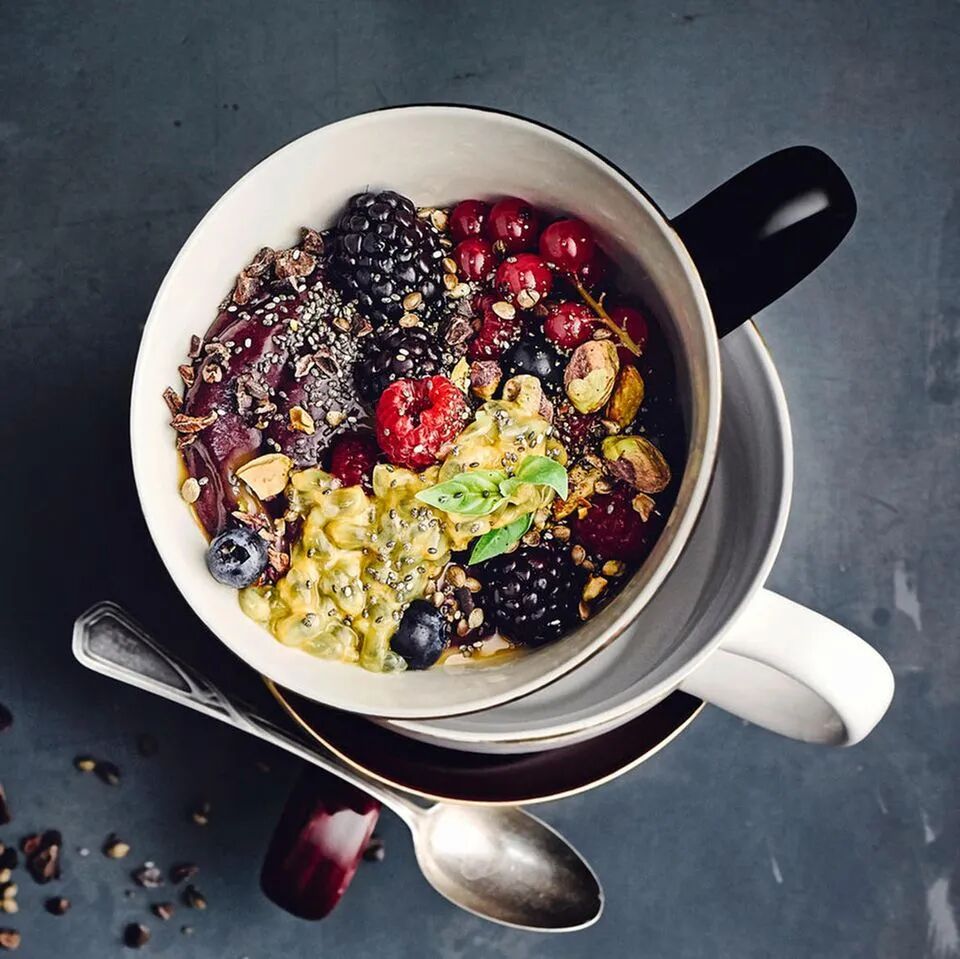
"Low GI" has also become an important filtering label for consumers, and even one of the reasons for repurchase.
In response, brands have taken quick actions. For example, in August 2025, Freshippo Fresh Food launched its own brand low-GI series of products, with clear GI value descriptions attached to products from blueberries to kiwifruits; brands such as Joyvio and Driscoll's have also successively obtained the "Low GI Food Certification" label.
At the same time, the low-GI wave is also affecting the broader fruit and vegetable derivative market. Products such as NFC juice, dried fruit and jam have all put up labels of "low sugar" and "low GI", using technical means to maintain their health attributes.
"Numerical evolution" will trigger a reform wave in the fruit industry. Good taste can be visualized, health benefits can be quantified, and the visualization and certification of GI values may become the standard configuration of the fruit and vegetable industry in the future.
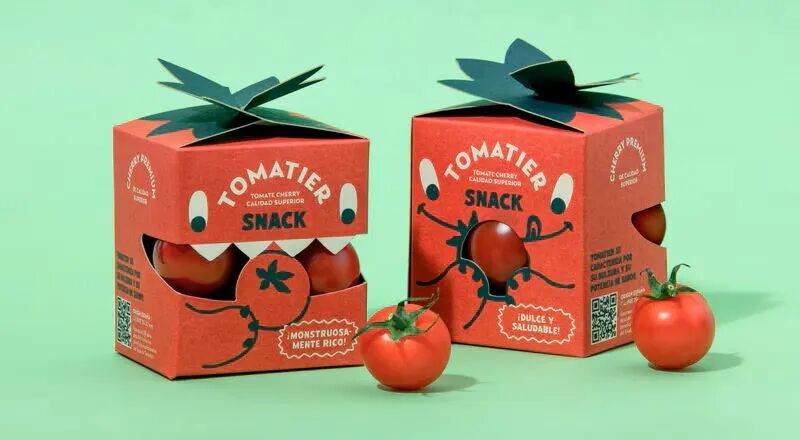
For example, sweetness commitments, fruit diameter labels and storage guidelines are directly printed on the box cover, so that consumers can clearly judge "whether this box of fruit is worth buying". Some brands also attach origin traceability information, allowing consumers to scan the code to see the planting site, picking date and transportation chain, thus building emotional connection and a sense of security.
The success of blueberries and cherry tomatoes is a microcosm of the upgrading of public healthy consumption. "Nutrition + function + brand tonality", "low GI, anti-oxidation, low burden" are pushing the fruit and vegetable industry into a brand new era.