After people's curiosity fades away, is the fresh snack industry still a good business?
"I came here specifically on a weekday, but still waited in line for an hour to get in. The store is not as big as I imagined, and I waited almost 50 minutes to pay, only to buy things worth more than 50 yuan."
At the Ziteng Road subway exit of Shanghai Minhang MixC, two women who had finished shopping at Jinlimen sat on the ground to rest. They told Pangjing that they were queuing for drinks, "the line is much longer than the snack line", and each person is limited to buy two bottles of freshly made drinks across the store. When it was their turn, many popular flavors were already sold out. "The store really makes people want to buy things, every item only costs a few yuan, it's really cheap. I picked up a lot of things in the snack area, some taste good and some don't."
However, they saw with their own eyes that the so-called "freshly made" drinks were actually poured by the clerk from a large stainless steel can into small cups, plus some other small toppings: "No wonder the short shelf life is only one hour, it only tastes good for the first few sips, and it gets too sweet and cloying later on."
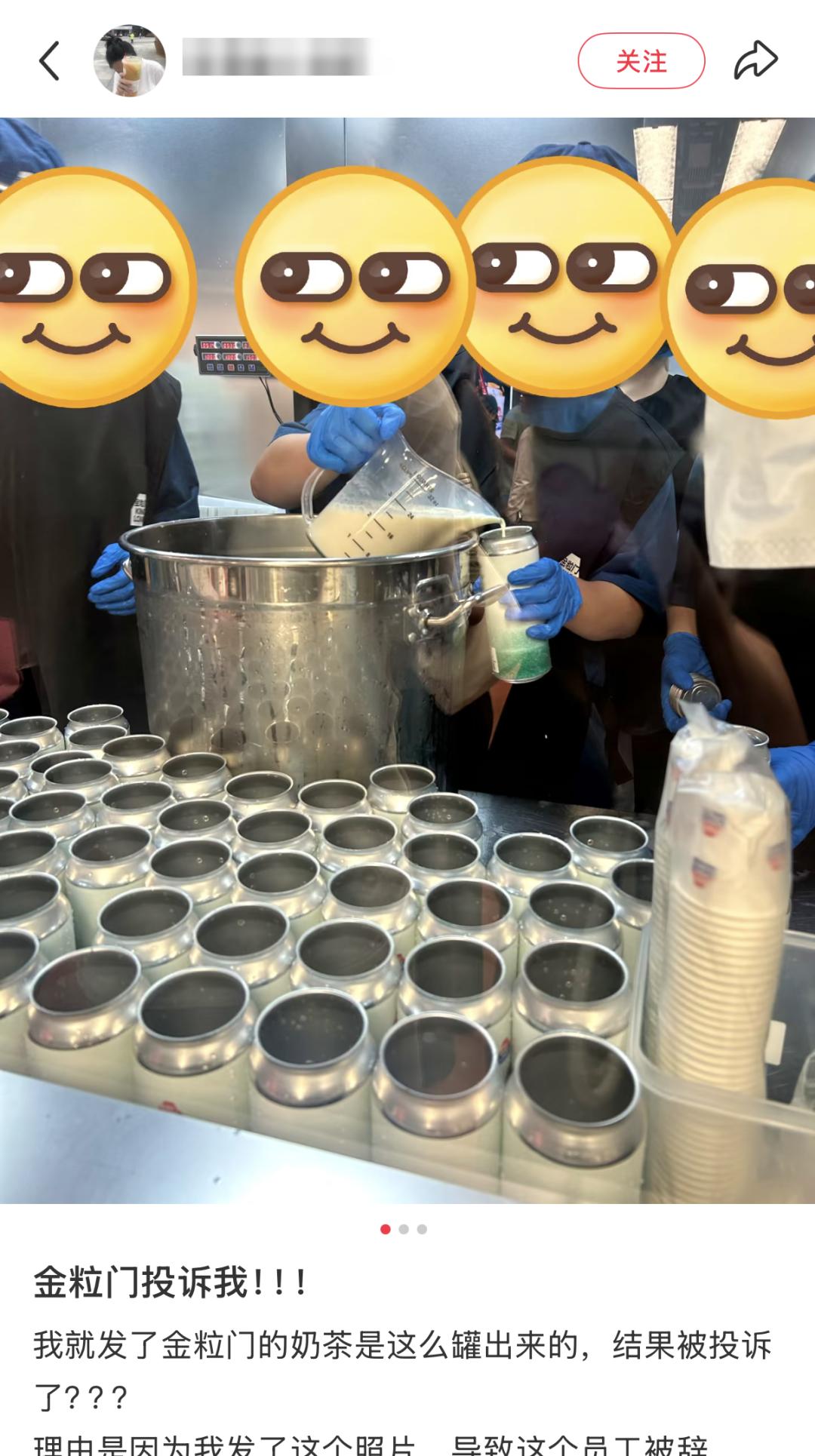
Photo / "Freshly made" drink, Source / Xiaohongshu
Contrary to the "frustration" of the two women, Jinlimen's popularity has been growing day by day since it settled in Minhang, Shanghai.
This "fresh snack" store that originated in Changsha seems to have cracked the traffic code in Shanghai. Amid the controversy over "whether they paid scalpers to queue", it usually takes about an hour to queue for entry and payment on site, and there are many discussions about products, stores and queuing on social platforms.
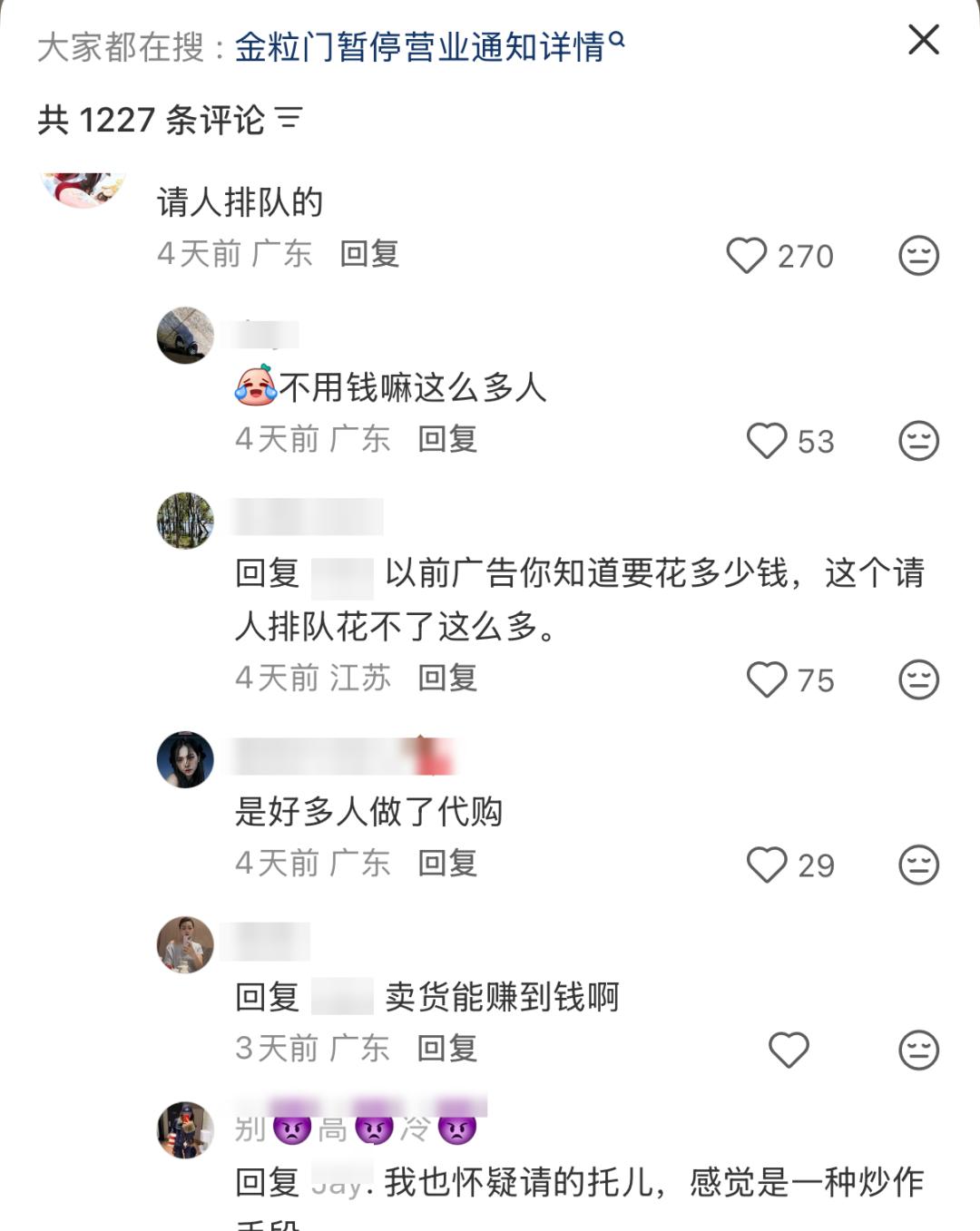
Photo / Paid people to queue? Source / Xiaohongshu
"I haven't tried it, but I've seen it on social platforms" has become the standard feature of Jinlimen's viral popularity.
This boom has exceeded the usual foot traffic of a snack store, and also raised new questions: Why are some people who don't usually eat snacks willing to participate in this kind of consumption? What is the essential driver behind this experience and participation? How big a business can this traffic support?
And in the future, after the curiosity and novelty fade away, how long can this "fresh snack" business last?
Jinlimen, which rose to fame amid controversies, the "fresh snack" that embraces traffic
Jinlimen suddenly became a hit.
The strategy of entering the negative first floor of high-end business districts in first-tier cities has successfully allowed this fresh snack shop, which originated from a street chestnut store, to reach the widest audience.
Adjacent to the Zitengyuan subway station at the end of Line 10, opposite to True Tea Star and KOI, close to Meet Noodle, Xiongzhi Cake, Mustache Ice Cocoa and Zhou Hei Ya, the first Shanghai store of Jinlimen, whose surrounding consumption range is 10-30 yuan, has a long queue at the door that passes through the safety fire door, almost blocking the narrow underground passage completely.
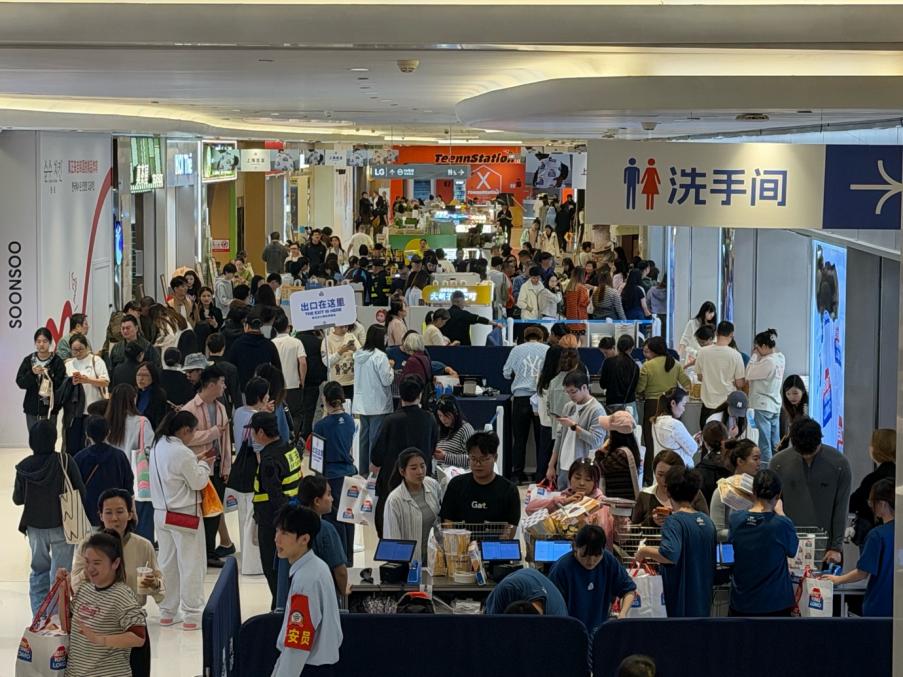
Photo / Queuing situation at Jinlimen Shanghai Minhang Store, Source / Pangjing on-site shooting
Senior brand expert Zhang Qiaohong believes that the explosive popularity of Jinlimen is the result of the joint promotion of channels, marketing, chain operation, cost performance and emotional consumption.
Zhang Qiaohong broke down several reasons for Pangjing: "First of all, large-scale brand marketing and big data precision feeding supported by capital made it successfully go viral. At the same time, the whole set of methods of Hunan snack chain system is more advanced and efficient, and the evaluation of high quality and low price also fits the current demand for small consumption. At Jinlimen, consumers are not only buying snacks, but also emotional value."
Drinks costing seven or eight yuan, snacks costing two or three yuan, no matter it is "joining in the fun" or "looking for a bargain", all greatly satisfy the most simple needs and desires of consumers.
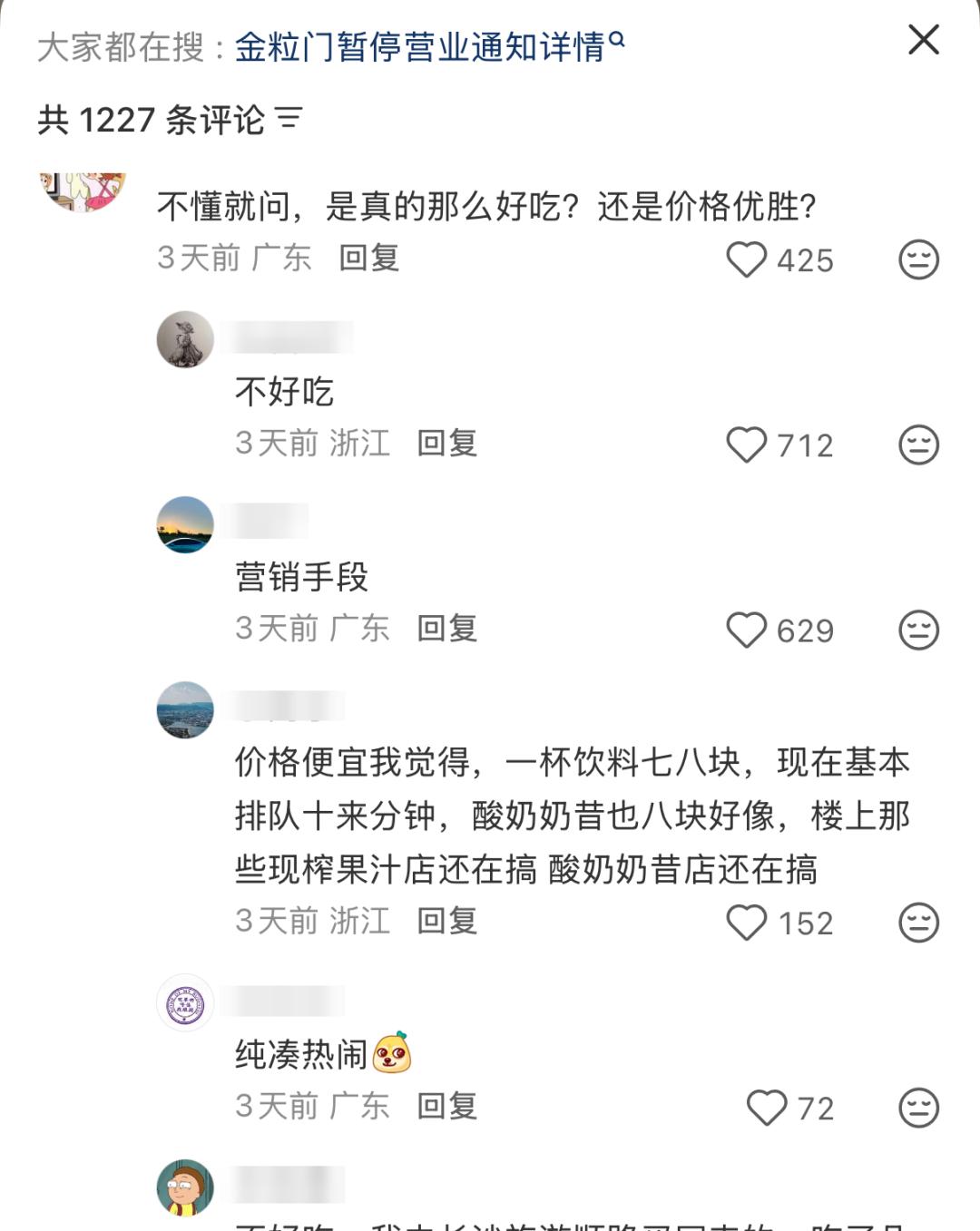
Photo / Is it tasty? Source / Xiaohongshu
However, there are a huge number of negative reviews about this "explosively popular" store on social platforms. In some small sample social comments randomly selected by Pangjing, negative doubts (55%) account for more than half, food safety/hygiene (30%) is the most controversial part, followed by marketing/hype doubts (25%), then OEM exposure (12%) and taste cost-effectiveness disputes (10%).
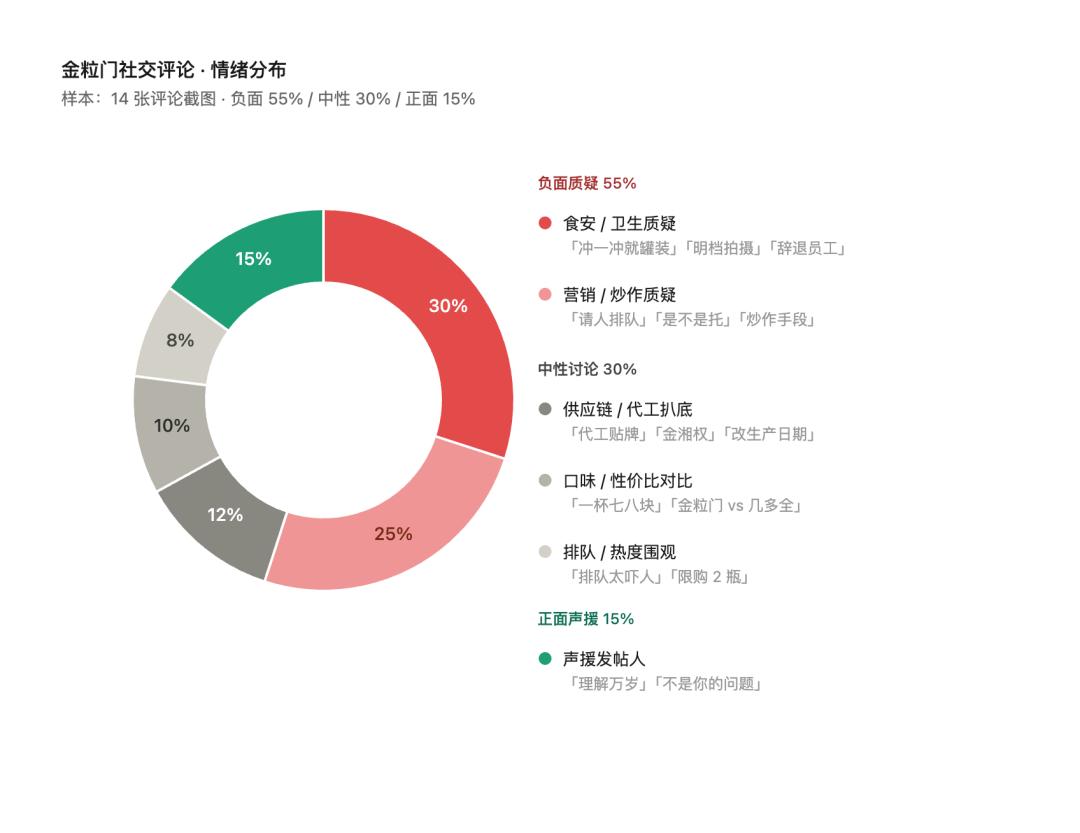
Photo / Emotional distribution of Jinlimen's social comments, Source / Produced by Pangjing using Work Buddy
Some netizens think that "OEM" is the original sin, and some netizens think that its cost performance is not as good as Pinduoduo.
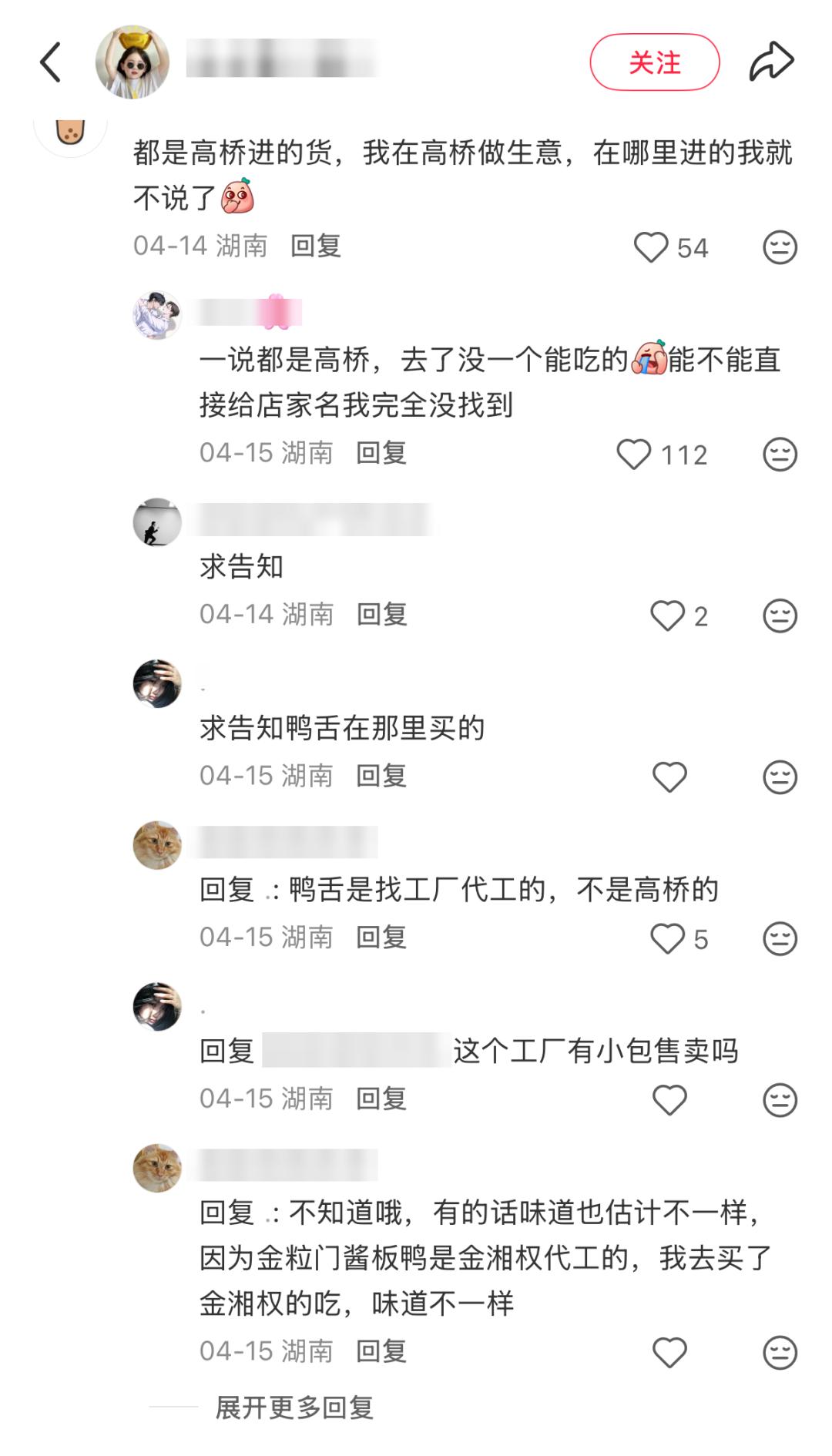
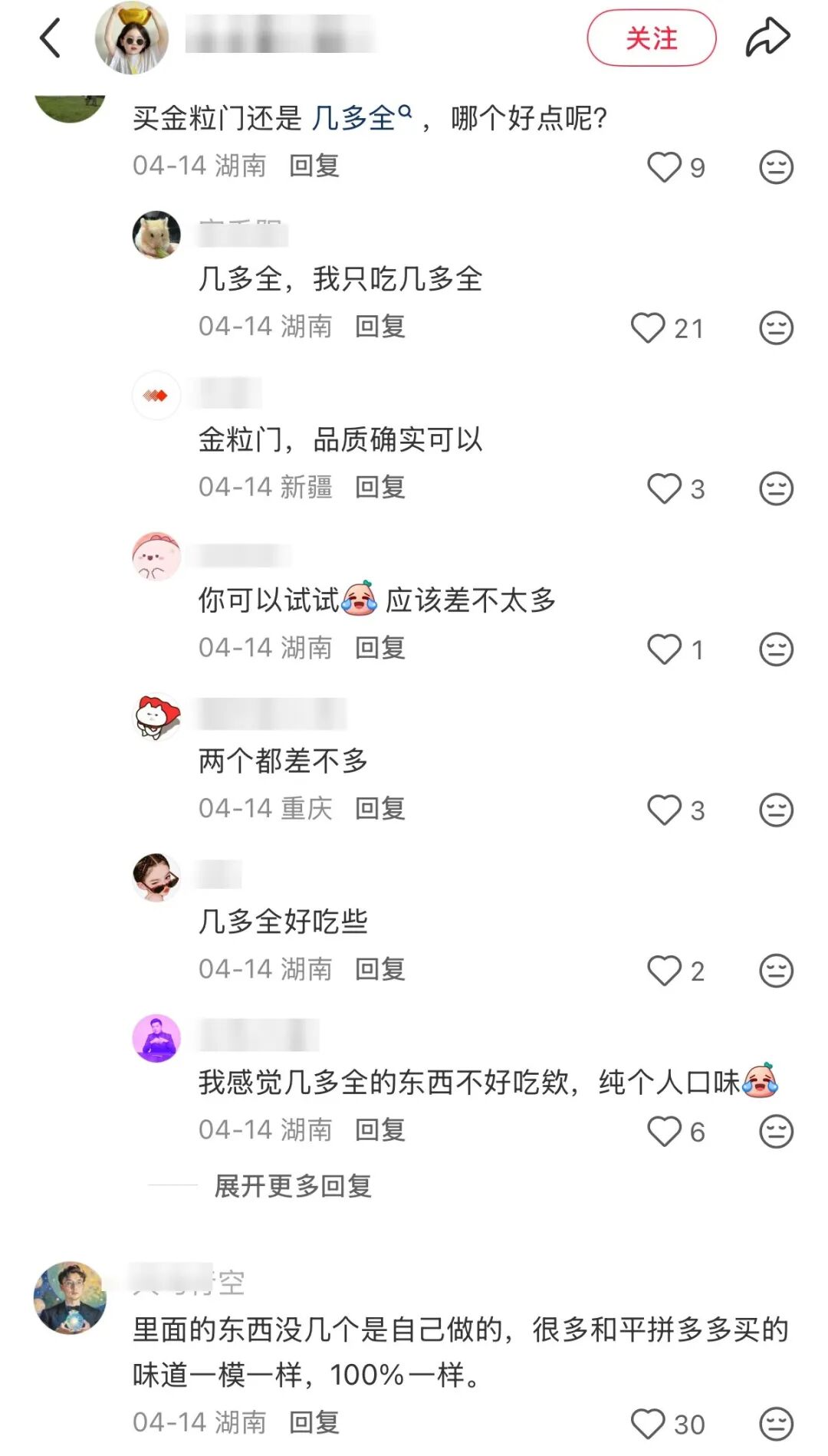
Photo / Comparison of purchasing from Gaoqiao, OEM factories and Pinduoduo, Source / Xiaohongshu
What's more, some people point directly that Jinlimen's most powerful trick is to modify the shelf life of fresh food, and you will get stomachache after drinking the so-called fresh drinks.
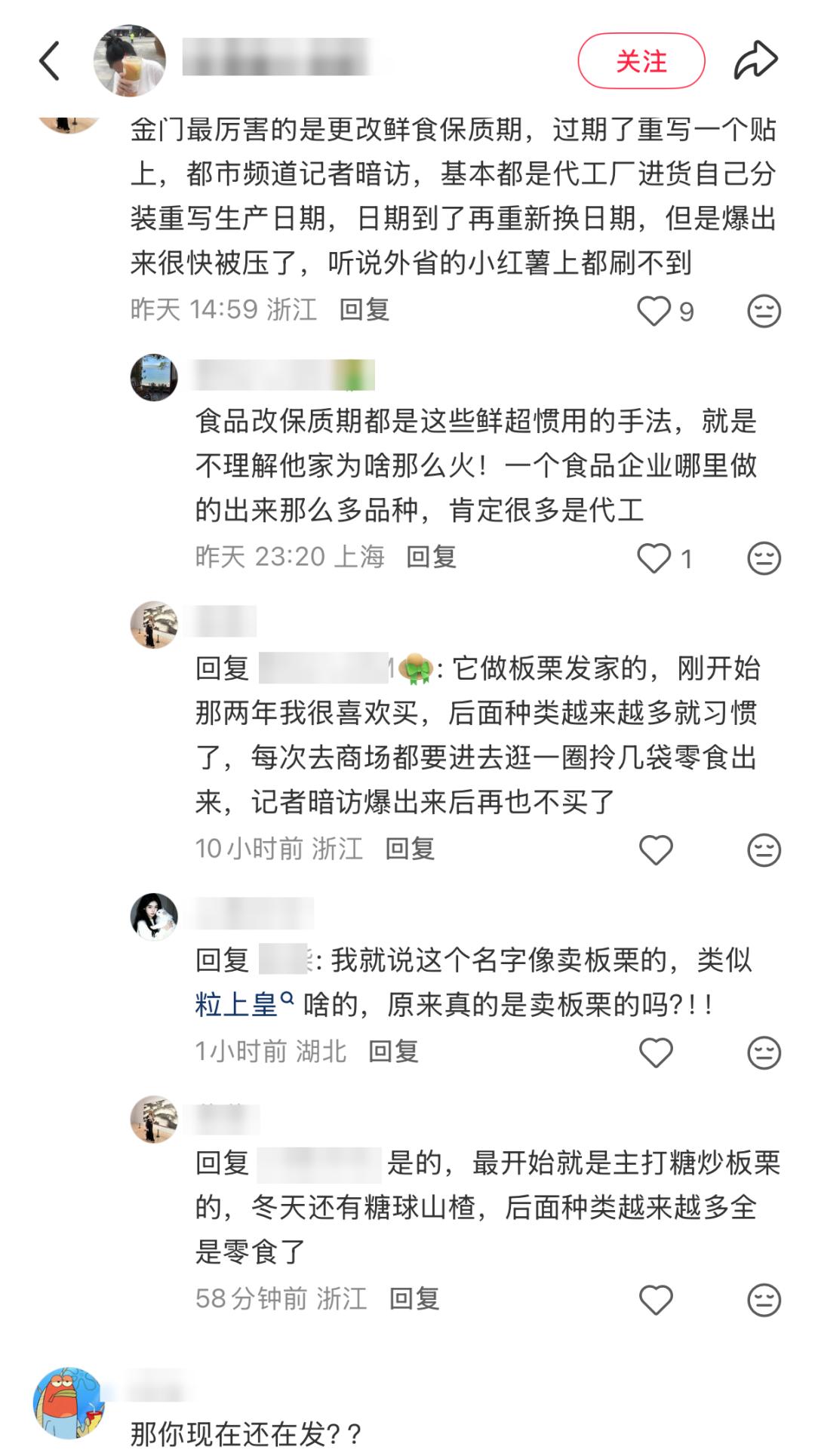
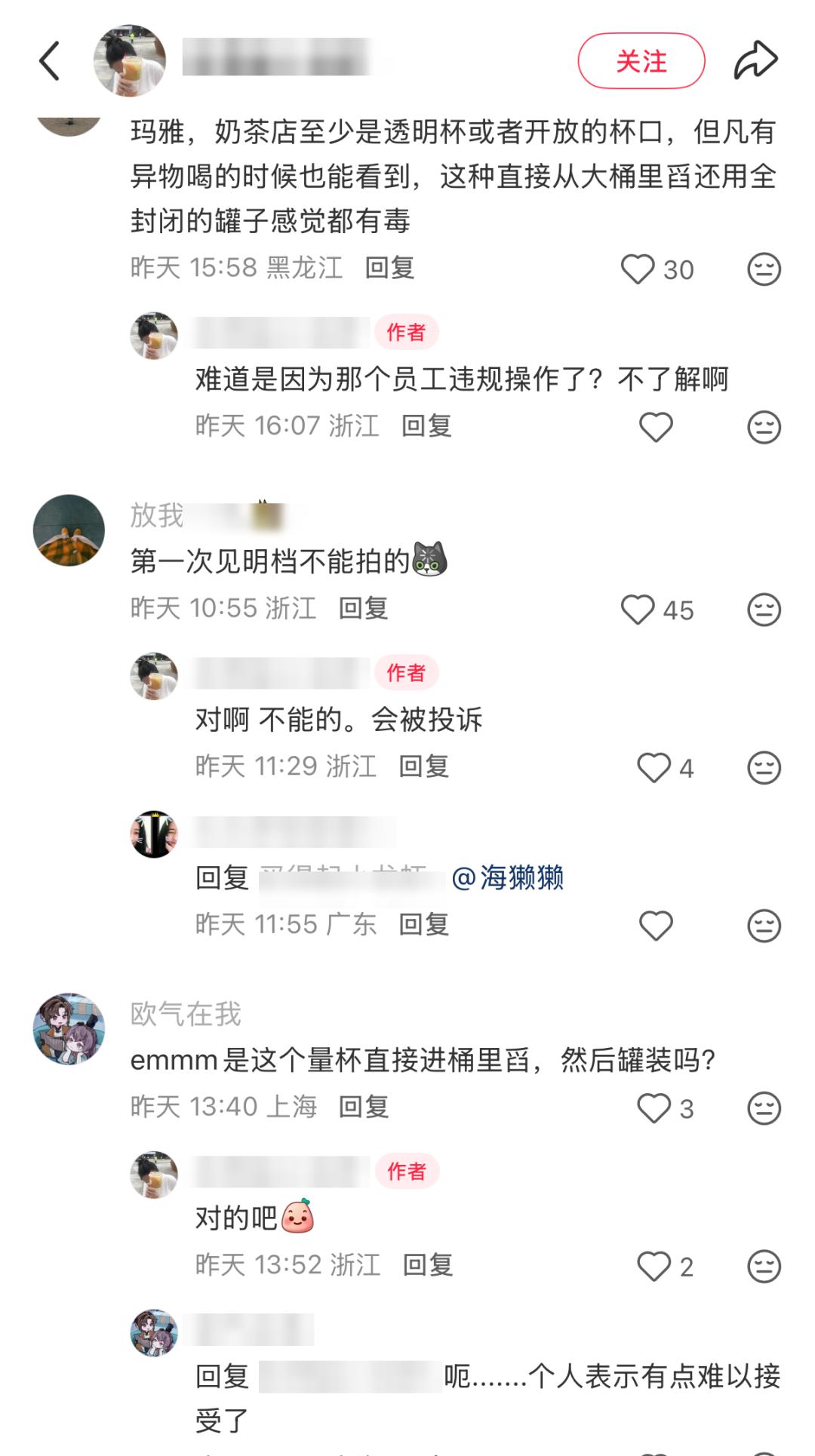
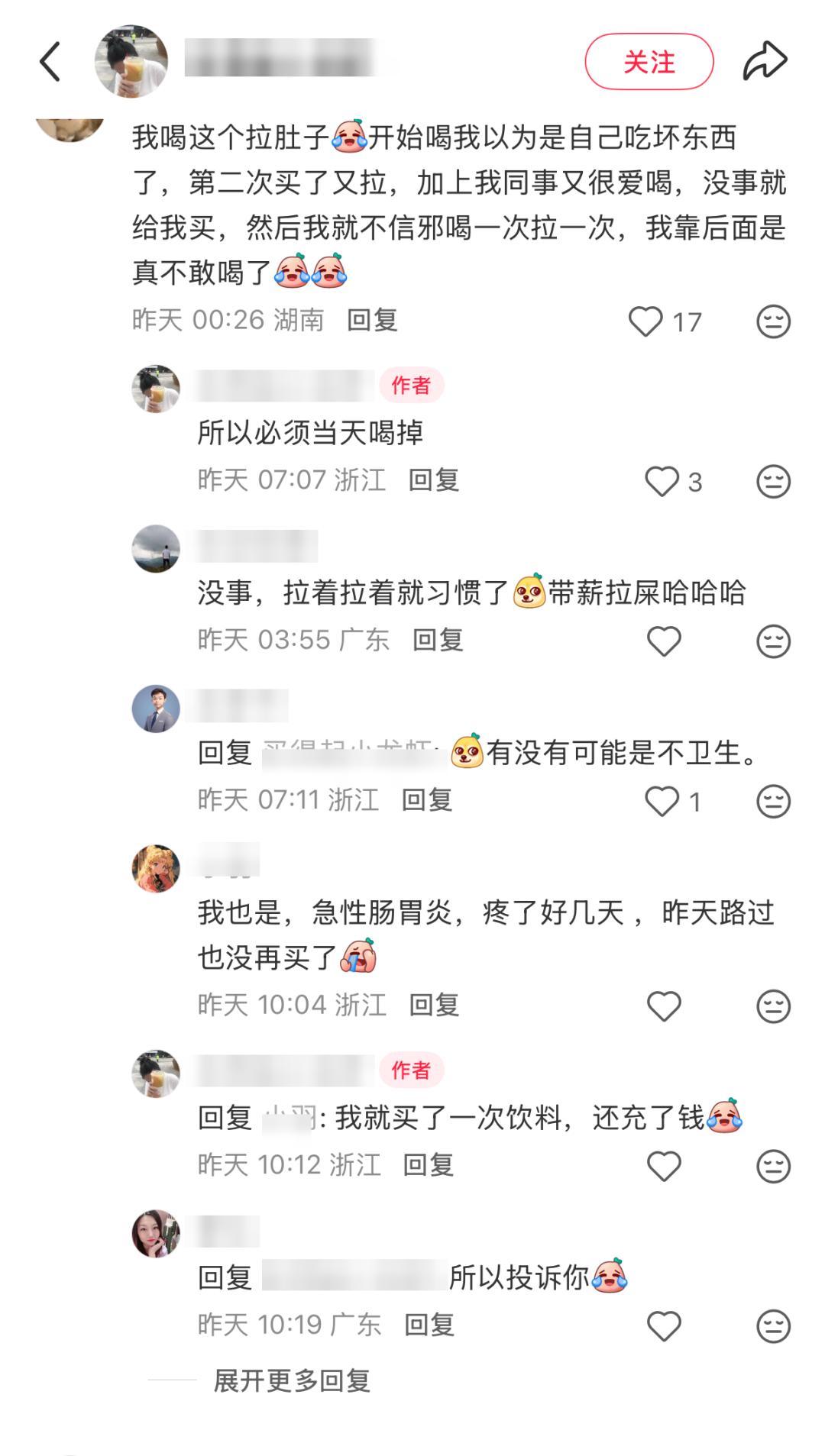
Photo / Modifying fresh food shelf life, canning, stomachache caused by fresh drinks, Source / Social platforms
Jinlimen, full of controversies, sells "fresh snacks" with the selling points of "short shelf life, less additives, made and sold on the spot". This is a still growing track. According to data from iiMedia Research, the market size of China's leisure food industry reached 1.1804 trillion yuan in 2025, and it is expected to reach 1.333 trillion yuan in 2030.
The so-called fresh snacks refer to snacks that mainly use raw materials with limited requirements for use cycle, adopt appropriate processing technology and shorten the production-marketing cycle to maintain the fresh taste of products, and have the efficiency and portability of industrial products.¹
In the survey of iiMedia Research, 65.1% of respondents recognize the advantage of "clean ingredients" of fresh snacks. In consumers' perception, "freshness" carries the association of formula and quality, and its meaning has gone beyond the production date.
The controversies Jinlimen is facing now, apart from marketing methods, mostly revolve around the authenticity of freshness, food safety and so on.
The issues that consumers are currently concerned about are concentrated on: Is it really fresh?
Then, let's go one step further, what exactly makes up this feeling of "freshness"? Go one step back, what is "freshness"?
Fresh snacks, where exactly is the "newness"?
As early as 2020, the Shanghai Food Science Society released the group standard General Requirements for Fresh Snacks, which included raw materials, processing technology, packaging, as well as factory exit and sales deadlines into the requirements.
According to this standard, freshness involves multiple links of food from raw materials to sales, and it does allow the sale of food with a shelf life of more than 120 days, but there are requirements for the date to stop sales.²
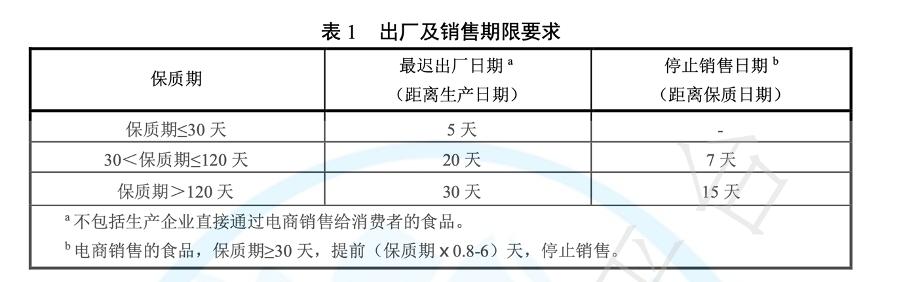
Photo / Requirements for factory exit and sales deadline, Source / General Requirements for Fresh Snacks
However, this 6-year-old requirement is often considered to have low coverage, vague standards, and failed to form a mandatory specification. Without a unified measuring stick, brands still have enough room for interpretation of the definition of "freshness".
Jinlimen's store design is full of clever ideas. Baking, fresh braised food and freshly made drinks are arranged near the entrance, while medium and long shelf life snacks and dried fruits are located in the deep part of the store. The store adopts a visible open kitchen design, and the production process is presented in front of consumers.
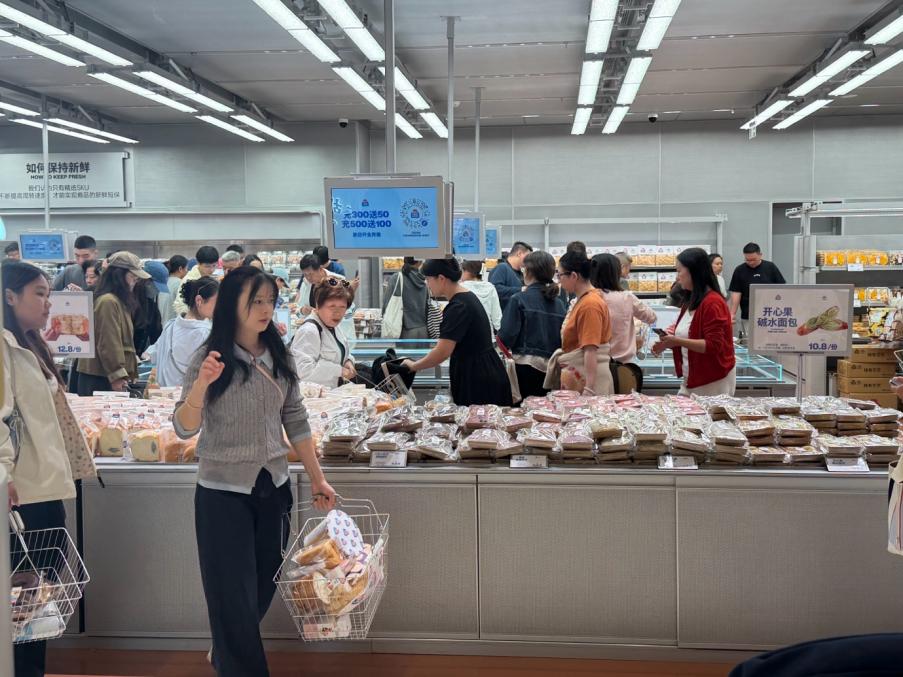
Photo / Store layout, Source / Pangjing on-site shooting
For people who walk into the store, the first products they come into contact with are those that are made on the spot and need to be eaten as soon as possible. The production counter, freezer and short shelf life label give "freshness" a recognizable form; going further inside, the purchasing scope extends to dried fruits, baked goods, puffed food and other leisure snacks, expanding the purchasing range.
The most popular freshly made drinks are packaged in colorful aluminum cans, priced at 6-8 yuan. 6-yuan cat ear crackers and 7-yuan rice crackers are packed in transparent paper bags. 15.8-yuan pure cocoa wafer, 8.5-yuan original cut taro slices and 7-yuan potato chips use simple printed outer packages. 8.5-yuan konjac silk, 19.8-yuan lemon spicy boneless chicken feet and 26-yuan toothpick beef tendon are packed in transparent plastic boxes — all of them look very easy to buy.
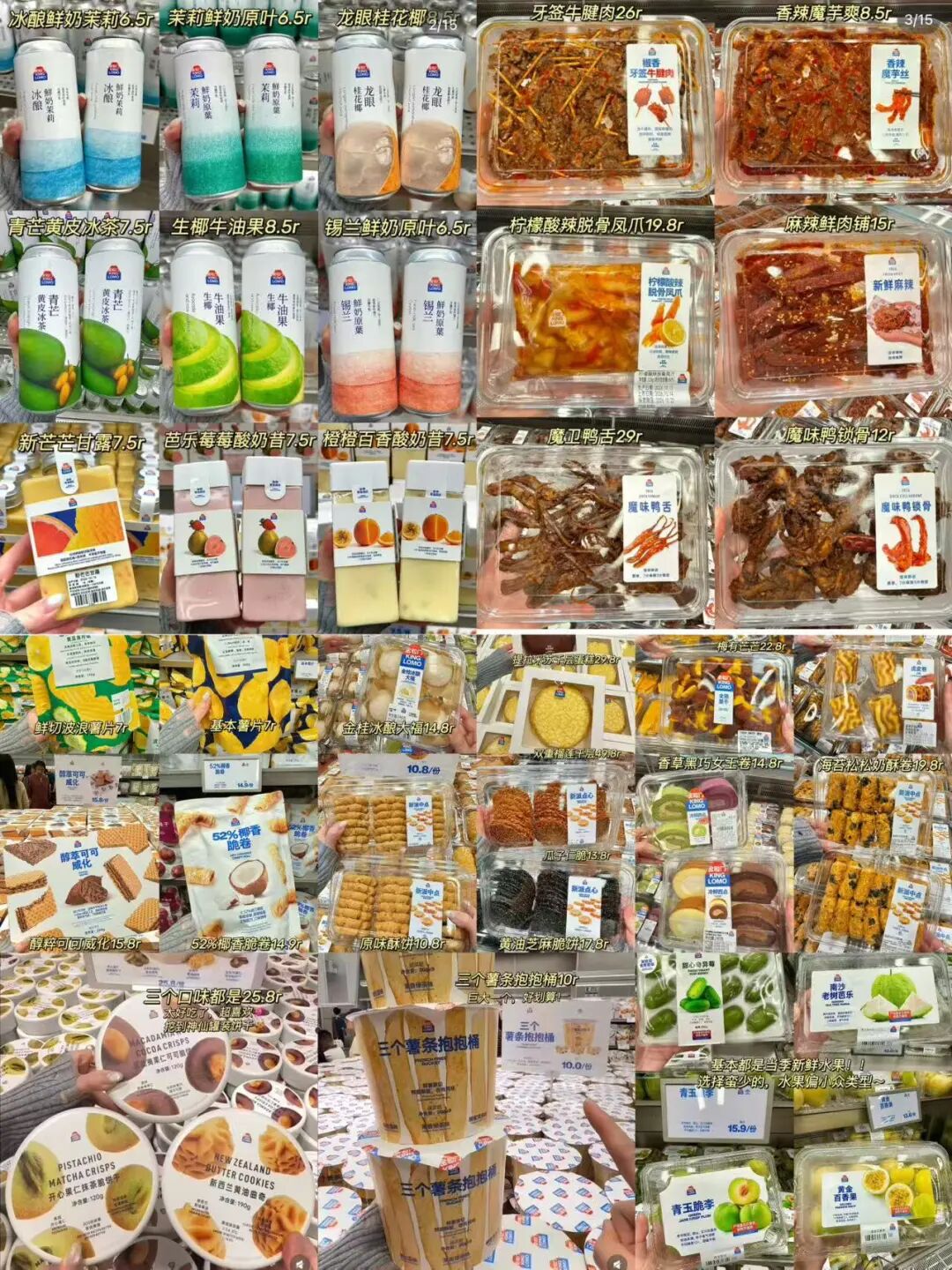
Photo / Jinlimen packaging design, Source / Xiaohongshu account: Watermelon Soda
The packaging of braised snacks is no different from that of fresh-made duck product brands. For food with a longer shelf life, Jinlimen's approach is to reduce the specification and pack in batches; even for food with medium and long shelf life, transparent boxes or packaging bags are used for presentation.
Transparent packaging makes the shape, color and weight of food directly part of consumers' judgment. The small portion package reduces the cost of a single attempt, and also reduces the worry of buying a large pack that you may not finish eating. Consumers can make combinations on site, choosing one or several kinds, eating by themselves or sharing with others.
Such layout provides opportunities for joint purchase between different categories. Consumers save the process of searching and comparing between different stores. The purchase demand for a specific product is easily expanded into a multi-category purchase.
This is also the ingenuity of fresh snacks. By gathering scattered food together, through product selection, display, specification and packaging, the threshold for discovery, trial and combined purchase is lowered, and the production and selection