The recognition issue has been resolved, and any half-tone deviation in synthesis counts as an accident: Strait Jiyin has conquered the most difficult hurdle in dialect synthesis.

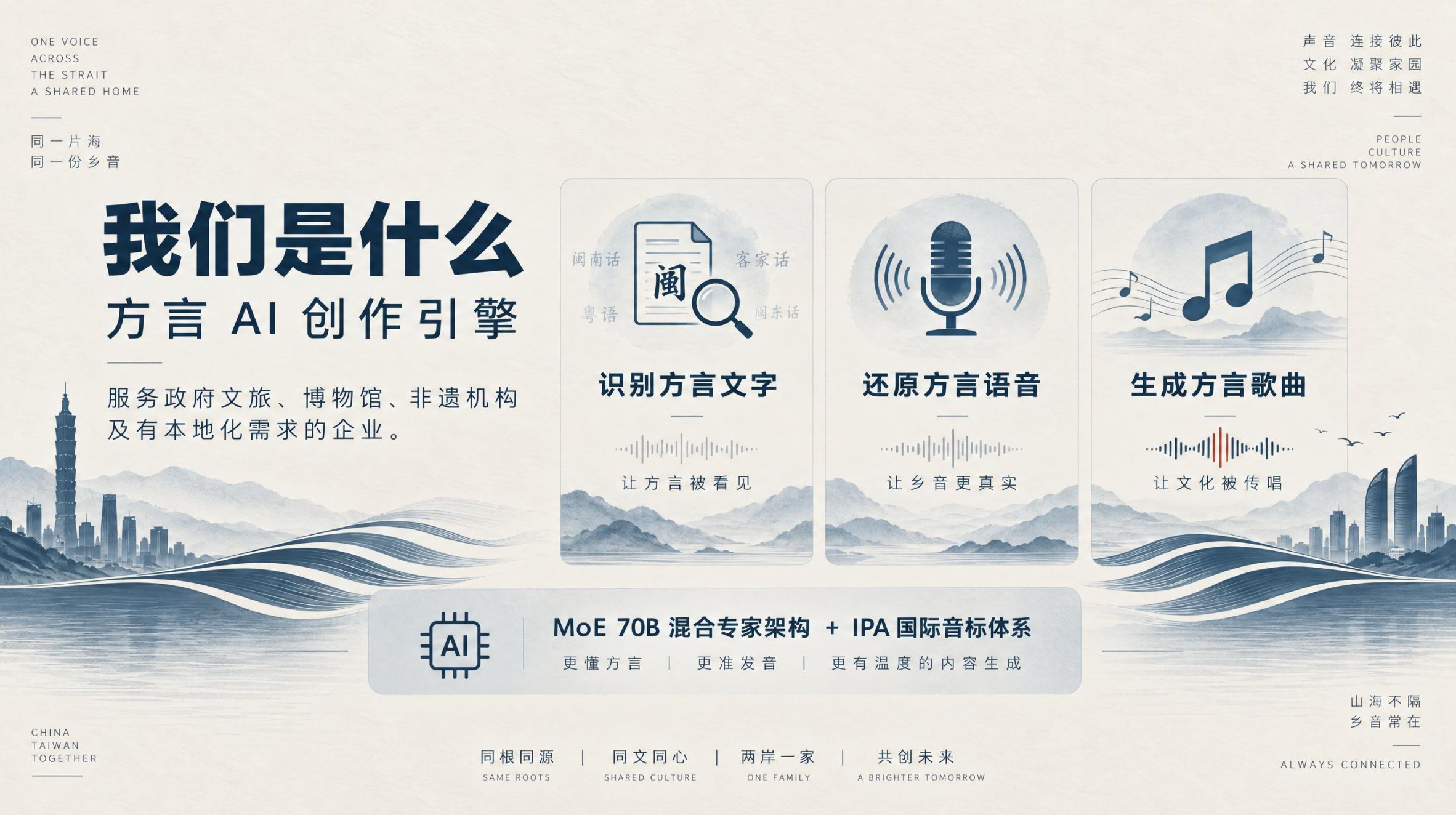
StraitsVoice AI develops a speech foundation model for Chinese dialects, with 10 dialects already integrated, 4 of which are commercially deployed, and 11 government and enterprise projects have completed final acceptance.
StraitsVoice AI, a service provider of Chinese dialect speech foundation models, has launched its angel round of financing, planning to raise 5 million RMB by offering 5% of its equity. The funds will be allocated to four major directions: 40% for R&D and model iteration (including computing power expansion), 20% for corpus collection, recording and authorization, 20% for marketing and channel expansion, and 20% for team supplementation.
I. The last stretch of dialect AI is blocked by tones
Grandma spoke only Hakka all her life. Liao Changwei, a Taiwan compatriot, once filmed her, and the work titled *Grandma's Lamp* was later broadcast in the Mid-Autumn special program of China Media Group. After the screening, the old lady passed away as expected.
"Machines can understand her dialect, but cannot reproduce its unique tone. A half-tone deviation will completely change the meaning of the sentence," said Liao Changwei.
In Hakka, the words for "eat" and "die" differ by only one tone. A wrong tone does not just sound awkward, it leads to completely wrong expression.
On the speech recognition side, most problems have been resolved. Spark-Audio-1.0-Preview, the speech foundation large model released by iFlytek in September this year, supports recognition of 99 languages and 202 dialects. Understanding dialects is no longer a technical difficulty.
Speech synthesis is a totally different matter. Recognition only needs to "understand" the general meaning, and minor deviations will not affect the final result; but synthesis requires "correct expression", and even a half-tone deviation will cause a critical error.
What is more challenging is dialect singing. The tones of dialects carry semantic meaning when people speak, but need to conform to the melody when people sing. The two sets of rules pull against each other on the same audio track: if you follow the melody, the pronunciation of characters will be distorted; if you stick strictly to the tones, the melody will fall apart. Up to now, there is no truly commercial product for dialect singing.
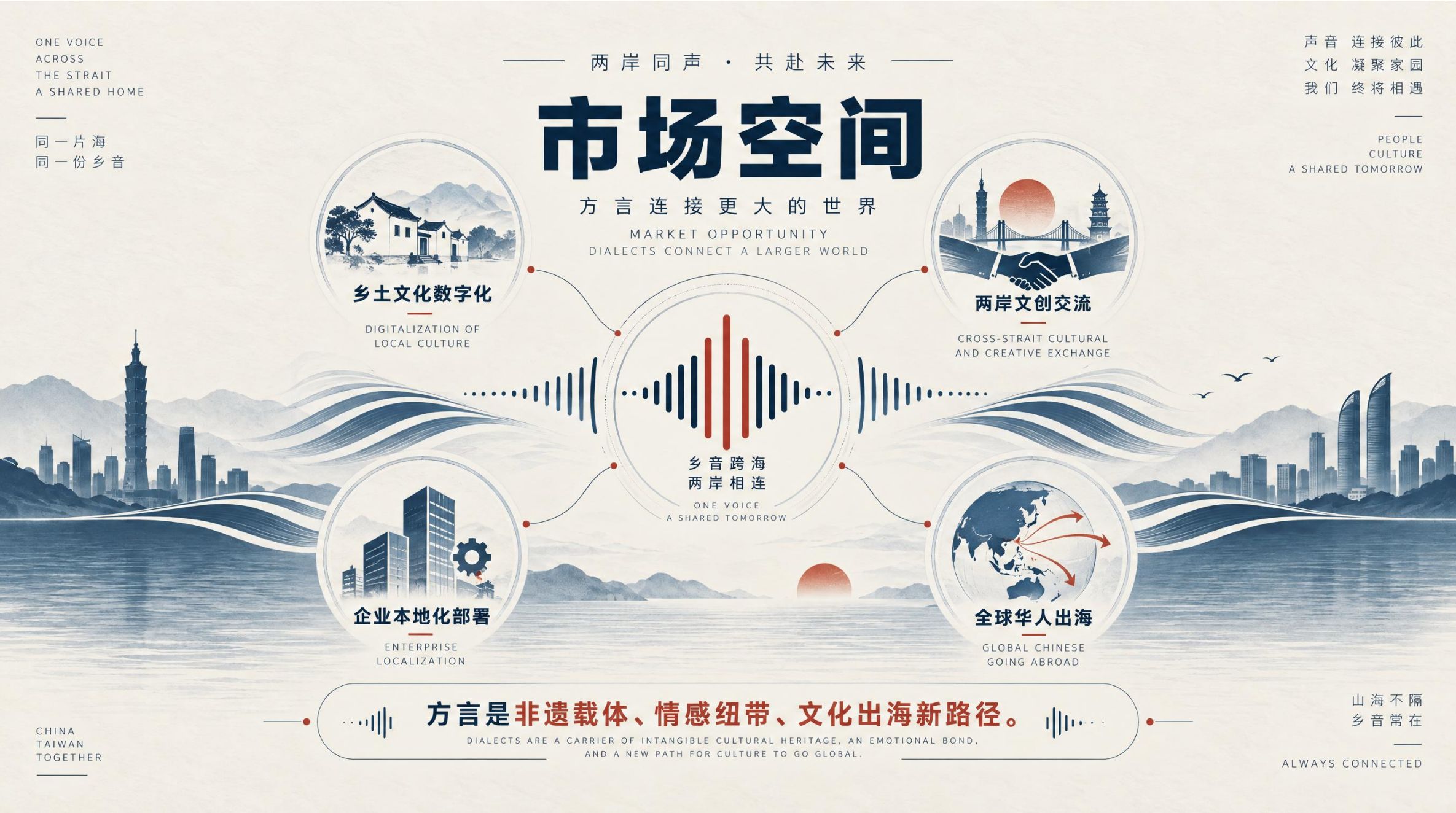
This is not just a Chinese-language issue. There are not many tonal languages in the world, and the Chinese language family is the largest one, with Thai, Vietnamese, and Burmese all being tonal languages. A set of methods that can solve the conflict between dialect tones and melodies can be reused across the whole Southeast Asia. According to public data from the Overseas Chinese Affairs Office of the State Council, there are more than 60 million overseas Chinese, and the largest group of them lives in Southeast Asia. Their children have grown up locally, and their mother tongue is gradually disappearing. When cross-border e-commerce sells products in Southeast Asia, a greeting in Minnan dialect or Hakka is far more intimate than any advertising slogan.
The market has already given its answer this year. The Teochew dialect film *A Love Letter to Grandma* was released on April 30 and ended its run on September 30, grossing 2.005 billion RMB in the Chinese mainland with 58.82 million admissions. Its overseas box office exceeded 100 million RMB, topping the annual Chinese-language film box office chart in Singapore. The film was produced with an investment of 14 million RMB, starred all non-professional actors, and 95% of its dialogues are in Teochew dialect. There is no lack of audience, but a stable production tool that can support such content.
StraitsVoice AI pins its hopes on three major changes. On the demand side, local governments are promoting local cultural heritage, museums are developing dialect audio guides, and cultural tourism departments are producing dialect promotional videos. The budget for these scenarios keeps being released, but in the past there were no qualified service providers that can deliver the products. On the technical side, the Mixture-of-Experts architecture has greatly reduced the access cost for new dialects, and end-side computing power is also improving. Vehicle infotainment systems, mobile phones, and industrial equipment can run speech models offline, so dialects for the first time have a place to be embedded in. On the supply side, general large models are focused on major languages — it is not that they cannot support dialects, but that the data input for dialects is not economically viable.
II. Focus on the bottom foundational layer
StraitsVoice AI chooses to focus on the most fundamental layer: it does not develop consumer apps or mini-programs, but builds the underlying infrastructure that enables other products to speak different dialects.
The underlying architecture is MoE 70B Mixture of Experts. The large model is split into multiple independent small expert modules for different dialects. When a certain dialect is needed, the corresponding module is activated to work, and less than 30% of the total parameters are used in a single inference. It only takes 2 to 4 weeks to launch a new dialect, and the training data volume and computing power cost are greatly reduced. Supported by the International Phonetic Alphabet pronunciation system, different dialects can be integrated following the same set of rules.
Three core capabilities support this foundation.
The first is a 50-million-word-level labeled corpus library with complete native speaker recording and authorization. Every recording is signed with authorization agreement when collected, every citation is licensed, and every commission is locked in legal terms. Each piece of native audio has a valid authorization document, the intellectual property rights of all labeling results have been registered, and voices of deceased people will never be cloned.
The second is a phonological rule library containing 200,000 entries covering initials, finals, tones, tone sandhi, and colloquial-literary pronunciation variations. The International Phonetic Alphabet transcription reaches the phoneme level, and the actual pronunciation of the same character in different dialects can be matched one by one.
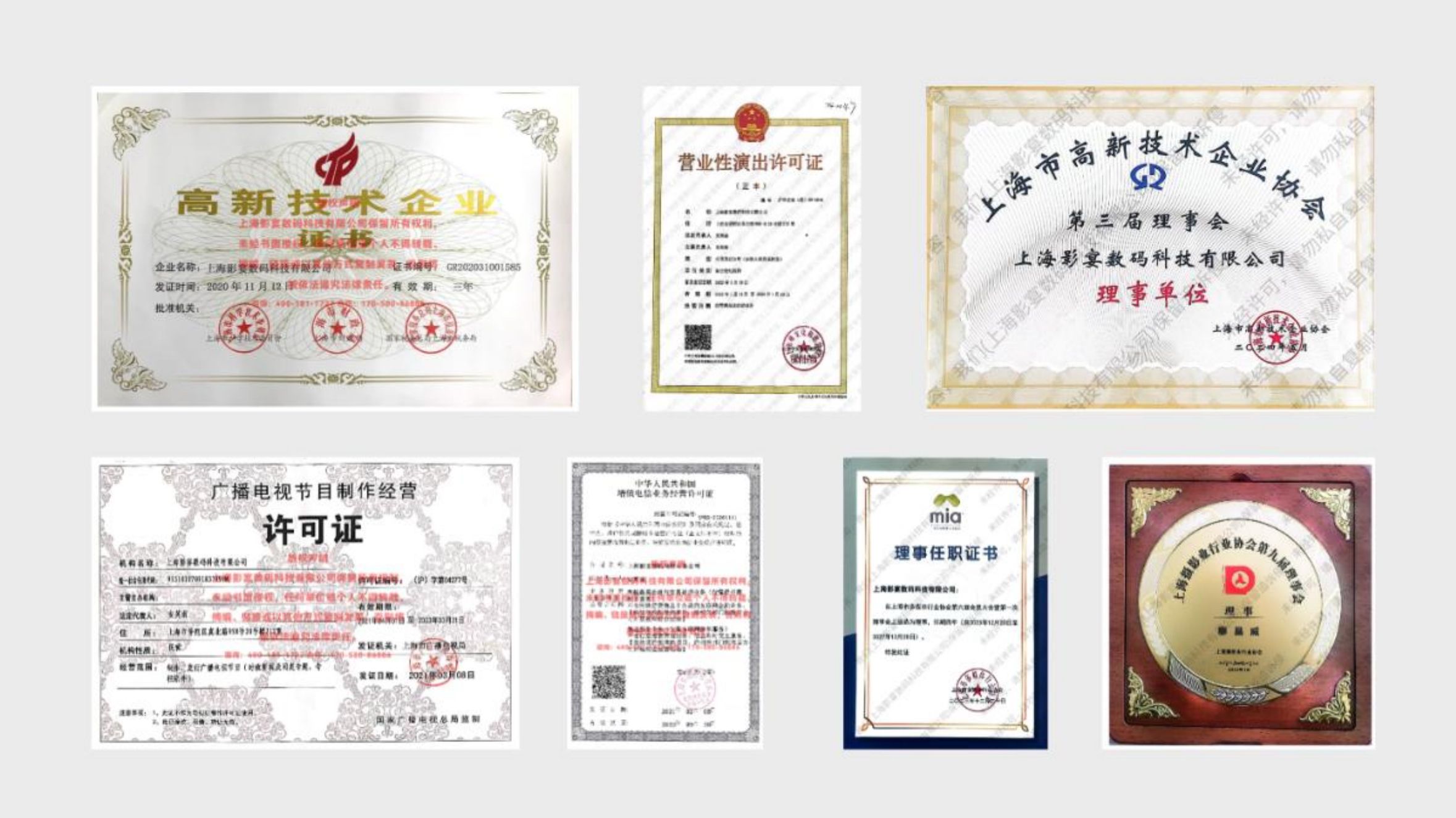
The third is the self-developed tone separation and melody constraint method. Two authorized invention patents (CN202411849270.X, CN202510627552.3) protect the "tone-melody mapping" technology, and the company also owns 35 software copyrights. The method converts tones from binary "right/wrong" labels into continuous pitch trajectories, and converts melodies from rigid "must-follow" templates into constraints that allow partial concession. All conflict points are explicitly marked, so human auditors only need to check those suspicious characters instead of listening through the whole audio.
There is one more asset that is hardest for competitors to replicate: a dialect vocal corpus library with labels for melody, singing style and emotion, which contains four layers of information: melody structure, local singing style, emotion labels, and original materials.
"The replication cost of this system does not lie in the algorithm, but in time," said Liao Changwei. "The 50 million-word corpus needs to be recorded sentence by sentence, the 200,000 phonological rules need to be labeled entry by entry, and native-speaking auditors need to be trained for years. These three assets cannot be purchased, they can only be accumulated over time."
Time is also reflected in the cost curve. The first dialect took millions of RMB of investment from scratch to launch, and the cost can be recovered in a little more than a year. The second dialect only costs 30% of the first one, and the payback period is 8 to 10 months. Starting from the third dialect, the cost is less than 20% of the first one, and the payback period is more than half a year. All corpus, models, evaluation sets and customer relationships are retained in the company's assets, which can be directly reused for subsequent dialect development.
All ten major Chinese dialect regions have been fully integrated — Mandarin, Jin dialect, Wu dialect, Hui dialect, Gan dialect, Xiang dialect, Min dialect, Yue dialect, Pinghua and local vernaculars, and Hakka. Among them, Hakka, Minnan, Yue and Fuzhou dialects have been commercially deployed. Fuzhou dialect belongs to the Eastern Min branch of the Min dialect family, which is different from Minnan dialect. The fact that the two dialects can run at the same time proves that this foundation model is not customized for any single dialect.
Bidirectional conversion between Mandarin and local dialects is also realized: local residents speak dialect, and the system converts it into Mandarin for non-locals to understand; non-locals input a piece of Mandarin, and the system reads it out in dialect for local residents to hear. Unidirectional translation tools are everywhere, but there are few bidirectional speech foundation models on the market.
III. 11 acceptance documents and the business logic behind them
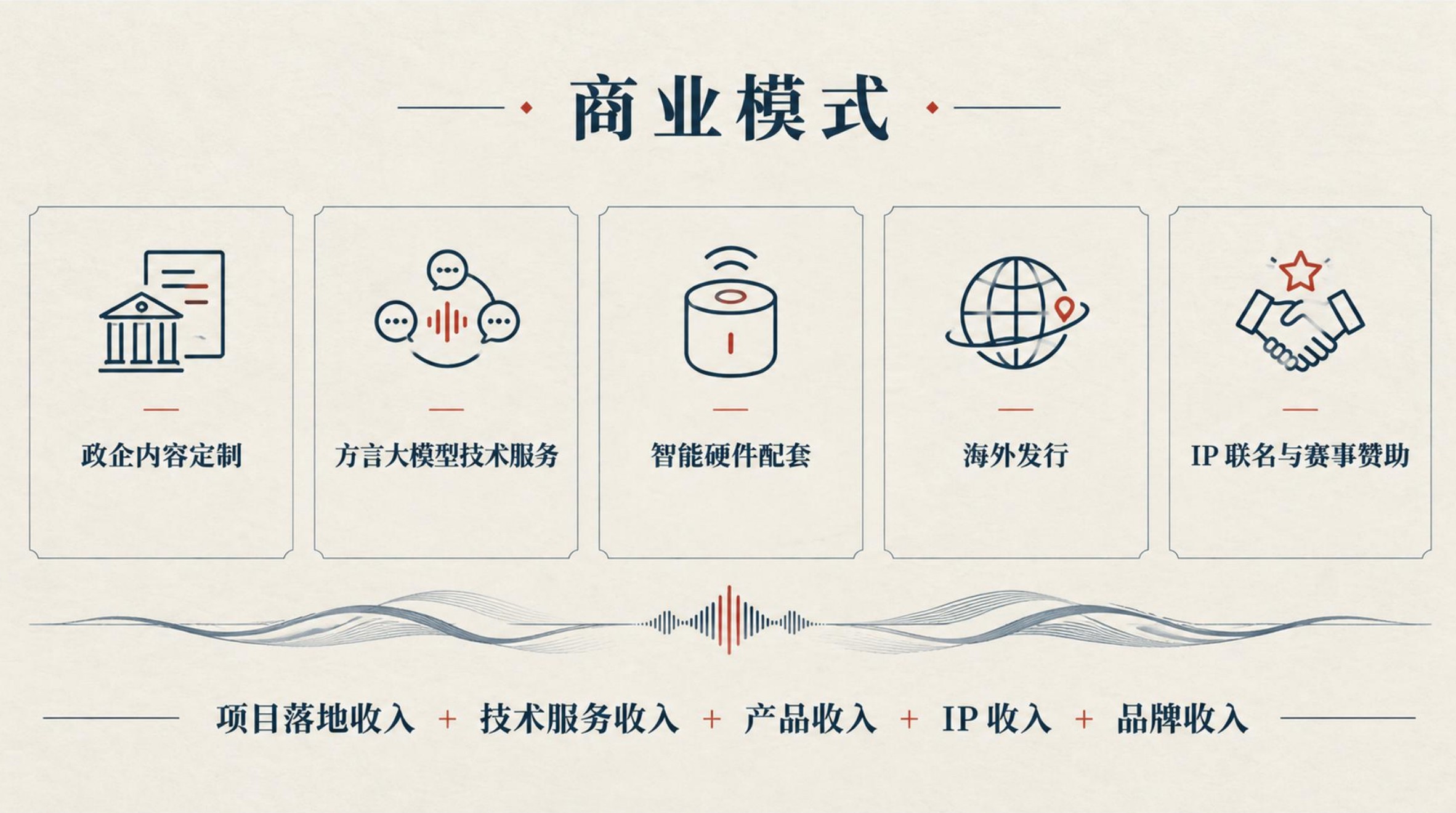
Paying customers are institutions rather than individual users.
The first category includes local governments, cultural tourism departments, and publicity departments. Before festivals, they need to produce a dialect promotional video with a budget of 200,000 to 300,000 RMB. The traditional workflow of hiring local singers, outsourcing filming, and finding people to do dubbing usually takes 3 months and often misses the deadline. What they need is not fancy technology, but a product that is affordable and can be delivered on time.
The second category includes scenic spots, museums, converged media of radio and television, car manufacturers, banks, government service halls and elderly care institutions. The Mandarin version of the same prompt tone is easily ignored, but when the dialect version plays, elderly people will immediately notice it. The third group of users is elderly people who cannot speak Mandarin: when they need to call service hotlines, go to banks, visit hospitals, or handle social security affairs, they cannot complete the procedures if they cannot express themselves clearly.
The company has 5 corresponding revenue paths: customized government and enterprise content, including dialect short films, MVs, promotional videos, and intangible cultural heritage digitization; dialect large model technical services, providing local deployment, speech interaction, AI timbre and digital human solutions; supporting intelligent hardware products, including dialect audio guides for museums, dialect interaction functions for educational products, and local voice interaction for cultural and creative products; overseas distribution, exporting dialect music and short video IP to Southeast Asia and global Chinese communities; and IP co-branding and event sponsorship.
The quotation for a single project ranges from 300,000 to 2 million RMB, with a delivery cycle of about 3 months. The gross profit margin is between 55% and 65%, and the gross profit margin of capability authorization business can reach more than 70%. It is normal that the payment collection cycle for government and enterprise projects is 6 to 9 months. The company has set three strict rules: the advance funding for a single project shall not exceed 300,000 RMB, the prepayment shall not be less than 30%, and the maximum number of ongoing projects at the same time shall not exceed 4.
The business progress can be viewed from two levels. The delivered dialect projects include the in-vehicle dialect voice pack for XPeng Motors, the project for the Publicity Department of CPC Ganzhou Municipal Committee, and the project for Qingdao Cultural Tourism Bureau. The end-side modules have entered small-batch sampling stage, and the company is conducting joint debugging with car manufacturers and robot manufacturers. China Mobile, State Grid, China Post, and China Everbright Bank are group-level clients with established cooperative relationships, and the previously delivered businesses are film and digital human services. These relationships can be reused as channels for dialect business, but cannot be counted as confirmed dialect orders.
Up to now, the company has completed the final acceptance of 11 government, enterprise and official media projects. The speech recognition rate exceeds 90% in scenarios with strong accents and natural speaking speed.
In terms of works, the Hakka dialect work *Wow Hey · New Long March, Restart the Journey* was selected for the special exhibition broadcast of the 90th anniversary of the Long March on Xuexi Qiangguo. *Grandma's Lamp* was broadcast in the Mid-Autumn special program of China Media Group. The intangible cultural heritage themed work *Echo of Mountains and Seas, Endless Voices* was broadcast on satellite TV. The overseas Chinese themed work *The Integrity of Chen Jiageng* was broadcast on platforms of overseas Chinese federations and cross-strait platforms across the country. The company also won many awards in cross-strait AI creation competitions: *Moonlit Tide over the Sea* won the first prize in the dynamic video track of the Cross-Strait (Qingdao) Youth AI Works Creation Competition (out of more than 1600 entries). *Grandma's Red Turtle Cake* won the third prize in the special unit of AI creation for cross-strait youth in the 3rd "Colorful Taiwan" Competition (out of 514 entries). *Wait for You to Come Back Safely* won the best short drama script award in the 4th Shanghai International AIGC Innovation Competition.
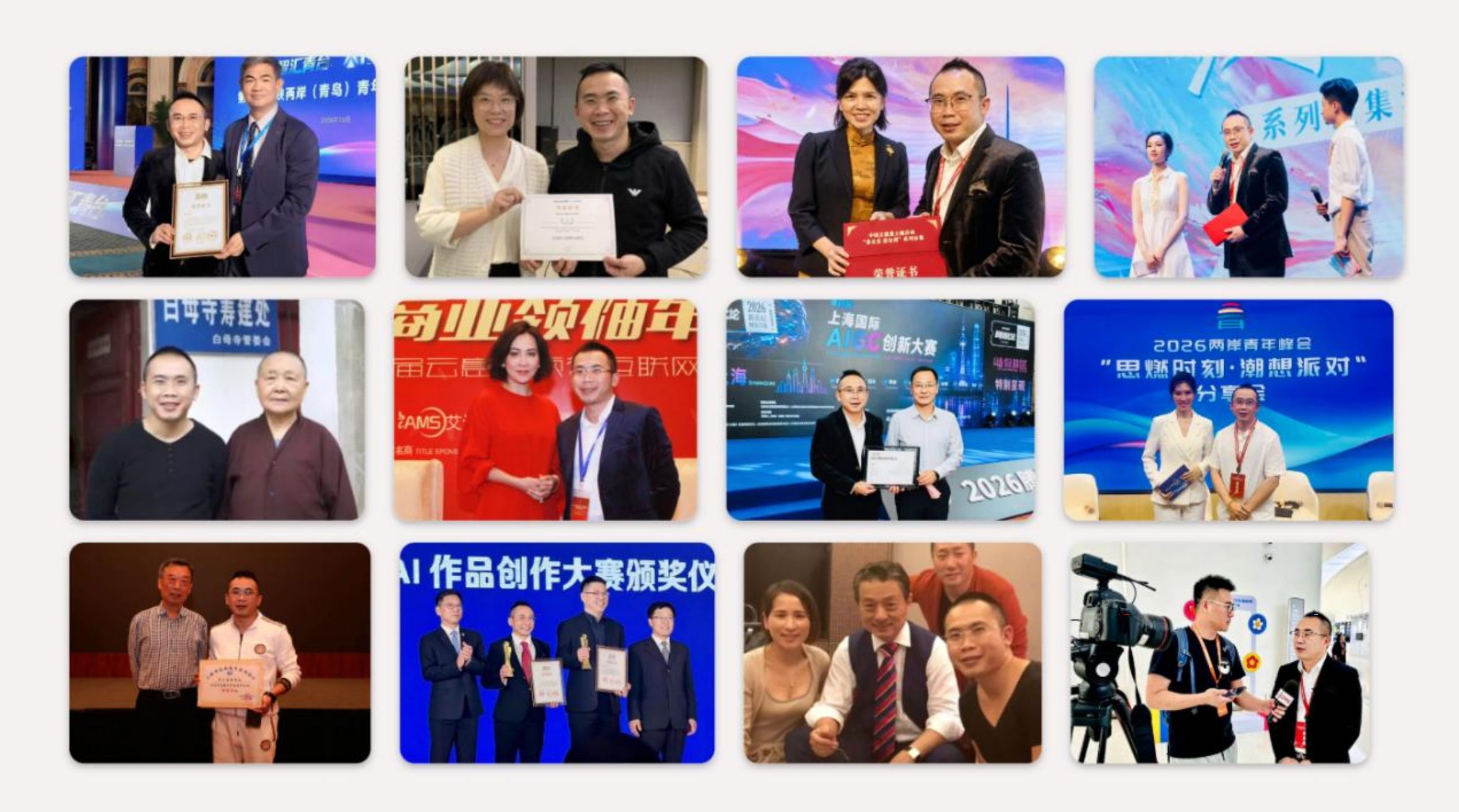
The company's revenue in 2026 is expected to reach 3 million to 5 million RMB, all coming from operating cash flow, and it has not accepted institutional financing before.
The team is composed of members from both sides of the Taiwan Strait. Liao Changwei comes from Taiwan of China, with ancestral home in Wuhua, Meizhou, Guangdong Province. He is a native Hakka speaker, and can also speak Minnan and Yue dialects, with 12 years of experience in AI image and multimodal content production. Liao Qingzhen, the director of dialect linguistics, is also from Taiwan of China, holding a master's degree from the School of Journalism and Communication of Shih Hsin University. He is proficient in six languages: Mandarin, Minnan dialect, Hakka, English, Japanese and Korean, and is responsible for correcting pronunciation, intonation, phonology and phonetics one by one. Lin Zhixun, head of international business, has distribution channels of overseas Chinese media and focuses on the Southeast Asian market. An Yingnan has 14 years of experience in government and enterprise key account development and project delivery, and has served central state-owned enterprises including State Grid, China Mobile and China Post. The core team has 5 members, 3 of whom are Taiwan compatriots and native dialect speakers; 12 engineers are distributed in 5 directions: speech recognition, speech synthesis, timbre cloning, phonological labeling and model engineering; 5 professors from universities across the Taiwan Strait serve as academic consultants.
"We go