It's already 2026, why are there still people queuing up at women's clothing stores?
A few months ago, Wanwan announced her entry into the women's clothing track, launched her own brand and sold cardigans priced at more than 300 yuan each, which netizens commented as a completely wrong move made at the most inopportune time.
Ten years ago, comment sections were full of people begging for the same outfits she wore, and she had no obligation to share them; ten years later, people are sighing that the women's clothing industry is doomed now that Wanwan has stepped in.
The current domestic women's clothing industry is indeed mired in widespread slump, with offline stores seeing almost no customers, influencer-driven e-commerce hitting a dead end, and return rates often exceeding 50%, all these downward signals keep popping up frequently.
Against such a general backdrop, the girlish-style fast fashion women's clothing stores led by BM, WM, OM, BF, TWOI are alone brimming with the vibrancy of a growth phase.
Last summer, when TWOI opened its first Shanghai store at Jing'an CP, eyewitness netizens said the chaos at the scene was comparable to that in the movie *Train to Busan*, some people queued at the entrance for up to 8 hours, and some even fainted while waiting in line in nearly 40°C high temperature.
Finally, due to out-of-control customer flow, the store suspended operations, and the founder came out to apologize with the "happy trouble", and revised the entry rule: snap up admission spots via the mini-program, one code per person, no bringing extra people, as a result, the original 0.01 yuan reservation code was speculated to be sold for hundreds of yuan.
A while ago, TWOI opened a store in Aranya. Early in the morning, before the shop assistants even started work, the queue at the door had wrapped around several times. Shortly after opening, it won the title of "Aranya's Queue King", which makes people can't help but wonder:
It's 2026 now, why are there still women's clothing stores where customers have to snap up entry spots?
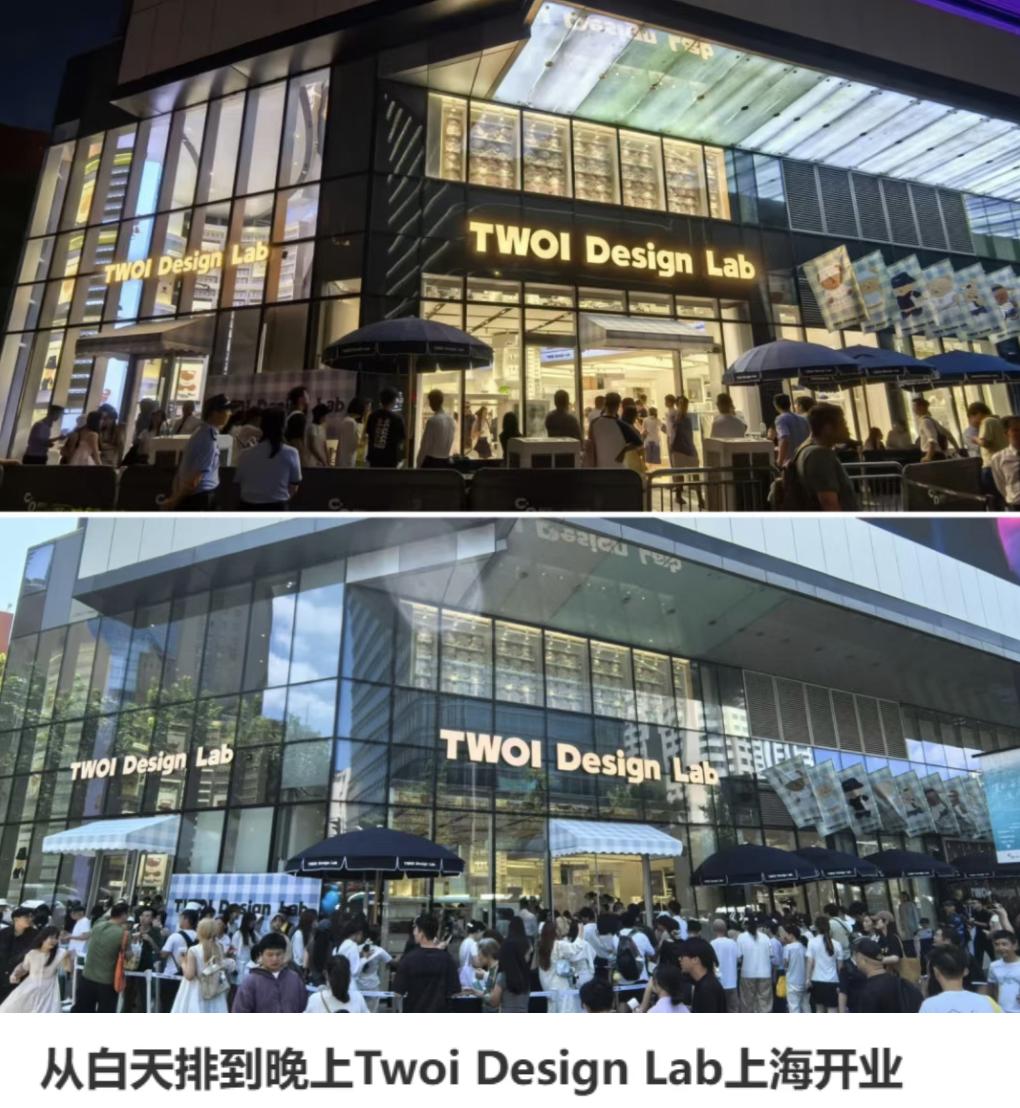
Several other brands have also occupied high-traffic spots:
At Parkson Huaihai in Shanghai, the prime ground-floor location was given to OM; at Ningbo Tianyi Square, the H&M that had operated for more than ten years was closed and replaced with the WM sign; in Causeway Bay, Hong Kong, the former location of H&M's largest Asian flagship store will also be taken over by WM, with an area of about 2,800 square meters and a monthly rent of over 2 million Hong Kong dollars.
It doesn't matter if you can't figure out what these letter combinations mean, anyway, the women's clothing store in the mall with the highest proportion of young girl customers and the highest color saturation of shopping bags is them.
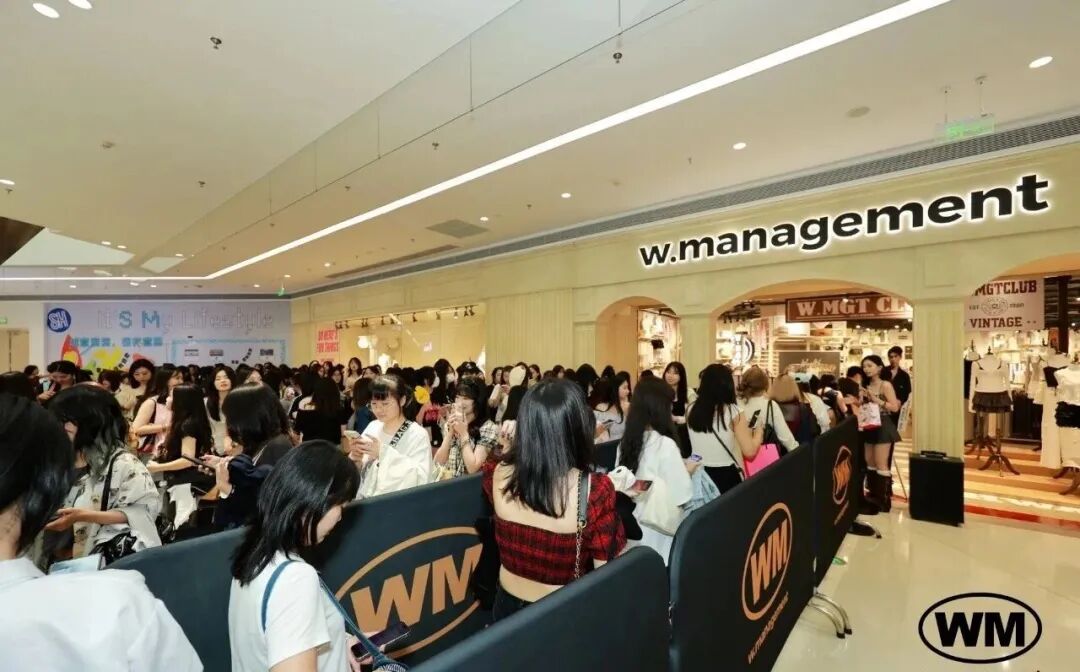
Two recent news stories about returns further reflect the starkly contrasting fortunes across the industry.
While other women's clothing stores are being forced to keep adding extra-large hangtags to reduce returns, BM directly notified customers that it would remove fitting rooms, no refunds for any issues, and customers can only choose between exchanging the item or getting a store voucher.
Everyone says women's clothing merchants are having a hard time, how did these girlish streetwear brands manage to act so tough as if they are operating in a seller's market?
BM's Chinese Disciples
BM is the originator of this type of brand.
After entering China in 2019, BM quickly became a byword for its style, which is mainly defined by "short, tight, revealing", with only one single size available. Being able to fit into BM's clothes once became the standard for a perfect figure, and it single-handedly pushed the "white, thin, youthful" aesthetic to its peak.
From the "politically incorrect" move of creating body anxiety in the early years, to the recent "obedience test" of banning fitting and refusing refunds, BM has received countless criticisms, but BM girls are still fanatical about the brand.
In 2023, the Chengdu store opened in the Eastern Suburb Memory Park, and half a year after its opening, it still had an average daily customer flow of 5,000 people, which is equivalent to 1/5 of the average daily passenger flow of the entire park[1].
Despite such huge popularity, BM still only has 3 offline stores in Chinese mainland to date, located in Chengdu, Beijing and Shanghai, far rarer than 5A-level scenic spots. The rest of the purchase channels are either its self-operated APP, or personal shoppers on e-commerce platforms.
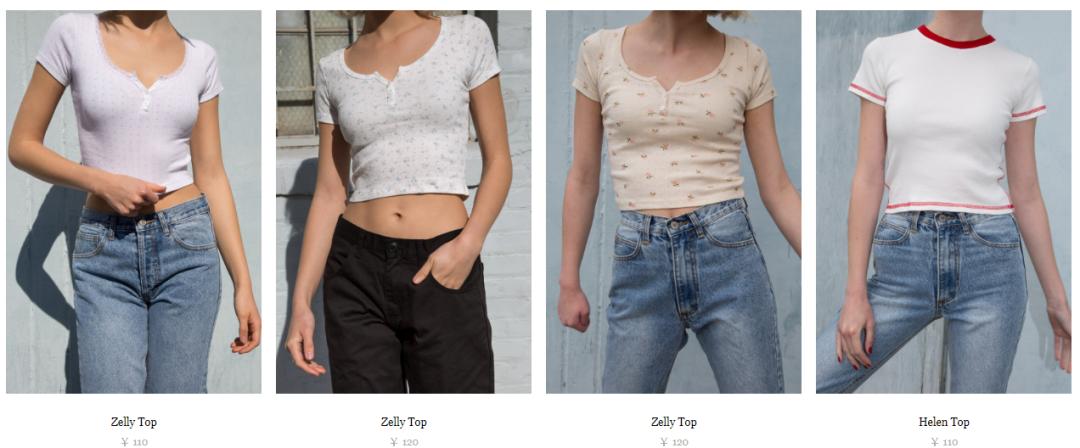
BM completely opened up the Chinese market, which was already extremely eager for girlish aesthetics, but maintained a restrained store expansion strategy, leaving the market gap quickly taken over by its sharp Chinese disciples.
After 2022, BM's influence spread far and wide. Its Chinese disciples, mostly from Beijing and the Yangtze River Delta region, emerged and became popular in batches, jointly pushing a business format called "warehouse-style women's clothing" to unprecedented heights. WM, which has the largest number of stores, has opened more than 40 stores in nearly 30 cities.
The so-called warehouse-style women's clothing, at first glance, is actually a large shopping mall for girlish-style clothing: large stores of thousands of square meters, massive number of styles, frequent new arrivals, affordable prices, and self-service selection.
When in the same mall, other women's clothing stores still have 3 shopping guides waiting for 1 customer, these warehouse-style women's clothing stores already provide shopping carts for customers to pick up goods in bulk.
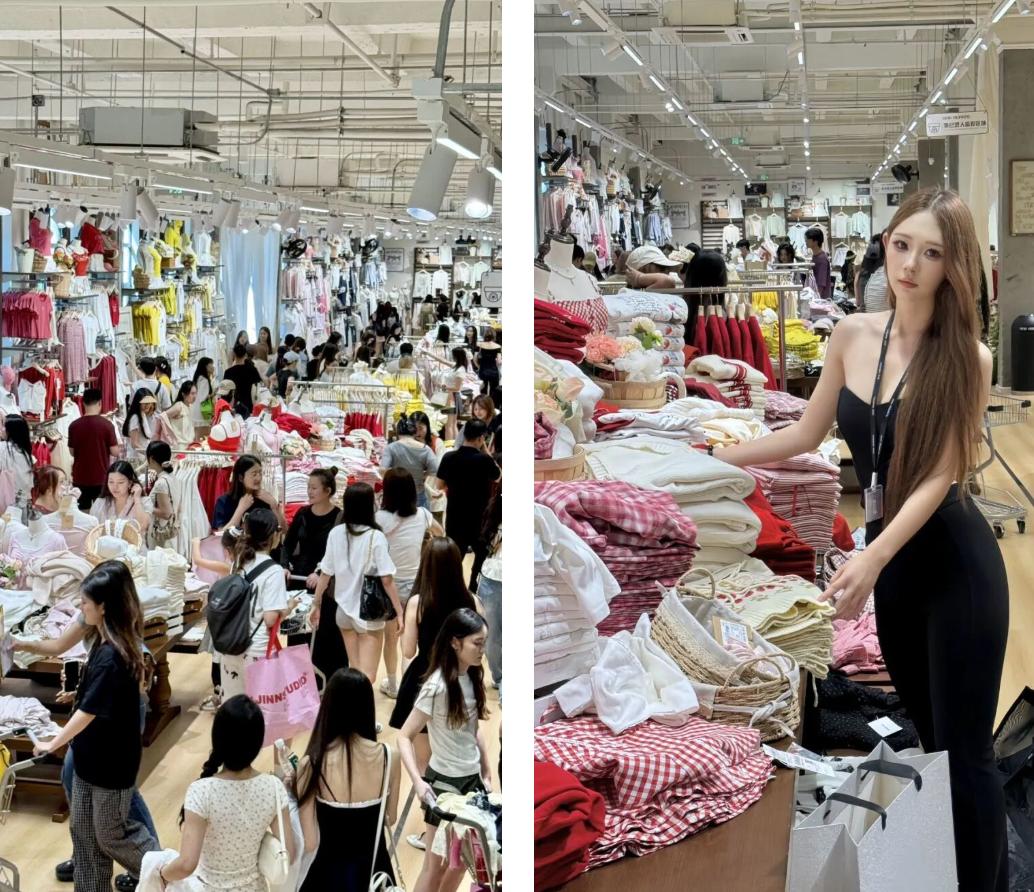
The 3,000-square-meter OM store at Chengdu Eastern Suburb Memory
While retaining the core elements of warehouse-style women's clothing, these Chinese disciples have made two improvements.
One is more segmented styles, covering everything from American spicy girl style to Korean sweet cool style, from gothic style to Y2K style; the other is more diverse sizes. If BM's audience is mainly teenage girls with double-digit body weight, then these Chinese disciples try to attract all young women.
As a result, they successfully occupied an unprecedented niche: they still offer fast fashion prices, but look younger than Zara, and more trendy than UNIQLO.
For example, recently, Zara's product style seems to be preparing for a Waterloo defeat, while UNIQLO is marching towards a grand convergence of basic styles.
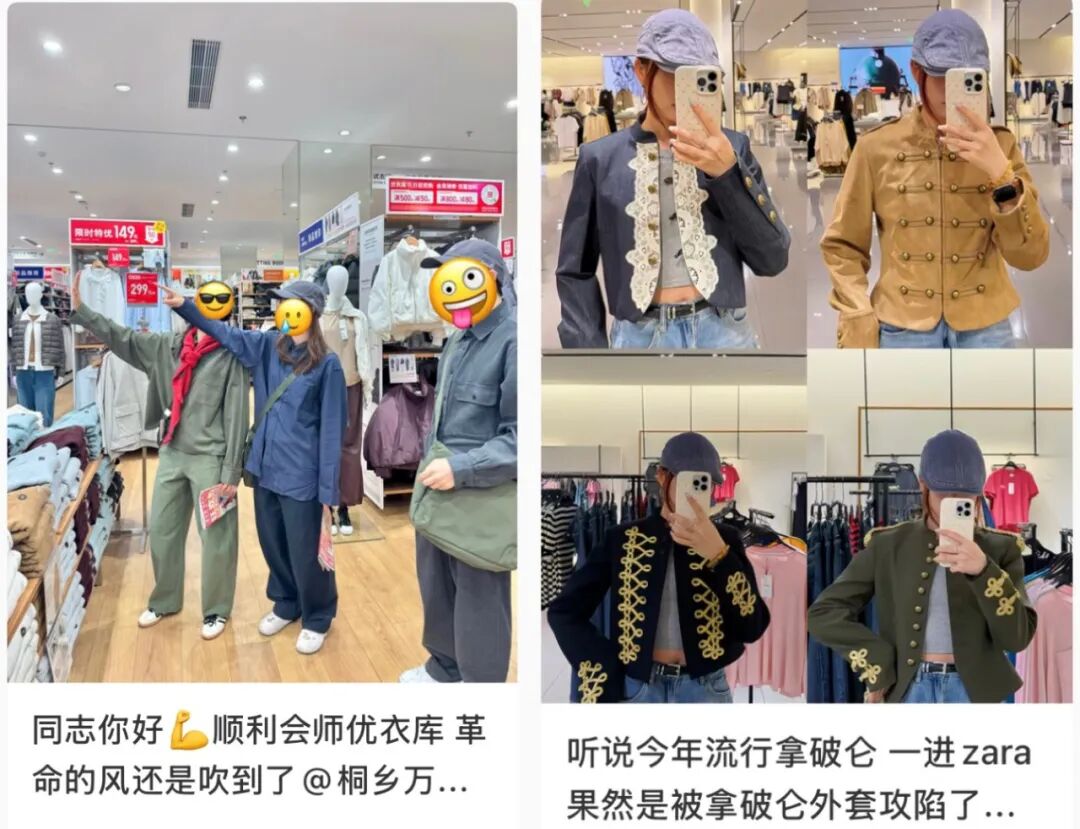
In contrast, the previous generation of fast fashion brands did not fail to notice young women, they had long followed the BM style on their shelves, but from the perspective of future core business plans, their ambitions are not focused on this segment:
ZARA is busy opening large-format stores, collaborating with designers, and moving closer to light luxury positioning; H&M is also adjusting its store network and expanding high-end lines at the same time; UR is working hard to find its "fast luxury fashion" positioning while expanding into European and American markets; even UNIQLO is not willing to only sell affordable basic items, it has poached talents from the luxury industry and launched many high-end sub-lines.
The group of young women in their twenties, made up of students and junior office workers who are not regarded as SVIP customers, is precisely one of the most active groups in the consumer market. They may have limited purchasing power, but their shopping passion is unlimited.
Whether in terms of style or price, these BM-style brands are more than enough to allow them to shop to their heart's content, no wonder their stores are always bustling.
The Hard Days of the Predecessors
One week after TWOI opened its store in Aranya, the founder of Aranya wrote a congratulatory post for it on Weibo, awarding it the title of "No.1 in sales per square meter among all brand stores", and predicted that its monthly turnover would exceed 20 million yuan.
Shortly afterwards, Wanwan also released the good news of her first-month GMV, the 10 million yuan result has made the public opinion celebrate for her, first celebrating that she "turned around overnight from being mocked by the whole network", then placing high hopes that "the women's clothing industry is finally saved".
Compared with most of their peers, this result is indeed dazzling, but the monetization efficiency of the first-generation internet celebrities is still not as good as these new fast fashion players.
A review blogger calculated that the cost of a pair of trousers priced at 325 yuan from TWOI is about 66 yuan, with a profit margin of about 5 times, much higher than the 2.5-3.5 times level of mainstream fast fashion brands[2].
This store has its own unique "milk-money style" fashion, at first glance, the color matching looks like a mother and baby store, the version looks like pajamas, full of soft cream colors, teddy bear heads and bows. As for cost performance, it is probably even lower than Wanwan's brand:
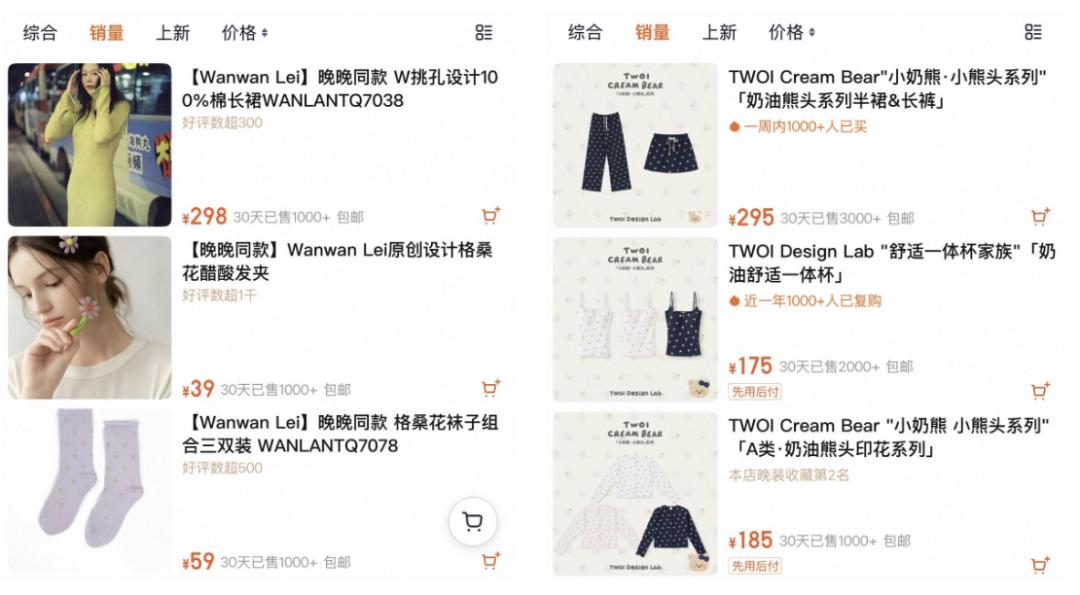
The good days with abundant traffic and high profits have all been enjoyed by these BM-style brands.
As we all know, online and offline women's clothing peers have been struggling in their respective hard times for years:
Online, there are two major pain points: excessively high traffic cost and extremely high return rate.
In the early years, paid promotion costs for women's clothing merchants only accounted for 10% to 15% of GMV, but by 2026, this figure has risen to 30% to 40%; the return rate is also ridiculously high. Industry data shows that the regular return rate of e-commerce women's clothing is 50% to 60%, and the return rate of live streaming channels is even as high as 80%[3][4].
Offline, they are facing increasingly sparse customer flow and the heavy rigid cost burden of physical stores.
Physical stores are increasingly becoming free fitting rooms, taking photos of clothes and searching for the same style online has become a fixed process.
When inventory backlog and capital turnover difficulties occur, e-commerce merchants can still use the last resort of ultra-long presale periods in advance, while physical stores can only watch their rent and utility bills drain away, and end up with clearance sales.
Finally, there is the Sword of Damocles hanging over the entire industry: women's clothing demand is fragmented, and fashion trends change extremely fast, merchants always have to use a large amount of certain capital to bet on fleeting fashion trends.
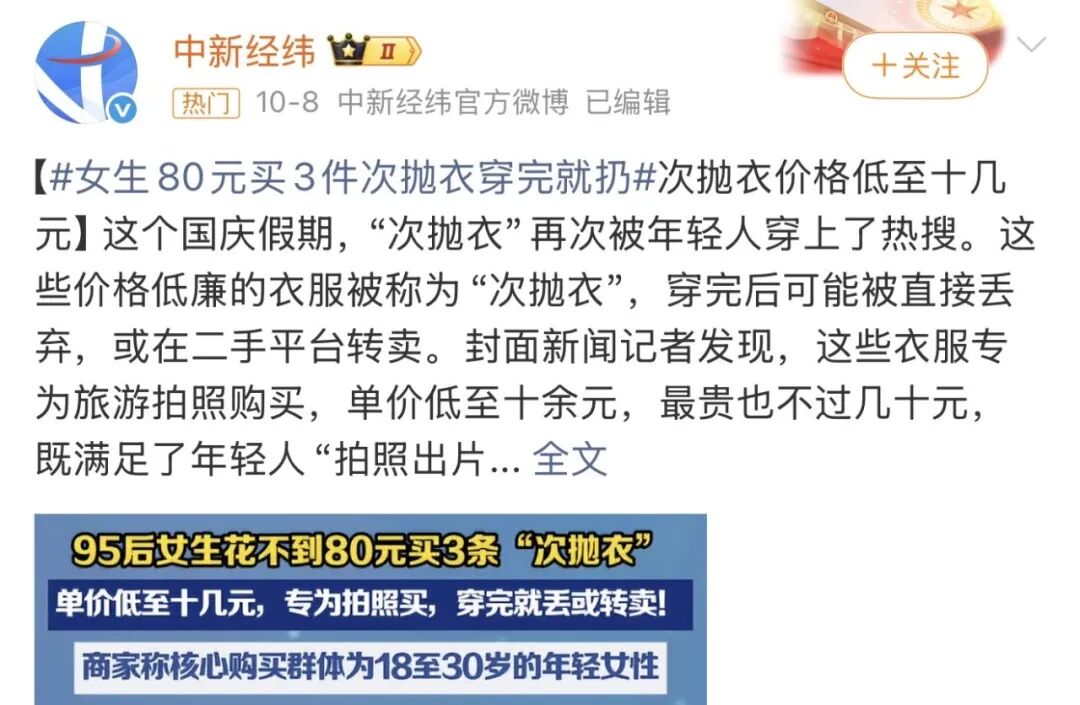
The "one-time wear clothes" that became popular during the National Day holiday is the product of the two sides of the women's clothing industry having no other options left:
Consumers have no hope for women's clothing, since buying a 200-yuan dress is like opening a blind box, it is better to buy more than a dozen dresses for 200 yuan, and it is no pity to throw them away; the return on investment of doing business in a regular way is slim for merchants, so they focus on driving down prices, and 20-yuan dresses even have a lower return rate.
However, these various difficulties of their predecessors seem to be completely unfelt by the BM-style brands.
These BM-style brands choose to focus heavily on offline operations. Except for TWOI which performs well both online and offline, most of them have not settled on third-party e-commerce platforms. WM and OM do not even open self-operated online channels, naturally taking the initiative into their own hands, directly bypassing the unpredictable traffic algorithms and extremely high return and refund rates that e-commerce women's clothing merchants cannot control.
Offline, these BM-style brands choose to open thousand-square-meter large stores in core business districts where young people gather. The rent is indeed expensive, but the eye-catching large stores in prime locations, and the large dragon fruit-colored shopping bags flowing around the business district, are themselves huge billboards for attracting customers.
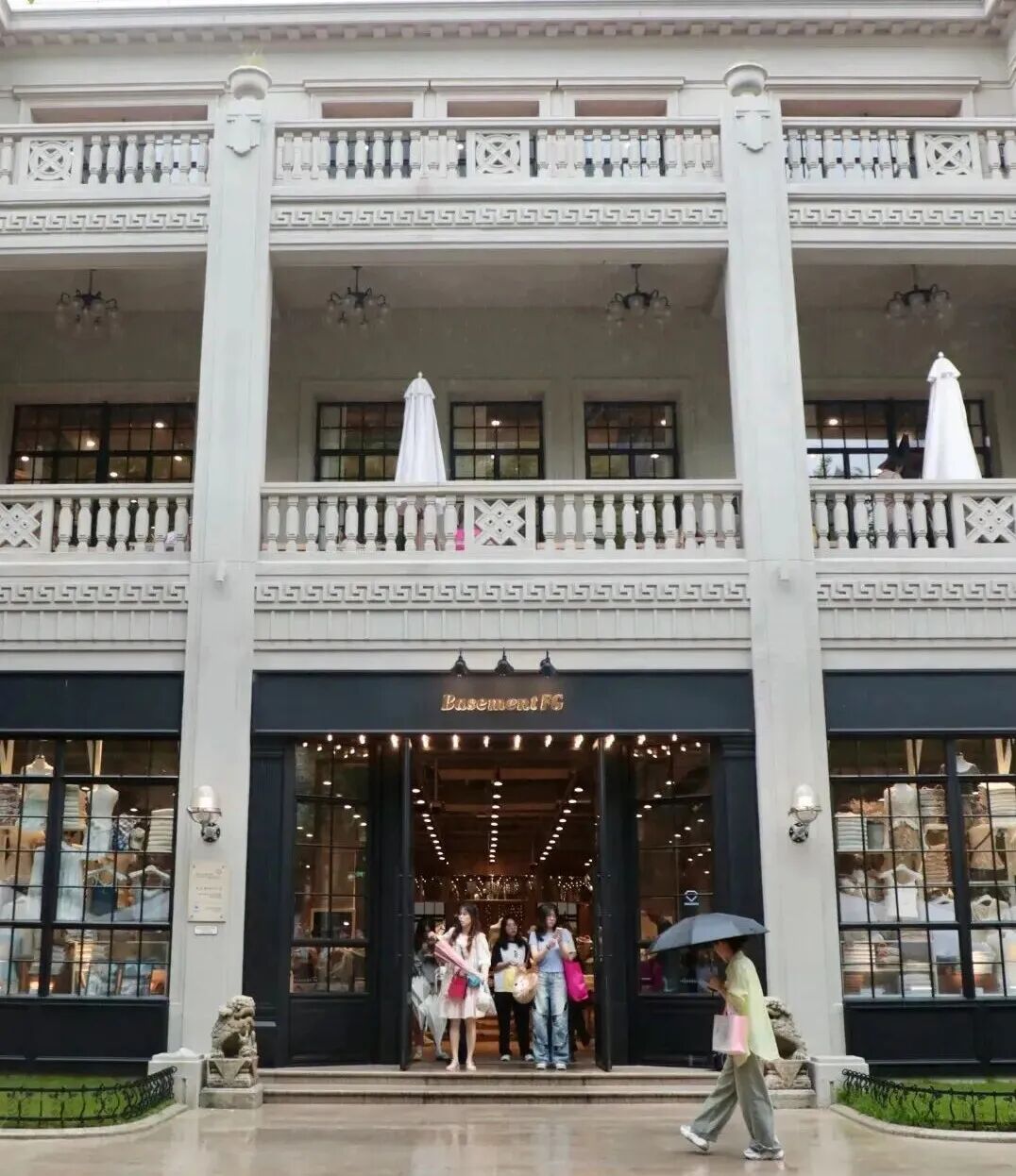
BF's large 3-floor store in Xuhui, Shanghai covers an area of about 3,600 square meters
As for fashion trends, although these stores are labeled as sweet, cool or soft, a closer look at their garment patterns shows that most of them are basic styles, without overly complicated designs, and a large number of simple elements such as florals, polka dots, and stripes are used for collage and combination.
By not making unpredictable impulsive designs in the elusive fashion circle, they naturally reduce the risk of being eliminated. If you can understand how long-lasting UNIQLO is among office workers, it is not difficult to understand how popular these BM-style brands are among young women.
There are no grand collaborations, no masterpieces from famous designers, only easy-to-sell trendy items. On the basis of inheriting the fine tradition of fast fashion "small batch quick response", they push the new arrival rhythm to the limit.
WM claims that it develops more than 10,000 new products every year, launches more than 100 new styles every week, and completes a full product refresh every 50 days[5].