Elon Musk poaches Jenny Wen, the top "product brain" behind Claude
Elon Musk has poached the core designer of Company A's Claude Cowork!
Three months ago, Jenny Wen, who personally defined the product vision for Cowork, announced three major life milestones at once with a playful and lovely line:
I left Anthropic (Who on earth would do that?!), gave birth to a baby (I love her), and I will join Cursor as Head of Design next (Yay!).

△
Now, her personal profile has listed Cursor and Grok Bot at the same time.
This means that Cowork, the product she built from scratch, is about to face an opponent who knows it better than anyone else.
What is more unexpected is that Jenny did not fall out with her former employer after leaving.
Just a few days ago, she reposted the latest interview video of Anthropic's design team and wrote emotionally:
There are so many outstanding people here, and I have learned a lot from them!
The most important thing I learned during my time at Anthropic is never stick to the established rules, always question and reshape the way you work.
When the tools at hand no longer work well, just build a new one by yourself.
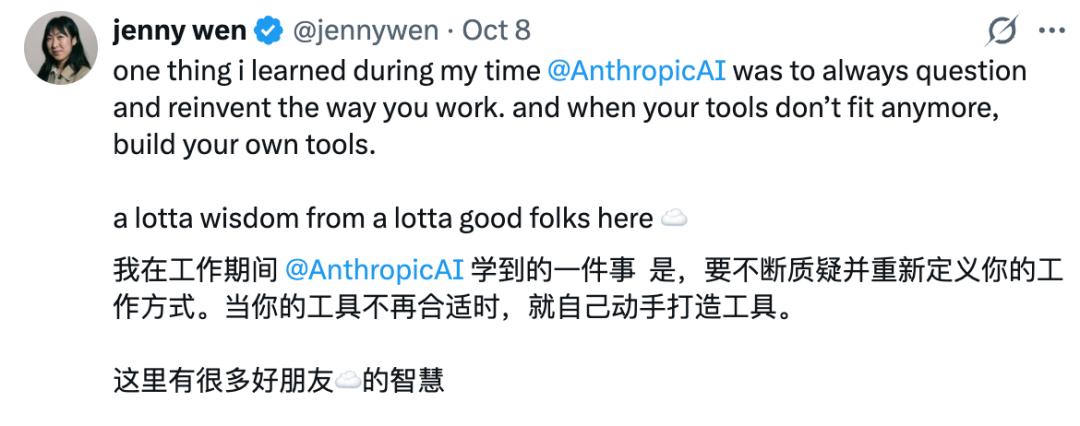
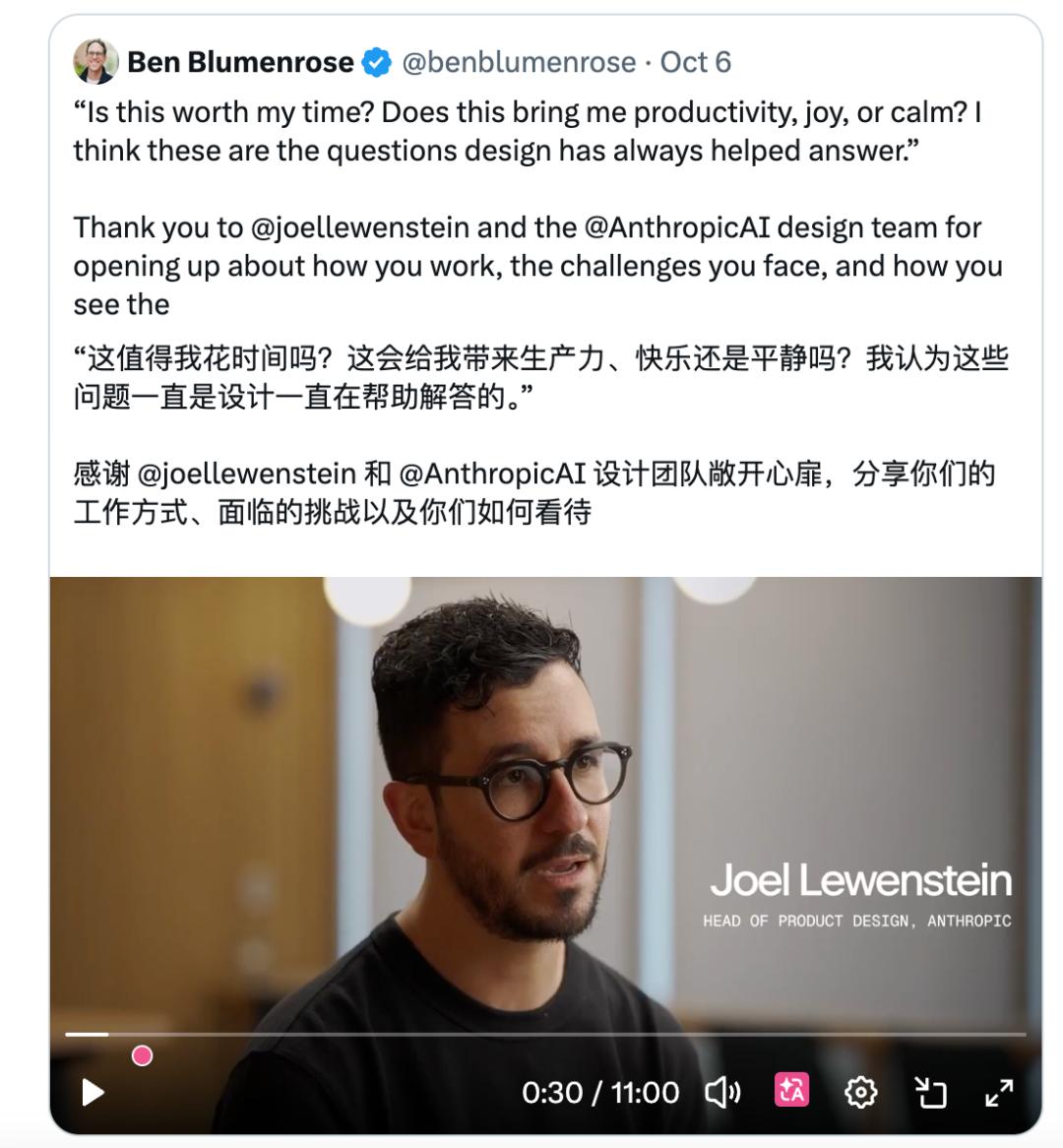
Now, she has truly come to the other side of the track, ready to build a new system from scratch.
Only this time, the tools in her hands are no longer the infinite canvas of Figma, nor the restrained, controllable Claude from Anthropic, but the army of models, computing power and agents that Elon Musk is piecing together.
Who is Jenny Wen?
Jenny Wen humorously introduced herself on X with three seemingly conflicting tags:
Generalist, realist, escapist.
A generalist, a realist, and someone who occasionally loves to escape from reality.
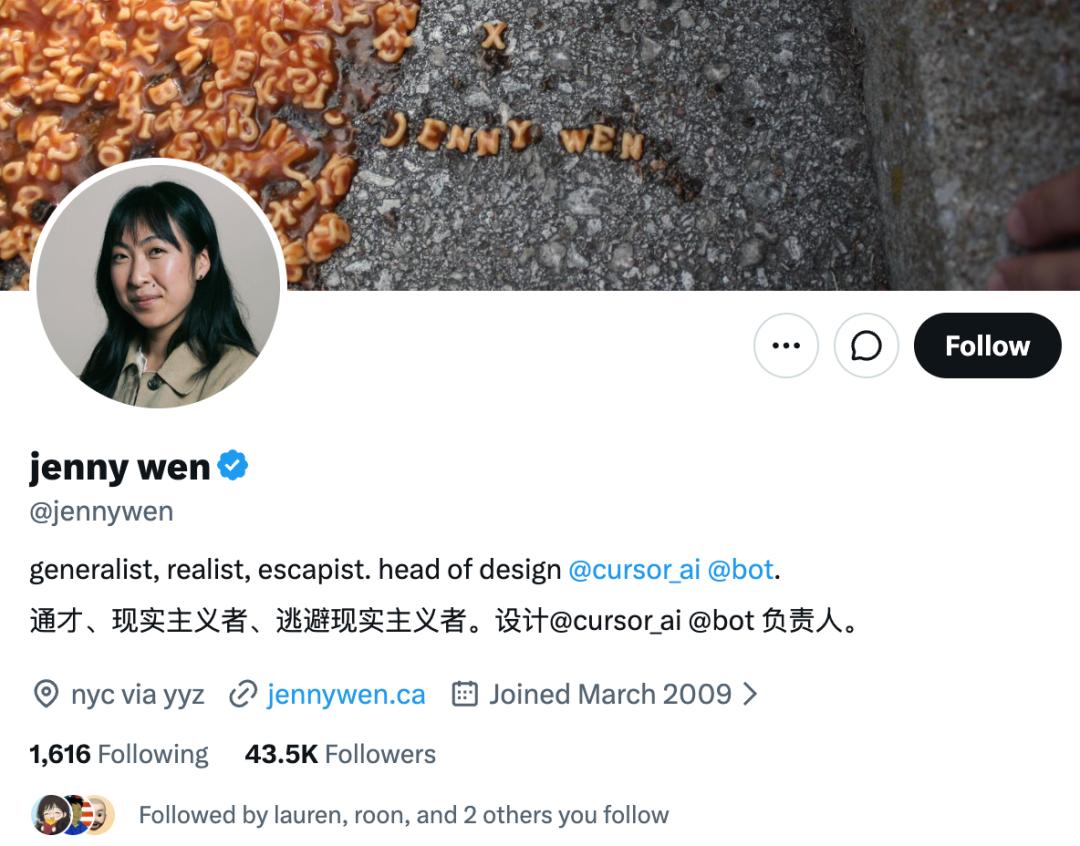
These three words perfectly sum up the mental journey she has taken all the way.
Jenny is a post-90s generation who grew up in Burlington, Ontario, Canada.
She was extremely fond of painting from an early age, and got access to web design very early. She designed web pages for Neopets stores, Myspace homepages and Piczo websites respectively when she was little.

△
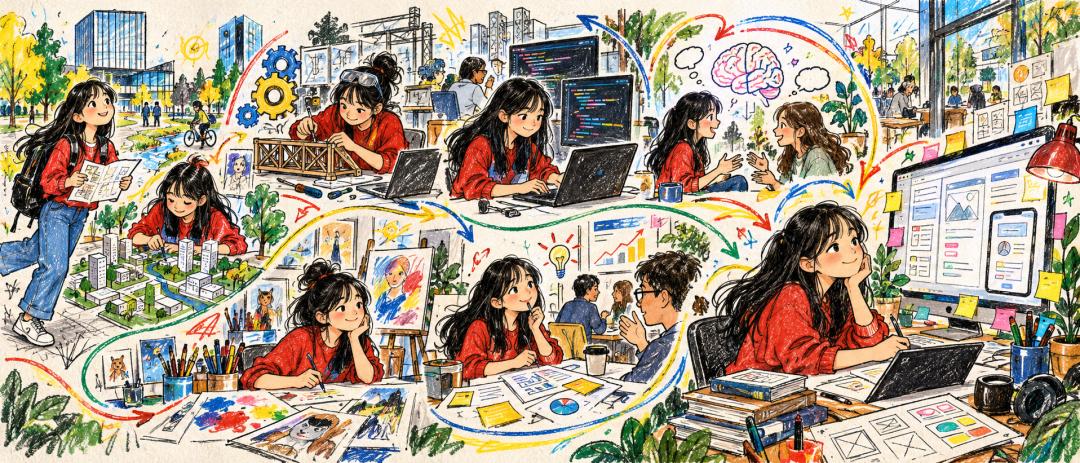
But when it came time to choose a university major, she did not directly enter the design school, but went to the University of Waterloo to study urban planning.
After two years of study, Jenny felt that this major was not suitable for her, so she switched to systems design engineering.
Jenny said that she was unwilling to be limited to only one type of person very early on.
She loves art, engineering, business and psychology, and she is reluctant to give up any of them.
The University of Waterloo happens to require students to complete multiple rounds of internships, so she simply tried software engineering, tech company roles and UX design one by one.
It was during the process of getting in touch with UX design that Jenny finally found a "container" spacious enough to hold all these seemingly scattered hobbies.
△
This habit of refusing to be framed by a single identity later followed her all the way in her career choices.
After entering the tech industry, Jenny has worked at Shopify, Square, Dropbox and other companies in sequence.
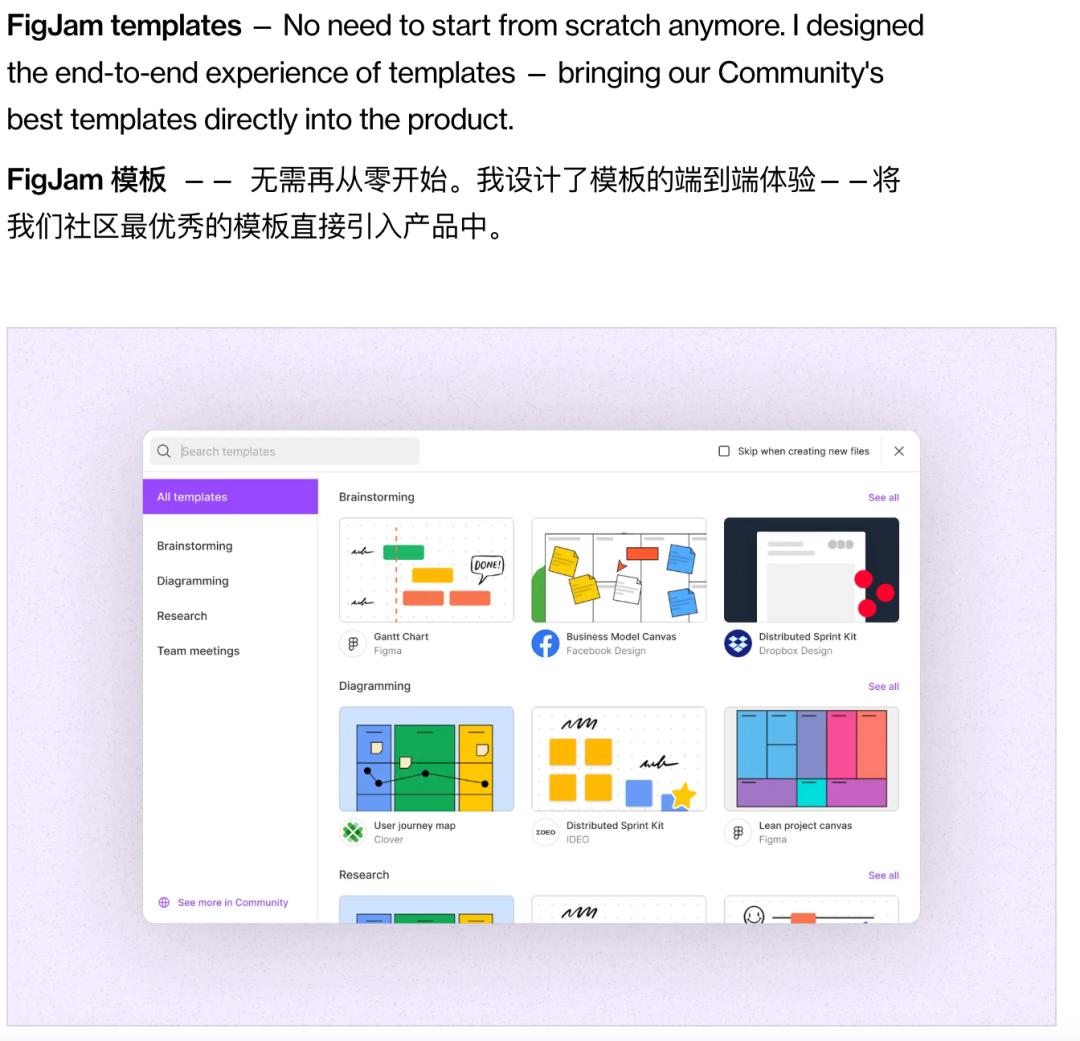
In June 2019, Jenny joined Figma, and in 2020 she became the first designer of FigJam. Starting from a blank whiteboard, she personally brought it to the market.
After that, she was promoted all the way with her ability to build products by herself and lead the team to bring new ideas to the market.
△
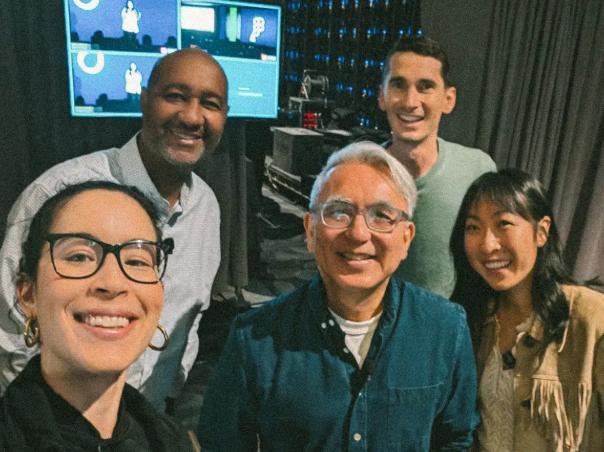
In 2024, Jenny was officially promoted to Design Director of Figma, responsible for leading the team to advance multiple new product lines such as FigJam and Figma Slides.
△
At that time, Jenny's career could be described as steadily rising and in full swing.
But just when everyone thought she would continue to climb the management ladder;
In January 2025, she suddenly announced that she would leave Figma, where she had worked for five and a half years, to join Anthropic, and returned to the front line of design from the position of design director.
As soon as the news came out, many people were confused:
Everyone else is busy climbing up the career ladder, why did you voluntarily give up the management position and go back to build products by yourself?

In response, Jenny showed her very realistic side. She first asked back:
Are middle management positions really still safe in the future?
Then she frankly stated her concerns:
AI is rewriting the design process at a very fast speed. I am worried that after leaving the front line, I will soon be unable to understand how the team works, and then lose my judgment.
So instead of continuing to move up the company's rank system, I would rather change my way, get closer to the actual work, and start building things with my own hands again.
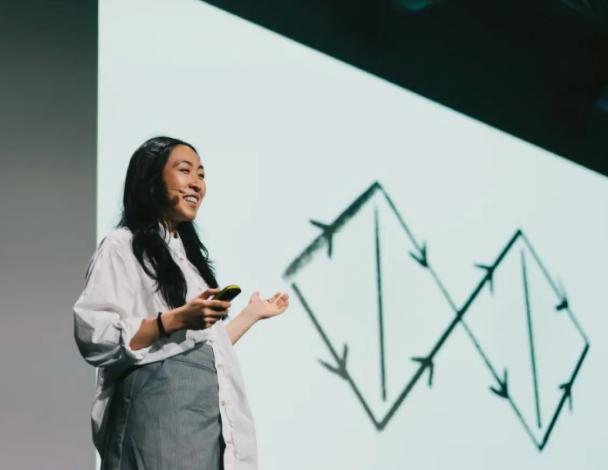
She is not obsessed with positions, but she is very persistent about "what exactly I am creating".
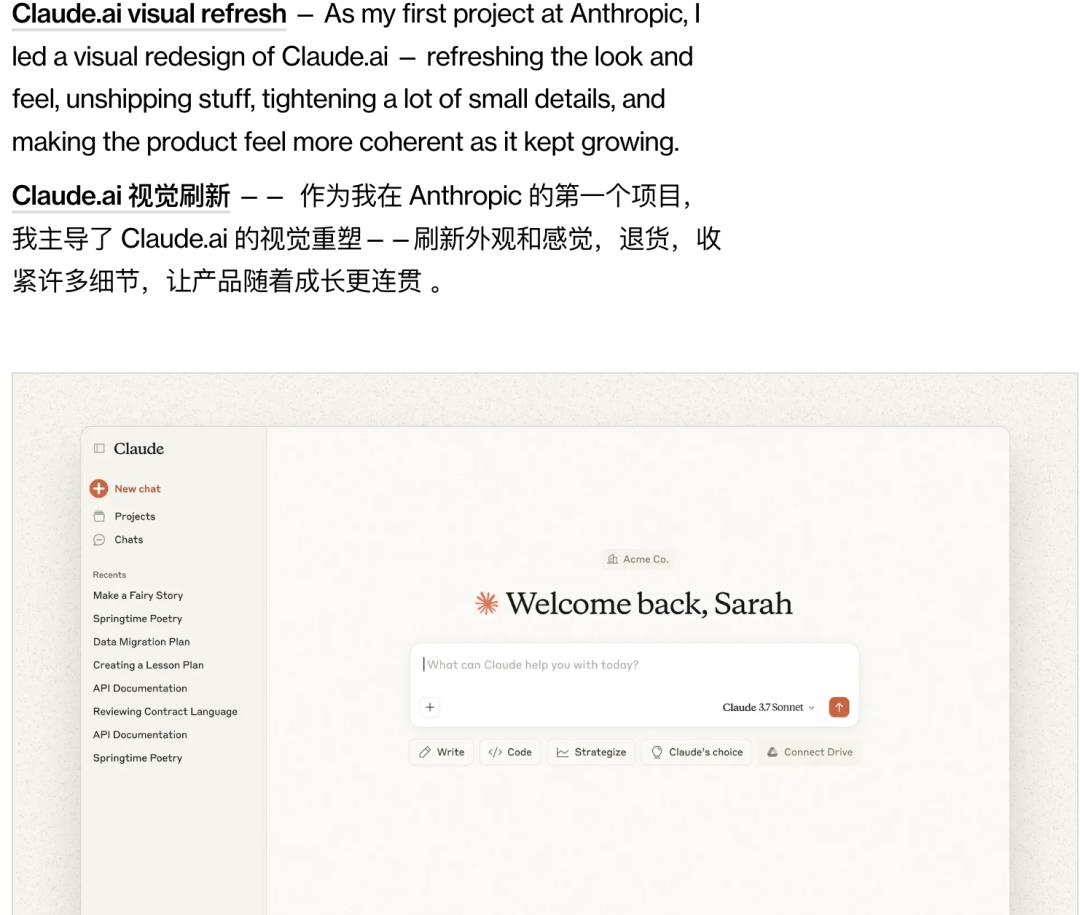
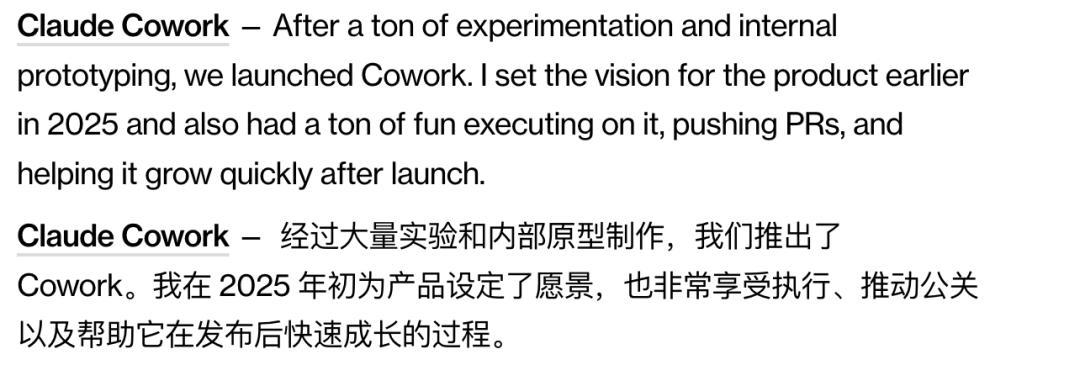
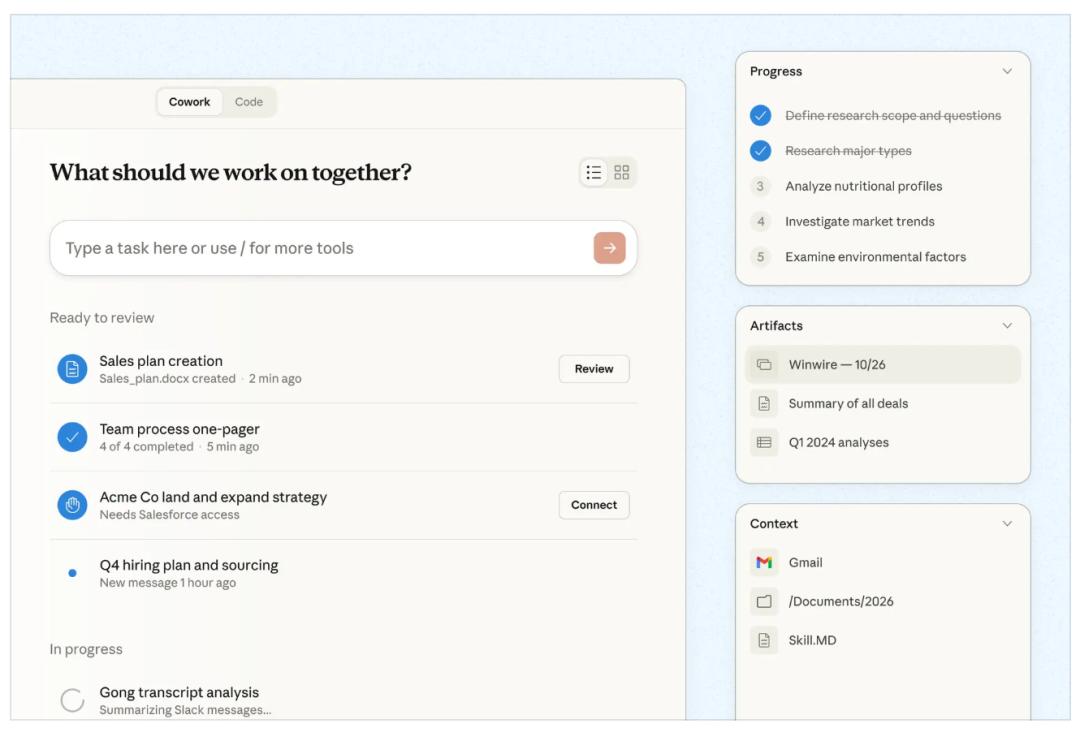
At Company A, she first completely redesigned Claude's product experience, then set the product vision for the general-purpose agent Cowork, personally submitted code and pushed it online all the way, and successfully pulled a powerful agent out of the engineers' terminal and delivered it to ordinary users.
△
From online whiteboards, collaborative documents to general-purpose agents, the products Jenny has participated in designing have been updated round after round;
However, her question has always been the same: How exactly can tools take over repetitive work and return people's energy to judgment, expression and creation?
At the same time, Jenny is also very averse to useless involution and staying up late at work:
I can accept high-intensity work, but I think what really drains people is the lack of meaning, growth, and the inability to touch the product itself.
So what she hopes AI can take over is exactly the most tedious and creativity-consuming parts:
AI should take over those tedious and tiring drudgeries, and help people do the things they really love better.
Because work requires effort, not drudgery.
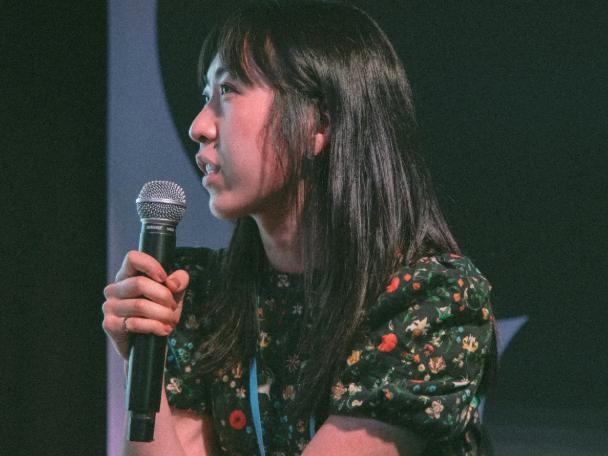
In March this year, she even publicly criticized the traditional design process on Lenny’s Podcast, and the sentence "The design process is dead" directly sparked a heated debate in the design circle.
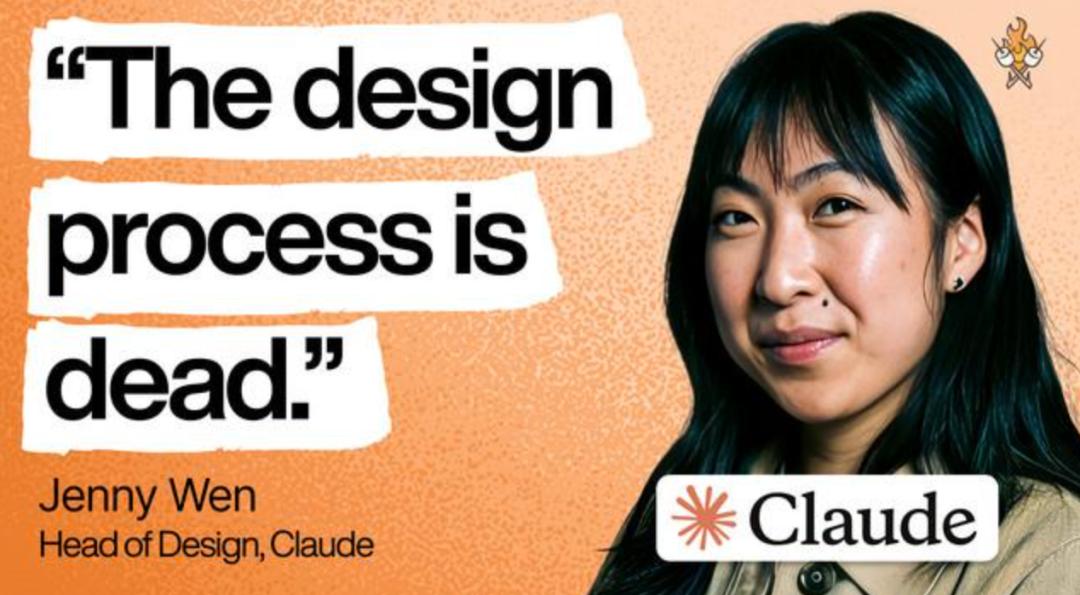
In Jenny's view, many designers will mechanically go through user portraits, journey maps, low-fidelity drafts and concept tests just to prove that they are professional enough.
But when the team starts to follow the process for the sake of the process, designers will gradually become "servants of the process".
So Jenny hopes that everyone can cut off invalid steps, take action directly, make quick trials and errors, build the product out first, and then move forward based on real feedback.
However, being fast does not mean being crude.
Jenny always believes that quality can add real value to digital products, make them worth using repeatedly, and make people willing to pay more to keep them.

But even though she is resolute and efficient, Jenny is not a perfect superwoman, and she "occasionally loves to escape from reality".
During her pregnancy, Jenny honestly wrote down her fears:
I am very worried about losing my creativity, learning ability, ambition, and the self I loved the most before.
But at the same