The AI features for China-market iPhones have officially arrived, and Qwen has become Siri's new partner.
After a full two-year wait, Chinese iPhone users no longer have to satisfy their curiosity about Apple AI only through its promotional videos.
Just now, Apple officially announced that the first batch of Apple Intelligence features will soon be launched for users in mainland China.
From Apple's high-profile announcement of entering the generative AI track in 2024, to overseas users experiencing various new features one after another, and now the launch timeline for the China-market version is confirmed, Apple is finally delivering on its long-overdue promise.
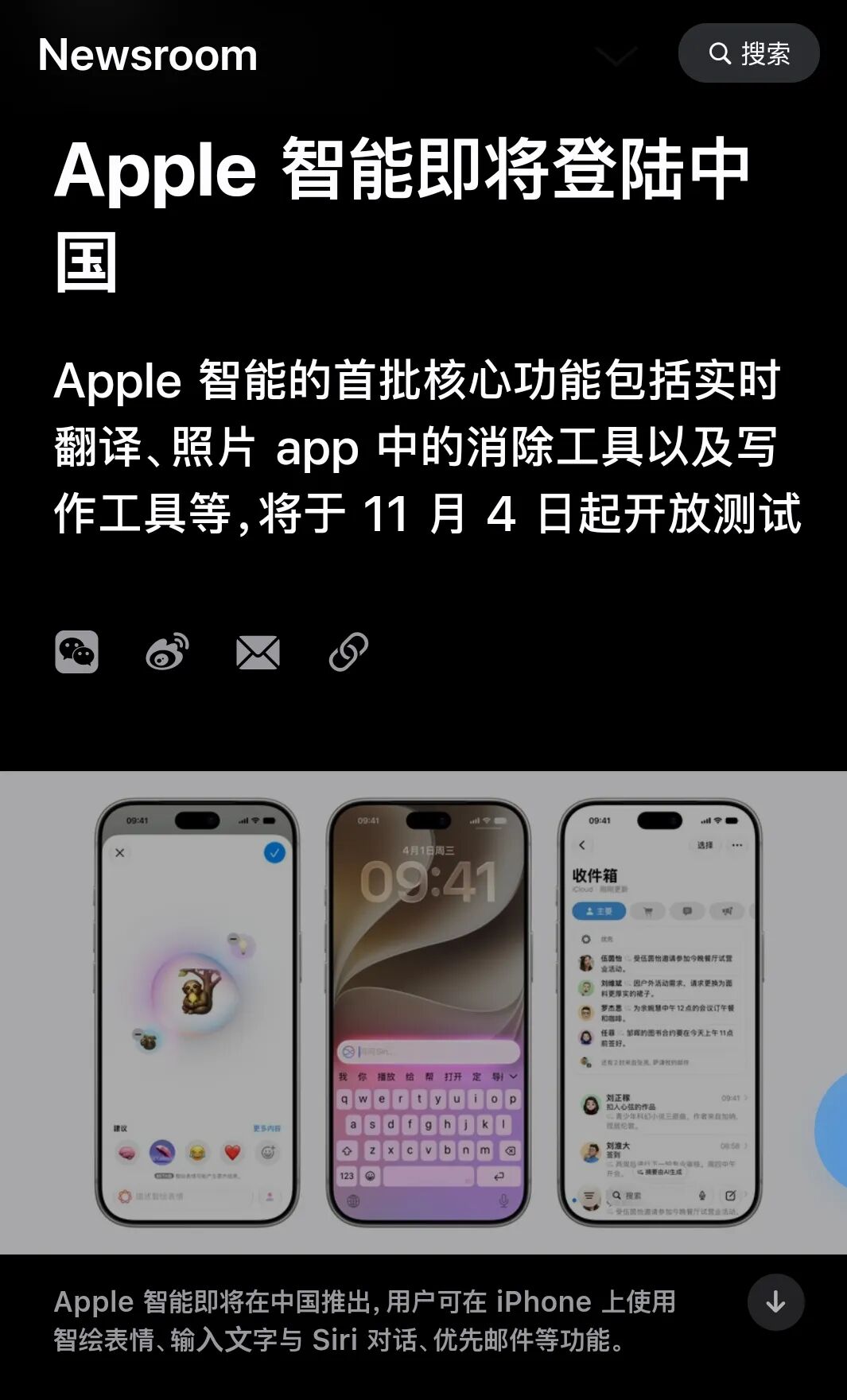
Official Announcement 🔗 https://www.apple.com.cn/newsroom/2026/10/apple-intelligence-features-are-coming-to-users-in-china/
According to the plan, the first batch of Apple Intelligence features will be open for testing on November 4 with the latest iOS developer Beta, and will be rolled out to Chinese users with the official iOS 27.3 release this December.
The initial supported devices are limited to iPhones, including the iPhone 15 Pro series, iPhone 16 and later models, iPhone Air and iPhone Duo, supporting Simplified Chinese and English. Support for other platforms such as iPad and Mac will be available after relevant approval procedures are completed.

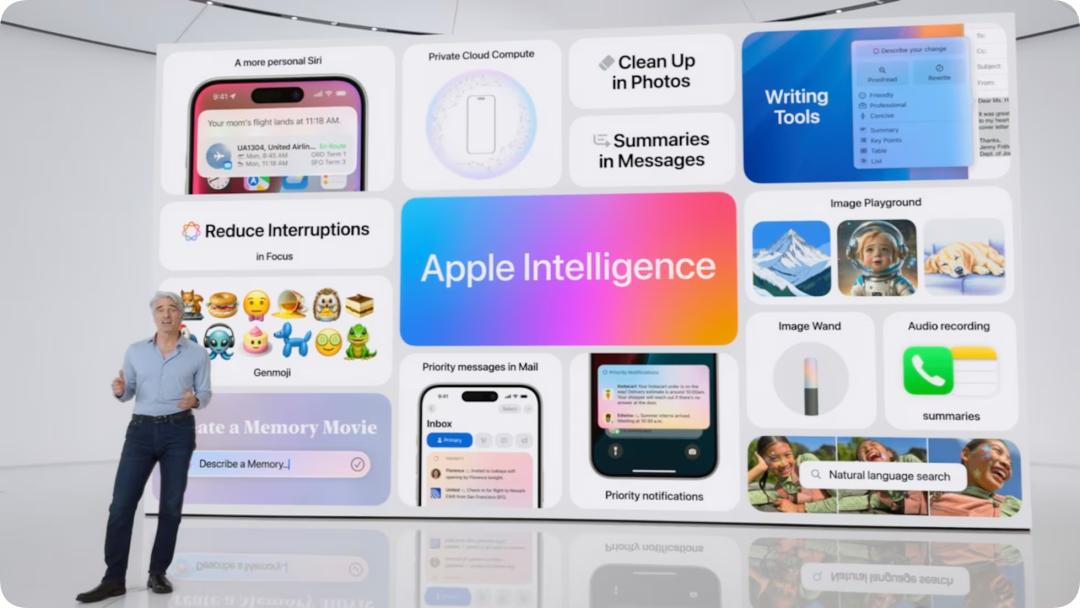
However, the Apple Intelligence launched in mainland China this time mainly covers features such as writing tools, photo editing, Genmoji, real-time translation, notification management, visual intelligence and upgraded basic Siri interactions, which is still far from the all-powerful smart assistant people have imagined.
The most intuitive change is that AI has begun to integrate into the original system functions of iPhone, so users do not need to open an independent chat application every time.
For example, the Writing Tools can be called in system apps and a large number of third-party apps, supporting rewriting, proofreading and summarization. The tool can be invoked wherever there is an input cursor on the interface.
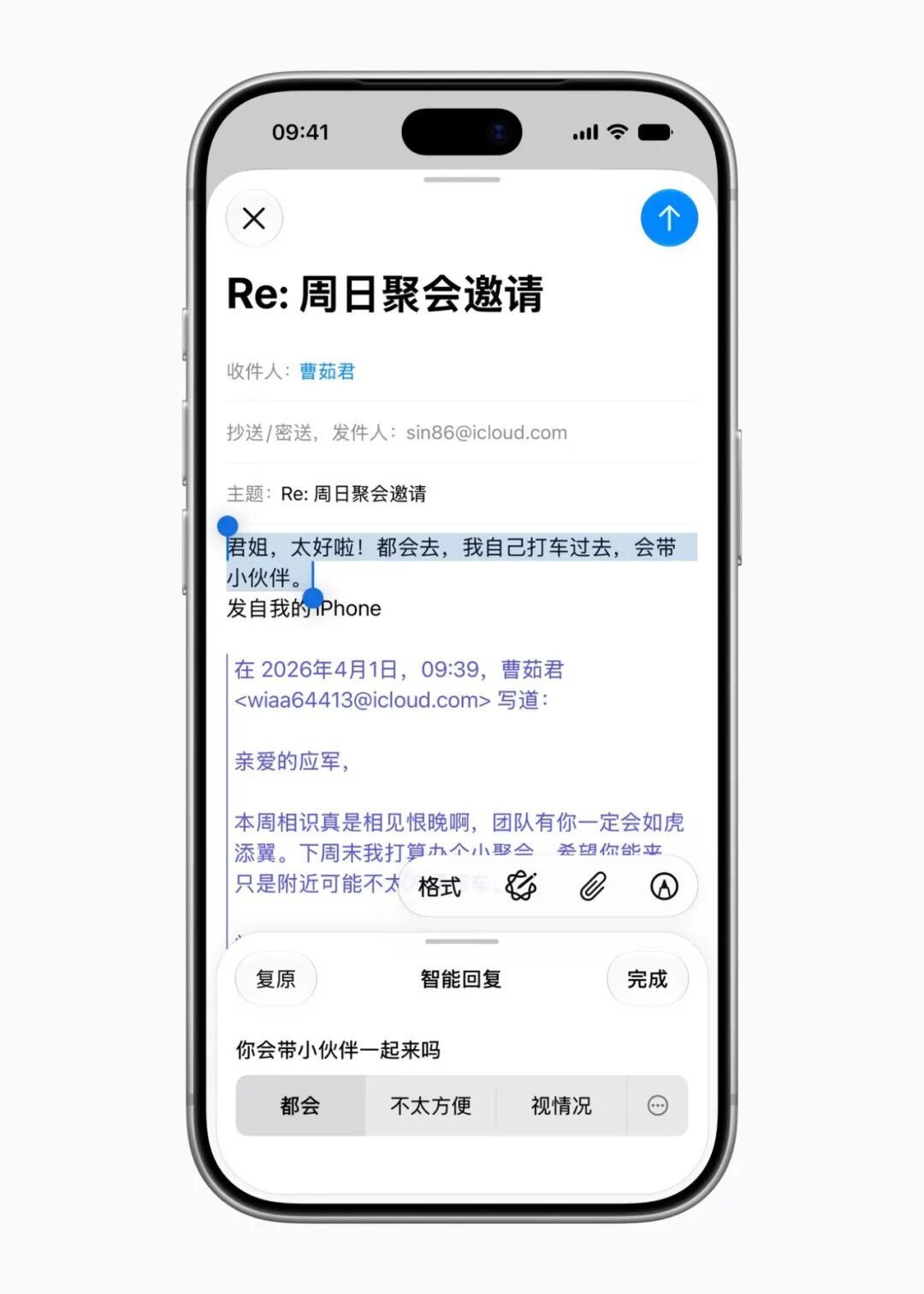
When sending an email to your supervisor, you can choose the "Formal Style" to optimize your wording; for lengthy meeting minutes in the Notes app, you can also directly extract key points and organize them into a work summary suitable for sending.
The Photos app supports natural language search. For example, entering "Maomao on the grass" will bring up the corresponding pet photos or videos.
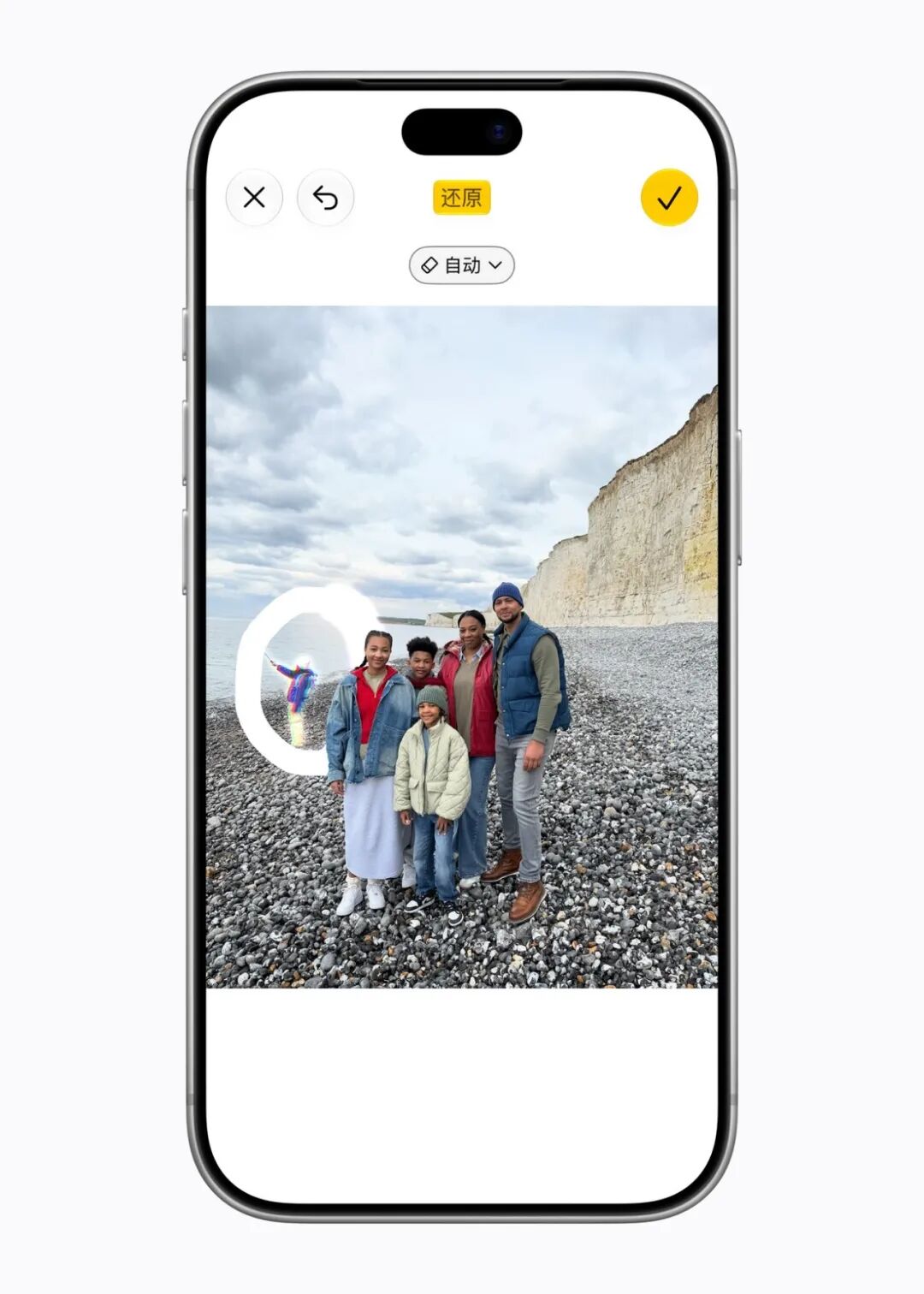
The newly added Erase tool relies on three dedicated machine learning models to complete object recognition, edge judgment and background filling respectively, and the entire processing process does not require uploading to the cloud. In addition, users can also create Memory videos based on text descriptions.
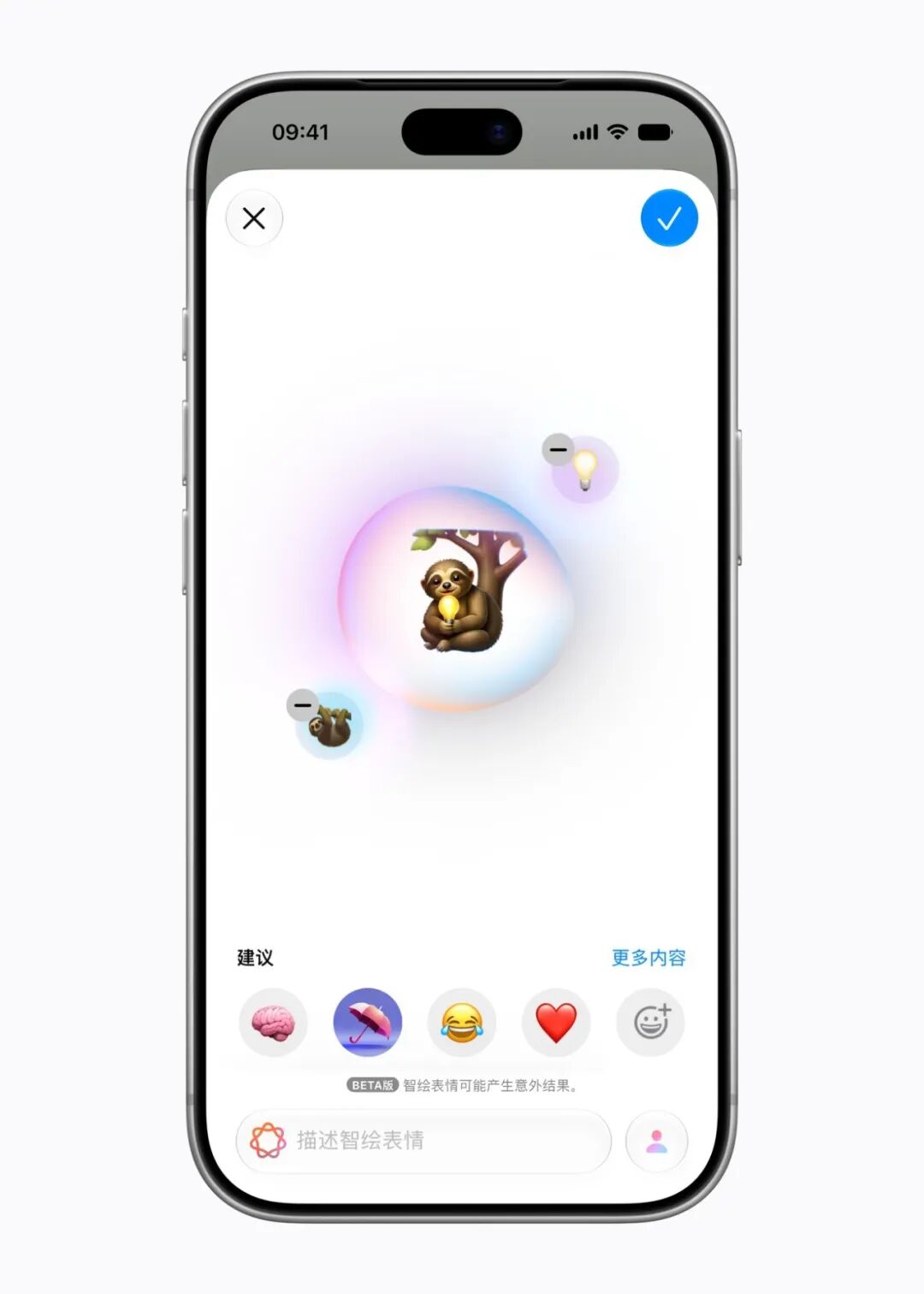
Users who love sharing memes during chats also have new ways to have fun. The "Genmoji" feature launched by Apple can generate personalized emojis based on simple text descriptions. For example, entering "panda wearing sunglasses" will let the system generate the corresponding emoji that users can use directly in chats.
Real-time translation is also a very practical feature in this update. Apple has integrated it into a variety of native scenarios including Messages, Phone, FaceTime and AirPods, supporting two-way text and voice translation, with the entire process completed on the device.
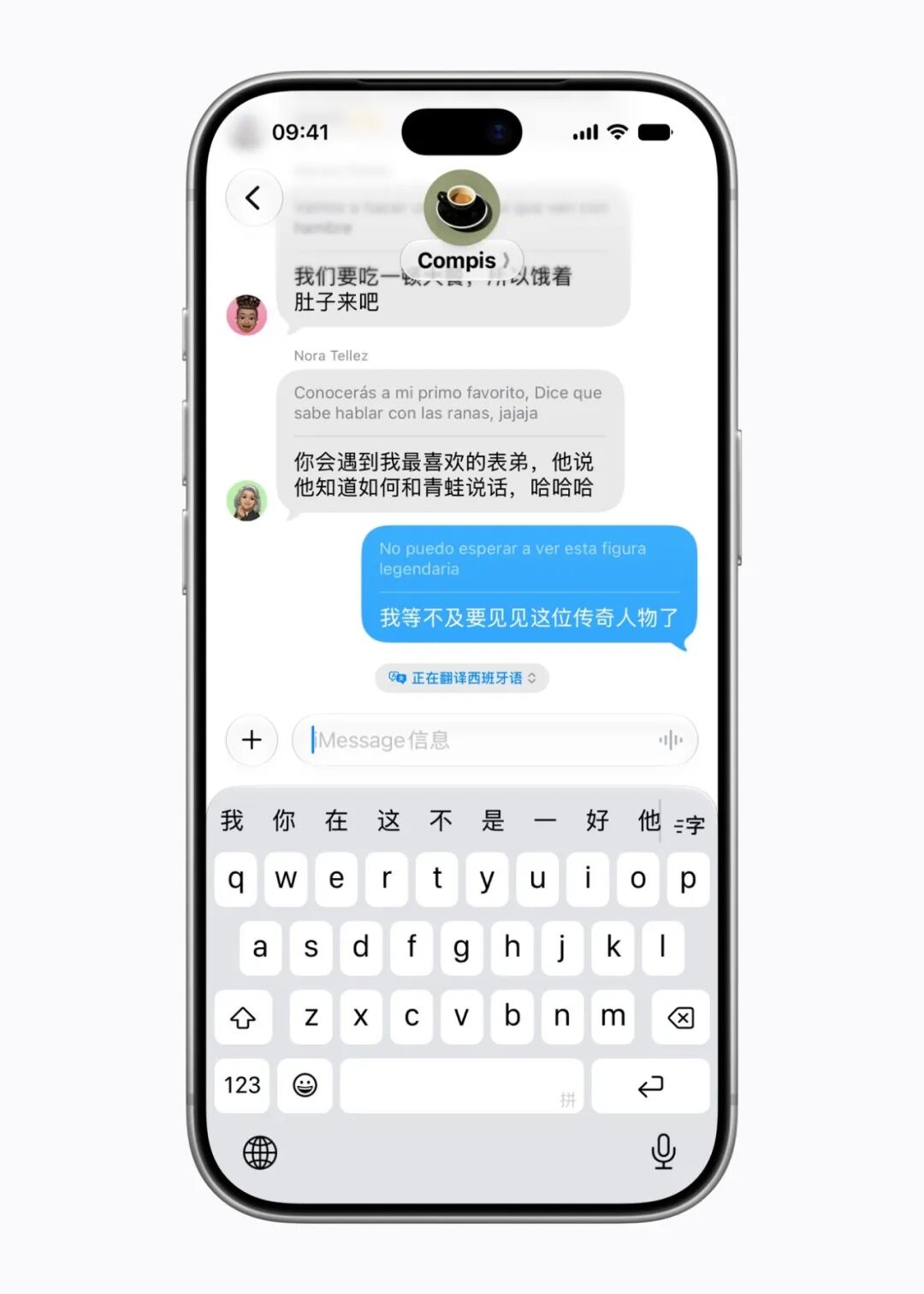
For example, when traveling to San Francisco, if you receive an English message from a local tour guide, you can directly view the Chinese translation, and the reply will also display bilingual content. Even if the other party uses an Android phone, messages sent via RCS or SMS can also be translated. For foreign friends you contact frequently, you can also turn on automatic translation separately.
In addition, Apple has also upgraded the notification management feature: AI can organize multiple messages into summaries, filter irrelevant reminders through the "Reduce Interruptions" mode, and highlight important information with "Priority Notifications". The Mail and Messages apps support content summarization and smart replies, while Notes and phone call recordings can also generate transcript summaries.
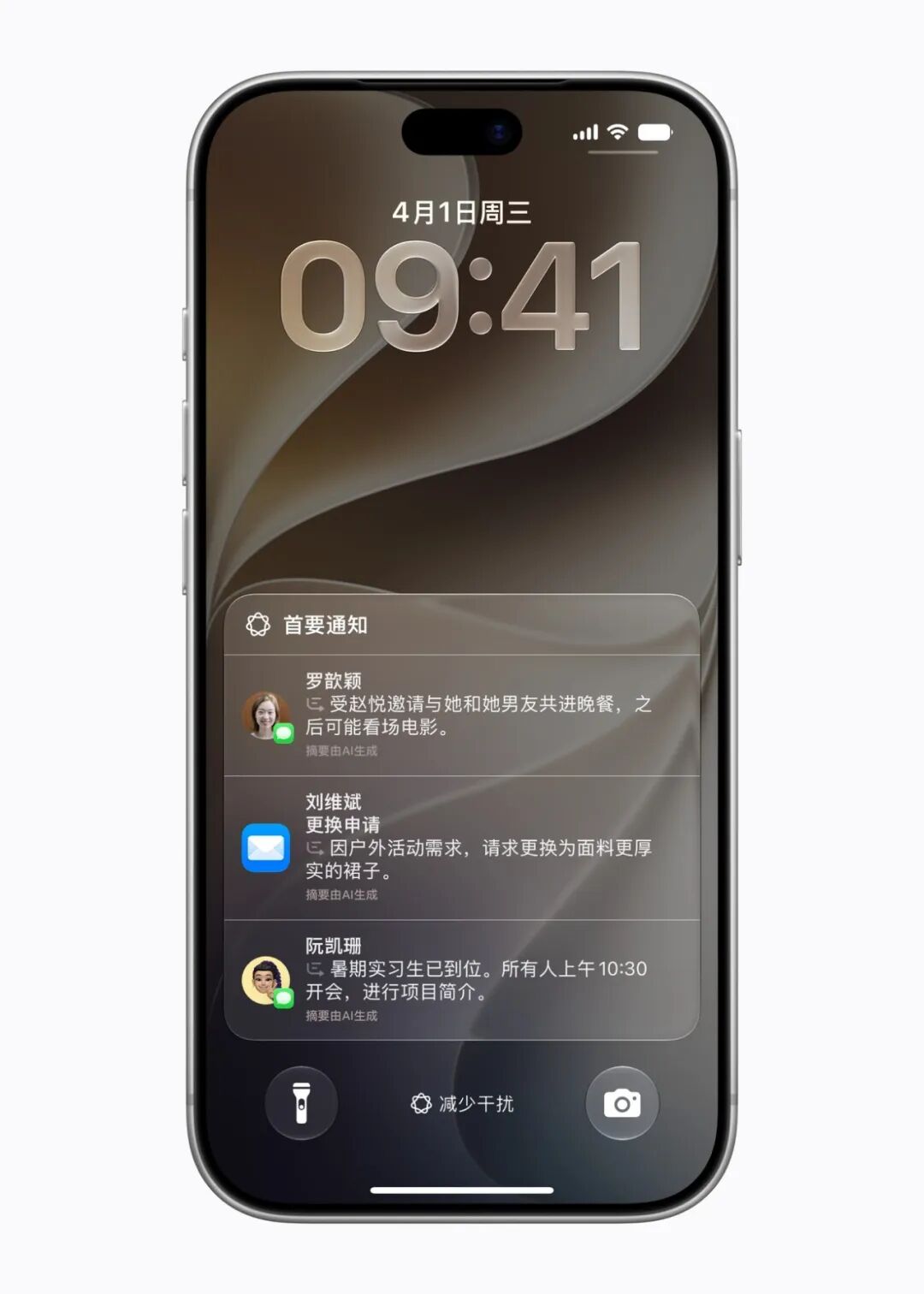
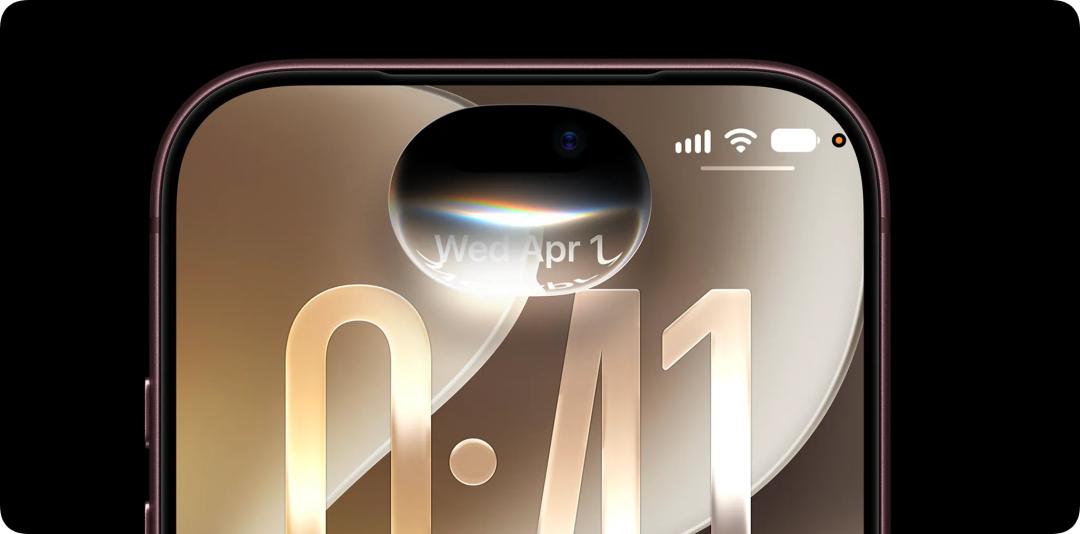
Siri has adopted a brand new visual design: colorful dynamic light effects will appear on the edge of the screen when it is activated, which is the familiar "marquee effect" for most users. It also supports switching between voice and text input, and has improved its ability to understand misstatements, pauses and temporary corrections. However, the new generation of Siri AI that can truly understand personal context, screen content and perform cross-app operations is still not included in this update.
But this upgrade does not include the new generation Siri AI that Apple previously demonstrated, nor does it cover the latest Apple Intelligence features released in June this year. In other words, China-market users can finally use Apple's AI, but the Siri that can understand personal context, screen content and perform cross-app operations still needs to be waited for.
Apart from the features themselves, another highlight of China-market Apple Intelligence is that Apple has finally clarified its cooperation model with Chinese AI vendors.
Previously, APPSO exclusively learned that Apple's cooperation with Alibaba involves at least two forms: capability integration and joint training. Now, the first batch of features has demonstrated a fairly clear localized technical architecture.
The basic capabilities of Apple Intelligence are provided by Apple's self-developed models, which have been specially adapted for the Chinese market, and all the first batch of features run on the device side. No matter for writing, photo editing or real-time translation, personal data does not need to be uploaded to Apple's servers, and Apple itself cannot access the data.
But complex tasks often require more powerful models, so Apple has also introduced Alibaba's Tongyi Qianwen to provide capability expansion for Siri, Writing Tools and Visual Intelligence.
For example, if you say to Siri "Help me make a 3-day, 2-night travel plan for Kunming", the system can judge whether it needs to call Qianwen, complete the request after obtaining the user's consent, and display the result directly on the current interface without jumping to another app.
Qianwen is also integrated into Apple's system-level Writing Tools, with the newly added "Compose with Qwen" feature. In addition to conventional rewriting and polishing, users can directly enter any topic to let Qianwen generate articles, emails and other content from scratch, and even generate images based on text descriptions.
Visual Intelligence is connected to Tongyi Qianwen and Baidu Image Search, helping users understand the surrounding environment, and translate, read aloud or summarize the text in the real world.
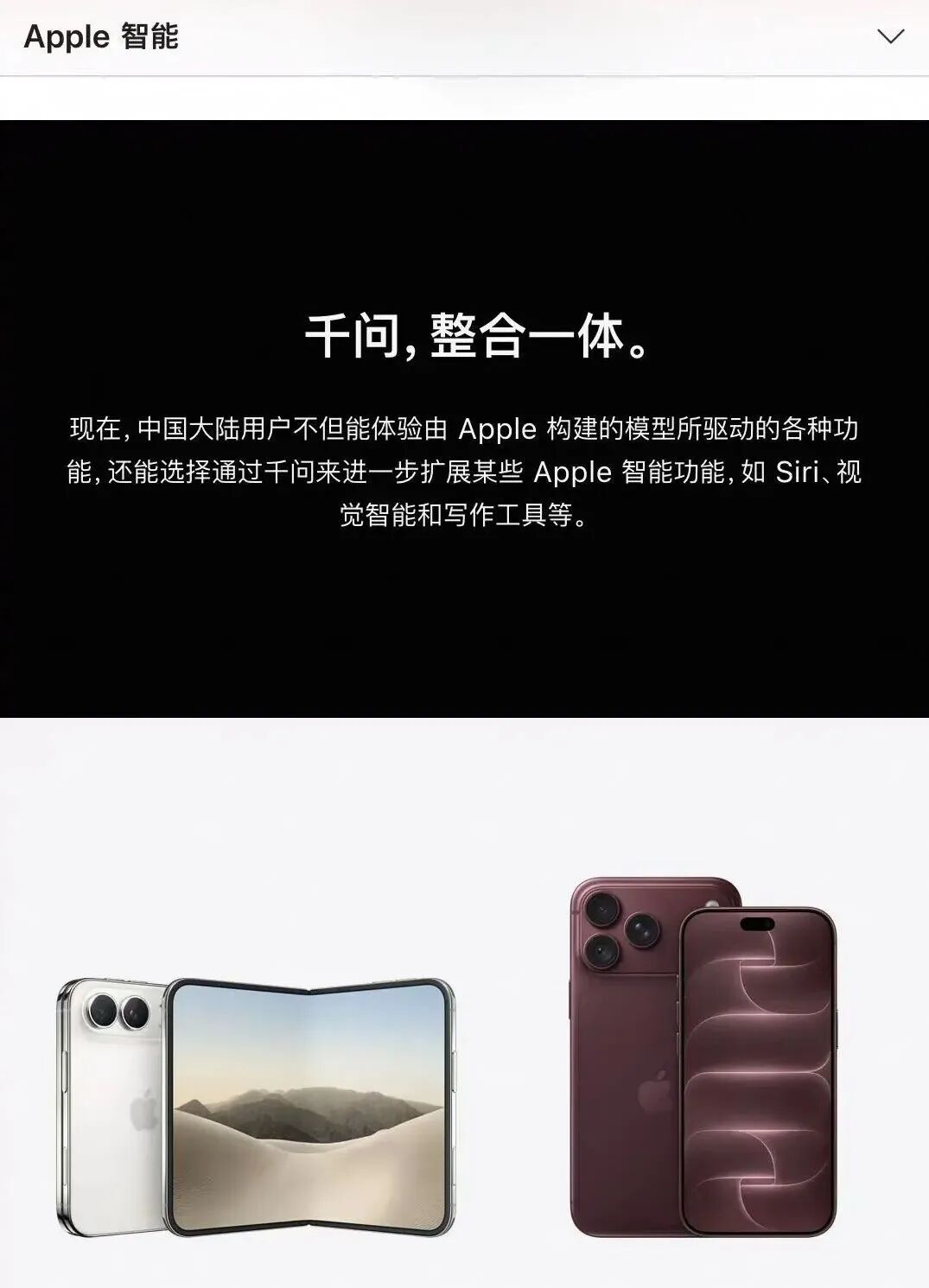
It is worth noting that Apple does not bind to a specific version of the Qianwen model, but calls multiple models according to tasks, and plans to keep updating them continuously.
In terms of privacy, the operating mechanisms of the two sets of models are different. All of Apple's basic features are executed on the device side, while the extended capabilities of Qianwen rely on server-side models. Users can decide for themselves whether to enable the feature, what information to share, and choose to log in with a Qianwen account or an Apple account.
According to the cooperation arrangement between the two parties, user request data processed by Qianwen will not be used for model training, advertising marketing or behavior tracking.
From the perspective of product design, Apple still adheres to the principle that self-developed models are responsible for basic functions and personal information processing, and then uses external large models to expand capabilities for complex tasks. Users do not need to care about which model is running behind the scenes, they only need to put forward demands to Siri or system tools.
Apple has also clarified the applicable rules for features in the China region, including devices purchased in mainland China, and iPhones that meet the corresponding regional and Apple account conditions. Eligible users can continue to use China-region Apple Intelligence even when traveling abroad.
Back to WWDC in June 2024, Apple released Apple Intelligence for the first time, trying to deeply integrate AI into iPhone, iPad and Mac, and use a smarter Siri to understand personal information, screen content, and even complete complex operations across apps.
However, two years have passed, while the basic features in overseas markets have been launched one after another, the new version of Siri that undertakes the vision of a personal smart assistant has been delayed many times, and users in mainland China have also experienced a long wait for localization.
While domestic mobile phone manufacturers have turned AI photo editing, real-time translation, smart summaries and even cross-app automatic operations into regular features, China-market iPhones have finally received Apple's official AI capabilities.
Writing, translation and photo processing are practical, but they are no longer rare capabilities in the AI phone era. What is really worth looking forward to for Apple is that it has the opportunity to turn AI from a tool that provides answers into a Personal Agent that truly understands users and can proactively complete tasks.
In the past two years, with the rapid development of on-device AI, smartphones are becoming one of the most important carriers for Personal Agents. The future smart assistant may only need one sentence to combine personal habits and actual needs, call different services, and complete tasks such as booking tickets, arranging itineraries, and organizing work.
From this perspective, Apple is probably one of the most suitable technology companies to build a Personal Agent.
After all, Apple controls hardware entry points including mobile phones, computers and watches, as well as the operating system and a huge application ecosystem. Calendars, emails, photos, health data and usage habits can all become the basis for AI to understand personal needs under user authorization.
Apple can also design the tool invocation and cross-app collaboration mechanism of the Agent at the operating system level. The collaborative architecture of on-device models and Qianwen demonstrated this time also shows the possibility of processing simple tasks locally and calling external models for complex tasks.
But the interesting part is that Apple may be precisely one of the most unsuitable companies to build a Personal Agent.
Apple has long emphasized privacy protection, app isolation and user control, while a truly smart Agent needs to associate information from different apps, and even proactively perform operations. When AI starts to read emails, check calendars, and even make payments and reservations on behalf of users, data permissions and misoperation risks will become more complicated.
The deeper contradiction comes from the App ecosystem that Apple itself has built. When AI can shop, book hotels and arrange trips on behalf of users, users may less and less need to open the Apps in person. At that time, the App Store app distribution and business ecosystem that Apple has operated for more than ten years may also be challenged as a result.
For a company that has long relied on software and hardware collaboration, strictly managed user experience, and obtained rich benefits from the app ecosystem, a truly autonomous AI Agent means that it needs to rethink the relationship between the operating system, apps and users.

Back to this launch of China-market Apple Intelligence, Apple finally gives Chinese users the opportunity to experience official AI, and also demonstrates the capability of collaborative work between self-developed on-device models and local large models.
But compared with the already launched Writing Tools, real-time translation and Genmoji, I am more looking forward to the future Siri that can truly understand personal context and complete cross-app operations under user authorization.
After all, Apple already has many