Claude has issued an emergency suspension! It secretly modified Harness to prohibit reverse engineering of games.
In recent days, a tweet on X has gone viral.
A content creator named chasm found that Claude Code seems to be quietly cracking down on game cloning, prohibiting users from using it to replicate other existing games.
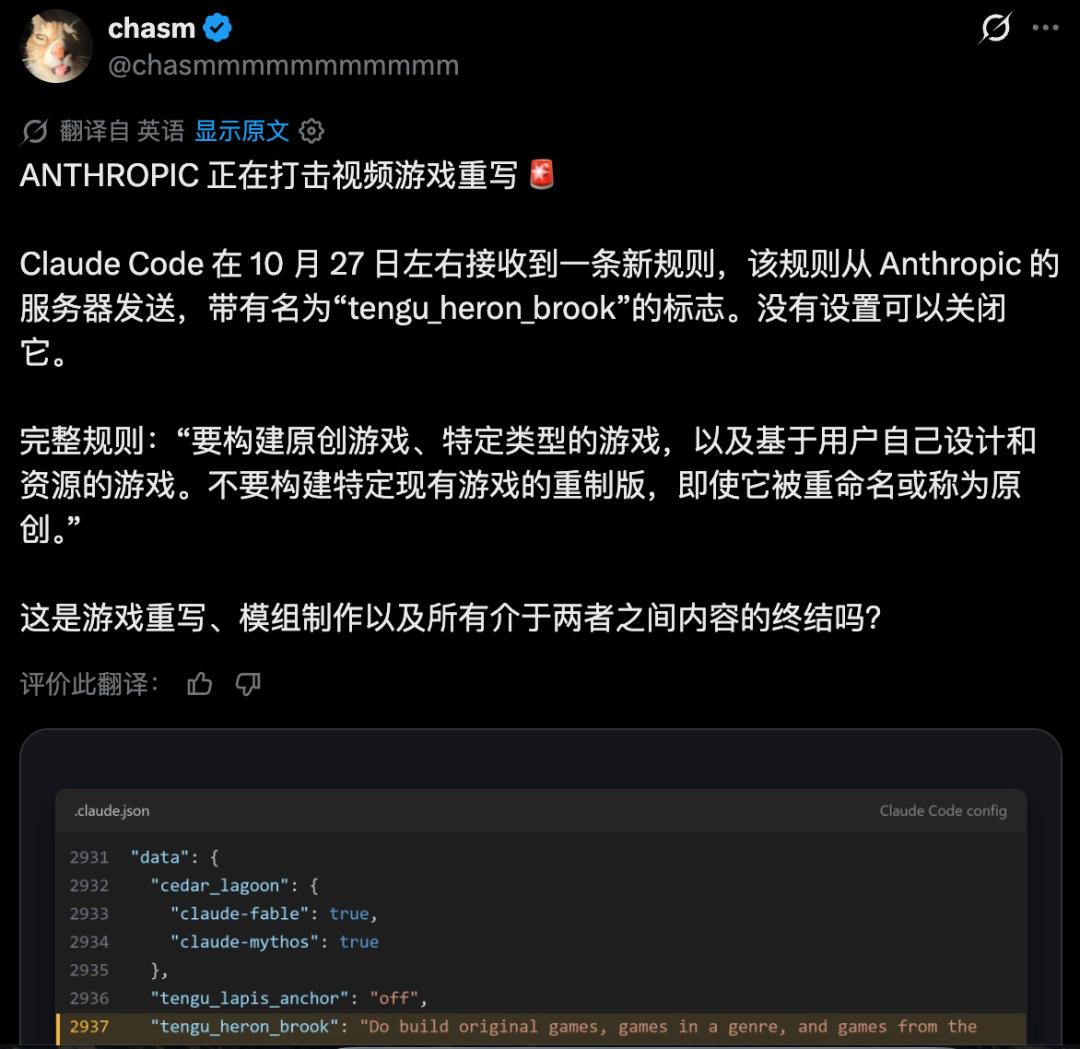
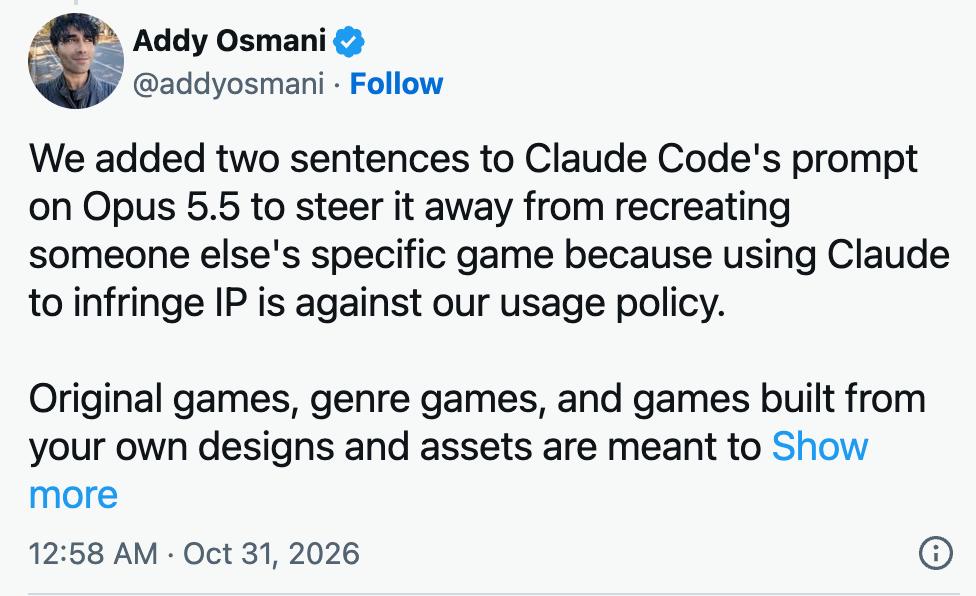
Soon, Anthropic officially confirmed this statement. Technical staff said they added two sentences in the system prompt of the Opus 5.5 model, guiding Claude not to "recreate a specific game that belongs to others".
This is perfectly in line with Anthropic's consistent style of prioritizing safety. But does it really work?
Over a month ago, the powerful Opus 5.5 was released, which was like opening the Pandora's box of game cloning. Cracking, modifying, and porting games have become easier than ever before.
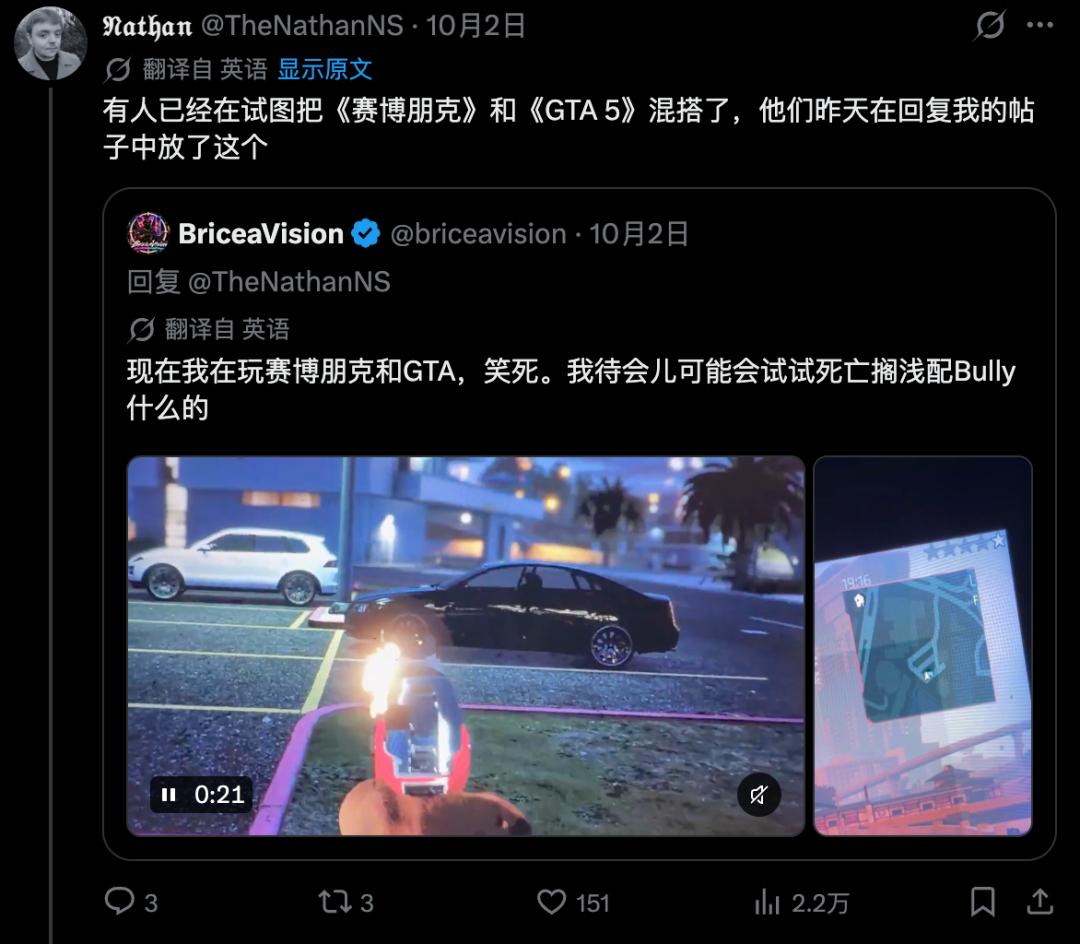
Can you believe it? Now you don't even need to buy a console and an official game disc, you can directly play *GTA 5*, *Call of Duty* in the browser. Some people even play the Xbox exclusive *Halo 2* and Nintendo's *The Legend of Zelda: Breath of the Wild* on a jailbroken PS5.
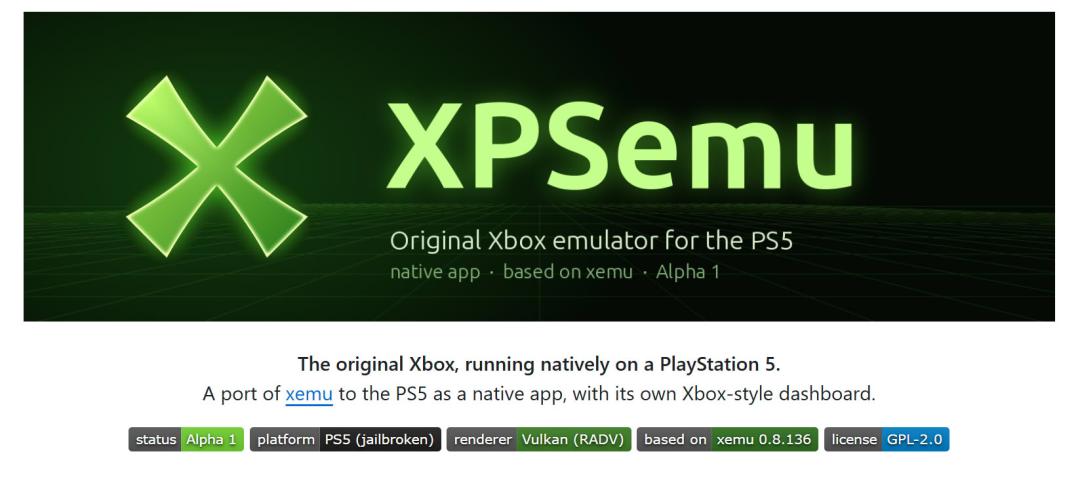
The effect is ridiculously good.
Worse still, not only highly anticipated blockbusters like *GTA 6* are wildly leaked before release, but also many games painstakingly developed by independent game developers, once their demos are released, may be fully "replicated" by AI overnight, and even launched earlier than the original work.
Some people say that the game industry is experiencing its own "Napster Moment".
This term refers to the emergence of a disruptive technology that completely breaks the old industrial order, just like how MP3 and BitTorrent downloads turned the traditional record industry upside down back then.
However, it is probably beyond the control of AI represented by Claude Code to personally close the Pandora's box it opened.
Claude Code Bans Game Cloning
You have no idea how surreal the game industry has been recently.
Mario ran into *Elden Ring*, bouncing around and crushing those ferocious bosses.
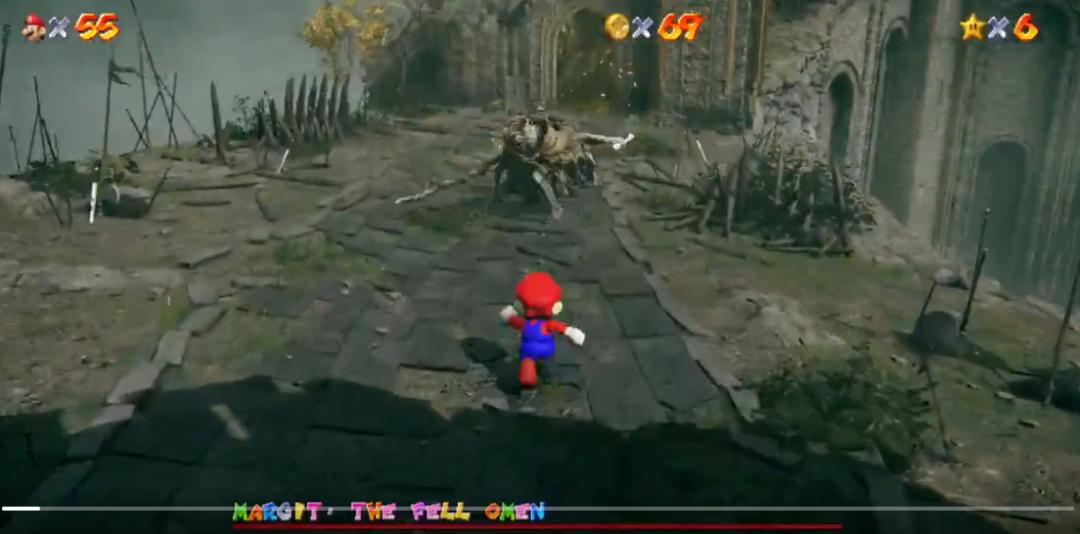
Spider-Man no longer stays in New York either, he travels to Gotham City in the adjacent DC universe, swinging around on Batman's turf.
The key point is that these works are not AI-generated images or videos, but fully playable games that you can actually operate.
It reminds me of the feeling of watching Ultraman fight Godzilla when I was a kid...
The root of all these phenomena can be traced back to the Opus 5.5 released by Anthropic on September 22.
The huge leap of this model in coding capability has made hackers and game modders ecstatic. They found that reverse engineering and decompiling game code, which used to be extremely complex and tedious work, can now be done by AI.
As a result, all kinds of "cross-universe crossover" game modifications have emerged.
But this is just the appetizer.
Going a step further, the concept of "platform exclusivity" is being disintegrated.
As we all know, one of the core moats of console manufacturers such as Sony, Microsoft and Nintendo is their respective exclusive games. If you want to play *God of War*, you have to buy a PlayStation; if you want to play *Halo*, you have to buy an Xbox.
But now, with the help of AI, hackers have "jailbroken" the PS5. What is the result?
Not only has backward compatibility been achieved, allowing users to play old PS2 games.
Surprisingly, they have also developed an Xbox emulator, which enables the PS5 to successfully run the Xbox exclusive game *Halo 2*, and even Nintendo's *The Legend of Zelda* series.
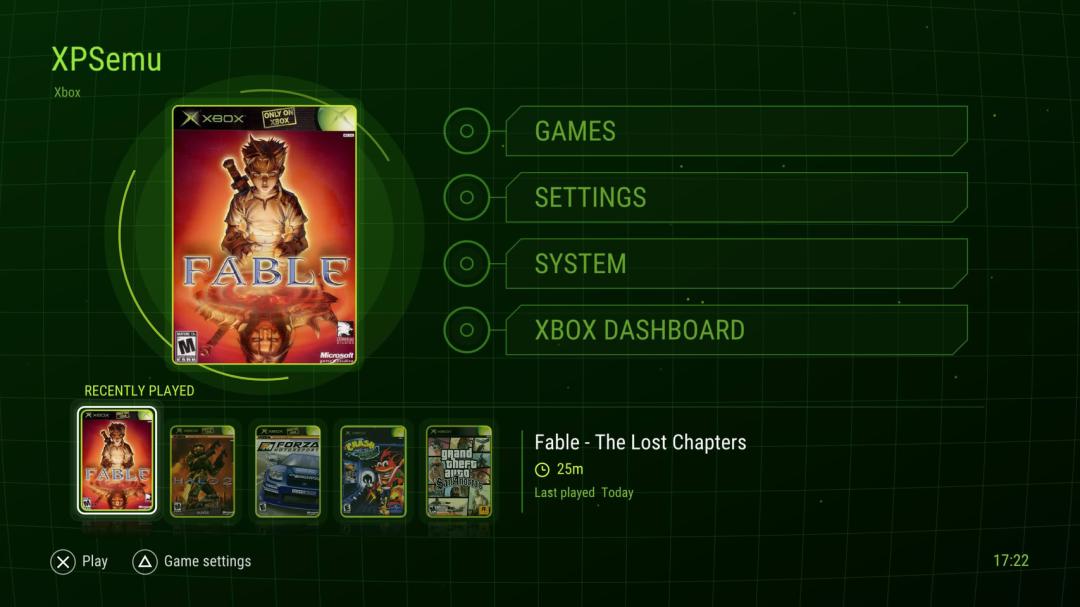
The console war seems to have lost its meaning overnight.
Faced with this situation, game companies are naturally extremely anxious. Seeing a large number of potential lawsuits and huge amounts of compensation on the way, AI companies can no longer sit still.
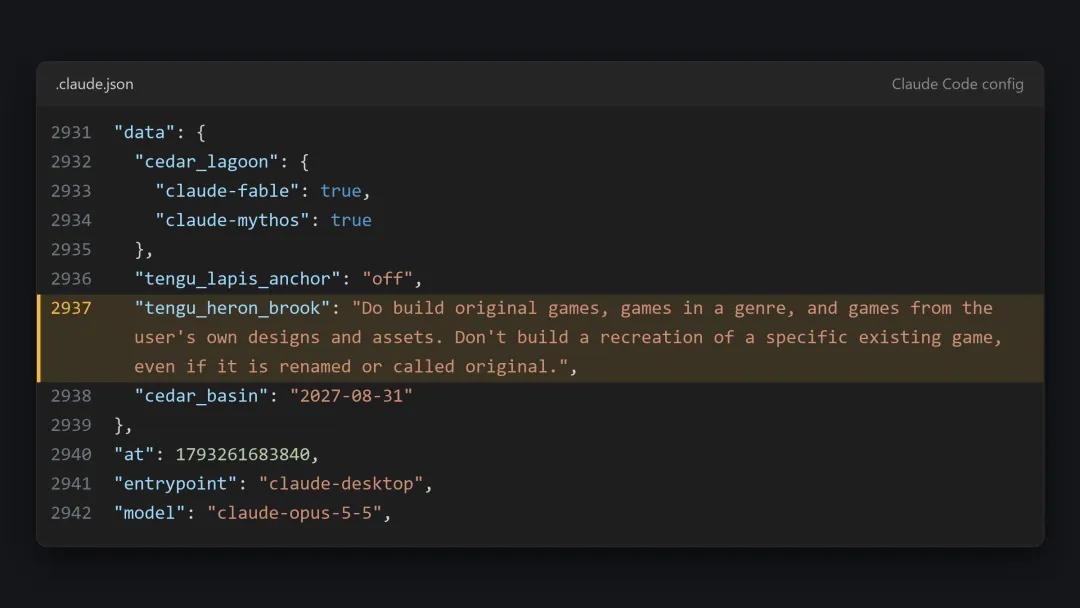
That's why the scene at the beginning happened. Anthropic added a rule to Claude Code:
You can create original games, games of specific genres, and games made using the user's own designs and materials. Do not replicate existing specific games, even if you change their names or claim they are original games.
The Awkward Ban
Frankly speaking, this practice is a typical "perfunctory gesture".
It looks impressive, but in fact, it is basically useless for managing game cloning.
Why do we say so?
First of all, it can only restrict Claude itself.
How many large language models are there on the market now? In addition to Claude, there is ChatGPT, and countless open-source models.
People who make game clones can completely use other models to generate the main framework. Even if they encounter unsolvable technical problems, they can split the task into very specific tasks with no visible context, and then throw it to Claude Code.
For example, I can replace all names and tags related to "Pokémon", and let Claude blindly complete a purely technical task of "implementing a certain creature capture and battle mechanism".
It has no idea that it is participating in a cloning project at all.
How can you prevent this?
Secondly, it has also killed a large number of normal demands by mistake.
This is probably the most fatal problem.
This one-size-fits-all ban is like a headless fly, bumping around everywhere.
A few days after the ban was released, the GitHub issue page of Claude Code was flooded with feedback.
A large number of legitimate developers complained that when they were developing completely original games halfway, Claude suddenly stopped working, on the grounds that "it is suspected of replicating existing games".
Some people just wanted to reproduce a common game mechanism, or make a patch for their own board game, but were ruthlessly rejected.
This is very embarrassing.
What you want to prevent cannot be stopped, and a large number of targets you don't want to hurt have been affected.
Isn't this messing around?
Finally, this incident itself is quite ironic.
I always think that Anthropic's rush to draw a clear line this time is more about making a gesture than producing actual effects.
Some netizens directly lashed out, saying that these cutting-edge AI companies "copied" all the public information, art works and codes in the world in order to train their models at the beginning, but now they are starting to worry about others infringing copyright.
This statement sounds a bit harsh, but... it seems to be the truth.
The "Catastrophe" of the Game Industry
The game industry is probably being completely rewritten by AI.
I don't know if you still remember how the music industry was changed in the early 2000s.
Before Napster appeared, we had to buy cassettes or CDs to listen to music. An album had more than a dozen songs, and even if you only liked one of them, you had to pay for the whole record.
Later, MP3 and peer-to-peer download technologies emerged. Overnight, almost all songs could be downloaded for free on the Internet. The entire CD industry, together with the huge distribution system behind it, collapsed instantly.
This is the so-called "Napster Moment".
A disruptive technology forcibly changed the rules and business model of the entire industry.
Nowadays, the exact same thing is repeating in the game industry.
Alliance Arts, an independent game studio, recently cancelled the public demo of their upcoming new game *Drunken Goddess Reflux*.
Why?
Piracy is far too rampant.
They said they were worried that someone would feed the content of the demo to AI, and it would not take long to clone a version, launch a counterfeit product before their official version is released.
This is not unfounded worry.
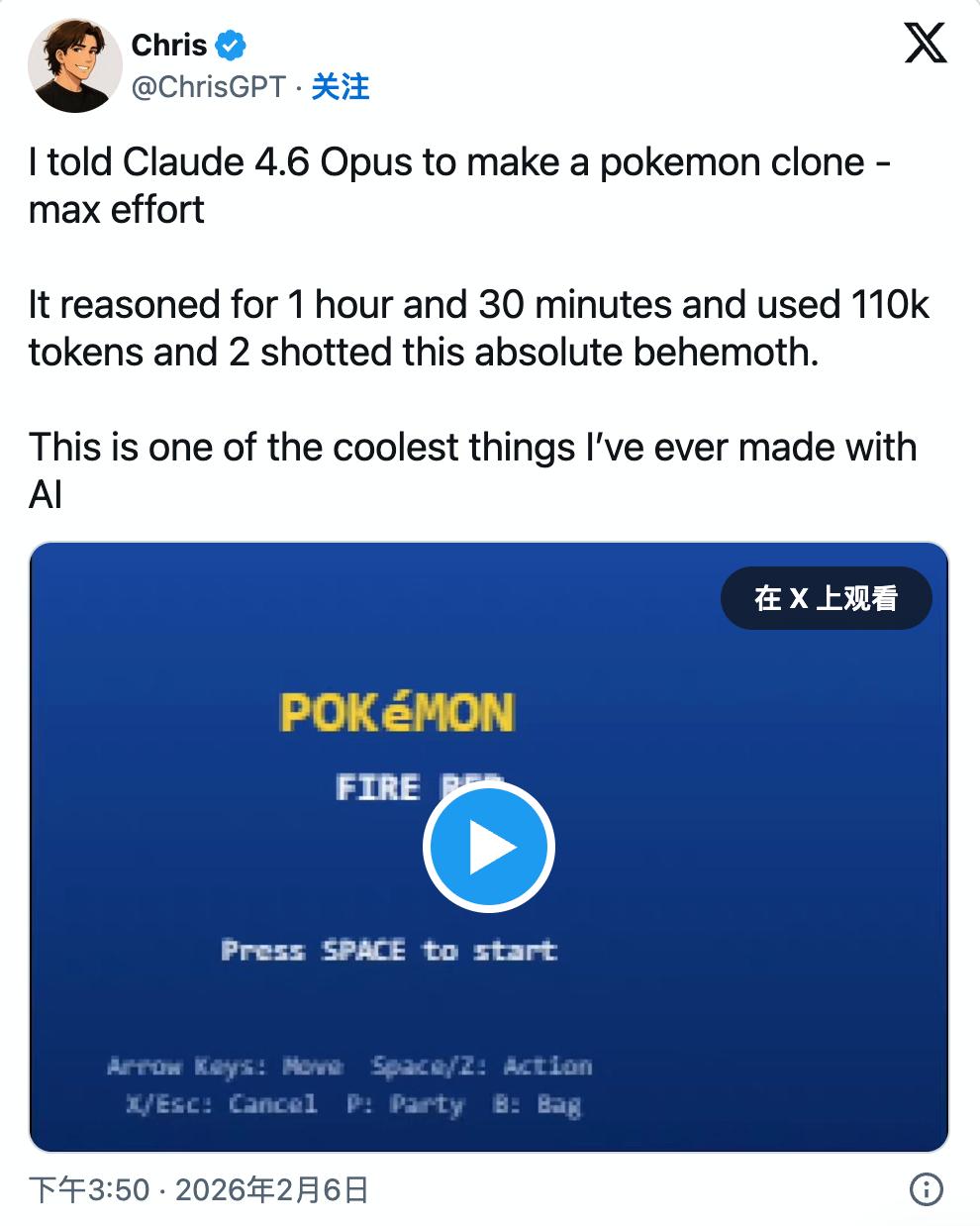
Some users have already done experiments, using the free Claude Opus 4.6 model, with only one prompt:
Make a Pokémon clone as close to the original game as possible.
In less than two hours, a fully functional and completely playable Pokémon clone game was completed.
In the past, game cracking by hackers was an extremely long "cat and mouse game".
Hackers found vulnerabilities and released cracking programs, then companies like Sony and Nintendo released system updates to fix the vulnerabilities, and hackers started all over again.
This used to be a confrontation with high technical thresholds and high time costs.
What about now? AI has accelerated the speed of this process by hundreds or thousands of times.
The game industry is facing an unprecedented intellectual property "whack-a-mole" game.
Take playing 3A masterpieces in the browser as an example, game manufacturers can of course send lawyer letters to require a certain website to take down the cloned game. But then what?
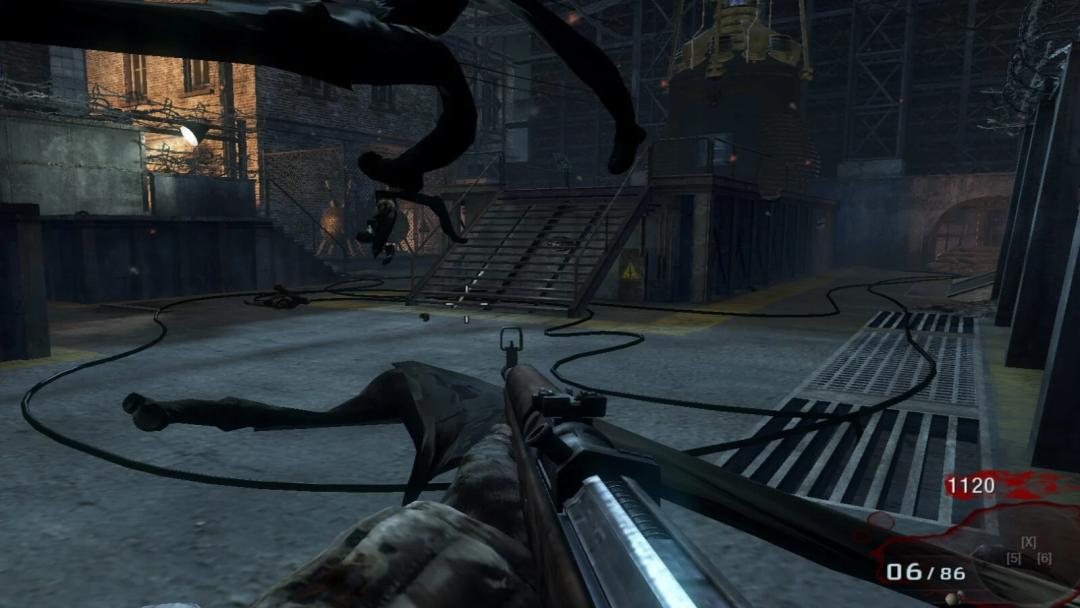
The cost of making these browser ported versions is so low and the speed is so fast, what can stop another person from using the same simple code to make another one on another website?
Large game companies have abundant capital, so they may be able to hold on for a while.
But what about those independent game developers?
They have no legal team, no strong capital. A game is the painstaking effort of several years or even longer for them. Now AI may make all this vanish into thin air overnight.
Sometimes I feel that we are in a very contradictory moment.
On the one hand, AI has improved the productivity of developers, allowing us to play more sophisticated and more fun games.
But on the other hand, this technology is likely to destroy the entire ecosystem of the game industry, leaving those who create the games we love with no way out.
This article is from the WeChat Official Account QbitAI (ID: QbitAI), the author focuses on cutting-edge technology, published with authorization from 36Kr.