Street dance competitions raise 150 million yuan in financing. Is this the next booming big business?
Unlike dance variety shows such as *World of Dance* that invite different contestants each season, IDL's distinct competitive advantage lies in its adoption of the highly mature franchise model from traditional sports at its founding stage.
In less than a year, the professional dance competition that just wrapped up its debut season has completed its second round of financing.
On October 21 local time in Los Angeles, the International Dance League (hereinafter referred to as IDL) announced the completion of a $15 million Series A financing, marking the league's second financing closed in less than a year. Last November, IDL announced the completion of a $7 million seed round financing, which means IDL has now raised a total of $22 million (approximately 1.46 billion RMB) in funding.
For a young competition league that has only finished its first season, $22 million is no small sum. The successive completion of the seed round and Series A financing within one year reflects that capital has recognized IDL's development potential.
A look at IDL's investor list shows that it brings together representatives from the sports, entertainment and technology sectors: Elysian Park Ventures, the venture capital arm of MLB's Los Angeles Dodgers, led both the seed round and this Series A round; music and entertainment industry investors including Sony and Yamaha are featured on the Series A financing list; KB Partners and Apex, which focus on sports technology investments, also participated in the round.
According to IDL's announcement, the proceeds from this round of financing will be used to expand the scale of competitions, improve the level of broadcast and digital content production, upgrade infrastructure for teams and dancers, create a brand-new fan experience, and build a better commercial ecosystem for the 2027 season.
It is worth noting that this round of financing comes at a time when street dance is exploring new development paths. Breakdancing, a subcategory of street dance, made its debut as an official event at the 2024 Paris Olympics, but failed to be included in the 2028 Los Angeles Olympics competition program.
However, the temporary absence of street dance from the Olympic stage does not mean that its professionalization exploration has come to a halt. On the contrary, driven by the combined capital of sports, entertainment and technology, IDL is trying to blaze a unique development path for street dance through professional dance teams, a league system and commercialized operation.
01
A Professional Street Dance League Secures $15 Million Series A Financing
According to content from IDL's official podcast, Connor Lim and Evan Zhou are the founders of IDL. The two previously co-founded STEEZY, an online dance teaching platform, where they accumulated rich experience in dance instruction, content operation and business cooperation.

The two founders of IDL
The founders' initial idea for IDL dates back to 2017. At that time, the development of esports professionalization inspired the two founders: if esports can grow into a professional league, why can't dance? In their view, although dance has a huge audience base, dancers usually rely on commercial performances, choreography, teaching or working as backup dancers for singers for their career development, lacking a mature professional competition system.
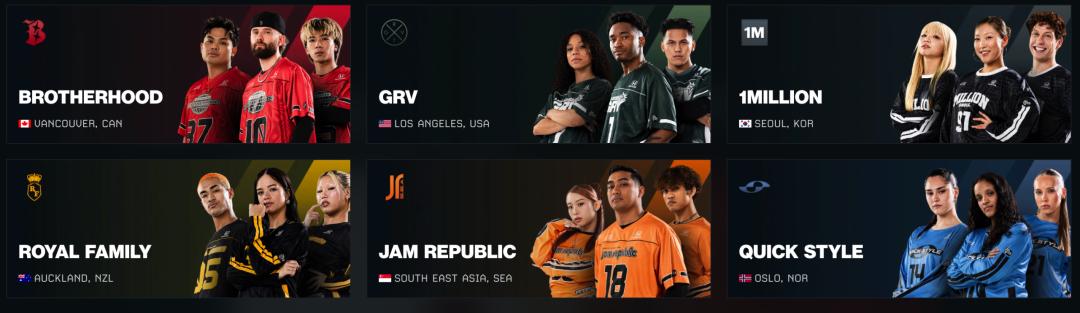
The establishment of IDL is intended to change this situation. A total of six teams competed in the 2026 IDL season: 1MILLION (South Korea), Brotherhood (Canada), GRV (United States), Jam Republic (Southeast Asia), Royal Family (New Zealand) and Quick Style (Norway).
Adopting a multi-city touring competition model, IDL held five regular stops in New York, Vancouver, Sydney, Seoul and Los Angeles from May to September this year, and finally hosted the finals in Los Angeles to decide the champion. In terms of results, Brotherhood won all five regular season titles, but was defeated by GRV in the final match, with the latter claiming the season championship.
It should be noted that IDL's six founding teams are no unknown entities, but teams with profound influence in the street dance field. According to IDL's materials, the six teams have a combined total of 250 million social media followers, and their historical content has amassed over 20 billion views. Therefore, IDL has gathered the world's top dance teams from its inception, laying a solid foundation for its competitive dance level.
IDL delivered a fairly impressive commercial performance in its debut season.
According to IDL's disclosure, tickets for all six events of the 2026 season were sold out. The competition garnered 2 billion views on social media, 6 million live stream views, and reached a copyright cooperation deal with ESPN2, a mainstream U.S. sports channel.
In terms of sponsors, Honda Stage and e.l.f. Cosmetics served as the league's presenting partners, while Shopify and Cîroc acted as IDL's official partners.

Among them, Honda Stage is a music and trend culture marketing platform launched by American Honda in 2014, focusing on music performances, artist collaborations and entertainment content. Its goal is to strengthen the connection between the Honda brand and young consumer groups through cultural content that young people love. The two sides have cooperated on dancer story dissemination, fan interaction and cultural events through Honda Stage.
As for e.l.f. Cosmetics, it is a highly popular beauty brand at the moment, and its participation demonstrates IDL's appeal to female consumers. The reason is that among IDL's disclosed audience during the 2025 test event phase, women aged 18 to 34 accounted for 68%, which highly matches the demographic that beauty consumer brands aim to reach.
From the perspective of Sports Money, both the sold-out tickets for all six events and the high dissemination popularity on social media reflect that IDL received favorable market feedback in its debut season. Of course, the achievements of the first season are not enough to prove that IDL has established a mature and sustainable profit model. IDL still needs a long period of time to verify its professional commercial logic, including how to convert social media traffic into stable paying audiences, and how to make commercial sponsorships and media copyrights long-term revenue sources.
02
IDL Aims to Become the "NBA of the Dance World"
Unlike dance variety shows such as *World of Dance* that invite different contestants each season, IDL's distinct competitive advantage lies in its adoption of the highly mature franchise model from traditional sports at its founding stage.
If dance variety shows value the freshness brought by different contestants each season, IDL places more emphasis on the continuity of individual dancers or teams: audiences can continue to follow their favorite dancers and teams across different seasons, witness their growth, competition and accumulation of honors, and thus form long-term fan relationships similar to those in traditional professional sports.
Connor Lim, co-founder of IDL, once gave an example on the official podcast: Just imagine if the NBA fired all its players every year and no longer needed LeBron James, just because there would always be new players coming in. This obviously does not conform to the development logic of professional sports.
Taking the NBA as an example, its growth into one of the most commercially valuable sports leagues in the world is not only attributed to exciting competitive matches, but also indispensable elements including team culture, star players and long-standing competitive rivalries. Fans' emotional identification with traditional teams like the Los Angeles Lakers and Boston Celtics will not disappear after the outcome of a single game, and can even last for decades. This emotion is even closely linked to the city where the team is based.
IDL hopes to replicate this development model in the dance field. According to IDL's plan, the six founding dance teams are not temporarily formed for a single season, but exist as professional teams that compete on a long-term basis. IDL stated that all six teams from the 2026 season will return for the 2027 season. This means that as the league continues to develop, competitive rivalries between different teams can keep accumulating, and dancers will also have the opportunity to build and operate their own fan bases through long-term competition performance.
To achieve this goal, IDL has also drawn on the operation methods of traditional professional sports in terms of competition schedule and system.
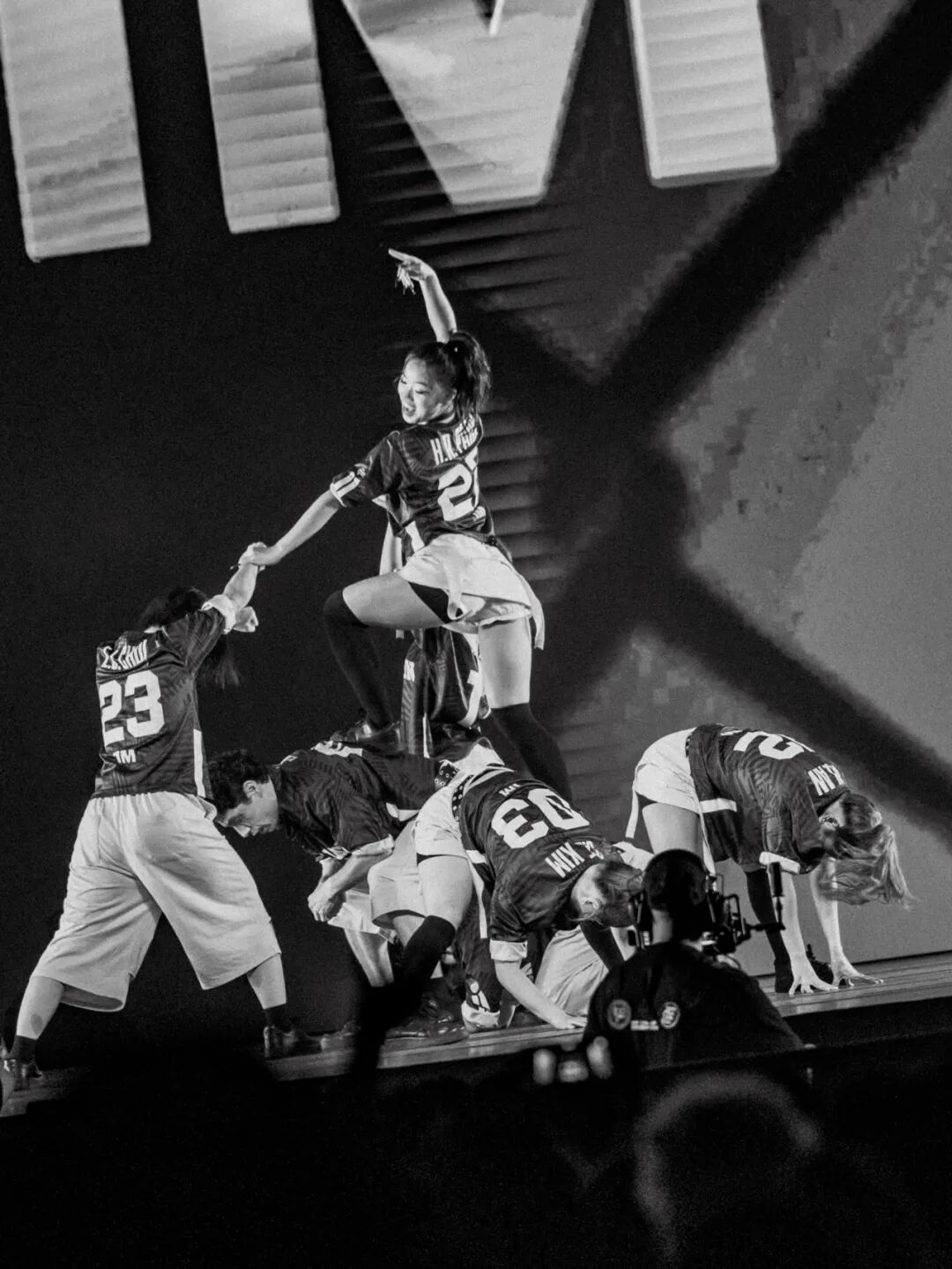
According to the rules of the 2026 season, each dance team is required to submit a season registration roster of 20 to 30 dancers, which cannot be changed arbitrarily once confirmed. For each match, 20 dancers must be selected from the registered roster to compete.
Interestingly, IDL adopts an open choreography competition format, where dance teams can integrate different dance styles to create works, instead of being limited to a single dance genre. This also gives IDL the opportunity to bring outstanding talents who were originally scattered across different dance fields into the same professional competition system.
For IDL, the significance of establishing fixed teams and a long-term season system lies in creating the possibility for the league to continuously accumulate commercial value.
As is widely known, the commercial value of professional sports never relies solely on ticket revenue from a single match. A team with a long history and loyal fans is itself a commercially valuable sports asset. Teams can continuously tap into fan consumption demand through different channels such as jerseys and peripheral merchandise, commercial sponsorships, brand licensing and digital content.
At present, the IDL league and its teams are also actively developing peripheral merchandise. On the official IDL store, competition uniforms for multiple dance teams have been put on sale at a price of $115. These peripheral products also incorporate team imagery and commercial sponsorship elements.
This is a very mature monetization model for licensed merchandise in the traditional sports sector, which can not only connect the emotions of the league, teams and fans, but also create more possibilities for revenue generation for the league and teams. From this perspective, IDL is trying to build a commercial operation system centered on professional dance teams, star dancers and fan groups.
Of course, if IDL truly wants to become the "NBA of the dance world", simply copying the competition system and operation model of professional sports is far from enough. For a professional league, whether it can provide a stable source of income for athletes also determines the foundation of its long-term development.
For a long time, even for world-famous professional dancers, their main sources of income are often inseparable from dance teaching, commercial performances, choreography and working as backup dancers for singers. It has been difficult to establish a long-term, stable connection between the identity of a dancer and a steady income.
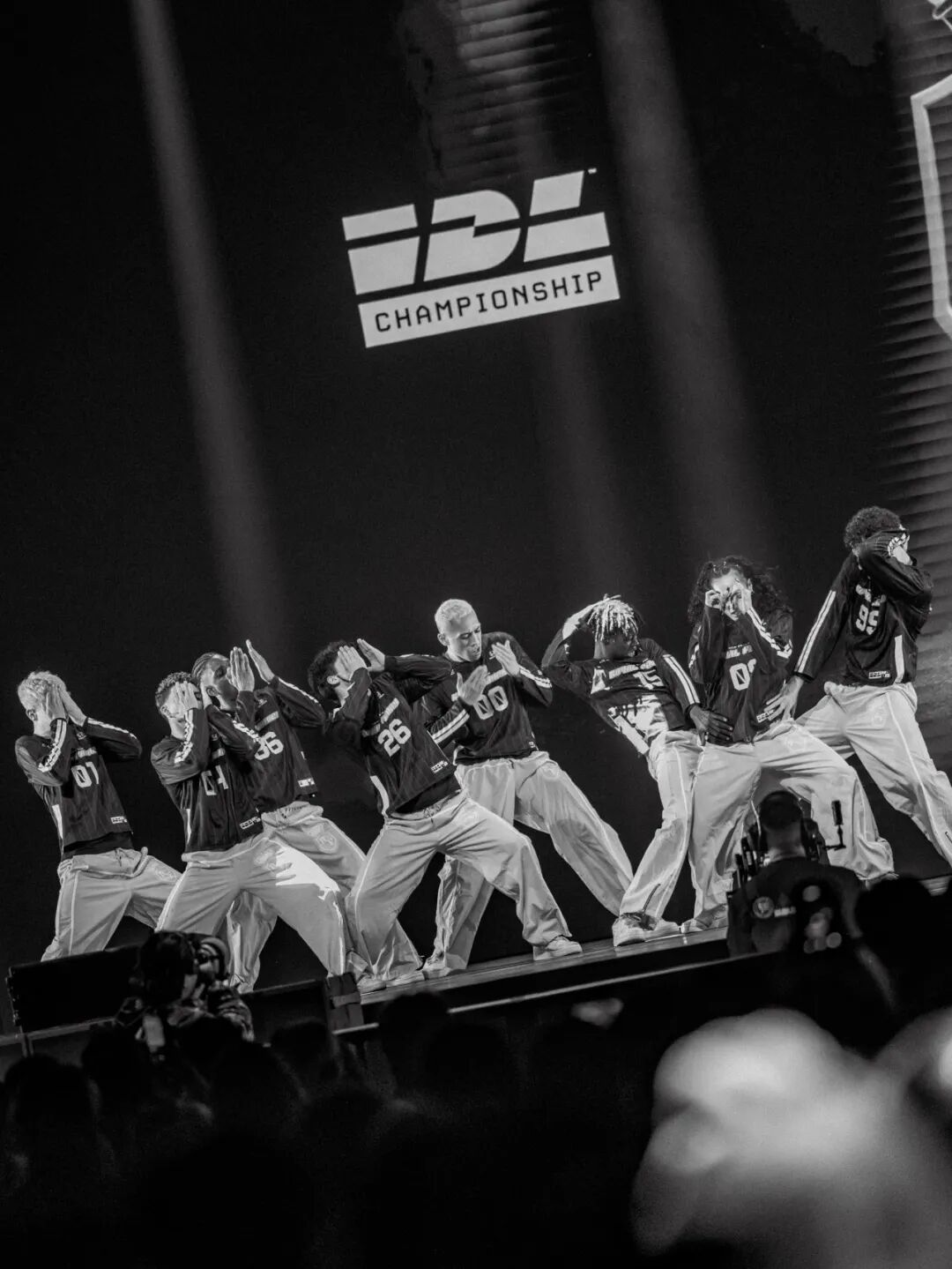
IDL hopes to change this revenue landscape in the dance industry. According to a report by *The New York Times*, IDL provides participating dance teams with a minimum guaranteed remuneration, sets additional competition bonuses, and covers the travel and accommodation expenses of the teams as well as providing partial visa support. Connor Lim also revealed on the official podcast that IDL invested approximately $5 million in its debut season for dancer-related expenses, including travel, accommodation and remuneration payments to the teams.
From a longer-term perspective, the professionalization model will help promote the development of the dance talent training system. When top professional leagues can provide excellent dancers with stable employment opportunities and career development space, a more complete industrial chain can be formed for dance training, youth competitions and professional talent cultivation.
On the official podcast, Connor Lim once publicly put forward a ten-year development vision: he hopes to expand IDL to 24 professional dance teams with 480 professional dancers in the future, and gradually form a professional league system with weekly competitions and a complete playoff structure.
03
Nike, adidas and China Mobile Have All Entered the Street Dance Track
IDL's favor from capital is not an isolated industry phenomenon. Turning the perspective to China, commercial brands represented by Nike, adidas and M-Zone, a brand under China Mobile, have long promoted the professional development of street dance through hosting competitions and other methods.
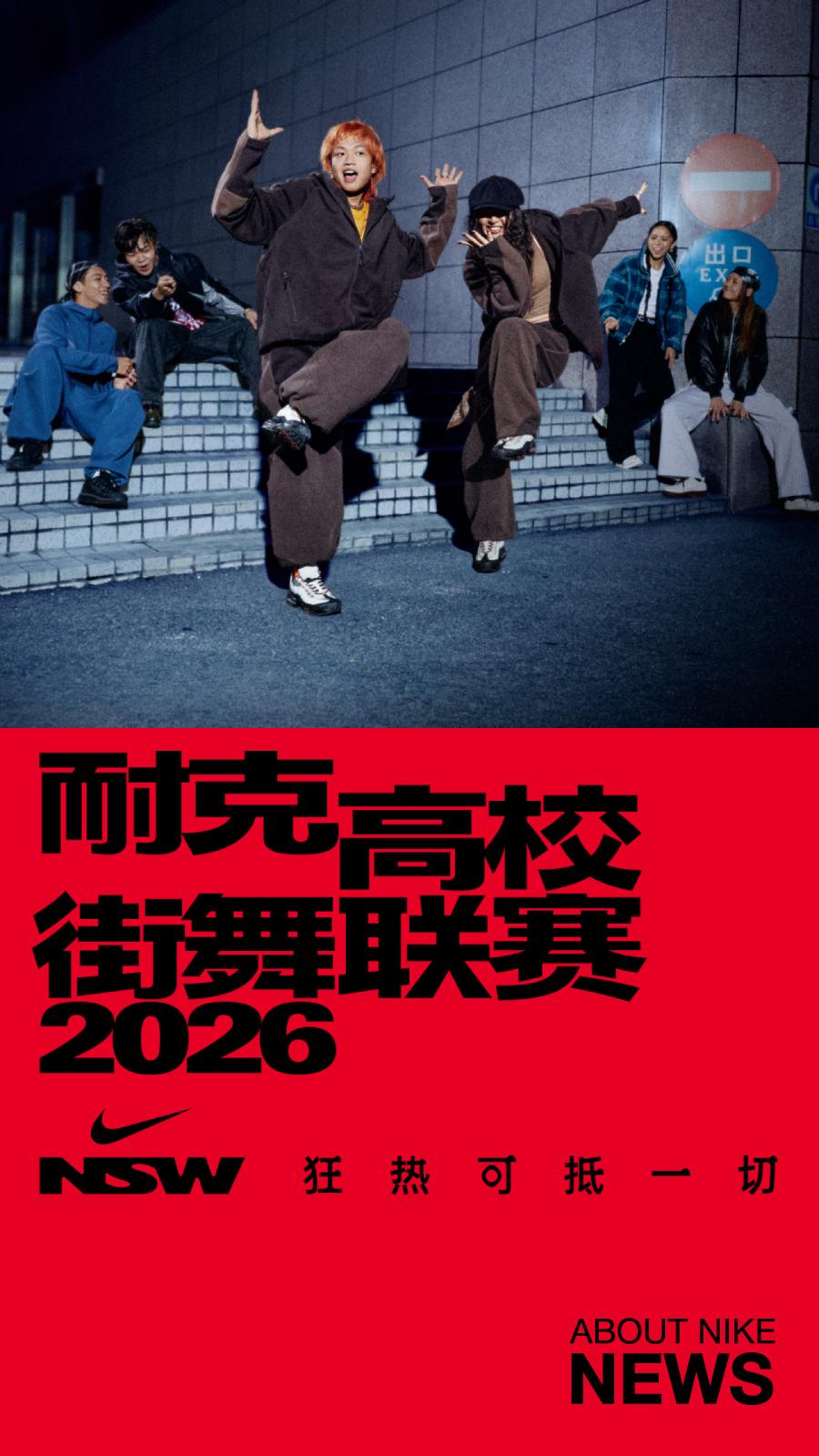
In 2023, Nike founded its first university street dance league, covering 115 university street dance clubs and more than 6,000 dancers. According to available information, the 4th Nike University Street Dance League will kick off in Guangzhou on November 1, with an expected participation of 160 schools and over 170 teams.
Source: Nike's social media
As for adidas, it not only hosts street dance competitions, but also continuously taps into female consumption and trend lifestyles. adidas has held two editions of the "DANCE UP!" university dance challenge last year and this year, and its sub-brand adidas Originals has also launched a brand-new street dance competition IP called "3v3 Street Dance Battle" to explore more types of street dance competition formats.
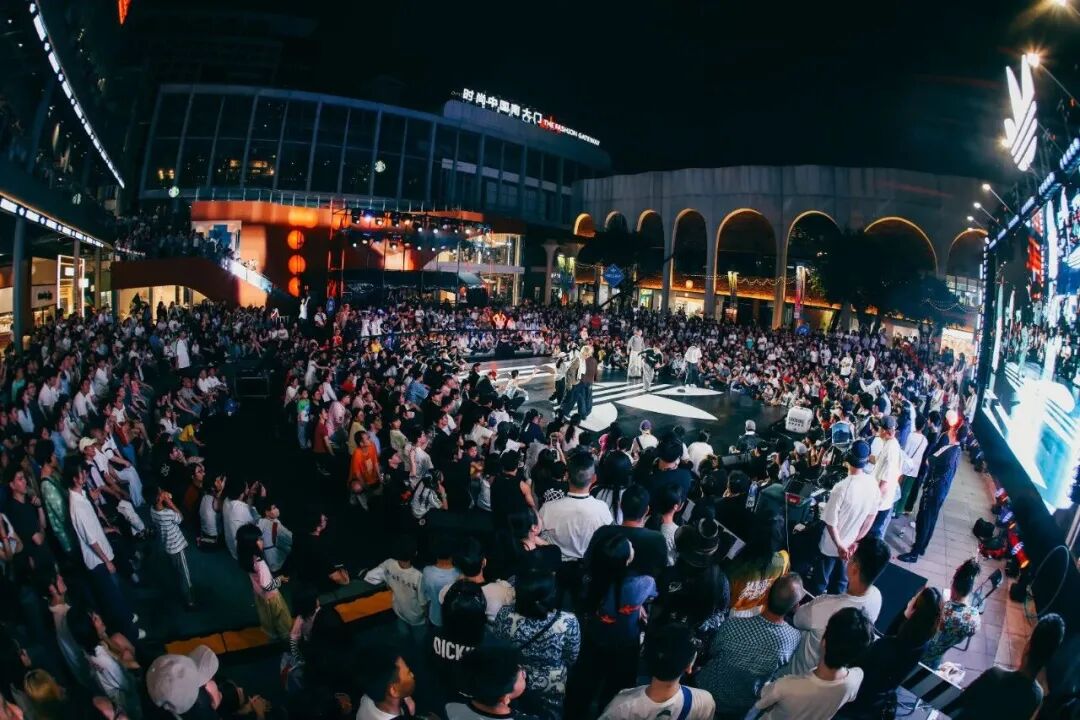
"3v3 Street Dance Battle" event, source: adidas's social media
In comparison, China Mobile's support for street dance competitions is more in-depth. Starting from 2021, China Mobile has co-hosted the Campus Division of the China Street Dance League with the China DanceSport Federation. By 2022, the M-Zone China Street Dance League even became a selection channel for the national breakdancing team. Liu Qingyi, who later won the women's breakdancing gold medal at the Hangzhou Asian Games and a bronze medal at the Paris Olympics, first rose to prominence in this competition system.
