Practical Sharing for Solo Codex Game Development: How to 100% Remake a Game with AI?
Hello everyone, it's been a while since my last update. Recently, I did an interesting experiment with Codex: Let AI participate in the whole process, and remake the physical narrative game I created in college into a web-based game.
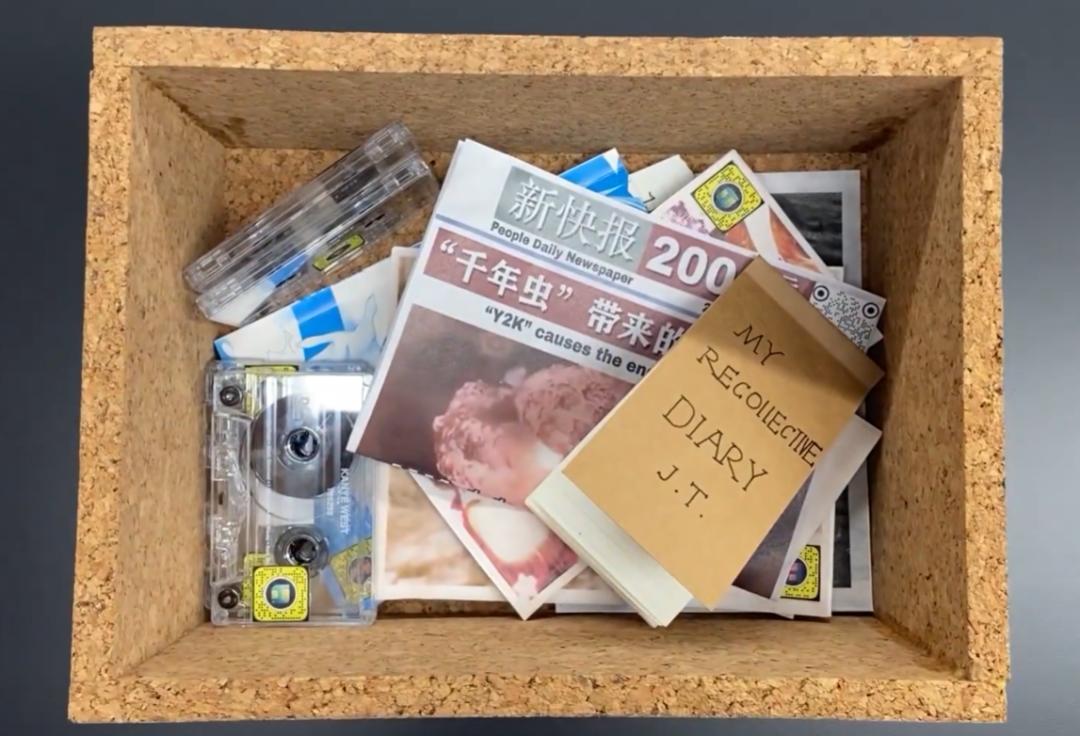
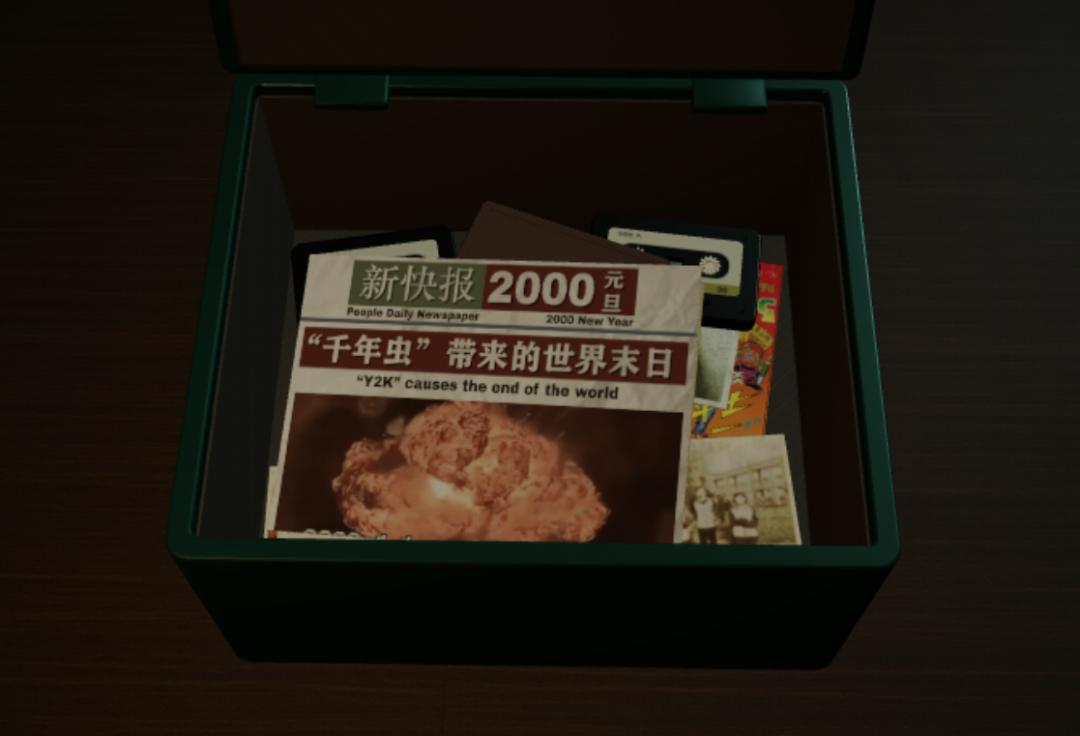
The game is named Romanticism of the Millennium, with a playtime of about 60 minutes and multiple endings. As a player, you will open a box that stores many old items. Every old item dates back to the millennium and carries a fragmented memory: a song in a tape, a page of text in a diary, a mark on the back of a photo... Players will piece these memories together to restore a past story that happened at the end of 1999.
Before continuing to read, you are welcome to experience this highly personal narrative game work first (VPN required):
http://millennial.senetwander.com/game
In the past year, I think many people have observed that AI is entering the creative field on a large scale. The currently trending AI short dramas and the endless stream of AI mini-tools on Xiaohongshu all prove that the threshold for creation is dropping sharply: ordinary people can bypass technical barriers with vibecoding and create their own works.
But I also noticed that many game creators still lack awareness of the "extent" and "boundary" of "AI-empowered game development". Many people's attitudes towards AI participating in game creation are still "just for fun", "it can only make a 5-minute mini-game", "the generated content is too cheap"... This kind of prejudice is really a pity for creators who truly have personal style and a desire to express themselves.
Therefore, I plan to write down the process of this 100% AI-remade project based on my personal practice, hoping to bring inspiration in the following aspects:
- How to communicate effectively with AI to improve game development efficiency
- The process and boundary of AI-generated content, and how to retain personal aesthetics and characteristics
- Changes in game creation workflow in the AI era, customized tools and rapid prototype verification
01 Let AI understand the project background
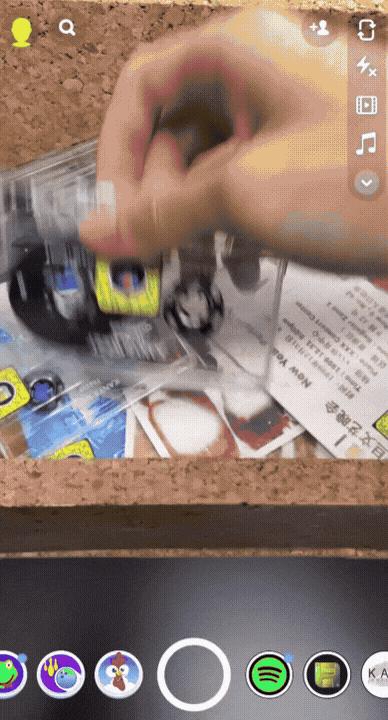
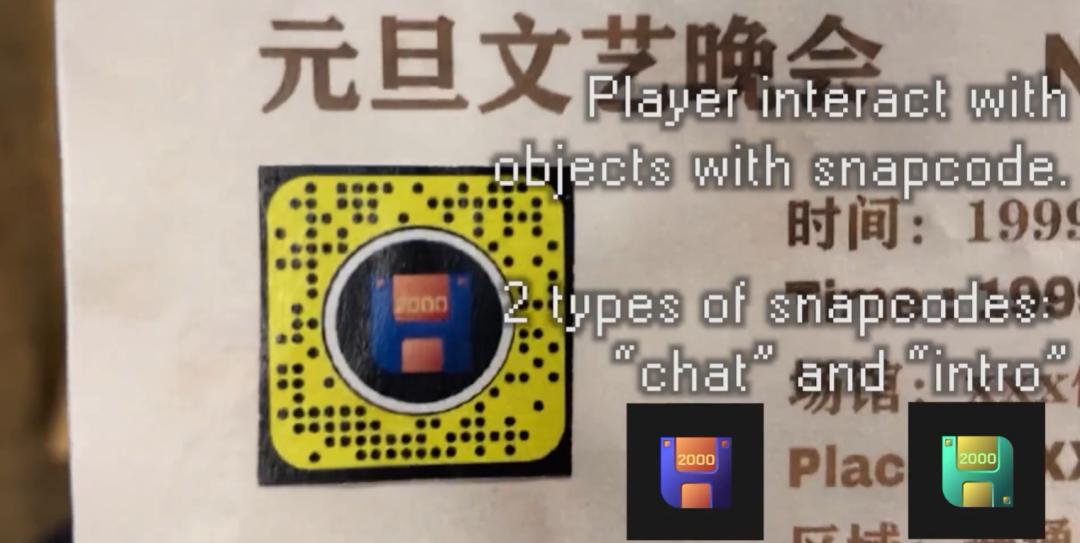
Romanticism of the Millennium was my final project in the first year of college. Its main body is a memory box filled with items such as diaries, photos, concert tickets, tapes, and comics. Players need to open the box, search and read the contents inside, and then access the corresponding digital content on their mobile phones through the scanning entry on each item.
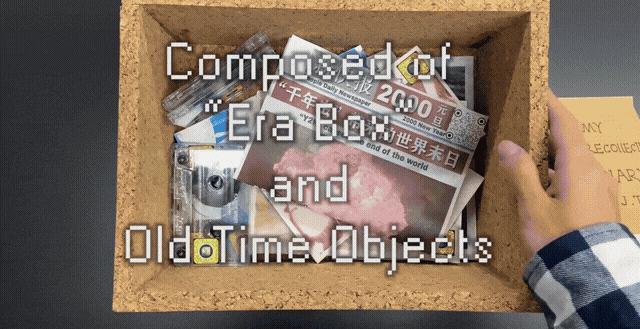
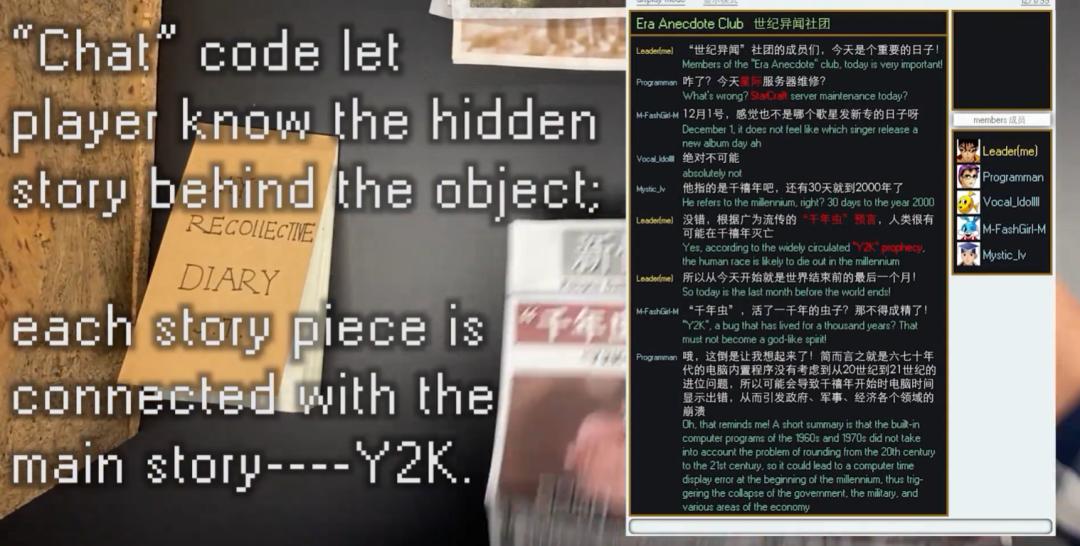
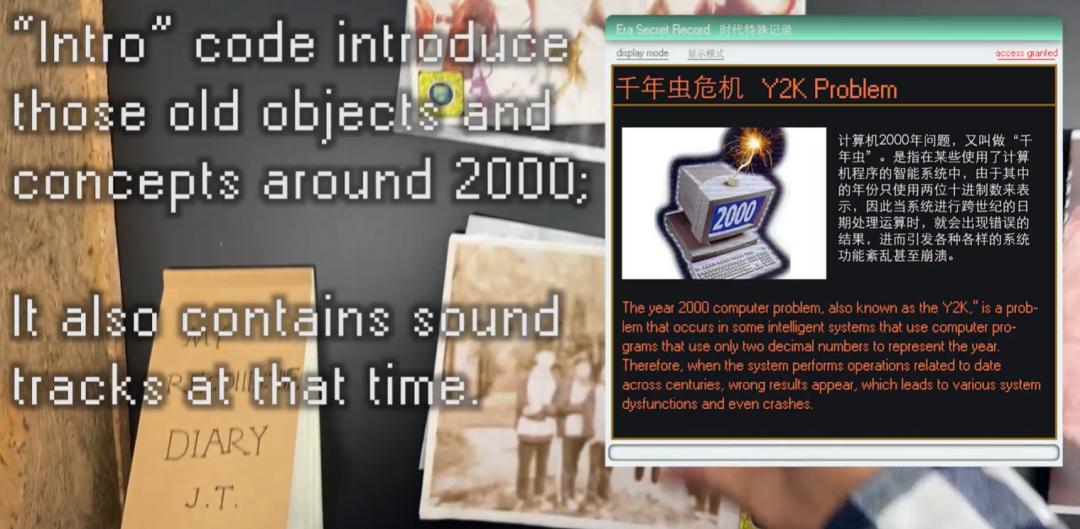
In actual experience, players need to constantly switch between the physical items in their hands and the mobile phone screen. For example, after opening the diary and finding the scanning point, the player will enter a section of digital content; after reading it, they will go back to the box to look for other clues. Physical items not only provide exploration actions, but also determine the sequence of plot presentation and restoration; the mobile phone is responsible for presenting further digital content. After each scan, a continuous chat content will be displayed on the mobile phone, and players may also need to make choices, answer questions, or select one of several songs to play. Different surfaces of the same item may also lead to different content.
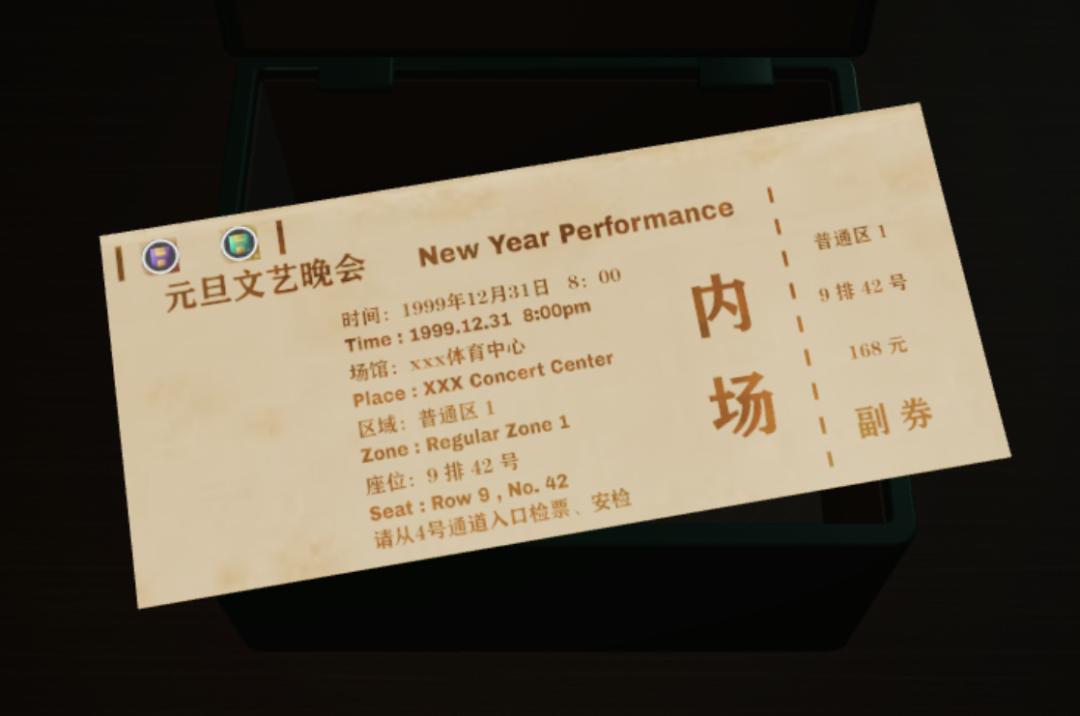
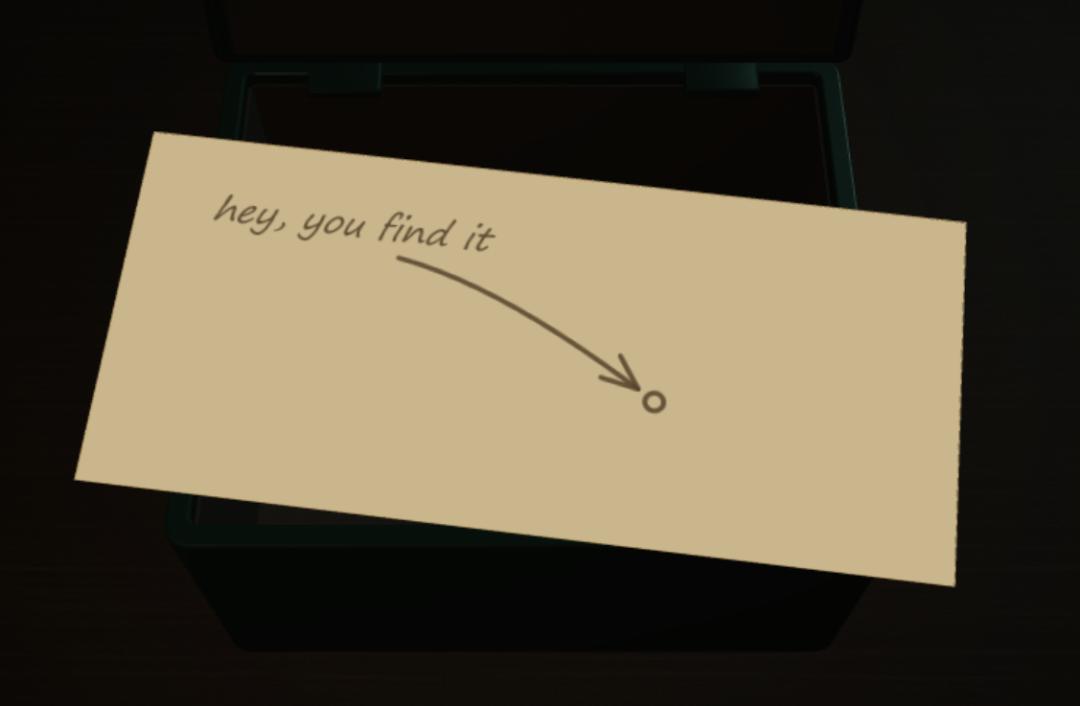
The concert ticket is a very intuitive example. Its front side is associated with a dialogue with branches: after seeing the first page, choosing one option will end the dialogue, and the other option will continue to the next page. The back side is associated with another section of content, but players need to pass a question lock first: they can read it only after answering correctly, and they will see an inaccessible feedback if they choose the wrong answer.
The above description constitutes the first round of project background I provided to AI.
These details together outline the "creative direction", "content presentation process (narrative form)" and "content organization architecture" of the work. In my opinion, these three aspects form the foundation of the work, and are also the parts that I usually do not let AI participate in. They answer the three most basic questions in game creation:
(Creativity) What are the characteristics of this work?
(Process) How to experience this work?
(Architecture) How to implement this work?
When collaborating with AI to create games, I usually conceive these three aspects independently first, and then provide them to AI as the first round of project background. I have also tried to let AI intervene and expand when the idea was just taking shape. But this can easily lead to a situation where neither I nor AI can figure out "what kind of experience we really want", and finally we run around like headless flies, only hoping to get an illusory good result by chance.
All in all, the truth is simple: the core of work-oriented games lies in personal style and personal expression, so creators cannot give up their taste and judgment. Otherwise, the work will fall into the big dye vat of the AI model database, become a hodgepodge of various existing elements, and lose its personal characteristics.
AI can only provide generalized information and data that already exist in the world, and has certain value in brainstorming and finding references. But if you hand over the steering wheel of the work to AI from the very beginning, as vibecoding goes deeper, the creator's control over the work will gradually weaken, and the final presented work may also be mediocre.
After AI understood the project background and obtained the original project, I didn't start production immediately. Instead, I confirmed again whether AI understood the relationship between different files. For example, each item in the original work is set with one or more scanning points, corresponding to different plot pictures, audio and video materials respectively. I need to confirm whether AI can correctly restore the corresponding relationship between these materials.
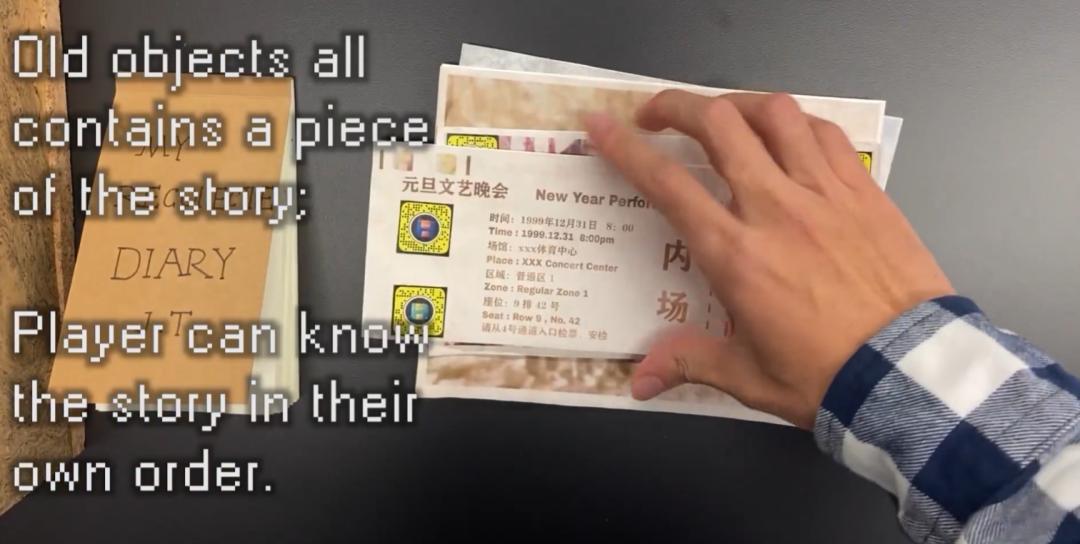
Therefore, the result of my first stage of cooperation with AI is a content proofreading platform. AI sorted out the following information according to the project engineering:
- All interactive objects
- The plot logic chain corresponding to each item after scanning
- The pictures, audio and video materials corresponding to each item
- The confirmed information and the remaining to-be-confirmed problems in each item
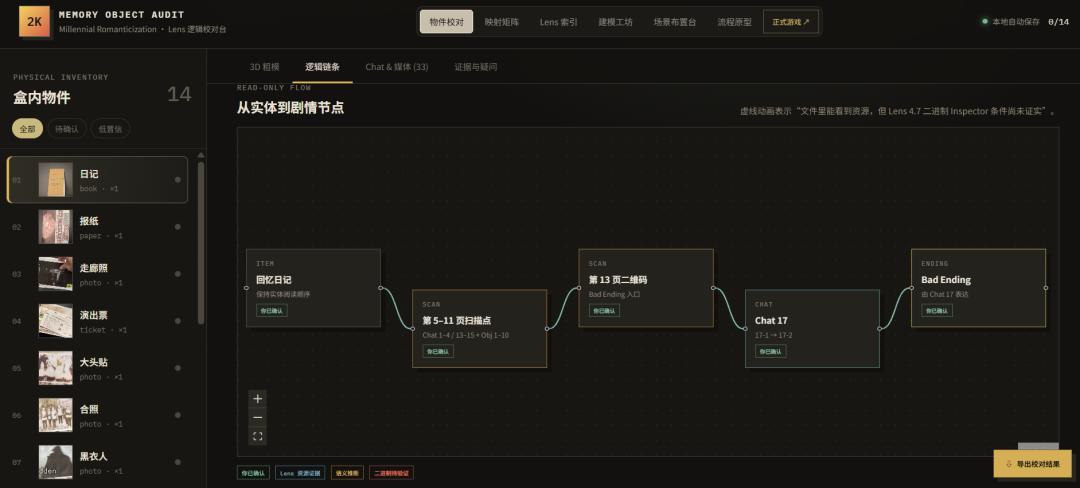
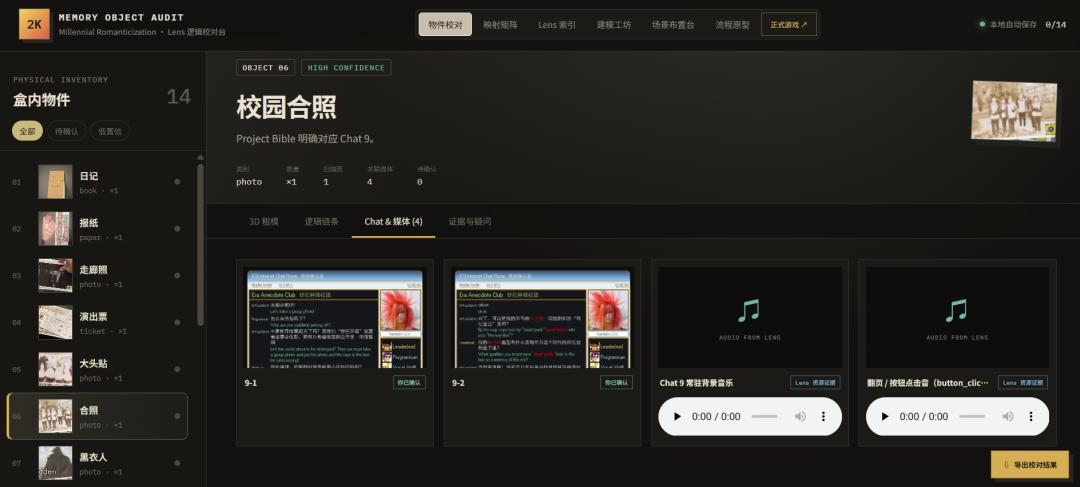
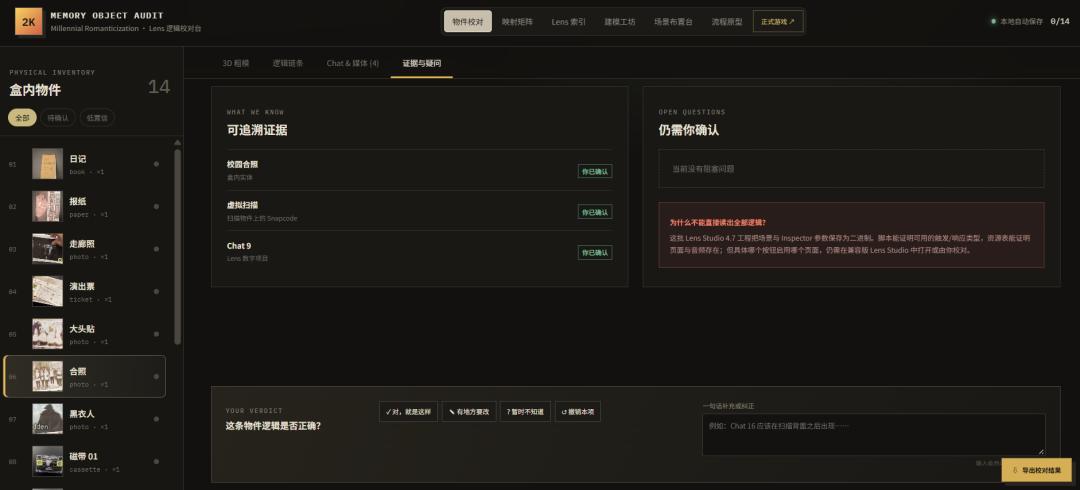
Proofreading itself is very boring, but the visualized proofreading platform brings a lot of convenience. I don't need to go back and forth with AI for multiple rounds of questions and answers, nor do I need to read lengthy tables or data sets. I only need to do a few multiple-choice questions and write one or two comments on the web page built by AI, and finally export the result as JSON and give it back to AI to complete the detailed proofreading of the entire project.
The whole process is a bit like taking an MBTI test.
This is a very good cooperation mode: when communicating and collaborating with AI, the feedback method itself can also be designed. AI can not only output long texts that are a headache to read, but also organize information to be more readable, making the creator's interactive experience simpler and more intuitive.
02 AI rapid prototype iteration and verification
If we talk about the biggest change AI brings to the game creation workflow, rapid prototype iteration must be one of them.
Before AI became a productivity tool, making game prototypes had certain skill and time thresholds. For example, many prototypes require creators to write code by themselves, make simple materials, and repeatedly modify code and debug... This undoubtedly makes many creators hesitate, even unable to take the first step to make prototypes, and the concept of rapid prototypes has not been popularized and valued.
In game design majors in Western universities, many courses will cultivate students' awareness and ability to make prototypes quickly: from paper prototypes that can be completed with only pen and paper, to narrative or economic system prototypes made with the help of special web tools, to lightweight gameplay prototypes made using game engines such as Unity. Different types of prototypes can be made quickly to verify whether different parts of the game are effective and meet expectations.
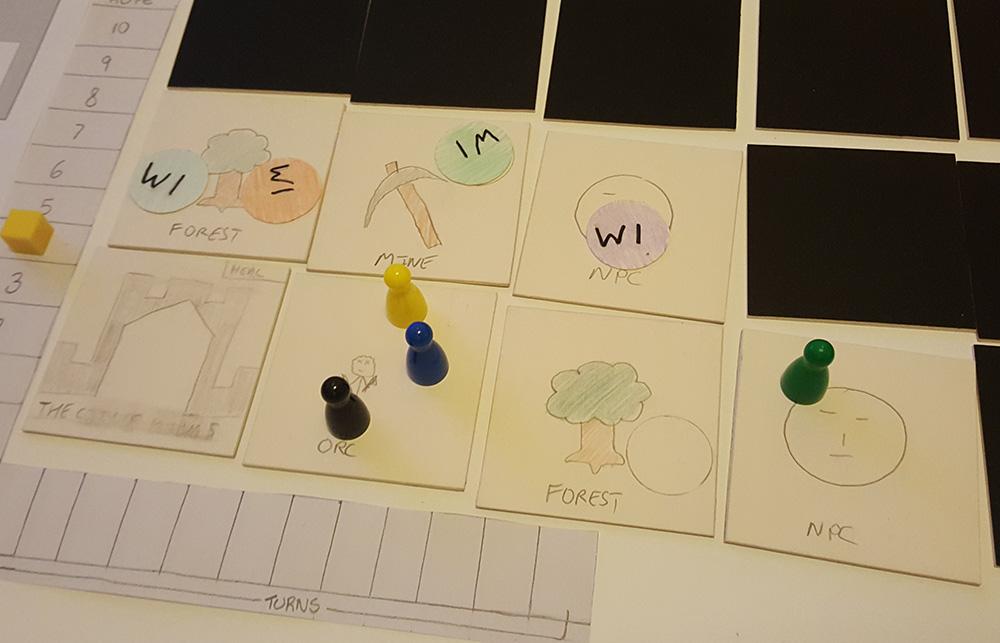
Therefore, when AI has the ability to generate art placeholder materials and write code, almost all the thresholds for prototype production are reduced to 0. Many creators have begun to adopt a new workflow: first let AI make a web version of the game prototype to verify specific gameplay (fun, feel, interaction process...); after quickly feeding back the modification direction and letting AI iterate to the ideal state, then ask AI to port this web version of the prototype to the official game engine.
This is the AI rapid prototype iteration and verification workflow in the new era.
Back to the project of Romanticism of the Millennium. After giving AI enough project context, I asked AI to make a simple interactive process prototype, including the following content:
Make the simplest and roughest modeling for all objects
Add scanning points corresponding to the plot for each object
After interacting with the scanning point, display the digital content of the corresponding plot
Put all the objects in a box, and make the simplest pick up / put down interaction logic
It can be seen that I made this prototype to quickly verify whether the interaction logic of the original physical version is still suitable after being ported to the computer, and which interaction methods need further adjustment.